Phinehas Drove the Spear and Elijah Poured the Cup
Twenty-four thousand were already dead and the people stood weeping at the tent. Moses did not move. Aaron's grandson walked in carrying a spear.
Table of Contents
The spear entered both of them at once.
 Click for full size
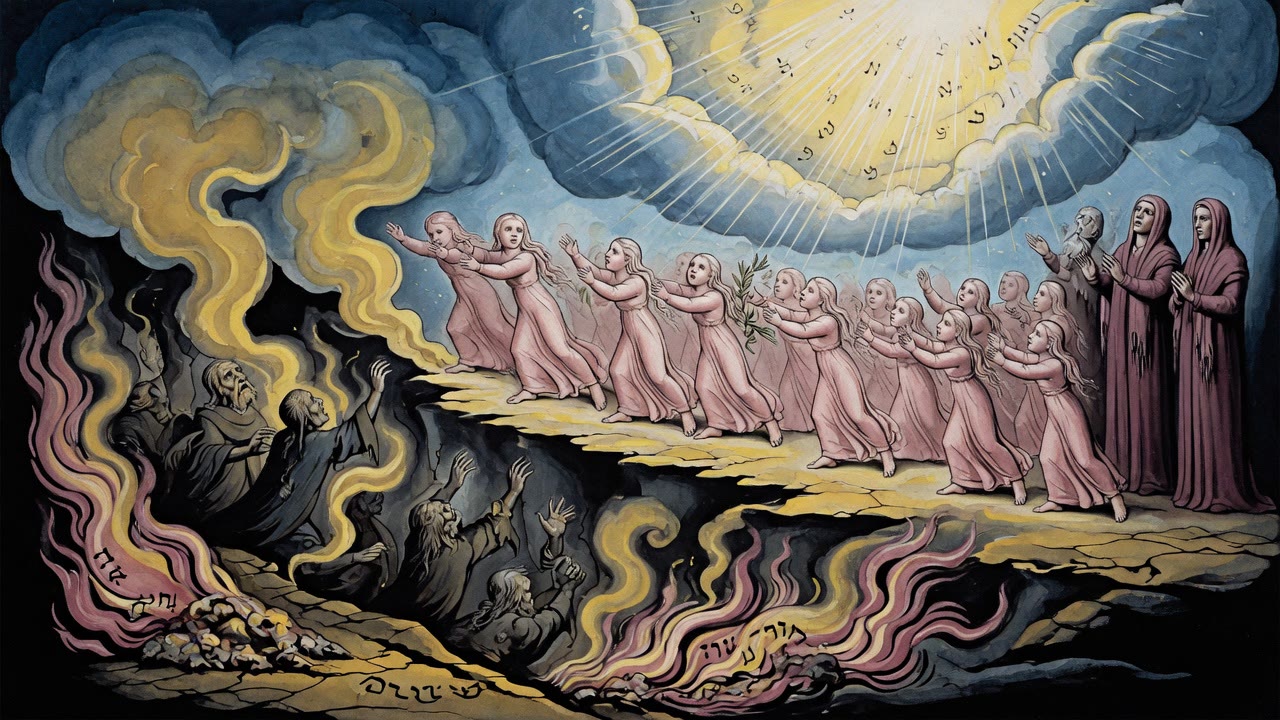
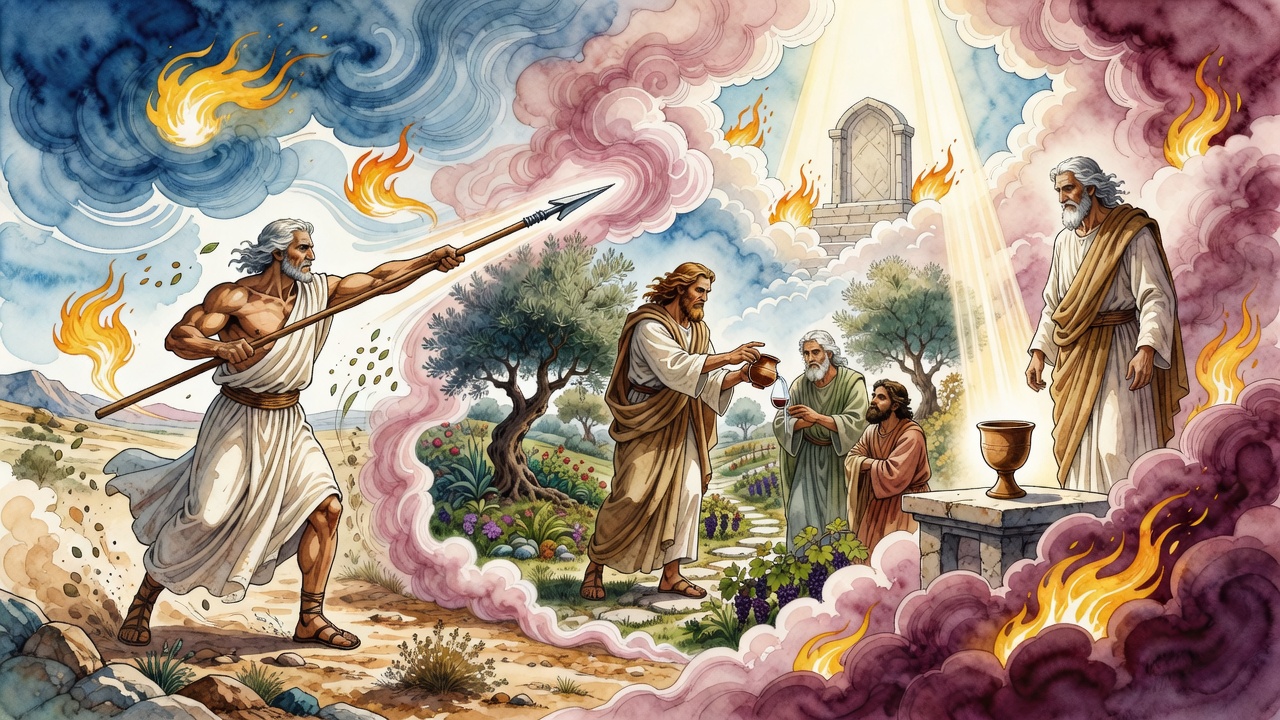
Phinehas drove it through the Israelite man and the Midianite woman while the people stood weeping at the entrance of the Tent of Meeting, paralyzed by grief and the noise of dying (Numbers 25:7-8). The plague had already killed twenty-four thousand. Moses had not moved. Phinehas, grandson of Aaron, young priest, walked into the tent and ended it himself.
God rewarded him with a brit shalom, a covenant of peace, the most paradoxical gift for the most violent act. Not peace as rest. Peace as permanence. The covenant was eternal priesthood, and if the tradition is to be believed, something more: Phinehas did not die. He became the thread running through every generation where Israel faces judgment and no one else moves.
The Priest Who Outlived the Wilderness
The wilderness generation died in the desert. Joshua led the next generation into Canaan. The Judges rose and fell. Through all of it, Phinehas served as high priest, decades beyond any natural lifespan, still the same man who had acted when Moses stood frozen.
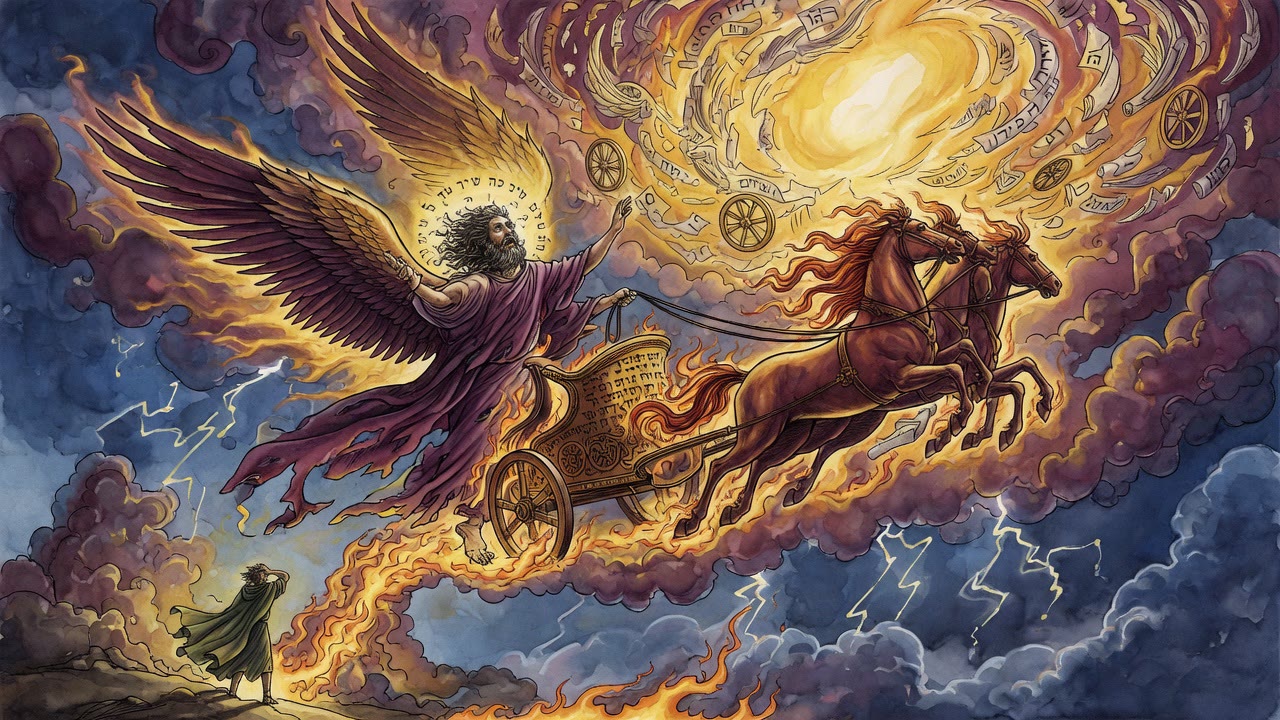
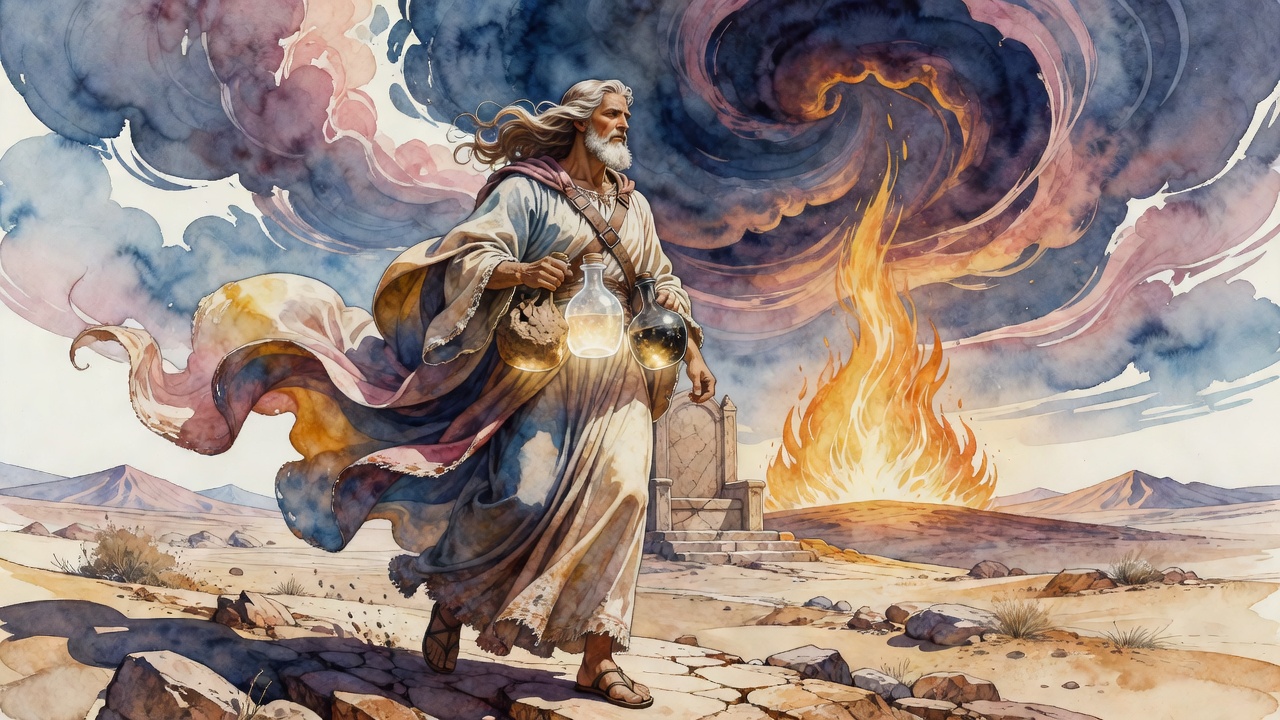
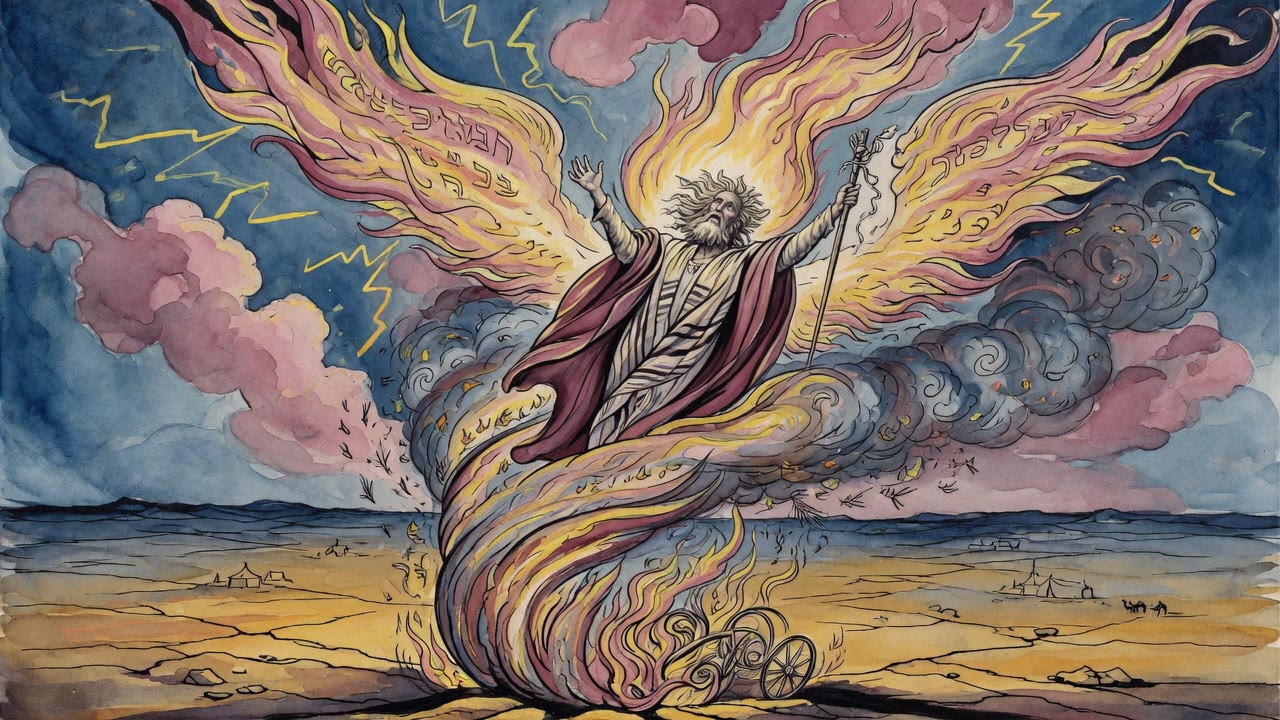
Then that name disappeared. The monarchy arrived, rose, split, and began to rot. And in the reign of Ahab, a man called Elijah walked out of Gilead and announced a drought to the king of Israel (I Kings 17:1). No genealogy. No origin. The text introduces him as if he has always existed, which, in the deepest sense of the tradition, he had.
The absolutism is the same. The refusal to tolerate compromise is the same. The willingness to stand alone against a king, or a plague, or a mob of Baal's priests, is the same. Phinehas became Elijah the way iron stays iron across the forge.
Three Sons in a Spice Garden
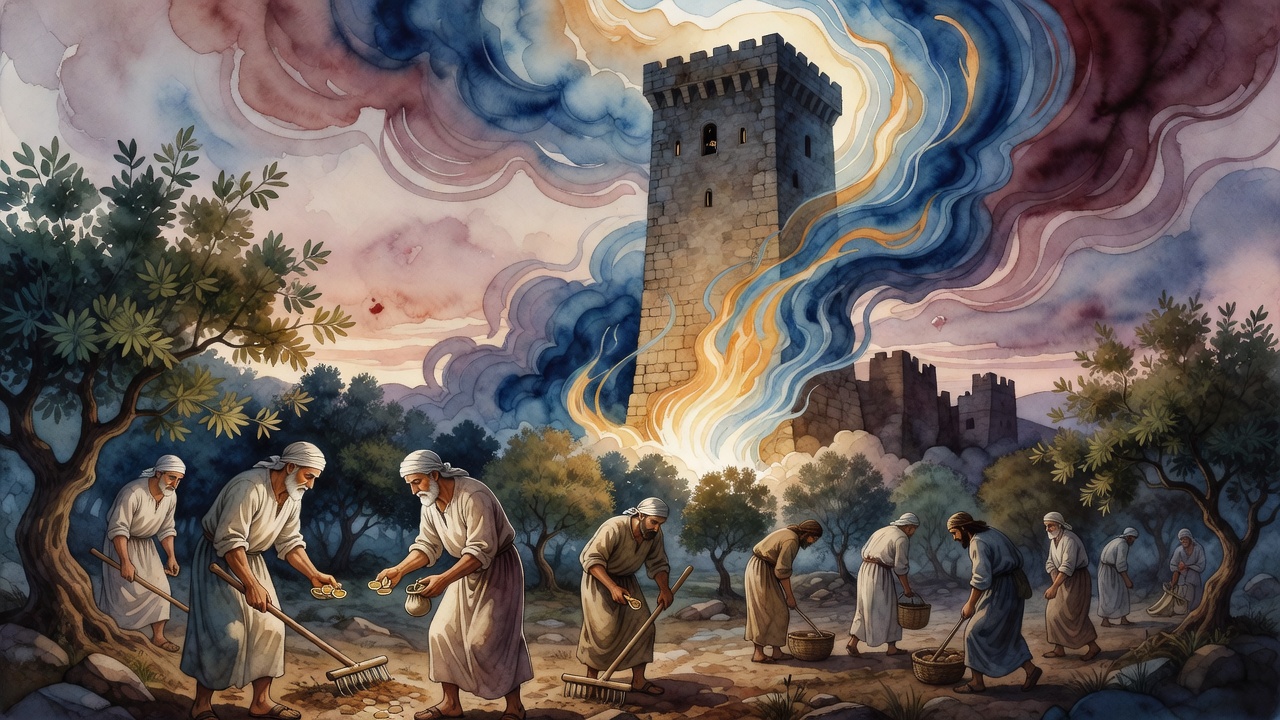
A pious man died and left his three sons a spice garden. Each son took a watch through the night. On the first night, the eldest stood at the gate in the dark when a figure appeared. The question it asked was simple: knowledge of Torah, great wealth, or a beautiful wife?
The eldest chose wealth. He received a coin. By morning he was rich. The second chose knowledge of Torah. He received a book. By morning he knew it whole.
The youngest stood his watch on the third night. The same figure appeared, the same question. He did not ask for wealth, did not ask for scholarship. He asked for a wise and beautiful wife. And instead of a coin or a book, Elijah took him on a journey.
Three nights they traveled. The first two households they visited housed men of bad character, and each night the chickens and geese in the yard murmured in the dark: what sin must this young man carry, to end up here? The third household was different. The daughter there was lovely and good, and the birds said: what virtue must this young man have, to deserve such a match? Elijah arranged the marriage in the morning.
The eldest and second brothers received what they named. The youngest received a guide, a road, three nights in strange houses, and a verdict rendered by geese. He had asked for the one thing that cannot be accumulated, that requires you to remain present and human. Elijah, who had been watching since Egypt, knew what that choice meant.
The Table That Ended the Visit
Two brothers lived in the same town. Both were pious by every visible measure: prayers said, commandments kept. Elijah visited one and refused to visit the other.
The reason was the table.
The visited brother ate with his servants. He set a place for them at his own meal and sat among them. His brother let the servants eat their fill of the first course, then gave them the remainder after his own family finished. From the outside, both households looked the same. Elijah knew the difference without asking.
A second pair of brothers. Again, both pious. One made certain his servants had what they needed before his own supper. The other waited until his own needs were met. Elijah went to the first and did not go to the second.
The man who called down fire on the priests of Baal at the Kishon River (I Kings 18:40), who ran faster than Ahab's chariot in the rain, who argued with God on the mountain until God asked him directly what he was doing there: this same man stood in ordinary kitchens and made his judgment on where servants ate. The zeal did not soften. What counted as faithfulness grew larger.
The Cup Set at the Door
Elijah has been present at every circumcision since Sinai. He complained to God that Israel had abandoned the covenant (I Kings 19:14), and God answered by requiring him to attend every renewal of it in the flesh, generation after generation. Three thousand years of witnessing the covenant confirmed, in house after house, in every generation that survived to carry it forward.
He will announce the end of the present age, the last chapter before the Messianic era begins (Malachi 3:23-24). He has been accumulating the account in the interval: what the sons chose in the dark of the garden, which brothers set a place for their servants, which households treated the people who worked for them as people.
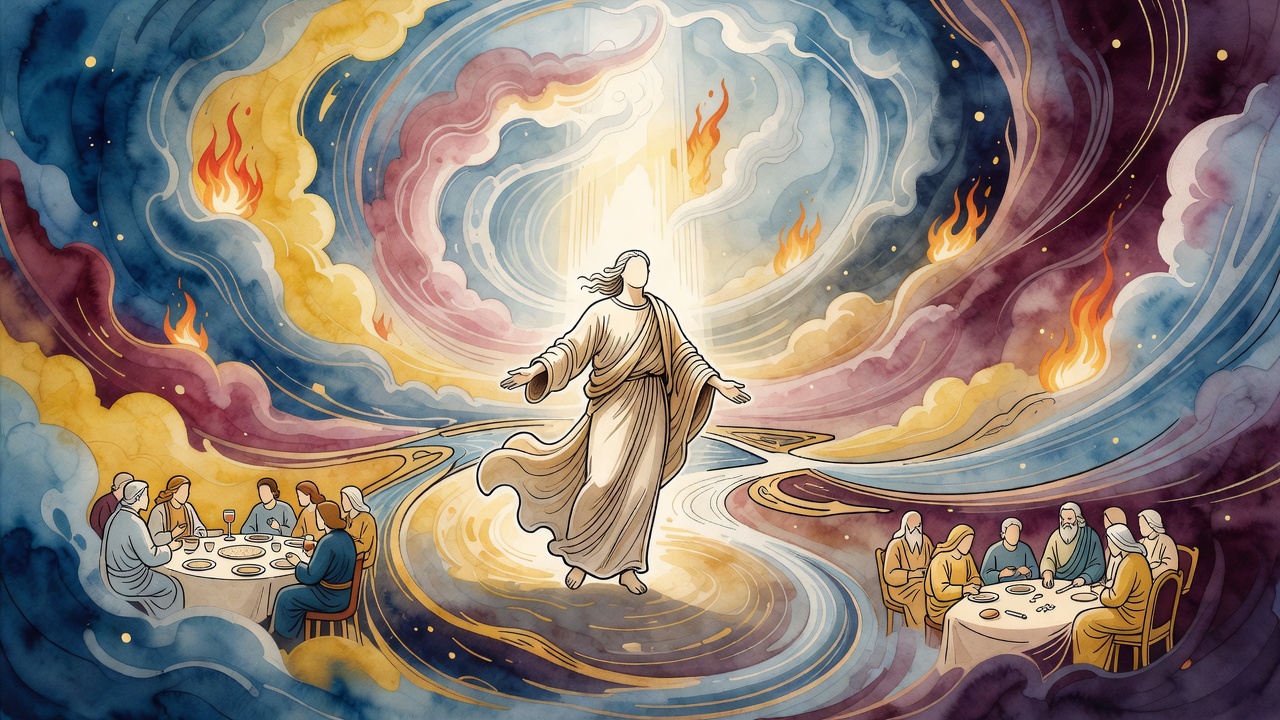
At the Passover seder, a cup of wine is poured and a door is opened. The tradition is entirely serious about this. Elijah was present at the first Passover, or near it, and has attended every one since. The cup is set for a guest who is already in the room, who has been in the room since Egypt, and who is keeping the account open until the age when accounts are settled.
← All myths