The Letters That Hid Adam Inside Creation and Rescued Ruth From Shame
Bereshit Rabbah finds a human being concealed inside the word for very, and flips Moav's infamous birth into the ancestry of Ruth and David.
Table of Contents
 Click for full size
Three Letters That Did Two Jobs
On the sixth day, after the last animal walked and the last star was placed, God surveyed everything that had been made and called it me'od tov. Very good. The phrase is brief, almost formulaic. Genesis had said good five times already. This was the sixth assessment, and it added one word: very.
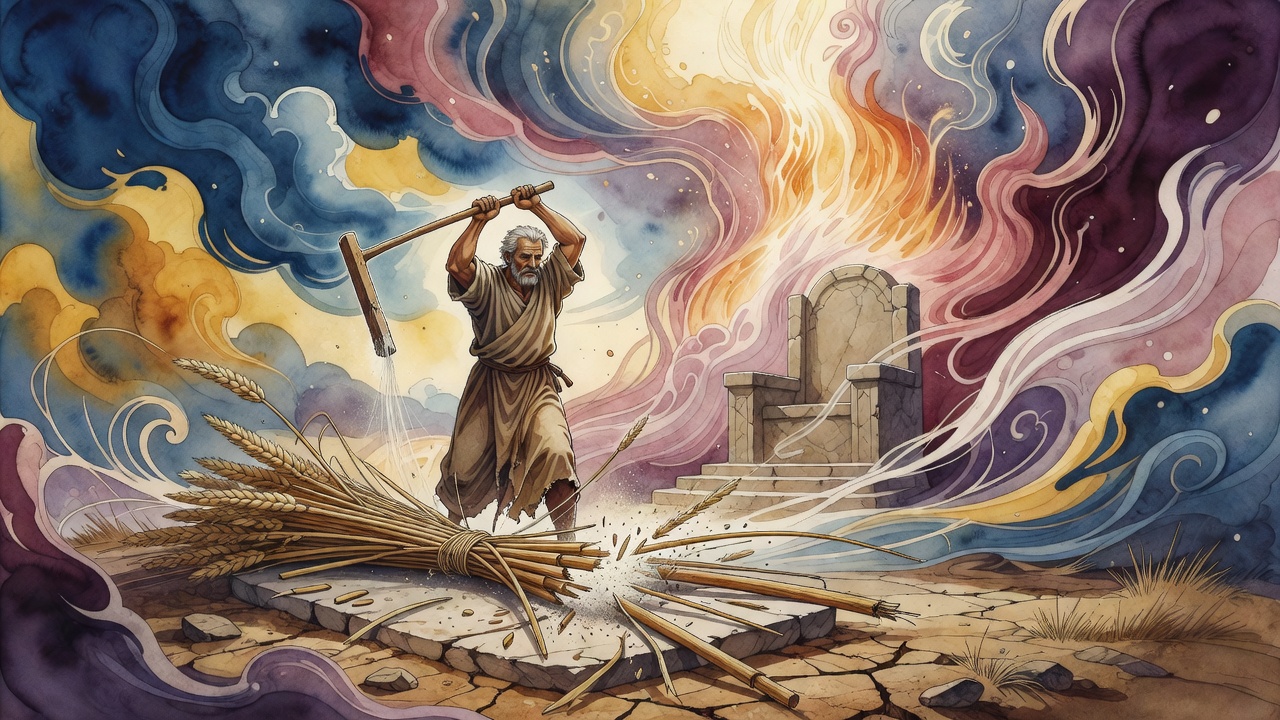
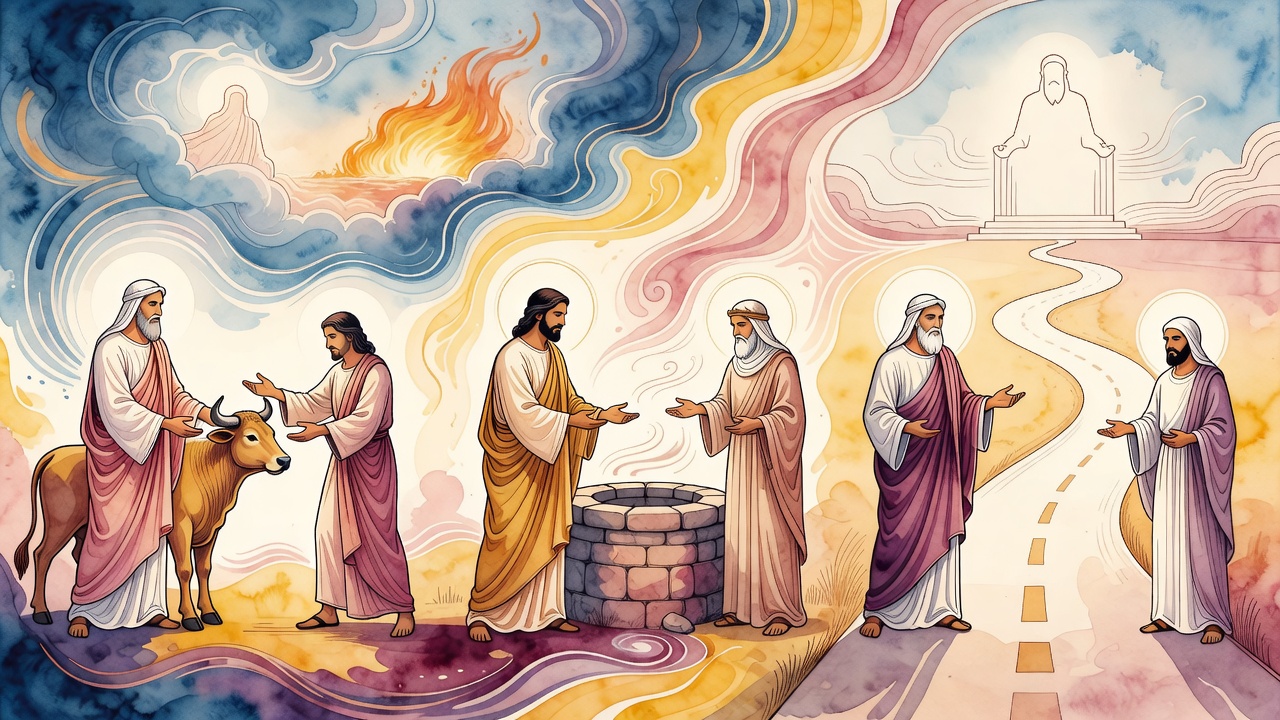
Three rabbis, Rabbi Hanina bar Idi, Rabbi Pinhas, and Rabbi Hilkiya, stared at that one word and refused to move past it. The Hebrew word for very is me'od. Mem-aleph (the first Hebrew letter)-dalet. Three consonants. They noticed that the same three consonants, rearranged, spell adam. The word for the human being.
They read it as a confession written into the language itself. When God looked at the whole of creation and said very good, the word very contained the word human inside it. The assessment was not about the herbs or the constellations or the rivers. It was looking at the creature standing at the center of it all and saying: this one. This is the very good.
The Earthly Kingdom God Refused to Disown
Rabbi Shimon ben Lakish pulled the same word in a different direction. God, he said, looks at this world as a king looks at a kingdom he has built with his own hands and can never bring himself to abandon. Very good is the possessive assessment, the way a craftsman names his own work as irreplaceable. The same word that hides adam inside it also carries the weight of God's refusal to write the world off as a failed project.
The midrash sat inside that tension without resolving it. Human beings are the very good at the heart of creation. Human beings are also the reason, generations later, that God would bring a flood. The word that praised them had their name inside it. The same name would appear in every account of what went wrong afterward.
The Daughter Who Acted for Heaven's Sake
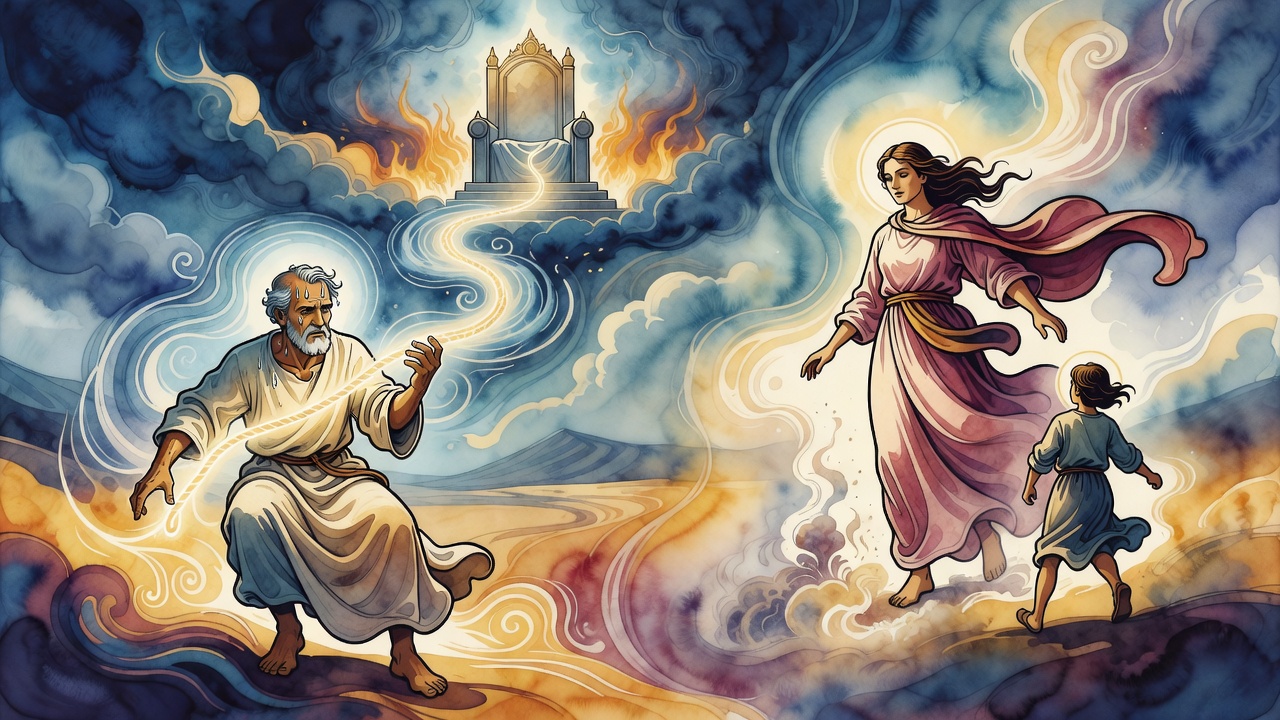
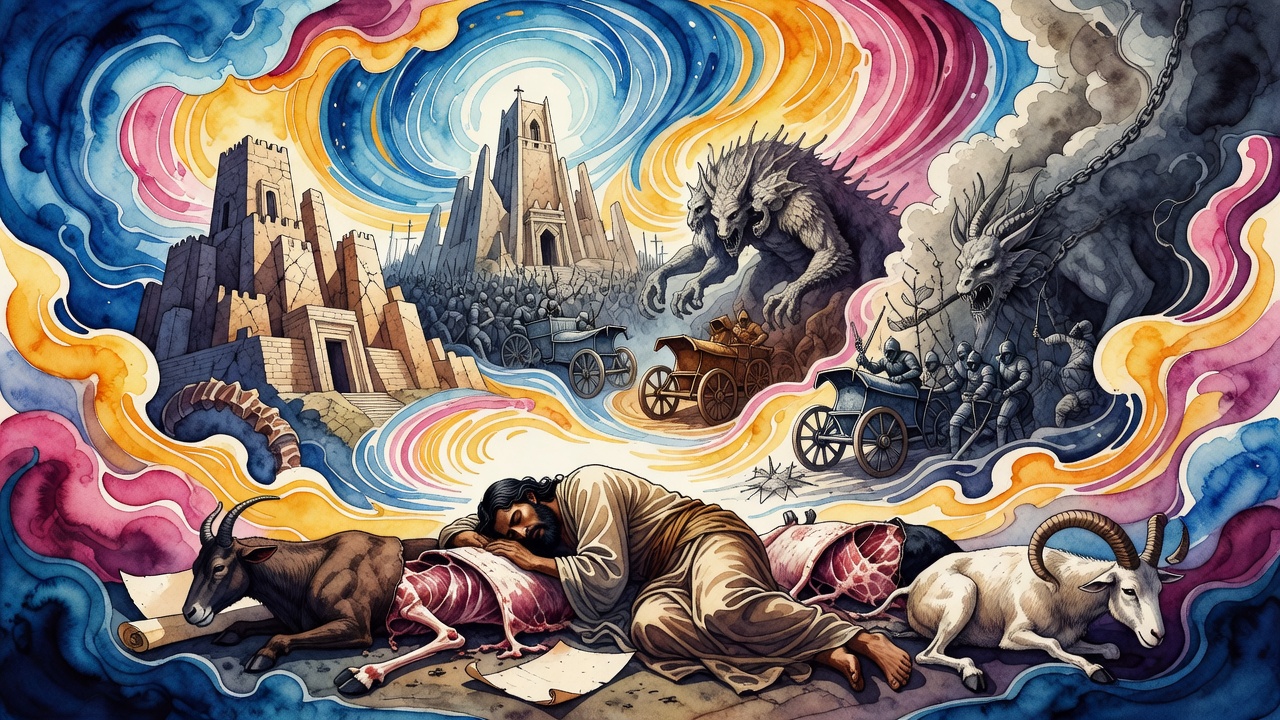
The second passage begins at the other end of the moral spectrum, in the cave where Lot's daughters conceived children by their father after the destruction of Sodom. Moav. The name came from the elder daughter's own testimony: from my father. The rabbis read the name as brazen, a public announcement of incest written into a people's identity for all generations.
And then they argued about whether Moav's beginning was as simple as it looked.
Rabbi Huna bar Pappa suggested that the elder daughter's act was, in its first intention, for the sake of heaven. She believed the world had ended. There were no men. She and her sister were the last women alive, and if they did not act, the human race ended with them. Her reasoning was wrong about the facts, but the intention was not pure licentiousness. It was the terrible logic of a woman who believed she was the last of her kind.
Her offshoots, the Moabites who came after, did not inherit that intention. Numbers 25:1 records what they did with Israel in the plains of Shittim: they seduced the men into idol worship and sexual immorality, acts with no claim to higher purpose. The origin was one thing. What the descendants made of it was another.
Rabbi Simon disagreed. He argued that even the origin was not for heaven's sake. The elder daughter knew what she was doing and chose it without the desperate logic of survival as cover.
From the Cave Came the House of David
But the debate itself mattered. Because from Moav came Ruth. And from Ruth came David. And the possibility that the beginning of Moav carried, somewhere inside it, an intention toward heaven, however corrupted by what followed, was the rabbinic way of explaining why so much goodness could flow out of such a compromised source.
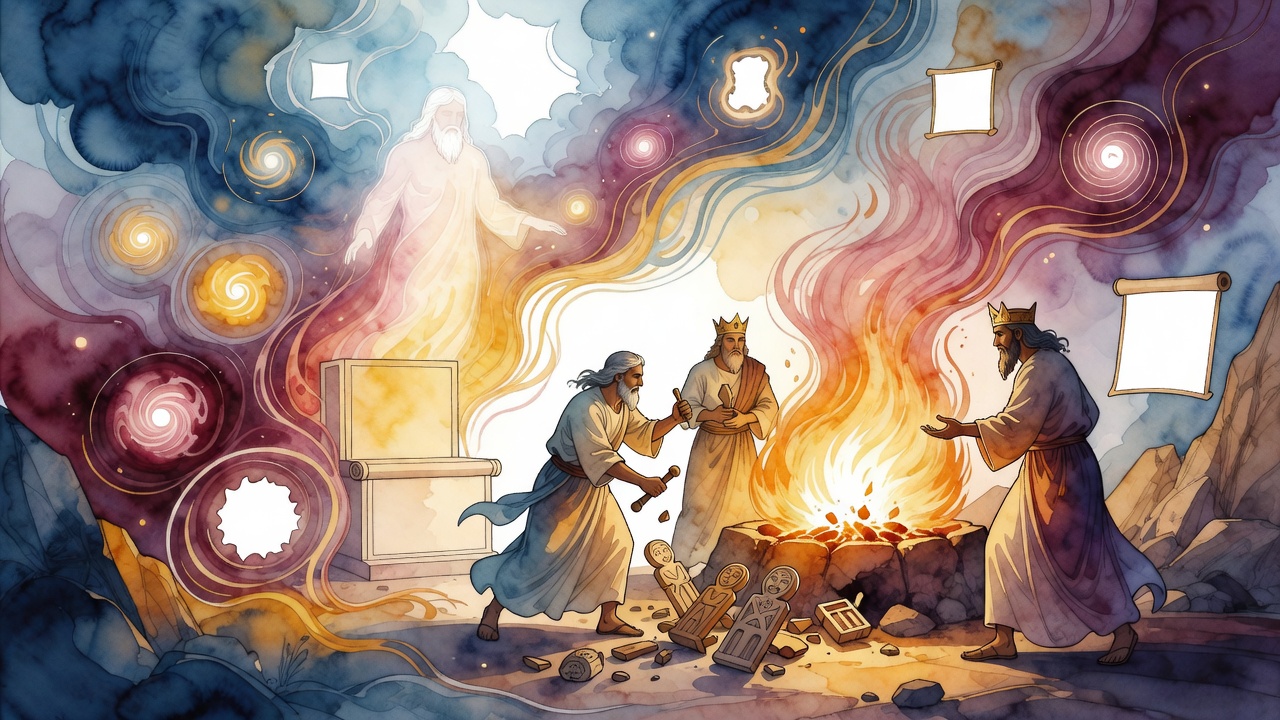
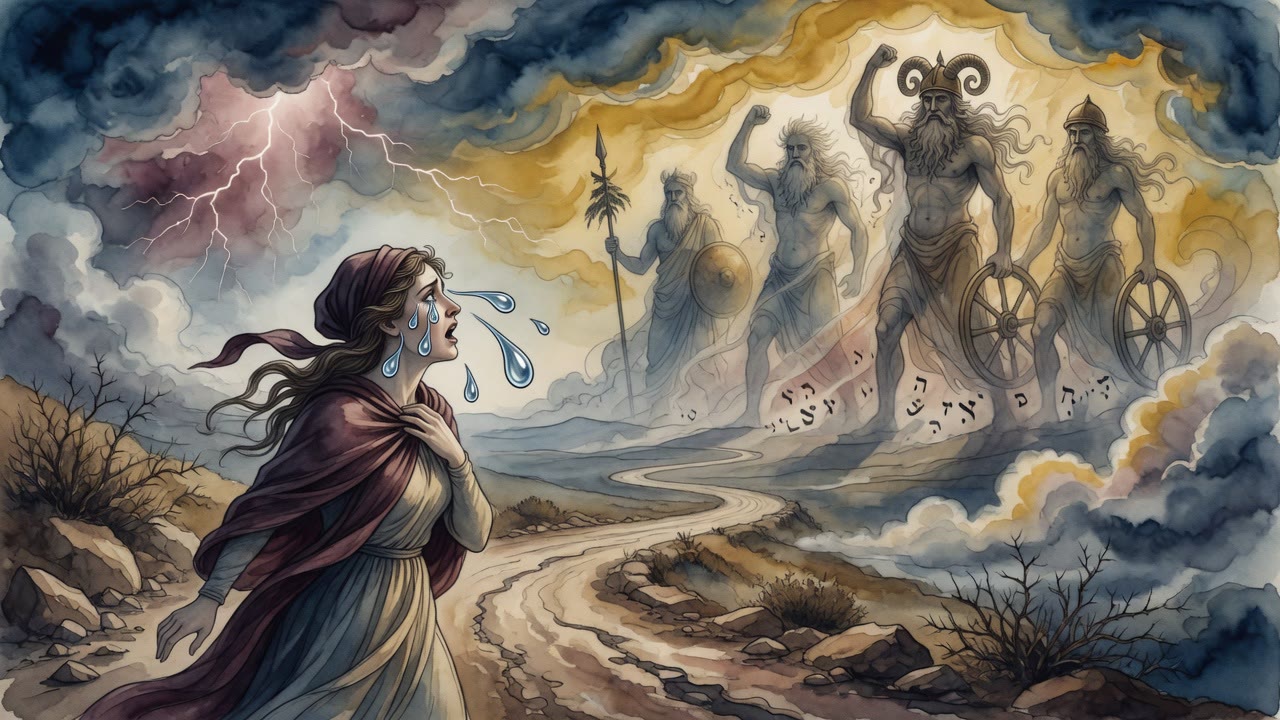
The line that the rabbis traced ran the whole distance from that dark cave to the throne in Jerusalem. The elder daughter who named her son from my father stood at one end of it. The shepherd-king anointed over Israel stood at the other. Everything in between was the slow work of a tainted name being carried forward until it arrived somewhere it could not have predicted. The brazenness in the naming did not vanish. It was outlasted.
The letters of me'od contained adam, humanity, the very good. The shame of Moav contained, buried deep in the genealogy, the house of David. In both cases, Bereshit Rabbah found the hidden thing inside the apparent surface, and what it found changed the weight of the original word.
← All myths