The Smoke That Stood Straight and the Voice That Came Down
The House of Avtinas knew how to make incense smoke rise as one pillar. They guarded the secret so fiercely that their women never wore perfume.
Table of Contents
 Click for full size
The Pillar That Could Not Be Imitated
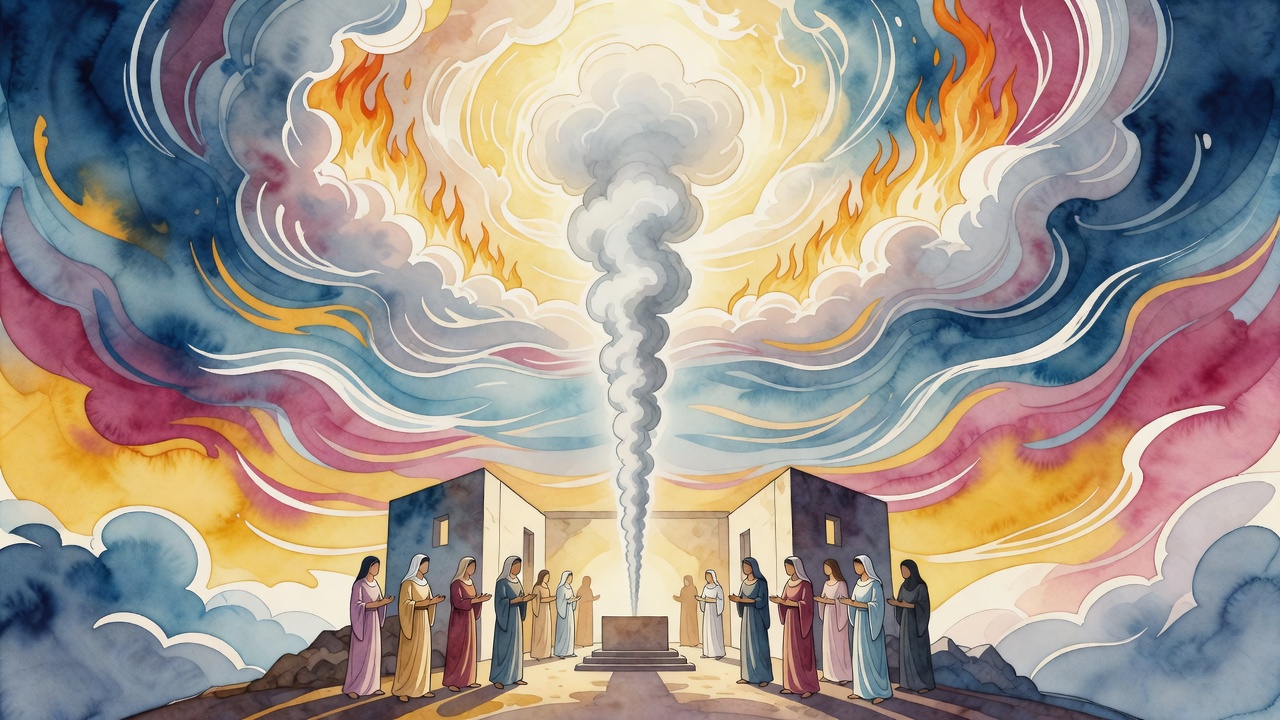
The test was visible from across the Temple courtyard. The incense had to rise as a single straight column, a rod of white smoke that climbed without wavering until it reached the cedar ceiling of the sanctuary, where it spread out like a bunch of grapes opening in every direction. If the smoke billowed sideways at the floor, the offering had failed. The prayer had missed its address.
One family knew how to make the column stand. The House of Avtinas had served in the Second Temple for generations, and Shir HaShirim Rabbah preserves the only surviving account of their secret. Rav Huna counted the eleven spices from Exodus 30:34 and understood the formula as a kind of engineering. The blend was not merely aromatic. It was structural. The right proportions produced a smoke that held its shape against the drafts and currents of a building where fire burned daily and thousands of feet moved through the courts.
The Avtinas family refused to teach the formula to anyone.
The Alexandrians Who Failed
The Sages grew impatient. They brought skilled perfumers from Alexandria, craftsmen who worked with the finest aromatics in the ancient world, and asked them to reproduce the pillar. The Alexandrians knew their trade. They assembled the eleven spices, blended them carefully, and set fire to the mixture.
The smoke spread sideways the moment it left the censer. It eddied along the floor, drifted toward the walls, opened in all directions. The column never formed. The sages watched, and then sent the Alexandrians home.
They brought the Avtinas family back at double wages. The family returned, resumed the work, and the pillar rose again as it always had. The sages demanded an explanation for the silence. Why had they never taught this? The family's answer was not arrogance. They had a tradition, passed down through their generations, that the Temple would fall. And when it fell, they did not want the incense formula in the hands of people who would use it for other gods, who would stand in front of idols and make the same pillar rise for a different address.
So they kept it. They kept it even from their own women. No daughter of the Avtinas house ever wore perfume, in case anyone passing her in the market suspected she was skimming the sacred mixture for personal use.
What a Love Poem Says About Smoke
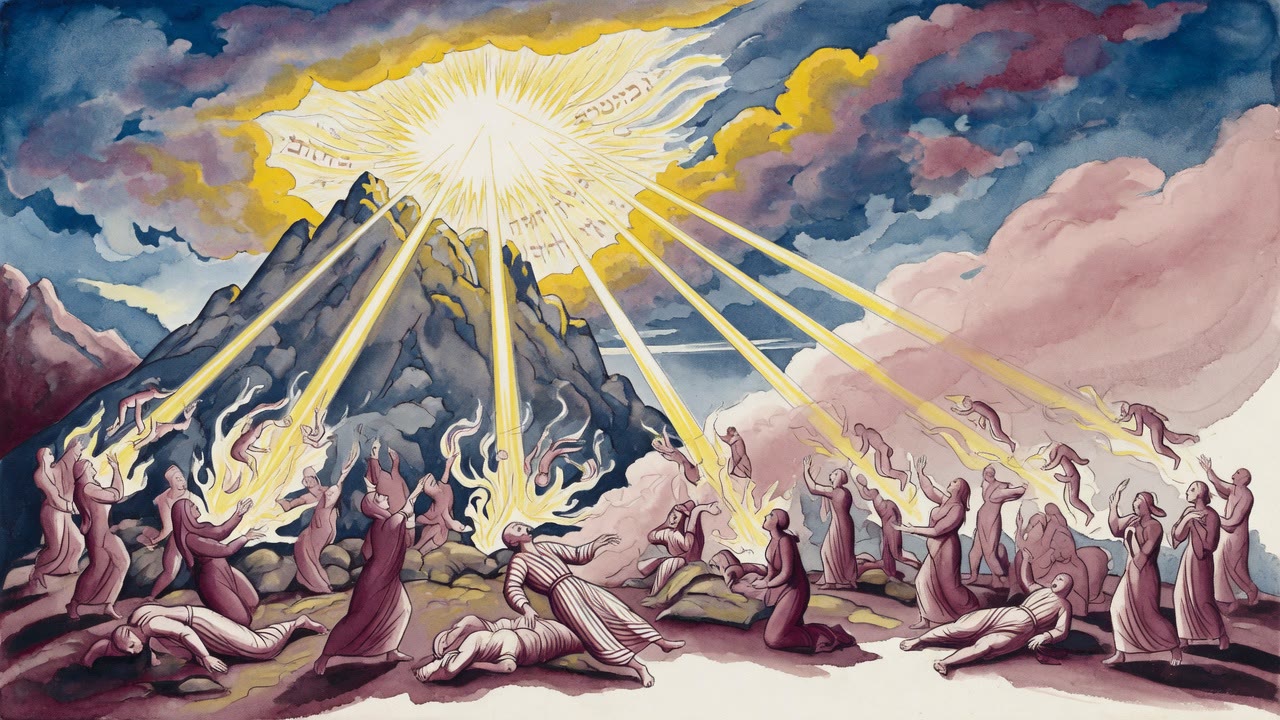
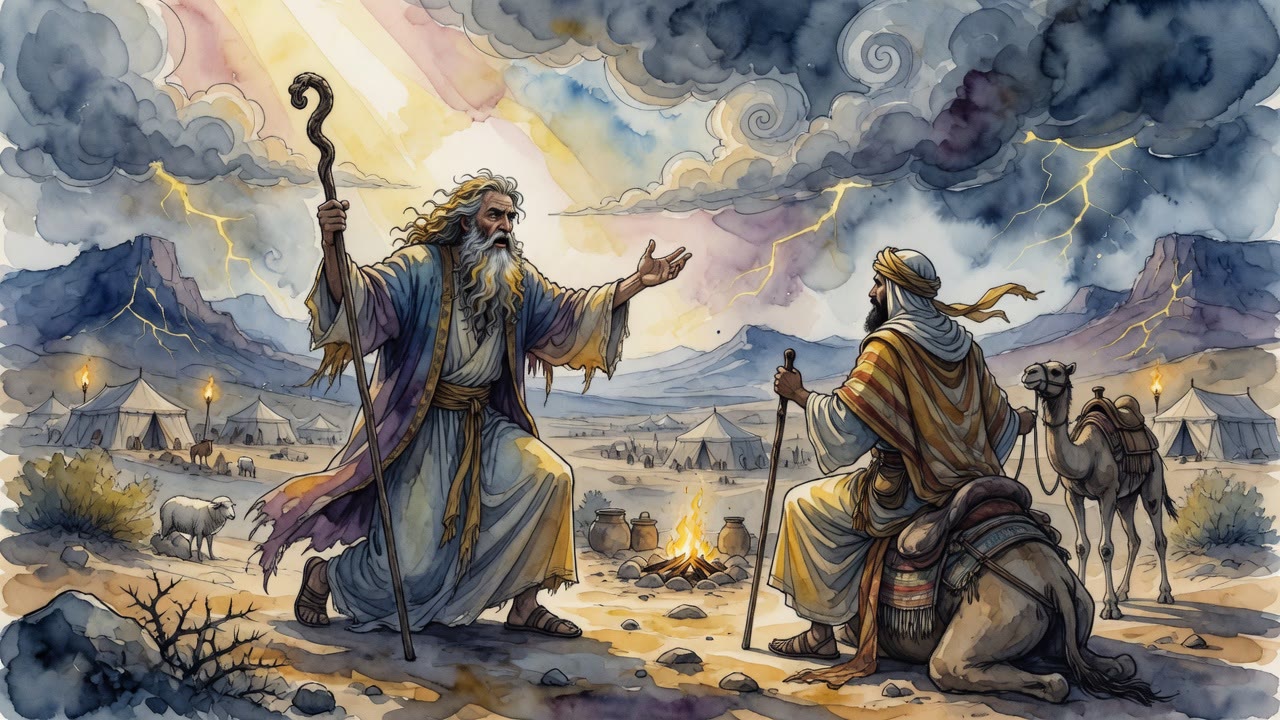
Shir HaShirim Rabbah read the incense pillar through Song of Songs 3:6: Who is this coming up from the wilderness like a column of smoke, perfumed with myrrh and incense? The verse had to be about Sinai. The column of smoke in the Song was the same column that descended on the mountain when God spoke to Moses, the divine presence arriving in its characteristic form, smoke-wrapped and unmistakable.
The Temple incense, in this reading, was not decorating a ceremony. It was re-enacting the arrival. Every morning and every evening when the Avtinas family set fire to their formula, the smoke that rose as a pillar was an argument in compressed form. The Shekhinah (God's presence dwelling among people) came to Sinai as smoke and fire. The smoke that rises straight in the Temple says, we are Sinai. Come back.
The Voice That Answered
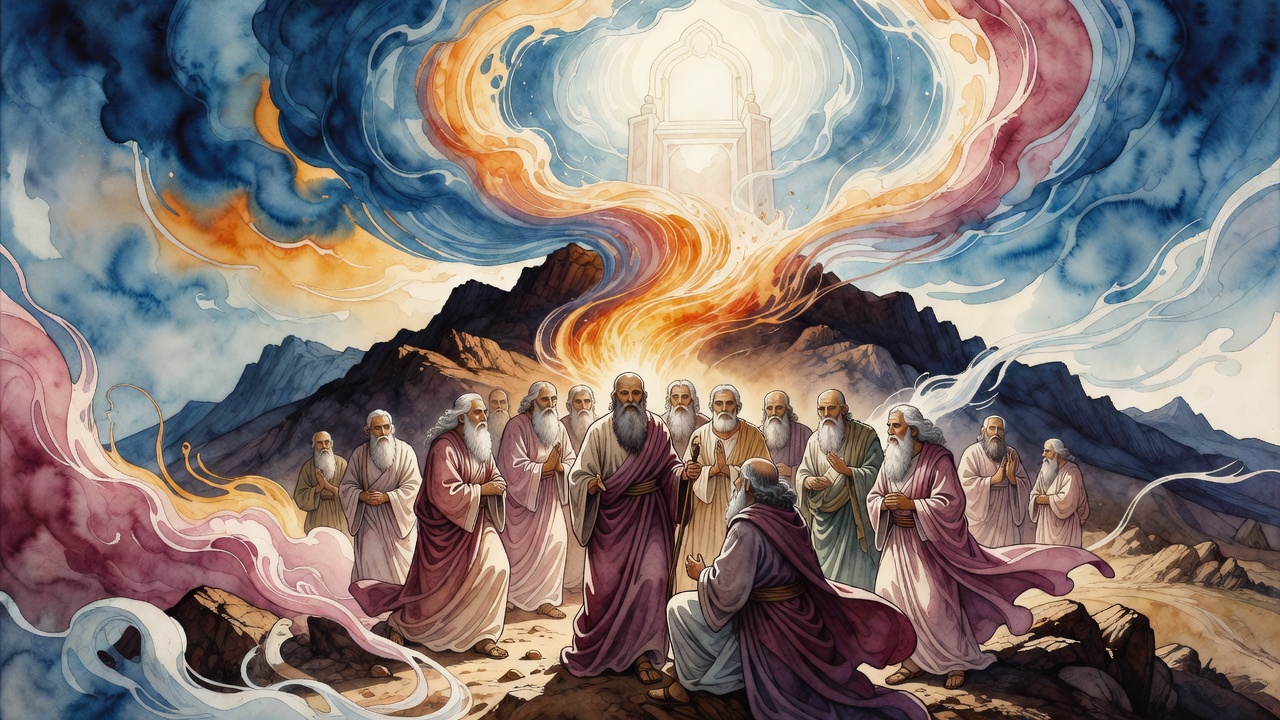
Mount Sinai, the rabbis said, was the place where heaven opened a direct line to earth. Every mountain in the region had aspired to be the place of revelation. Sinai was the one God chose, and the midrash gives the reason as humility. Sinai was not the tallest peak in the range. Tabor was taller. Carmel was older and better positioned near the sea. Sinai was unremarkable, and that unremarkability was precisely why the voice came down there.
The connection between the incense pillar and the Sinai tradition runs through the same logic. God does not need spectacle to descend. He needs precision. The Avtinas formula was precise. The pillar rose straight because every ingredient was exactly right. And when the ingredients were exactly right, the smoke said to the voice, this is where you are expected. Come down.
The family that refused to share their recipe was not hoarding a trade secret. They were guarding a frequency. Once the Temple fell and the pillar could no longer rise, the communication did not end. The Torah remained. The prayer remained. The tradition of getting the proportions exactly right remained. But the visible confirmation, the white rod ascending to the cedar ceiling, was gone. The Avtinas women who never wore perfume had understood what was at stake.
← All myths