The Wicked Read God's Oath as a Loophole. Israel Read It as an Opening
Pharaoh had his advisers go through every oath the God of the Hebrews had sworn, looking for a gap. They found one. They chose the river.
Table of Contents
 Click for full size
The Wicked Recited the Oath Back at God
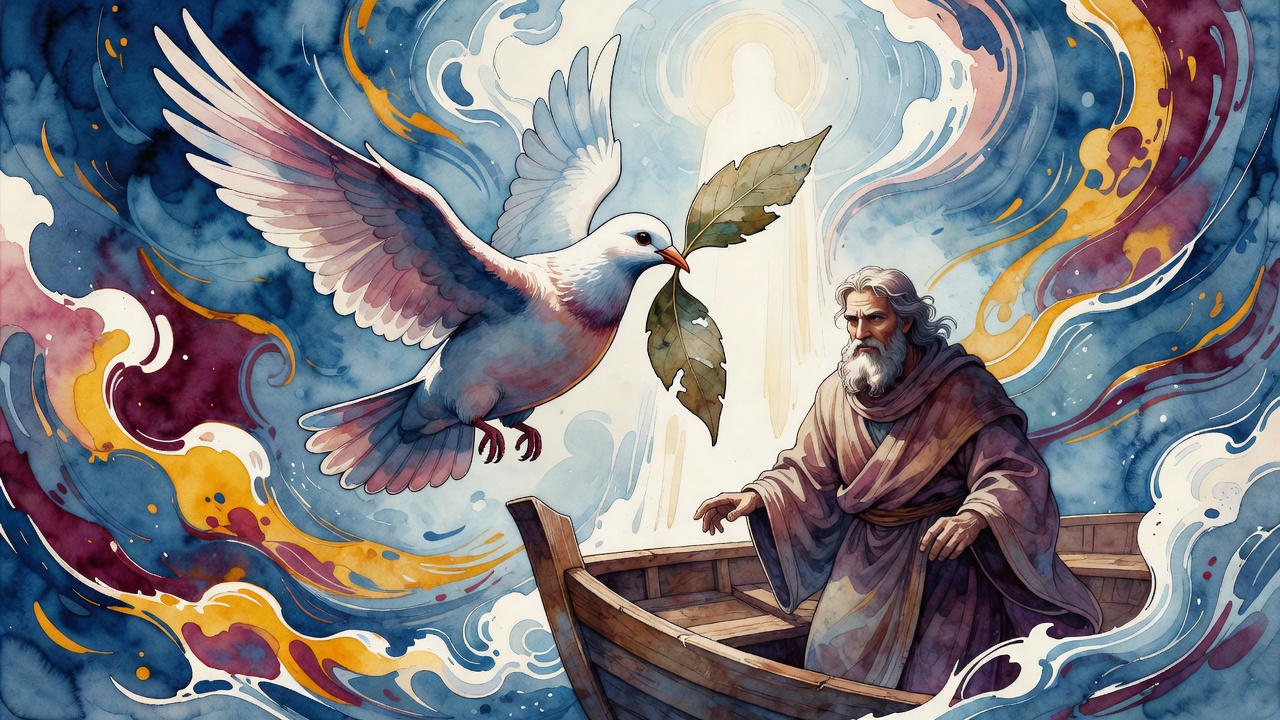
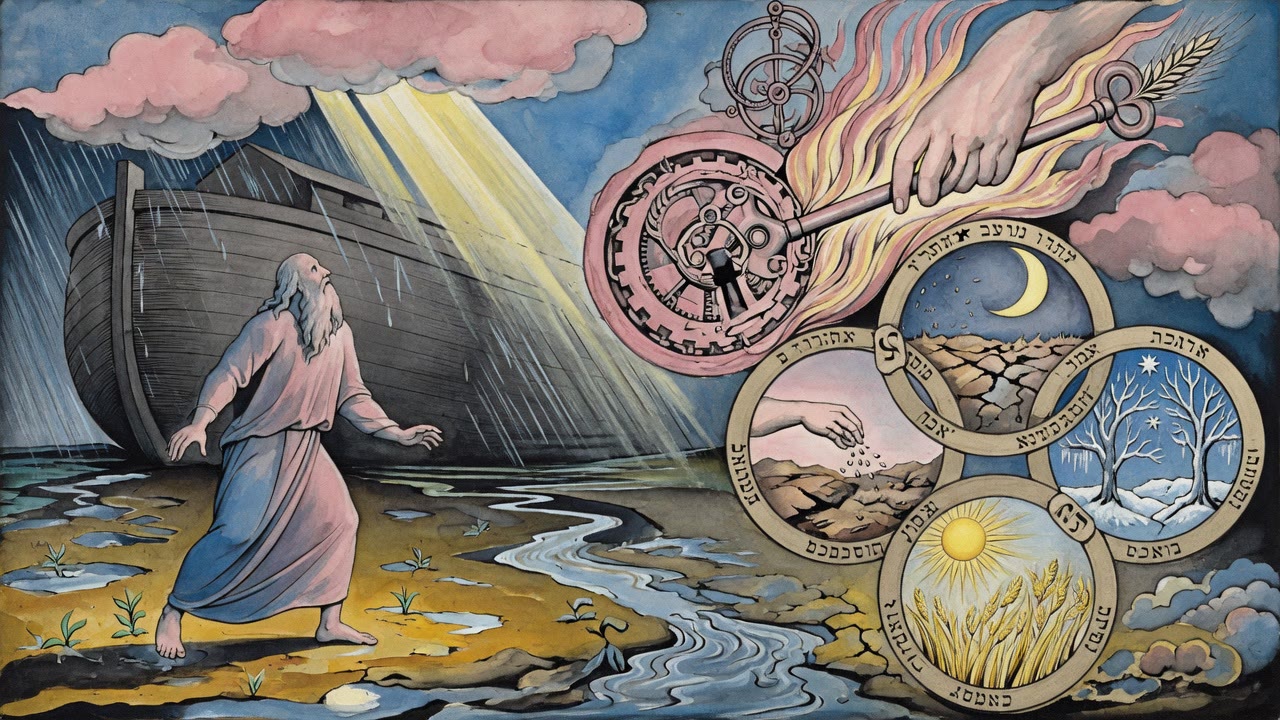
The oath was public and everybody had the wording. God had sworn that the waters of Noah would never again pass over the earth. Men said it to each other in the street the way a debtor repeats the clause that lets him off. The water was finished. The water could not come back. Whatever they wanted to do from here was outside the terms.
Nobody argued with them. Not one righteous man went up and stood before the Holy One to ask for them, and the man who kept away from evil only made himself easier to rob. So the promise came back at its Maker out of the mouths of the people it protected, and He asked what He had done to Himself by swearing it.
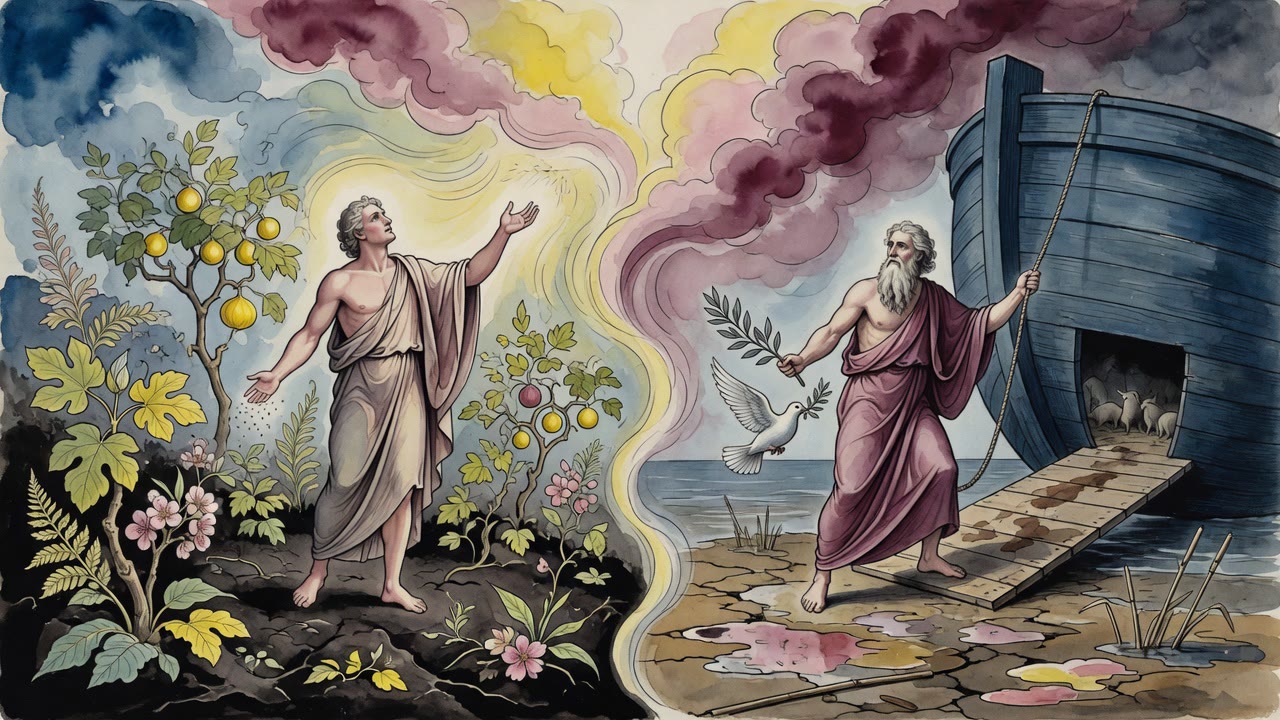
Then He answered them. "You say I swore. Blows are stored up for the backs of fools. I swore off a flood of water. I did not swear off a flood of fire."
Floods That Were Not Water
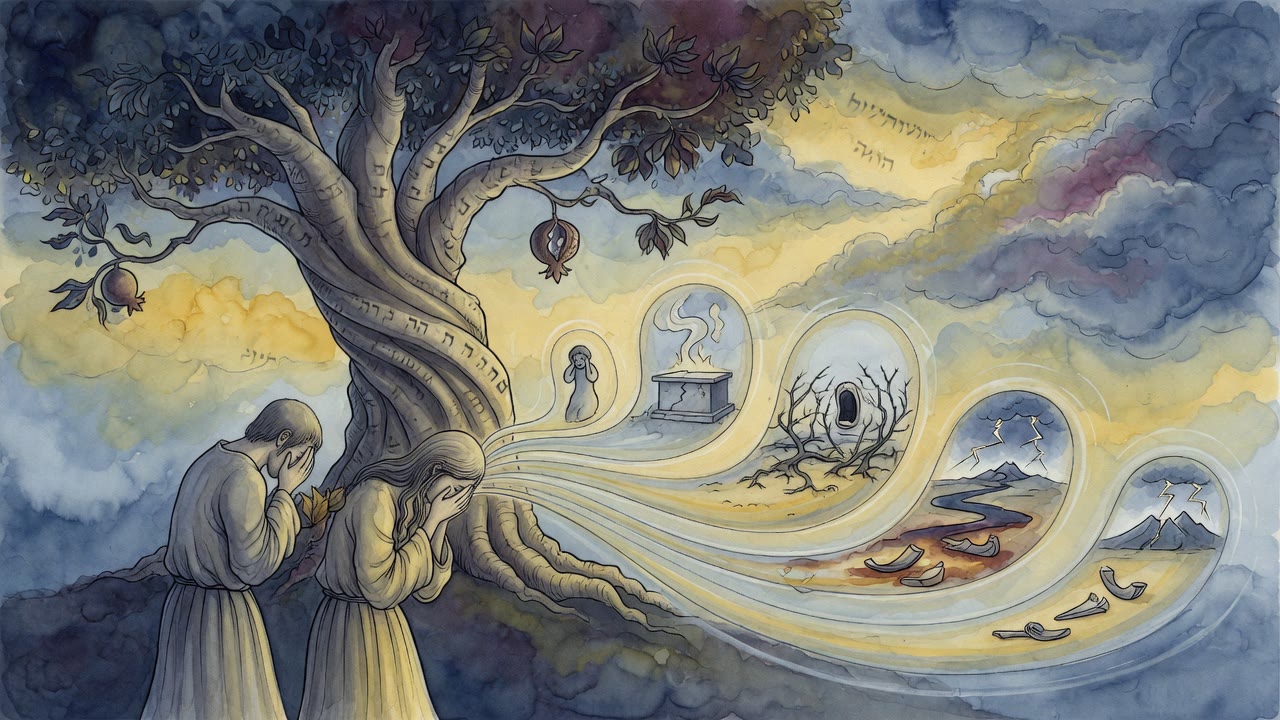
Over Sodom the sky opened and it rained burning sulfur until the whole plain lay under a floor of ash. That was a flood. There was no water in it.
Generations later five Amorite kings ran from Joshua down the descent at Beth-horon, a whole army packed into a narrow road with walls of rock on either side, and the sky opened over them again. Stones came down the length of the pass and kept coming as far as Azekah. More of them died under the hail than under Israel's swords.
Under all of it ran the same quiet arithmetic. A man who had earned stoning fell from a roof, or off a wall, or out of a tree, or a beam came loose above his head. A man who had earned burning went into a fire, or into a pot of boiling water. A man who had earned strangling went down in a river or a pit or the sea. The sentence found him wearing the shape of an accident.
Pharaoh Chose the One Barred Weapon
Pharaoh did not guess at any of this. He called his advisers in and had them go through the record of everything the God of the Hebrews had ever sworn, hunting for a gap in it. They found one. Exactly one instrument had been promised away, and it was water.
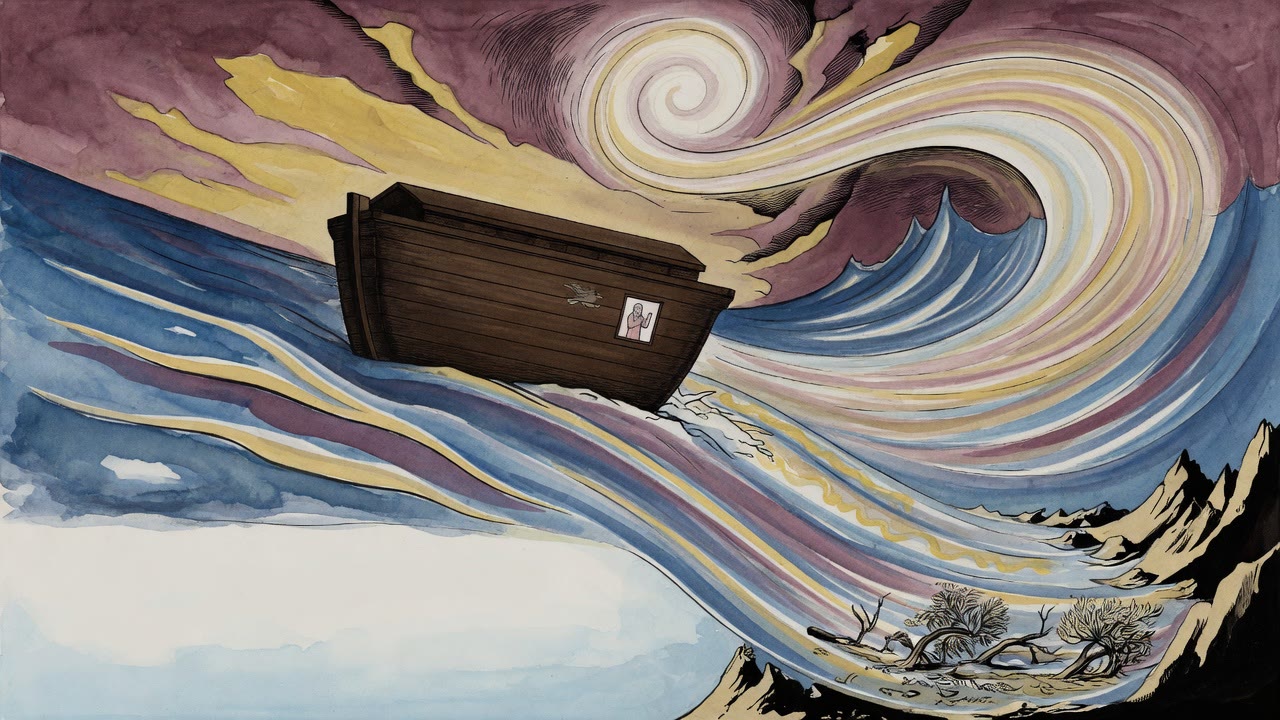
The decree went out. Every son born to the Hebrews was to go into the Nile. It was a beautiful piece of policy. Egypt would drown the children in the single element Heaven had put beyond its own reach, and nothing could come back at Egypt in kind.
Something came back in kind. Pharaoh rode into the Reed Sea behind Israel with his chariots and his officers, and the standing walls stopped standing, and Egypt went under the same water it had used on infants. Sisera brought nine hundred iron chariots north against Israel, and the stars fought him out of heaven and the Kishon rose and carried his army off. Sennacherib camped his host outside Jerusalem, and one angel walked through the tents in the dark and left a hundred and eighty-five thousand dead by morning. Fire, stone, star, river, angel. Every weapon in creation was still on the table. One had been taken off it, and each of them reached for that one.
Moses Refused the Angel
The same voice spoke to Israel in the wilderness, and Israel did the thing that never once occurred to the clever. It answered.
God offered to send an angel out ahead of them to clear the nations of Canaan off the road. Moses would not take the offer. Send the messenger to the other nations, he said. Do not send him to us. He was not asking for an easier march. He was refusing a substitute, and he kept refusing until he had what he wanted.
Struck According to Her Strength
There was a fighter whose hand killed the men they put in front of him, one blow each, and the crowd paid to watch it. He went home that night and slapped his wife across the face, and she stood there and took it and went on standing.
The neighbors could not work it out. "Men built like doors go down under one strike from him," they said, "and here you are on your feet."
"He hits them with everything he has," she said. "He hits me with as much as I can hold."
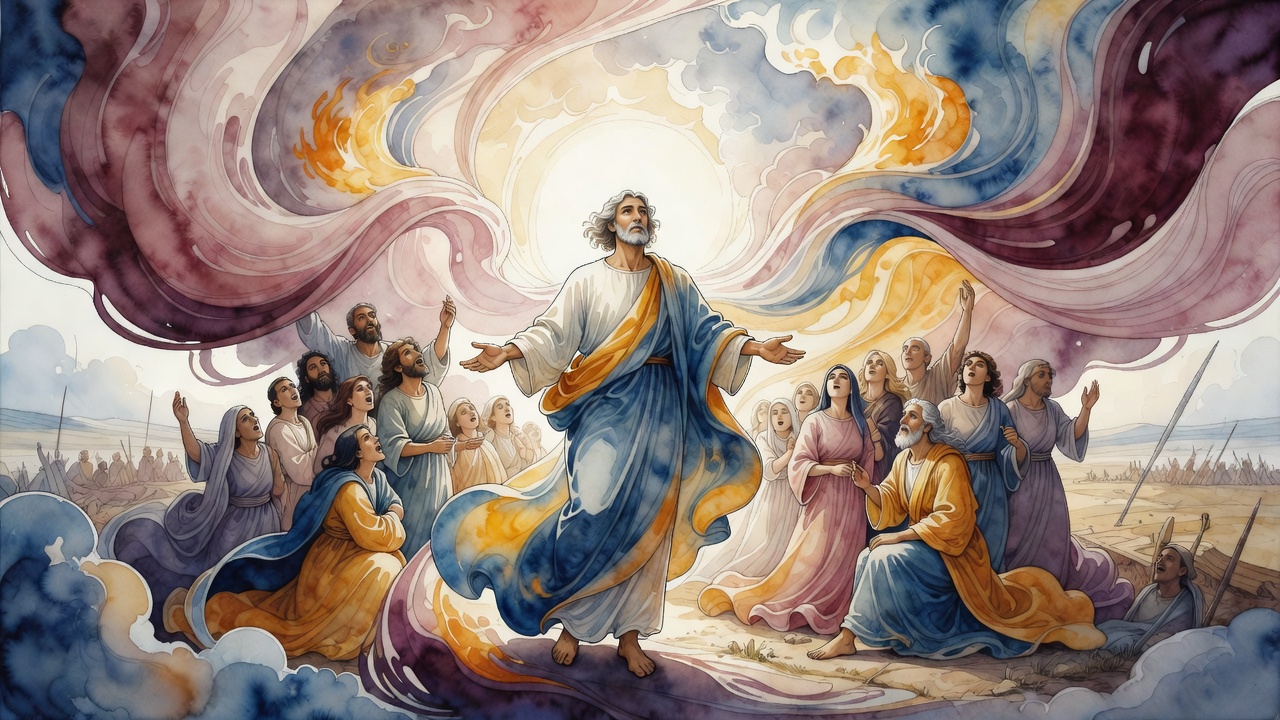
The sea could not stand under the rebuke and dried up where it was told to. The generation of the flood could not stand. Sodom could not stand. Egypt went down in the water it had chosen for itself. When a lion roars in the forest every animal in the forest freezes, and that is what the wicked were hearing all along, a sound with nothing in it but an ending. Israel heard the same voice and stayed on its feet, because to Israel it came down like dew on grass. Grass does not die of dew.
← All myths