The Tikkunei Zohar Hides Light Inside Husks and Letters
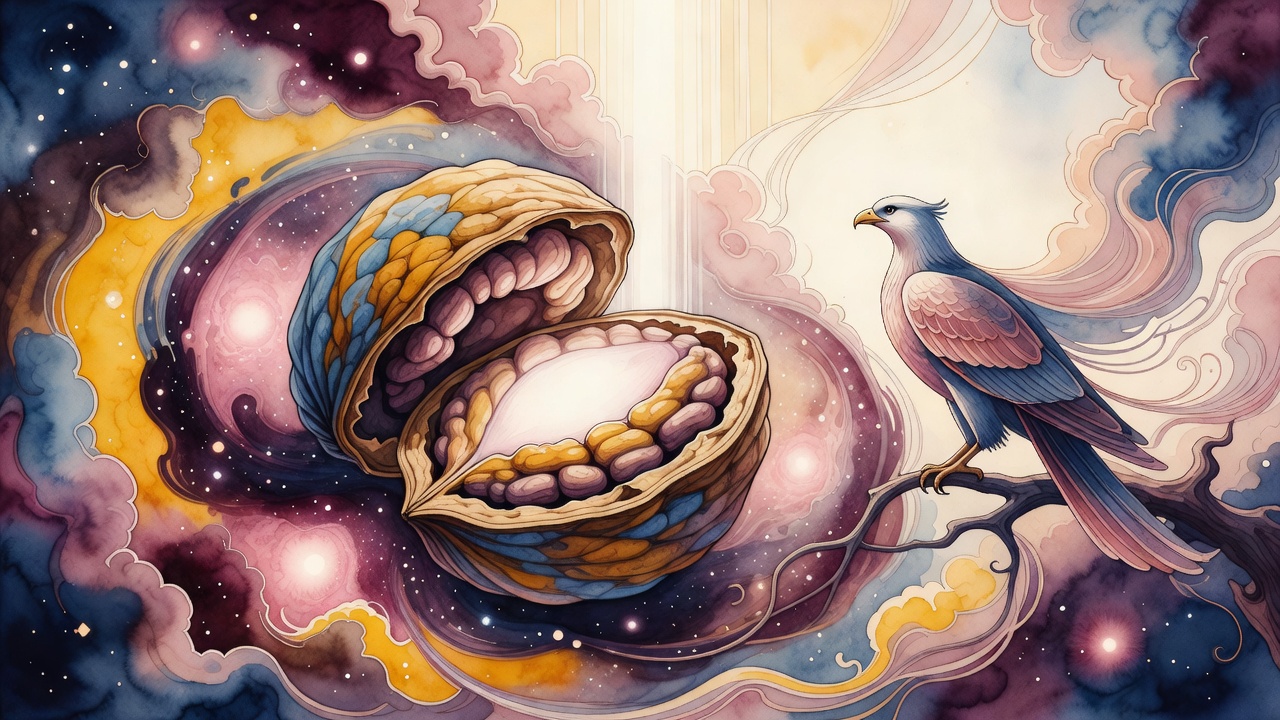
A walnut holds sweetness behind bitter layers. The mother bird sent away is the Shekhinah, the Divine Presence, learning to wait for her children.
Table of Contents
 Click for full size
The Nut That Will Not Open Easily
Picture a walnut. Outside, a dry green rind that stains your fingers. Inside the rind, a hard brown shell. Inside the shell, a thin skin clinging to the folded meat. Inside the meat, sweetness. Three layers between you and the thing you came for.
The Kabbalists of late thirteenth-century Castile called those layers klipot, husks, and said the universe is built the same way. Every spark of divine presence comes wrapped in something that resists. Not because God is hiding from anyone in particular. Because a world where the light is completely naked would blind everyone who passed through it. So the light gets clothed. The clothing gets progressively thicker as it moves outward from the source. And at the outer edge of creation, the clothing is so thick that most people forget there is anything inside it.
The husks are not punishment. They are the architecture of a world where God can be looked for. If the light were simply everywhere and obvious, there would be nothing to seek. The bitterness of the outer shell is what makes the sweetness of the kernel worthwhile, and the search itself is the point.
Three Pillars and the Balance Between Them
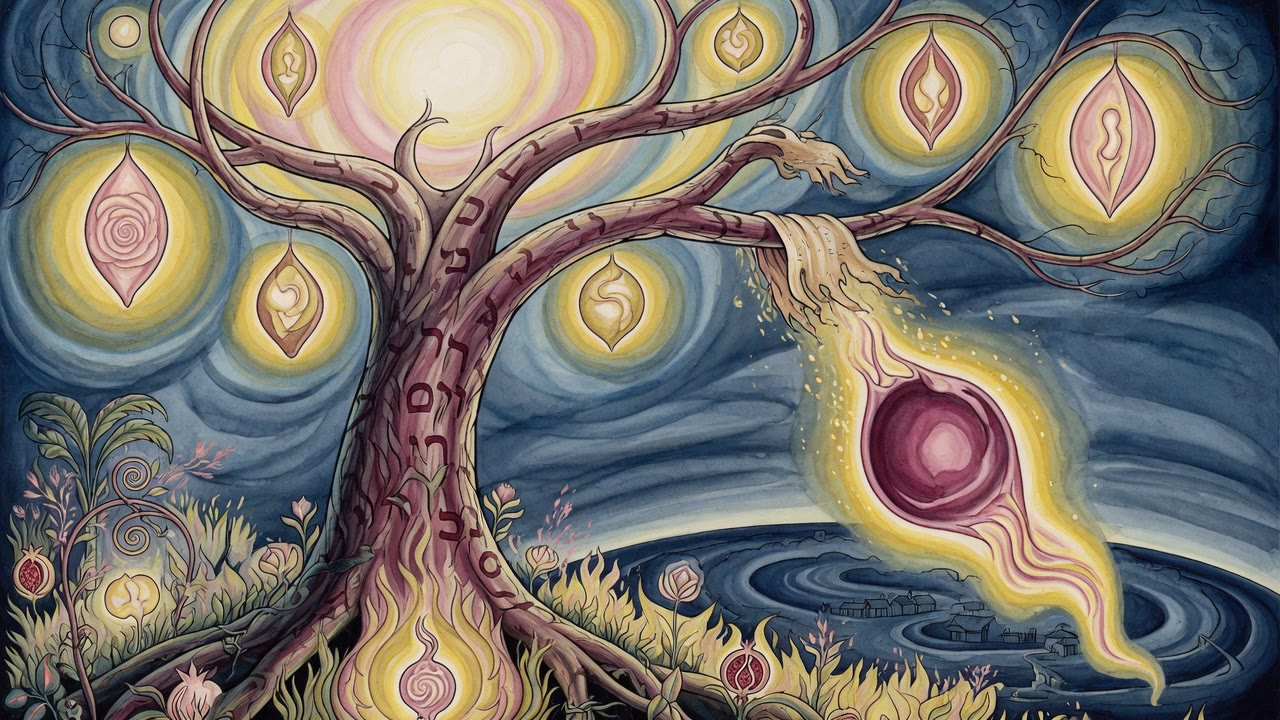
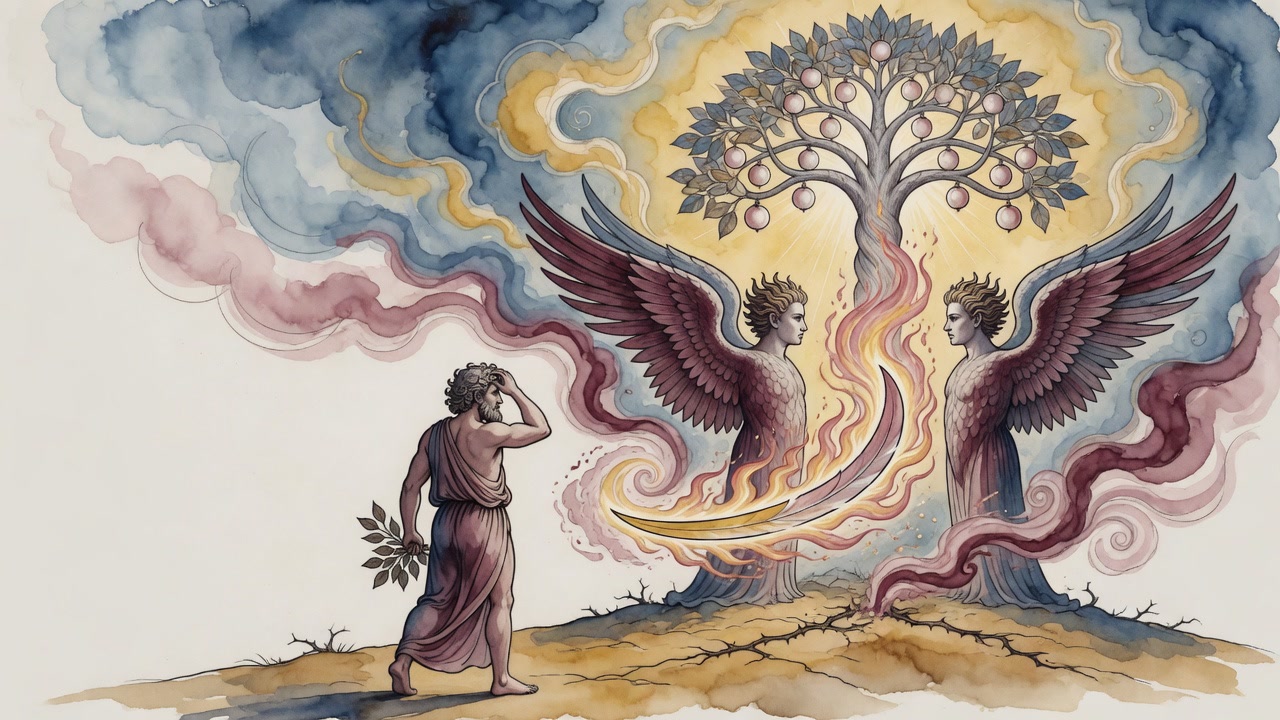
The Tikkunei Zohar, working through its seventy meditations on the first word of Genesis, mapped the sefirotic tree (the ten channels of divine light) onto the human body and onto the structure of history. The tree has three pillars. The right pillar is Hesed, lovingkindness, the divine quality that gives without condition, the father who opens his hands before he is asked. The left pillar is Din, judgment, the quality that holds what is given to account, the tribunal that weighs every act against its standard. The middle pillar is Tiferet, the balance point where the two extremes meet and neither destroys the other.
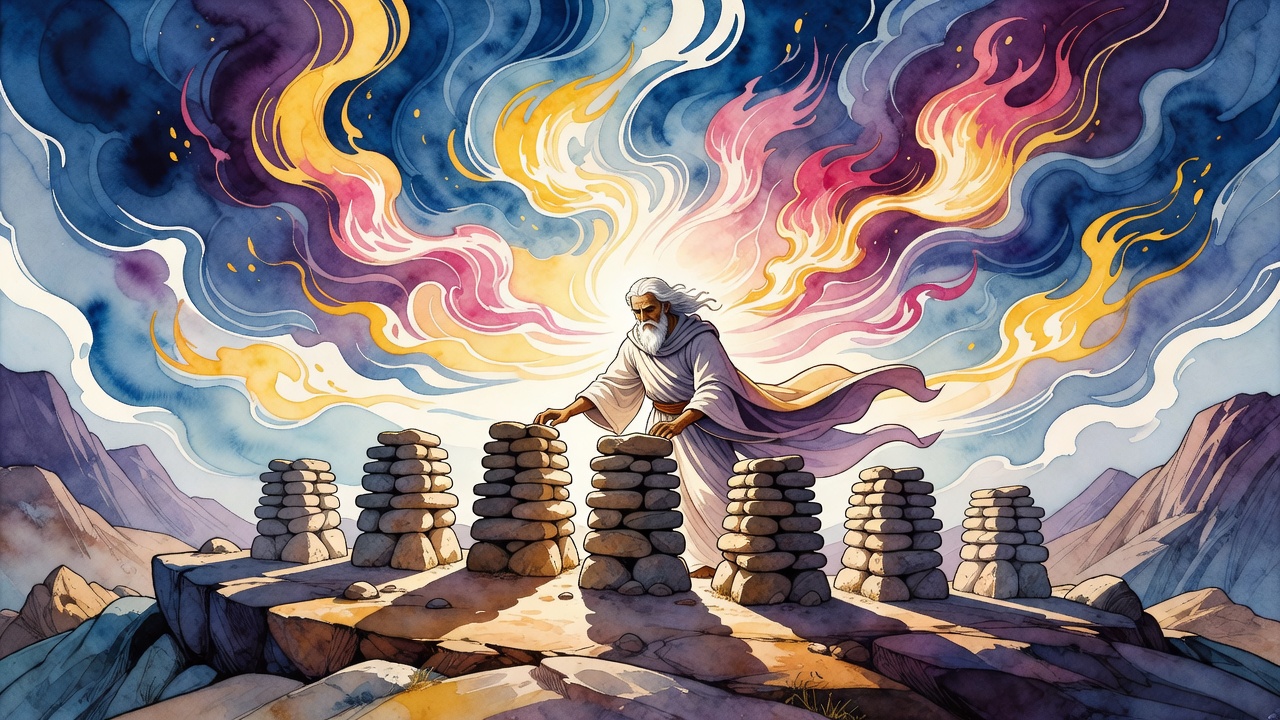
Abraham stood on the right pillar. He fed strangers, opened his tent to travelers from every direction, pressed hospitality on anyone who passed. Isaac stood on the left. He bound himself on the altar, submitted to the sharpest test divine judgment could impose, and did not flinch. Jacob stood in the middle and wrestled all night with the force that held both extremes in tension. His name became Israel, the one who strives with God and survives.
The three patriarchs are not three different men. They are three different expressions of one possibility, the possibility of a human being who has learned to carry the full structure of the sefirotic tree in a single body.
Seventy Corrections and the First Word of Everything
The Tikkunei Zohar spent its seventy sections on the single word Bereshit, the first word of Genesis. In the beginning. The book's central claim was that this word, six letters in Hebrew, contains the seed of everything that follows. Not metaphorically. Structurally. The six letters carry the six directions of space, the six days of creation, the six working days of the week, and the six lower sefirot (divine emanations) that hold the world in place.
Each tikkun (a repair), each correction, worked on a different angle of that one word. How the letters arrange themselves differently under different divine pressures. How the vowels beneath the consonants carry information the consonants alone cannot hold. How the numerical values of the letters encode the proportions of the sefirotic structure. The word Bereshit was not a beginning. It was a complete system expressed in compressed form, waiting to be opened over seventy meditations and an unlimited number of lifetimes.
Sending Away the Mother Bird
The strangest teaching in this collection is about a bird and her eggs. Deuteronomy 22:6-7 commands: if you find a bird's nest in the road with eggs or chicks and the mother sitting over them, you may not take the mother with the young. Send away the mother first, then take what you want. The reward is long life.
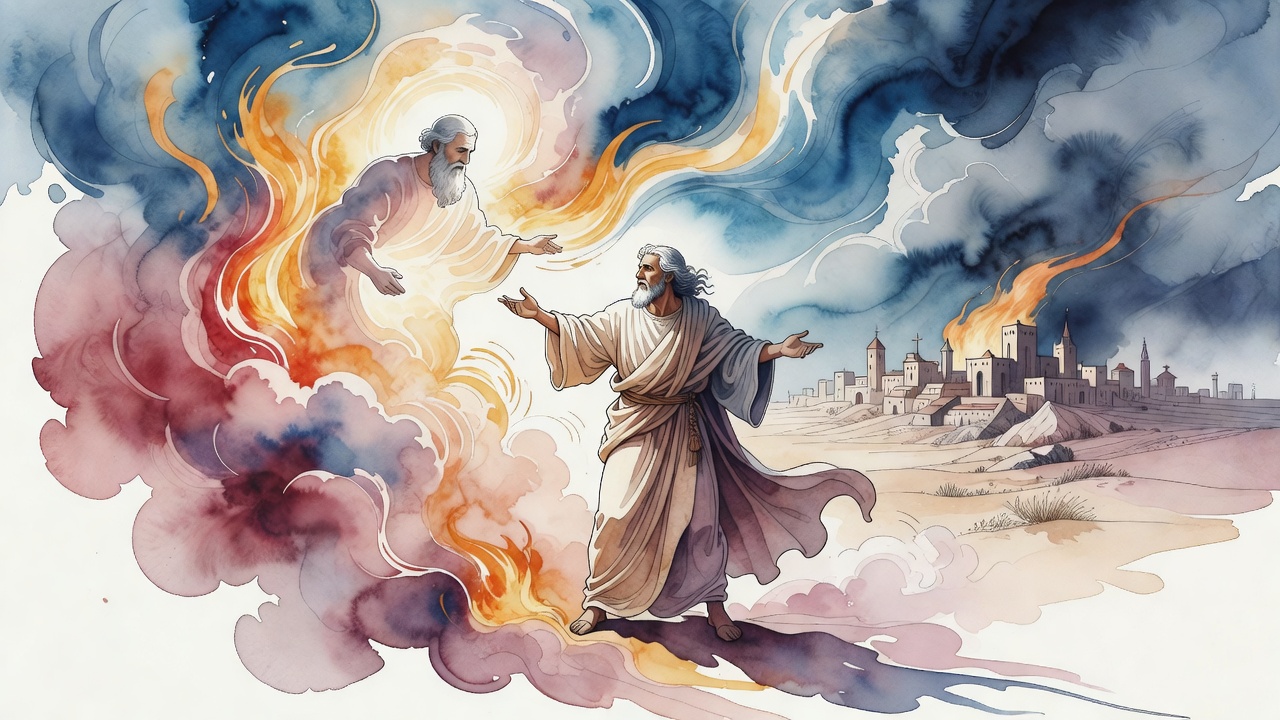
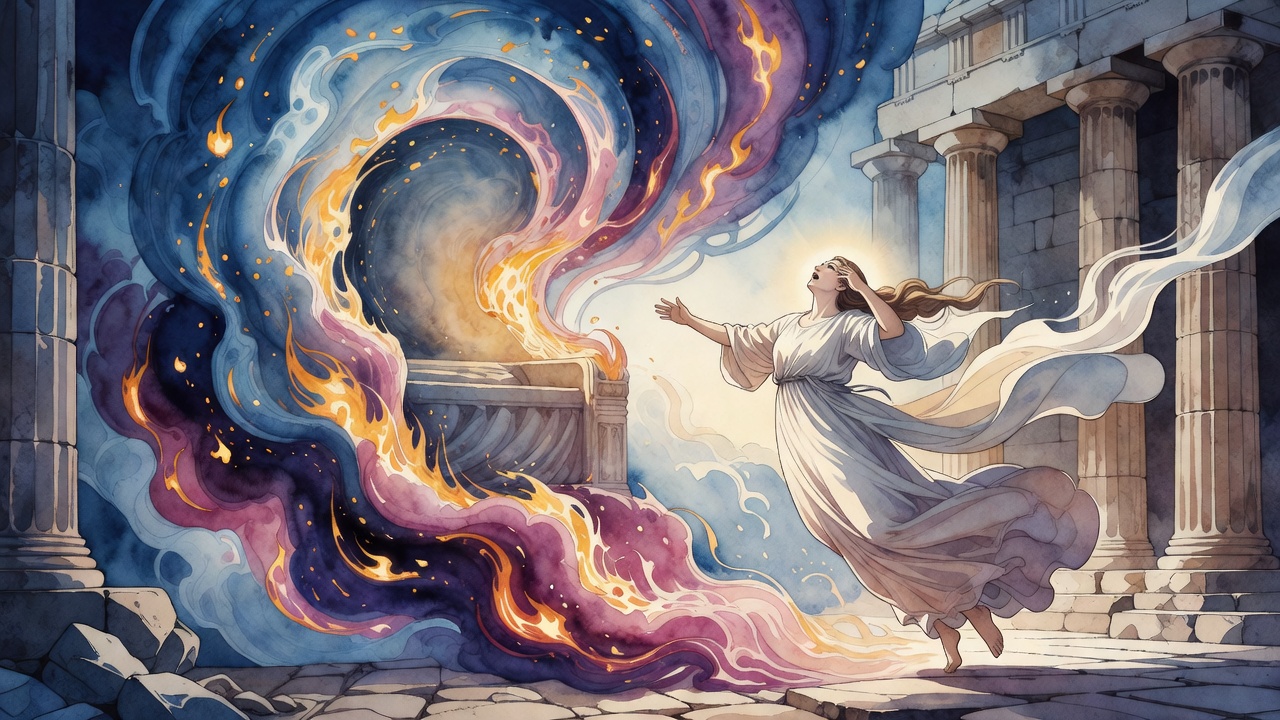
The Tikkunei Zohar read the mother bird as the Shekhinah (God's presence in the world, imagined as feminine). The nest is Israel in exile. The eggs are the souls waiting for redemption. And the command to send the mother away, before you take the young, is a description of exactly what exile is: the separation of the Shekhinah (the Divine Presence) from her children, the mother sent away while the eggs remain in the road, while the world takes what it wants from the nest.
But the verse does not end with the separation. It ends with the reward. The one who sends the mother away and then takes the young will have long life. In the Kabbalistic reading, the act of performing this commandment is the act of re-enacting the exile and the promise simultaneously. You send the mother away, and in doing so, you acknowledge the separation. Then you take the young carefully, and in doing so, you demonstrate that the young have not been abandoned. The separation is real. The care for the young is also real. Both are true at once, and the reward is the duration needed for both truths to reach their conclusion.
← All myths