True Oaths Wasted Two Thousand Towns on a Mountain
Idle true oaths emptied two thousand towns on a mountain, while a rash vow in Spain opened the door to a hidden genius.
Table of Contents
A man met his fellow on the King's Mountain and bound himself with words that should have stayed ordinary. "I swear I will go and eat such-and-such in that place, and drink such-and-such in this other place." Light speech. Idle precision. Then he went and did exactly what he vowed, as if keeping a small oath made the Name cheap enough to spend on supper.
 Click for full size
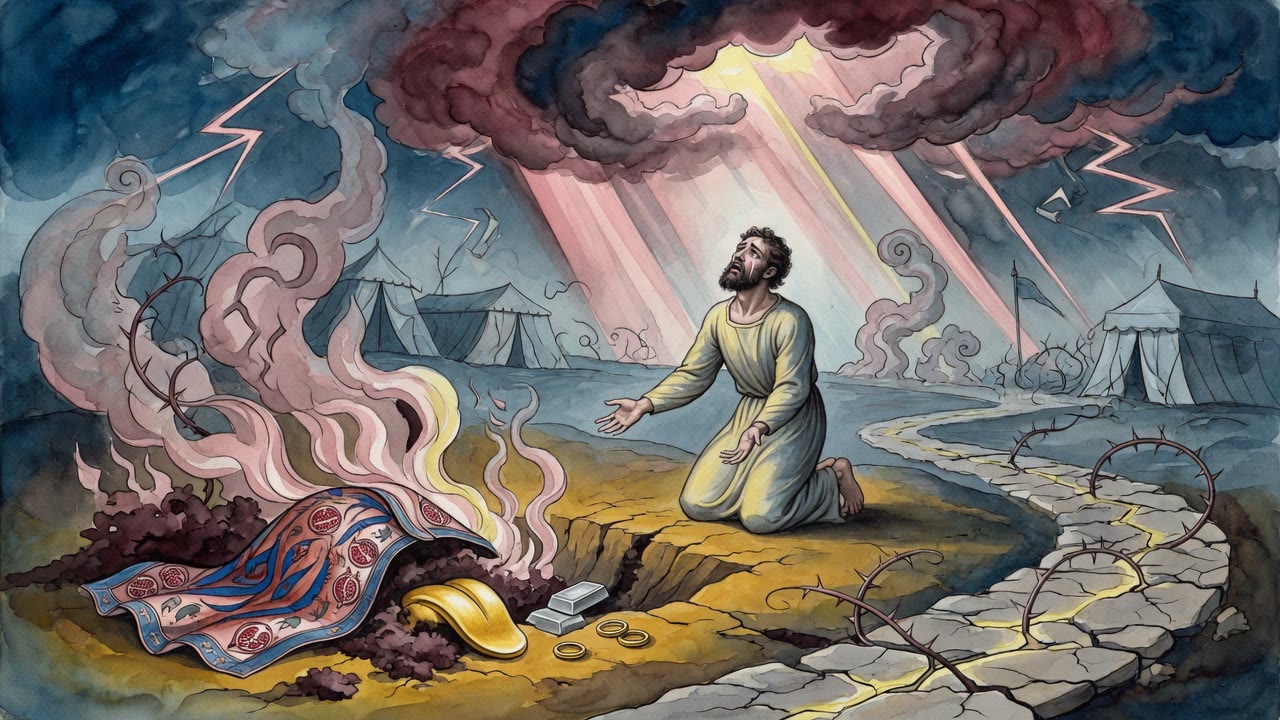
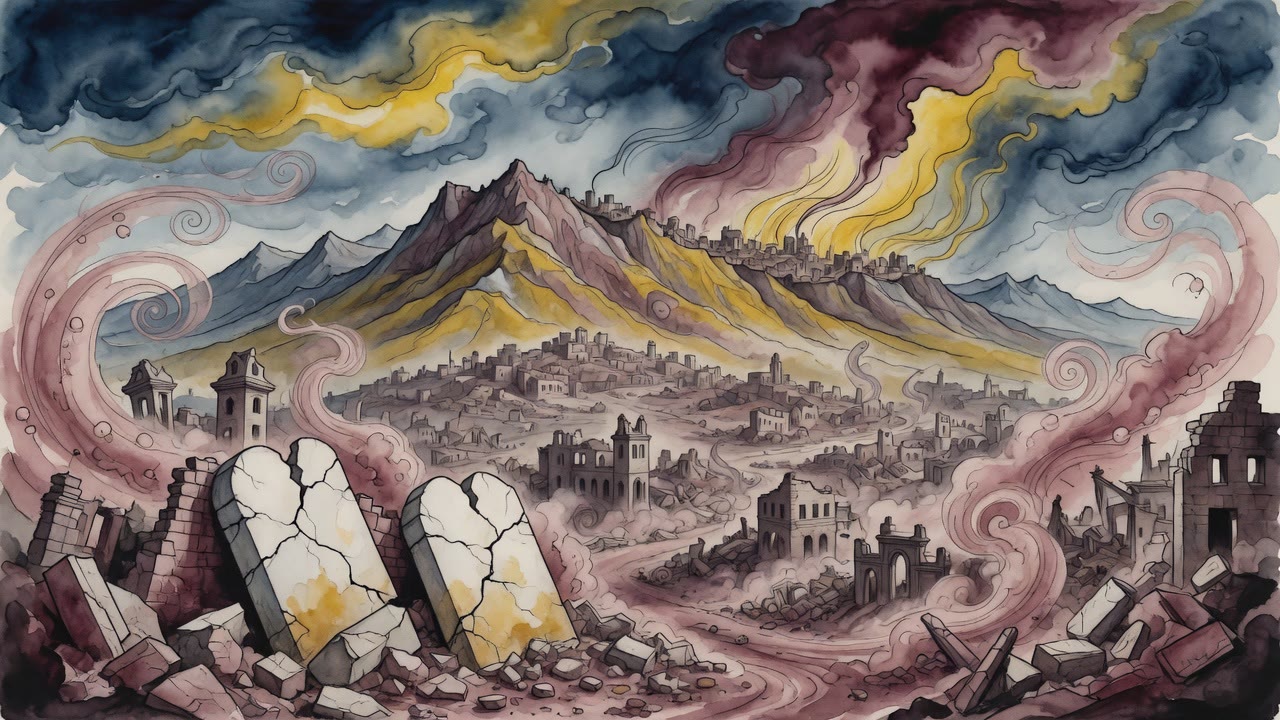
King Yannai held two thousand towns on that mountain. Two thousand. The midrash says every last one of them was laid waste, not over lies, but over true oaths kept to the letter about nothing that mattered. The ruin is the point. If truth sworn over trifles can empty a countryside, what account waits for the one who swears falsely?
Only the Fit May Lift the Name
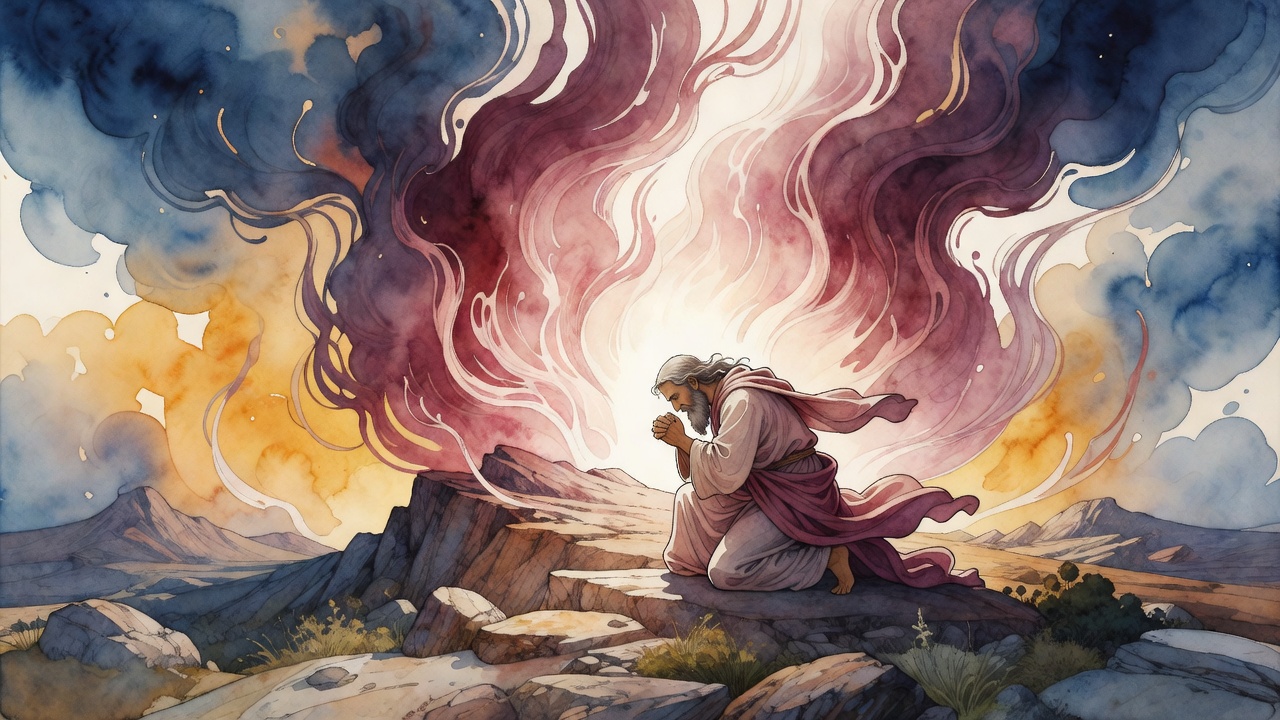
The teaching opens with a fence. Only one who is wholly fit may swear at all. The rest of us have no license for it. An oath is not a spice for conversation. It is a rope thrown around the divine Name and then yanked by a human tongue. When the rope is thrown for bread and wine on a whim, the towns fall because the mountain has been turned into a marketplace of holiness.
Guard your mouth, the Maggid says to his children. An oath is no small coin. Spend it on small things and you will discover that Heaven does not mint infinite change for your habits.
When Vain Means Emptiness That Never Was
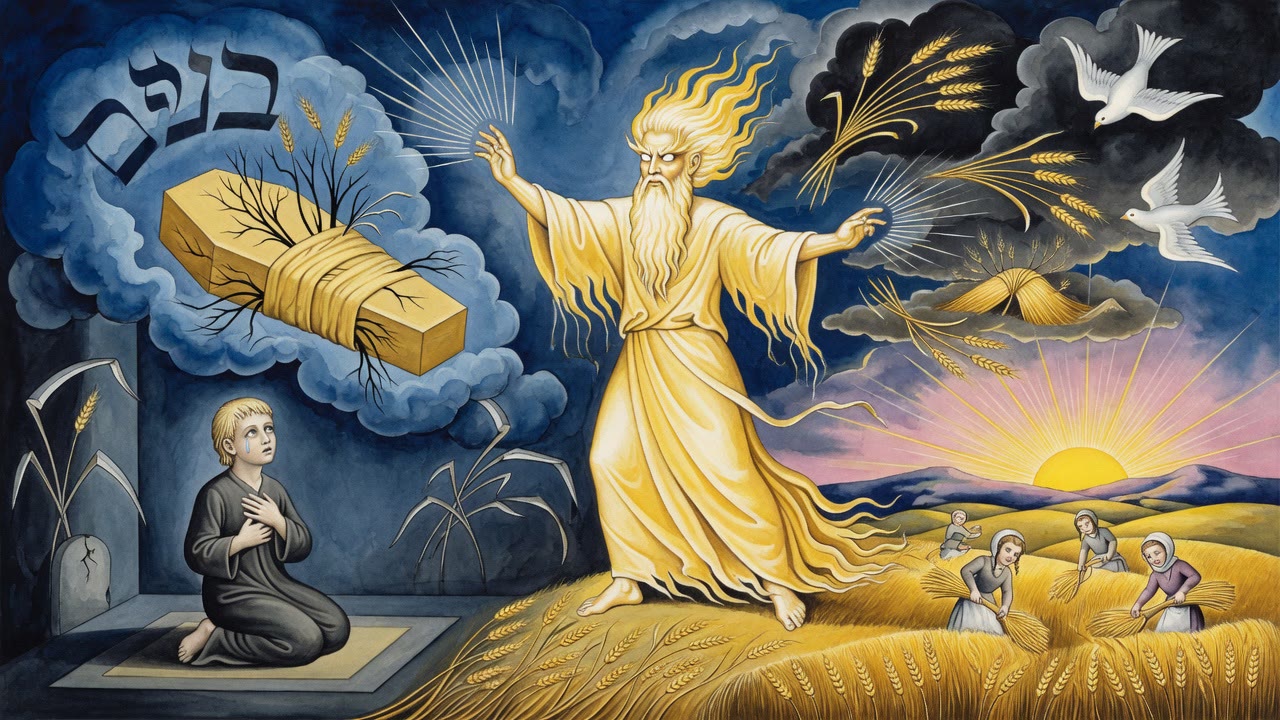
The third commandment forbids lifting God's name in vain, and the Mekhilta asks what "vain" even is. The answer is stark. Vain is a thing that never was, is not now, and will never be. To swear by the Name over pure emptiness is to bind the holiest words to nothing at all. Then the harder problem surfaces. At Horeb God invited Israel to return and be held guiltless, yet the verse also insists the LORD will not hold guiltless the one who misuses His name. Do the verses fight?
The sages map atonement itself. Repentance reaches most of the Torah, even sins punishable by Heaven, but for the vain oath repentance alone does not clear the account. The misuse of the Name sits at a threshold where ordinary turning back cannot fully wipe the slate. Lighter transgressions fall under repentance. Graver ones need more than a private change of heart. Even so the passage refuses to seal the door. Where personal repentance falls short, the Day of Atonement still atones, for Scripture promises cleansing on that day. The door narrows. It does not vanish.
An Oath That Brought a Genius to the Door
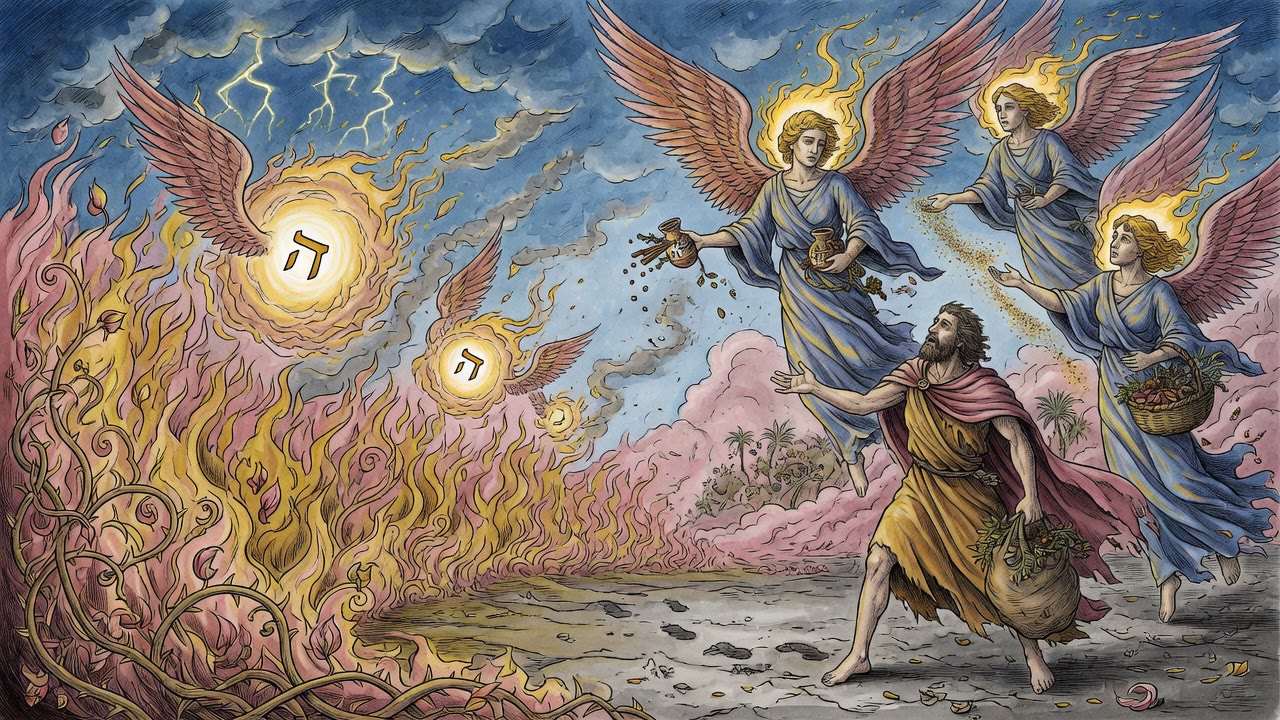
Not every oath on Jewish lips ends in ruin. In medieval Spain, Rabbi Yehudah HaLevi, poet and physician, author of the Kuzari, was urged by his wife to find a match for their daughter. Distracted by a poem, he answered rashly and swore he would give her to the first Jew who knocked. The next morning a young man in rags stood on the threshold with road dust on his face. Yehudah's stomach dropped. An oath was an oath. He took the stranger in as a pupil rather than hand his daughter over at once, and within weeks the ragged traveler answered like a rabbi.
One night Yehudah wrestled with a difficult stanza of a piyyut and left the page unfinished. The young man wrote in the missing line without effort. The traveler was Abraham ibn Ezra, the wandering genius of the twelfth century CE, disguised so he would be judged by what he offered, not by his name. He became Yehudah's son-in-law that same week. The exemplum teaches that an oath can deliver the blessing you would have refused if you had known who was knocking. The difference is not the power of the words. The difference is whether the vow was aimed at life or at idle theater.
What the Mountain Still Teaches
Yannai's towns fall because people treated truth itself as a game piece. HaLevi's door opens because a rash vow was still honored as a bond, and Heaven answered with a teacher disguised as a beggar. The Mekhilta stands between them and says the Name is not a toy for either cruelty or cleverness. If you must swear, know that you are moving something heavier than your plans. If you can avoid swearing, walk past the mountain without adding another true oath to a landscape already crowded with wreckage.
The mouth that binds itself lightly will either empty a region or, on rare days of grace, invite a stranger who completes the poem. Both stories demand the same discipline. Do not speak the Name unless the thing you bind is worthy of the cost.
← All myths