Akiva Turned a Death Dream Into a Blessing
A disciple woke certain he would die in Adar and bury no harvest. Rabbi Akiva read every omen backward until dread became glory and living children.
Table of Contents
 Click for full size
Three Sentences in the Dark
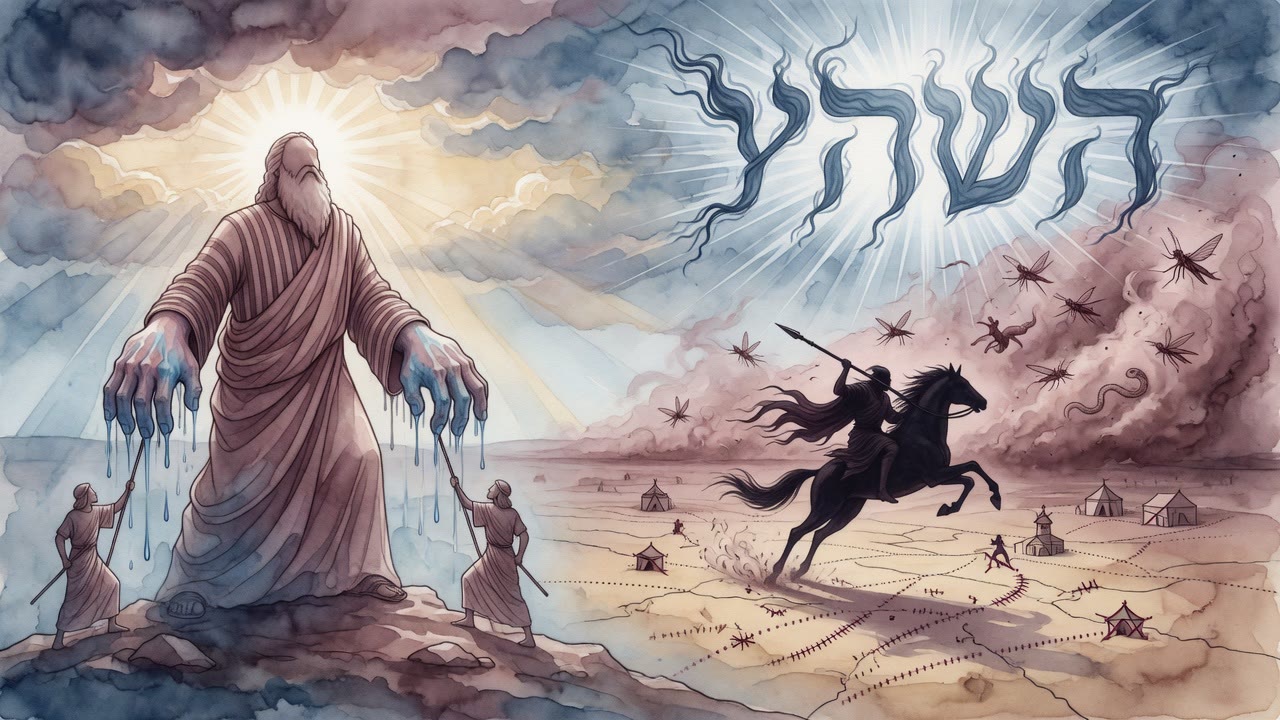
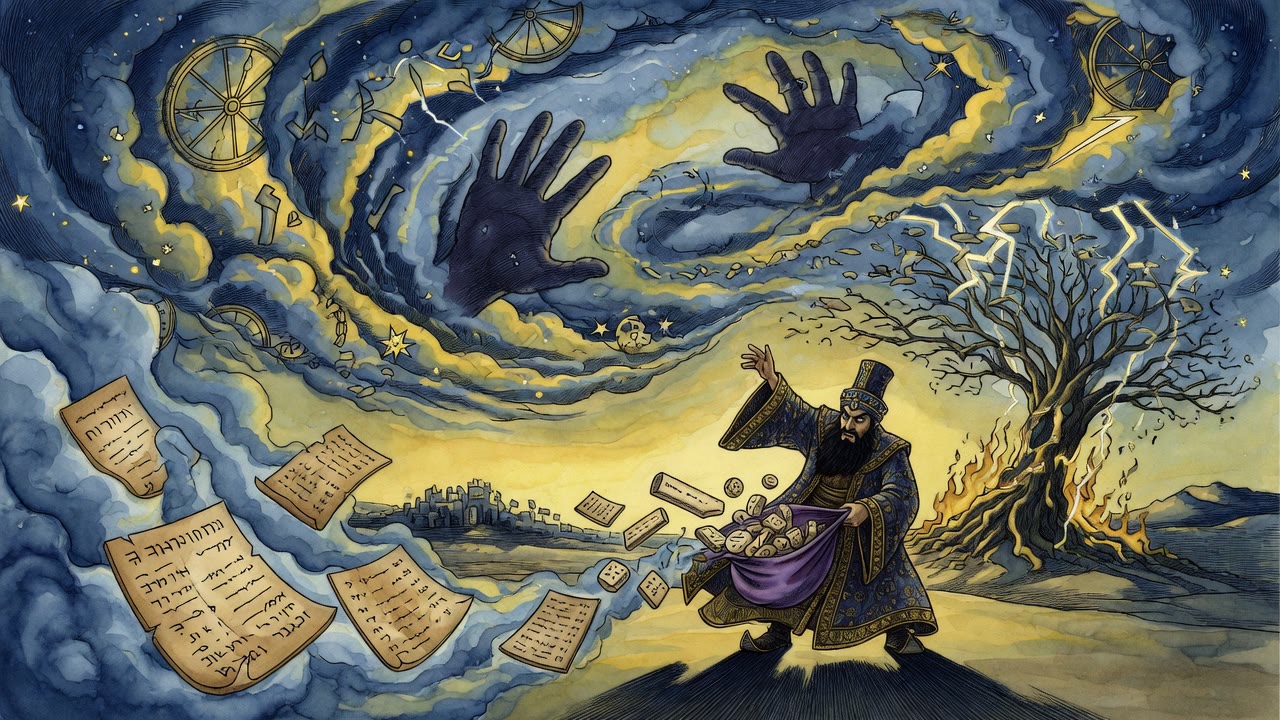
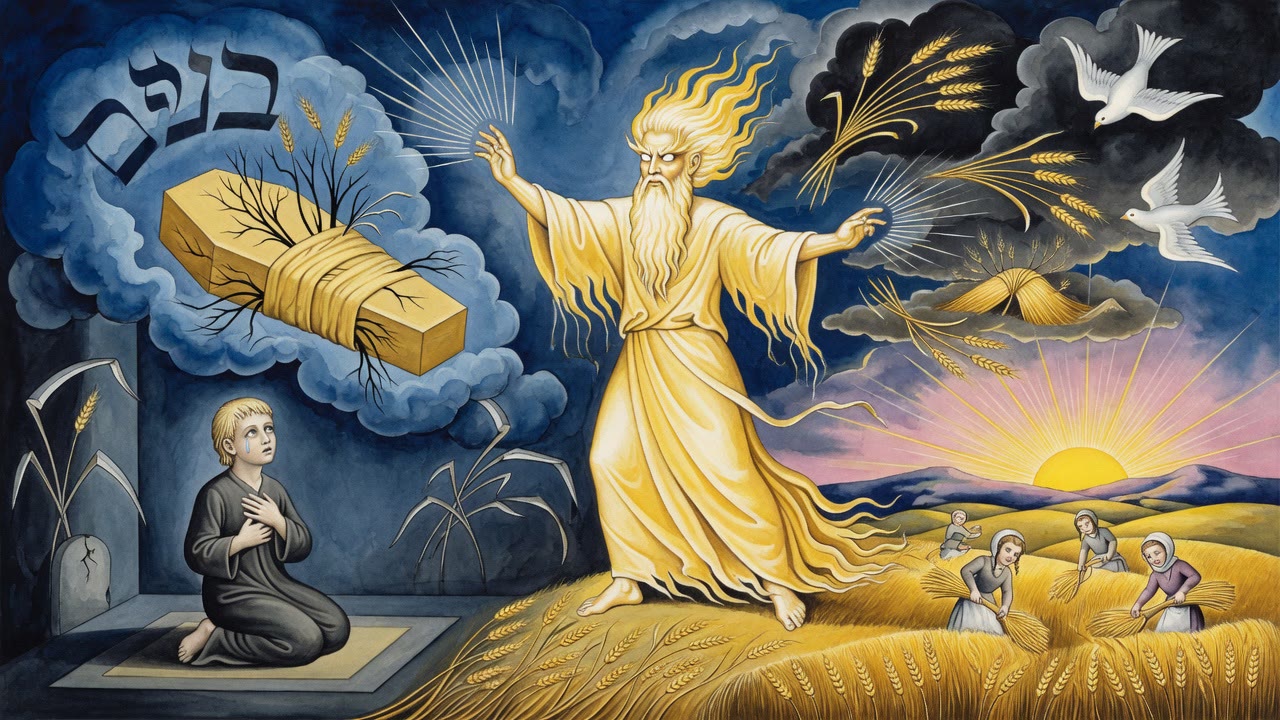
A disciple of Rabbi Akiva woke with a sentence still burning behind his eyes. The dream had spoken without mercy. "You will die in the month of Adar, you will not see the month of Nisan, and what you sow you shall not reap." He carried the words to his teacher the way a man carries a knife he found under his pillow.
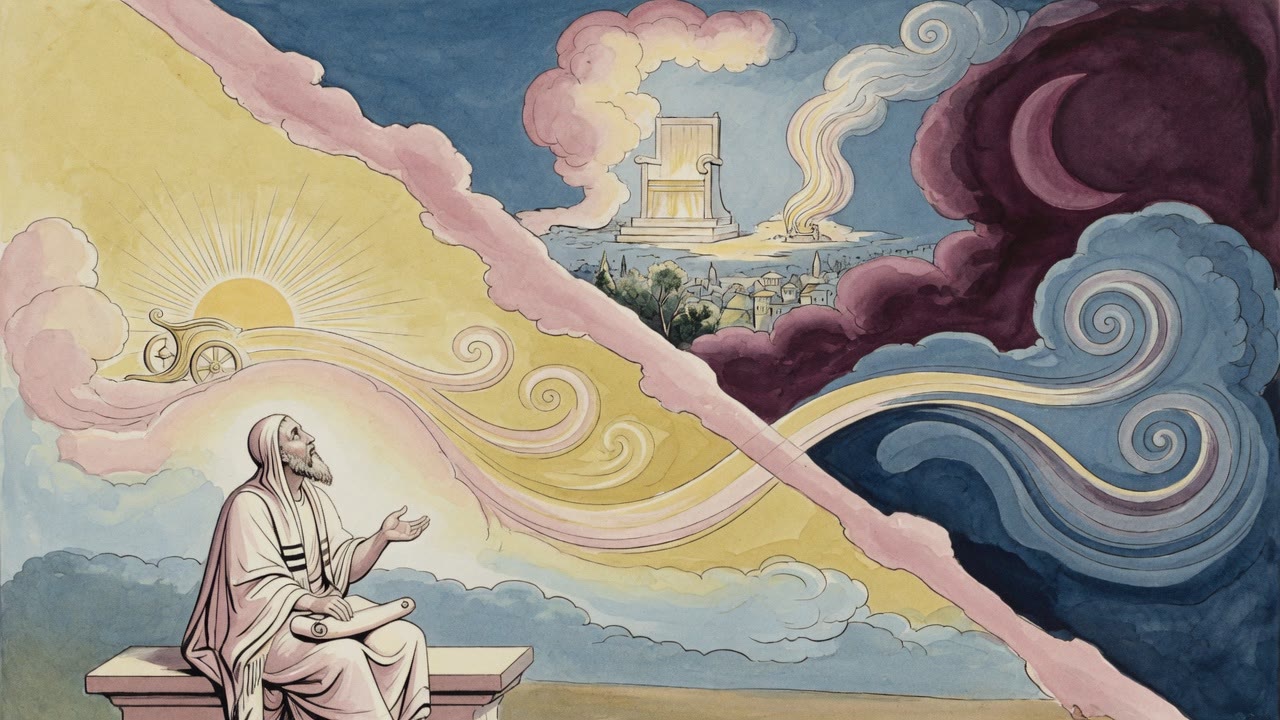
Akiva did not soften the dream by calling it nothing. He took each clause and turned it until the edge faced the other way. "In the month of Adar you will die" did not mean a grave in winter mud. Adar holds hadar, glory. The man would die for the glory of the Torah. "You will not see the month of Nisan" did not mean he would be cut off before spring. Nisan holds nasa, testing. He would never be tested beyond what he could bear. "What you sow you shall not reap" did not mean barren fields. It meant he would not bury his own offspring. The harvest of children would outlive him.
The disciple left with the same words and a different world.
Farewells That Would Not End
In the same stream of teaching, two others sat before Rabbi Shimon ben Yohai studying the laws of vows. Rabbi Judah, descended of proselytes, and Rabbi Jonathan son of Akhsai took leave of their master in the evening. In the morning they returned and took leave again. Shimon asked why. They answered as the study hall answers. When a disciple departs and the mentor remains overnight in the same city, he greets him once more, as Solomon sent the people away on the eighth day and they blessed the king.
Shimon sent his own son to them for a blessing. He found them weighing proverbs against proverbs, the path that can be walked by a messenger against the path no other person can walk for the one bound to it. Wisdom more precious than rubies against the claim that even heaven's values cannot equal her. They sat inside language until language gave them more life, not less.
When a Ban Weighs Like an Oath
Akiva's name also stands where speech becomes binding force. He taught that a ban is as powerful as an oath, and an oath as powerful as a ban. A herem sets a thing apart under penalty. An oath ties a promise to the Name. Break either and the break is not mere etiquette. It tears an agreement that heaven hears.
Worse than breaking is knowing and staying silent. If a person holds knowledge that belongs to a ban or an oath and chooses quiet, the ban falls on the silent one too. Silence is not safety. Silence is partnership with the breach. Akiva's measure leaves no soft corner for the bystander who watches a vow collapse and keeps his mouth shut for comfort.
Reading Terror as Mercy
The disciple's dream and the law of bans share a spine. Words do work. A dream can kill a man before any sickness does, if he receives it only as a death sentence. A ban can hang over a household if the people under it pretend not to understand. Akiva's craft was not denial. He did not say the dream was false. He said the dream was a code, and codes can be read toward life.
Adar became glory. Nisan became the refusal of crushing trial. Unreaped seed became children who would stand after him. The same mind that refused to let a ban be a small thing refused to let a nightmare be only a grave.
What the Study Hall Protects
Around Akiva, men greeted their teachers twice so that no departure would grow casual. They argued until two verses that seemed to fight each other sat at peace. They treated a night's rest in the same city as a reason to bless again. The outer world ran on iron and empire. The inner world ran on careful speech, careful reading, and the refusal to let fear have the last dictionary.
The disciple who had woken in terror learned what the school already knew. A sentence from heaven is not always a sentence of death. Sometimes it is a door that opens only when a master turns the key the right way.
Glory That Still Costs a Life
Akiva's reading did not cancel death. It renamed it. The disciple would still leave the world in Adar. The month would still close over him. What changed was the meaning of the closing. He would not die as a man snuffed by bad luck. He would die as a man spent on Torah's honor. In a generation that knew Rome's iron and the price of public teaching, that rename was not poetry. It was a way to walk toward a hard day without letting the dream write the whole biography in advance.
Never being tested beyond capacity is also not a promise of ease. It is a promise of proportion. The Holy One who sends trials also measures the back that must carry them. Akiva, who would one day smile through iron combs in other tellings of his own end, already practiced that math on a younger man's night terror. He refused to let fear be the only exegete in the room.
And the children who would not be buried by their father became a quiet answer to the oldest dread in a teacher's house. A sage can accept his own grave. He cannot easily accept the graves of those he raised. Akiva cut that particular grief out of the dream's threat and left the disciple with a future that included living seed.
So the ban teaching and the dream teaching lock. Speech binds. Speech frees. A herem can drag the silent into guilt. A midrash can drag a nightmare into blessing. Both require a master who will not treat words as decoration. In Akiva's school, a sentence is a tool that can open a throat or close a grave, and the work of the day is knowing which turn of the key is in hand.
← All myths