6 min read

Day and Night Borrow Hours Without a Court

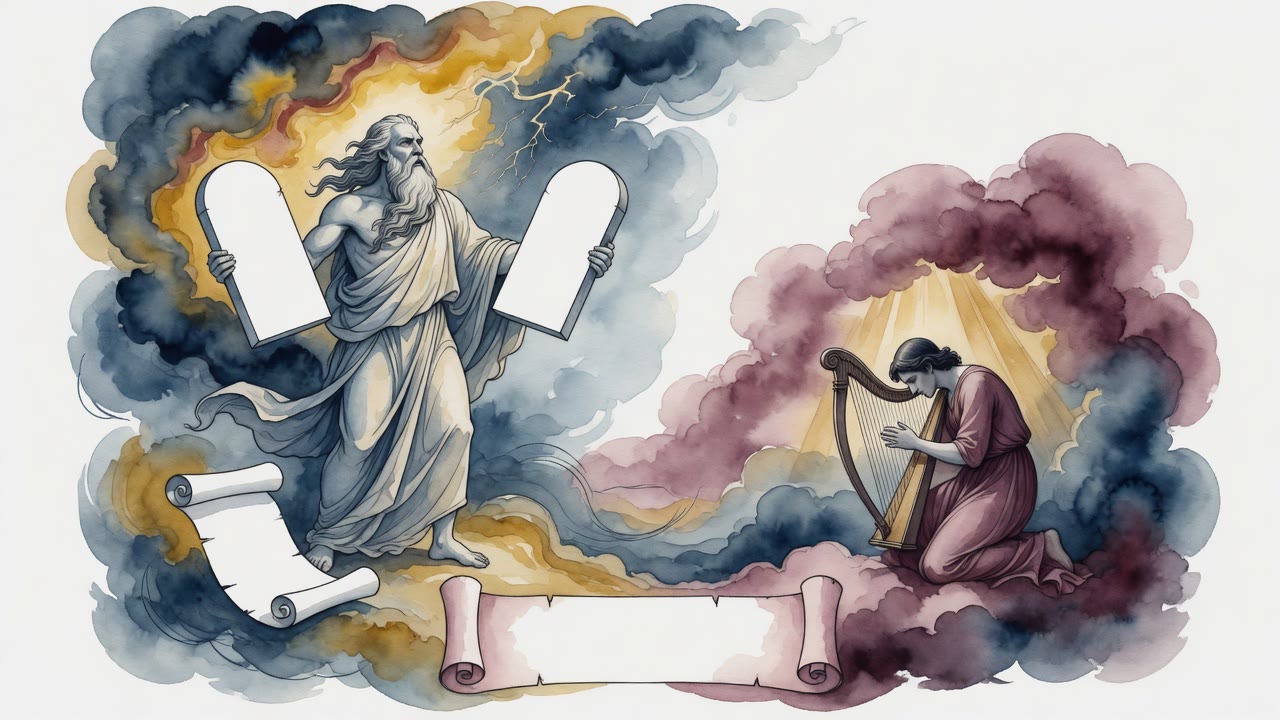
Rabbi Yochanan watched seasons trade light like a loan without witnesses. Day takes an hour, night takes it back, and no one files a claim.

Curated by Arthur · Told by Maggid ·
Table of Contents
  1. The Ledger No One Signed
  2. Nisan Stands Level at Dusk
  3. The Land Runs After the Elders
  4. The Children Who Went Back to the Laws
  5. A Thousand Years and No Old Man

In Tevet the lamps went up while the field hands were still bent over the last rows. Rabbi Yochanan stood at the window of the assembly house in Tiberias and counted the light out of the sky. A woman in the street below called her children in. One of them argued. She called again and he came.
Day and Night Borrow Hours Without a Court Click for full size

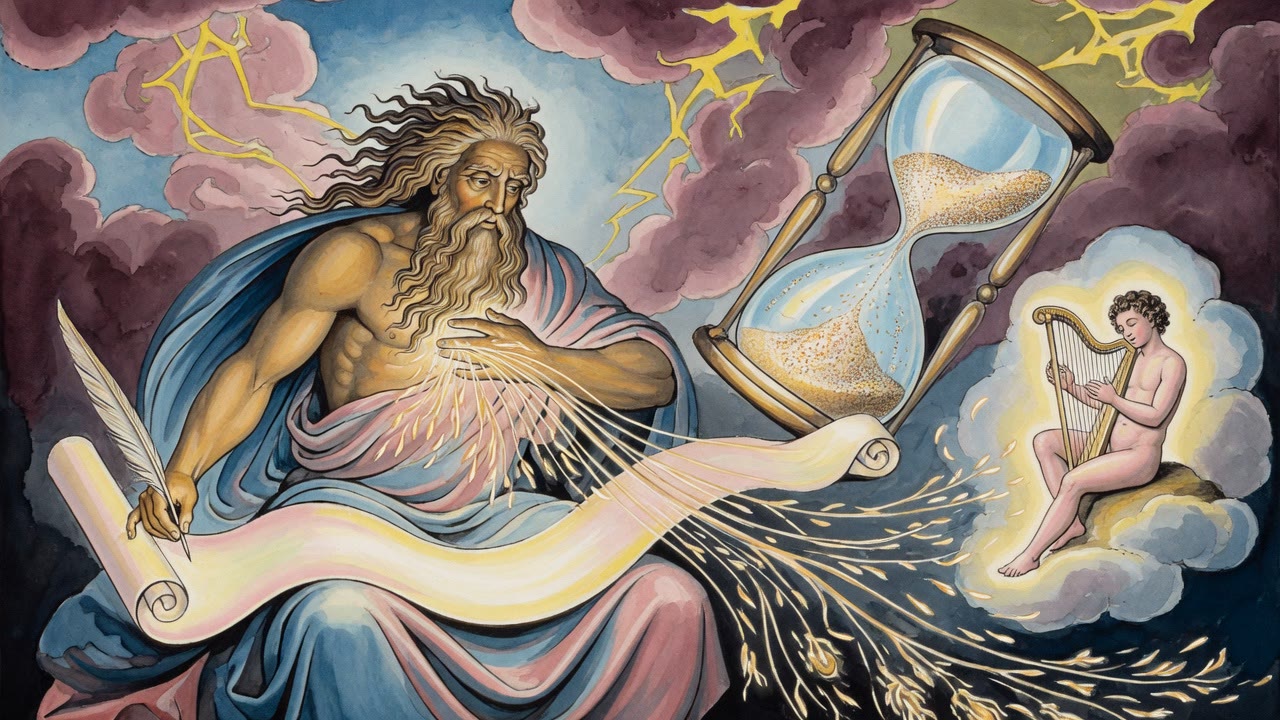
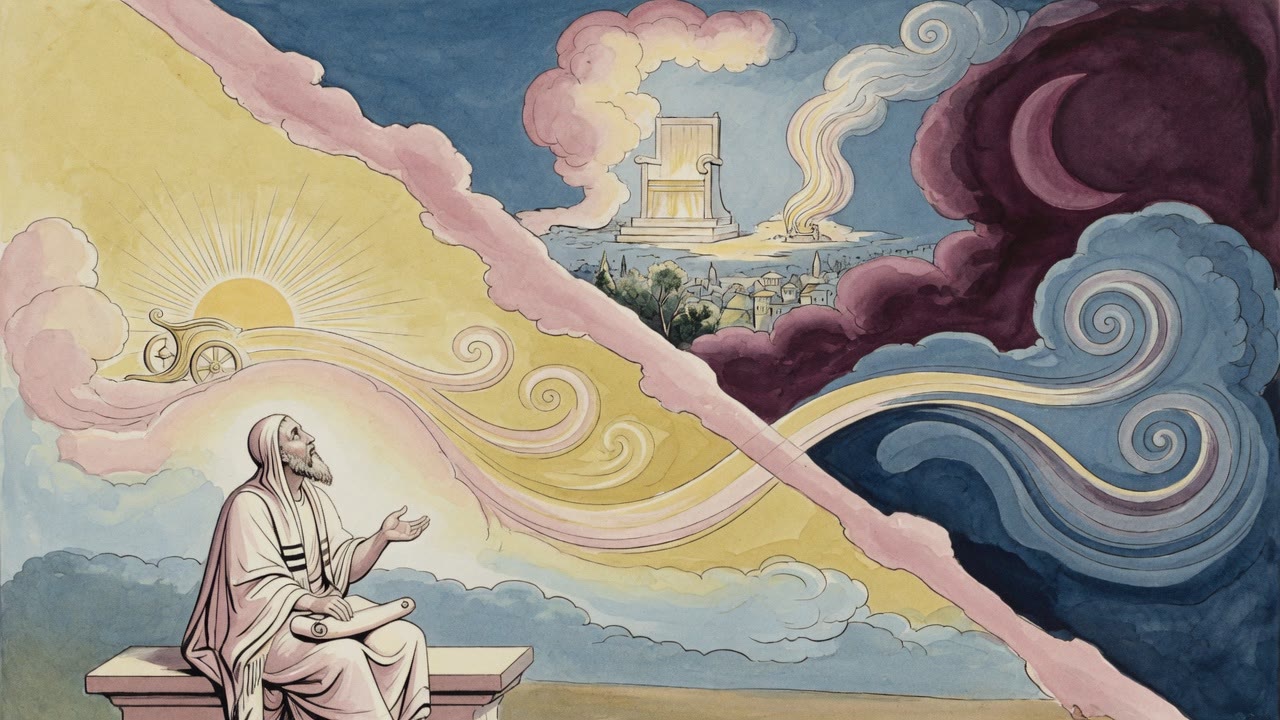
Yochanan turned back to the table. The other elders sat with the wax between them and the year half reckoned. He set out the four seasons on his fingers the way a moneylender sets out a debt. Tevet to Nisan, the night keeps the surplus. Nisan to Tammuz, the day takes an hour back, one hour out of every thirty. Tammuz to Tishrei, the night takes it again. Tishrei to Tevet, the day repays what it borrowed, an hour at a time, and nobody in Galilee notices the installments going out.

The Ledger No One Signed

"Who witnessed the transfer?" Yochanan asked.

Nobody at the table answered him. Thirty days of hour-taking had passed through that shutter and not one of them could name a man who had stood at the seam of dusk and marked the moment the day lifted its hour off the night. No creditor had knocked. No debtor had left the road at the sight of him.

A loan between men needs two witnesses who watched the silver change hands, and a court to make the borrower pay when his memory goes soft. Yochanan had sat in those courts. He had heard one man swear he returned the coat and heard the other swear it never came back, and he had watched both of them walk out of the room hating each other over a garment worth less than a day of bread. Day and night moved more than that between them every month of the year, and neither had ever hauled the other in front of anyone.

Somebody at the table said the thing that always gets said, that no such arrangement exists. Yochanan refused it. "We do not say there is no such thing," he told them, and went back to the wax.

Nisan Stands Level at Dusk

He walked out at the equinox to check it with his own eye. The sun dropped behind the ridge, the first star came up over the water, and the two halves of that day stood level as a balance with nothing in either pan. Neither owed the other an hour. Nobody had signed anything, and nobody had to.

Below the elders the same subtraction runs and draws no objection out of anyone. A man in Tammuz works until the light quits and does not sue the sun for the extra hour it took off him. A woman in Tevet banks her fire early and files nothing against the dark. The hours come and go over the roofs of Tiberias, and the whole town lives off a debt it never once calls in.

The Land Runs After the Elders

The doors of the assembly opened at the end of the session and the noise started before the last man was down the steps.

Someone caught Yochanan by the sleeve. "When is Rosh Hashanah?" Behind him a baker wanted the same answer. Behind the baker a woman with a child on her hip wanted the festivals, all of them, in order, so she could count backward to the week she had to start buying. A man who had walked in from a village pushed to the front and asked how many months the year had been given, because his brother's wedding sat on the answer.

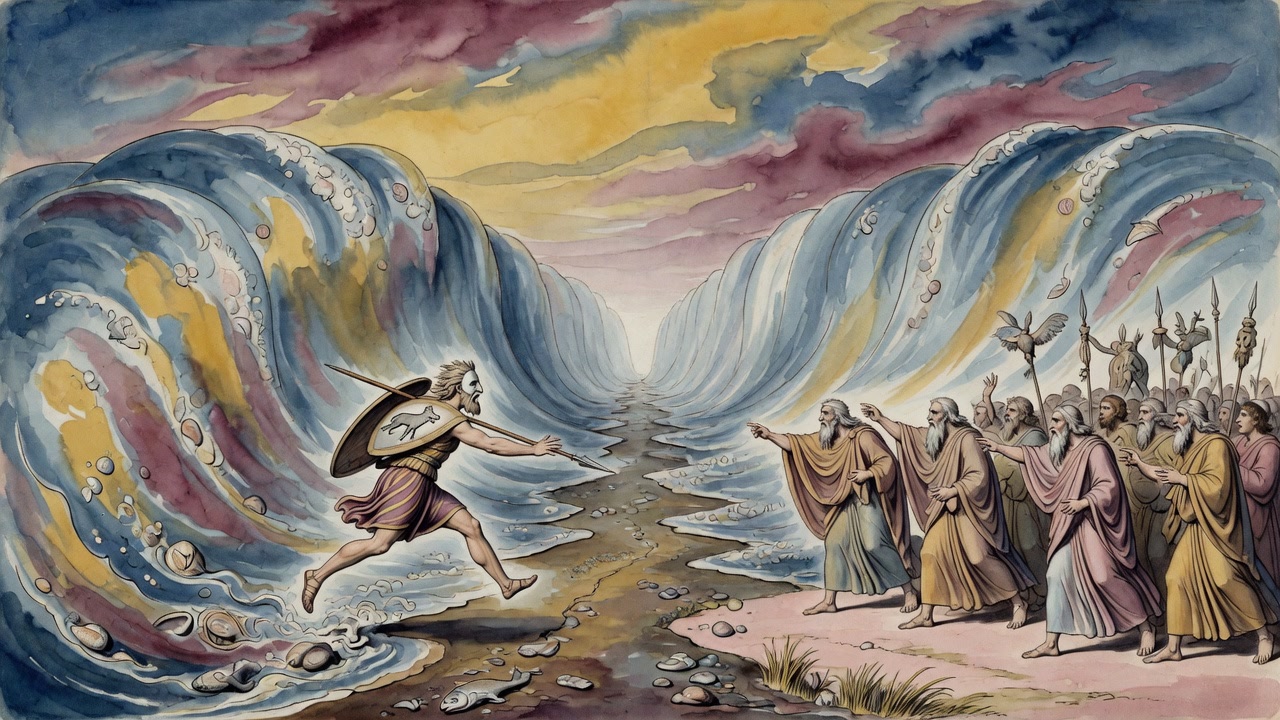
The question left town on the roads. Riders carried it north. How many months. How many seasons. Whether a month had been added to the year. In villages that had never seen the shore of the Kinneret, people set their planting and their weddings by what those men had decided around that table, and the fame of the elders went out to the ends of the world on the back of a question about a date.

Day and night had run their exchange all year and sent no messenger to anyone. The elders could not move one festival by a single day without the whole country shouting up the road after them.

The Children Who Went Back to the Laws

The count keeps going past any assembly that ever sat.

It starts with children. One of them opens the laws his father stopped opening and reads until the lamp gutters, then asks in the morning what else is commanded, and asks again the morning after that. Others do the same in other houses. They walk back onto the road their fathers had left, and no decree announces it, and nothing burns.

The change shows up in the arithmetic of burials. The men who dig the graves find less to do each season. Then a whole village goes a year without opening the ground.

A Thousand Years and No Old Man

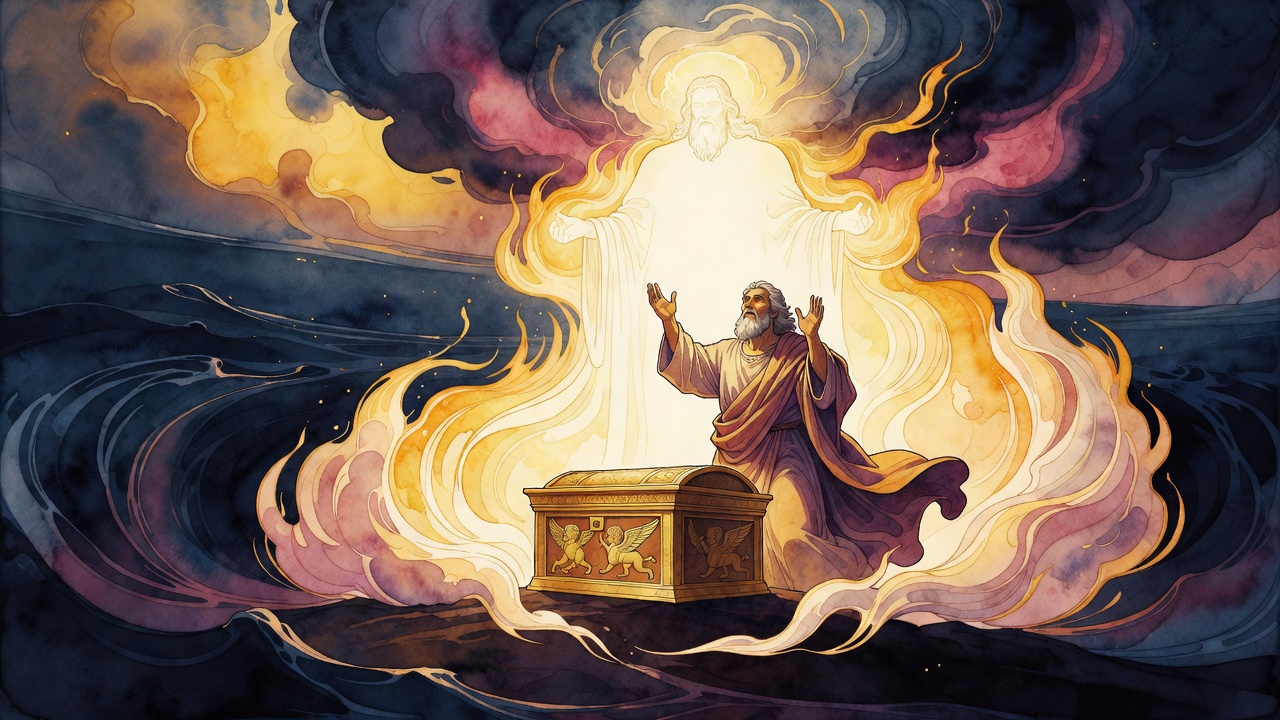
The days begin to multiply. A man reaches the age his grandfather died at and keeps going. He passes the totals of the long-lived fathers in the old lists, the numbers people had recited to their sons as a ceiling, and the ceiling stops being a ceiling. The days draw near a thousand years.

Nobody in that generation is old. They are all children and youths. They complete their days, every one of the days given to them, and live them out in peace and in joy, and no man sits at his door at the end counting what he was owed and never paid.

In Tiberias the lamp went up early again. The night lifted its hour off the top of the day and carried it away over the water, and nobody knocked at the door about it, and in the morning the sun climbed back out of the hills to begin taking it back.


← All myths
From the tradition

Sources

2 sources

The texts behind this telling. Some cards carry a translation of the source; others are our own retelling of it, and each card says which. Every card links out to the original.

Midrash Tehillim 19:7Midrash Tehillim

Retold in our words. Read the original at the link below.Rabbi Mike Feuer, Jerusalem Anthology · CC-BY

Our ancestors grappled with this too, and they spun some pretty amazing stories to explain it. to one from Midrash Tehillim, a collection of teachings that examine the Book of Psalms.

This particular passage, Midrash Tehillim 19, deals with something we all experience: the changing seasons and the ebb and flow of daylight. But it frames it in a really intriguing way, almost like a cosmic loan between day and night.

Rabbi Yochanan, a prominent sage of the Talmud, offers a fascinating perspective. He says that as the elders – meaning those who possess wisdom and understanding – move from one year to the next, they engage in a kind of cosmic accounting. They “subtract from the day and add to the night,” and then “subtract from the night and add to the day." What’s going on here?

He’s describing the cyclical nature of the year, marked by the four seasons. From Tevet (around December/January) until Nisan (around March/April), the nights are longer. Then, from Nisan to Tammuz (around June/July), the days take the lead, borrowing an hour from the night every thirty days, slowly but surely. After Tammuz to Tishrei (around September/October), the nights reclaim their dominance. And finally, from Tishrei to Tevet, the days give back what they borrowed, again an hour at a time.

But here's where it gets interesting. Rabbi Yochanan points out that during Nisan and Tishrei – the times of the spring and fall equinoxes – day and night are equal. They owe each other nothing. And the way they "borrow" and "repay" isn't like human debt at all! There's no court, no witnesses, no contracts. It's a natural, harmonious exchange. We don't say, "There is no such thing"– meaning, we accept that this is how the world works, a miraculous balance.

Now, the text contrasts this cosmic harmony with the human realm "below the elders." Here, we also subtract from day and add to night, and vice versa, but there's often objection, resistance, a feeling of unease. Why the contrast? Perhaps it's suggesting that humans struggle with the natural cycles of give and take, of abundance and scarcity, unlike the seamless exchange between day and night.

The passage concludes with a vivid image. When the elders leave their assembly, there's commotion throughout the land. People are asking, "When is Rosh Hashanah (the Jewish New Year)? When are the holidays?" Their fame – the elders' wisdom – reaches the ends of the world. They’re masters of time, understanding its rhythms, and guiding others through it.

What does it all mean? Perhaps it's a reminder to pay attention to the natural world, to the changing seasons, and to the wisdom of those who understand them. Maybe it's an invitation to accept the ebb and flow of life, the times of light and darkness, with grace and understanding. To recognize that sometimes we "borrow" and sometimes we "repay," and that this cycle is essential to the balance of the universe. Midrash Tehillim 19 is asking us: Are we living in harmony with the cosmic dance, or are we resisting its rhythm? It's a question worth pondering as we journey through our own days and nights.

Full source
Book of Jubilees 23:44Book of Jubilees

Retold in our words. Read the original at the link below.Sefaria Community Translation · CC-BY

Book of Jubilees turns to Calendar of Jubilees.

"

This isn’t just about rote memorization. It speaks to a deep, internalized understanding and embrace of halakha, the way of Jewish law, and mitzvot, the commandments. It's a return, a teshuvah (repentance), to a path of ethical living. What impact would that have on society as a whole?

Then comes the truly astounding part: "And the days will begin to grow many and increase amongst those children of men, Till their days draw nigh to one thousand years, And to a greater number of years than (before) was the number of the days."

A thousand years! The text suggests a profound shift in the human lifespan, exceeding even the great ages attributed to figures in the Book of Genesis. Think of the accumulated wisdom, the potential for growth, the sheer scope of experience one could amass over such a vast expanse of time.

But it's not merely about living longer. It's about living better. The Book of Jubilees continues, "And there will be no old man Nor one who is not satisfied with his days, For all will be (as) children and youths. And all their days they will complete and live in peace and in joy."

This isn’t just about extended youthfulness, though that's certainly part of it. It’s about a state of contentment, a deep sense of fulfillment that permeates every stage of life. The absence of dissatisfaction speaks volumes about the quality of life in this envisioned future. It’s a world free from the anxieties and regrets that often plague our own.

The Book of Jubilees offers a tantalizing glimpse of a future shaped by righteousness, longevity, and profound contentment. It begs the question: what role can we play in bringing that vision closer to our present reality?

Full source