With What Face Can We Possibly Come Back to God
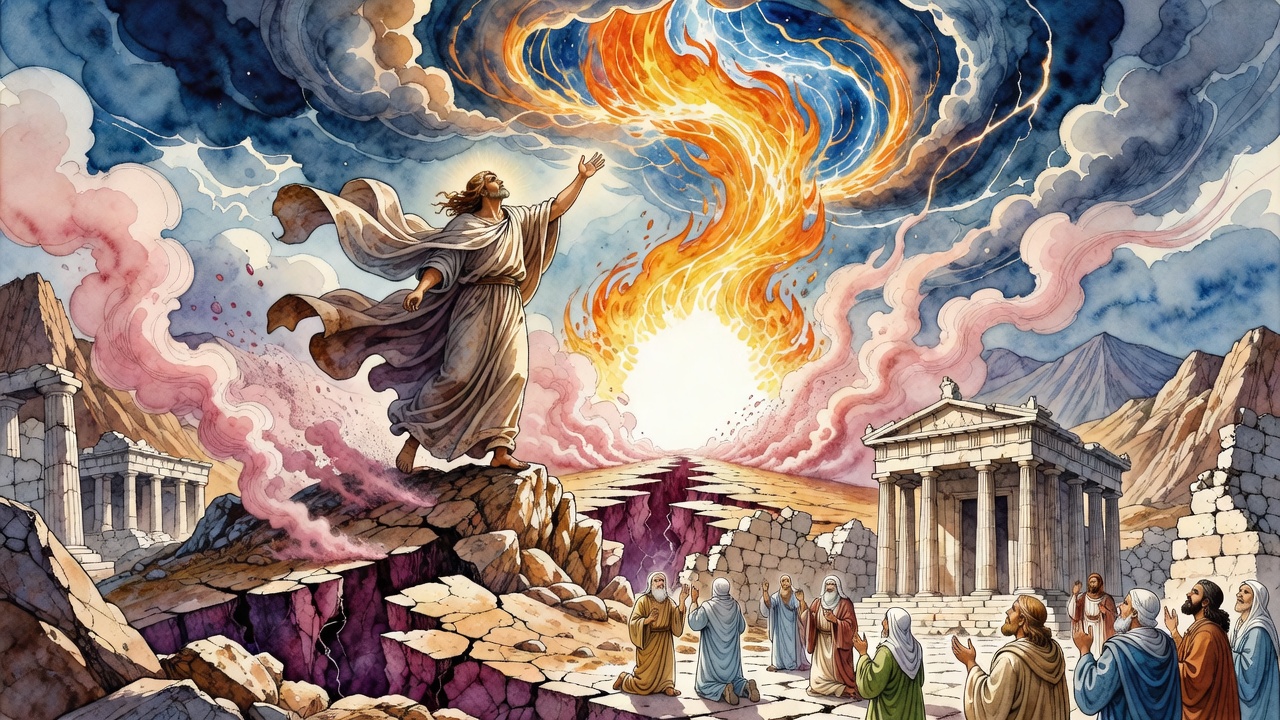
The mountains where they had burned offerings still stood every morning. Jeremiah brought that shame upstairs. God did not wait for them to climb.
Table of Contents
 Click for full size
Jeremiah Told Them to Turn and They Froze
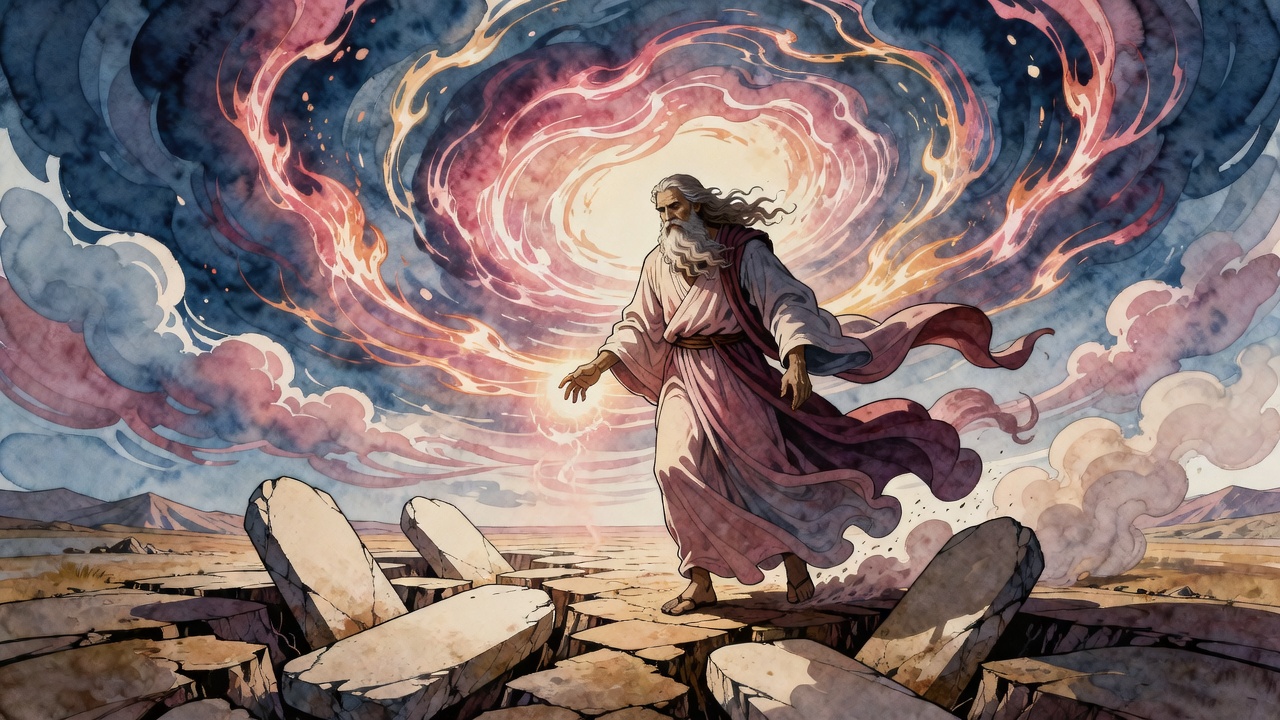
God gave Jeremiah one sentence. Go. Tell Israel to turn back. Do teshuvah (תשובה), return.
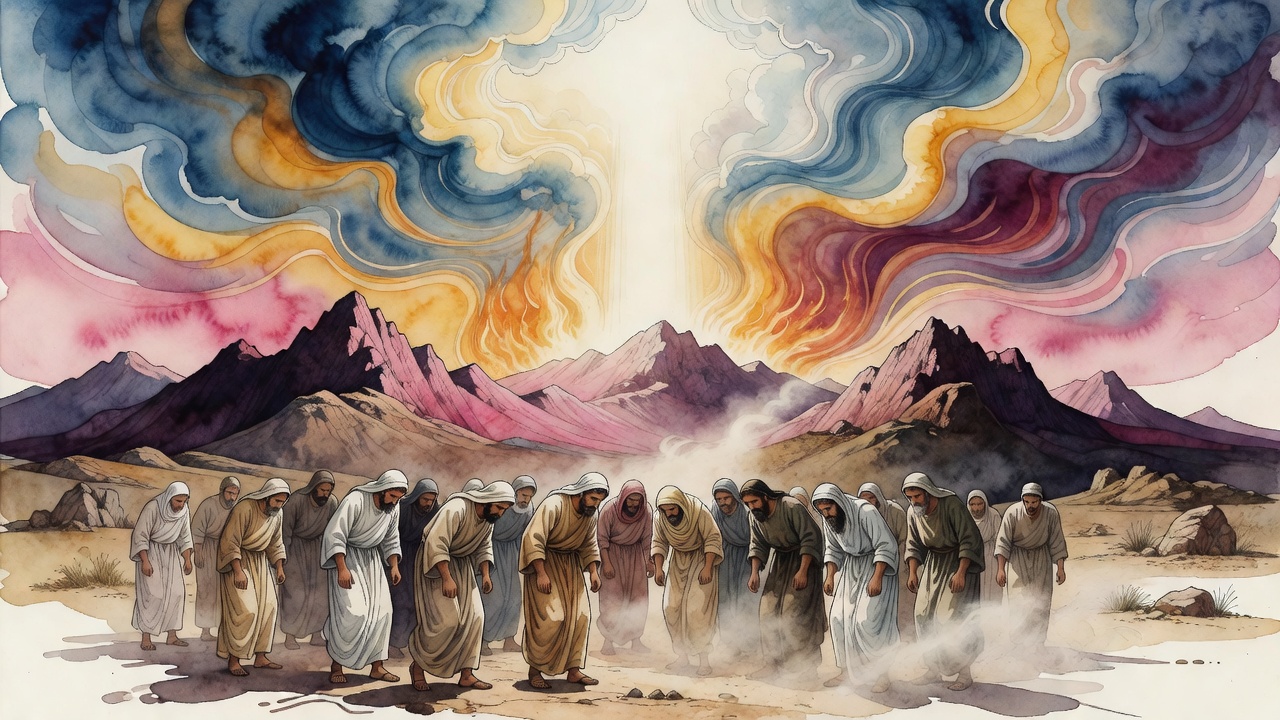
The prophet walked into the people with that sentence still warm. They did not mock him. They did not argue. They stood with their eyes on the ground.
"Our master Jeremiah. How do we do this? With what face do we come before the Place?"
Not we refuse. Not we do not believe. They knew what their faces looked like. They knew what they had done.
The Mountains Would Not Leave the Horizon
The evidence still stood. The mountains where they had burned offerings to idols were still there. The hills were still there. Every morning they walked out of their houses and looked up, and the high places refused to disappear. Upon the tops of the mountains they sacrificed, and upon the hills they burned incense (Hosea 4:13).
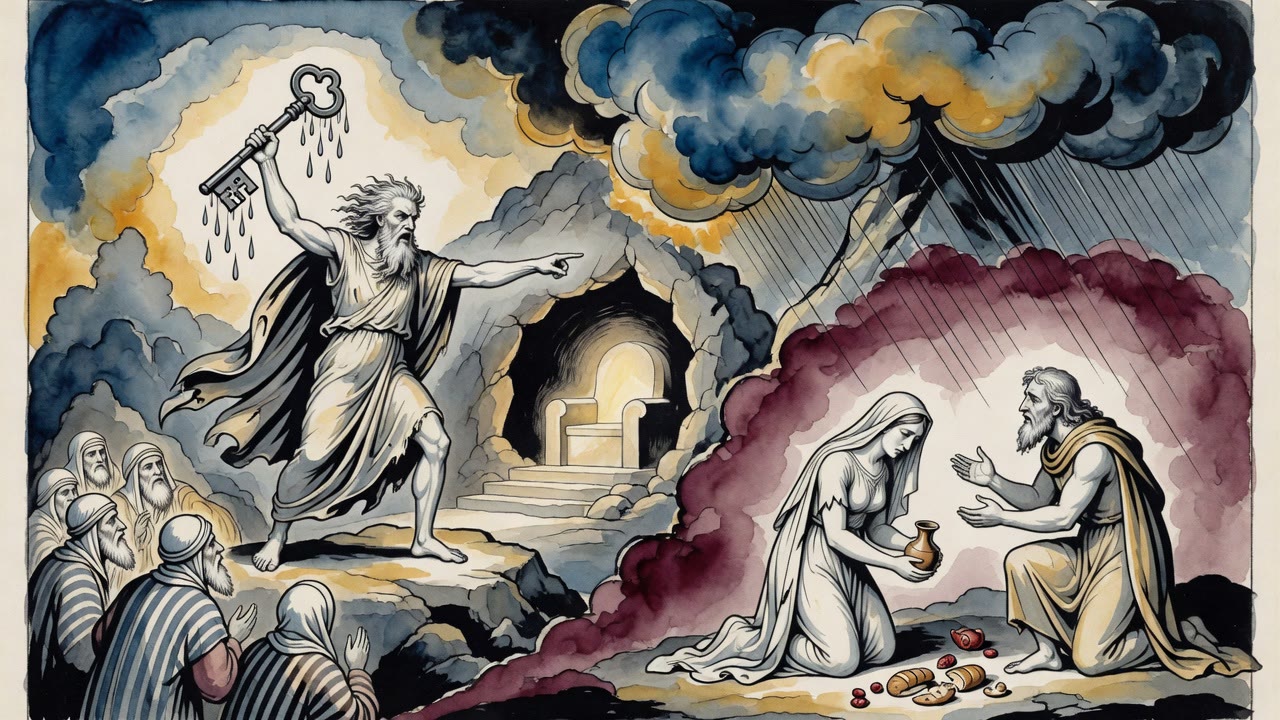
"Let us lie down in our shame," they said, "and let our disgrace cover us" (Jeremiah 3:25). A blanket at least hides a face.
Jeremiah had been sent to collect a return. He collected a paralysis instead. He carried it back upstairs, because that was the job. Here is what they said. Here is the shame that is holding them still.
God Sent Him Down as a Father
God did not answer with a new demand. He sent Jeremiah down with a memory.
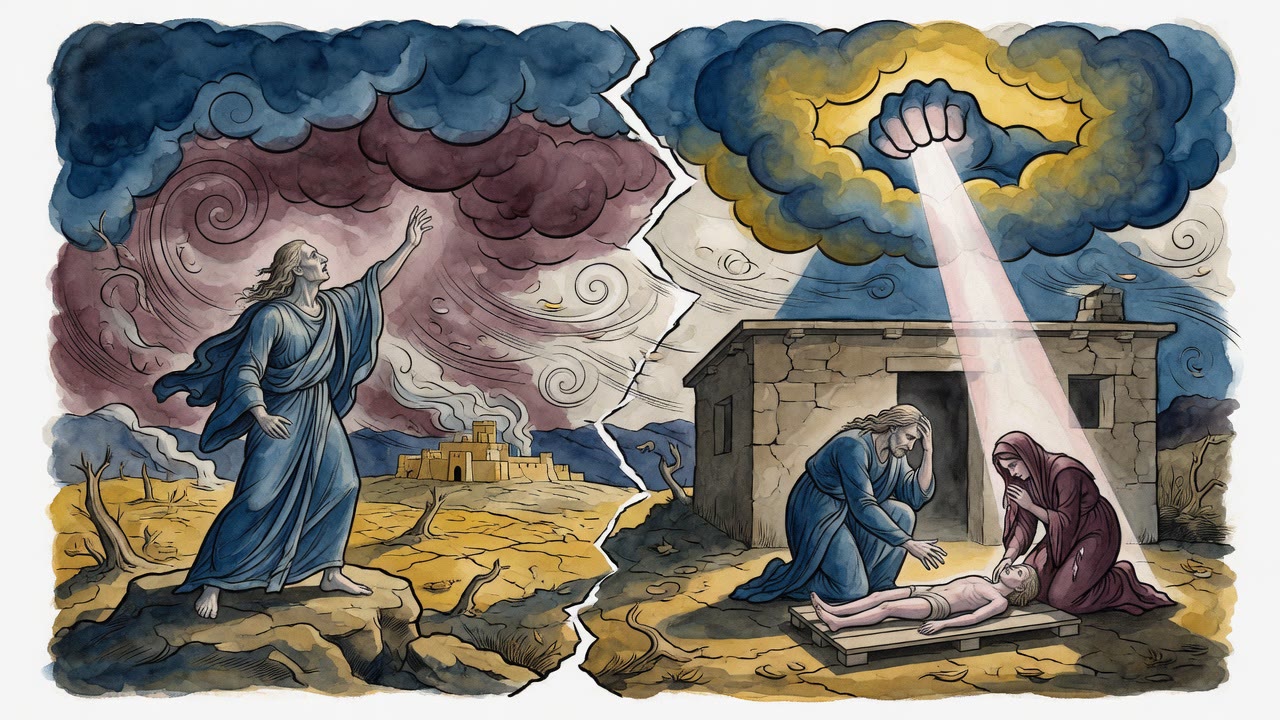
"Did I write in the Torah that I would set my face against a man and cut him off from his people, and then do that to you? I will not drop my face on you. I am kind, saith the Lord. I do not keep anger forever" (Jeremiah 3:12).
Then another line, harder to hide from. "If you come, you are not coming to a stranger. You are coming to your father. I have been a father to Israel, and Ephraim is my firstborn" (Jeremiah 31:9).
The people were still calculating whether they deserved the door. God had already put himself on the road. Return, in His mouth, was not a test they had to pass before He moved. He had moved. Their work was to notice.
The Wise Servant Walked Where the Son Would Not
A wise servant, says the old line, will rule over a son who causes shame, and among brothers he will take a share of the inheritance (Proverbs 17:2). Jeremiah was that servant. Israel was the son who had shamed himself with idols. The servant could enter the house. The son stood outside with his eyes down and could not make his feet go through.
Jeremiah kept walking the distance the son would not walk. Out to the people. Back to God. Out again with the father's sentence unedited. He did not add a condition God had not added. He did not sand the shame down to make it polite. He carried the prior movement and put it in their ears.
How long will fools love scoffing, the other warning ran. A man eats something that stinks for two or three days, and his soul is sick of it. Israel had served idols for years, the thing of which it is said, "Thou shalt say unto it, Get thee hence" (Isaiah 30:22), and their souls were not sick. Scoffing starts as a bruise and ends as a ruin. If they returned to the rebuke, God would pour His spirit through Ezekiel. If they did not, they would get Jeremiah's words, which do not come as a breeze.
Rahab Hid the Spies Without a Clean Record
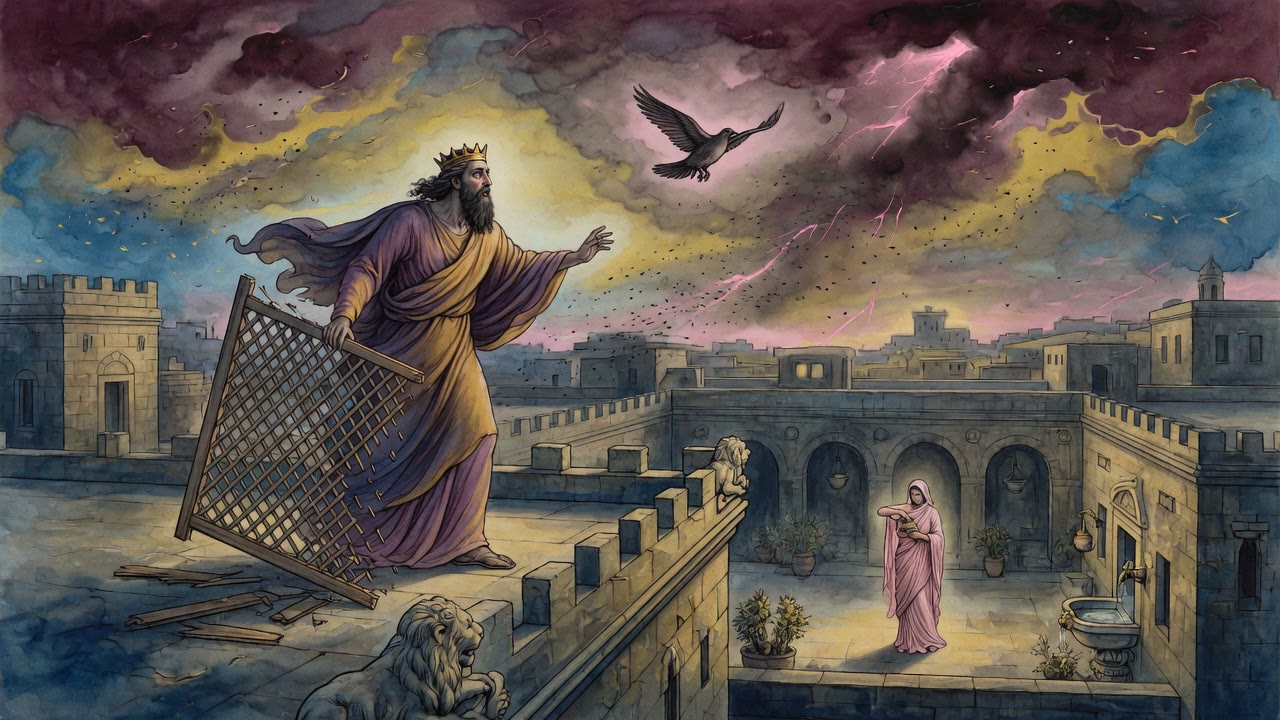
Rahab of Jericho had no list of commandments behind her. She had one act. She hid the Israelite spies on her roof, under the stalks of flax, and she said why. "I know the Lord hath given you the land. I know what He did to Egypt. I know what He did to the kings of the Amorites. Your God is God in heaven above and on the earth beneath" (Joshua 2:9-11).
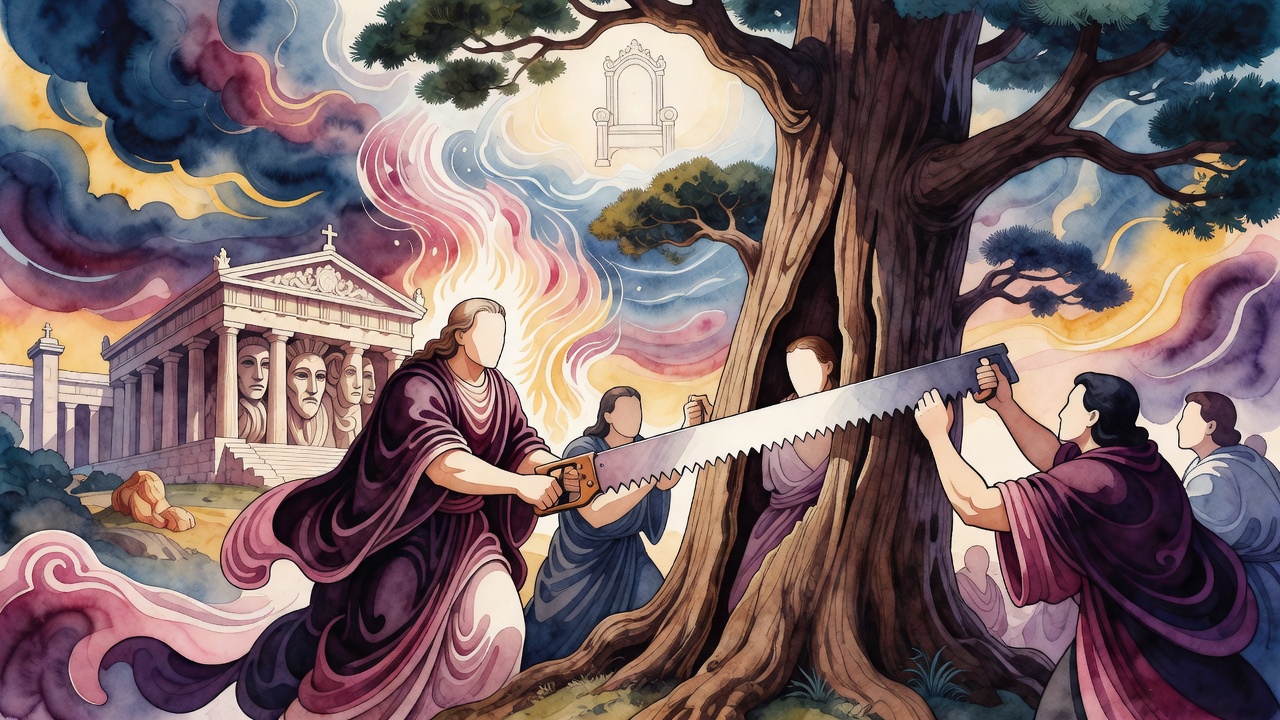
What is written of Israel as disgrace is written of Rahab as praise. Israel swore falsely. Rahab made the spies swear by the Lord because she had done them kindness. Israel slighted father and mother. Rahab asked life for her father and her mother. Israel bowed on rooftops to the host of heaven. Rahab brought the spies up to the roof to hide them. Israel called a tree "my father." Rahab hid men in the flax of a tree. Israel sacrificed on the mountain tops. Rahab sent the spies to the mountain to wait. Israel would not speak truth. Rahab asked for a true token.
She had nothing to stand on but the report she believed, and she moved. Israel, frozen under a skyline of old altars, thought it had nothing to stand on at all. The servant was already at the door with the father's sentence. The mountains were still there. The face still had to lift. God had not waited for the lift.
← All myths