19 myths
Each story names the sources it was written from.
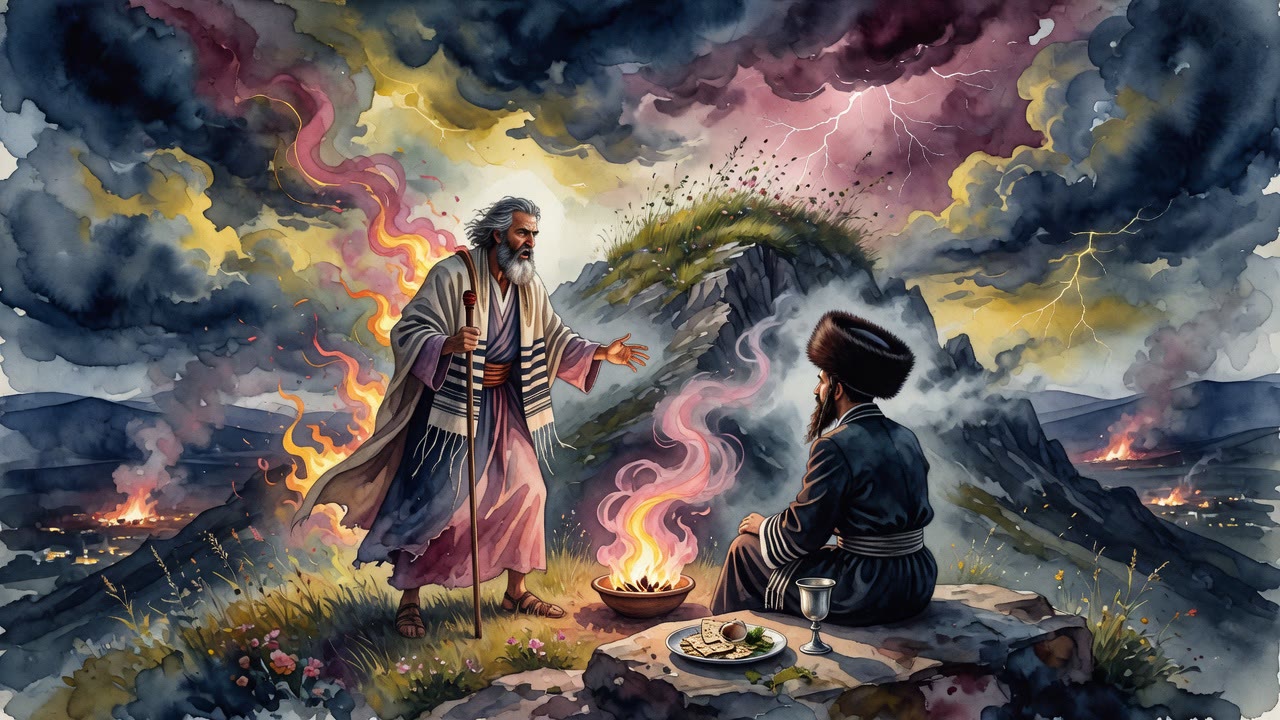
An angel digs through the dark for everything the world drops, while a sage walks out of Jerusalem each week to gather the lost souls.
On the bed the hand still reached for the cup. The other will in him tried to bless the people in the room and ask for nothing.
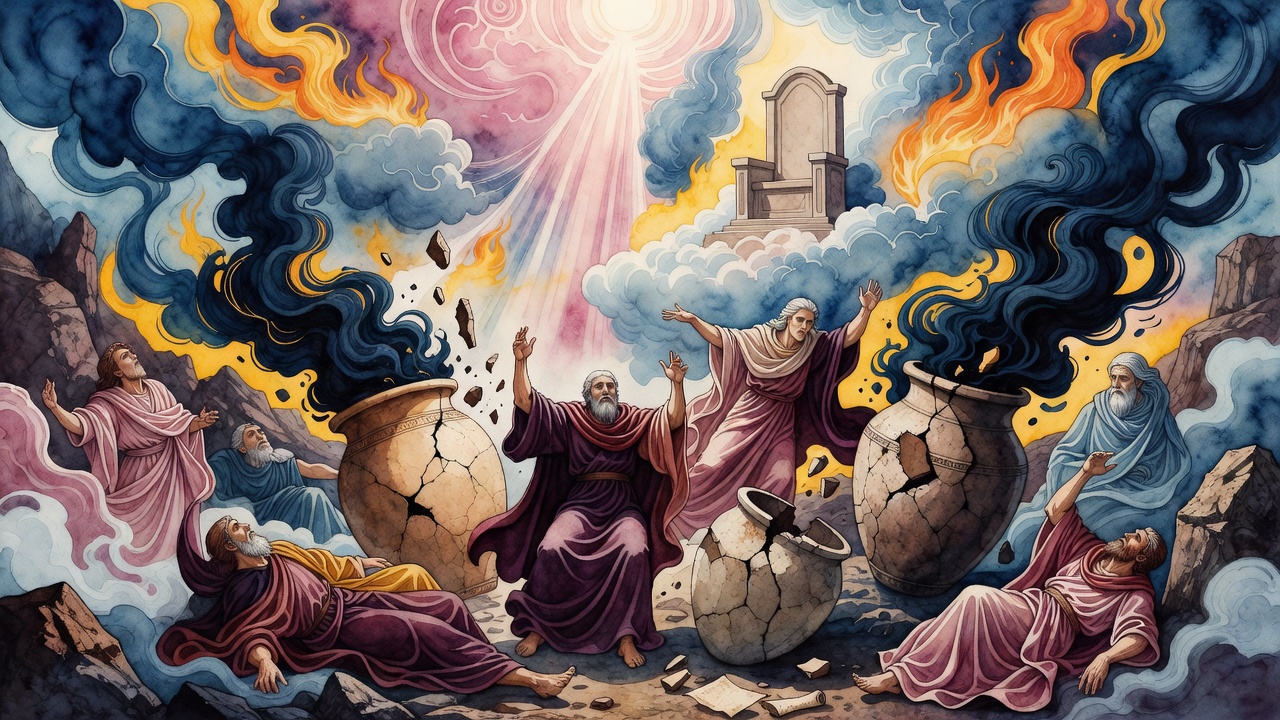
Primordial kings fall and vessels crack before the world is ready. Judgment hardens into limits, garments seize control, and light later sifts toward repair.
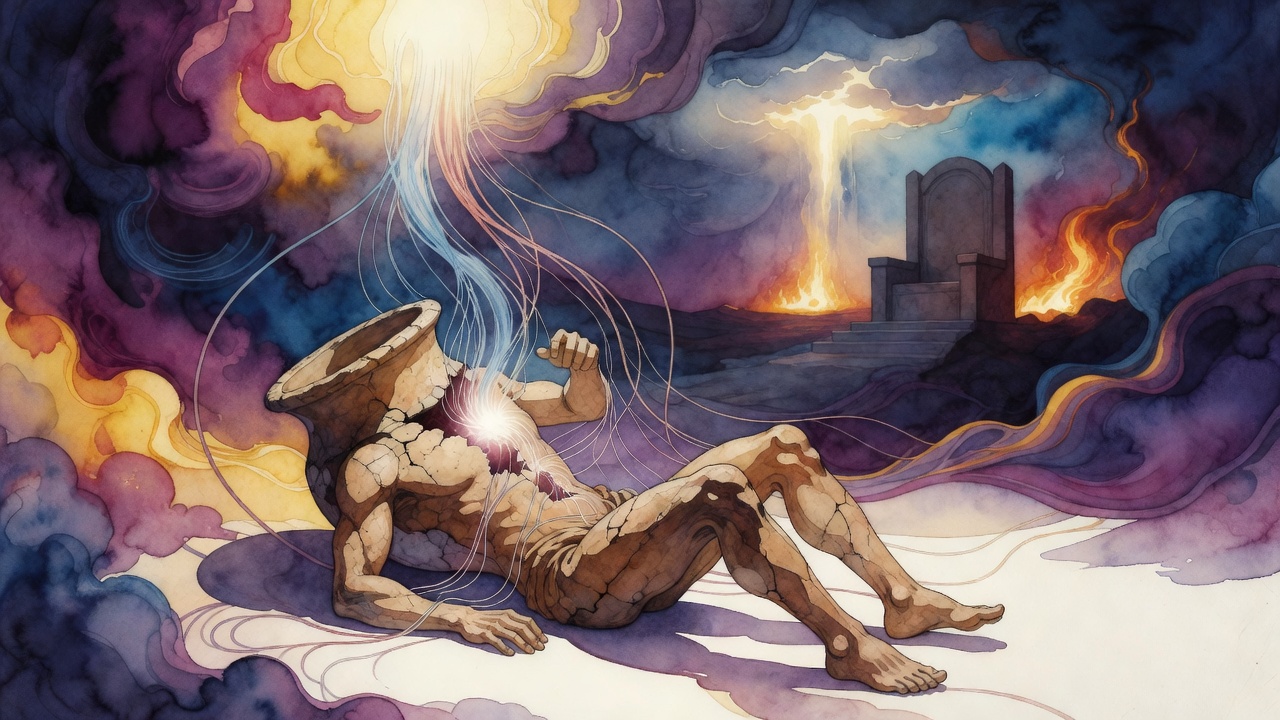
The light would not sit in the new vessels. It withdrew and sent down a thin vapor instead, hevla degarmei, the breath of the bones.
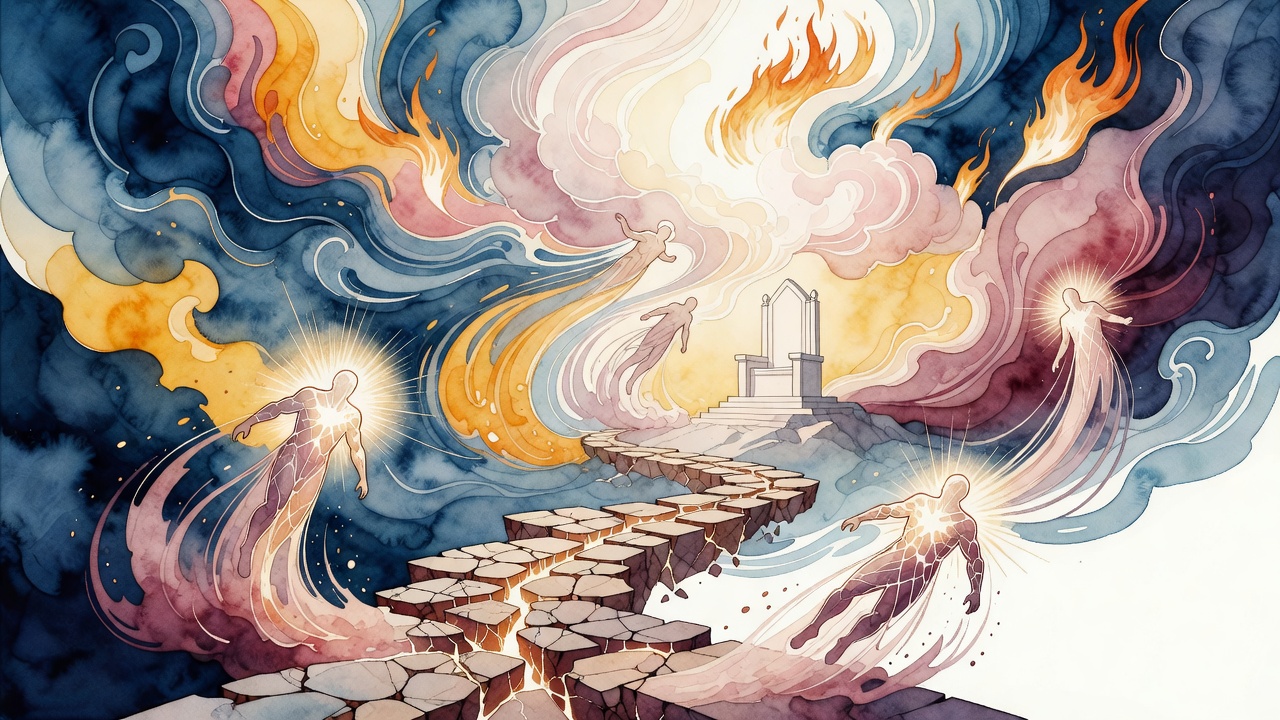
Bela sat on a throne of light until the light tore him. In a lower field a farmer put seed into a crack that had been only ruin.
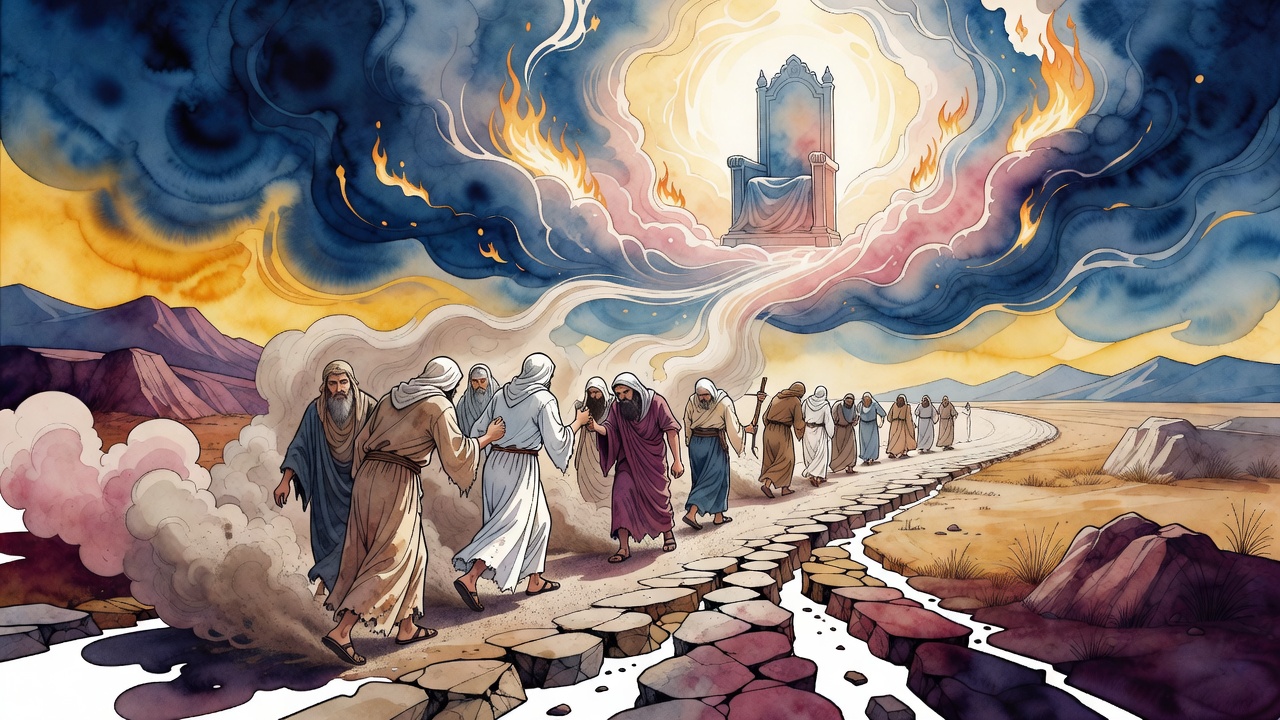
A people bent under foreign dust keeps walking while Heaven waits for human hands to finish the repair that no decree alone will seal.
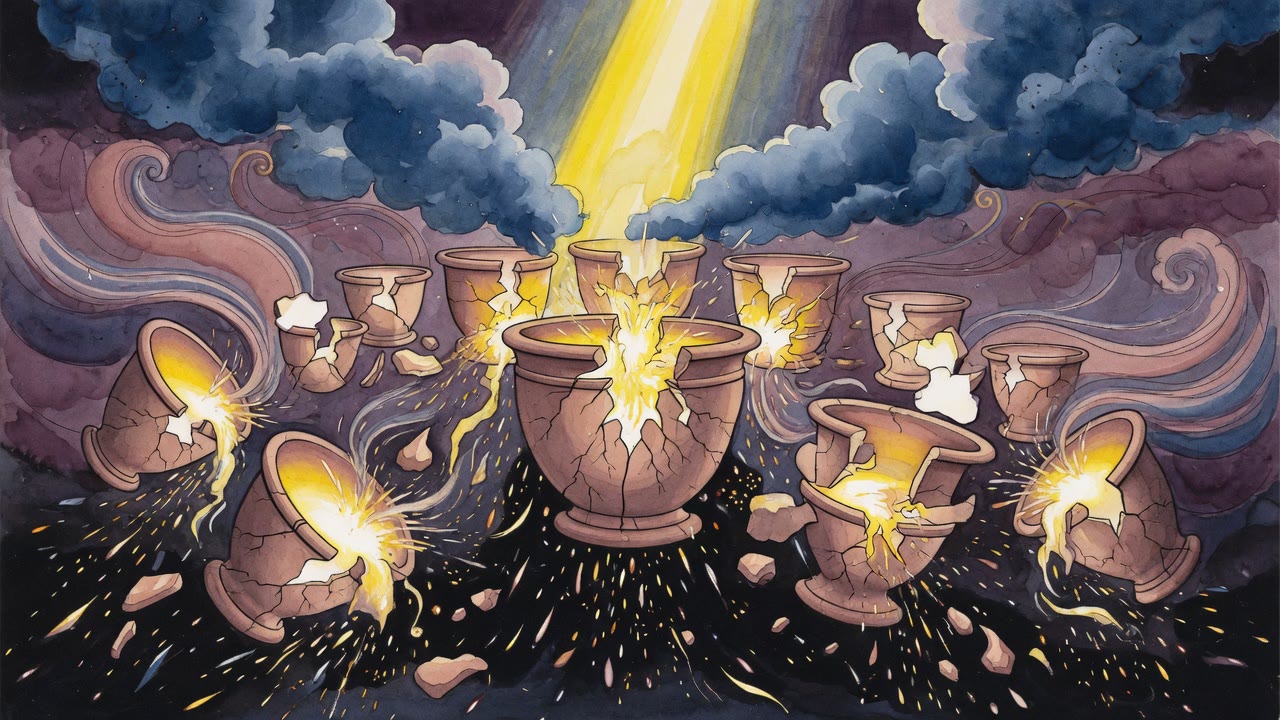
Before names settled on the worlds, ten cups took the first light. The light was too much. Clay sang, split, and spilled sparks into night.
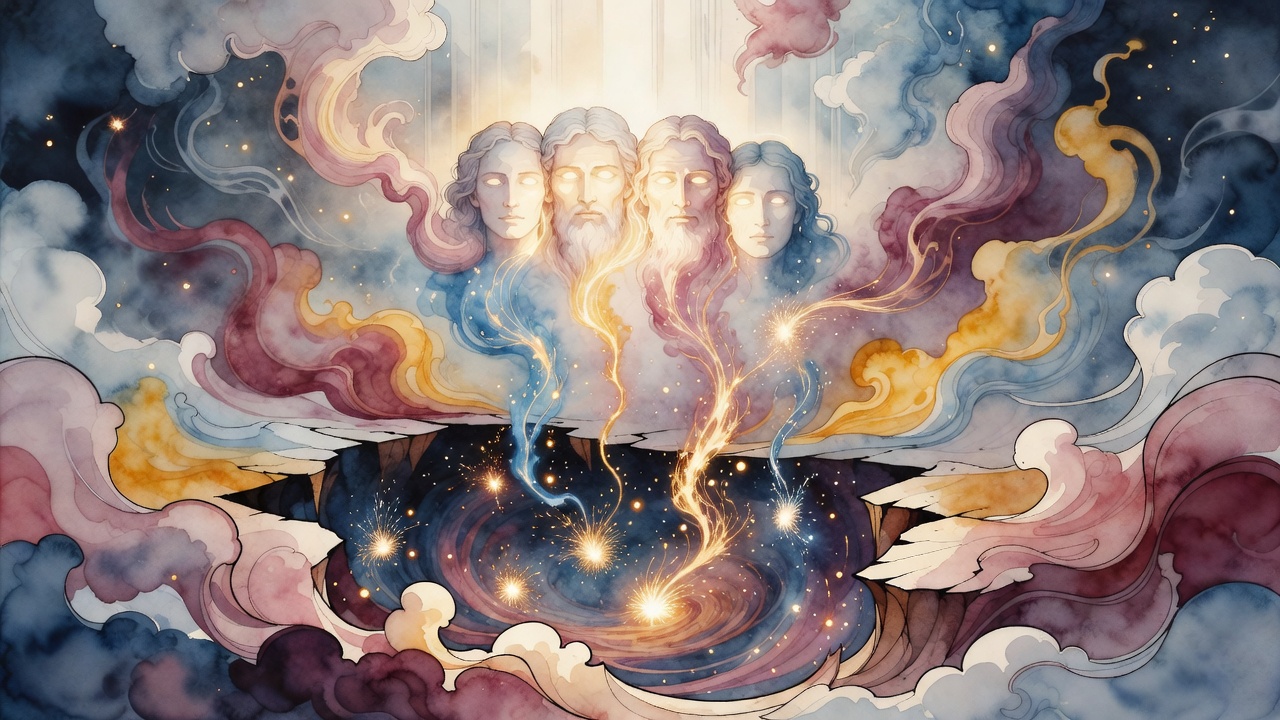
Four faces held seventy-two, and the sum became two hundred eighty-eight lights that had to fall. They dropped through the break and refused to go dark.
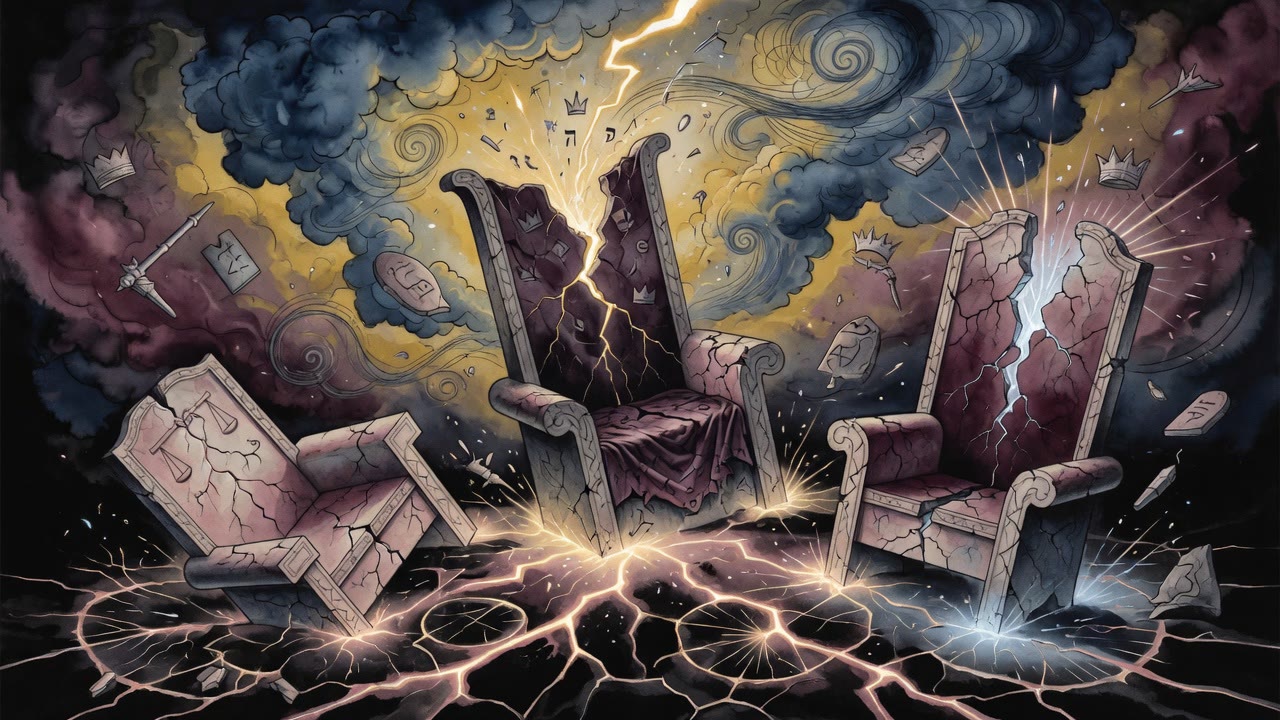
Before Adam stood, kings ruled in a world of pure din. Their thrones cracked. Malchut was both their wound and the door of their repair.
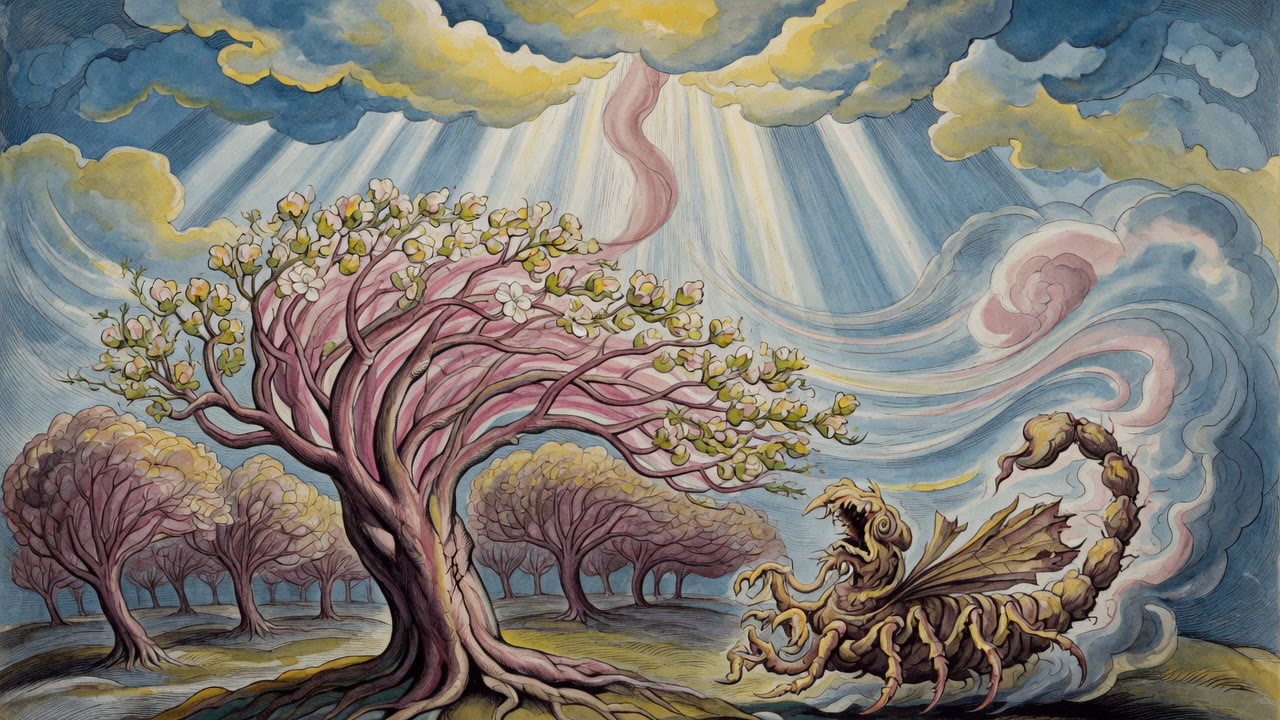
He set figs and dates on a white cloth in Shevat. The trees still looked dead. He asked that the worm find no seam in the fruit.
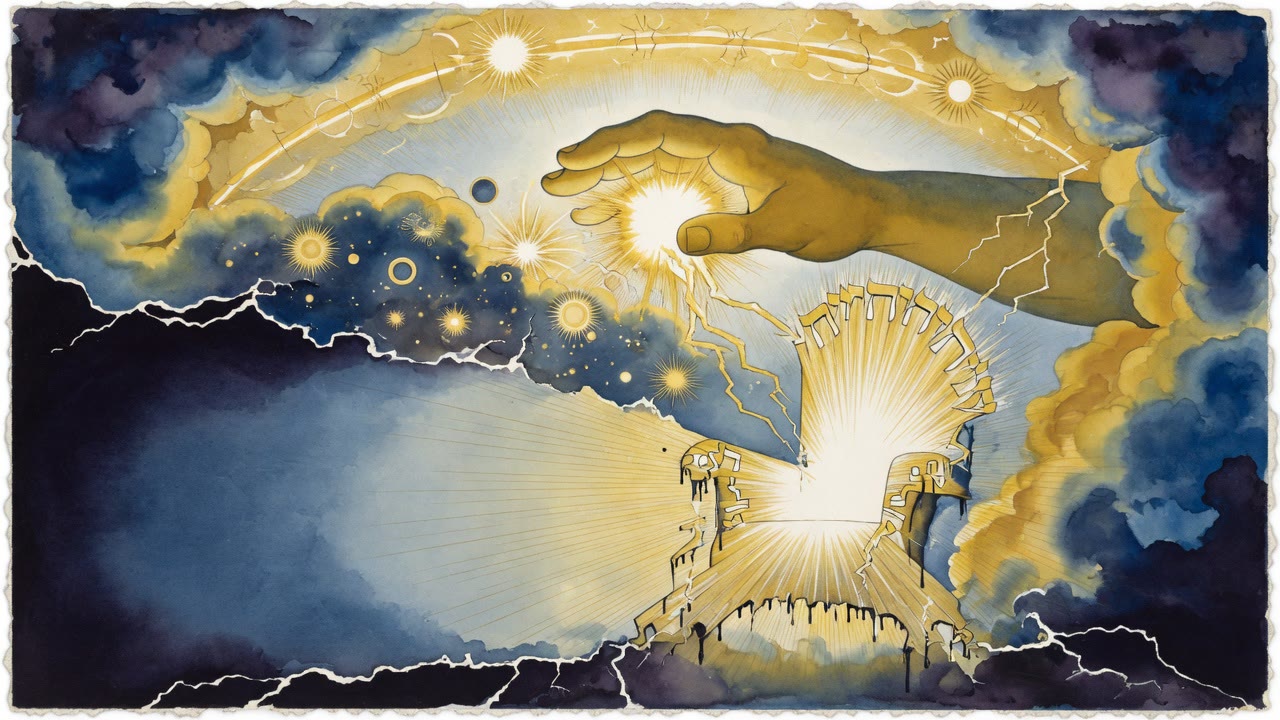
The Intellect poured her cup half full and left the pitcher within her reach. She argued all night. At dawn she filled the cup herself and drank it standing.
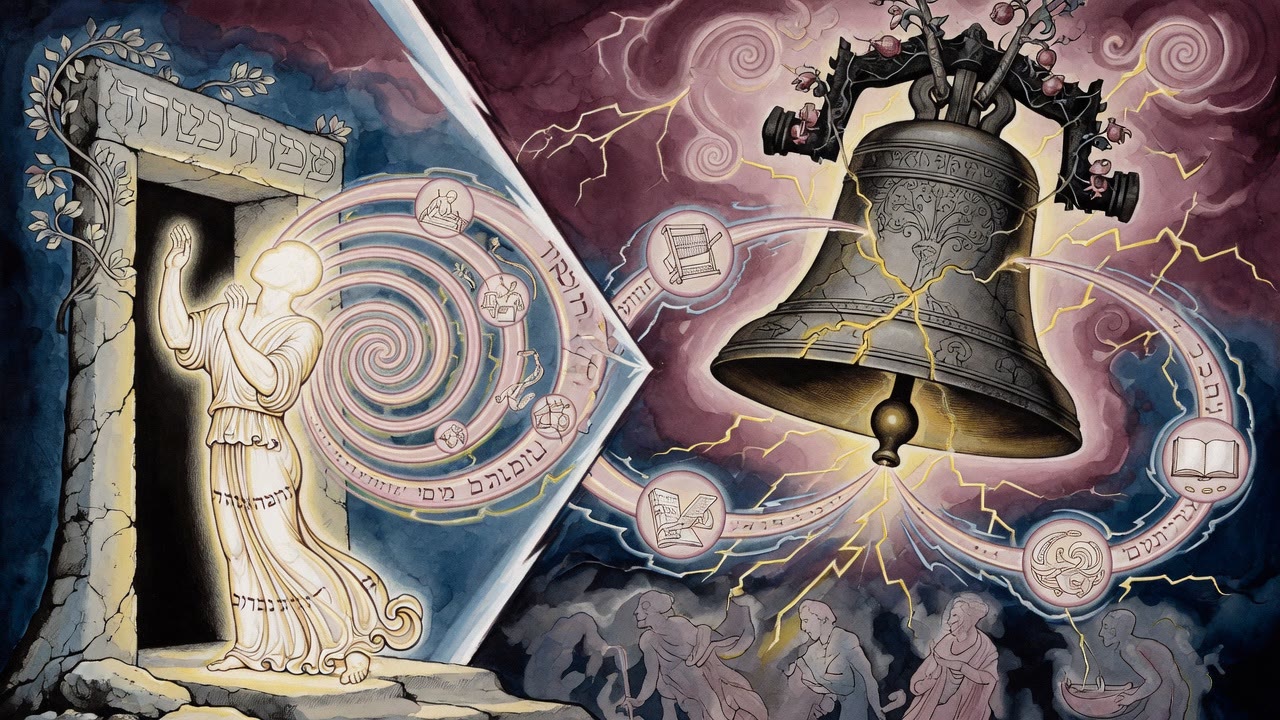
The kettle hissed in the kitchen. On the bed the Soul named the life at last and asked for time to finish the debts still sitting on the table.
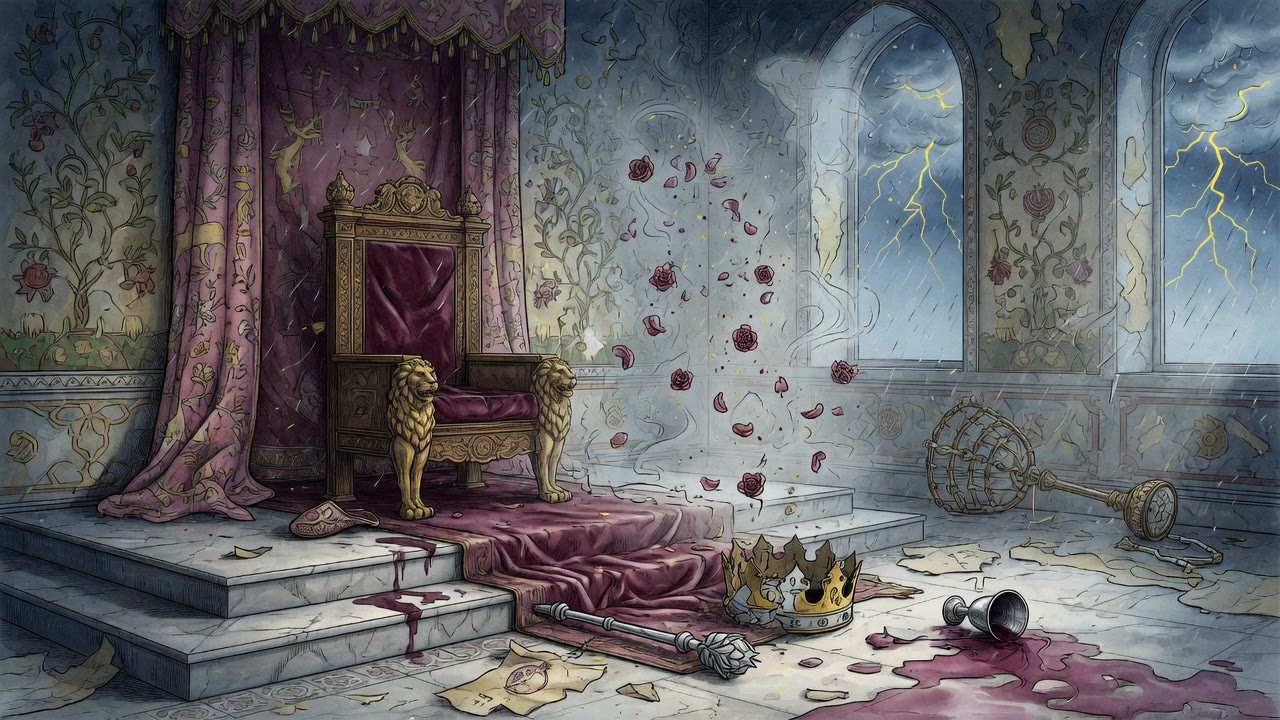
The last gem never reached the room. The queen died. Their son shone like a jewel and could not live as ordinary flesh.
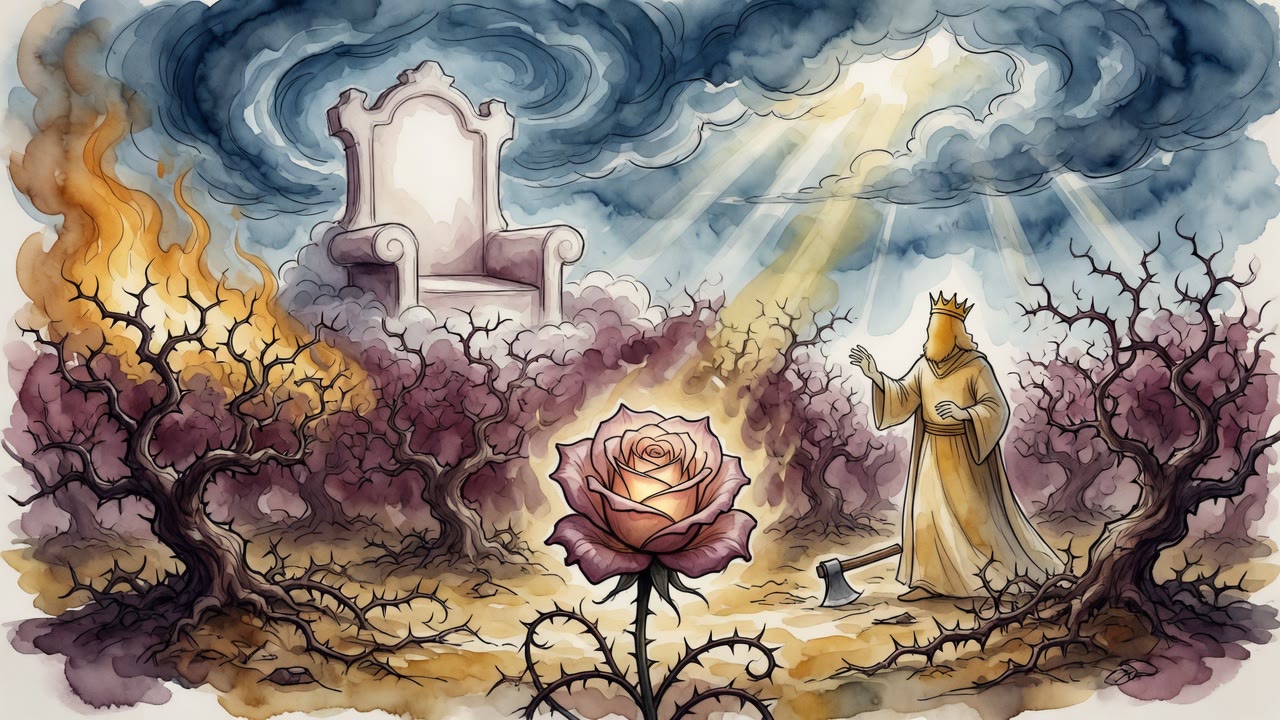
On Tu Bishvat the table fills with fruit and praise. A man saved gleanings so he would not answer for what he never tasted.
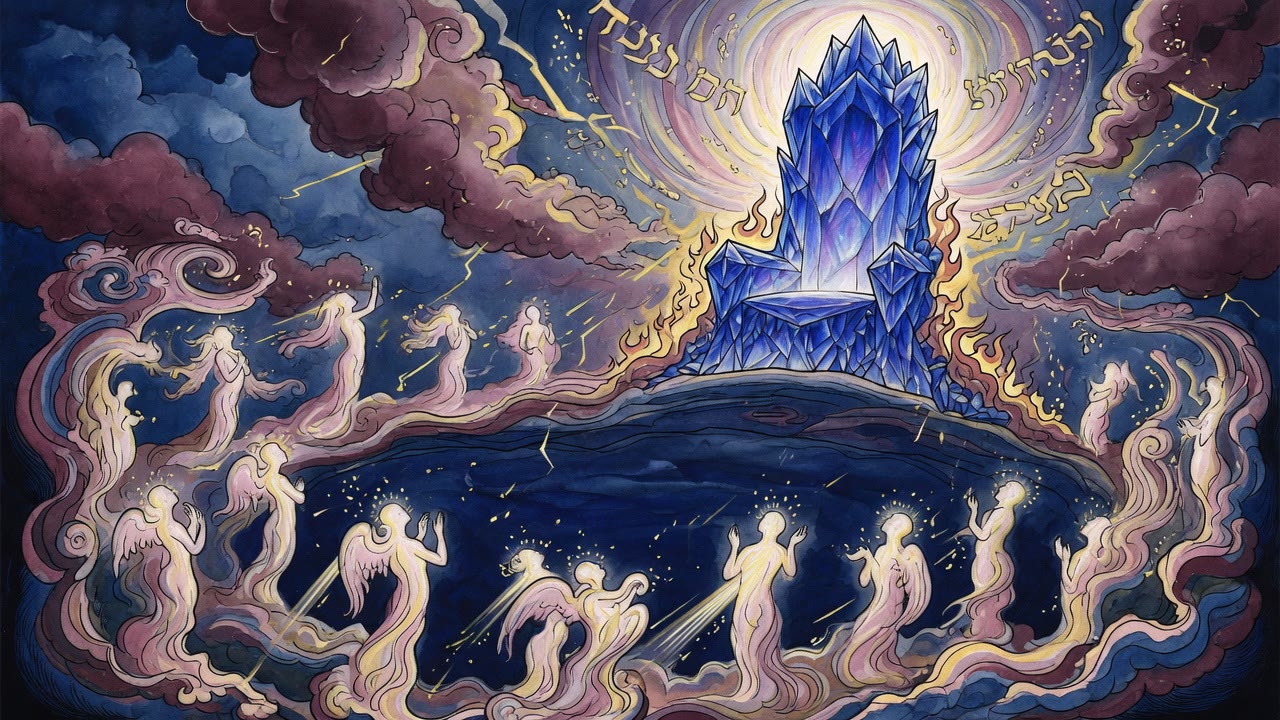
Shards fell through floors no eye has mapped. God counted souls like nails before a wall. Each went down with one repair and a body that could stoop.
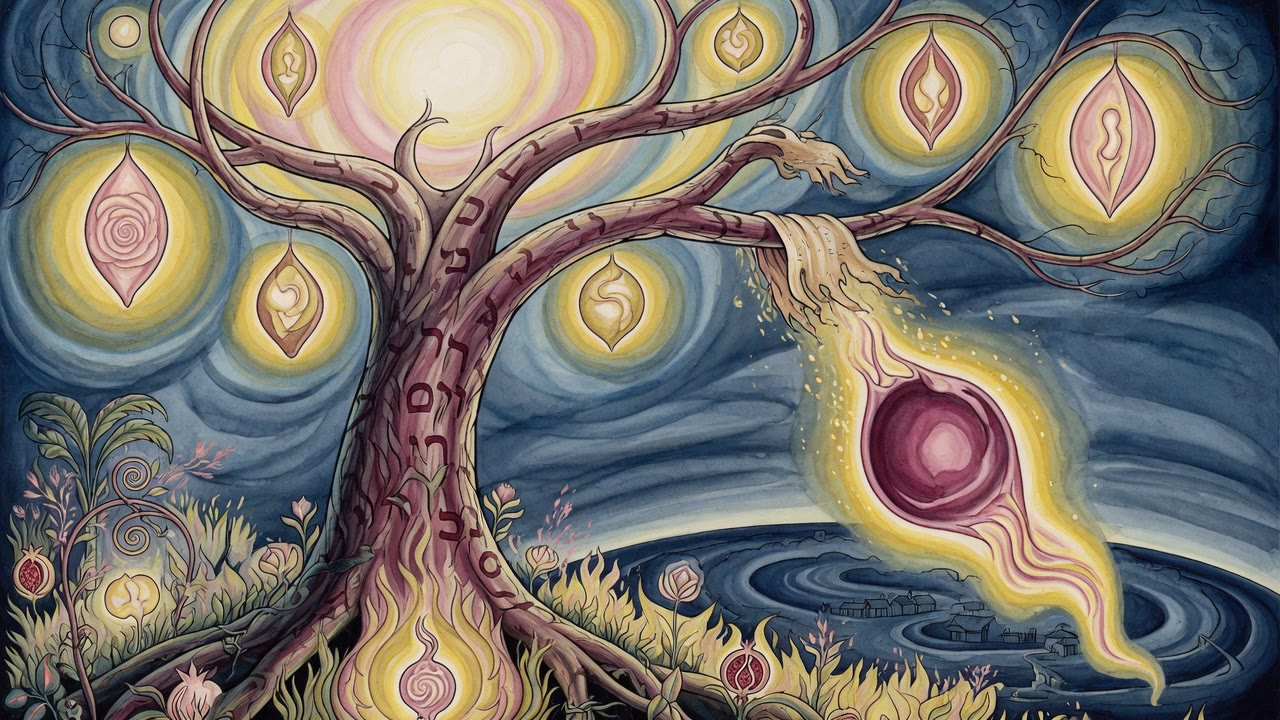
Deep in Paradise a luminous tree blossoms with unborn souls, and one ripe soul loosens from its branch to fall toward the world it will ache to leave.
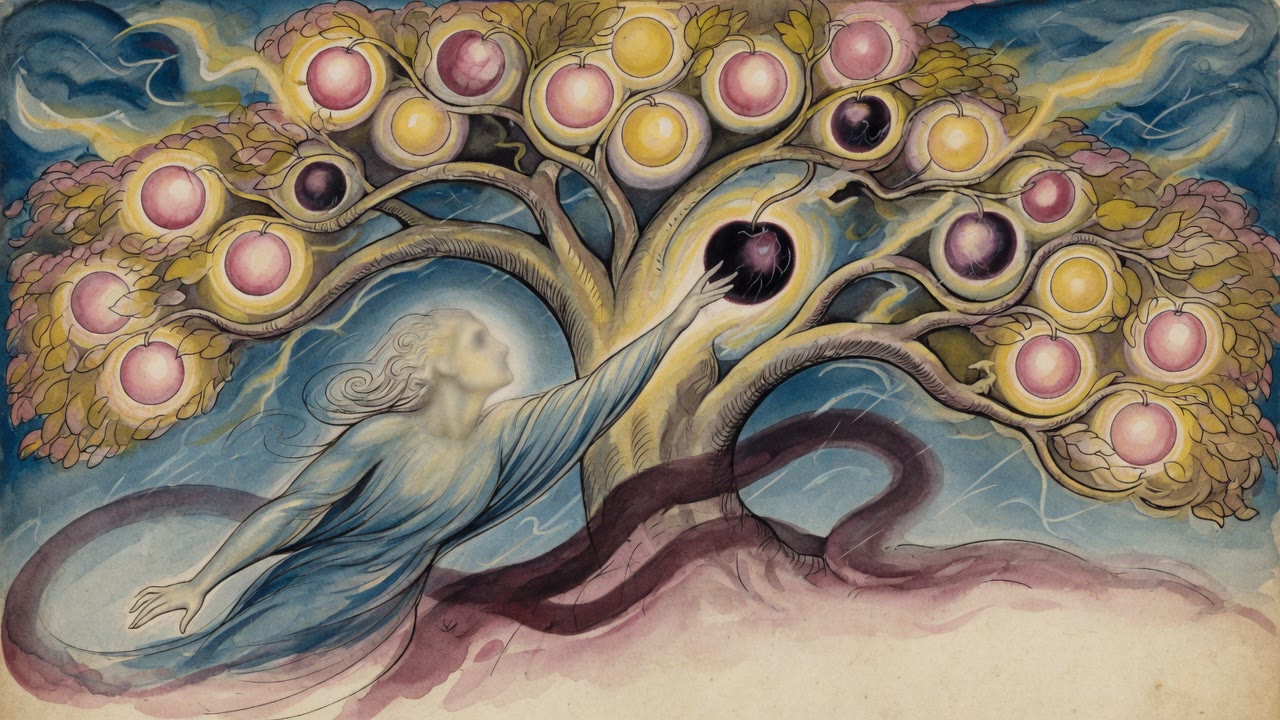
The youngest man bit the medlar while someone else was still talking. Two brown stones sat in his palm. Nobody reached for the wine.
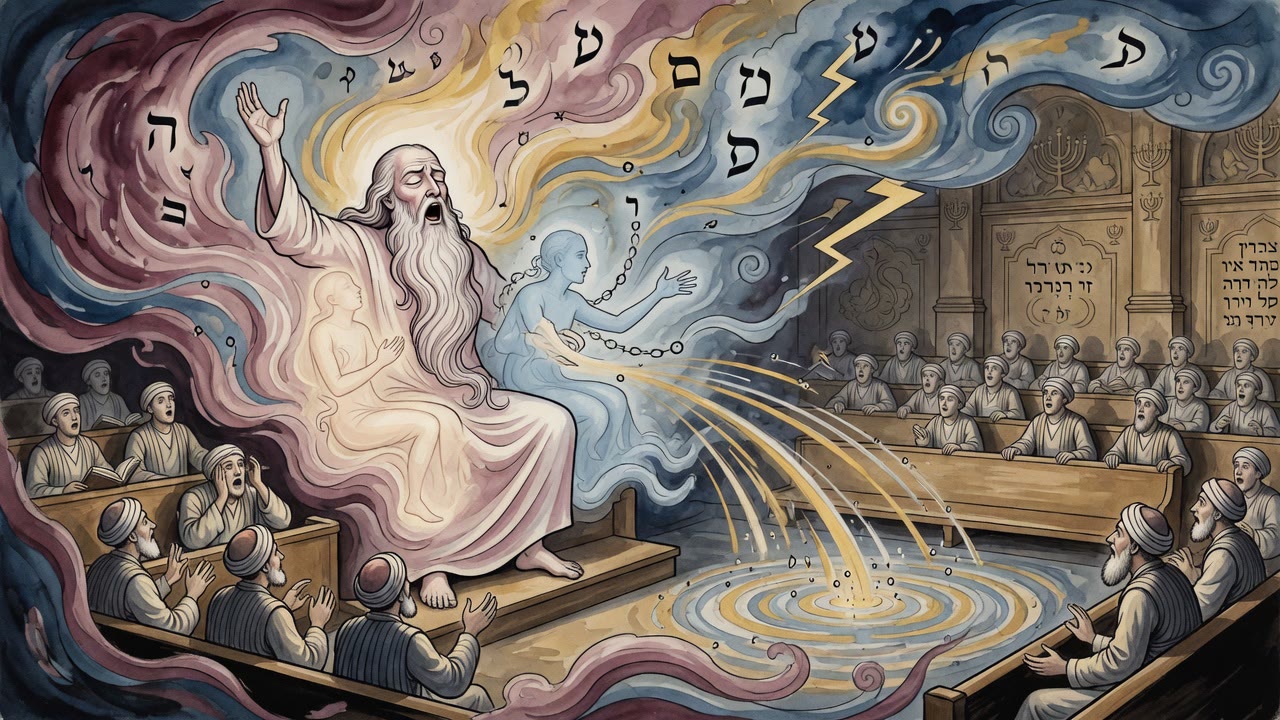
A blind sage in Mahoza shouted joy across the benches for a listener no one else could hear. In the morning the second voice was gone.
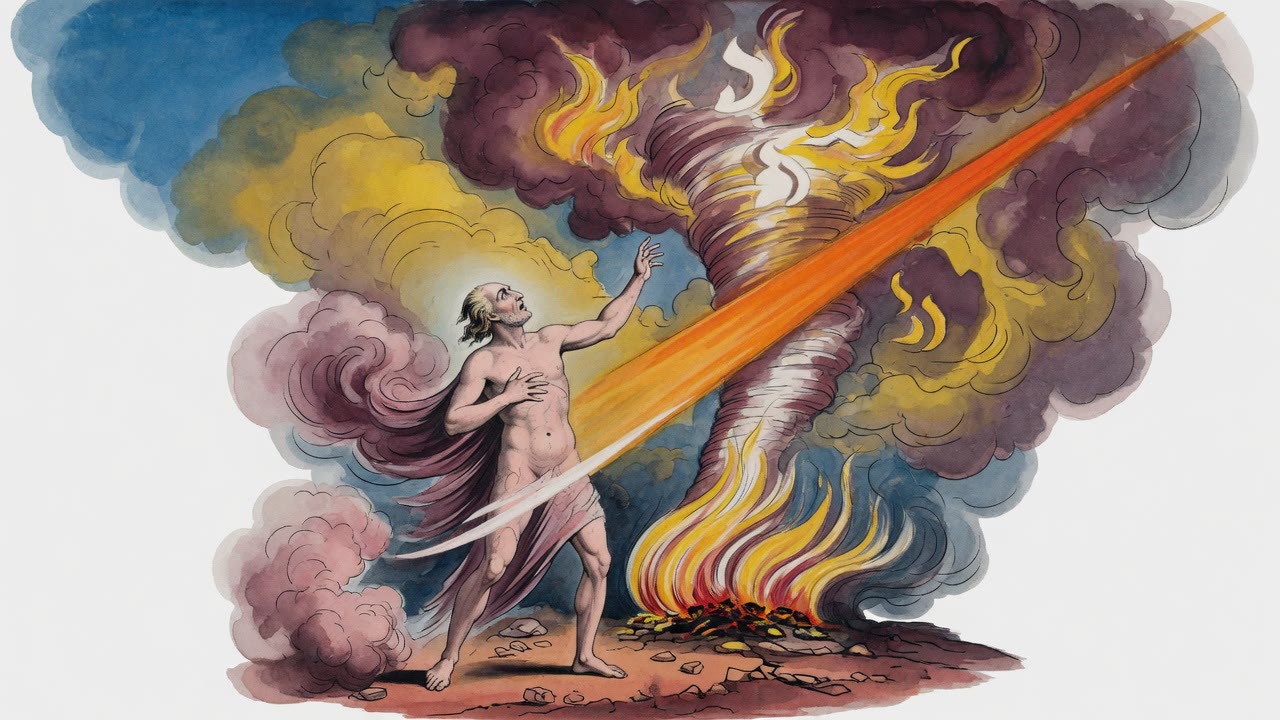
He asked for the fire. The ledger would not take him. They lifted two parts of him off like a coat and sent the rest into a new cry.
