496 myths · Page 8 of 17
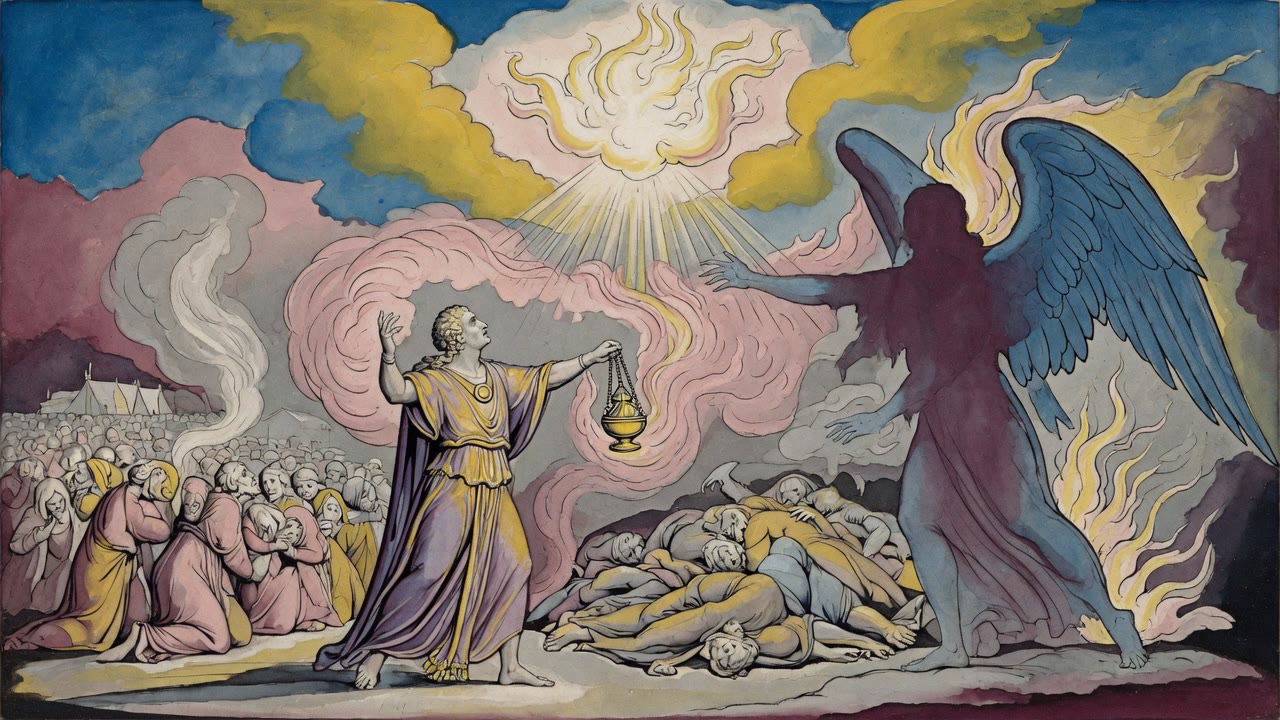
Korah was already under the ground. By morning Israel blamed Moses, and Aaron ran into the plague with altar fire and incense.
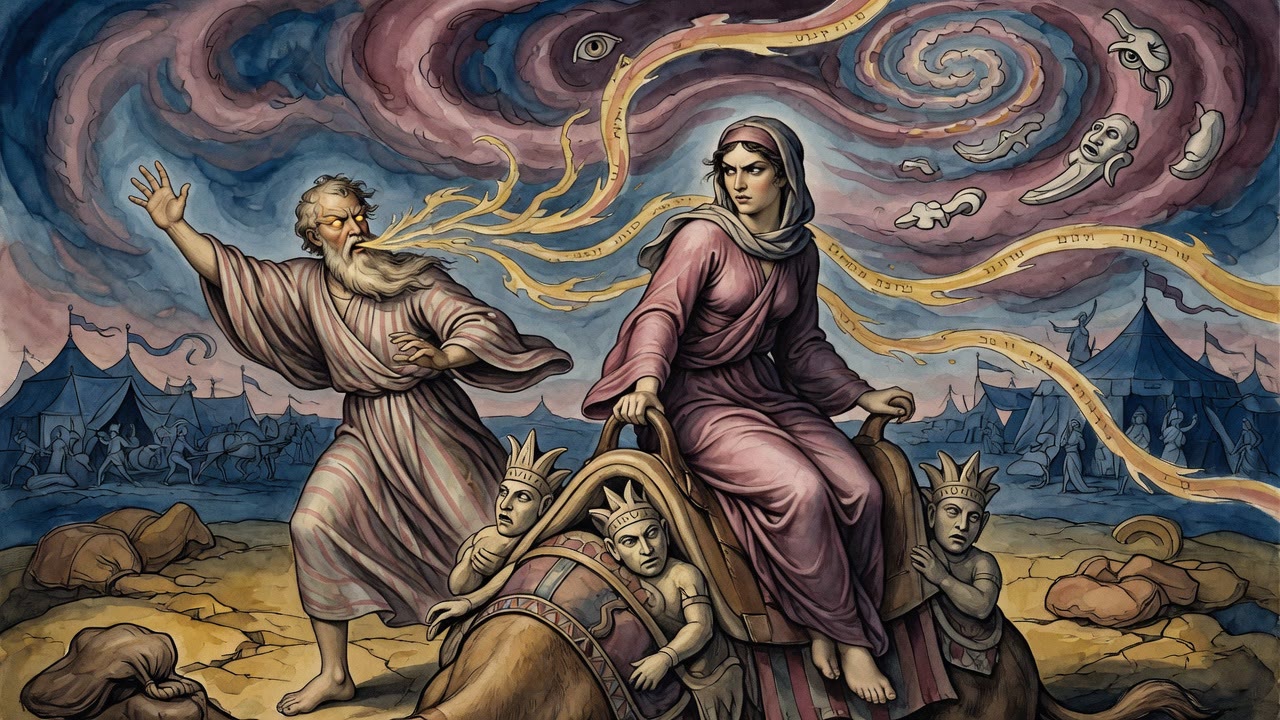
Moses stood before Israel, read every word of the Torah aloud, and sealed the covenant in blood. Then God told him none of it would protect him from dying.
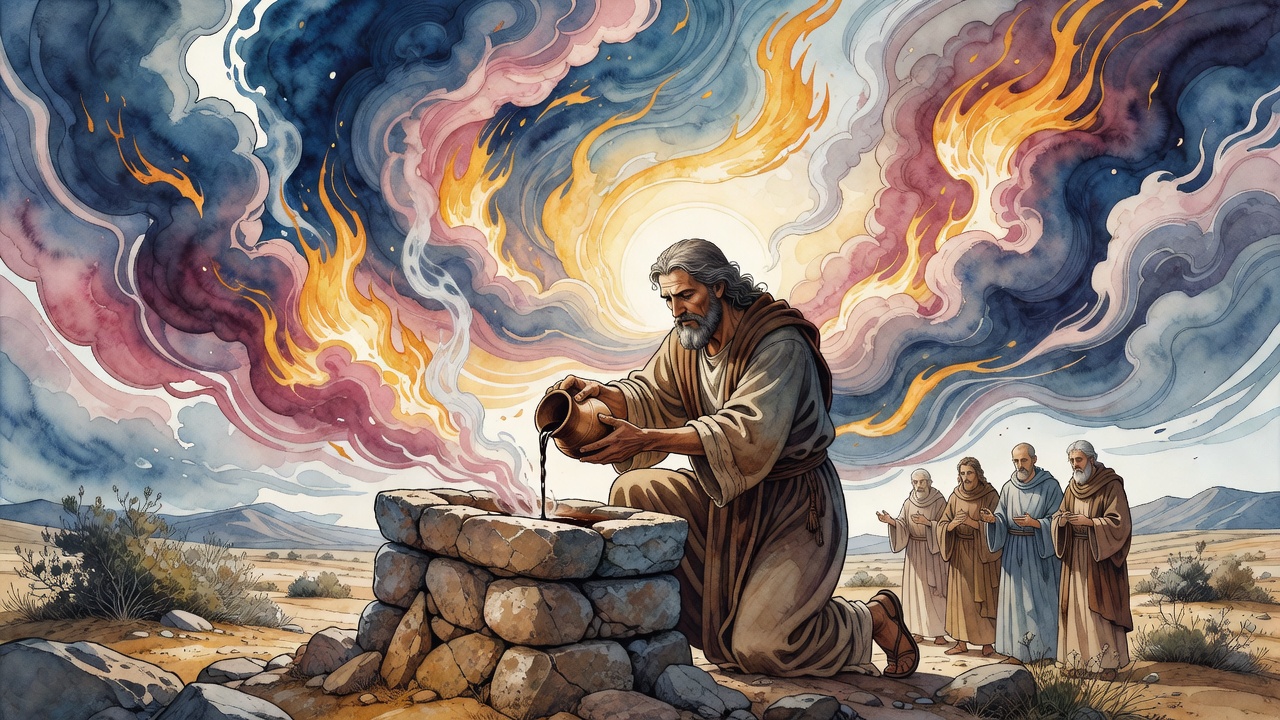
Every time Jacob arrived somewhere new, he built an altar and poured out what he had. The rabbis noticed the pattern and found a legal crisis hiding inside it.
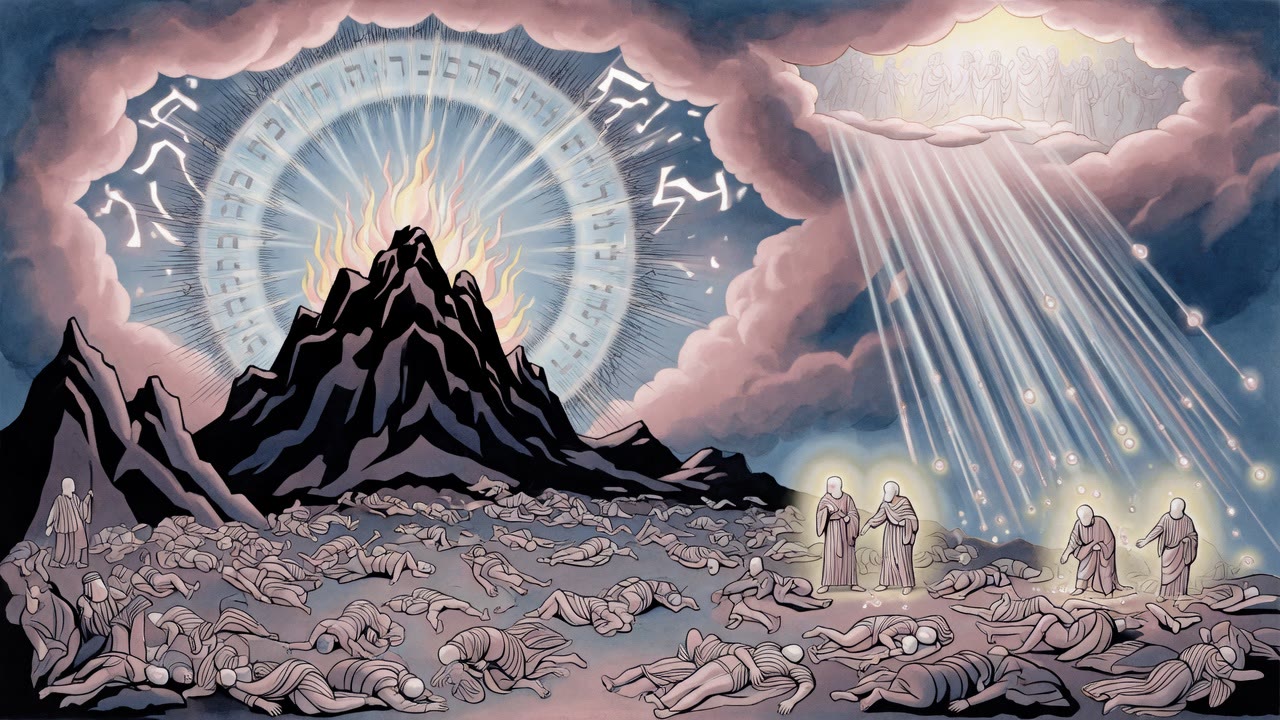
Moses threw the blood of bulls on the people. Then God's voice emptied every body in the camp. Dew saved for the last day woke them.
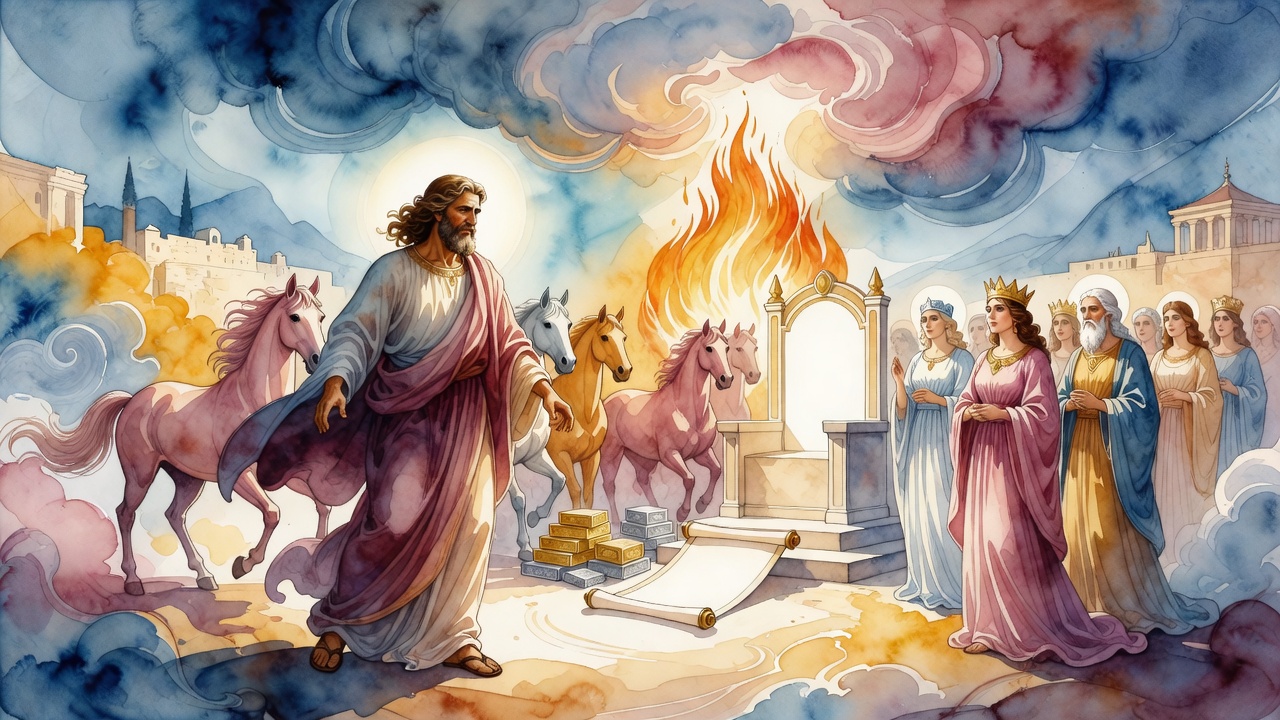
The Torah gave kings three specific prohibitions. Solomon knew all three and violated all three. His reasoning was brilliant. His reasoning was wrong.
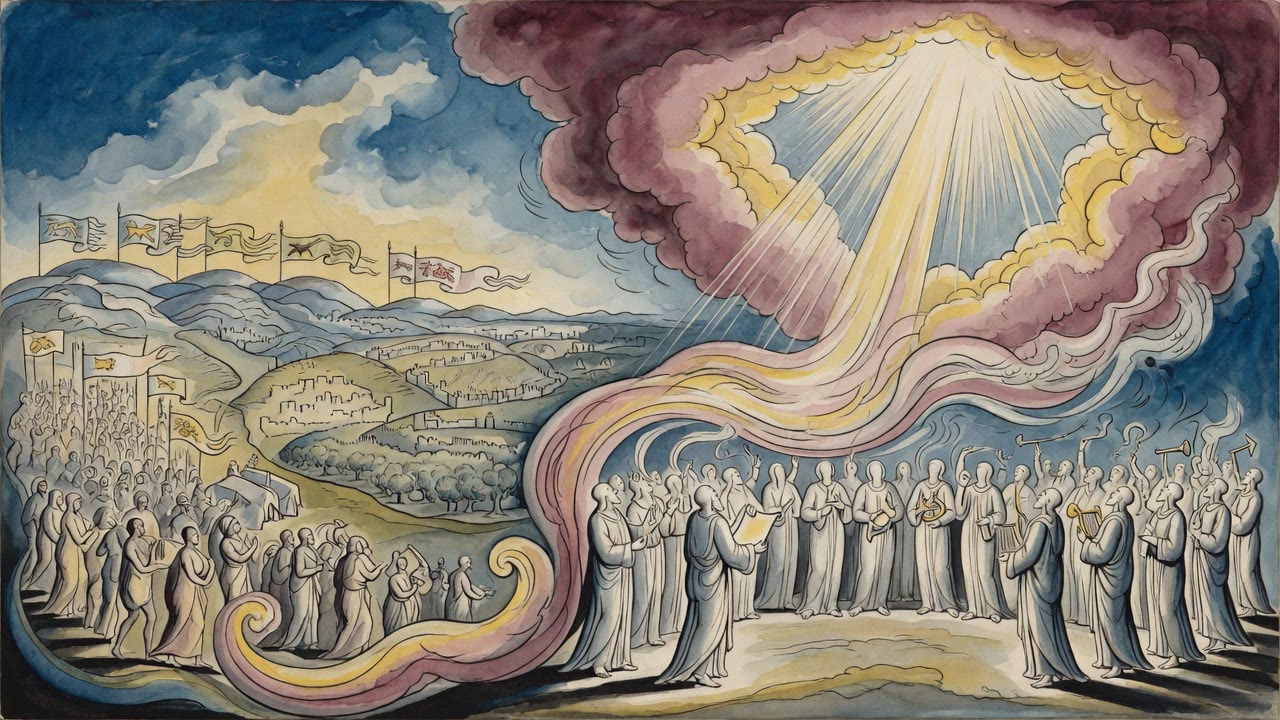
Every tribe received territory in Canaan. Levi received God. The rabbis insist this was not a penalty but the highest gift a tribe could be given.
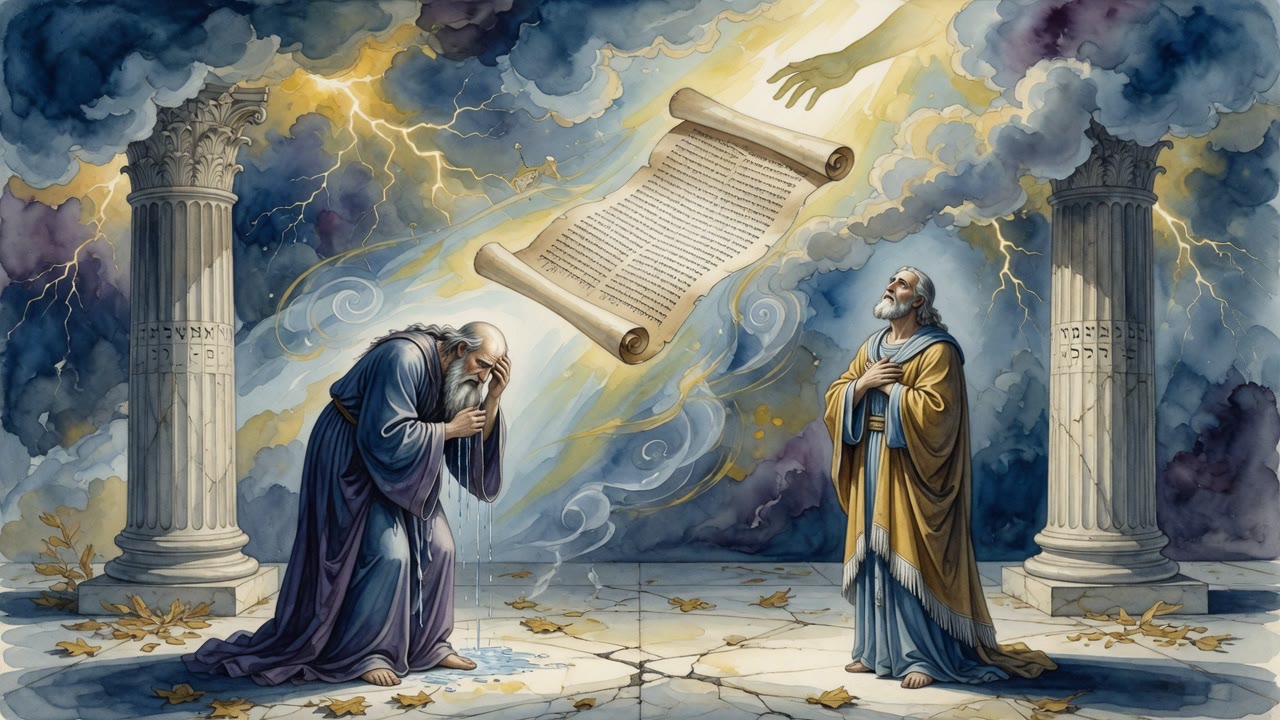
Rabban Shimon walked in Roman chains and wept because he could not name his sin. Rabbi Ishmael, bound beside him, told him to listen.
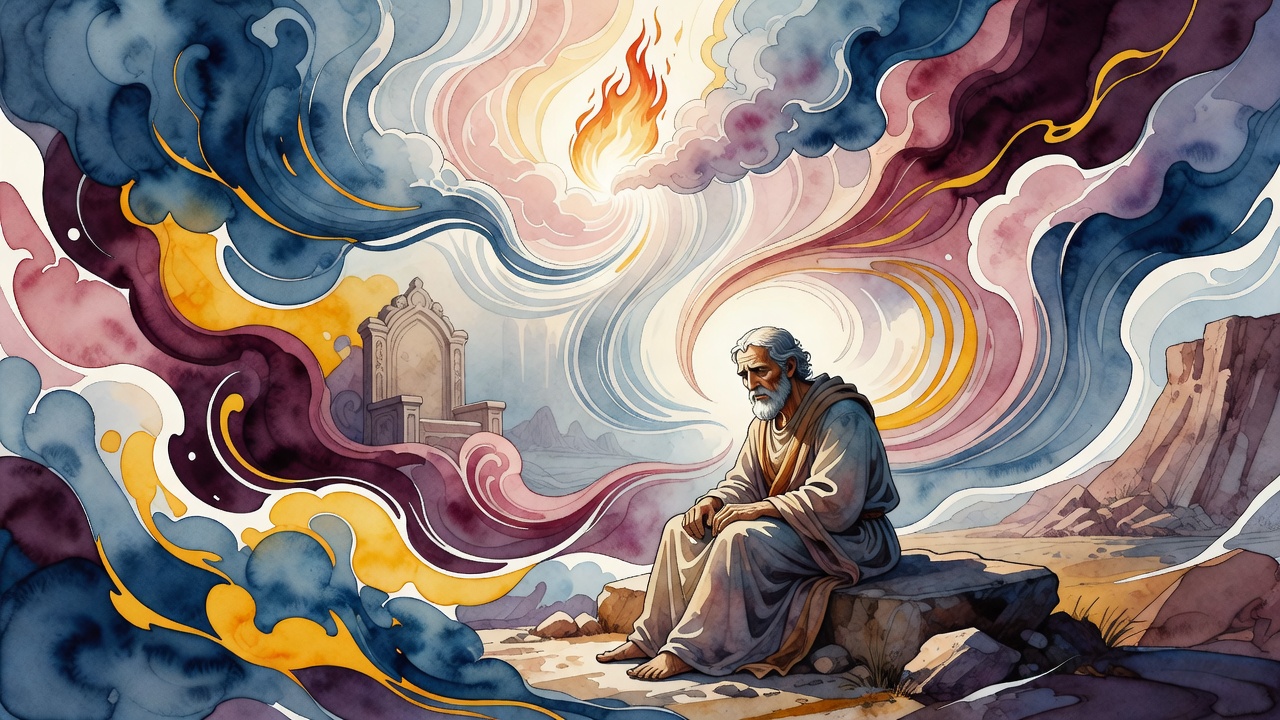
Samuel mourned for Saul until the day Samuel himself died. He had made the king and he watched what the king became. The grief was his own making.
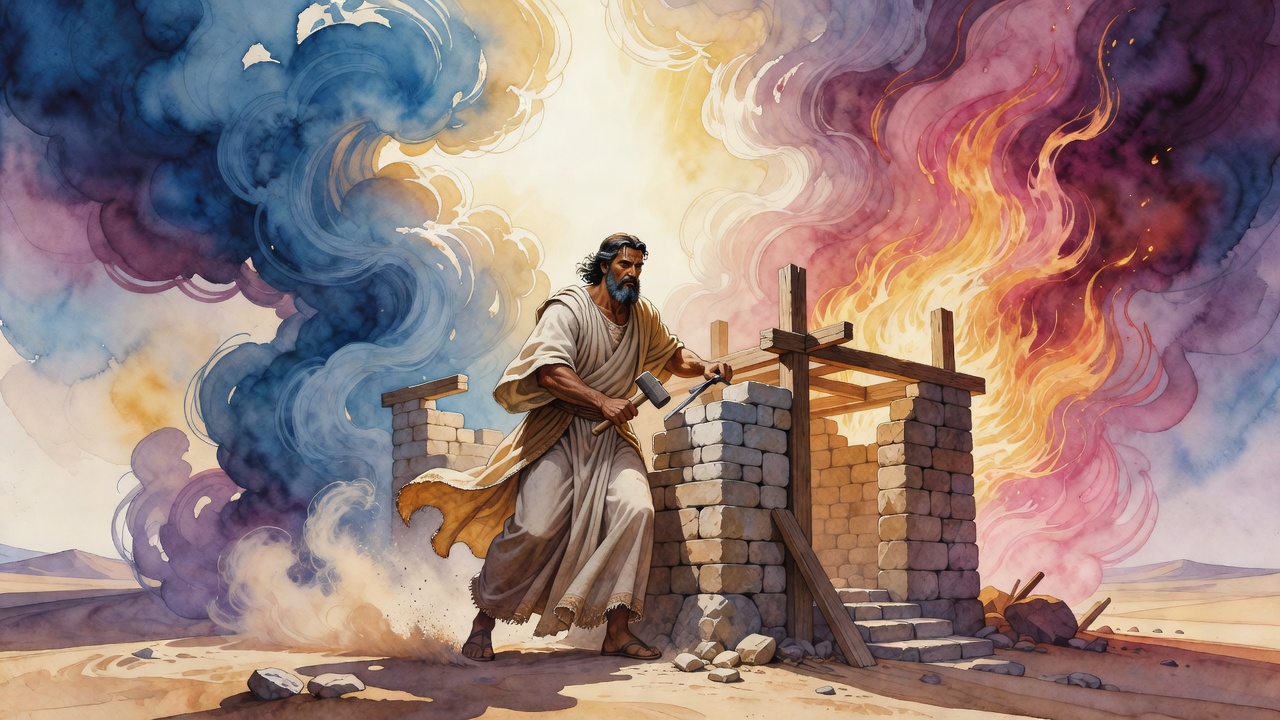
Jacob sent Judah ahead to Egypt before the family settled. Not to scout, not to cook. To build a house of Torah study before anyone else arrived.
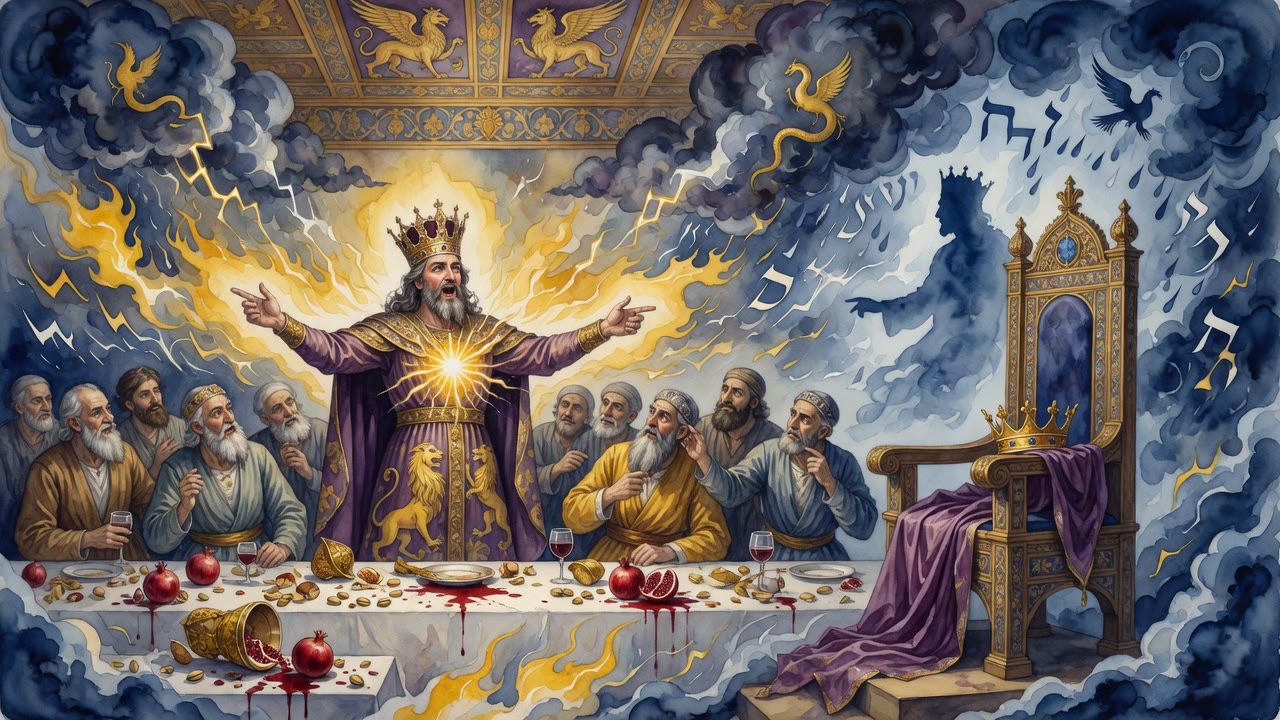
A man wagered four hundred gold coins he could provoke the great sage Hillel into anger, asking absurd questions on a Friday afternoon.
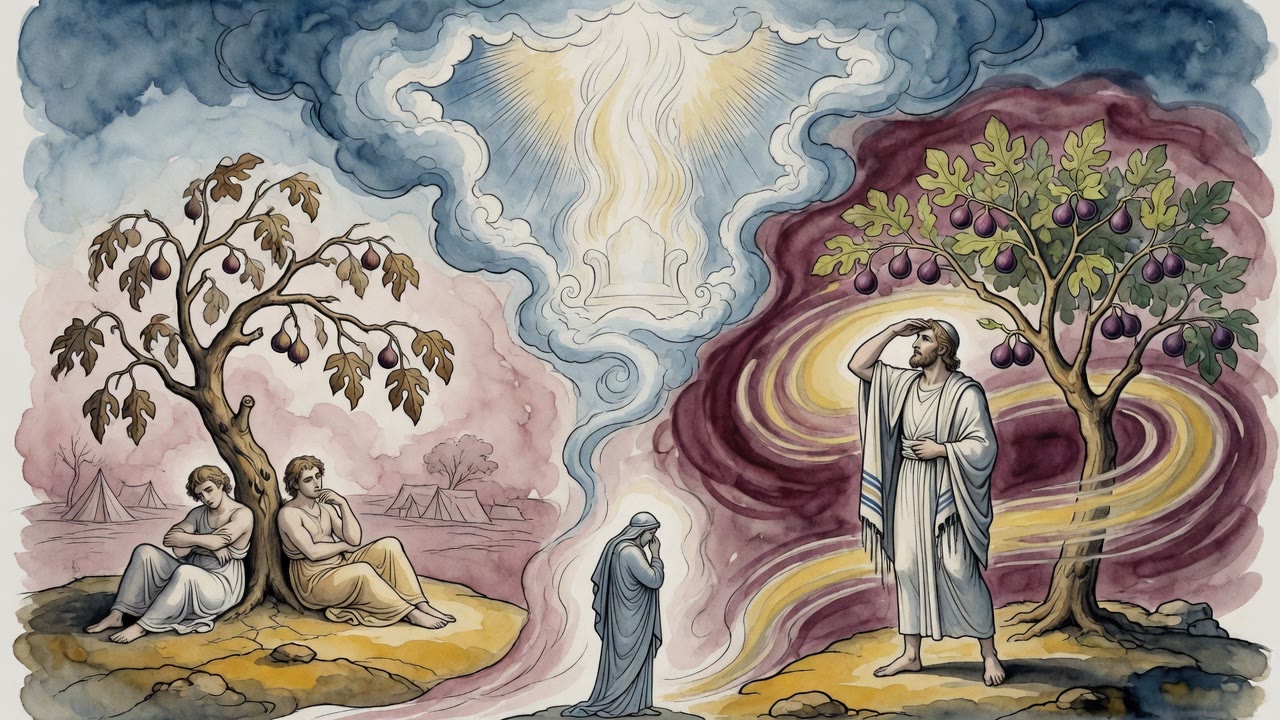
A skeptic demanded the whole Torah on one foot. Hillel gave him a single sentence, then added three words that turned the summary into an obligation.
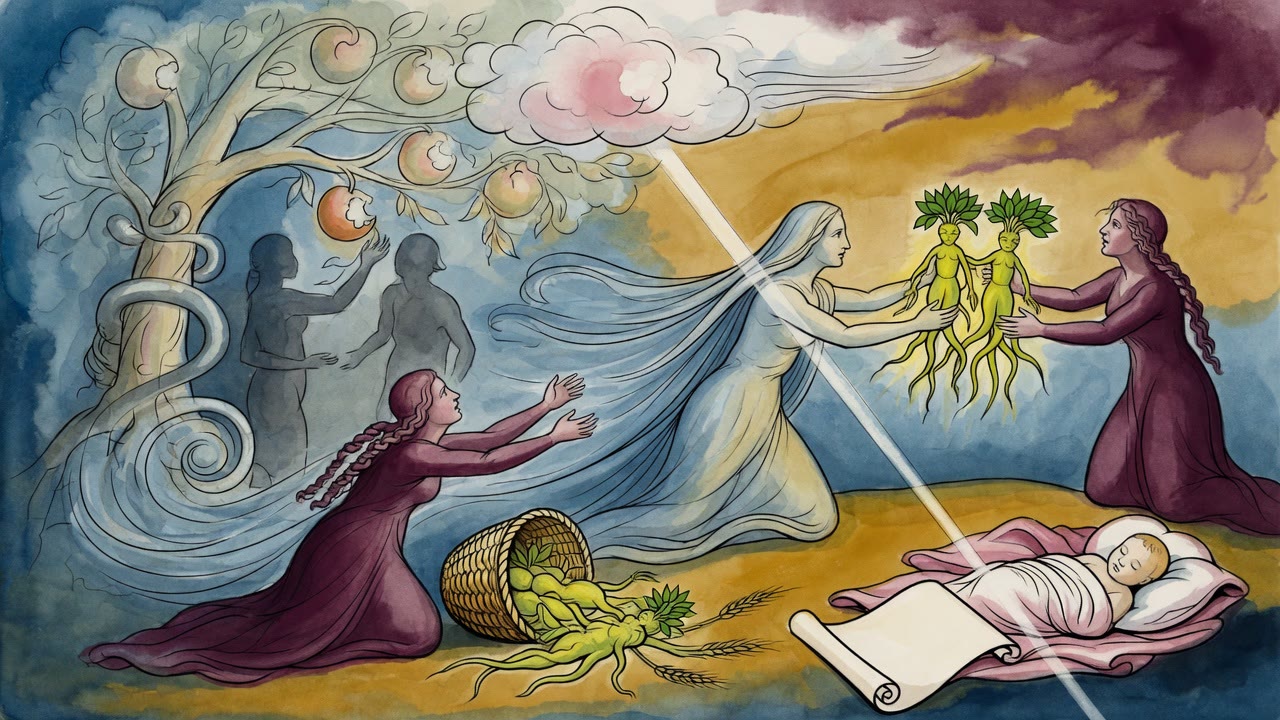
Reuben tied his father's donkey to a mandrake root and walked off. He came back to find the plant torn out of the ground and the donkey dead beside it.
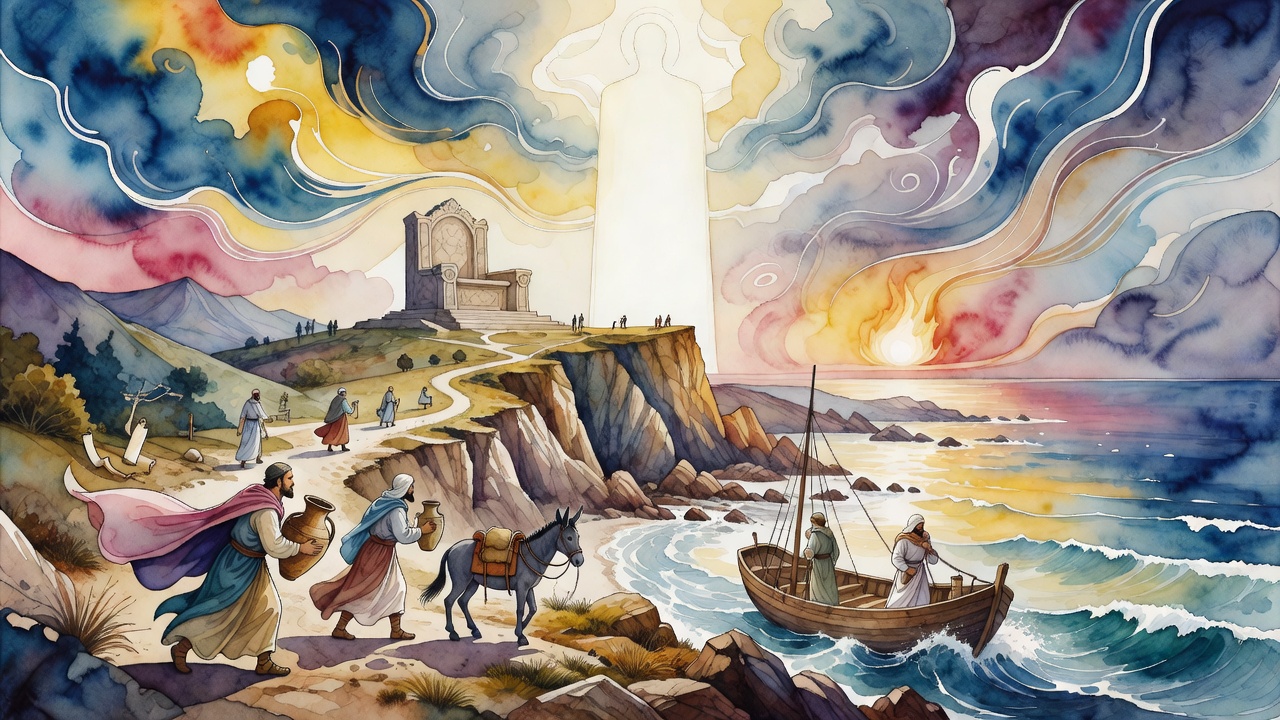
Zebulun is the forgotten tribe. No miracles, no prophets, no famous kings. Just trade routes and a coastline. The rabbis say that coastline built the Torah.
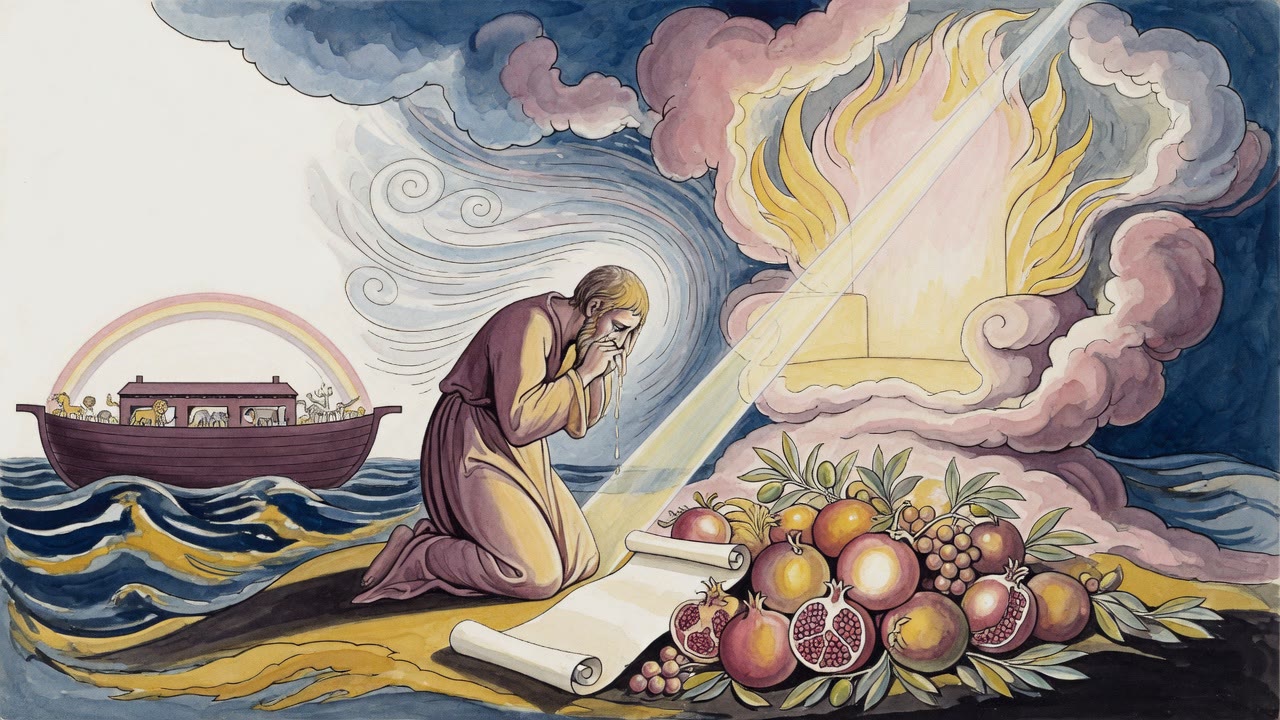
Noah had three sons. He also had twelve months of waking in the dark to feed every animal in the ark at its own hour, and he came out emaciated.
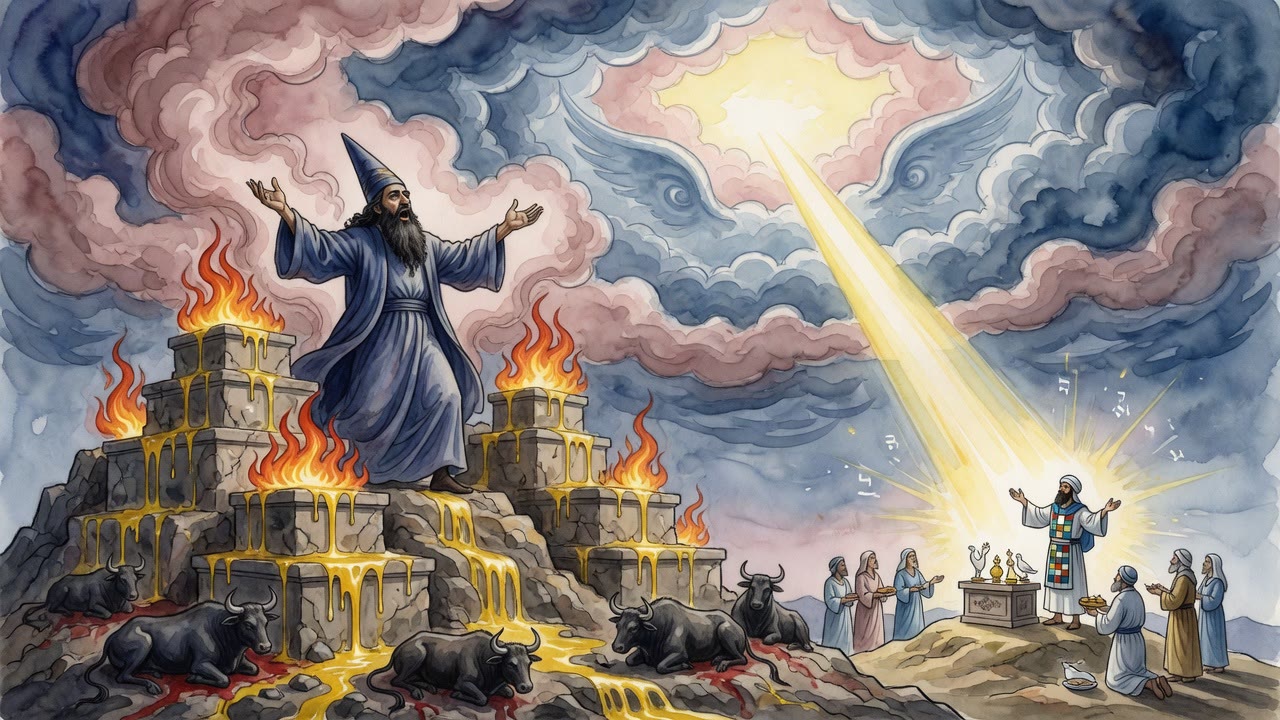
Balak paid for a curse. From the mountain Balaam's mouth opened and he saw David, the star from Jacob, and the King Messiah rising at the end of days.
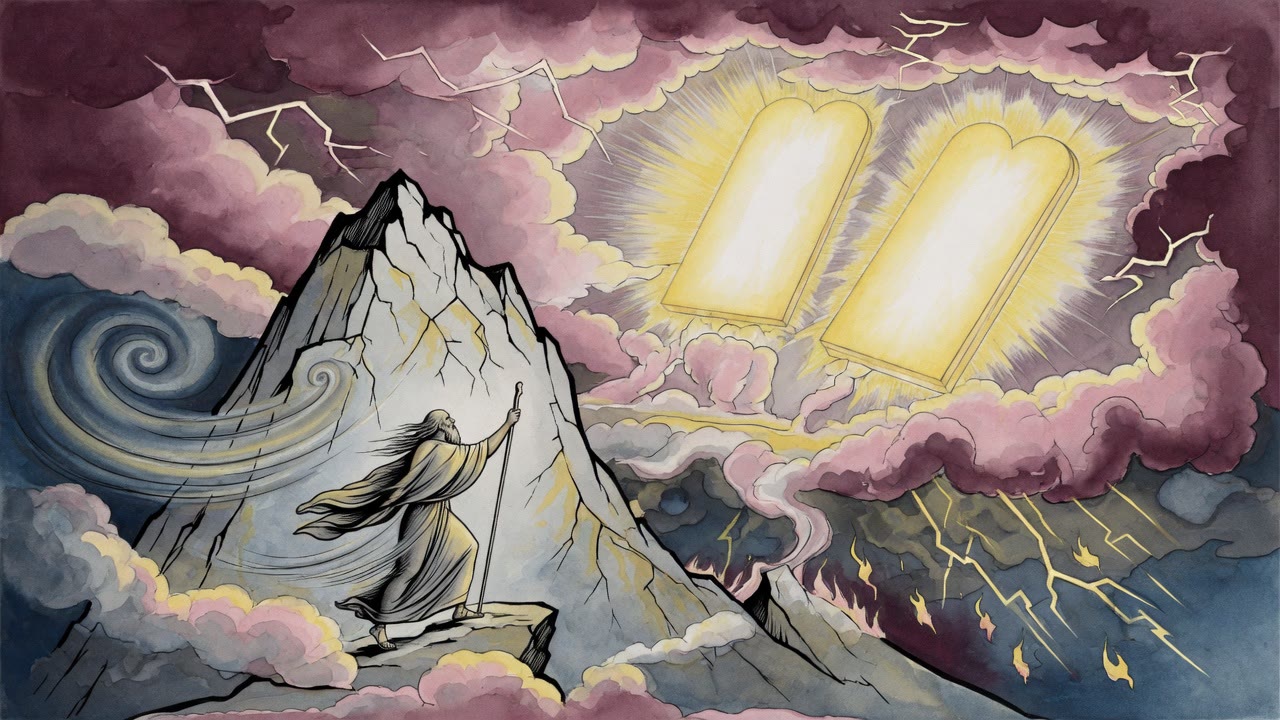
Moses walked the firmament to seize the Torah. When the angels demanded to know why a mortal deserved it, the answer went back to Judah at the fire.
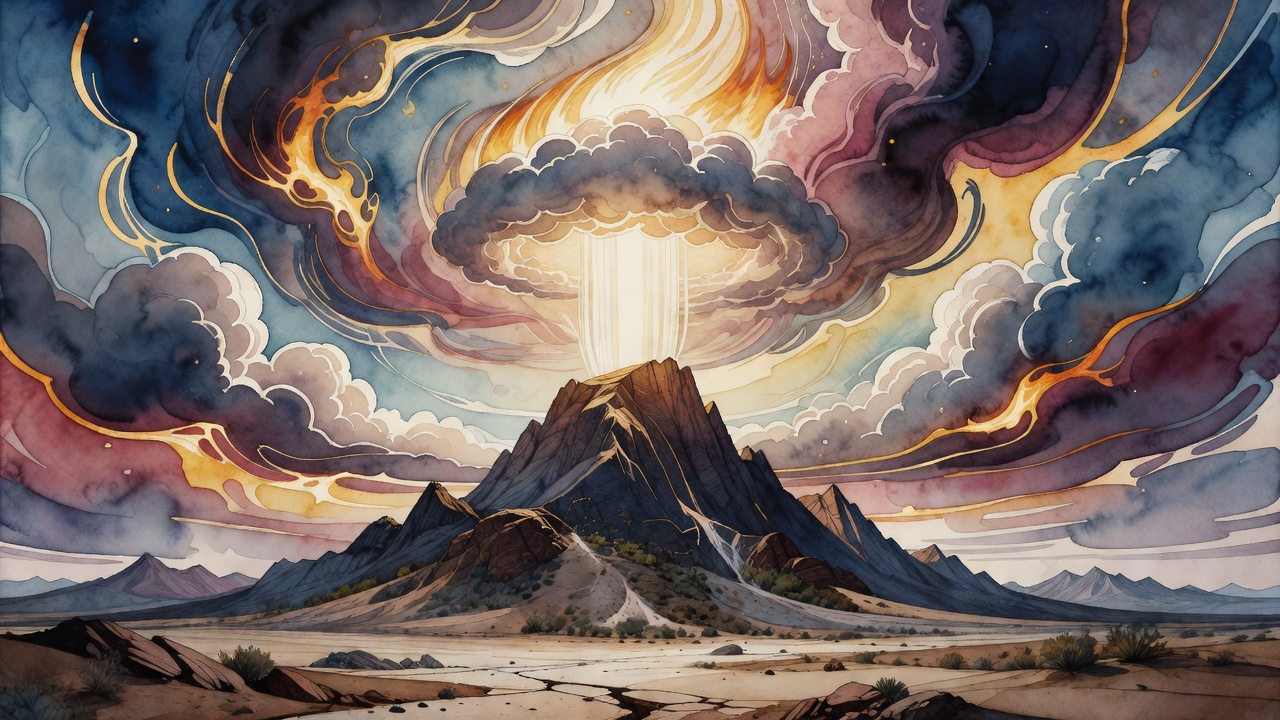
Before Adam drew breath, God set four places apart. One of them was a mountain in the desert, already holy, already waiting for Moses.
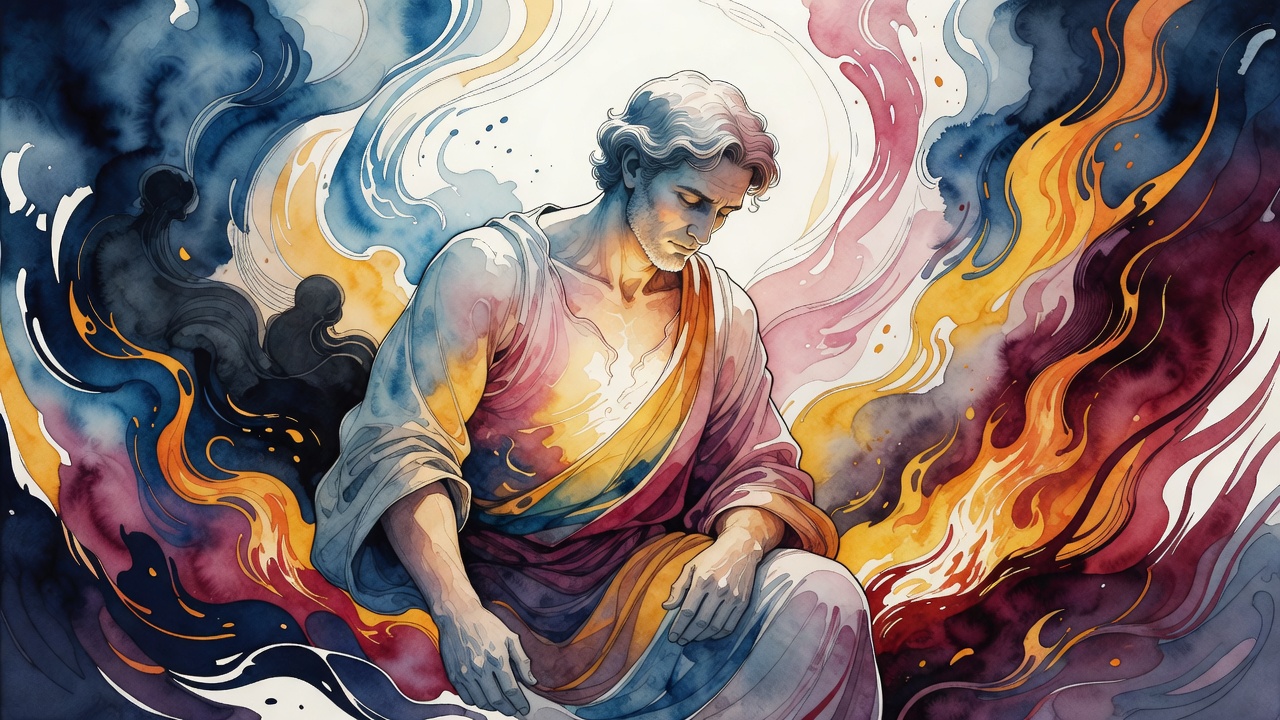
Reuben lost it. Simeon and Levi burned through it. When the blessing reached Judah it arrived at a man already broken open by what he had done.
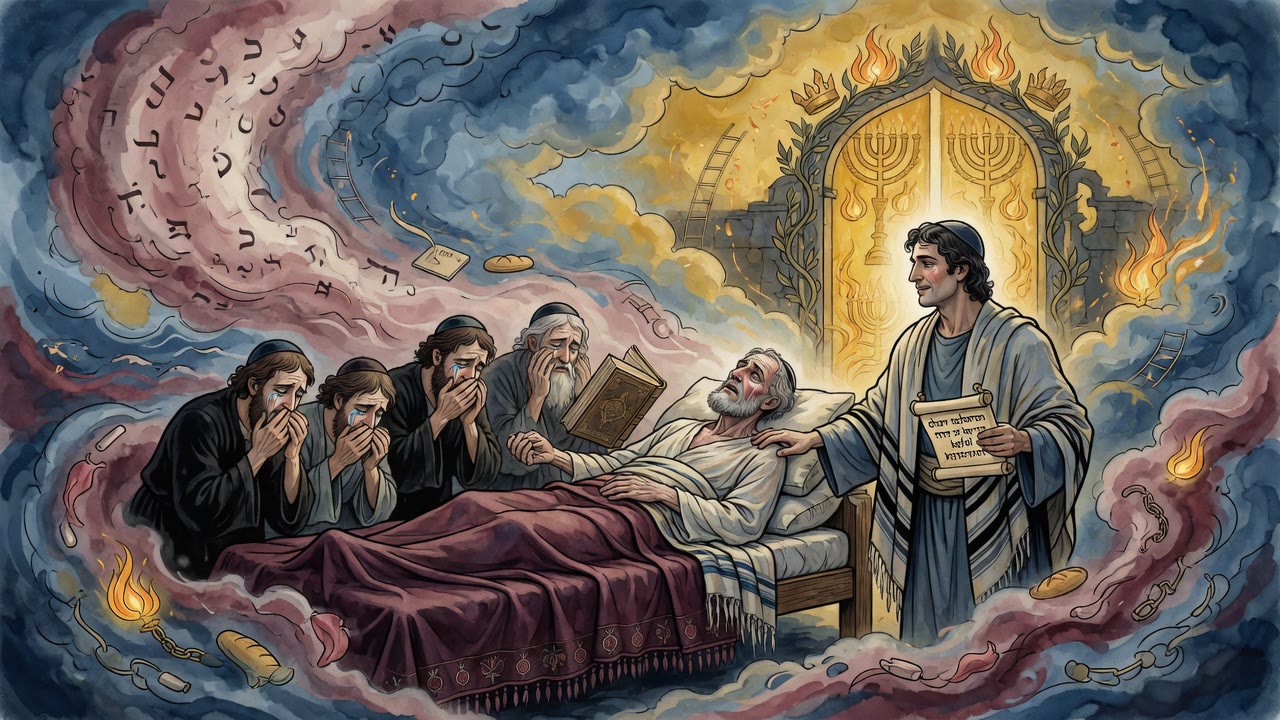
Moses visited Akiva's academy and understood nothing. Then a student asked where the teaching came from and Akiva said: a law given to Moses at Sinai.
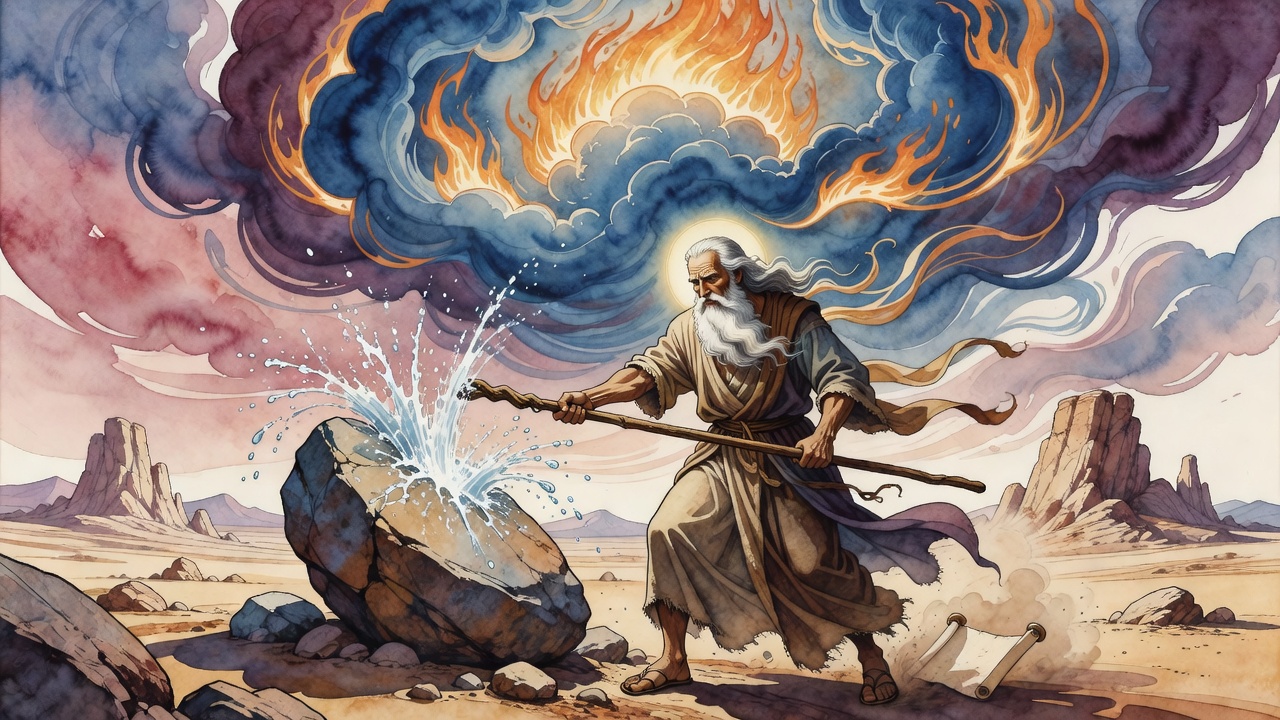
Water came when he hit the stone. God had told him to speak. At Beth-Peor he counted the prayers that had not opened the land.
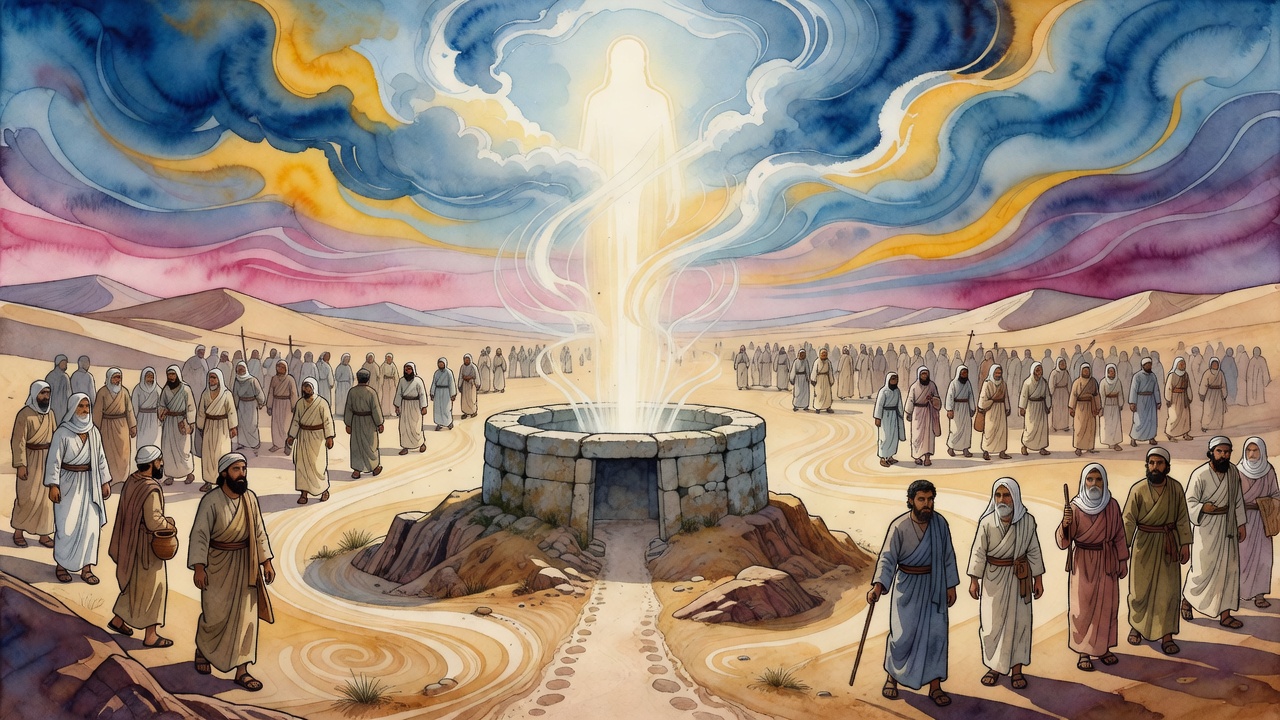
A well followed Israel forty years in the desert. The Talmud named whose merit sustained it. The morning after Miriam died the people found nothing to drink.
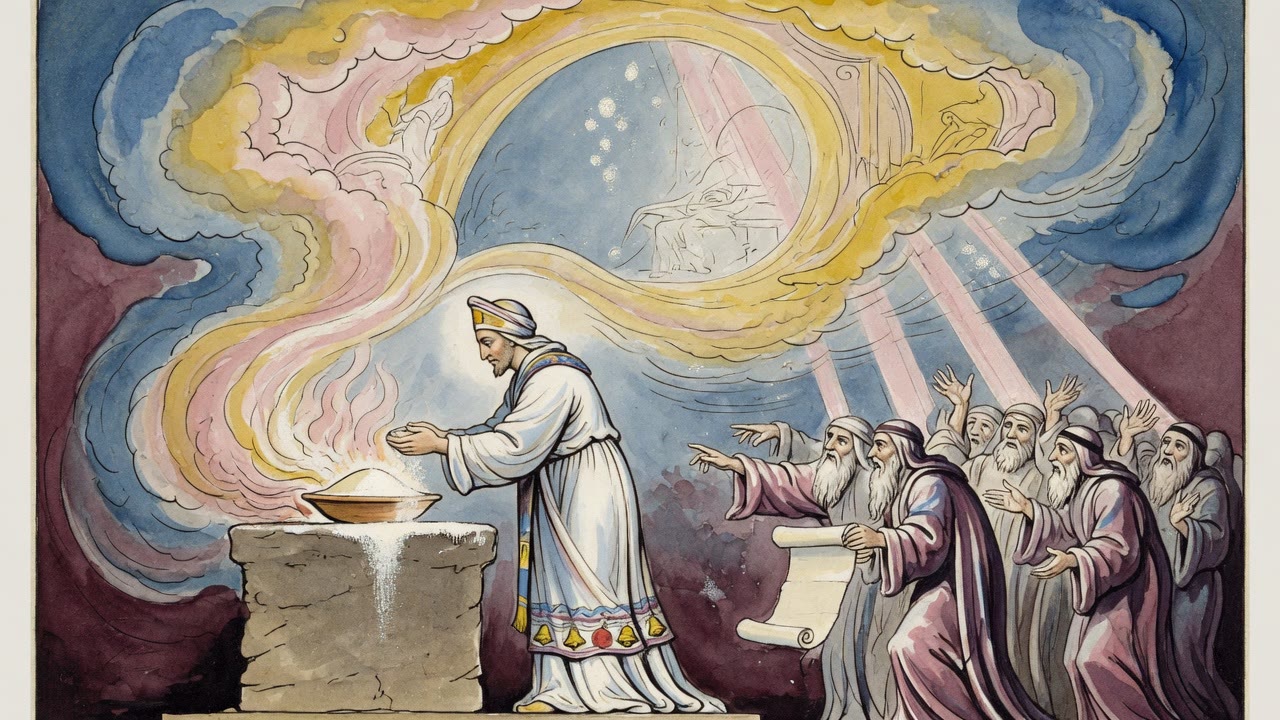
Aaron's first offering as High Priest was a tenth of an ephah of flour. Vayikra Rabbah found in that small measure the whole architecture of divine mercy.
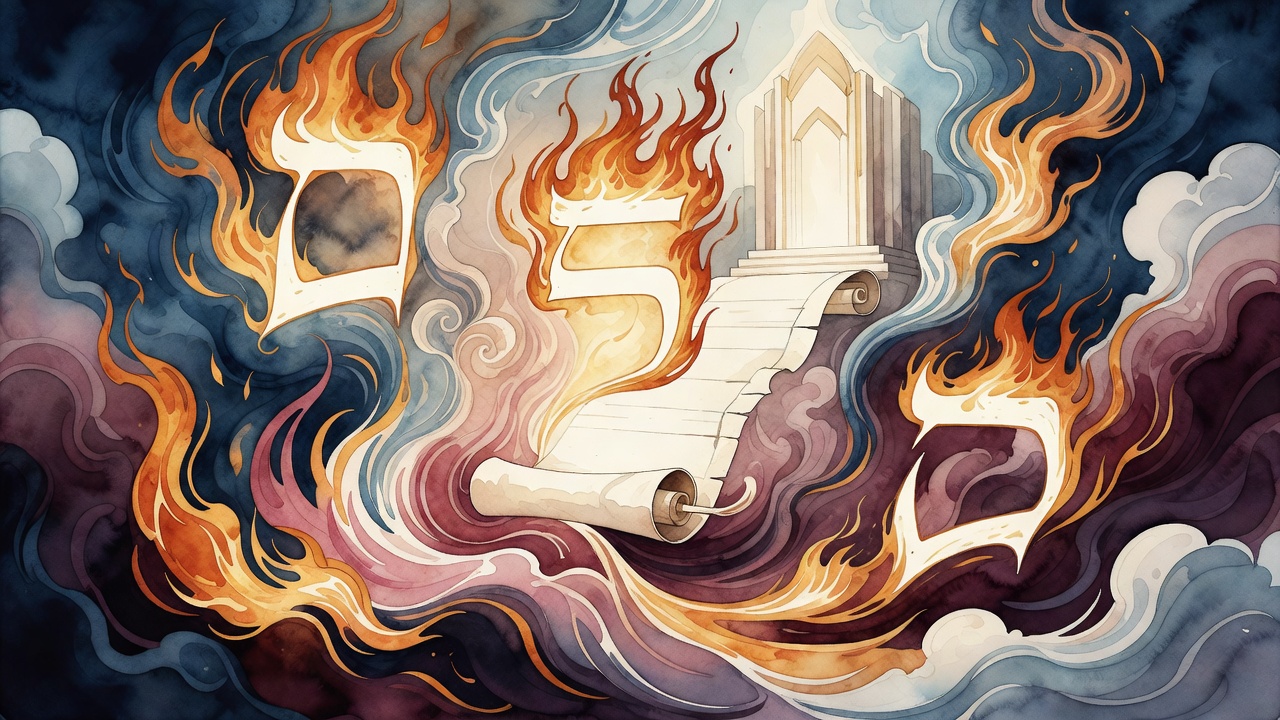
The nations were offered the law first and turned it down. God stood up and shook the earth, and the world came within one answer of ending.
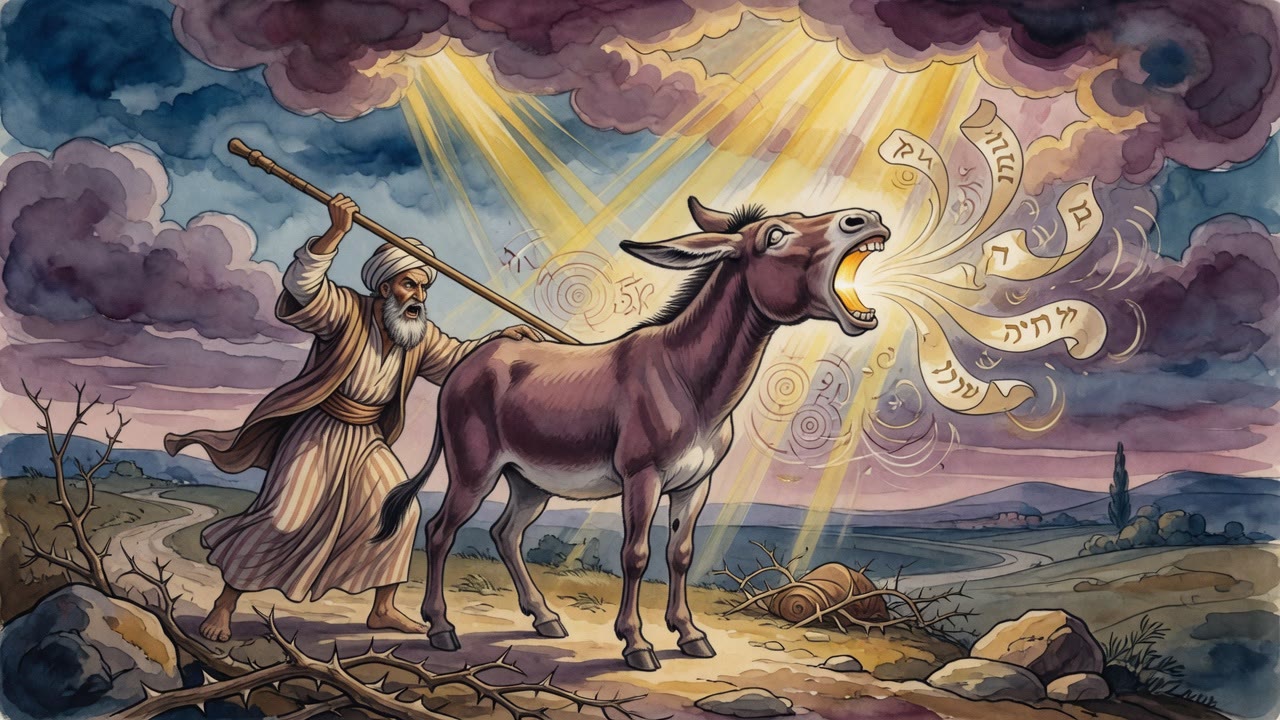
Balaam beat her three times for stopping in the road, then told her he would kill her if he had a sword. The angel in front of them already had one.
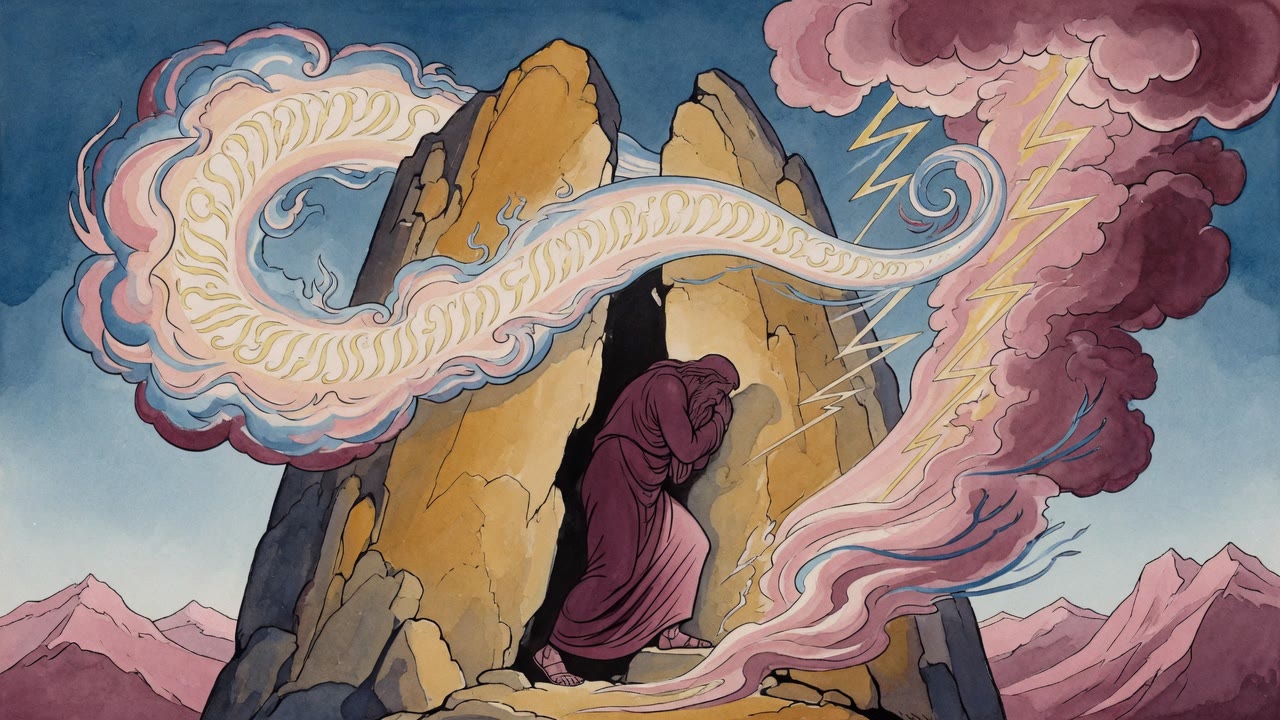
Thirty thousand angels escorted Moses upward, and he was terrified. Qemuel met him at the first gate and told him he came from a place of defilement.
Most people with seven names are hiding something. Each of Jethro's seven names recorded a different act of choosing the harder right thing.
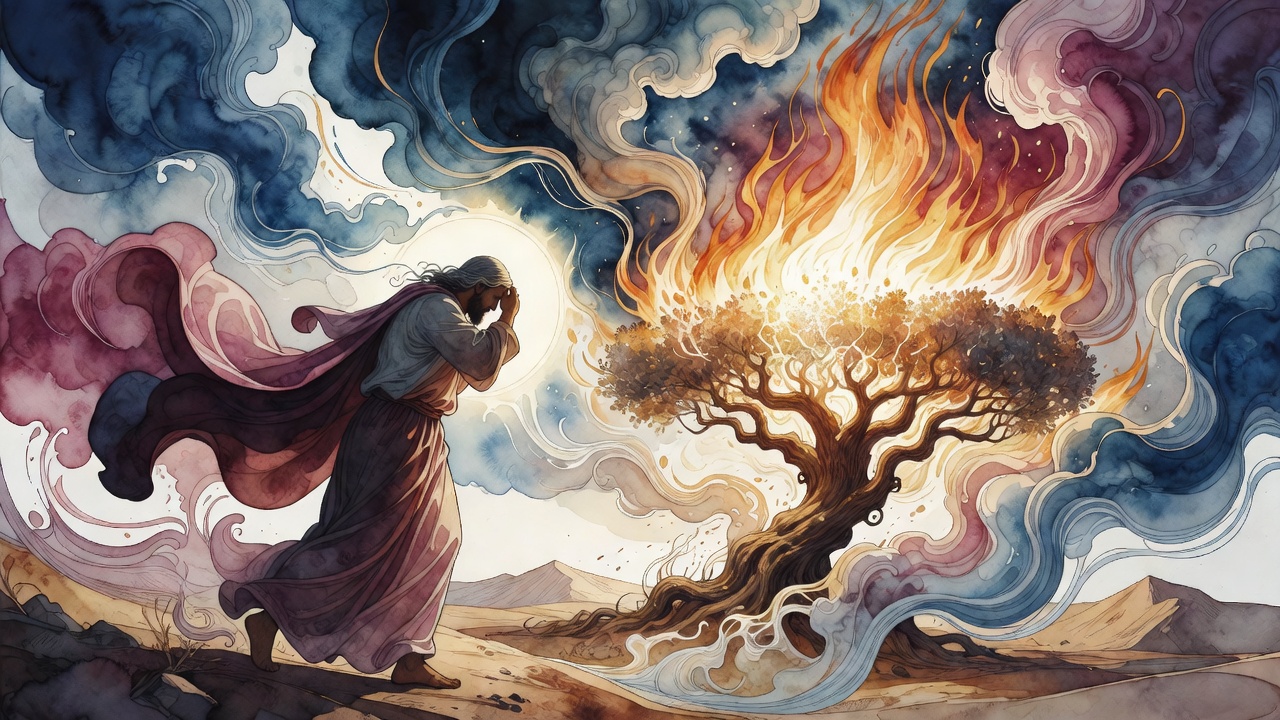
The voice that called him out of the fire was his father's voice, and Amram had been dead for years. Moses answered it before he knew who was speaking.
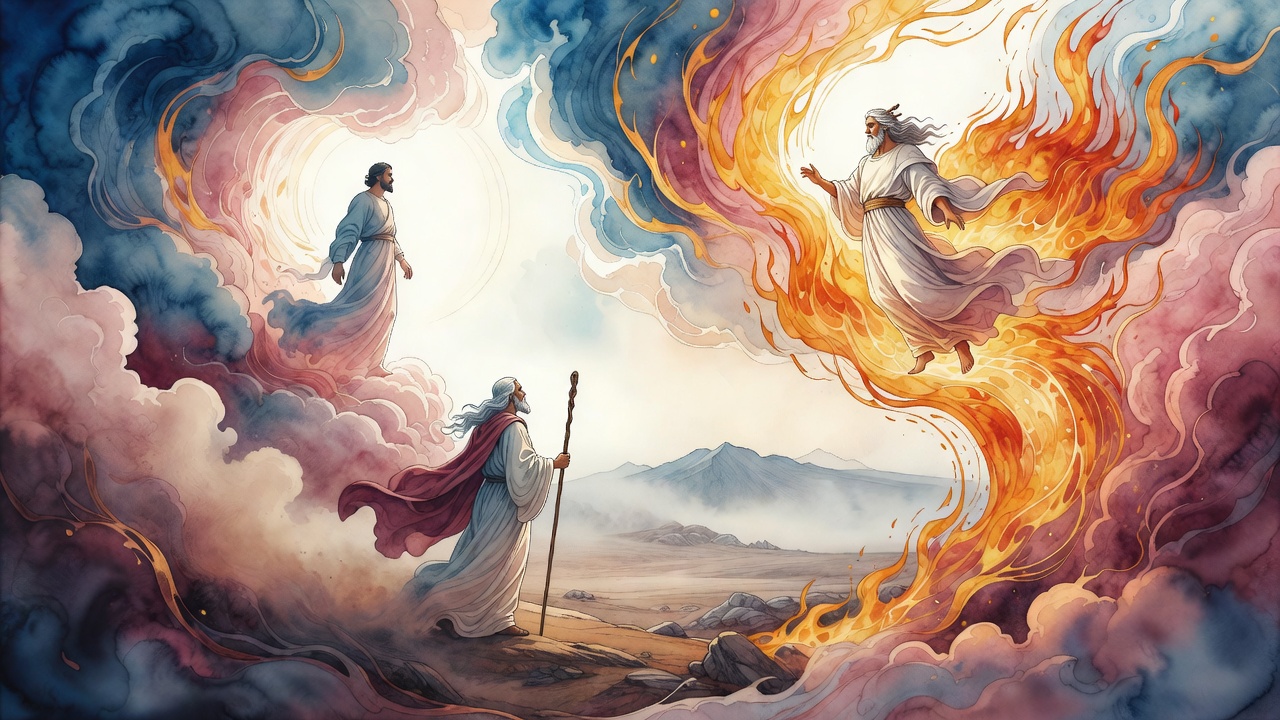
They searched the fields for Enoch and came back empty-handed. The man who walked with God had been taken, and there was nothing to bury.
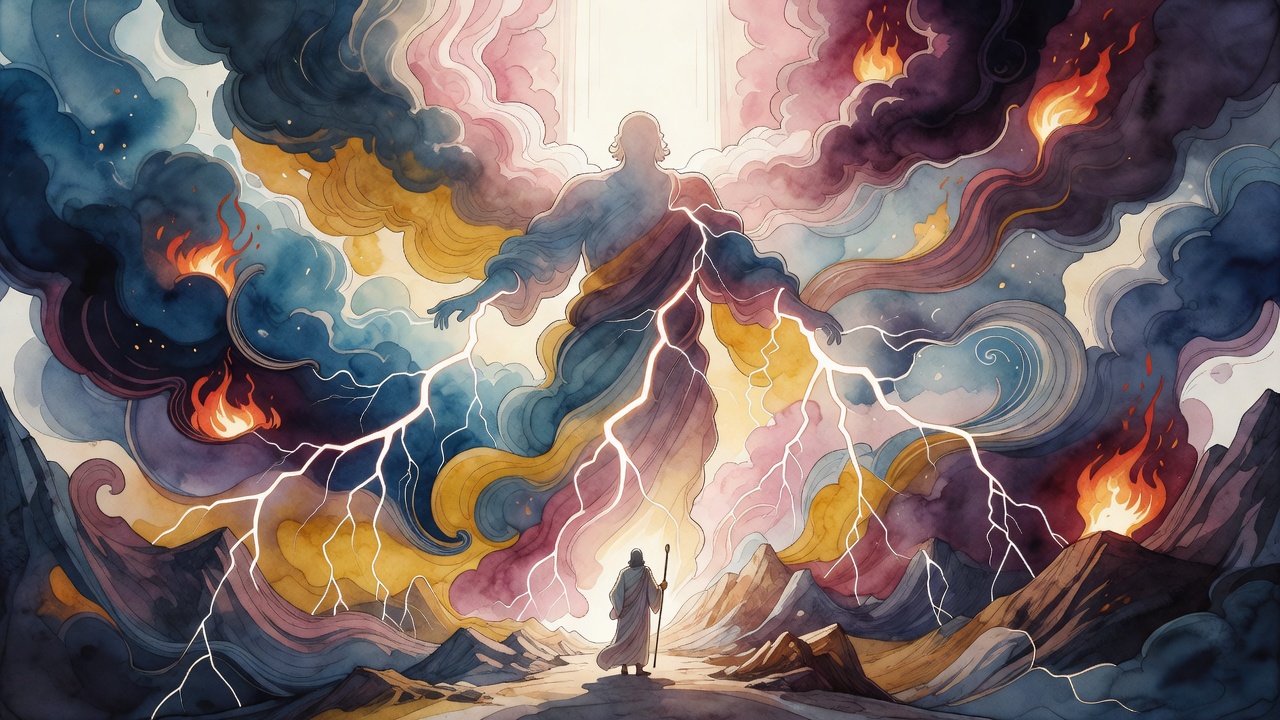
When Moses ascended to receive the Torah, an angel sixty myriads of parasangs tall blocked his path and unleashed lightning with every word.
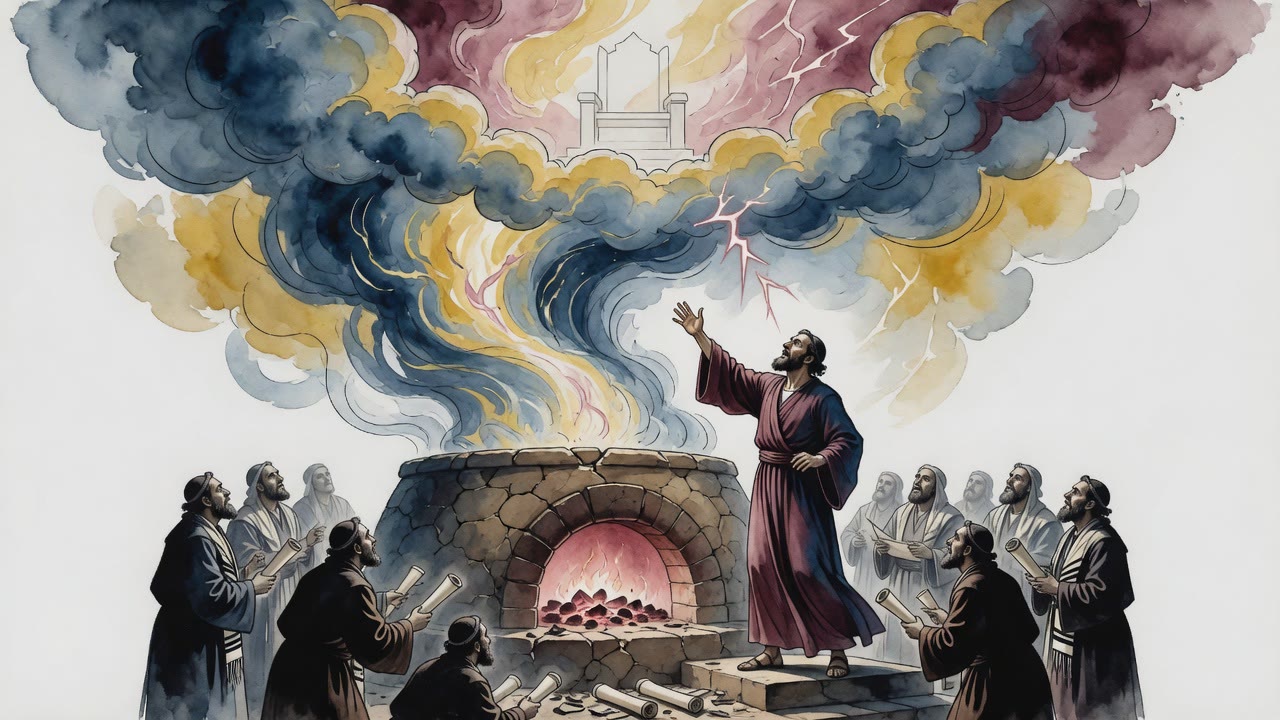
The carob tore its roots out of the yard and flew. Rabbi Joshua told the walls to stay out of the argument. They froze halfway down.
