496 myths · Page 9 of 17
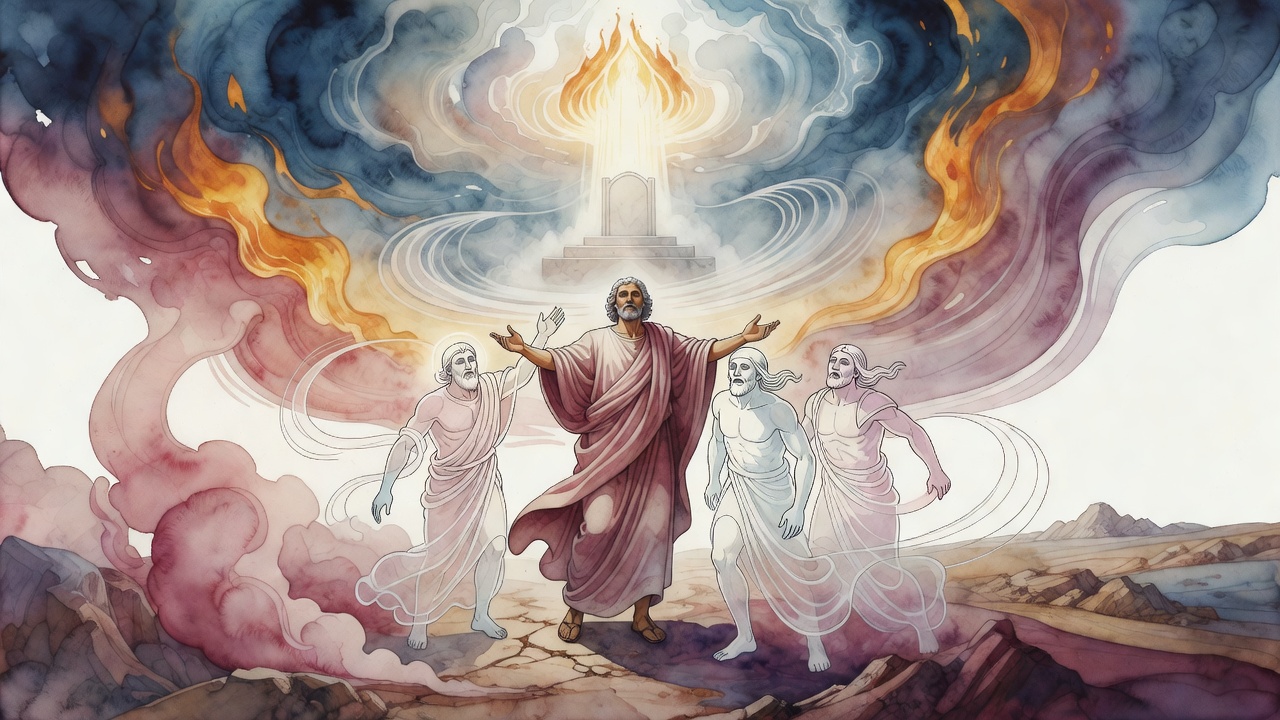
The emperor's nephew called Titus and Balaam up from the dead. He asked which nation is honored in the world to come. Both enemies said the Jews.
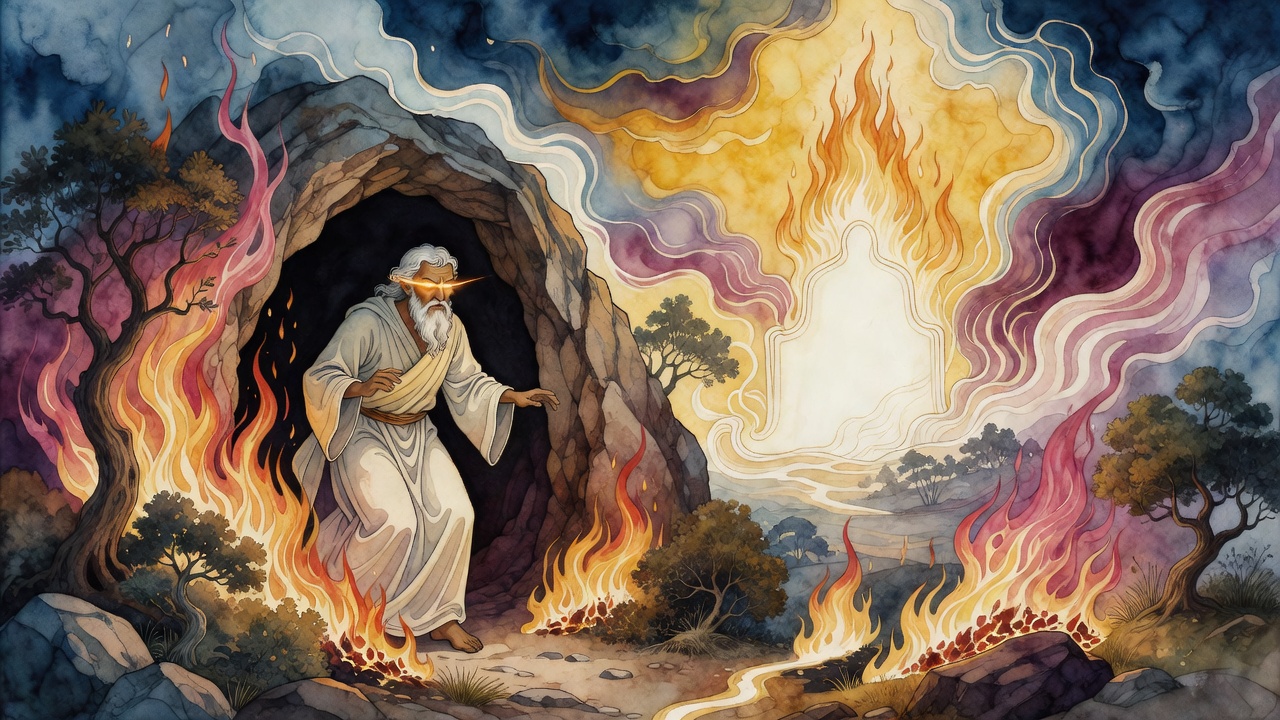
They buried themselves in sand up to the neck so the cloaks would last. When they walked out, a plowed field caught fire under one look.
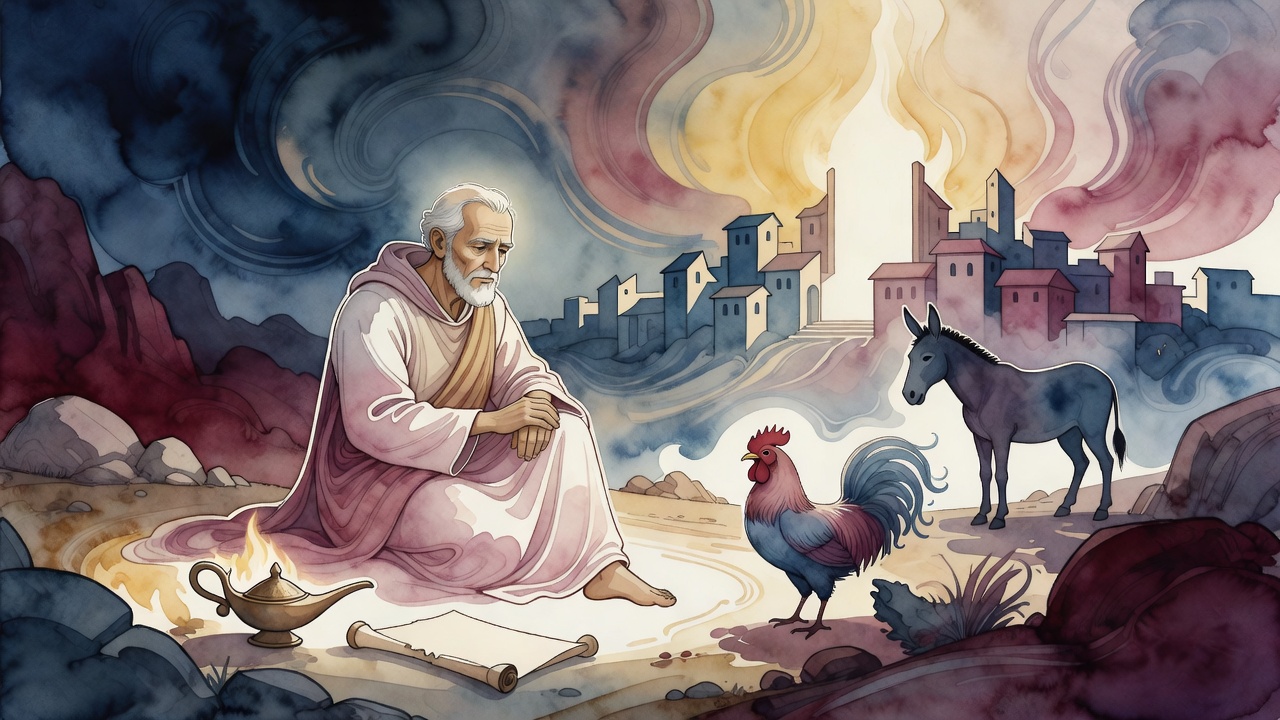
Three losses in a single night left Rabbi Akiva in darkness outside a hostile town, and the next morning he understood why each one had saved him.
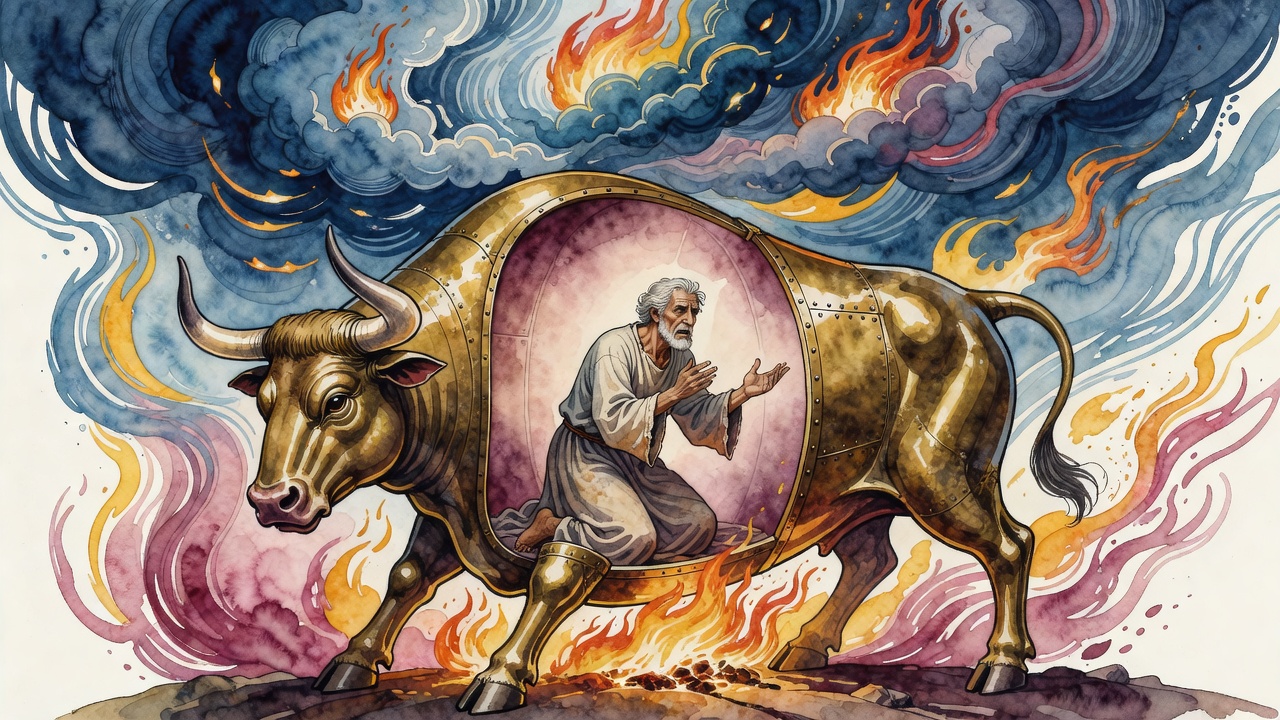
Manasseh had spent a lifetime closing every door back to God. Sealed inside a heated brass bull by his captors, he found the one door still open.
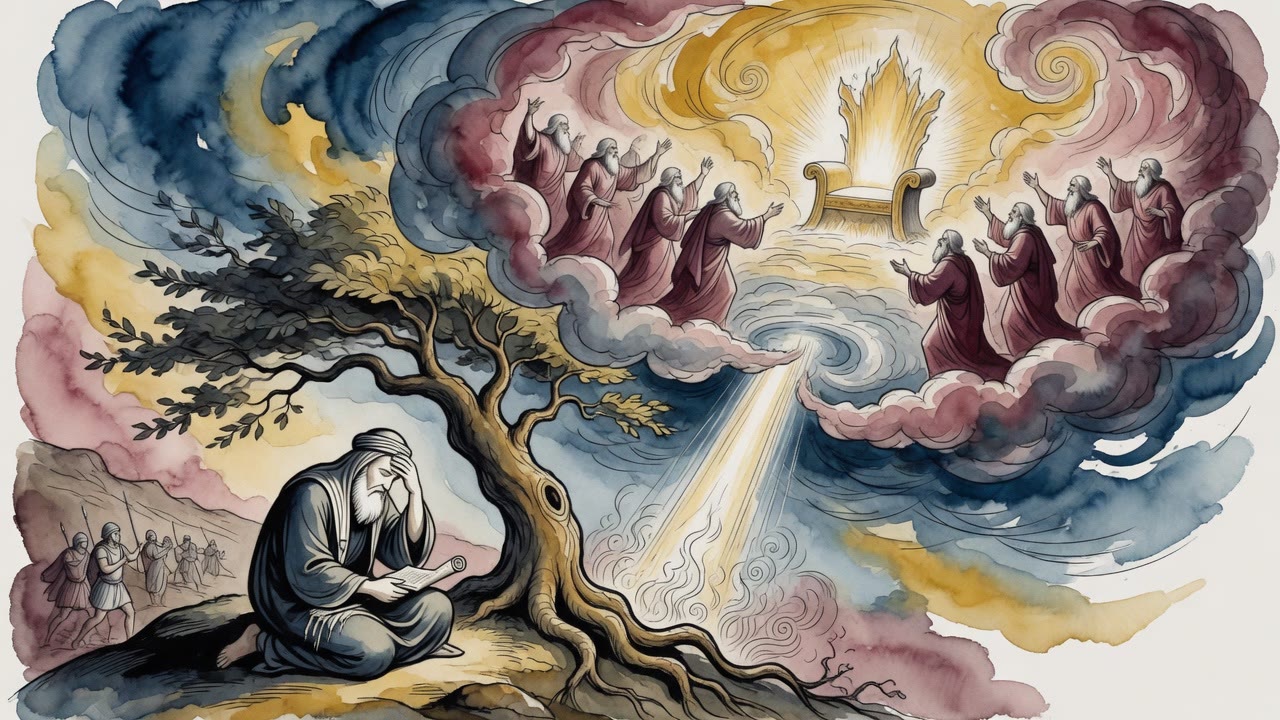
While Rabbah bar Nahmani sat under a tree fleeing arrest, heaven's sages were deadlocked on a point of ritual law. Only he could break the tie.
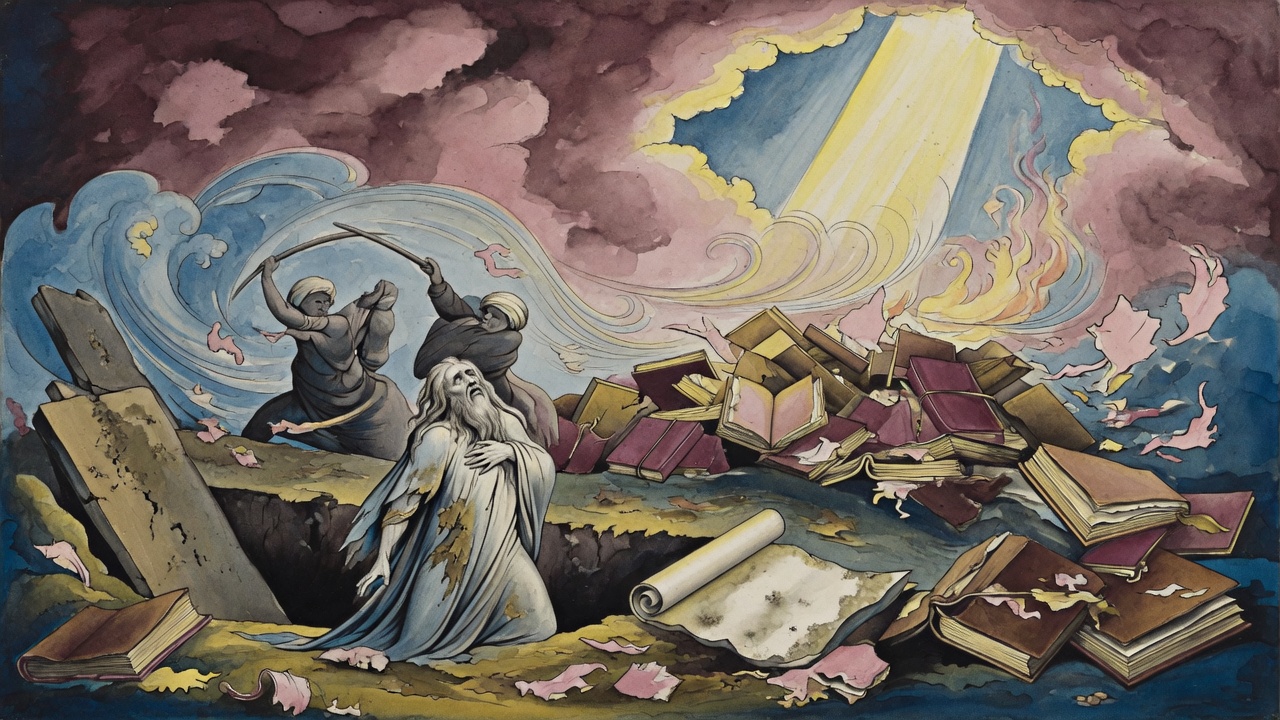
The law had burned with Jerusalem. The tablets were gone. Ezra asked for forty days before heaven took him, and five men who could write fast.
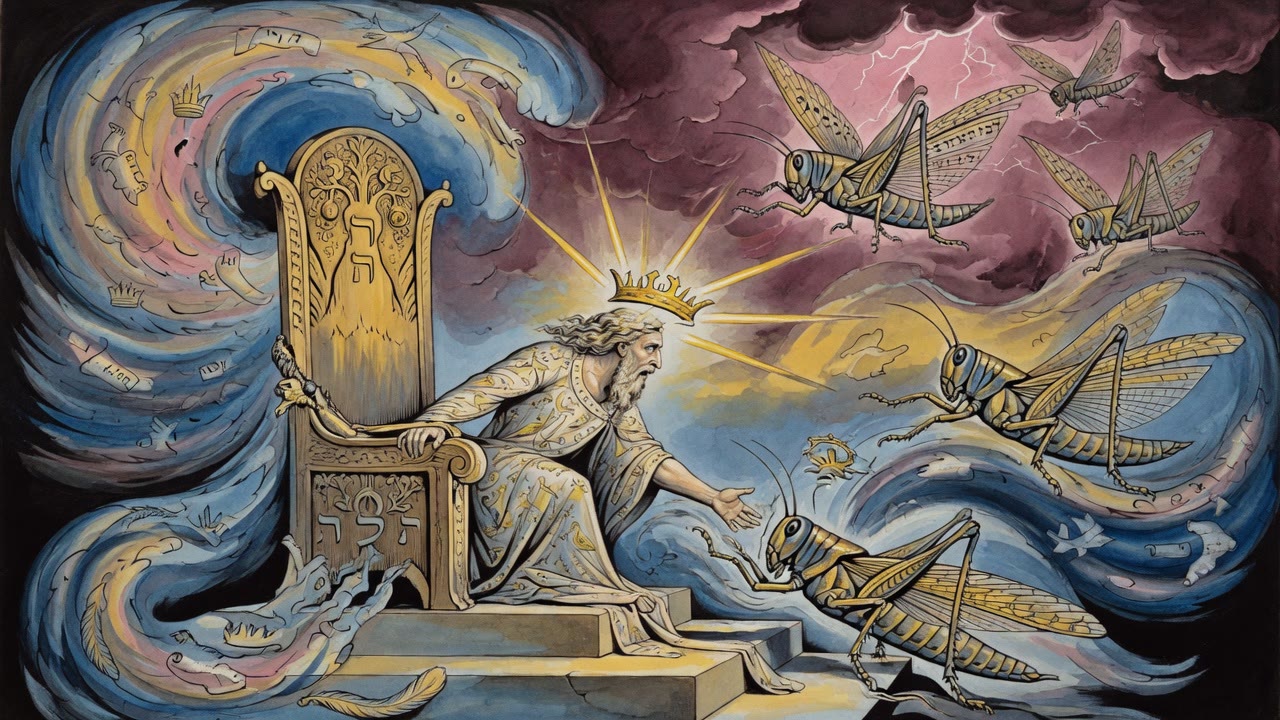
Wet wool sat over his heart so the fire would burn slowly. His students asked what he saw. The parchment burned. The letters rose.
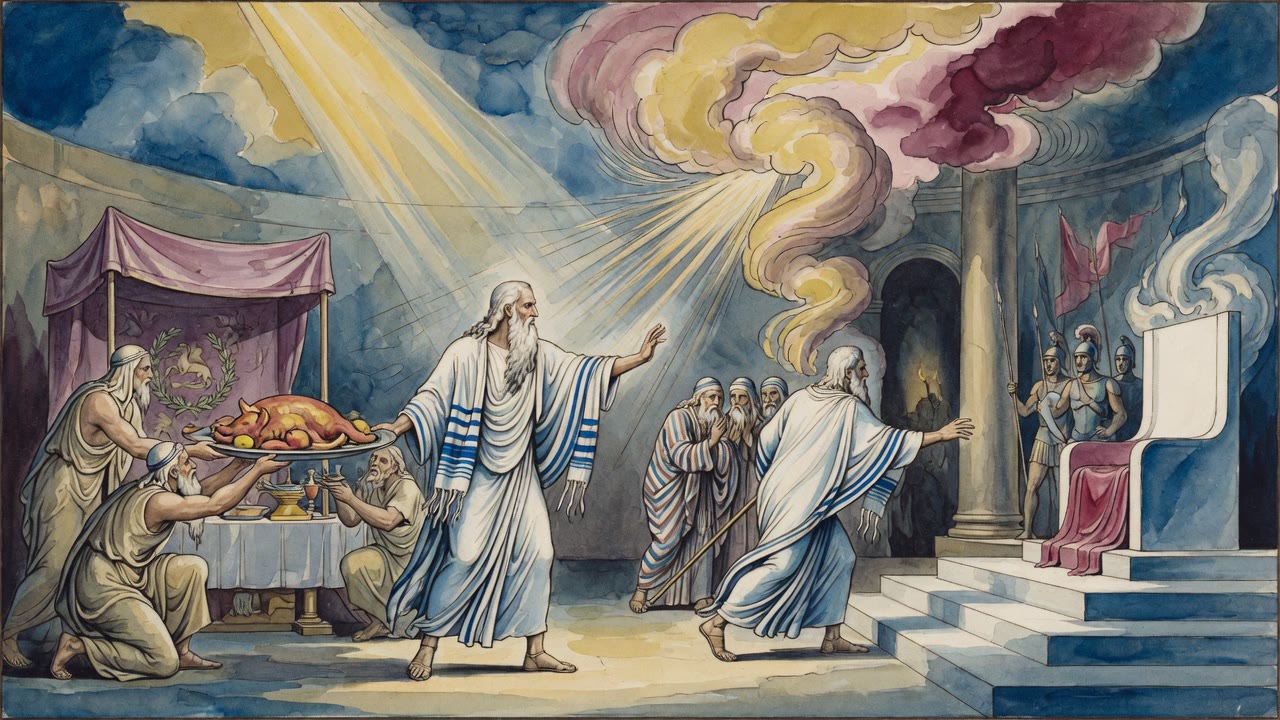
They would not throw a stone or block the cave mouth. On Shabbat the soldiers walked in and killed the men, the women, the children, and the cattle.
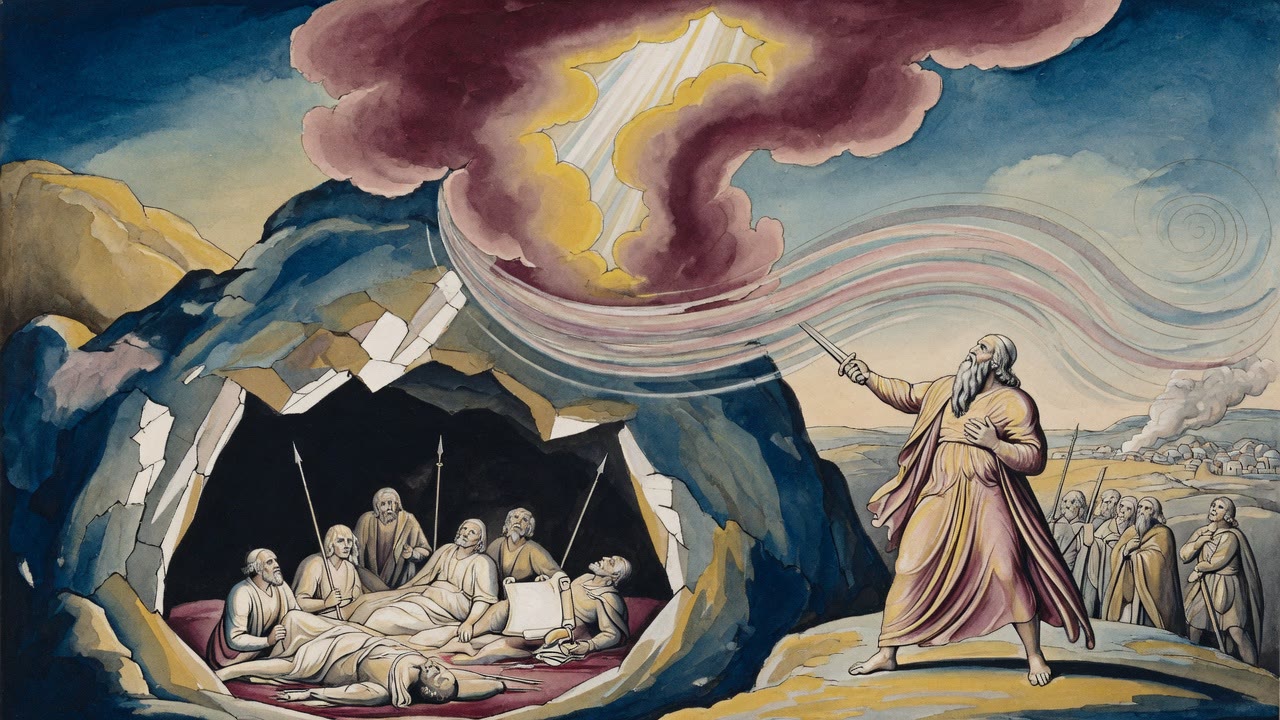
The officers offered Eleazar a way out. Bring your own food, they said, and only pretend to eat what the king requires. He was ninety, and he said no.
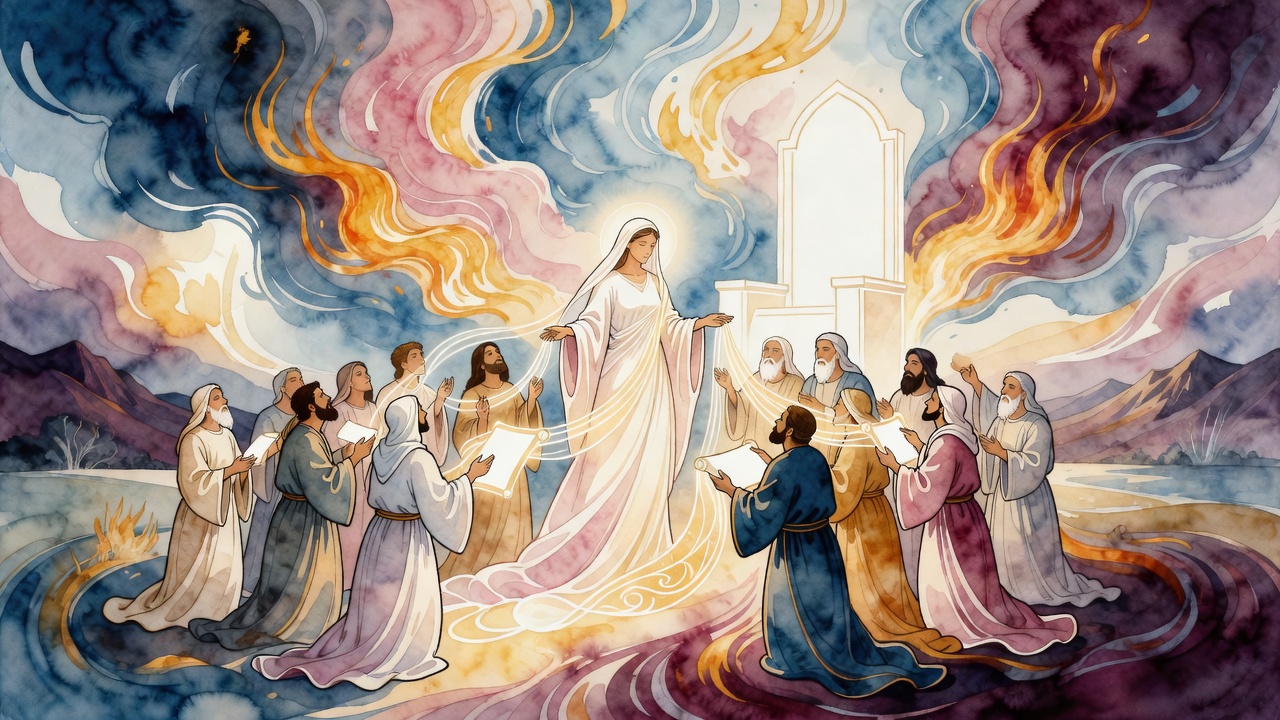
While the Temple stood, the King came down every midnight to the inner room. After it burned, His Bride went out into the road with nothing left to wear.
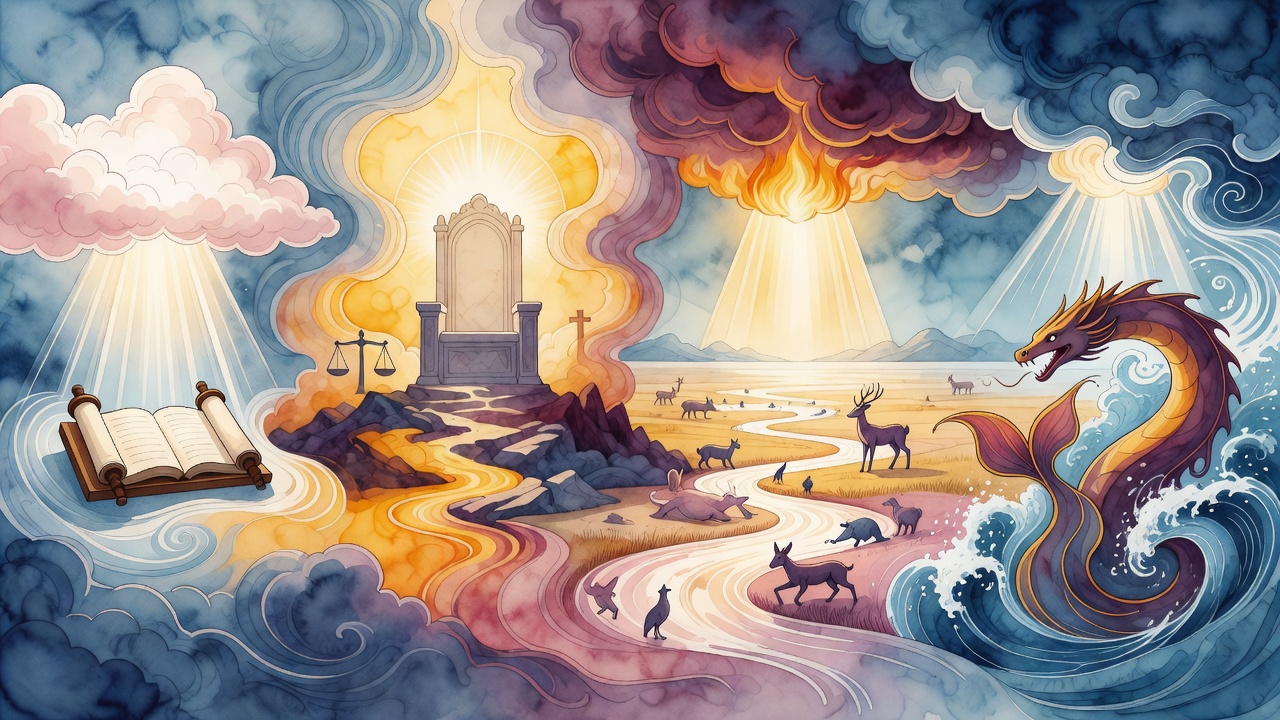
The verdict on the world came out as annihilation. He left the judgment seat, crossed the floor, and sat down on mercy. Every ordinary morning.
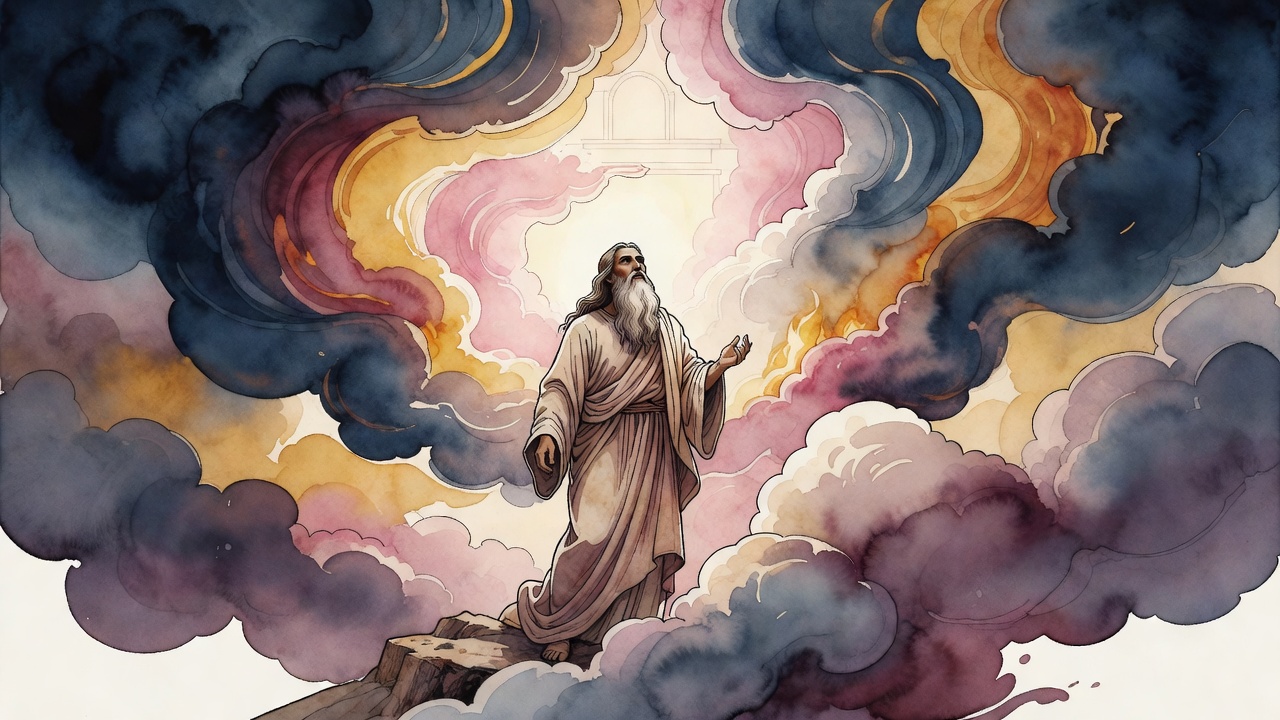
Moses spends forty days in a cloud where the sun does not reach and learns to tell time by what God teaches him, not by the sky.
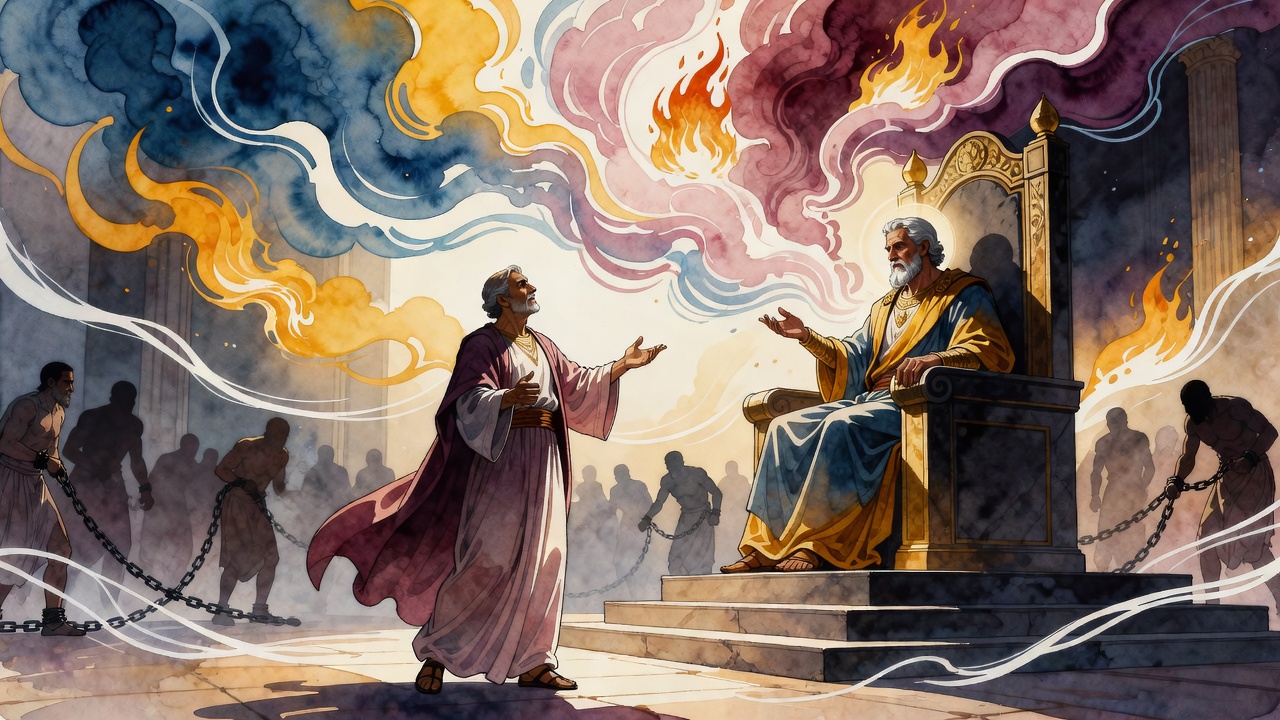
A Jewish courtier tells Ptolemy that asking for the Torah while owning Jewish slaves is a contradiction no library can absorb. The king pays to free them.
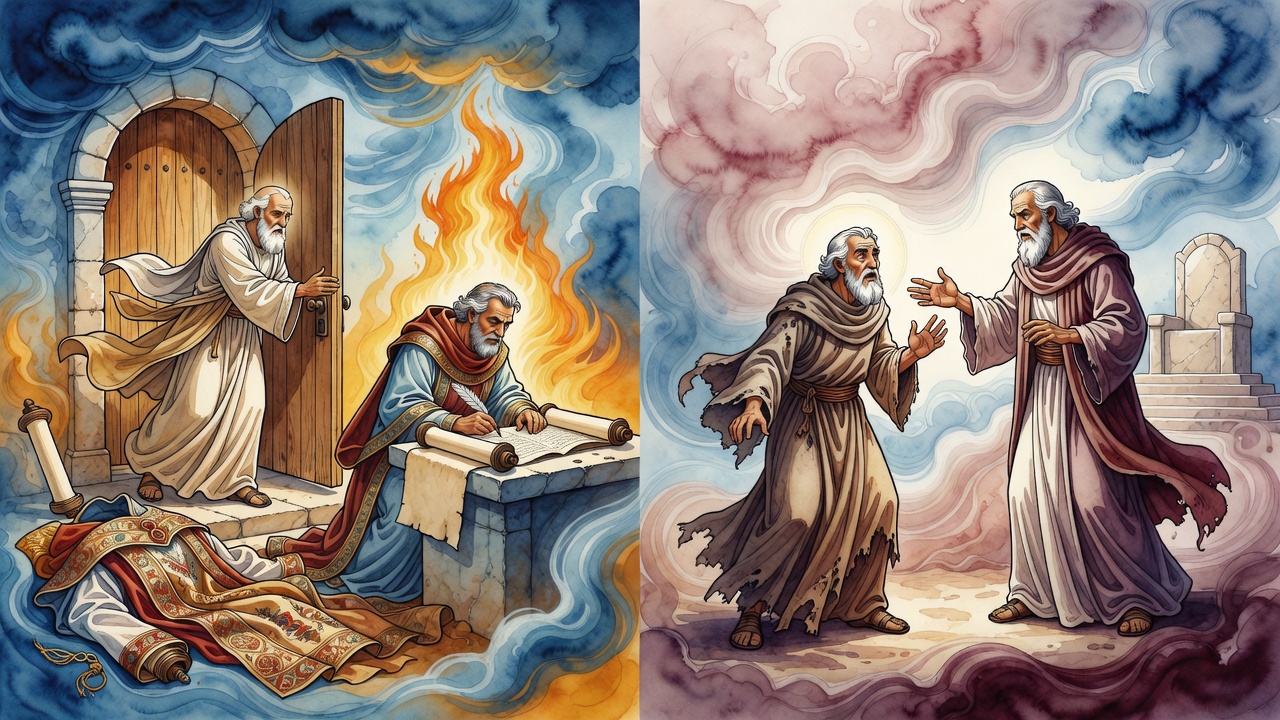
A man who wanted the High Priest's garments became a Torah scholar under Hillel. A robber who became a sage was destroyed by one sentence from his teacher.
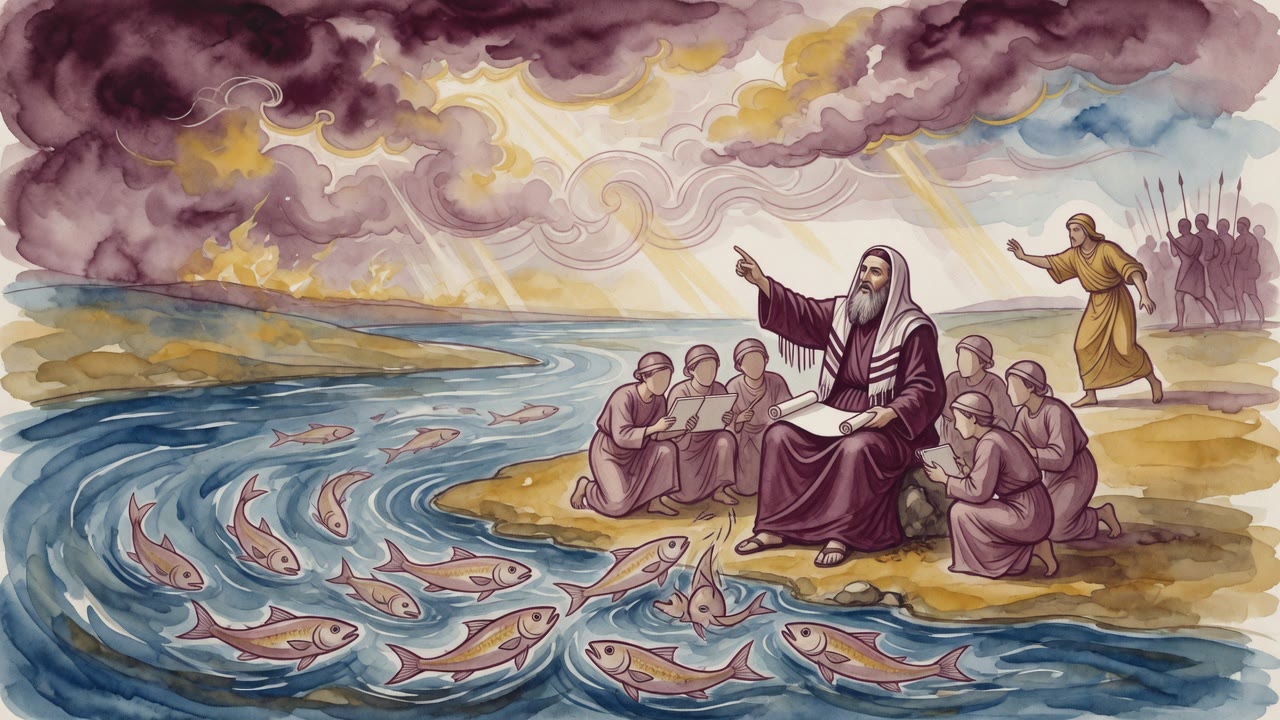
Pappos found him teaching in the street after the ban. The fox's offer sounded kind. The fish knew dry land was a faster death.
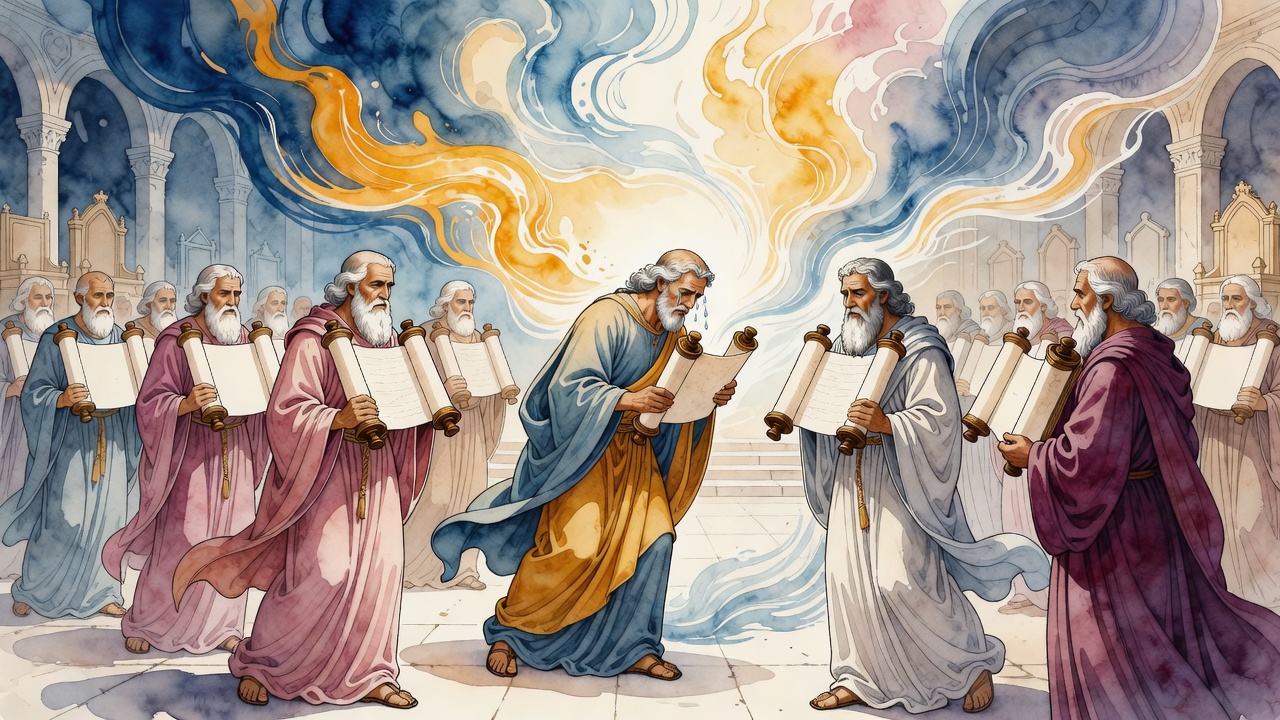
Seventy-two elders carried the Torah from Jerusalem into the Greek king's hall. He asked why no king before him had ever been given this book.
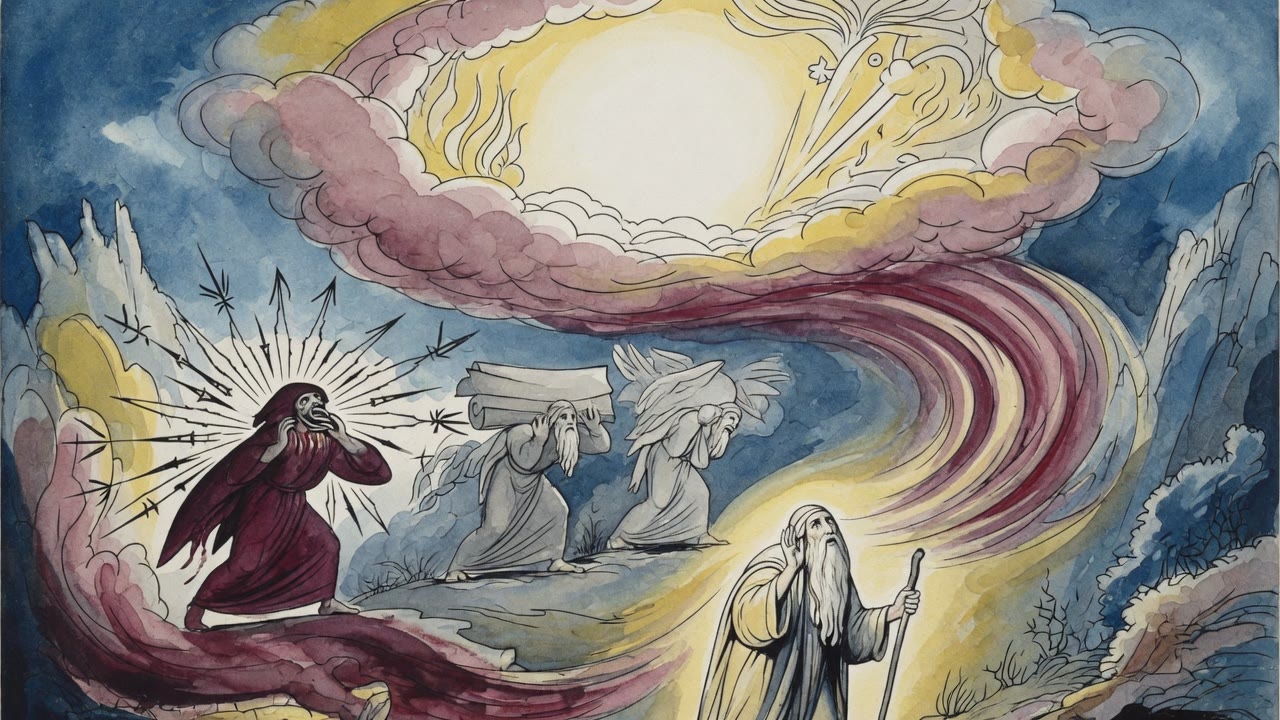
Six hundred thousand people backed away from Sinai saying the voice would kill them if it spoke again. Moses was told to come closer.
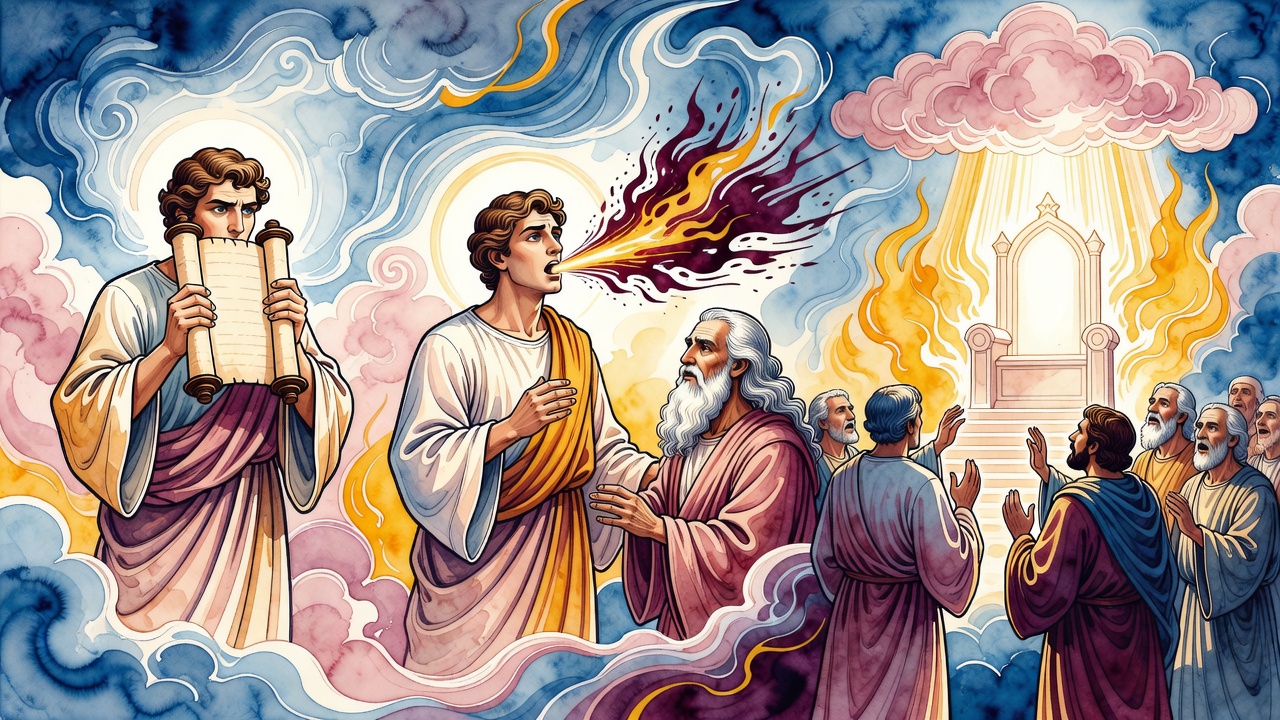
Saul confessed in the same words David used. Then he asked to be honored before the elders, and tore Samuel's robe grabbing after him.
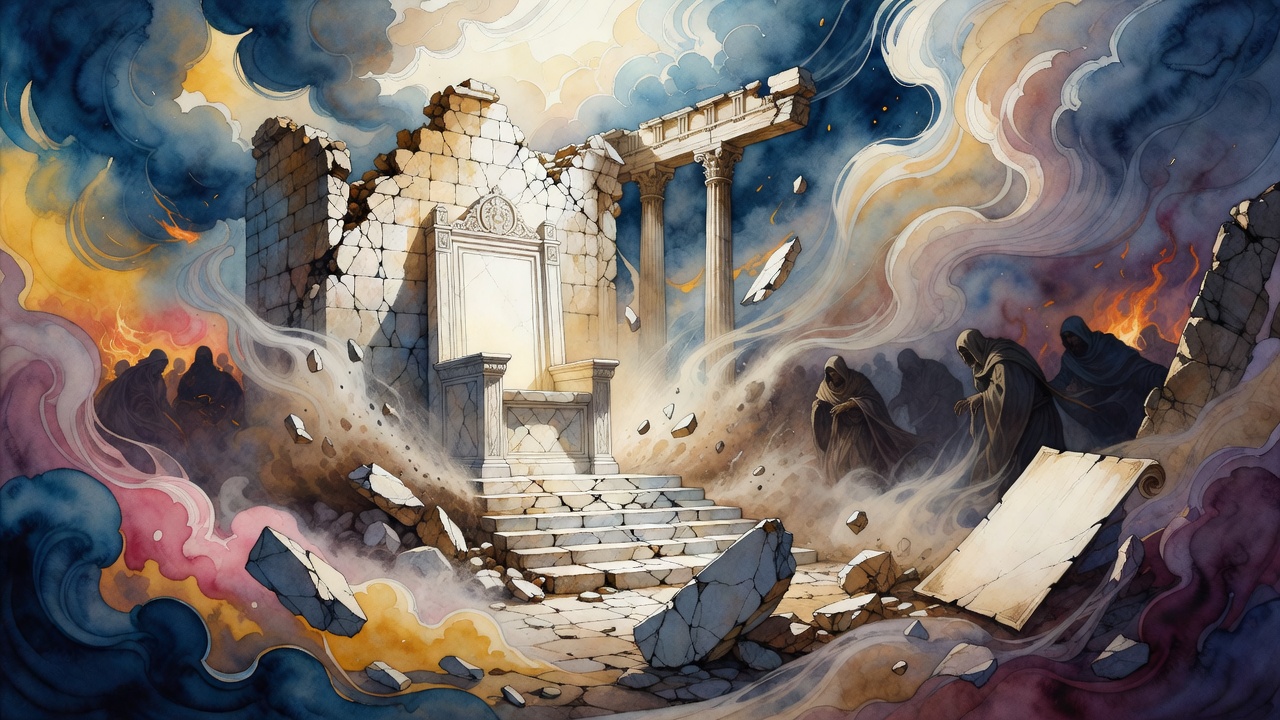
Nobody has ever woken in the morning and found his soul missing, or found his neighbor's soul in his hands. That deposit has never once been mixed up.
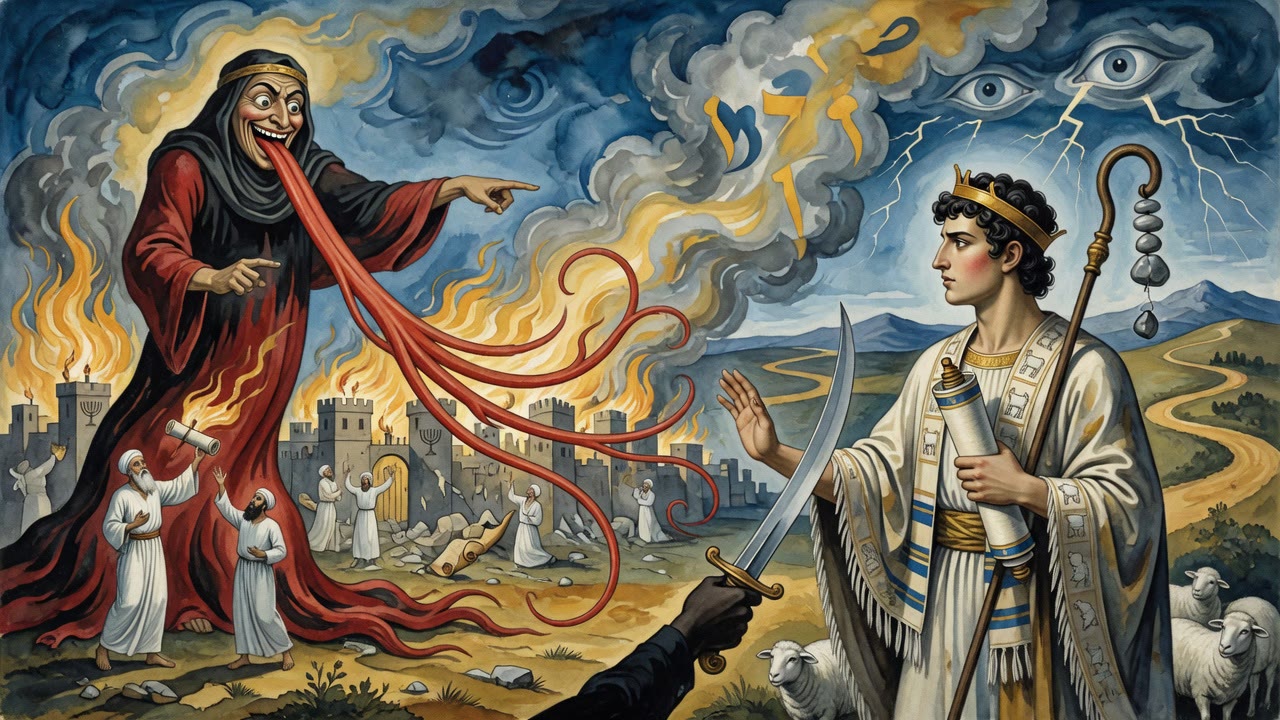
Doeg uses his tongue to destroy a city of priests, but David, trained as a shepherd, guards Torah and refuses to act in anger.
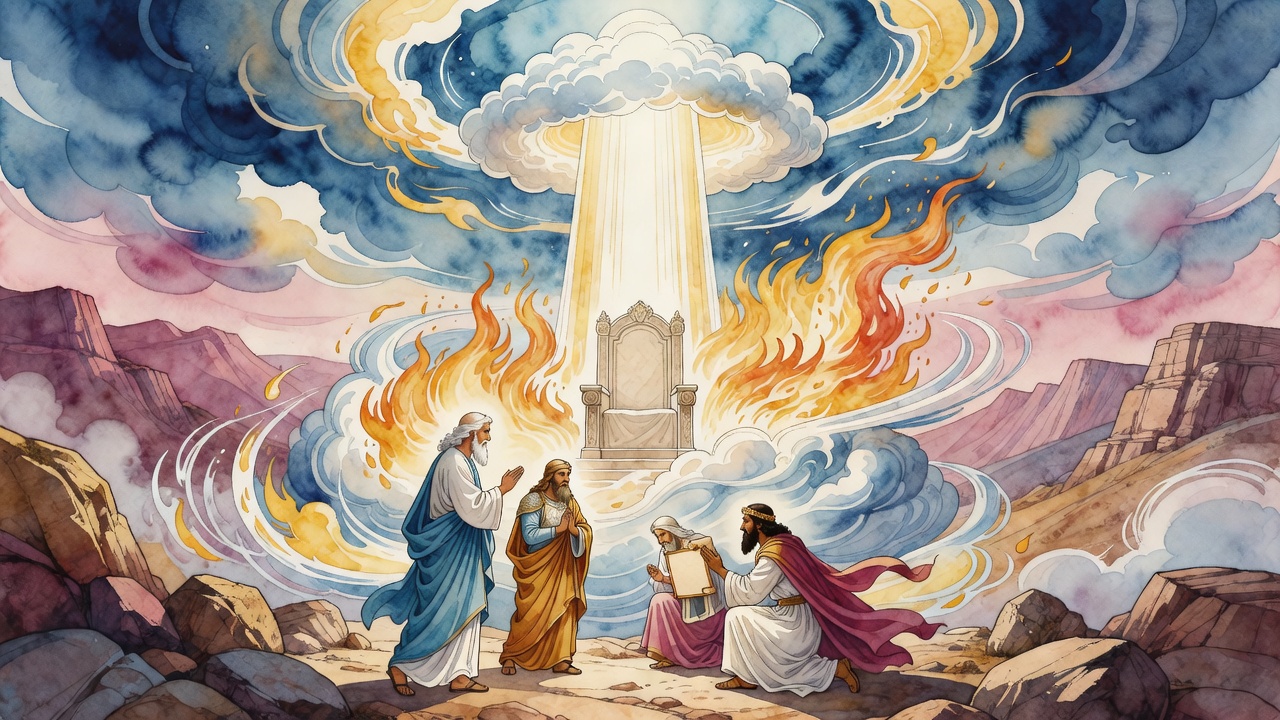
Shemot Rabbah places Moses, David, and Solomon before a God who lifts and lowers like a wheel, then demands that Torah and mercy govern the throne.
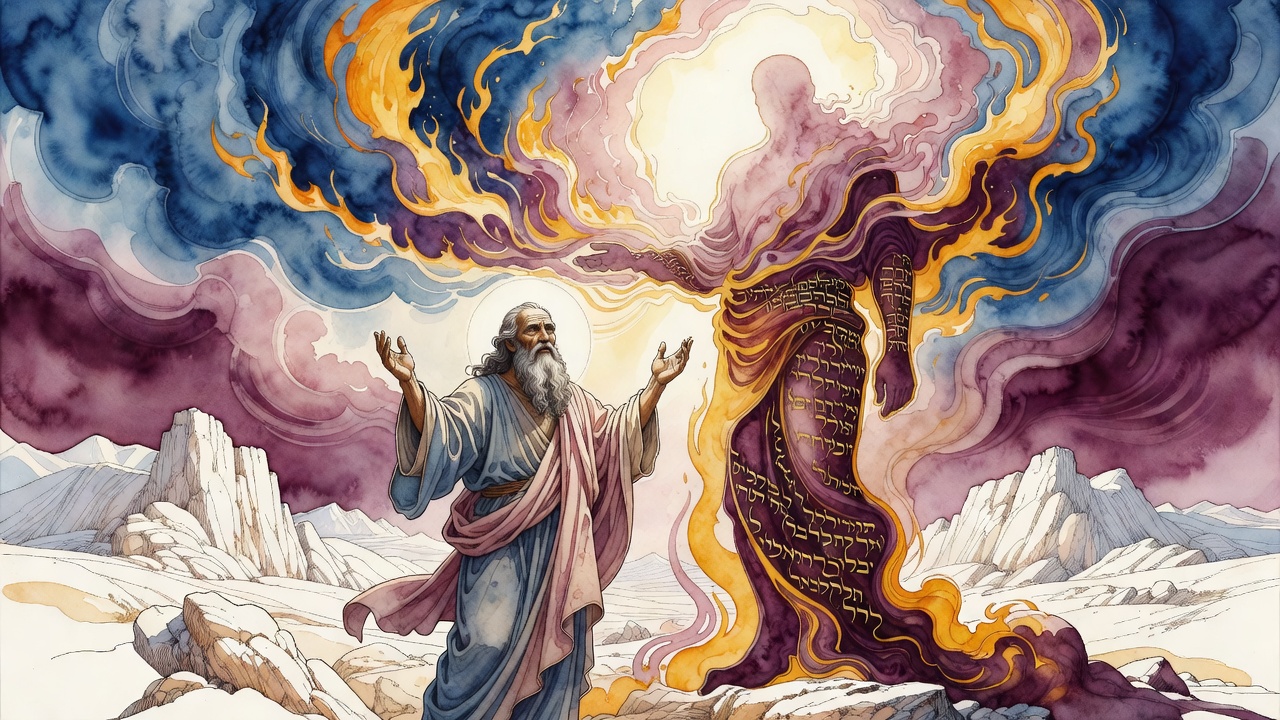
Moses blessed Israel at the edge of his life, and Devarim Rabbah says he was not standing alone. Torah stood beside him, and God stood beside Torah.
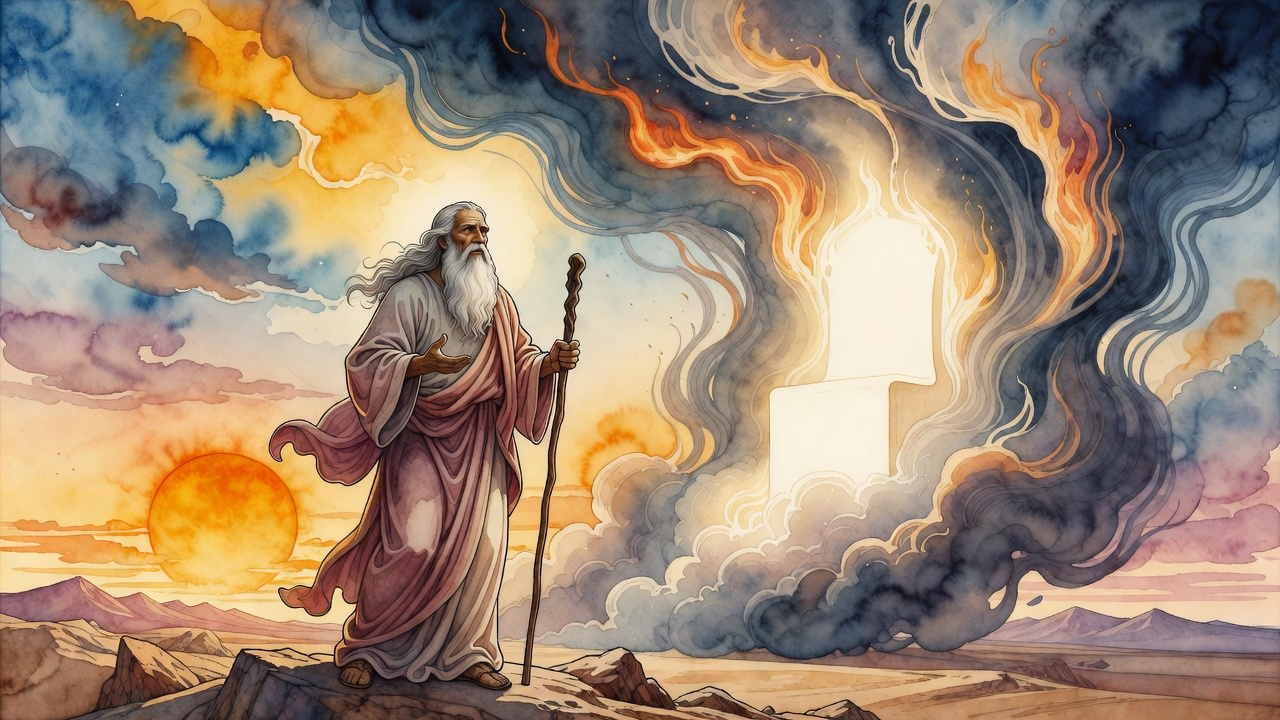
When Moses's final day arrived, Devarim Rabbah says the sun refused to set and the day itself filed a complaint before God about being forced to end.
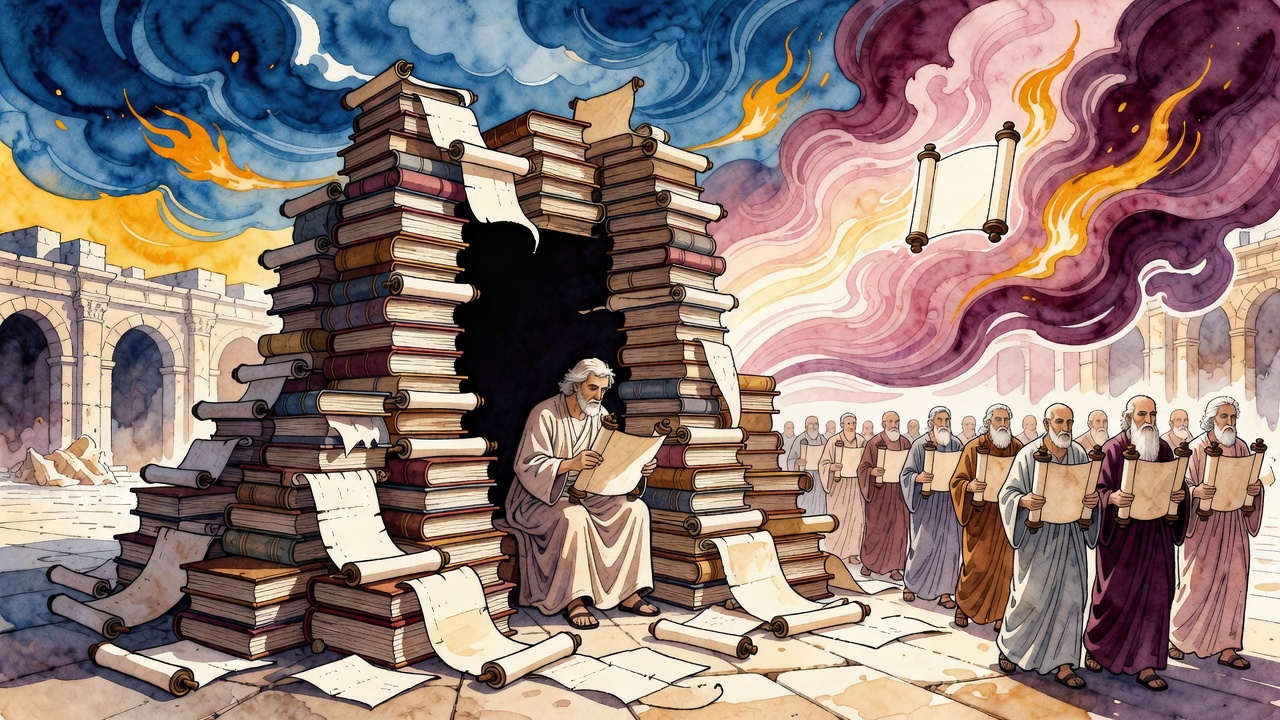
The shelves held more than two hundred thousand scrolls. The Jewish law was not among them. It still lived in Hebrew, in Jerusalem.
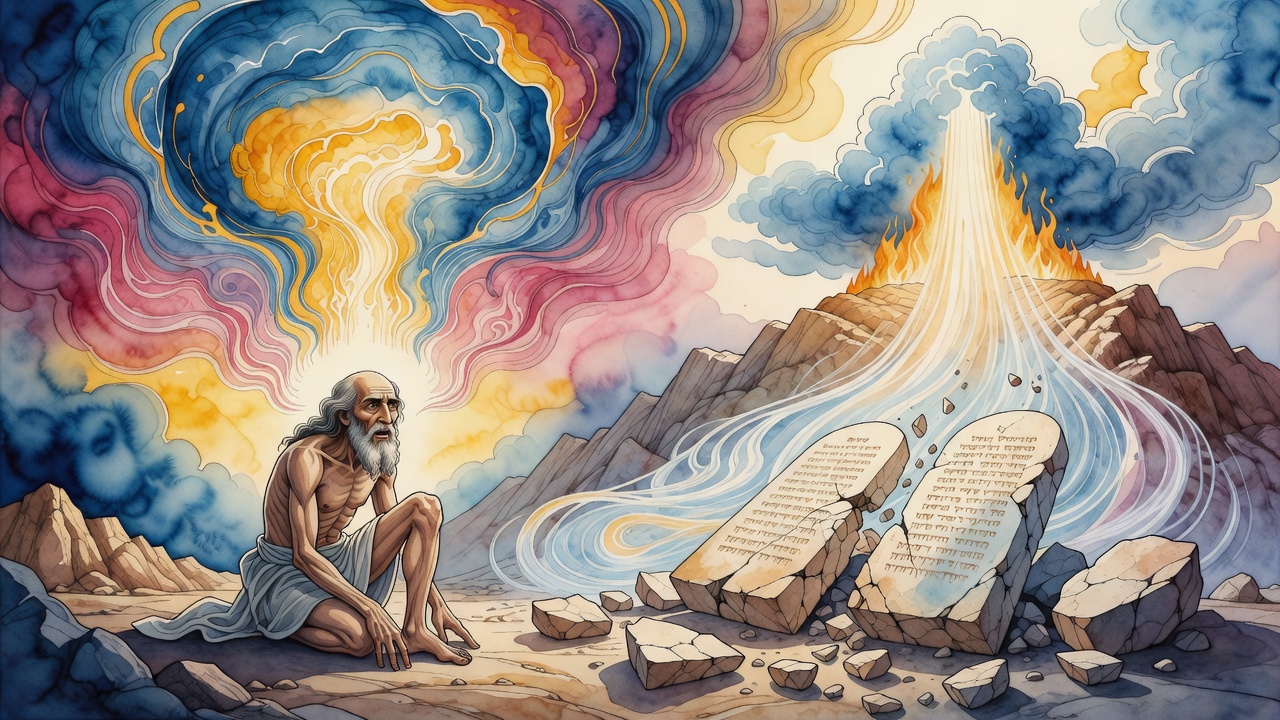
For forty days the young king ate nothing, and wisdom came down to him. At Sinai it went the other way. The letters lifted off the broken stone.
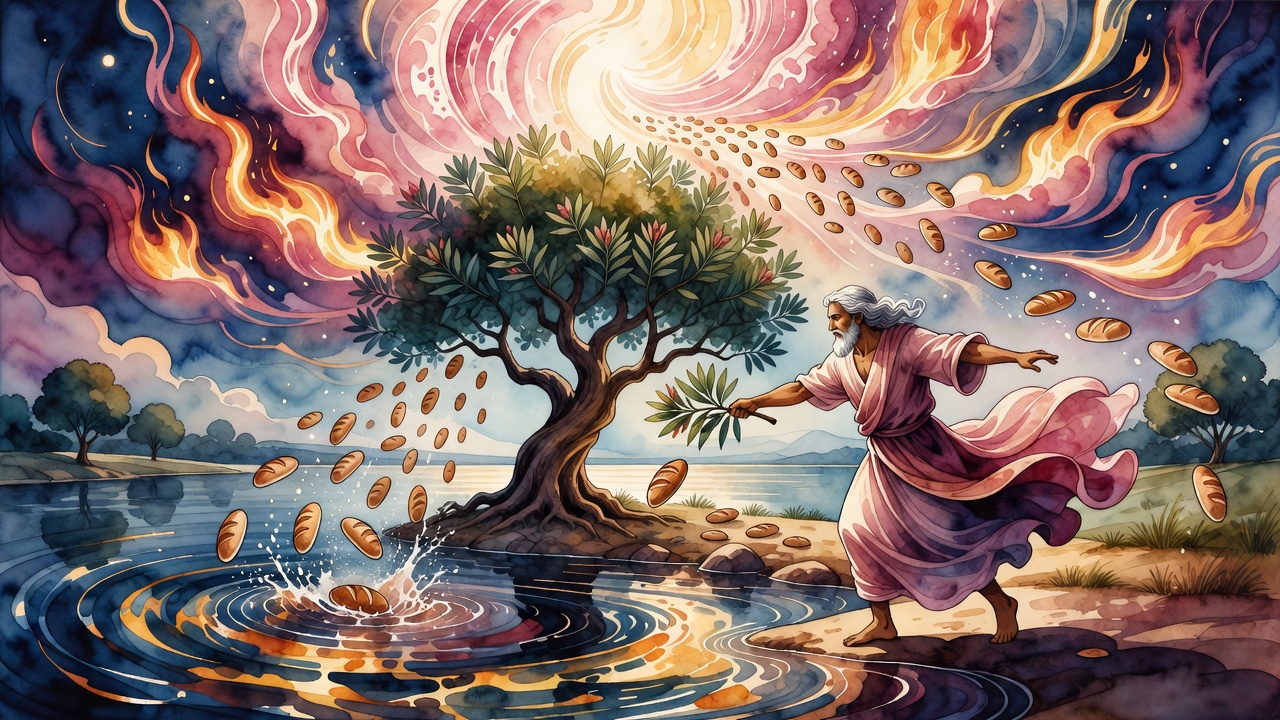
Moses writes God's Name on poisonous oleander and throws it into bitter water. Weeks later, heaven drops bread stored there since the first week of creation.
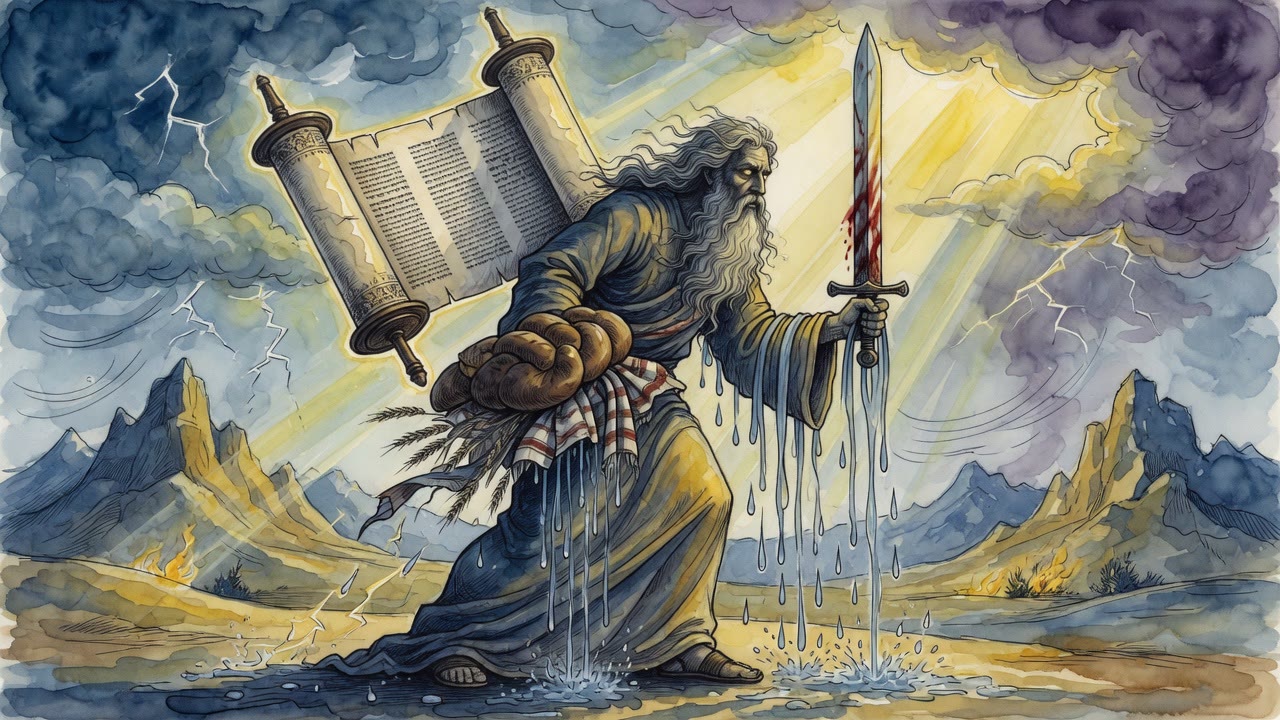
Pharaoh's daughter opened the basket and found a crying child. Compassion opened in her too. The Tikkunei Zohar calls that baby the Master of Tears.
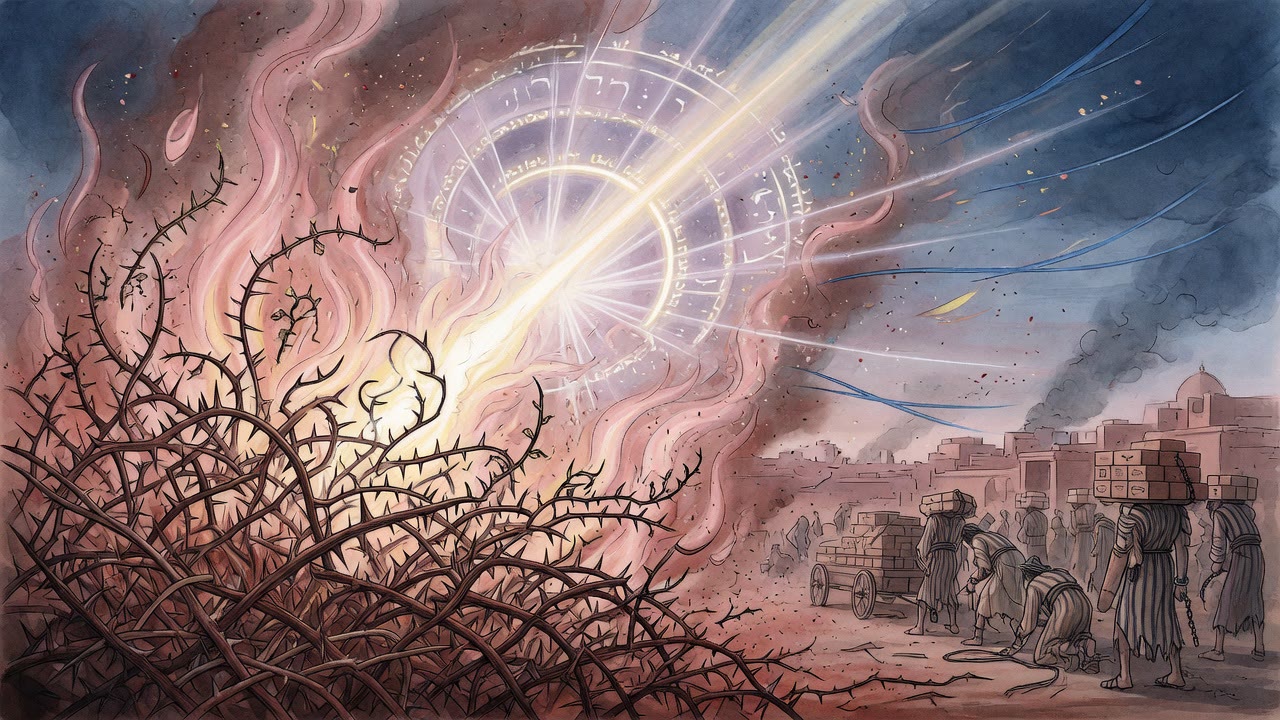
Moses sees fire in a thornbush that does not consume the branches. Shemot Rabbah hears God choosing to stand inside Israel's suffering before speaking.
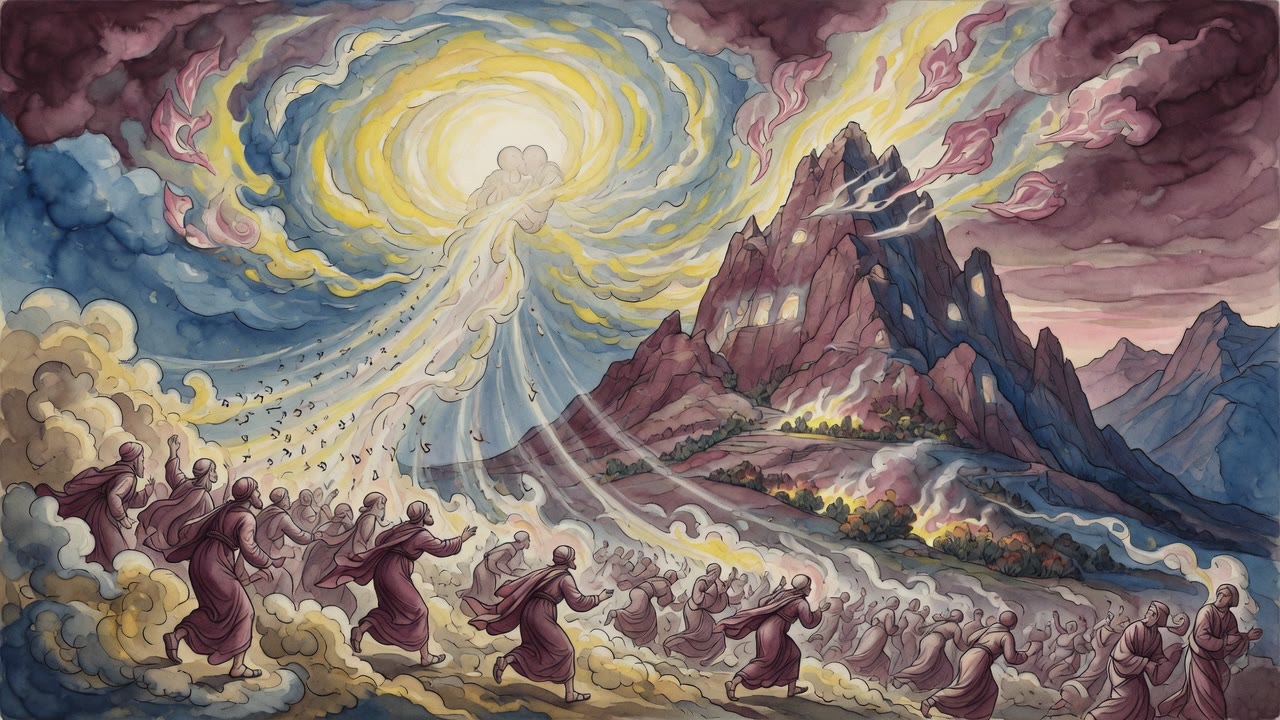
Israel at the sea begs God to speak close enough for song. Shir HaShirim Rabbah reads the Song's first verse as the moment thunder became tenderness.
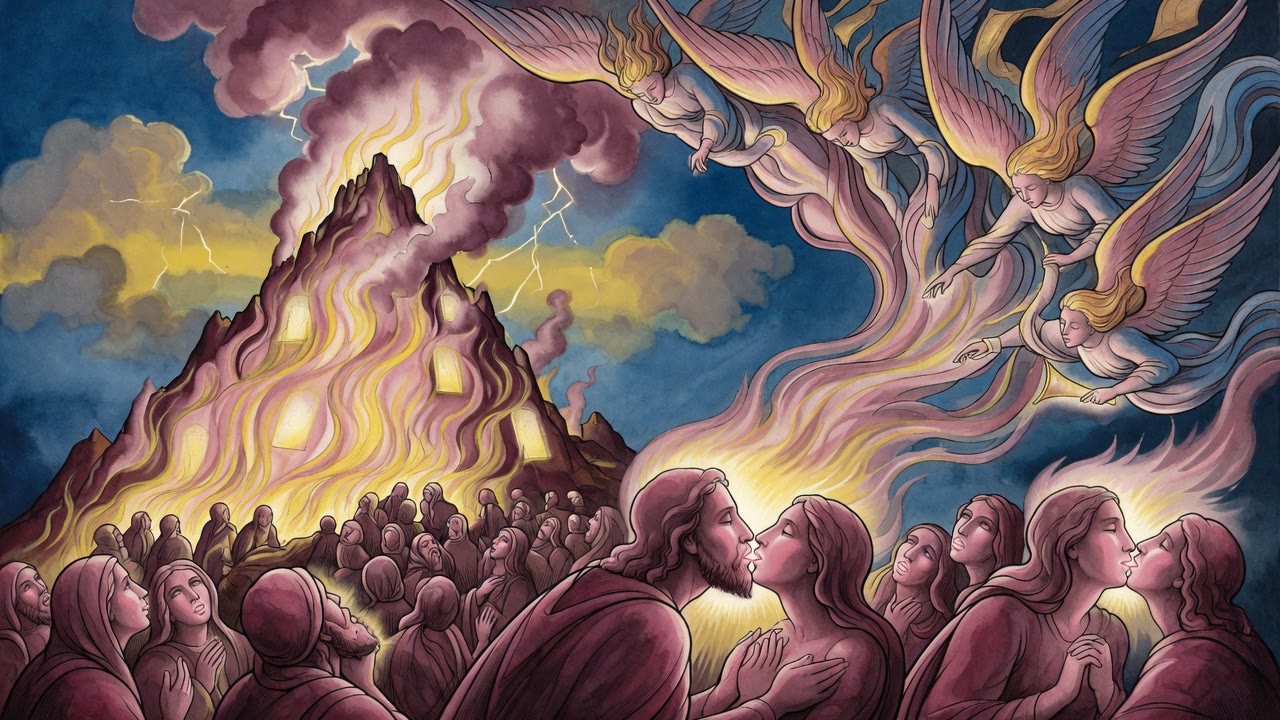
Esau ran at his brother with his mouth open like a man biting bread. Jacob's neck turned to marble. Esau's teeth broke on it, and the two of them wept.
