496 myths · Page 10 of 17
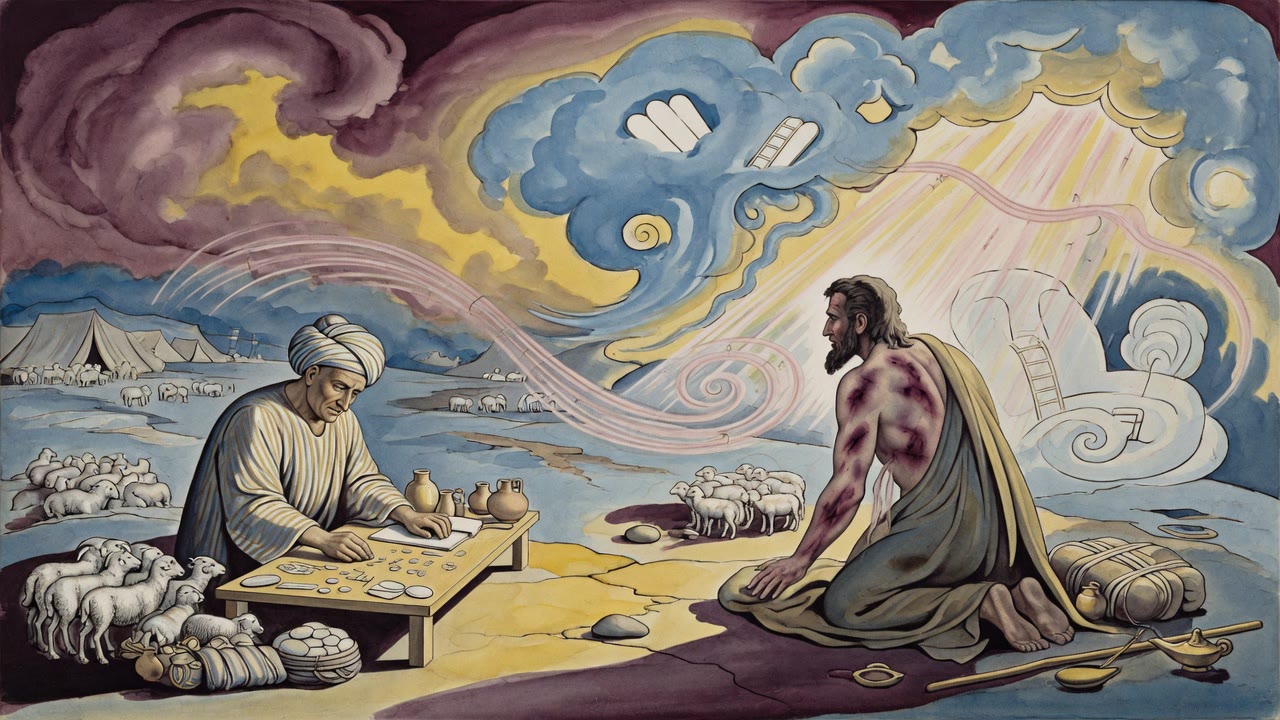
Laban ran out to embrace his nephew and found nothing on him worth taking. Twenty years later Jacob spent everything he had on his brother.
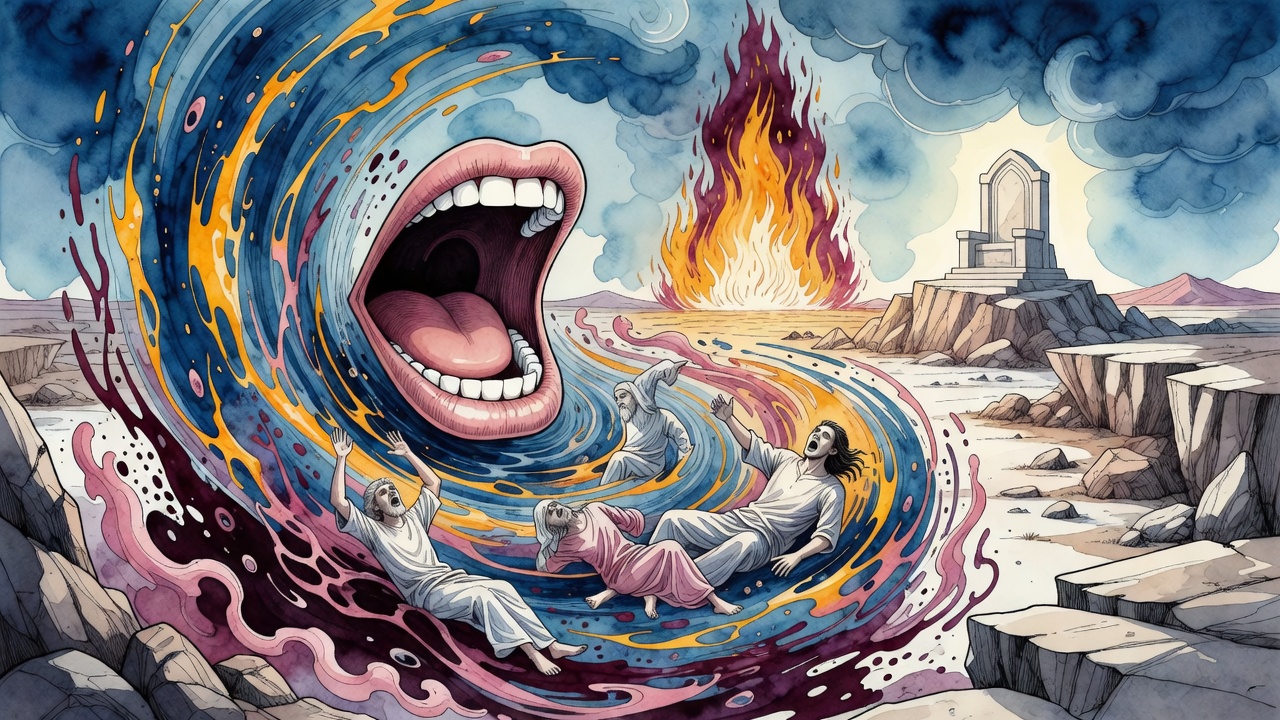
Doeg the Edomite told King Saul nothing but true things about the priest at Nob. Eighty five priests died for it, and so did Saul, and so did Doeg.
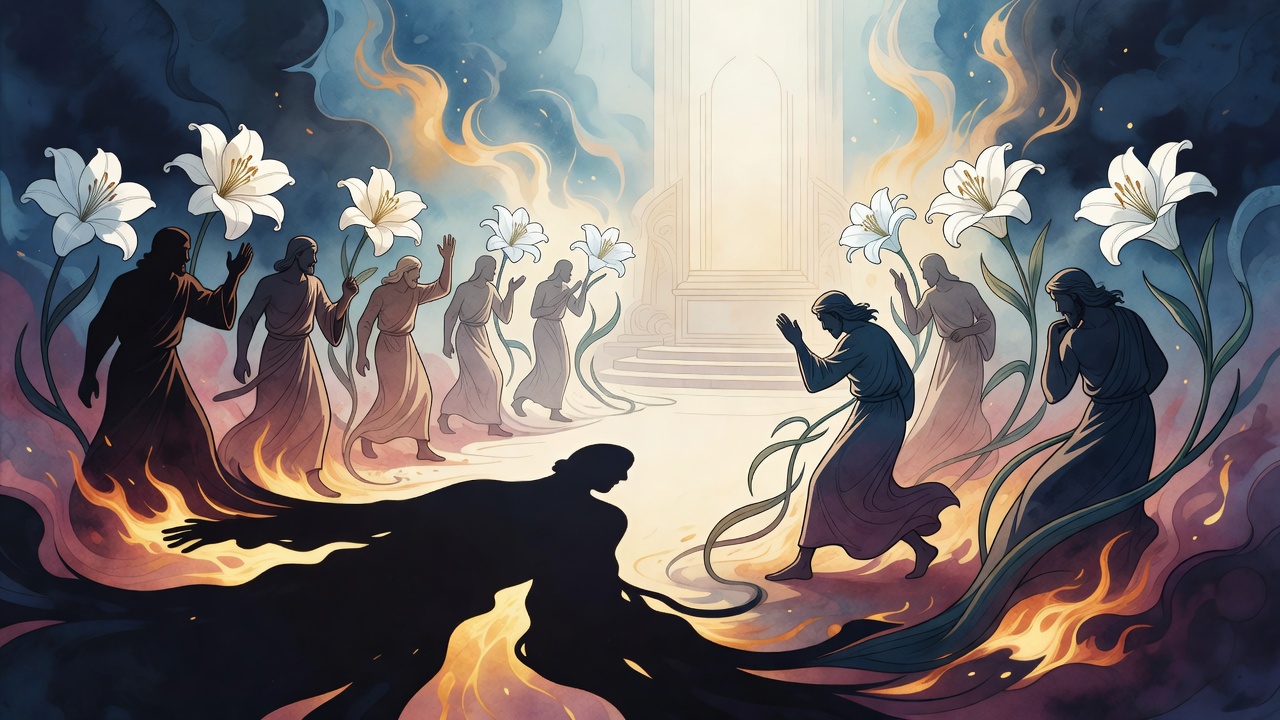
The camp called them thorns, the same as their father. When the fire came they named themselves lilies, and the ground left them a ledge.
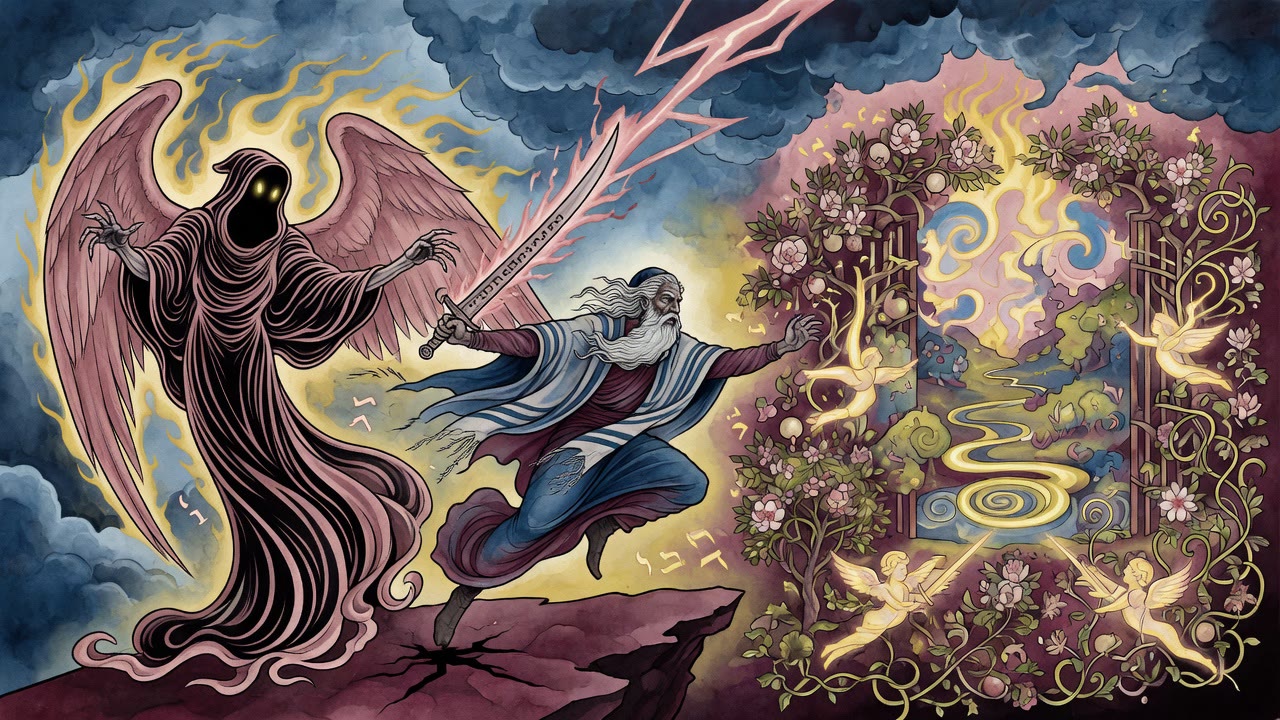
When Rome burned the sanctuary, the rabbis replaced altars with scrolls, tithes with scholarship, and the Temple platform with the page of Deuteronomy.
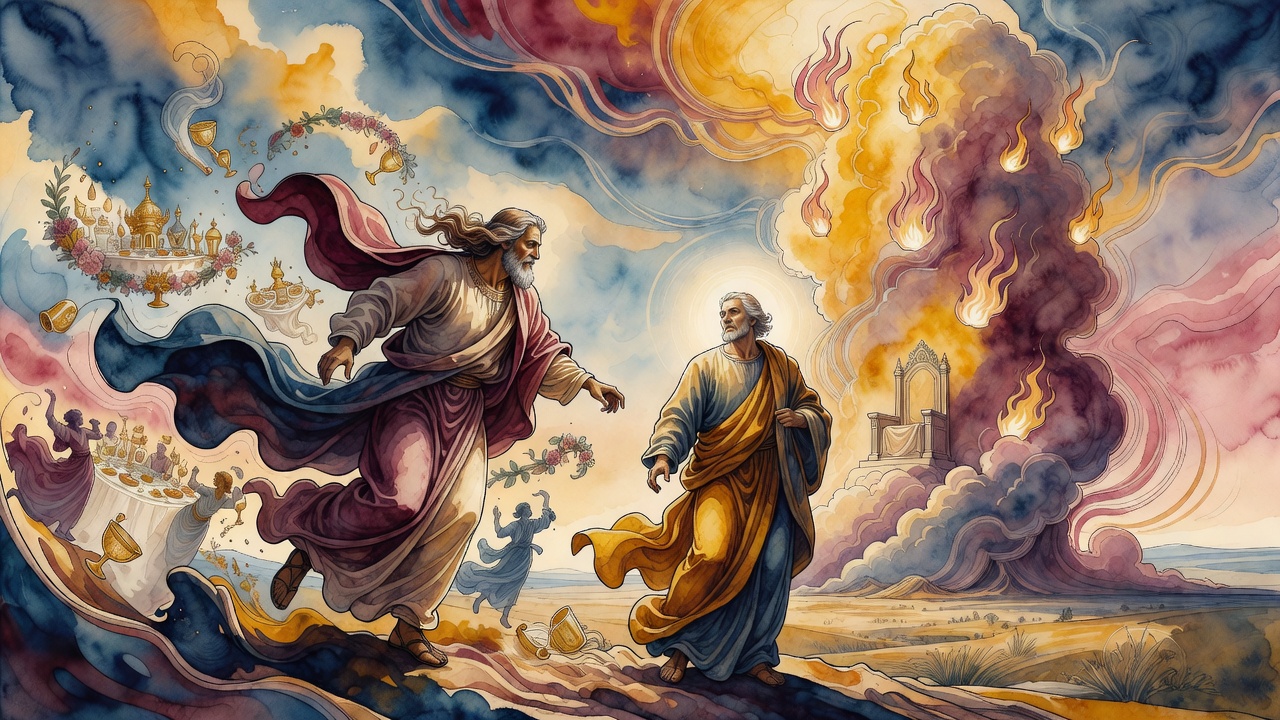
Solomon chased every pleasure under the sun and called it vanity. Kohelet Rabbah says he was waiting for Isaiah to finish the sentence he could not.
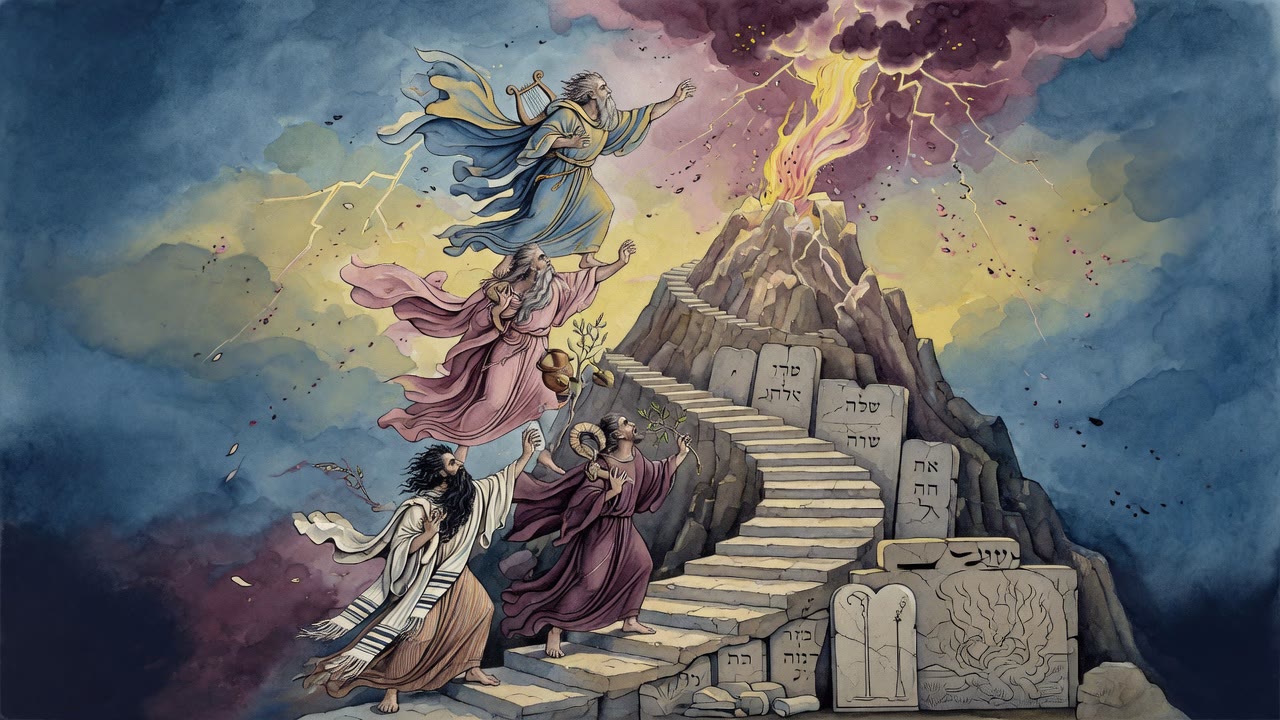
One more word from the mountain would have killed them. They sent Moses in. God agreed to speak through prophets after that.
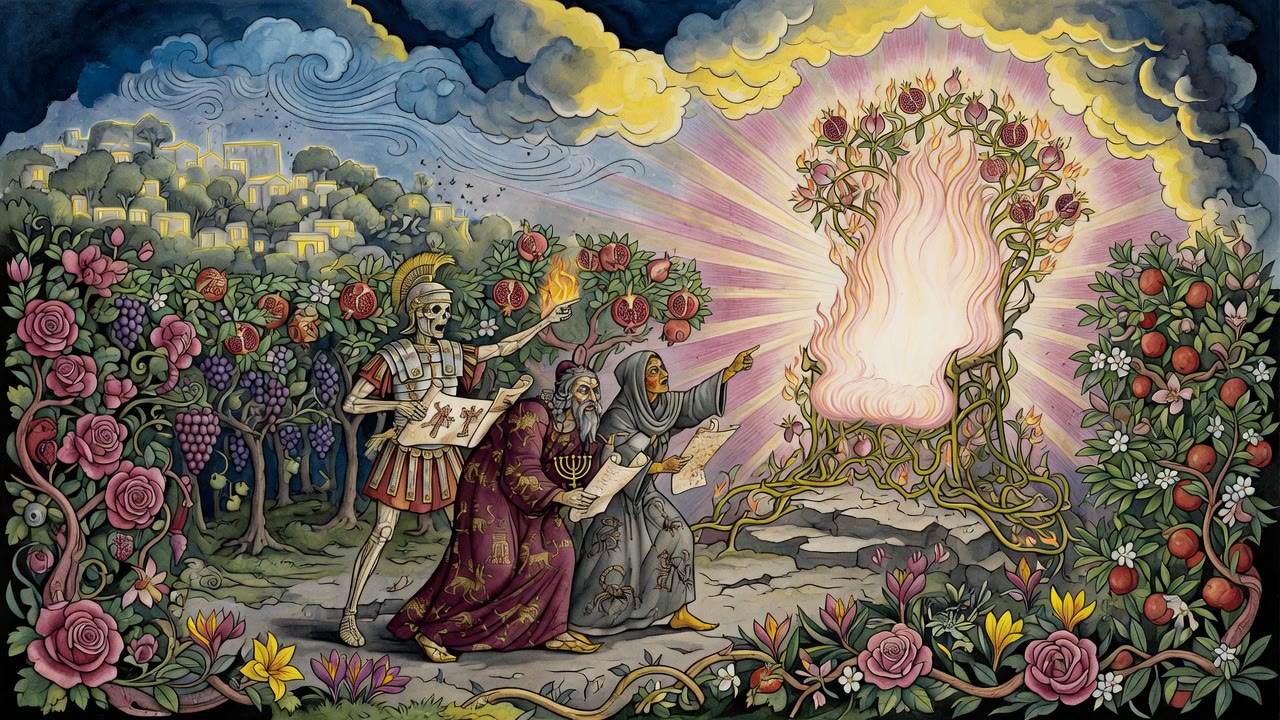
Angels demand the Torah at once. Nations sneer at freed slaves. Then a third voice asks whether Israel was ever worth the trouble at all.
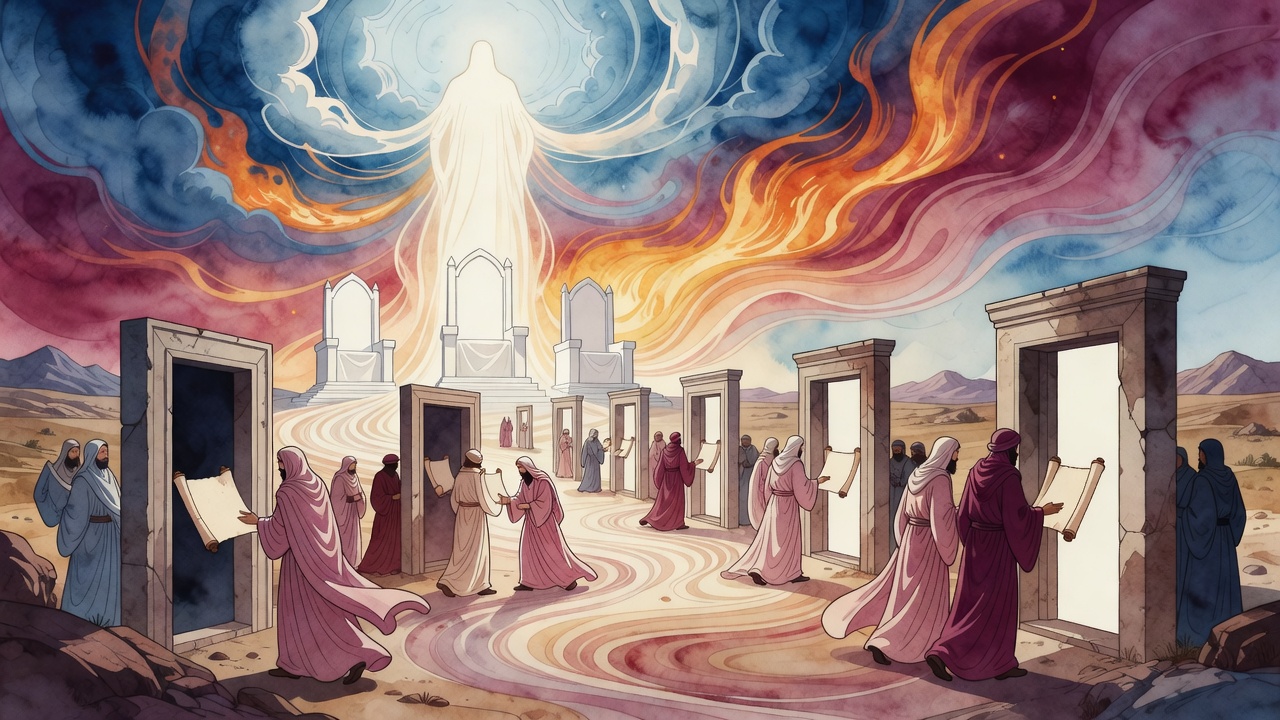
Cedars cracked and the hills ran. Houses filled with light that had no lamp behind it. The nations went looking for Balaam to ask what was coming.
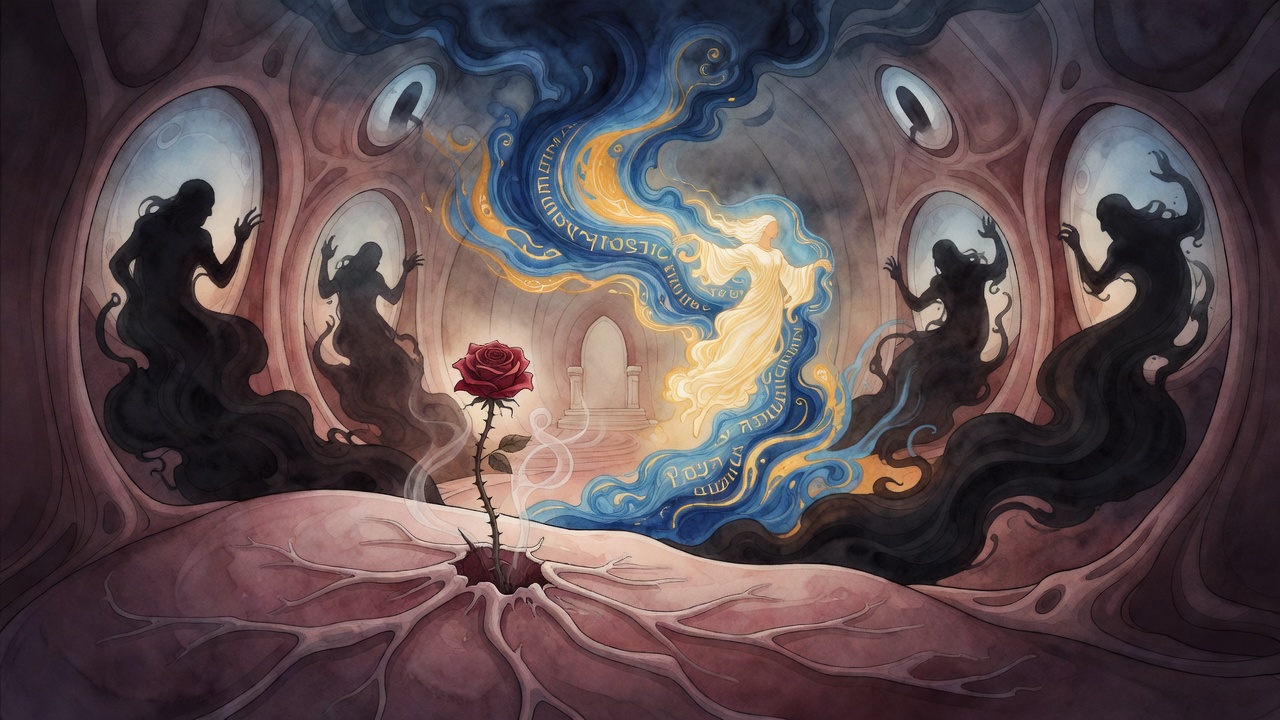
The slaughterer turned a lung and found a rose stuck where air should pass. That same cling had already taken hold in a living chest.
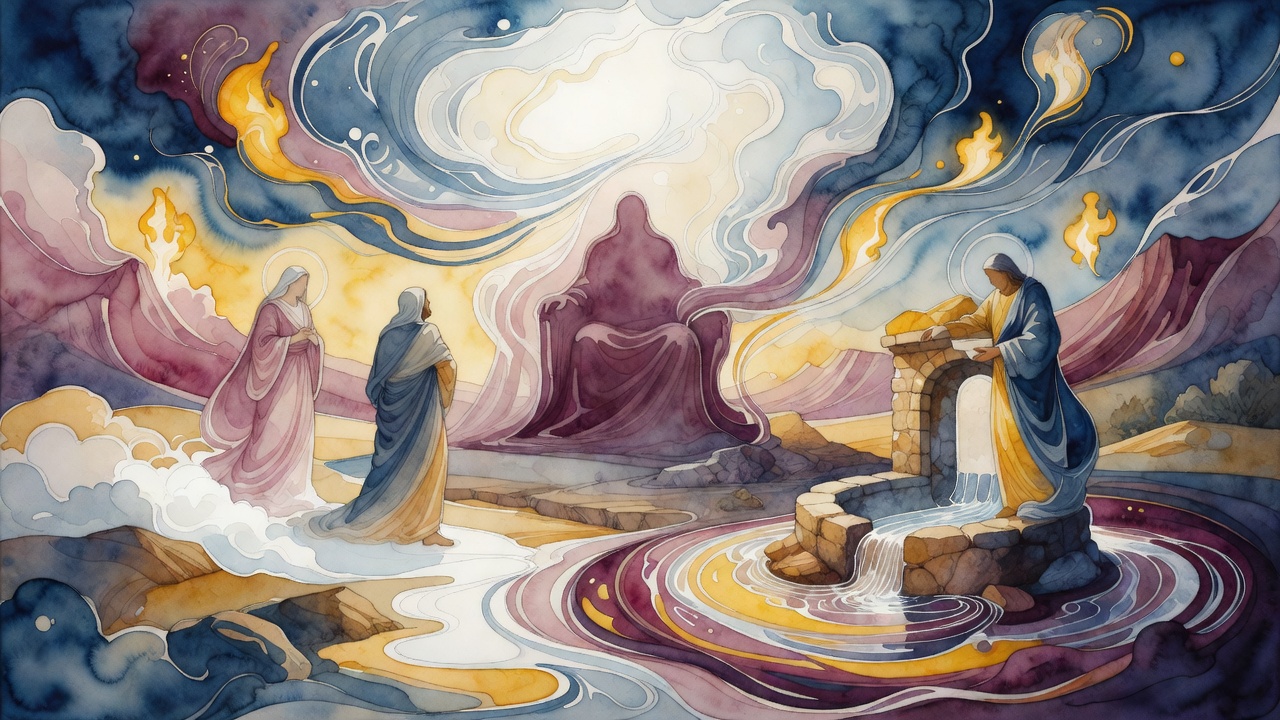
Abraham told her the hour for modesty was over. She uncovered, and the noblewomen said out loud that they were not worthy to let their children drink.
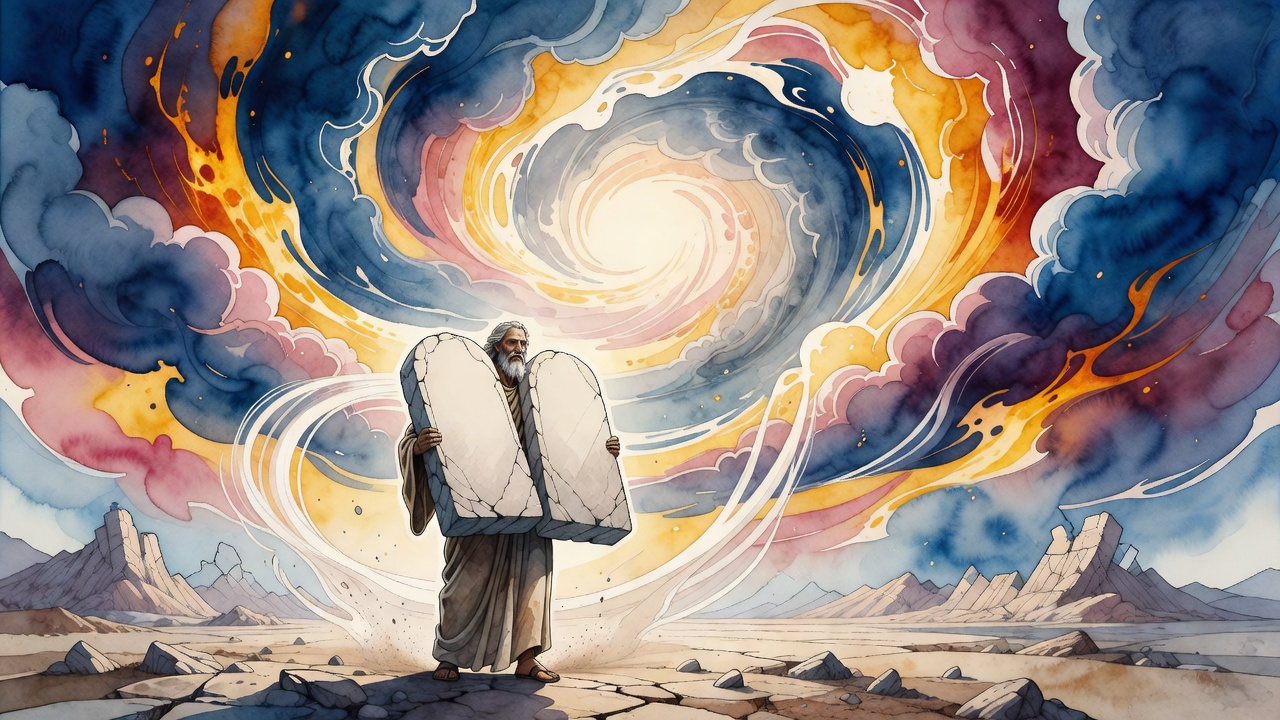
After the Golden Calf, Moses holds stone carved by human hands. Devarim Rabbah says God signed it with the word that begins and ends all creation.
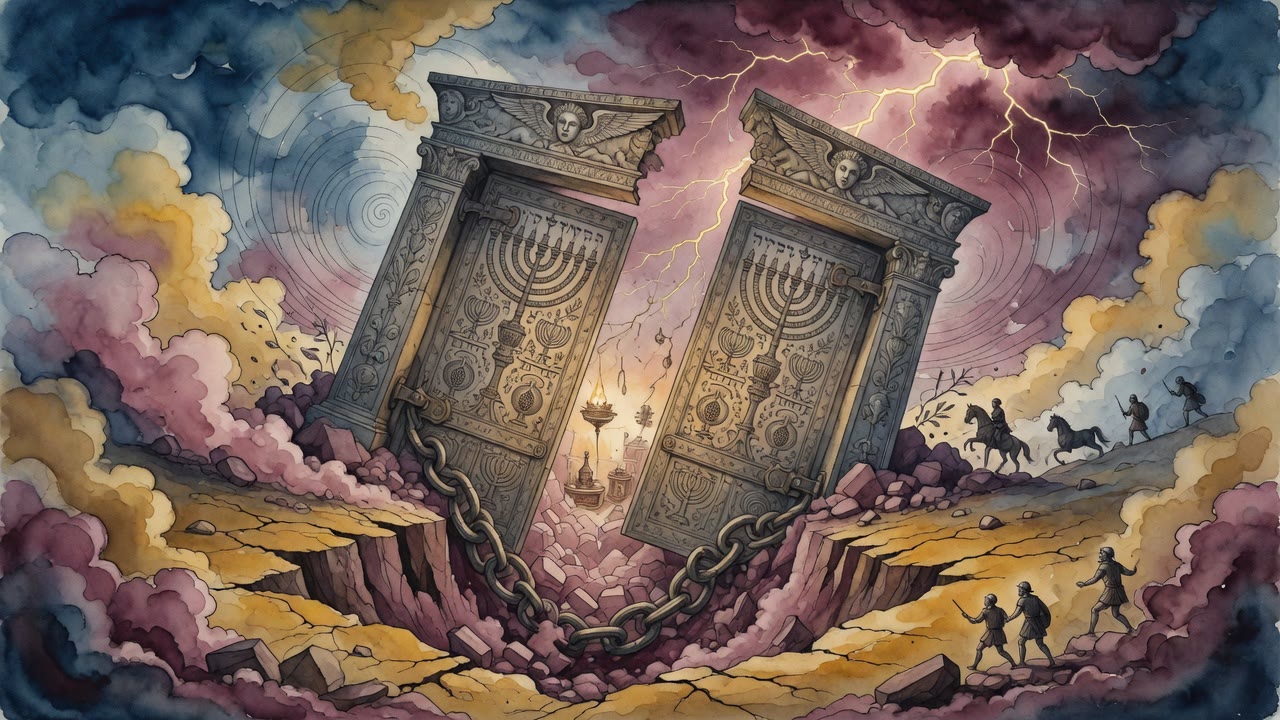
Eikhah Rabbah reads the Temple's ruin through a garden without water, gates that sank rather than be captured, and a wound as vast as the sea.
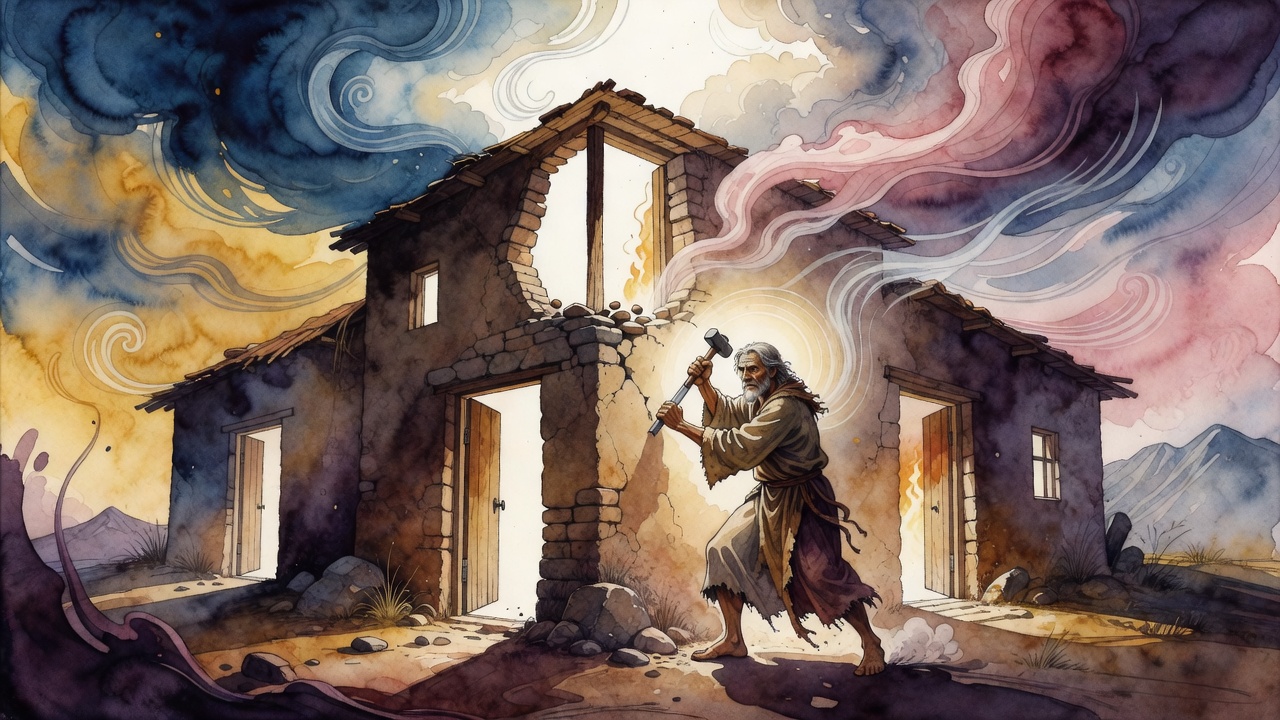
Two beggars met on a road. One was leaving Job's house. The other was walking toward it, naming the place the way a man names a town.
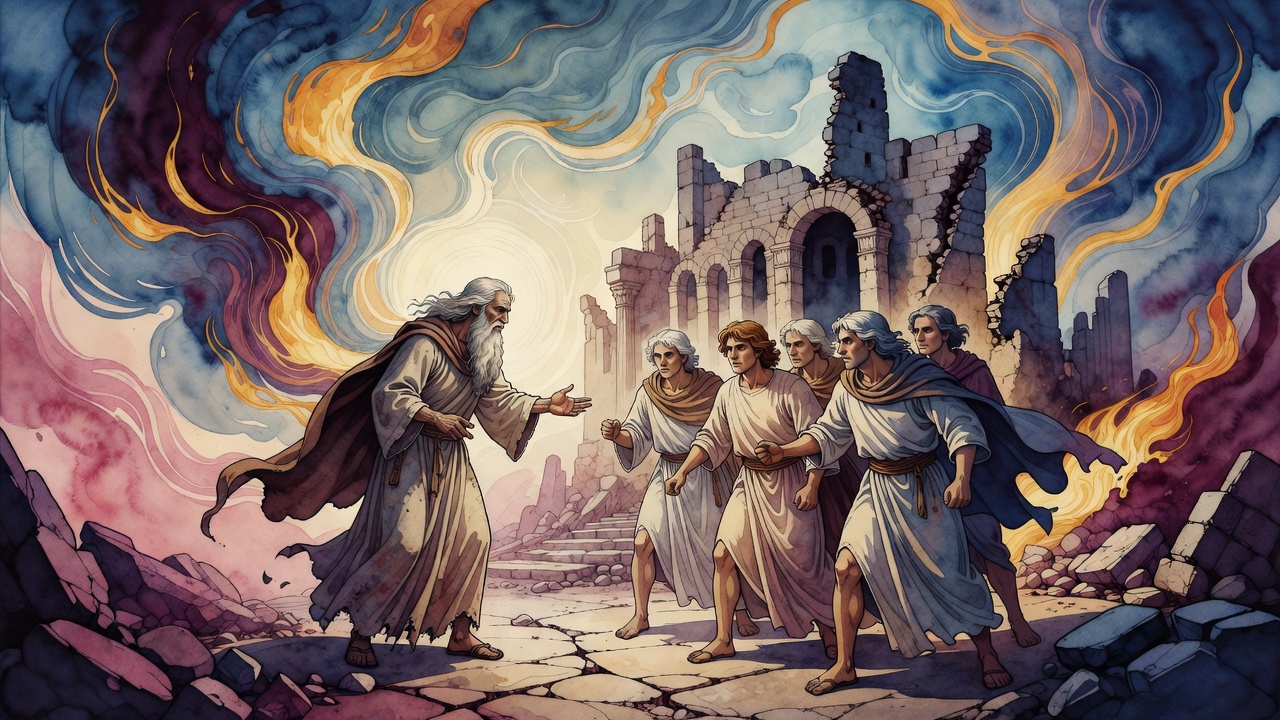
Soldiers came into the wilderness on a Sabbath and killed a thousand who would not fight back. Mattathias ruled that a man may fight to stay alive.
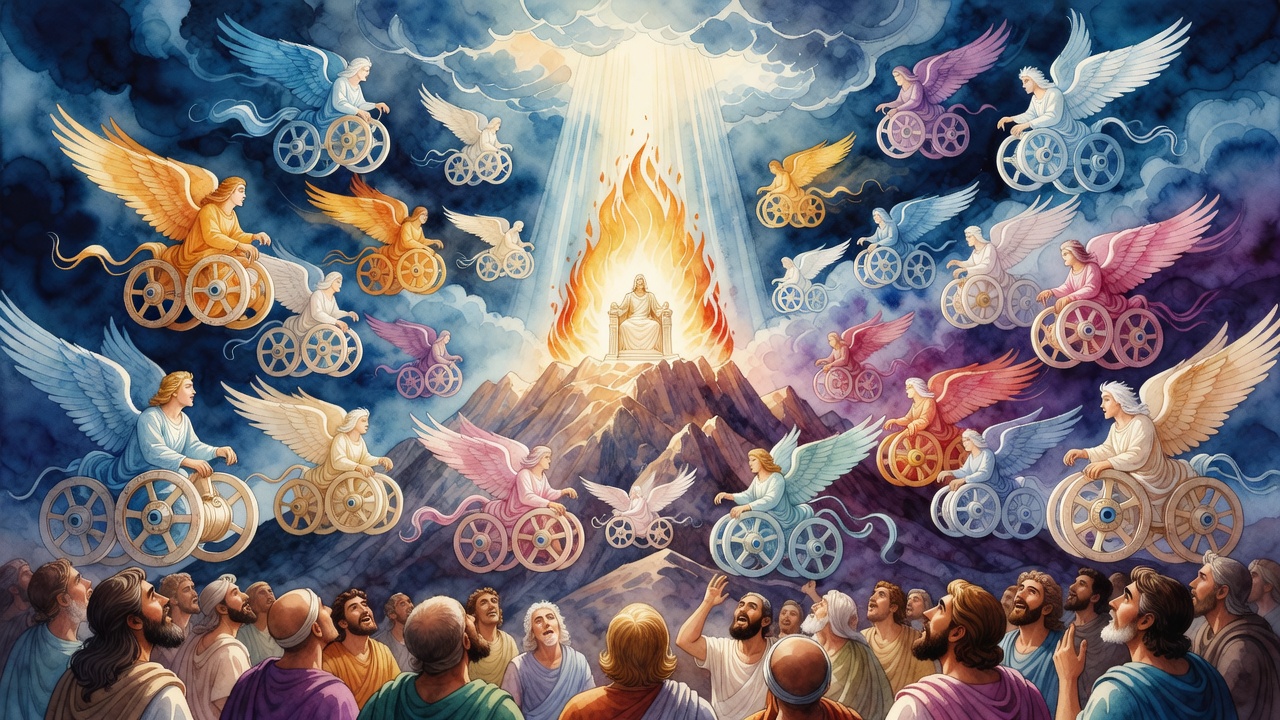
Rabbi Abdimi counted the angels who came down with God at the mountain. Every one of their chariots looked like the one Ezekiel saw by the river.
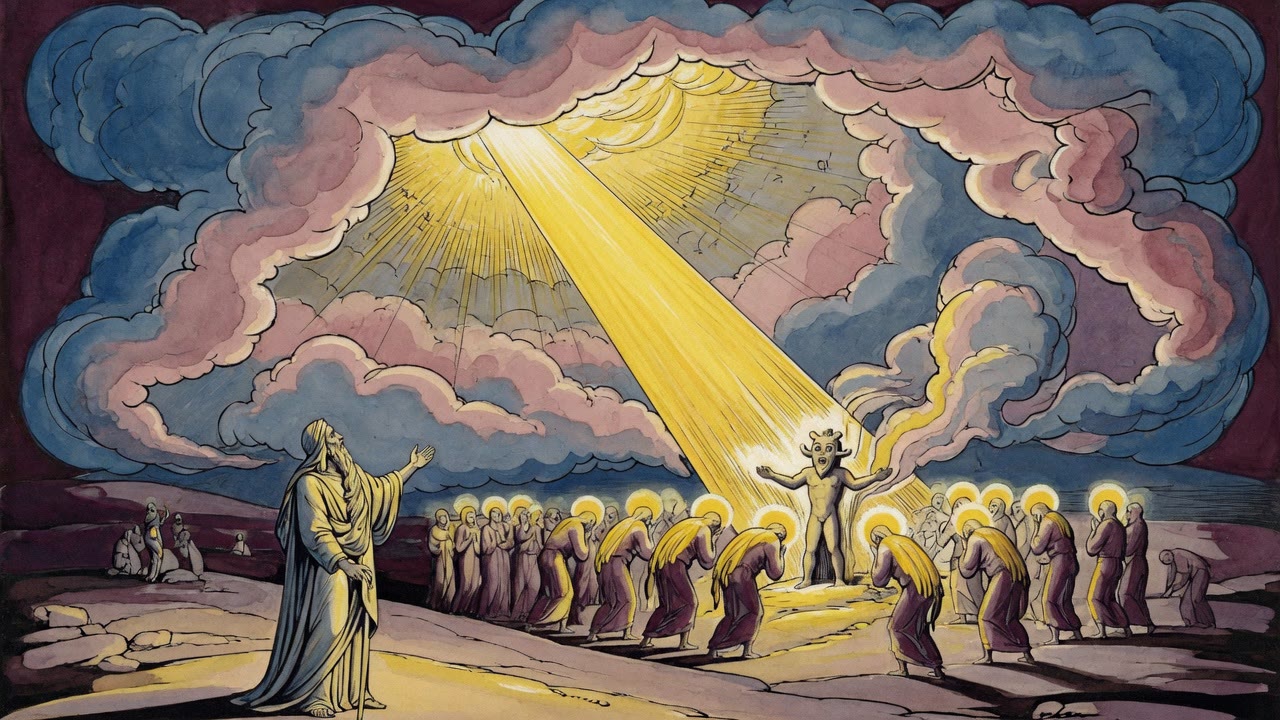
Moses drove Jethro's sheep forty days to reach Horeb. The empty desert already held the manna, the well, and the clouds of glory.
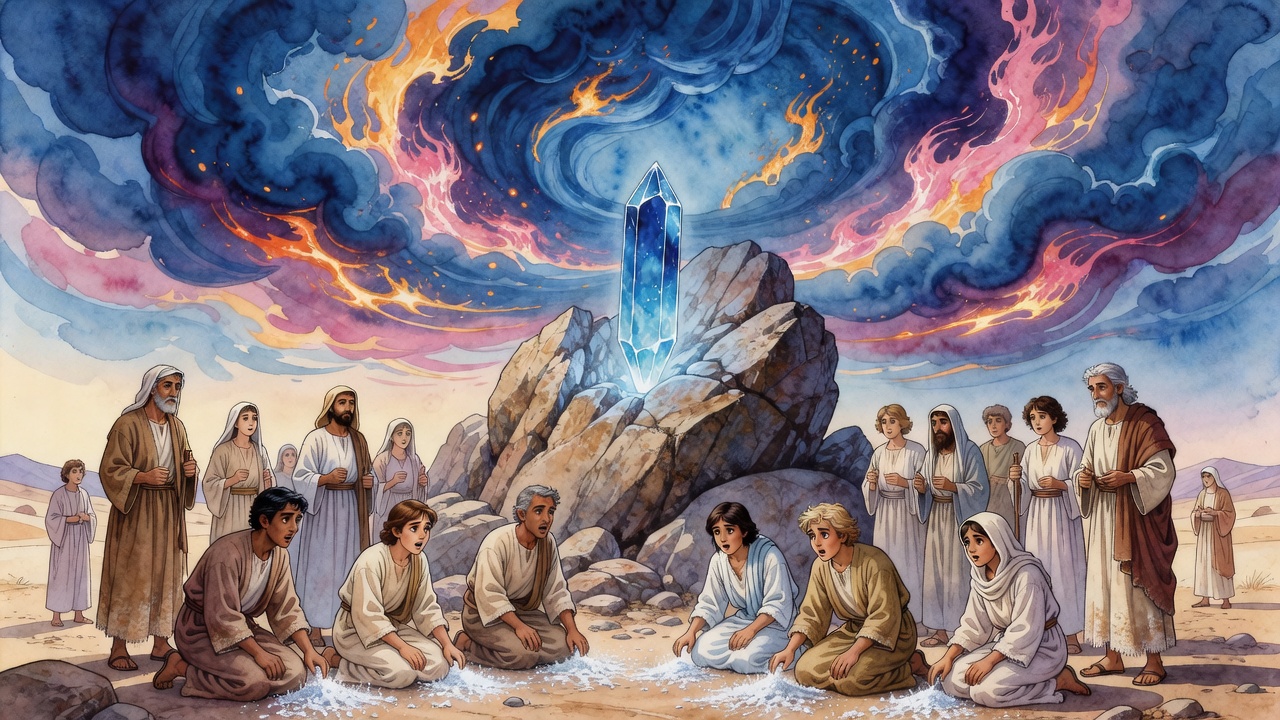
The desert was white before anyone had a name for the stuff on it. A man turned to his neighbor. Man hu, he said. The question became breakfast.
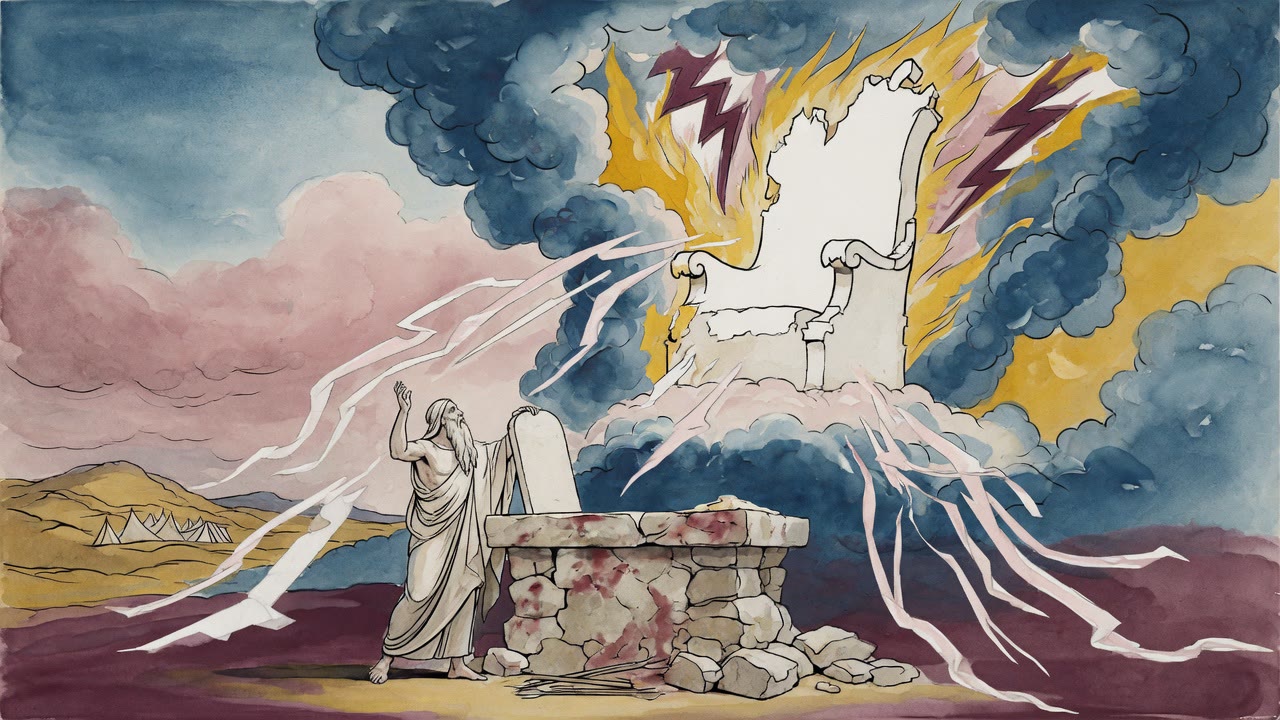
After Rephidim, Moses names shared trouble at the altar while God swears the divine name and throne stay incomplete until Amalek is erased.
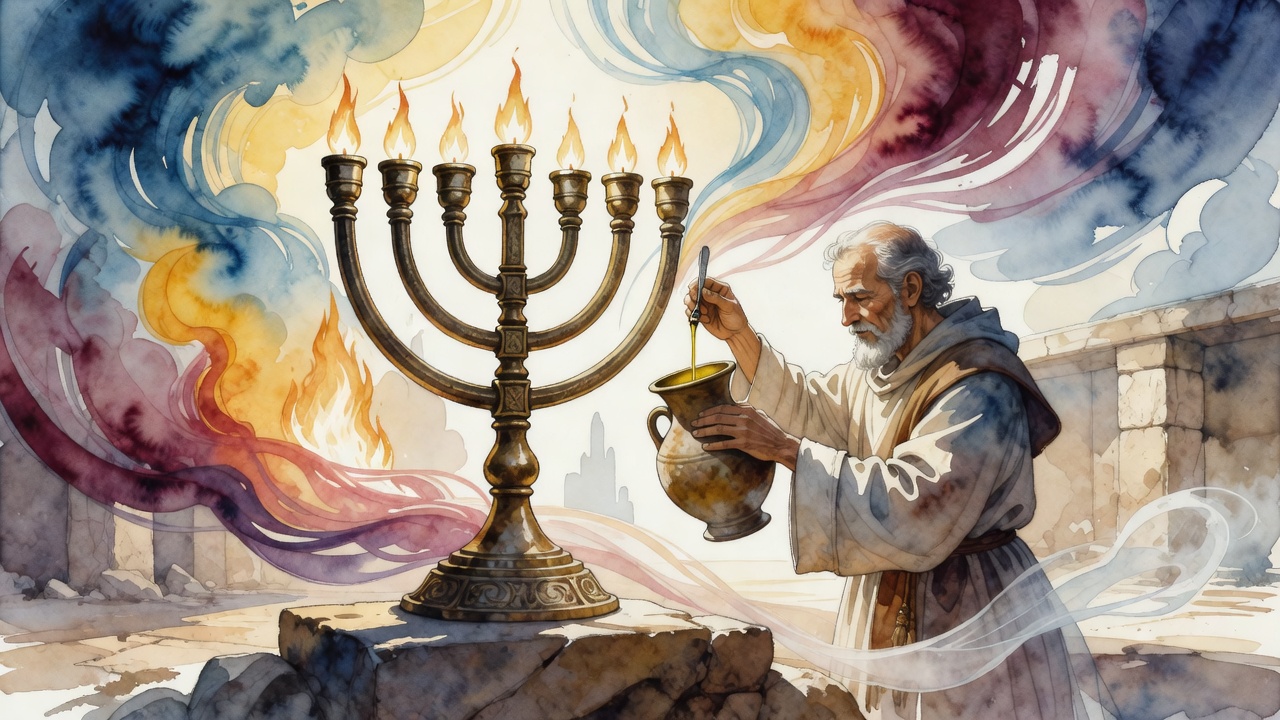
A priest presses olive oil into the cups and trims the wicks. God needs none of it. The flame burns for the hands that light it, not for heaven.
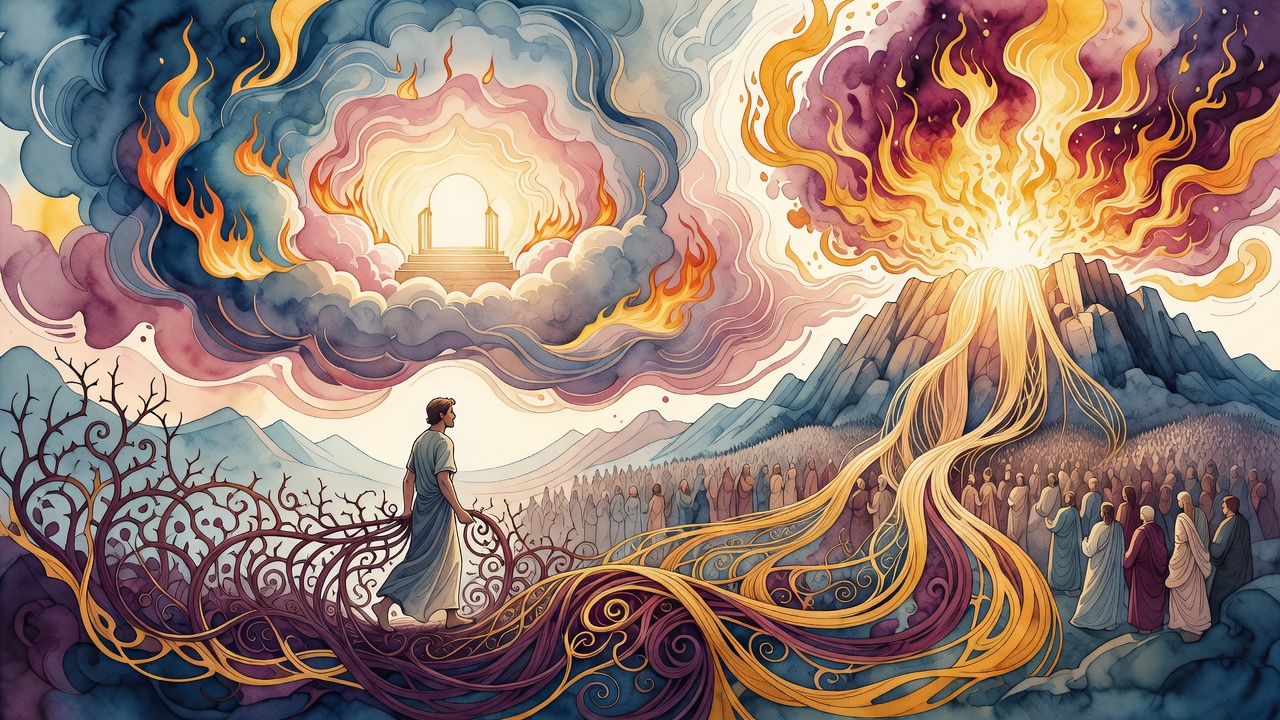
She set the last jar down and checked herself again. This time the blood was there. Rabban Gamliel went white in the doorway.
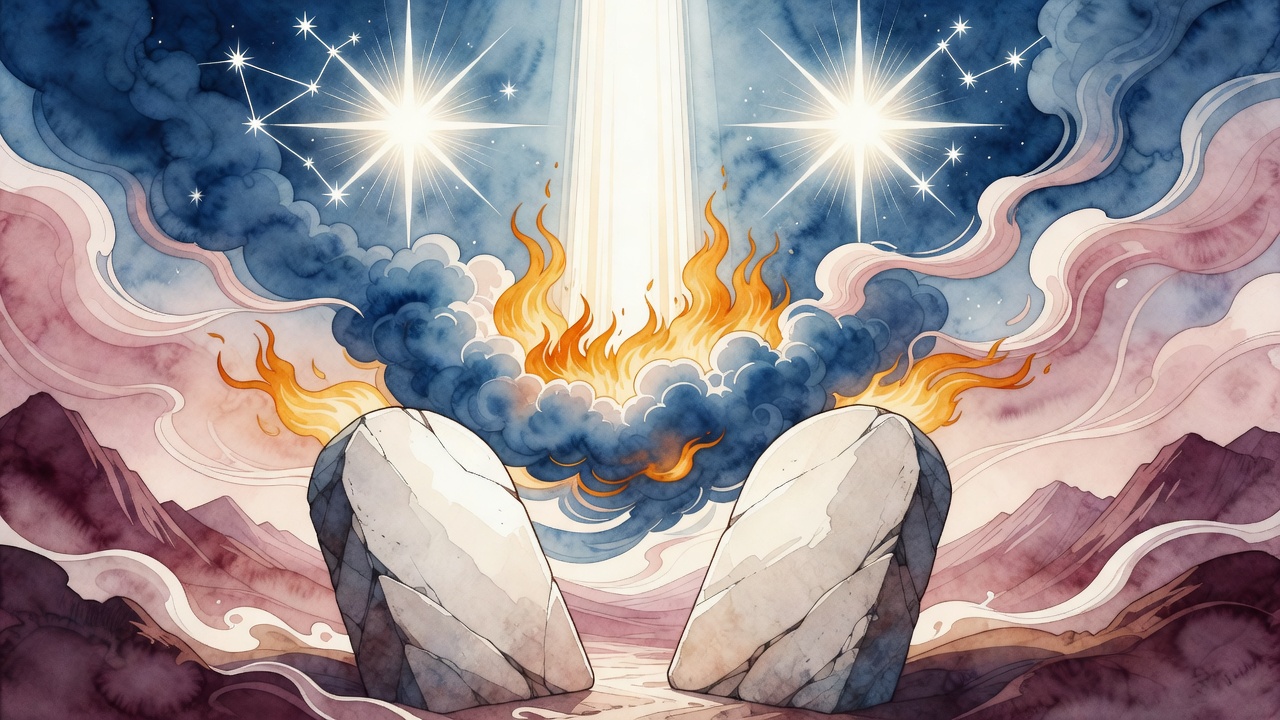
Wicked Esau could still walk in and learn, God said, and pointed at the calendar. That was the whole answer the nations were given.
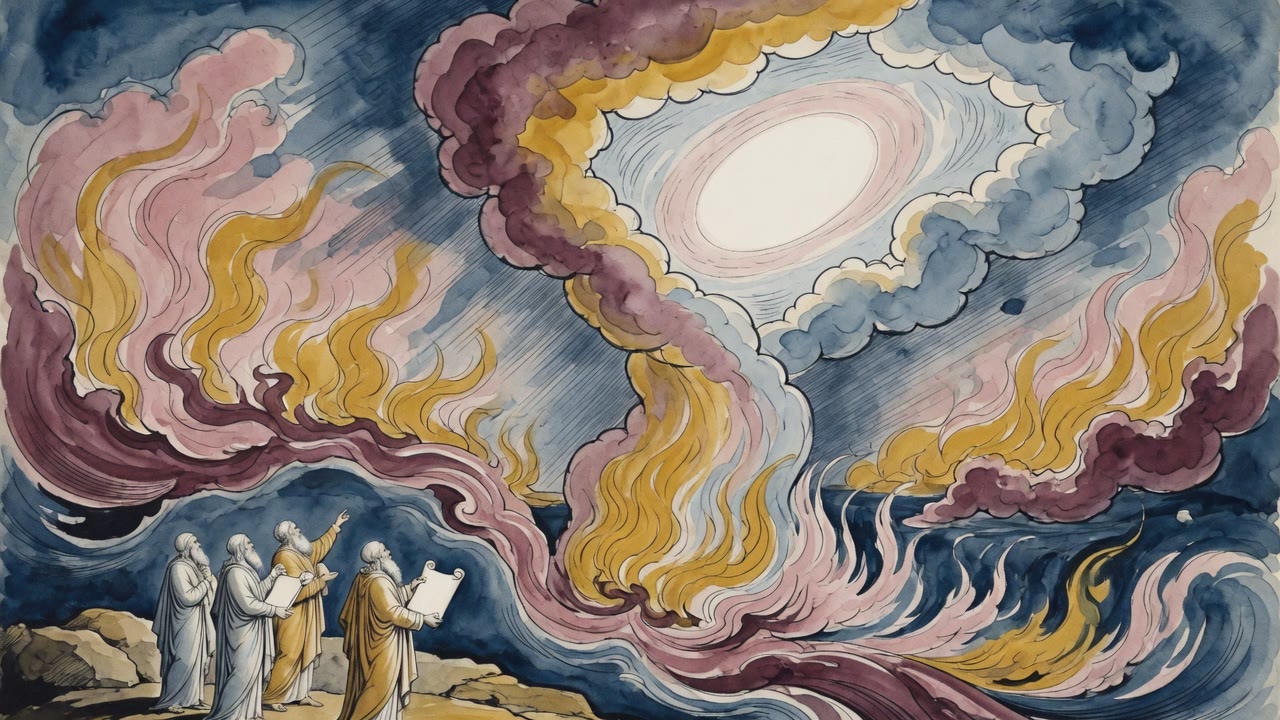
Rabbi Eliezer said rain rises from the sea. Rabbi Joshua said it drops from above the sky. Between them they made the heavens a millstone grinding the ocean.
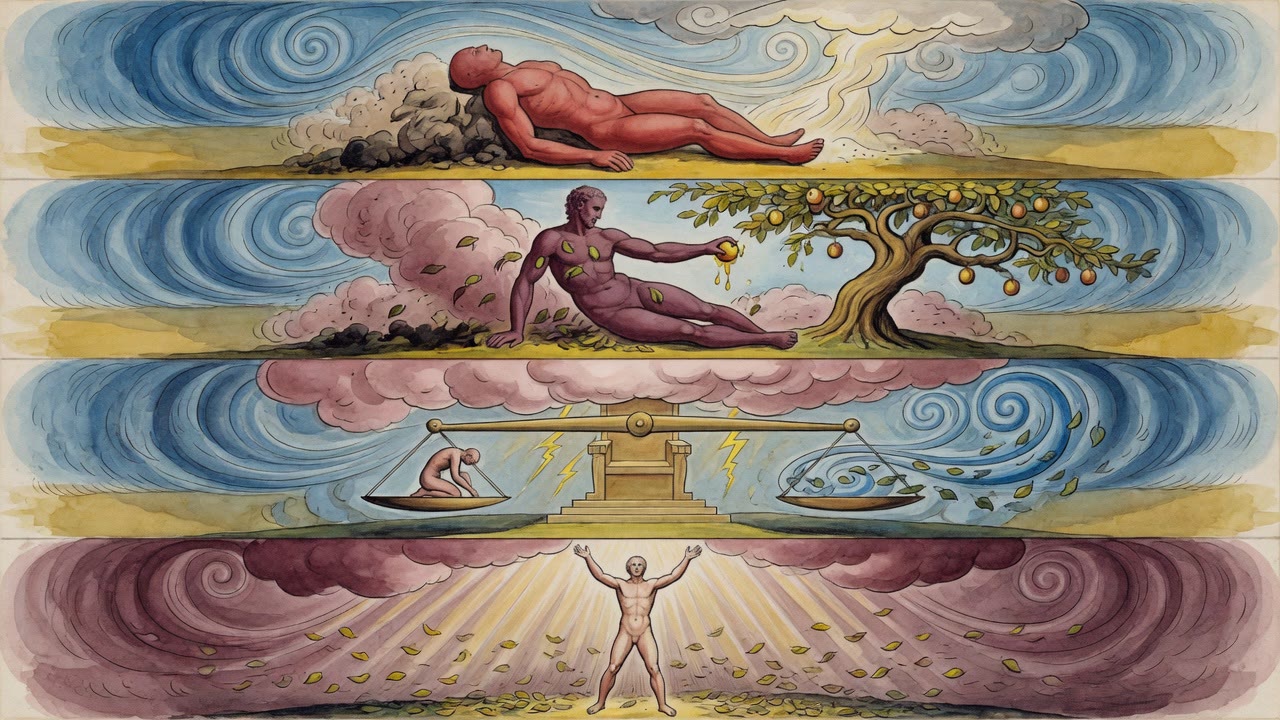
Before God shaped Adam from dust, the Torah argued against it. Adam came out anyway, built from four corners of the earth, already circumcised, lacking nothing.
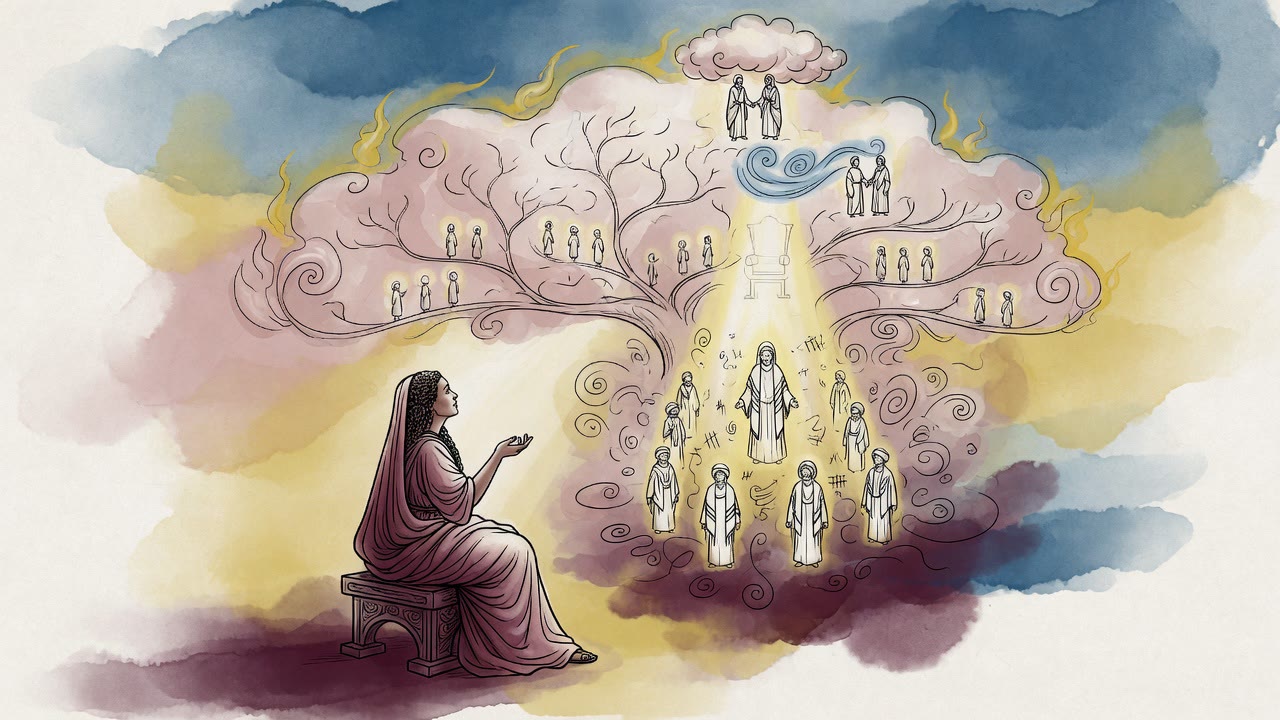
All Israel lined the path when Moses walked to the Tent. Then God told him to go back to the camp, and he said no.
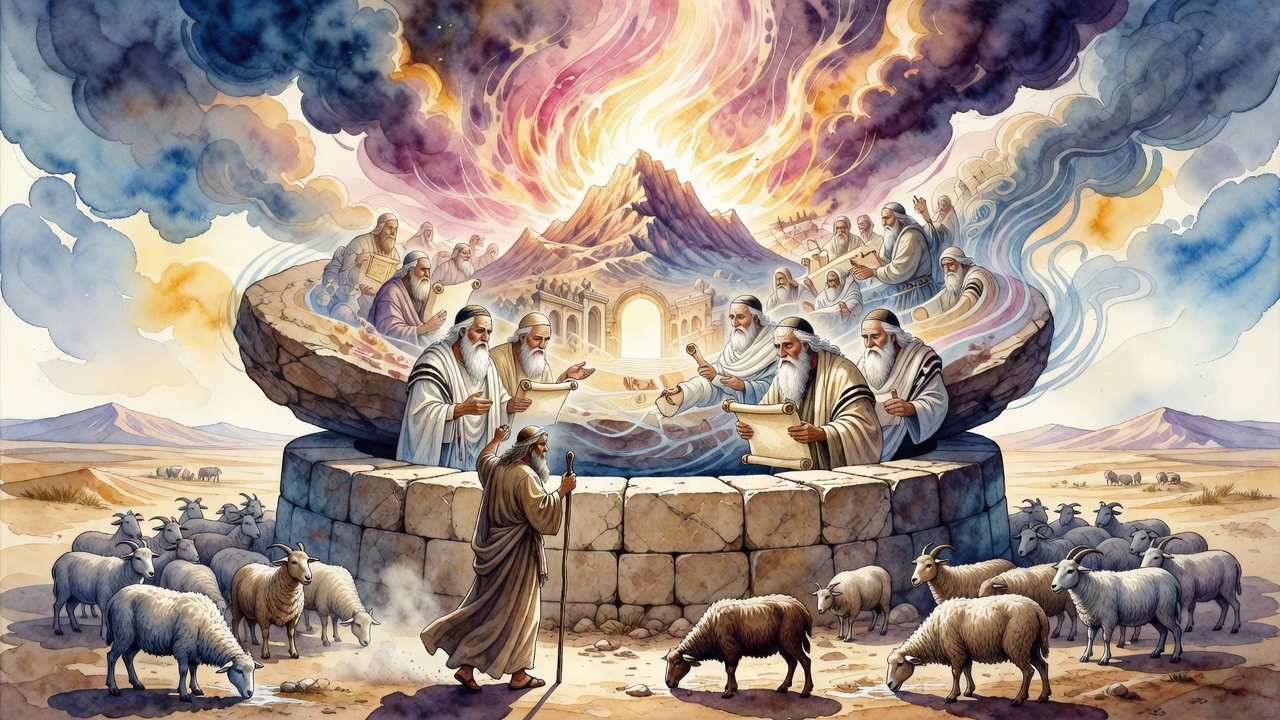
Jacob had not lain down to sleep in fourteen years. God told him to lie down, and he argued back that the sun was still too high in the sky.
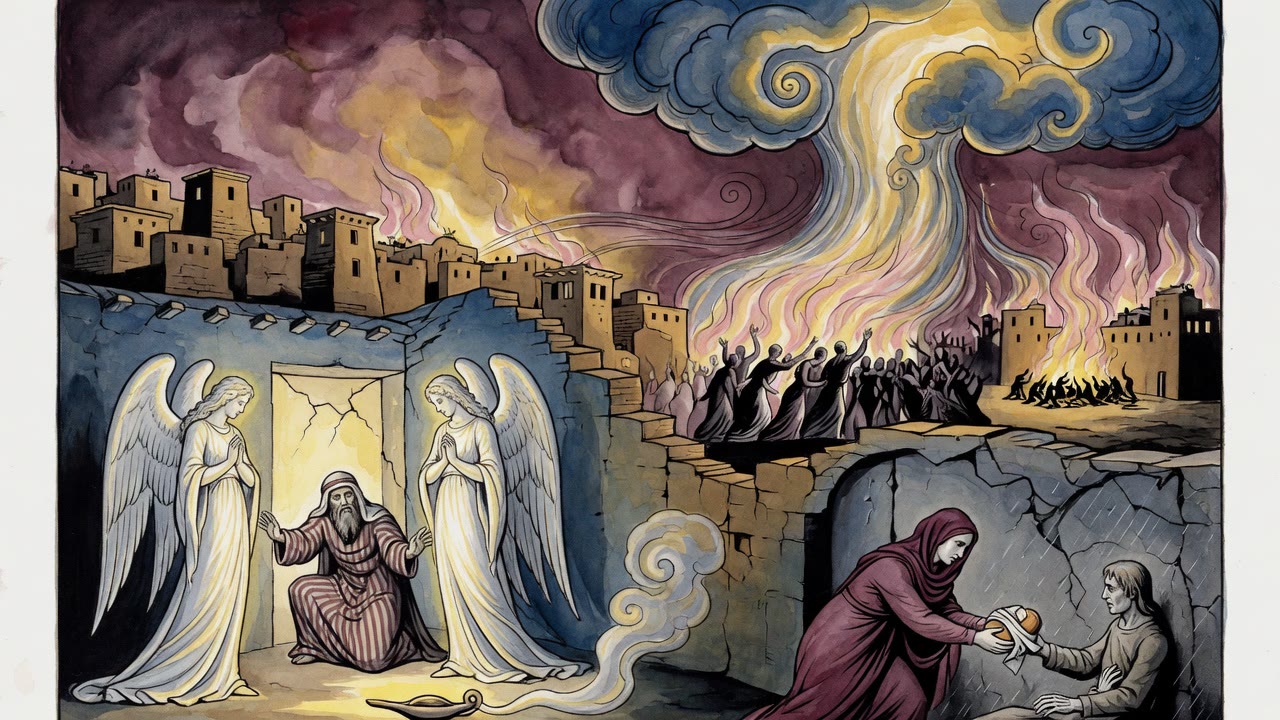
In a city where feeding a stranger means death by fire, Lot hides two angels and his daughter Plotit smuggles bread to a starving man.
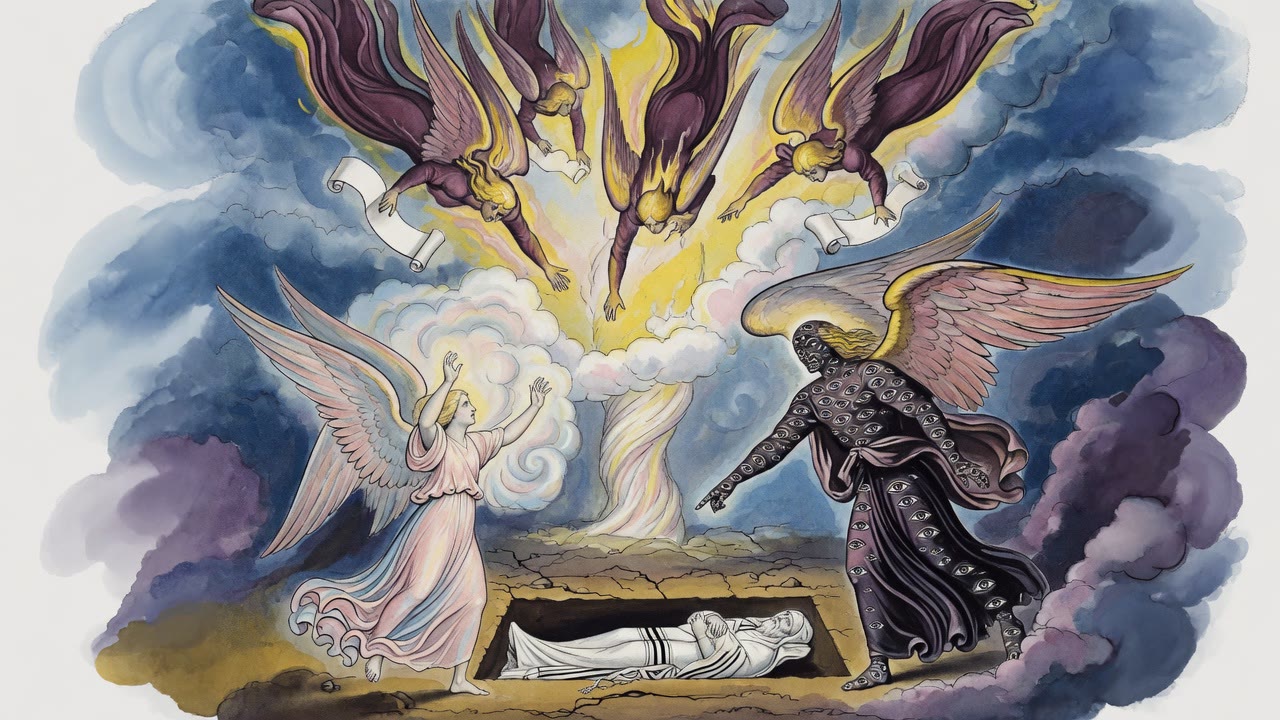
The dogs howled when the Angel of Death came through the door, covered in eyes. Then God asked the dead man what Torah he had studied.
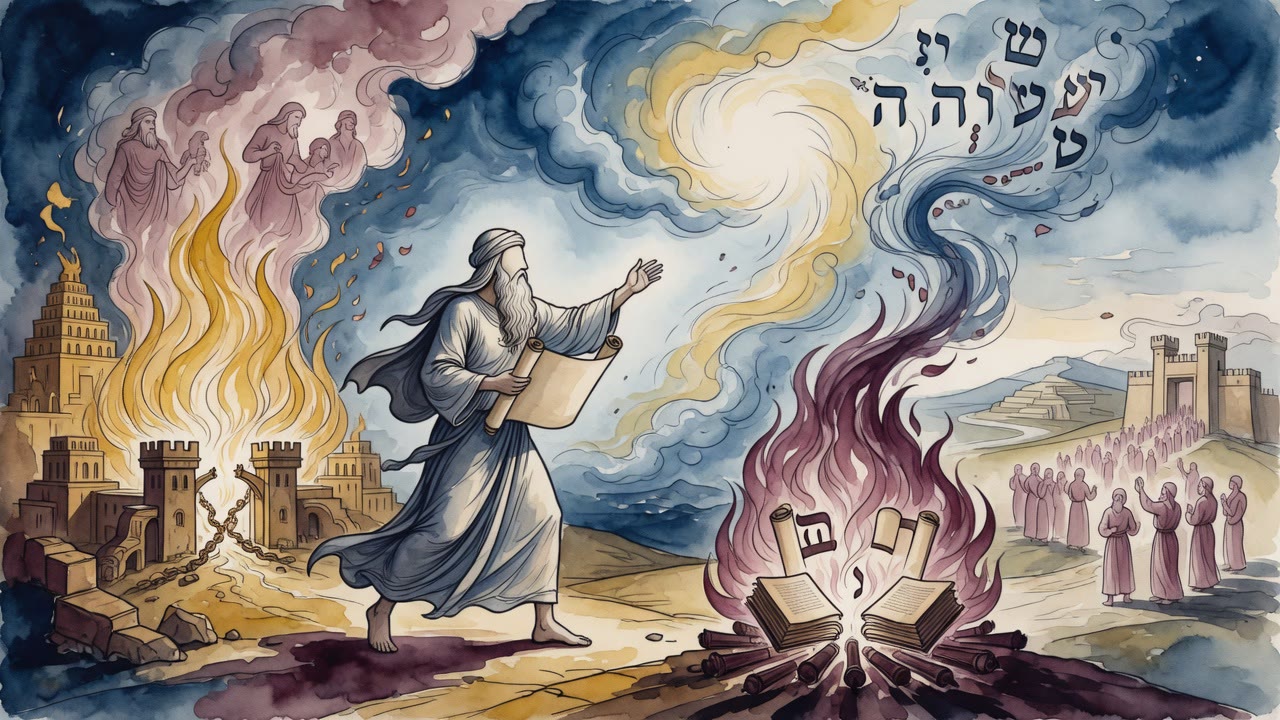
Two fires drove Ezra home from exile, a hunger for the bloodline and a hunger for Torah, into a country that answered his summons in a whisper.
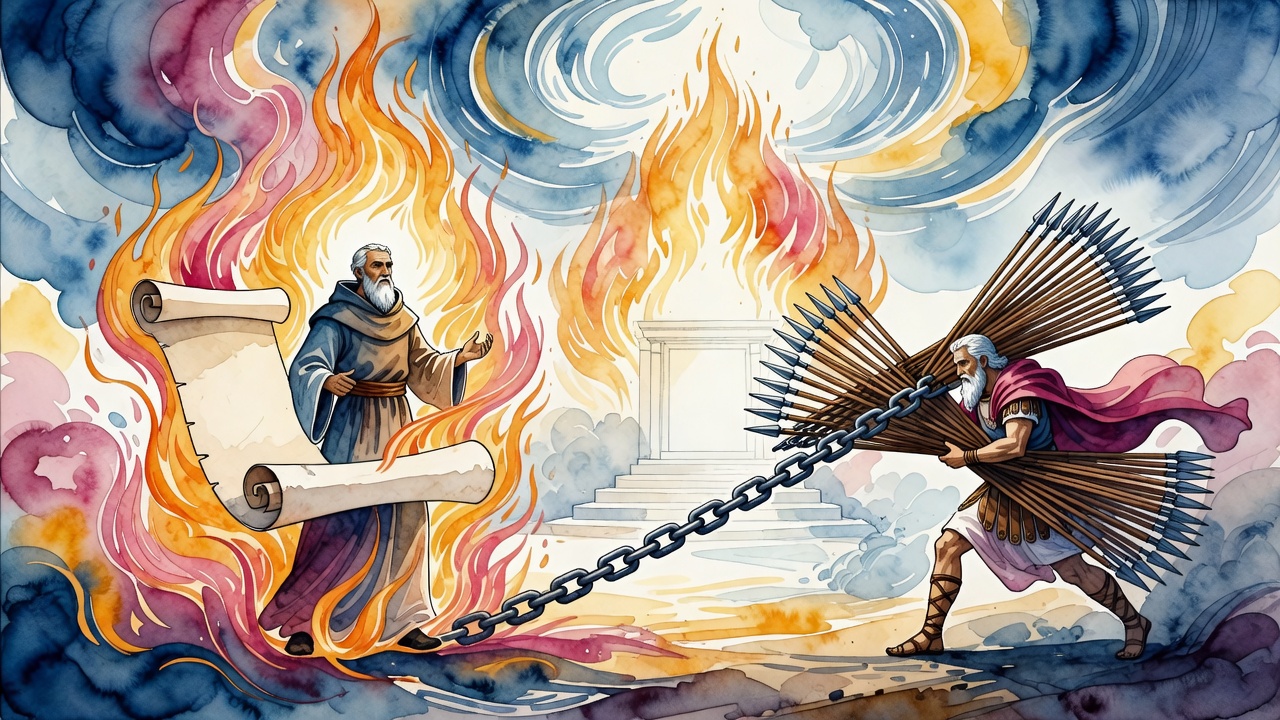
Rome decreed teaching Torah was death, so one rabbi taught in the open and burned in the scroll, and one took three hundred spears to save the chain.
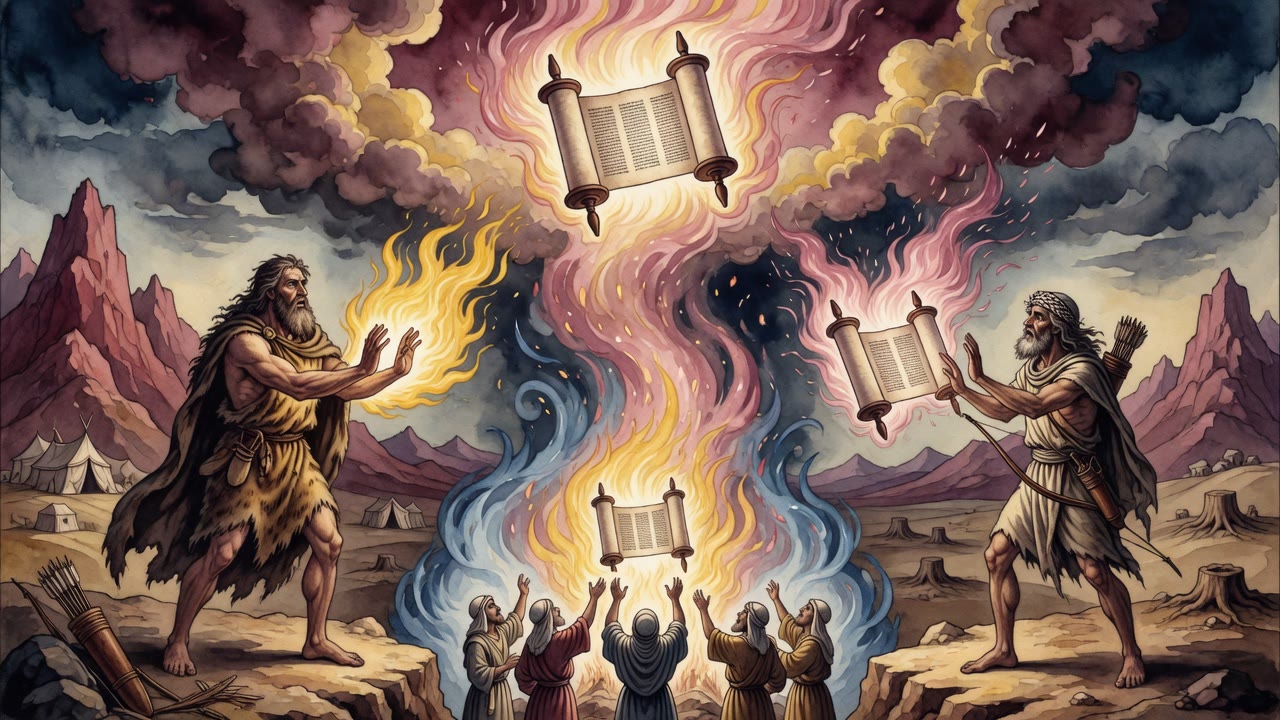
The sons of Esau asked what was written in it. God named one command. They remembered Isaac's blessing and would not take the rest.
