Mattathias Named the Sons Who Would Carry the Revolt
Soldiers came into the wilderness on a Sabbath and killed a thousand who would not fight back. Mattathias ruled that a man may fight to stay alive.
Table of Contents
 Click for full size
He Named the Sons Before He Named the War
Mattathias was a priest from Modi'in, and the first thing First Maccabees does with him is name his sons. Simon, called Thassi. Judas, called Maccabeus. Eleazar, called Avaran. Jonathan, called Apphus. The names stand in the text before the grief opens. Then the grief opens.
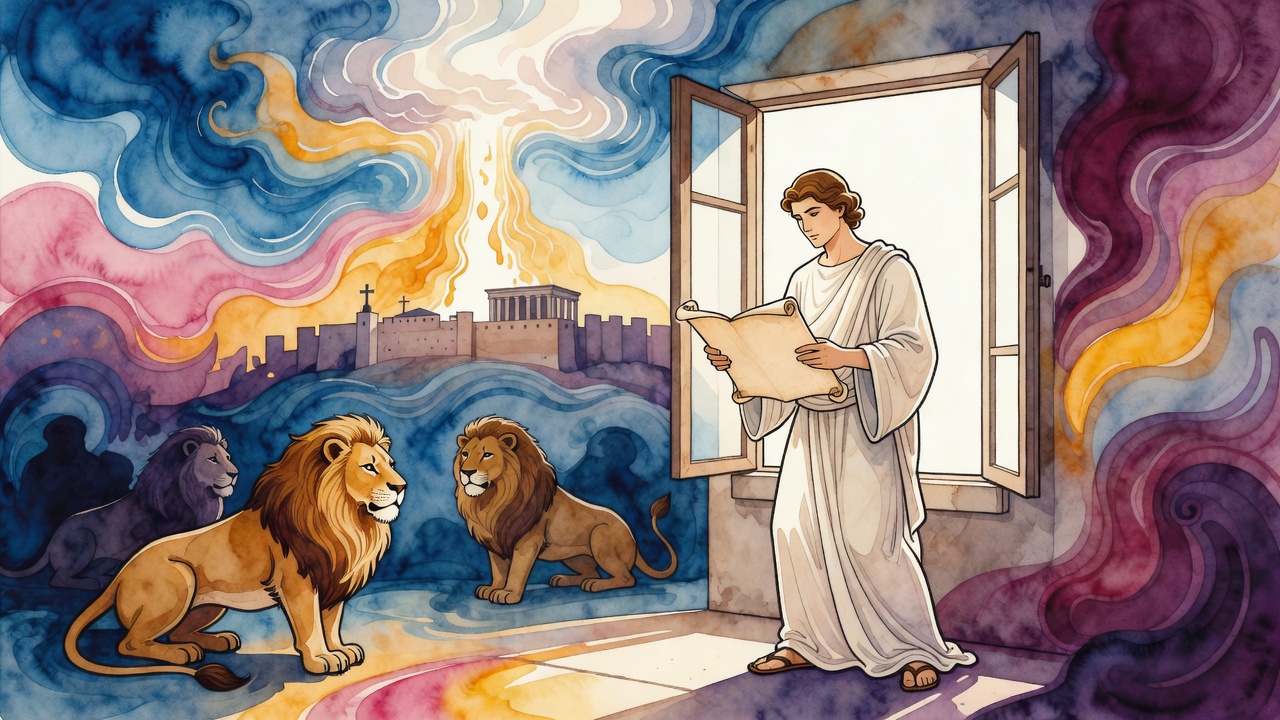
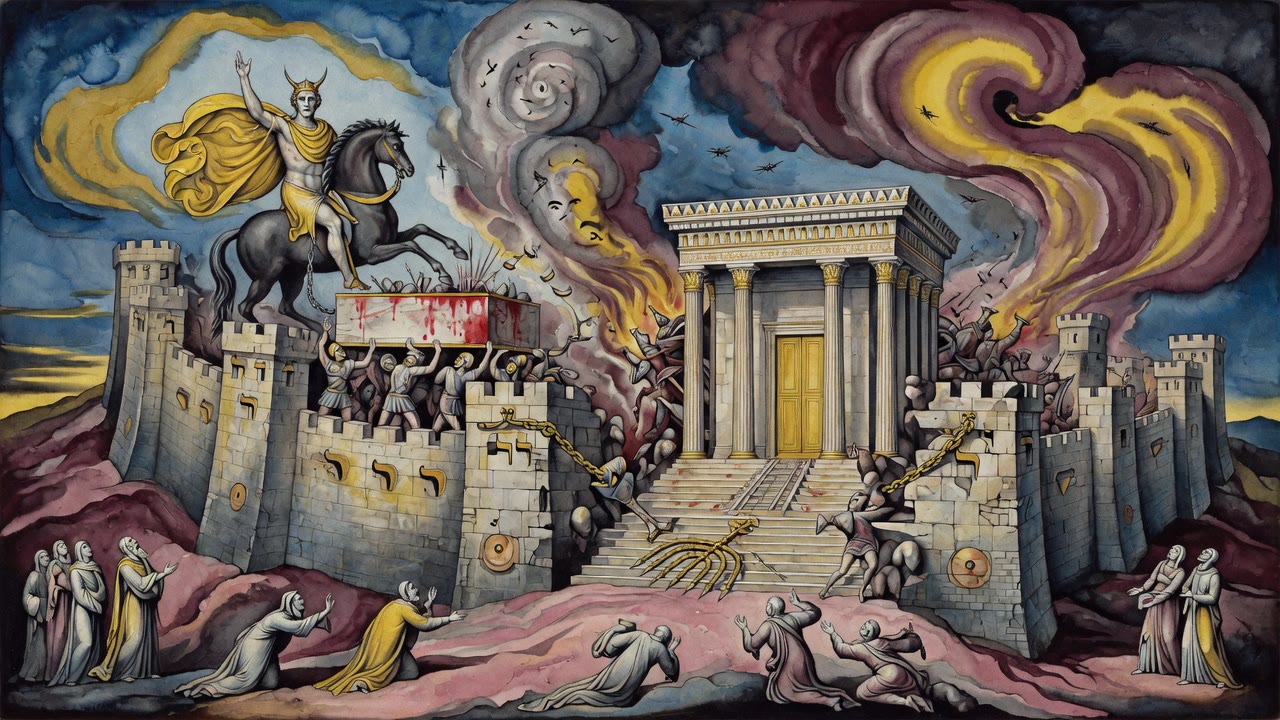
"Why," Mattathias cried out, "was I born to see the misery of my people? The holy city handed over and given into the hands of enemies. The sanctuary in the hands of strangers. Her vessels carried away. Her infants slain in the streets. Her young men cut down by the sword. What nation has not taken part in her inheritance and taken her as a spoil?"
The list of sons stands beside the list of losses. That is not accidental. The book is showing what grief becomes. The sons who hear the lament will become its answer.
The Wilderness Became a Court for Those Who Sought Justice
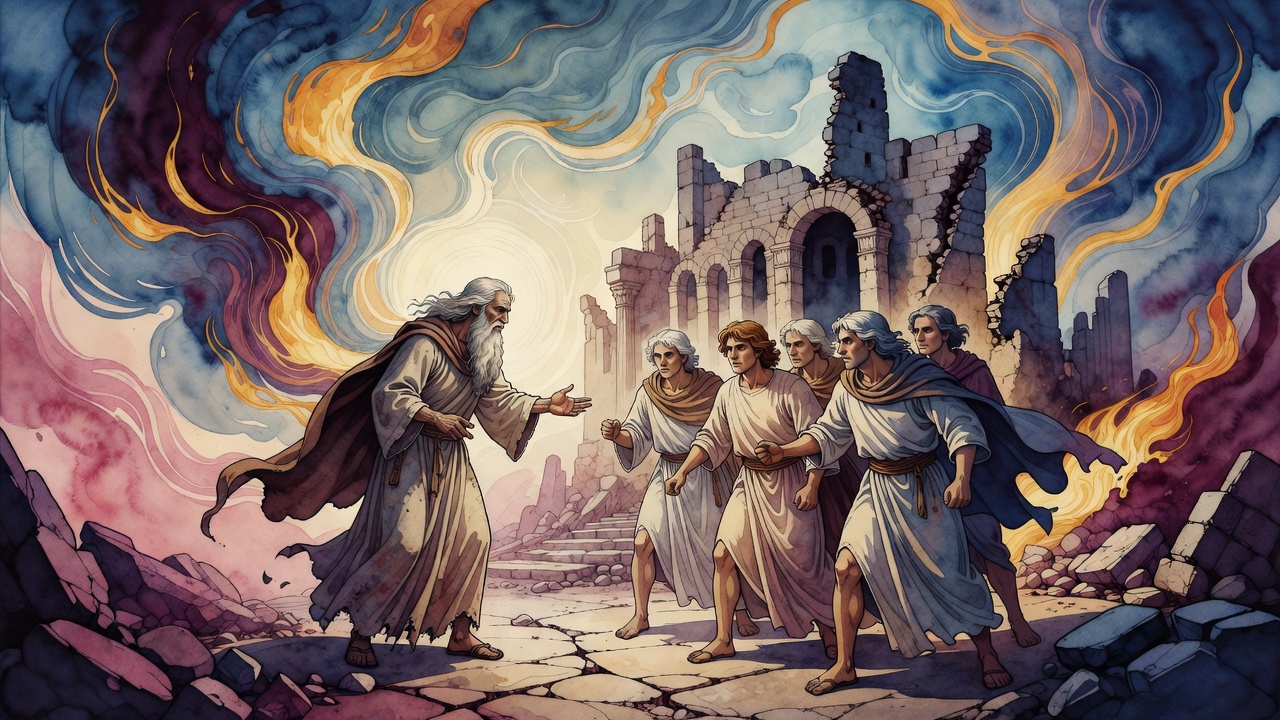
When Mattathias and his sons fled to the mountains, they left everything they had in the city. Others followed: those seeking justice, those who had found affliction unbearable. They went down into the wilderness with wives, children, and cattle because staying had become impossible. The wilderness became the place where judgment could still be practiced, where those who would not bow to the king's decree could live according to the law even at great cost.
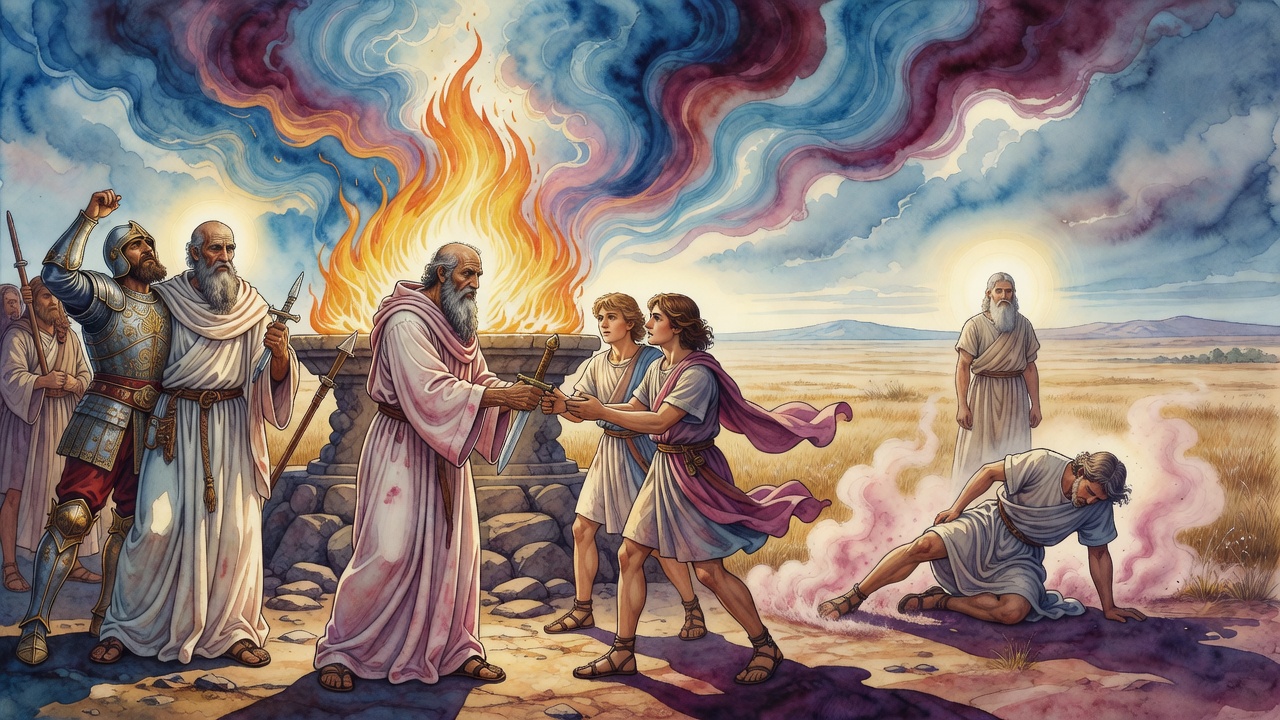
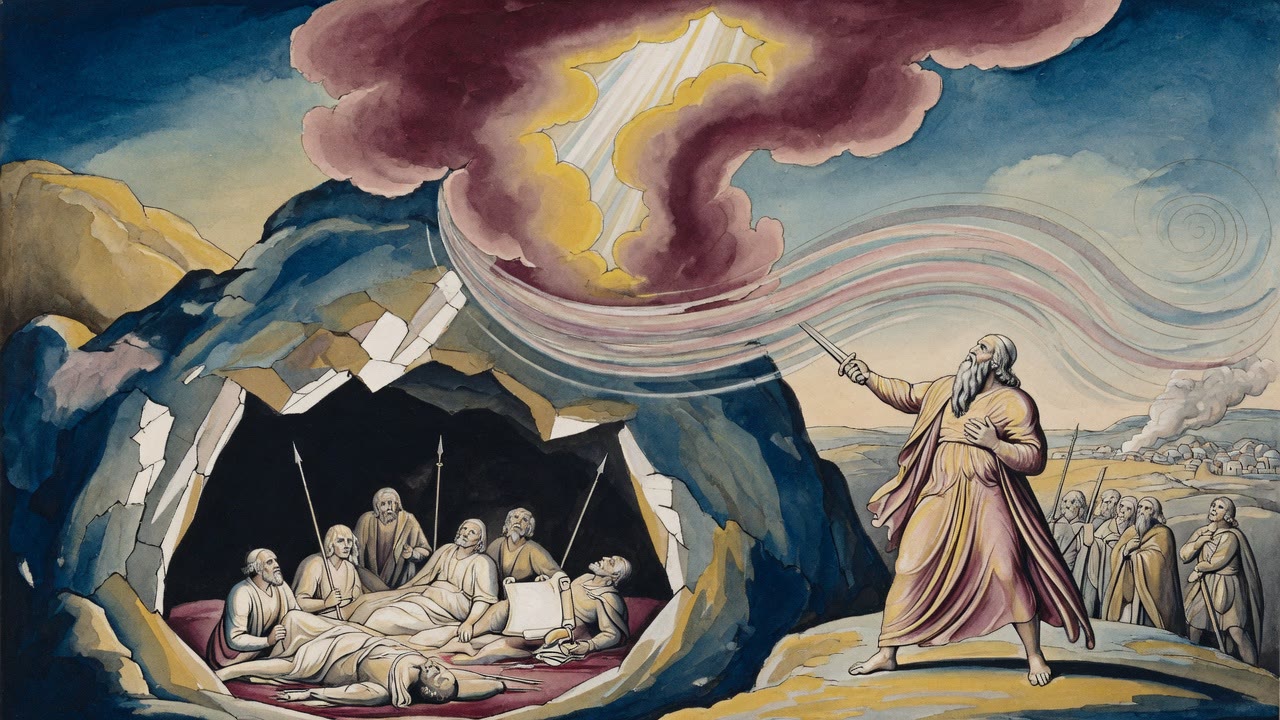
Not everyone who fled made it safely. A band of soldiers followed them into the wilderness on the Sabbath day and killed a thousand people, with their wives and children and cattle, because those attacked would not fight back or stop up the caves with stones. They died saying: "Let us all die in our innocence. Heaven and earth are witnesses that you destroy us wrongfully." When Mattathias heard, he said: "if we all do as our brothers have done and refuse to fight for our lives on the Sabbath day, they will quickly destroy us from the earth." And he made the ruling that became the precedent: "a man shall fight on the Sabbath day to preserve his life."
They Recovered the Law From the Gentiles
With their forces growing, Mattathias and his companions pursued the proud and the work prospered. They recovered the Torah out of the hand of the Gentiles and out of the hand of kings, and they did not suffer the sinner to triumph. They tore down the altars the king had built. They rescued circumcised children from those who had tried to undo them. They overthrew the arrogant, and the work prospered in their hands.
He Assigned Each Son His Role Before He Died
When Mattathias knew he was dying, he gathered his sons and spoke plainly. "Arrogance and reproach have grown strong," he said. "It is a time of ruin and the wrath of indignation. Now therefore, my sons, be zealous for the law and give your lives for the covenant of your fathers. Remember the deeds of the fathers in their generations and receive great honor and an everlasting name."
Then he named Simon: "give ear to him always, he shall be a father to you." And Judas Maccabeus, who has been mighty and strong from his youth: "let him be your captain and fight the battle of the people. Take to you all the doers of the law, and avenge the wrong of your people. Recompense fully the Gentiles, and take heed to the commandments of the law."
← All myths