496 myths · Page 11 of 17
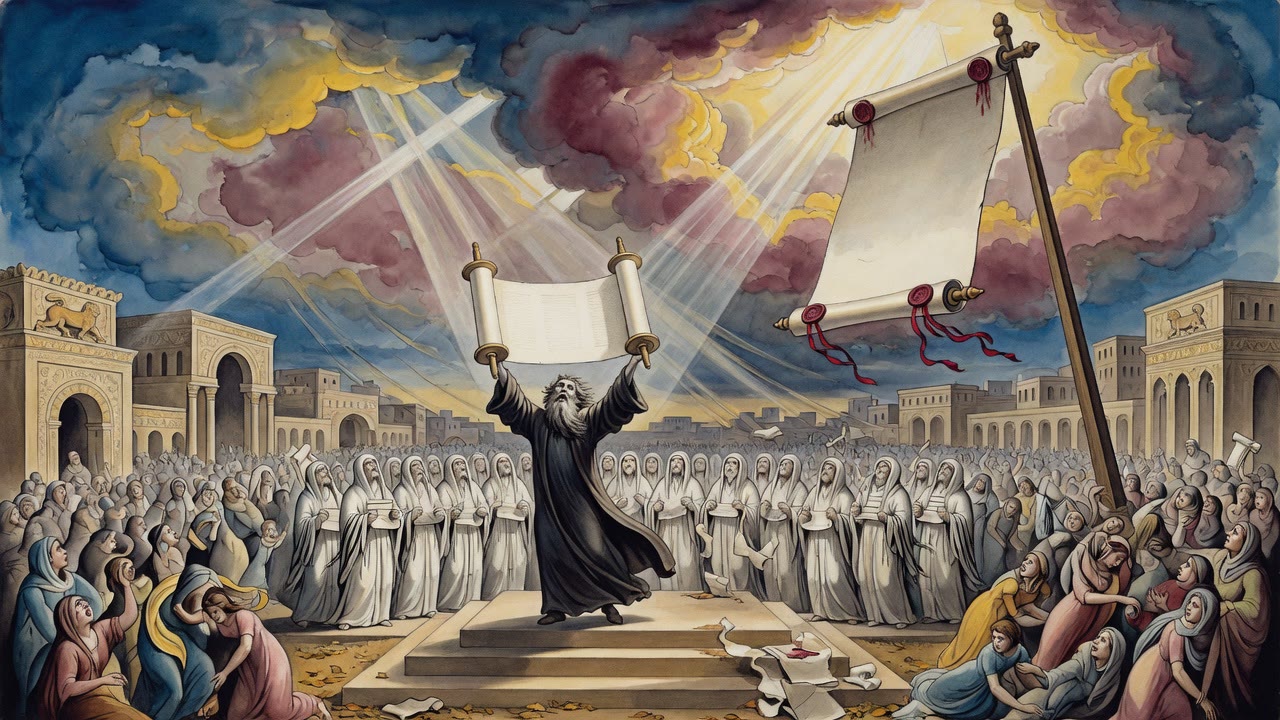
Haman's decree of death hung over the Jews, so Mordecai led twelve thousand priests and a weeping city out into the open, the Torah bared to the sky.
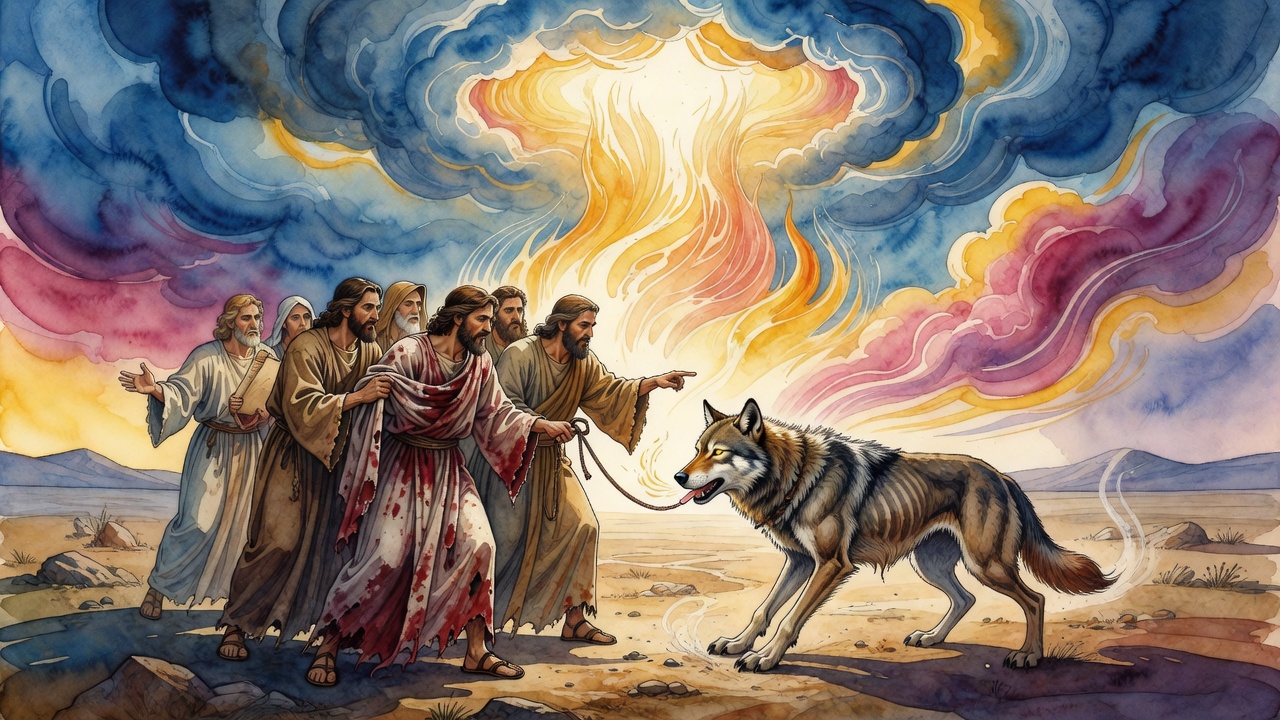
The brothers sold Joseph, bloodied his coat, and dragged home a live wolf as proof of the beast that ate him. Then God loosened its tongue.
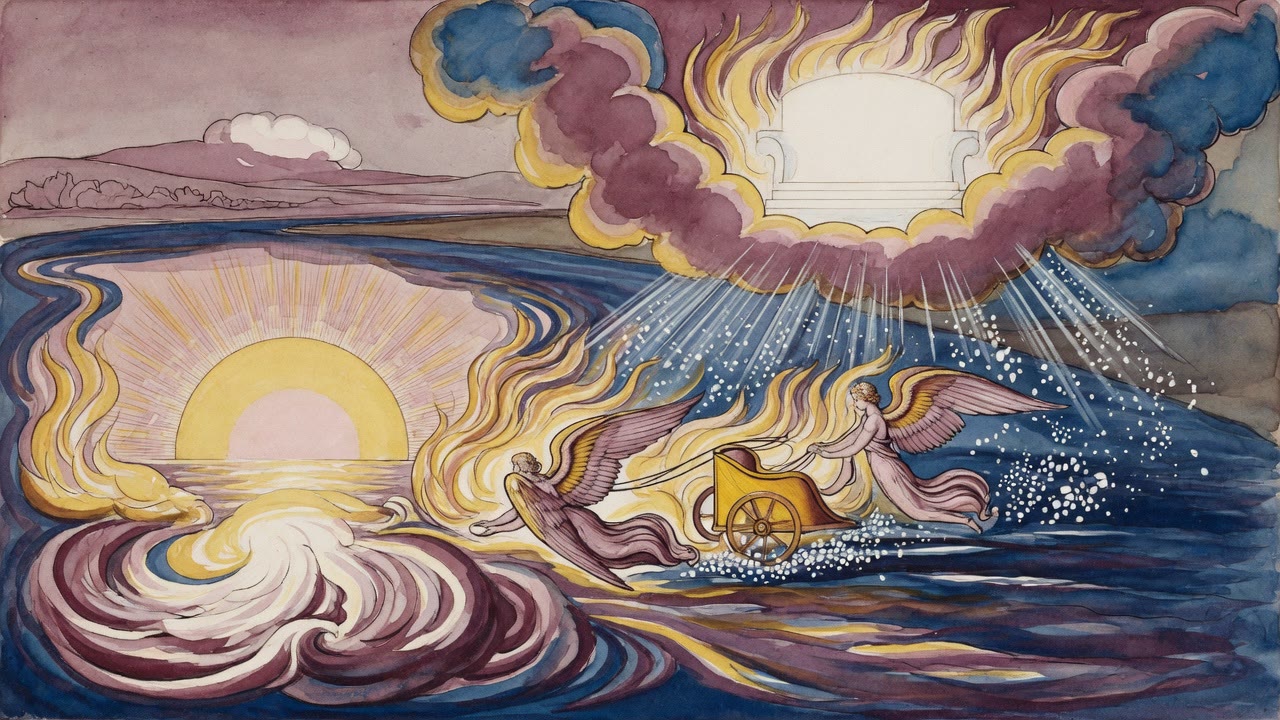
Before anything existed, only the Endless hid all within itself, until one seed of light burst free and grew into the tree from which every soul flies.
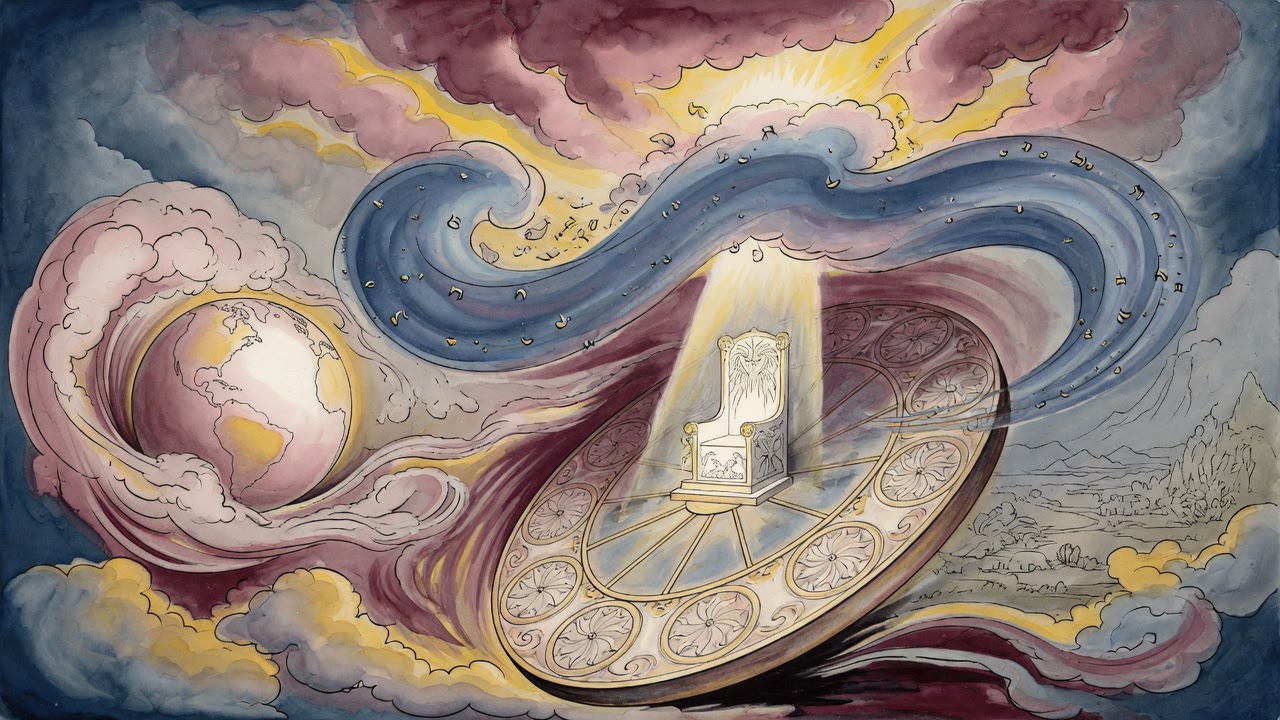
Kabbalists taught our world is spoken in a single breath, pressed back to nothing each new year, and only one turn of a vast wheel of eons.
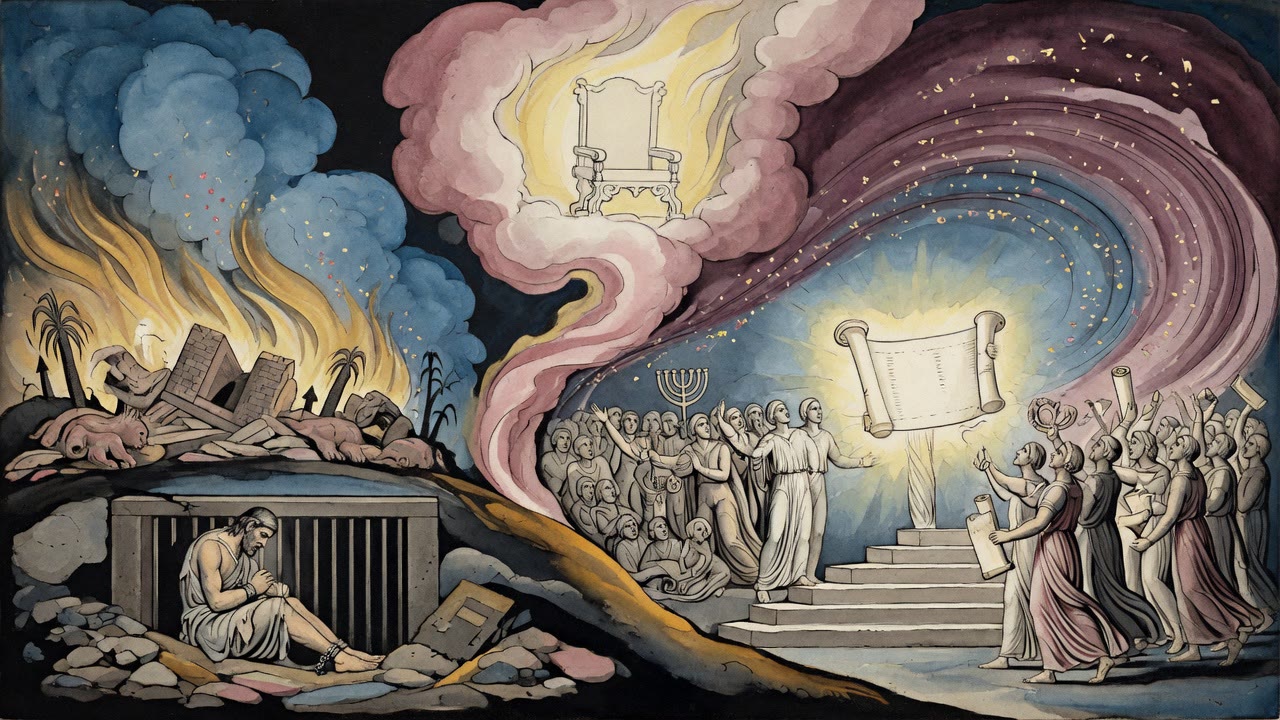
Babylon burned the Temple and left one prince of David in a jail cell. Seventy years later Ezra led a company of exiles home to rebuild the walls.
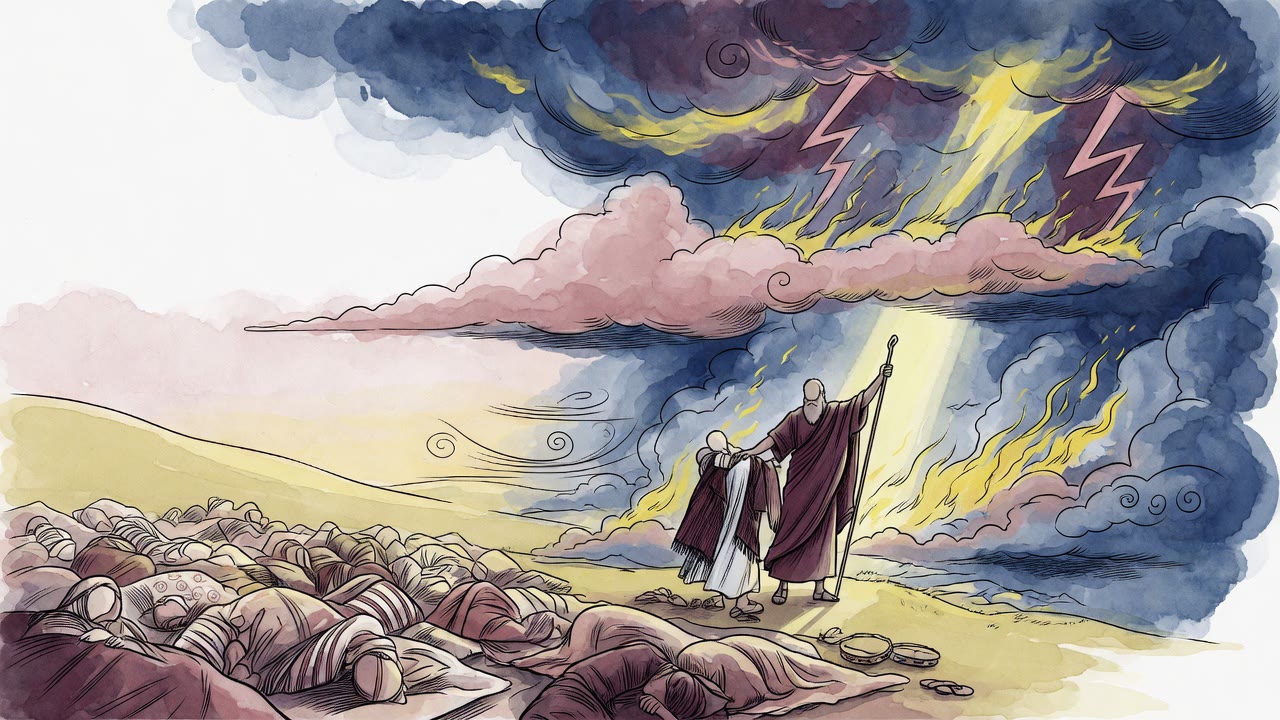
On the morning Torah was given, Israel slept late after a short summer night. Moses woke them as a bridegroom wakes a bride, and heaven walked out to meet them.
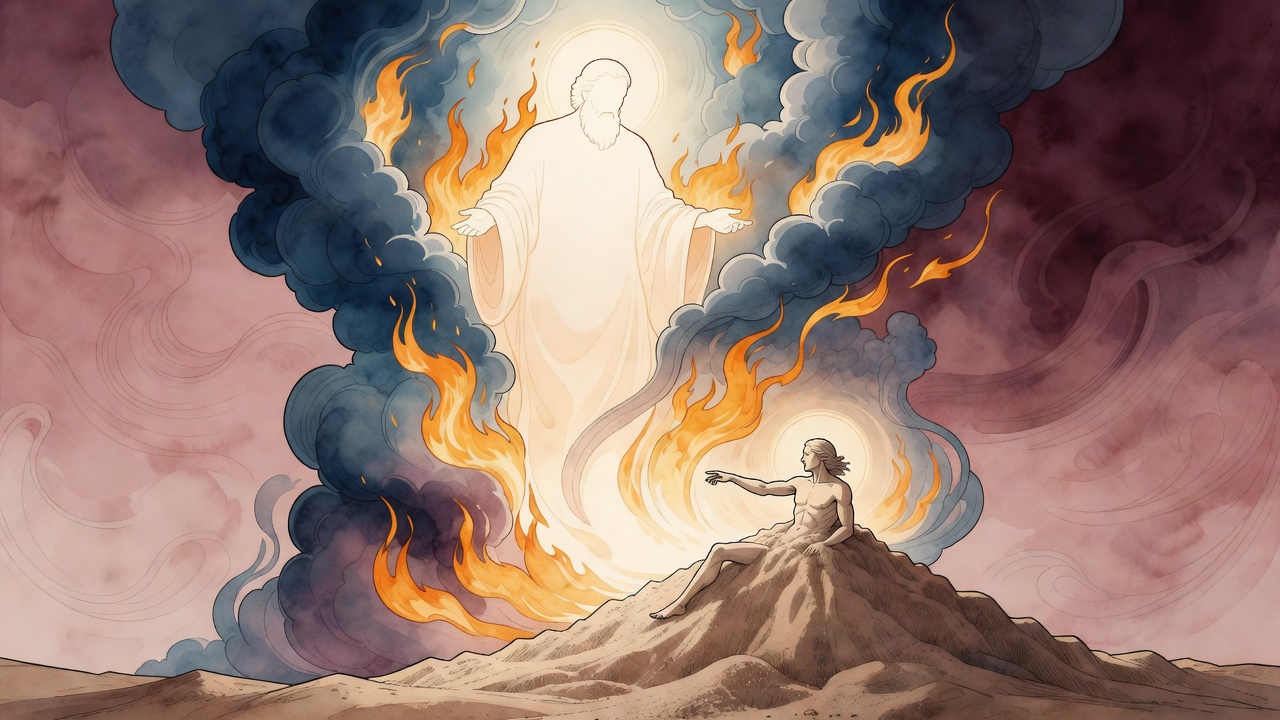
God reached for dust to make a man. Torah blocked His hand. Short days, it said, and a life of trouble, unless mercy came first.
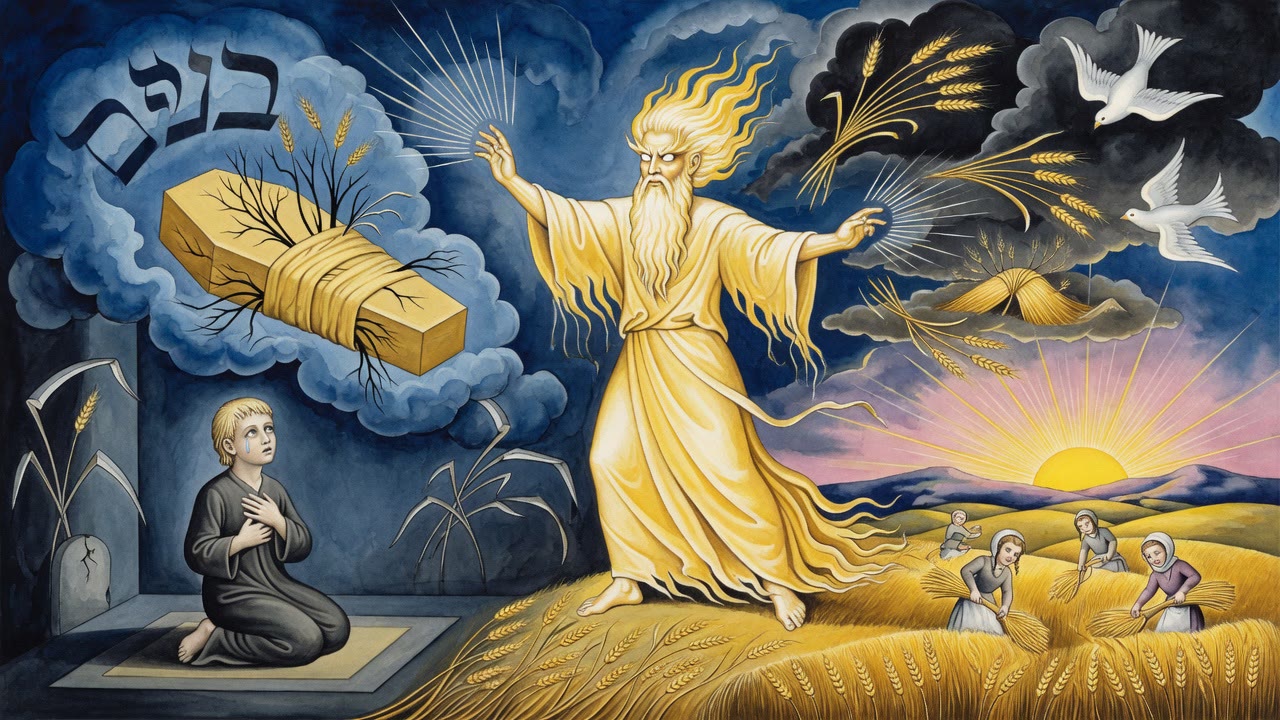
A disciple woke certain he would die in Adar and bury no harvest. Rabbi Akiva read every omen backward until dread became glory and living children.
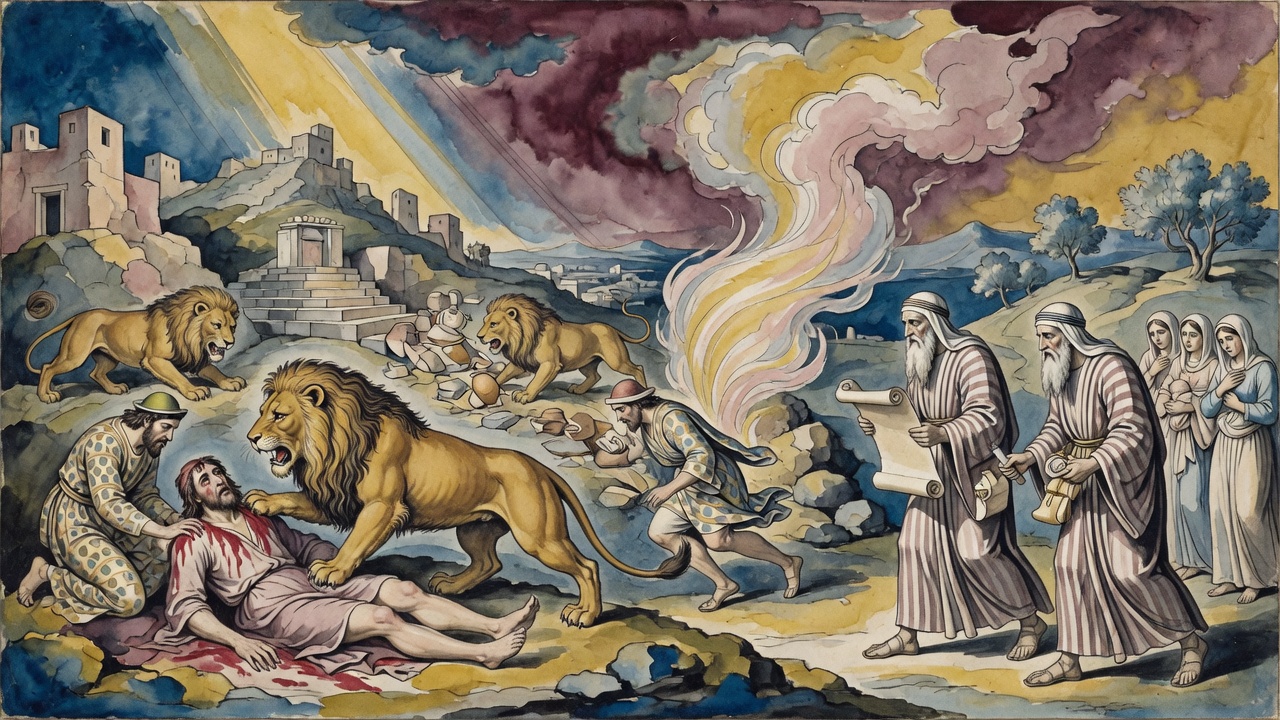
A tax farmer walked a Samaria ditch at dusk and did not walk out. The king still wanted tribute from a land that answered with teeth.
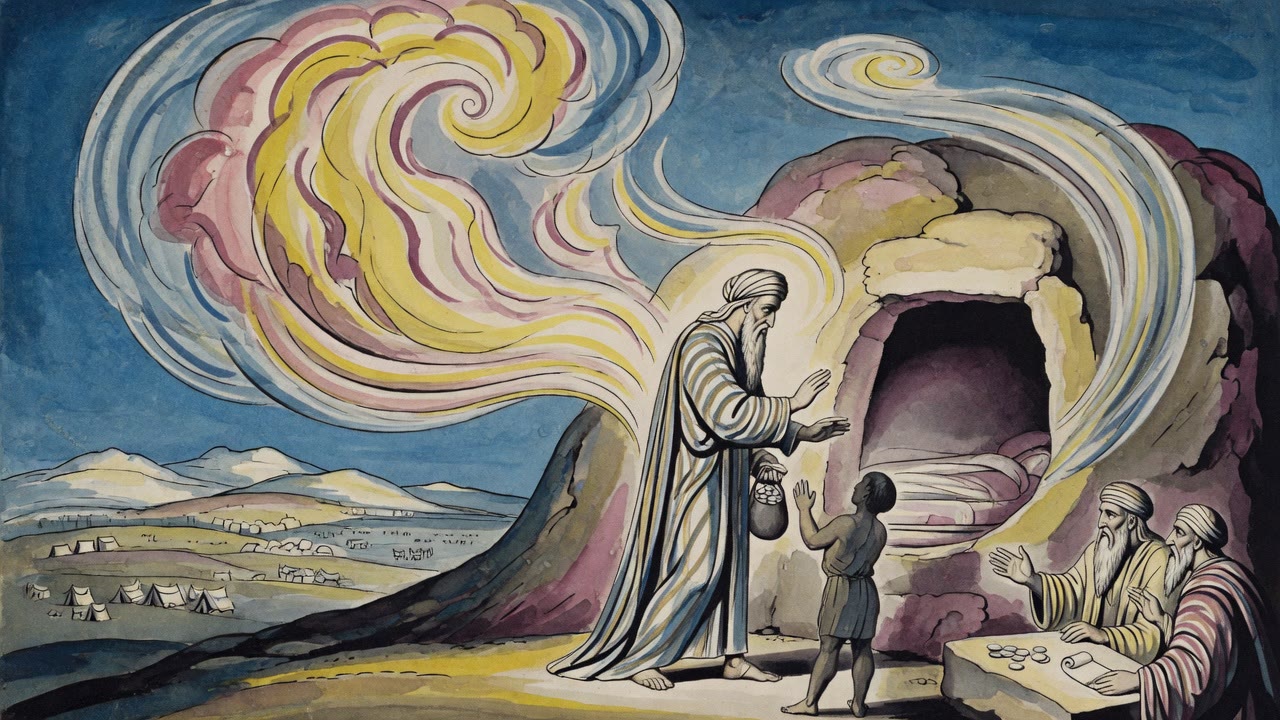
Moses broke under Israel's complaints. God took spirit from him like light from a menorah lamp and set it on seventy elders.
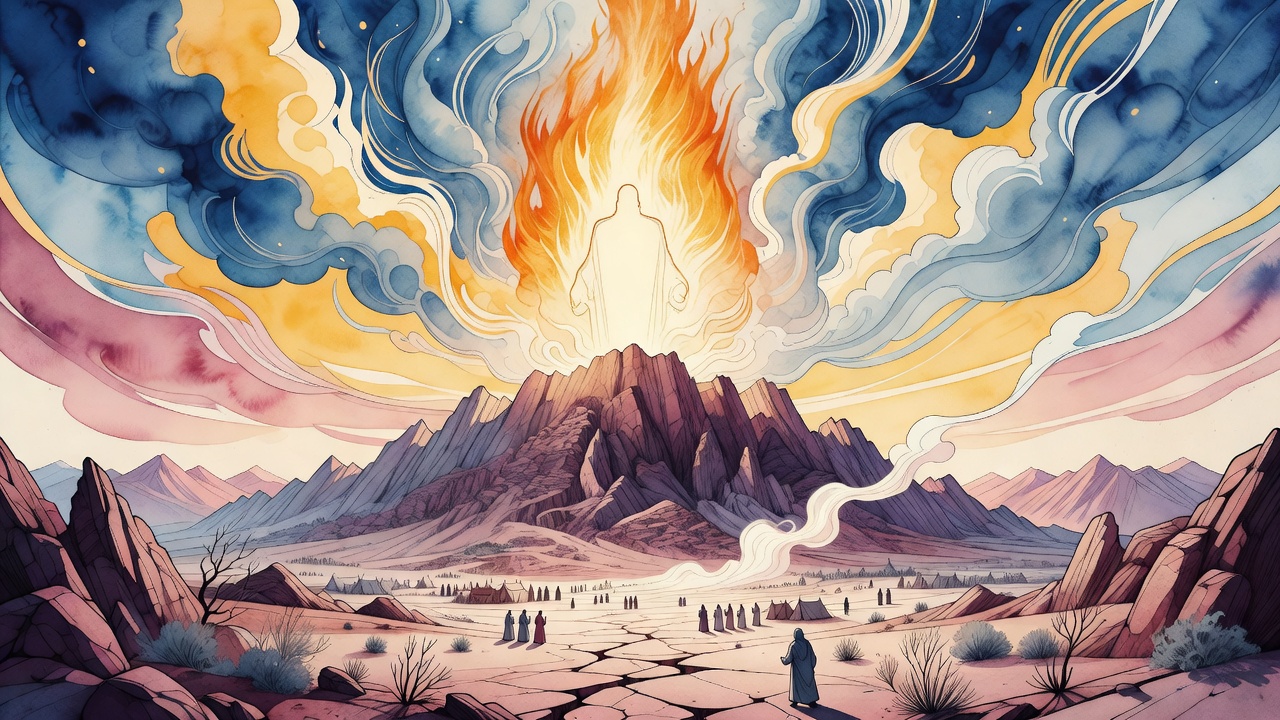
No bird sang. No ox lowed. A voice without echo said I am the Lord your God, and even the nations at the mountain's rim shook.
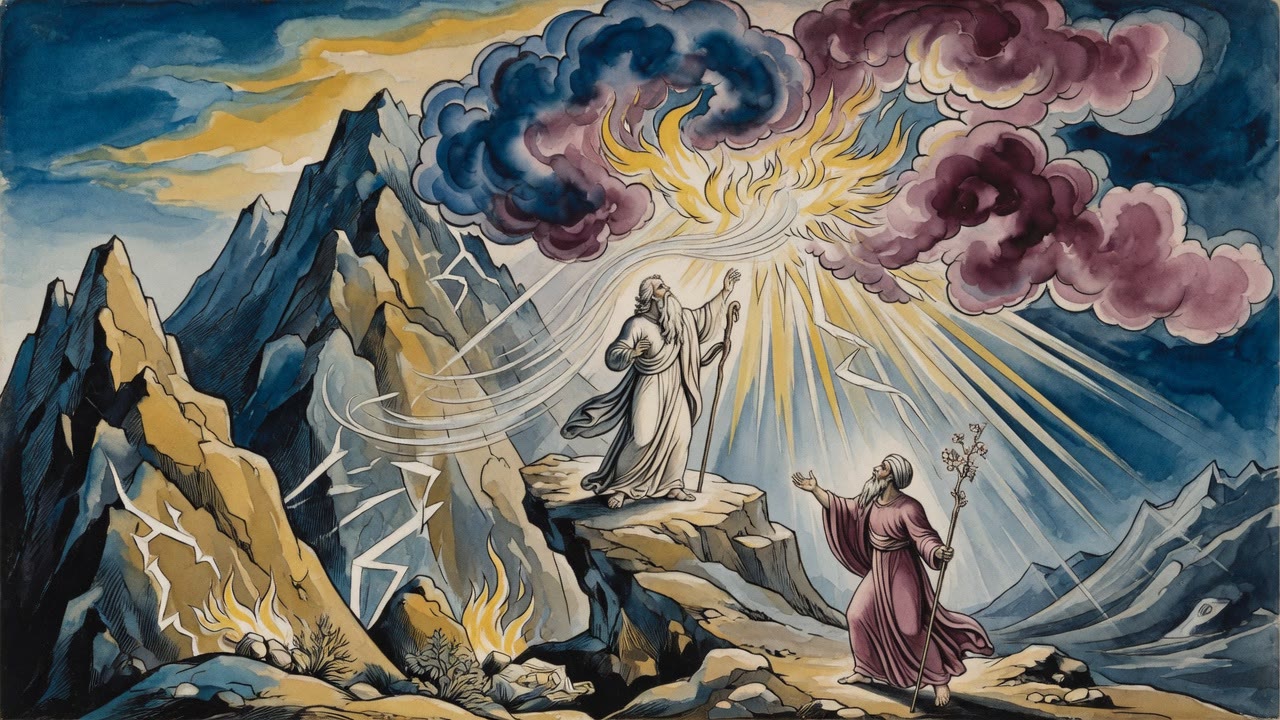
At the burning bush Moses said no for seven days running. God told him there would be a bill for that, and it came due at the door of the Tabernacle.
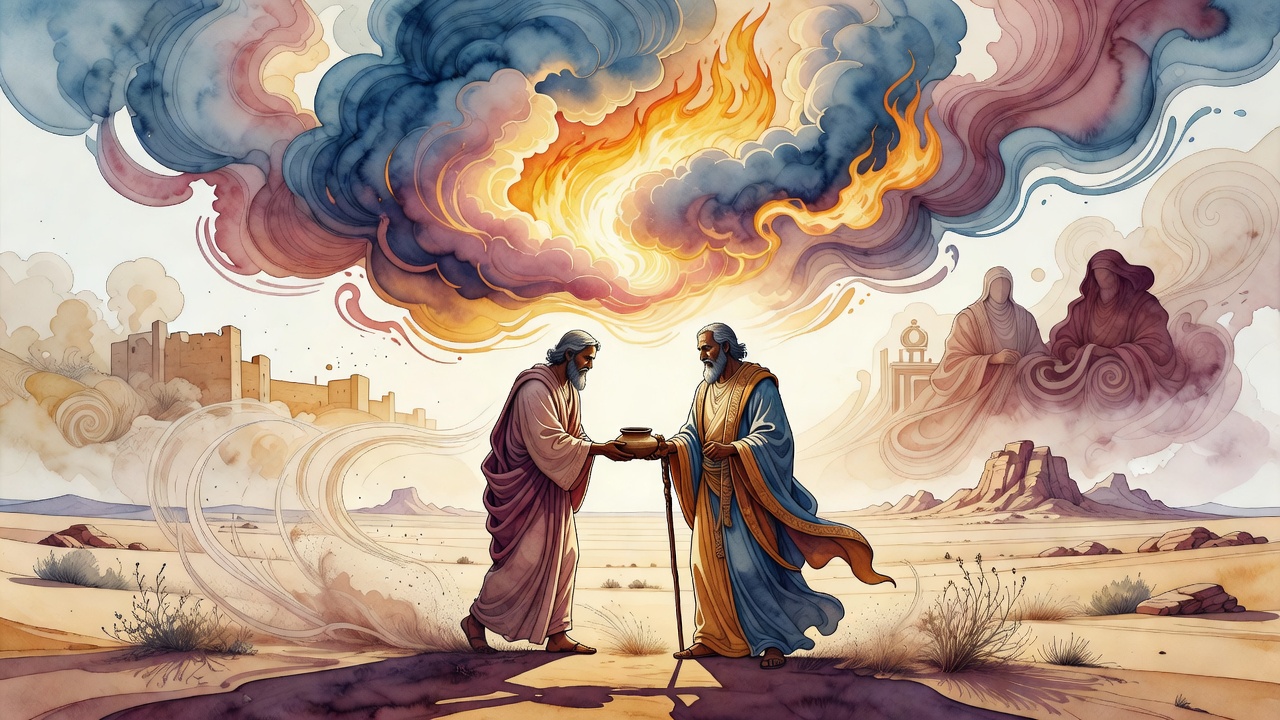
Moses served Jethro at a desert feast, then sent him home before Sinai, while Jethro's line later earned Jericho and Sanhedrin seats.
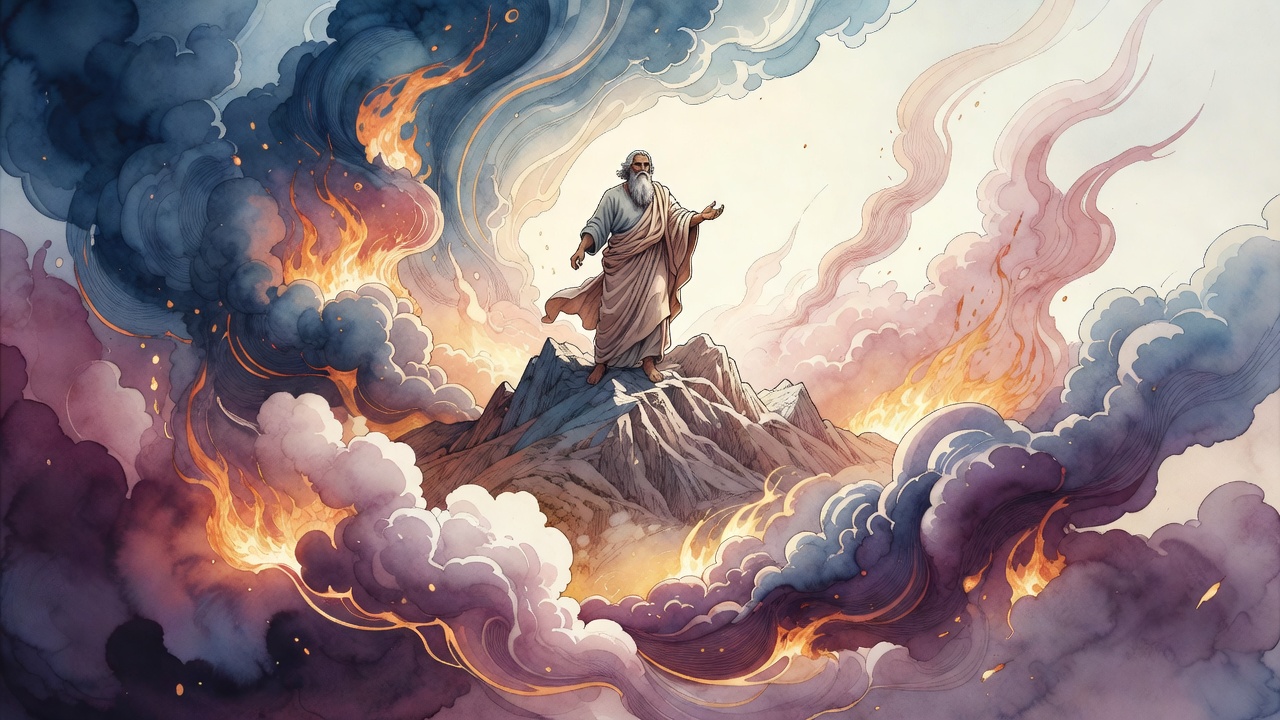
On the mountain forty days, Moses knew day by Written Law and night by Oral Law. After one hundred twenty days he brought pardon down on Yom Kippur.
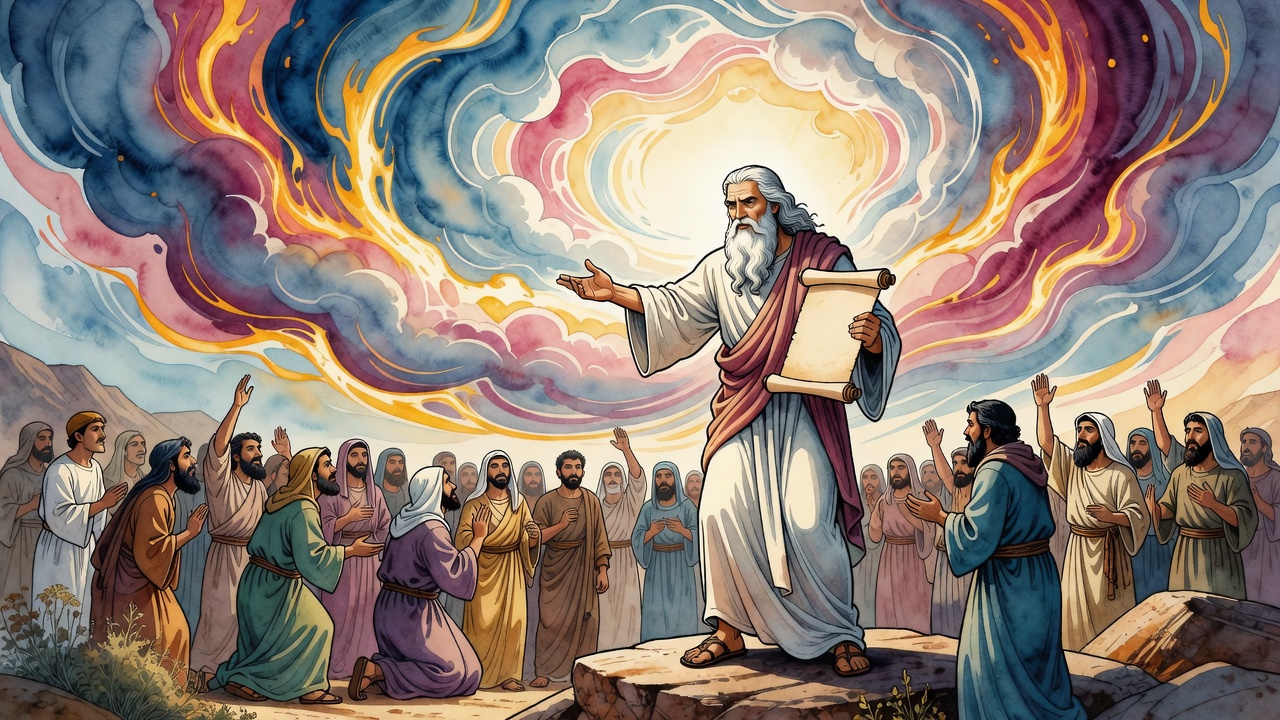
The last blessing left his mouth. Moses asked the tents for names. He took the list and did not promise to use it.
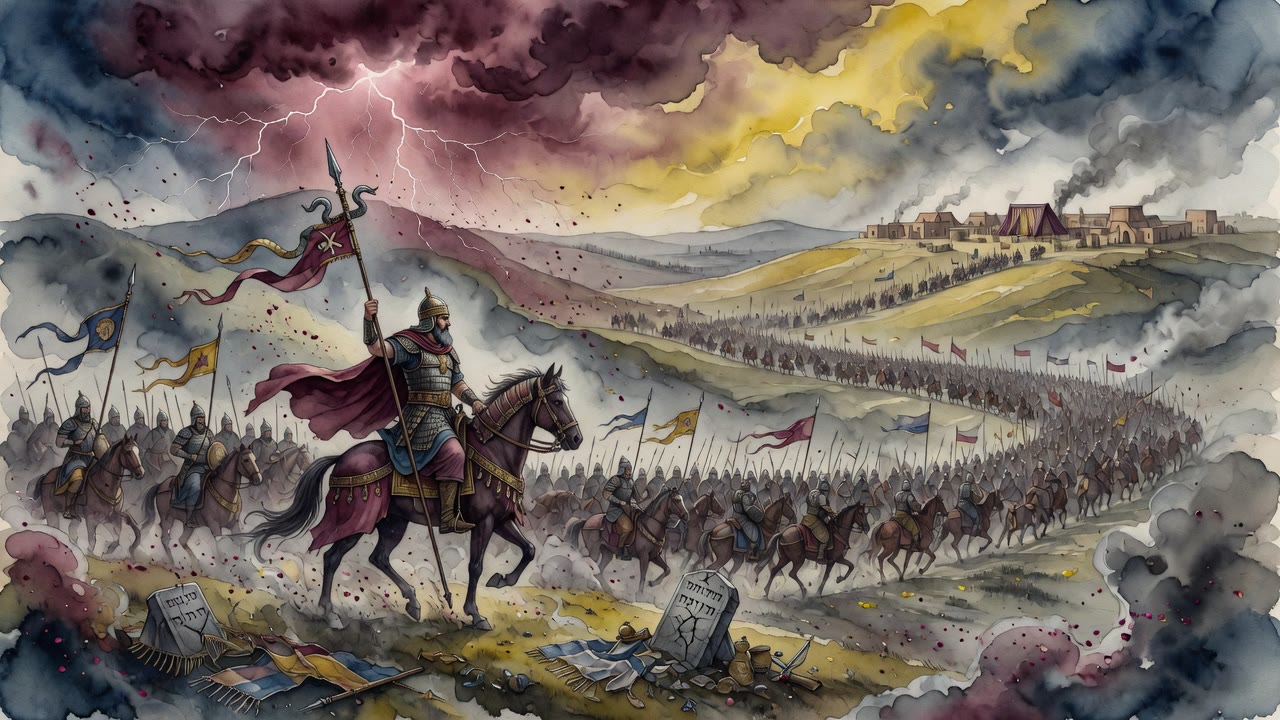
No one walked out. They asked to hear the words of their King from Himself, not from a messenger, and were given two days to purify.
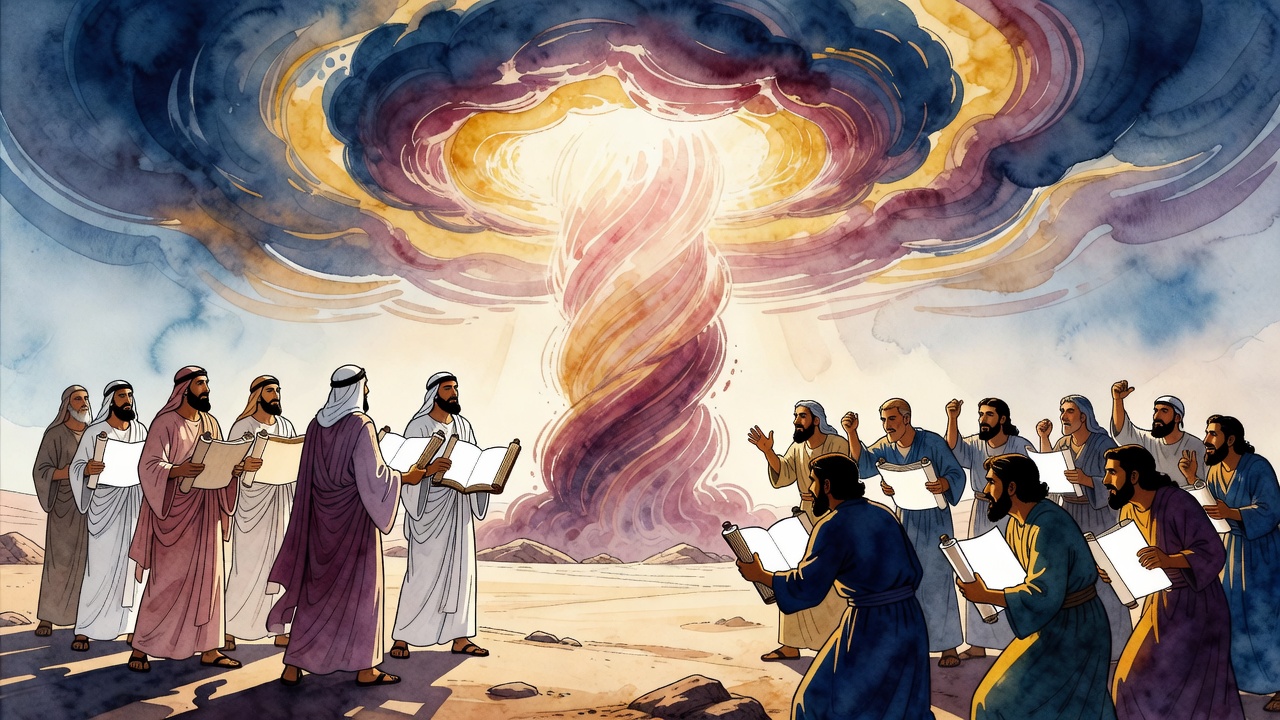
Before Sinai, the nations demanded to know why Israel was chosen. God asked for family records. Only Israel could open pure books of descent.
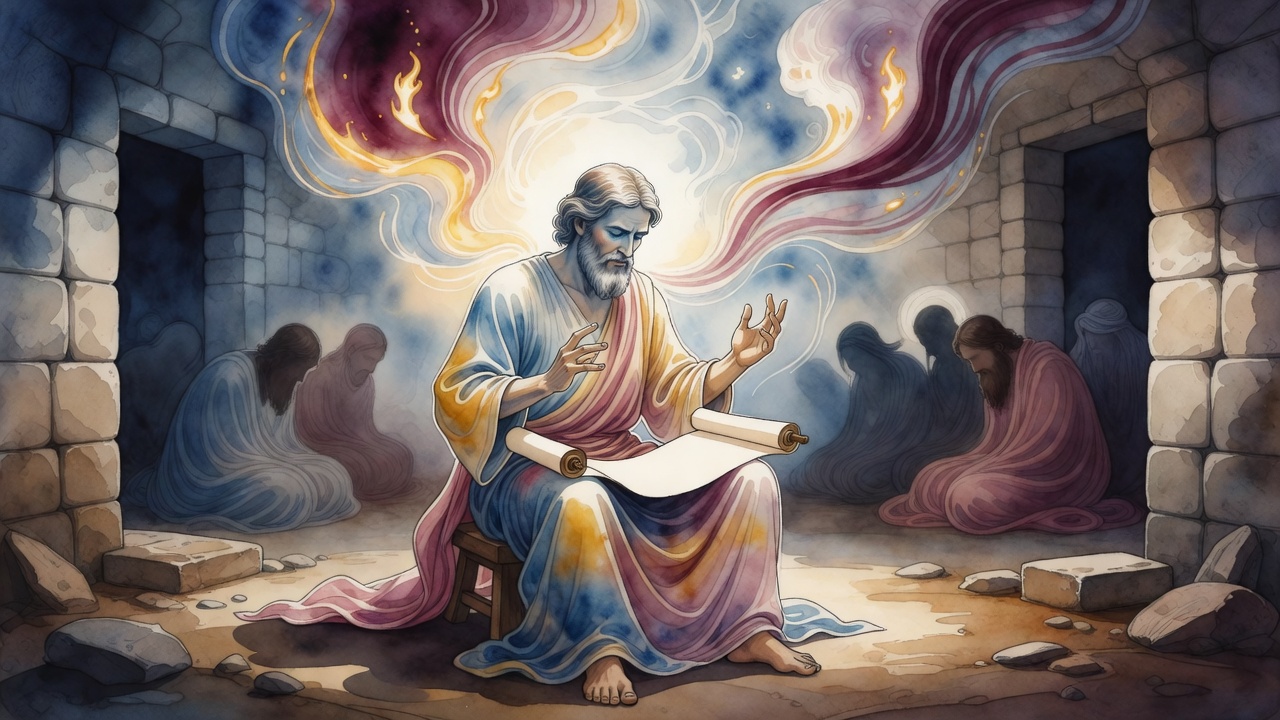
While Israel mourned Moses, seventeen hundred traditions fell from memory. Othniel restored them by sharp reasoning and taught Torah in a bare house.
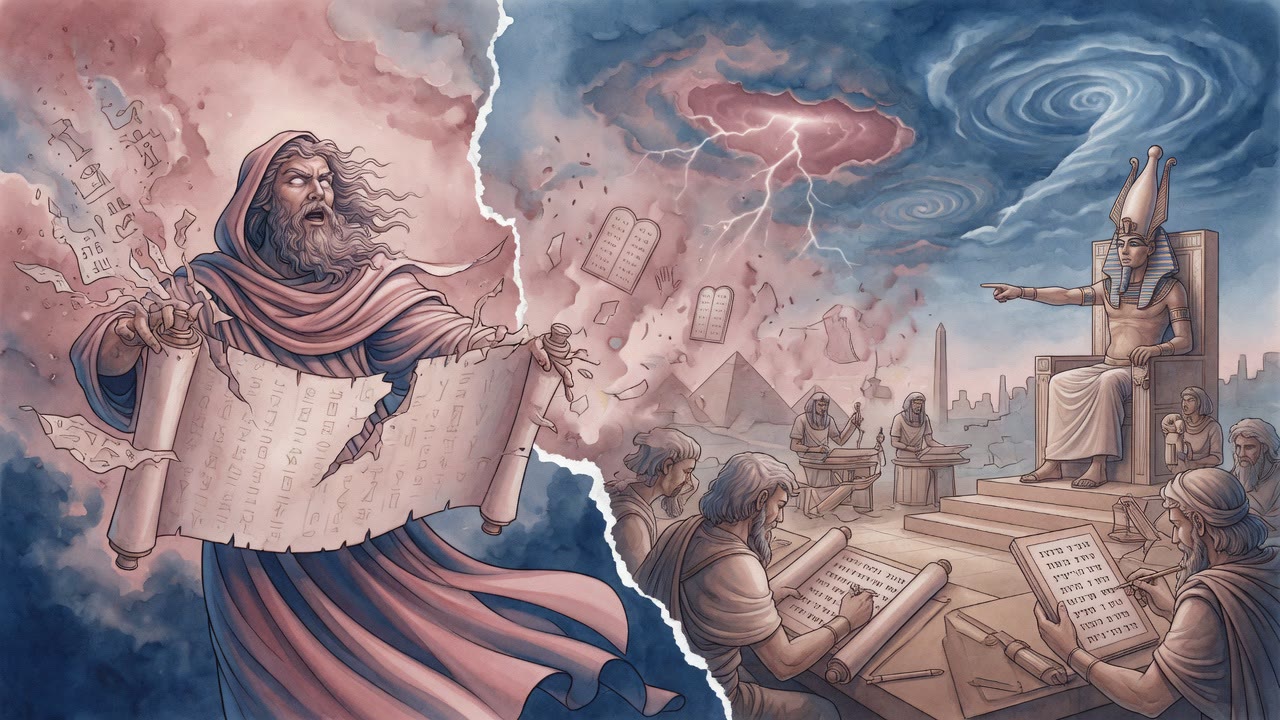
King Amon swore he would revel young and repent old like his father. He burned the Torah, then death cut him off mid-crime with no return.
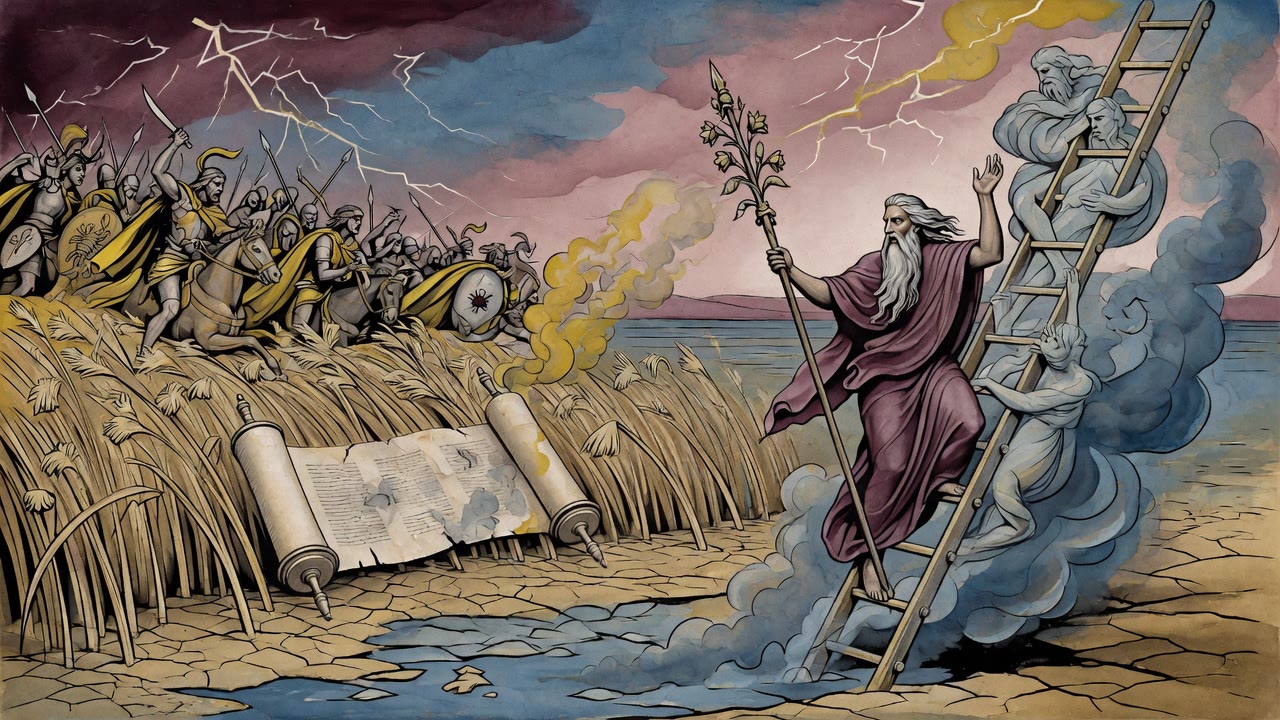
The well at Rephidim had gone dry. By morning an army stood on the sand, and Moses had only the staff that once split the sea.
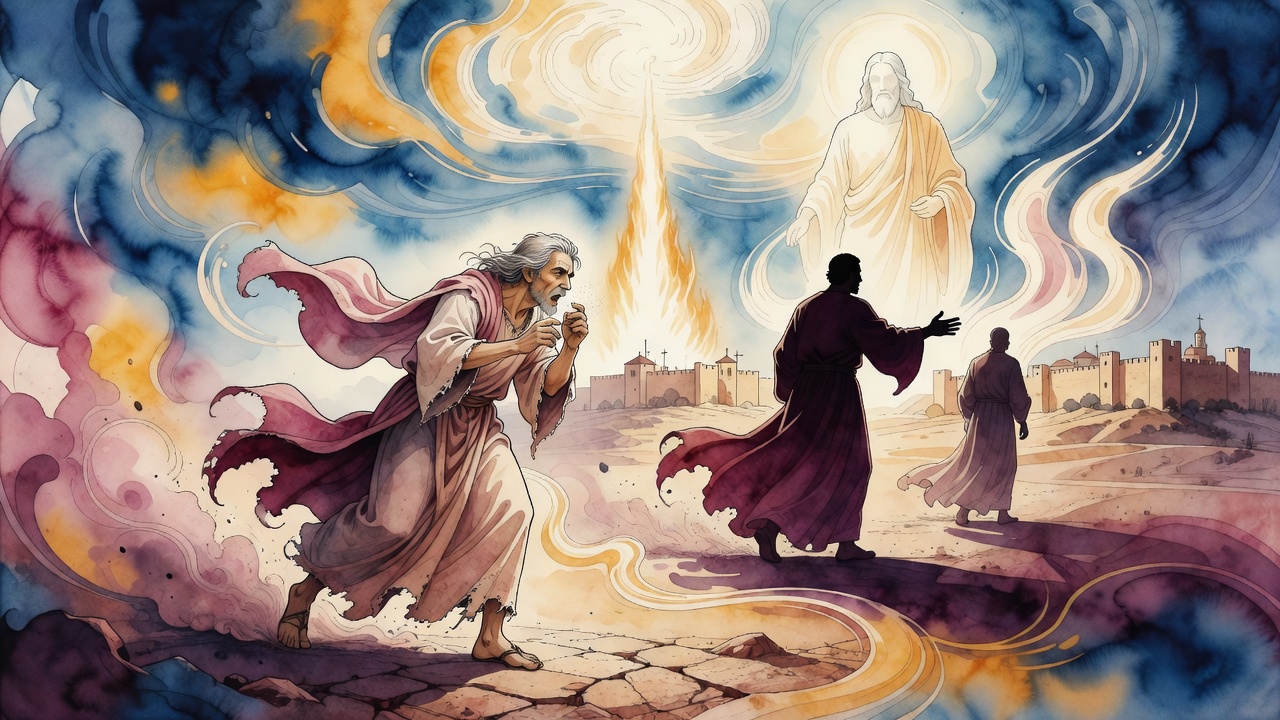
Eliezer left his father's herds to study Torah in Jerusalem. He had no bread, so he ate dust. His father came to cut him off and gave him double.
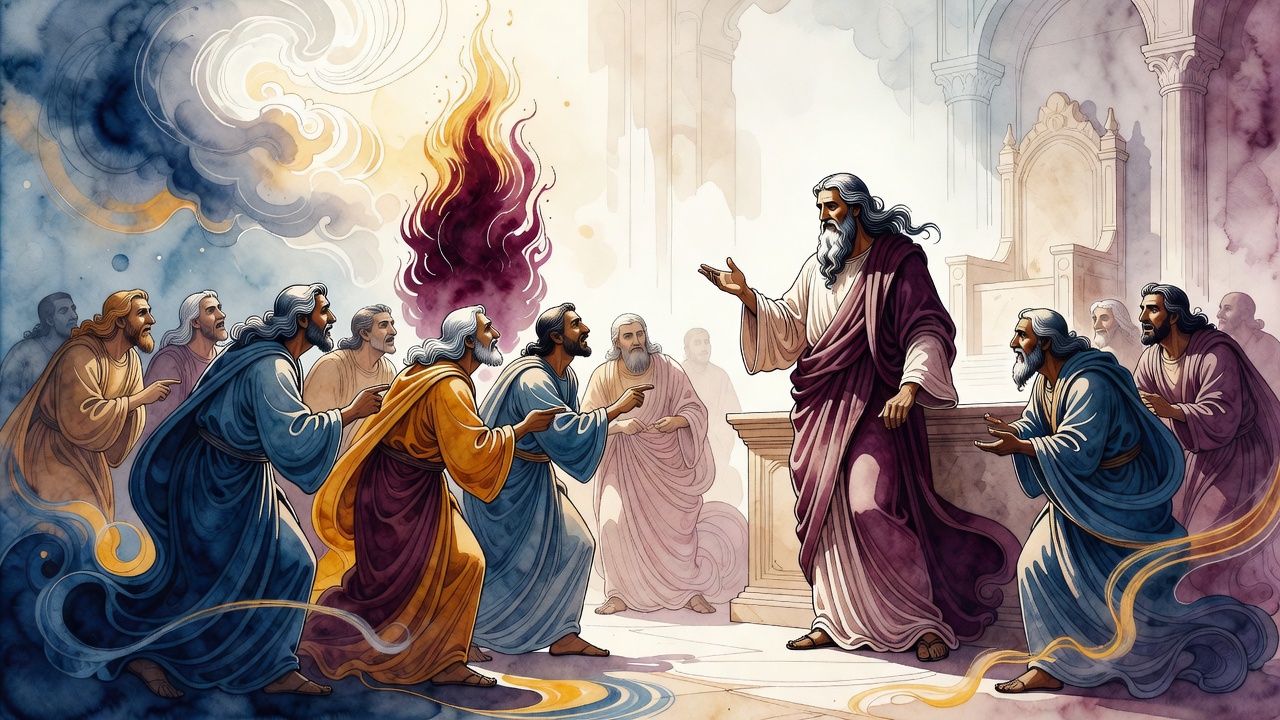
A king called one laborer out of the field for a walk. The others stayed at work all day. At evening the man lined up for wages, having worked two hours.
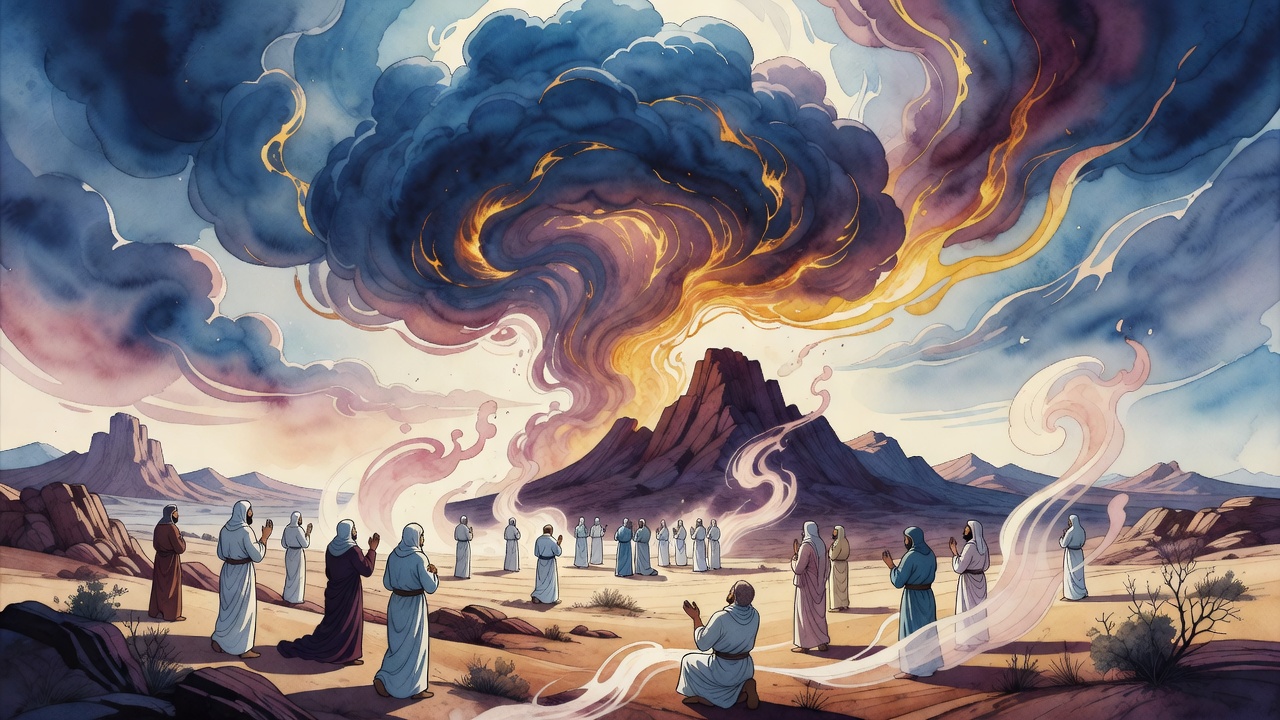
God measured the earth before Sinai. Nations refused, Israel accepted, and only the living received laws of food and a call to be holy.
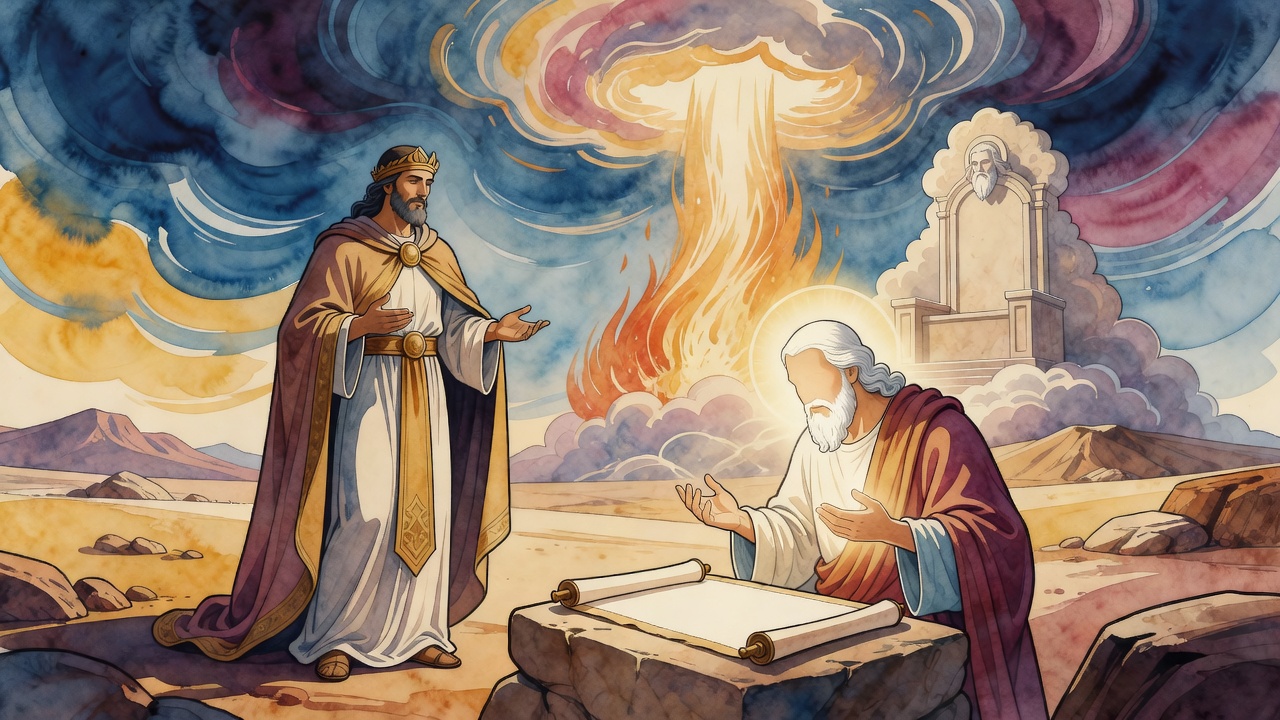
A king kept his daughter hidden from every stranger. One friend saw her face. Moses wrote the betrothal and came down shining.
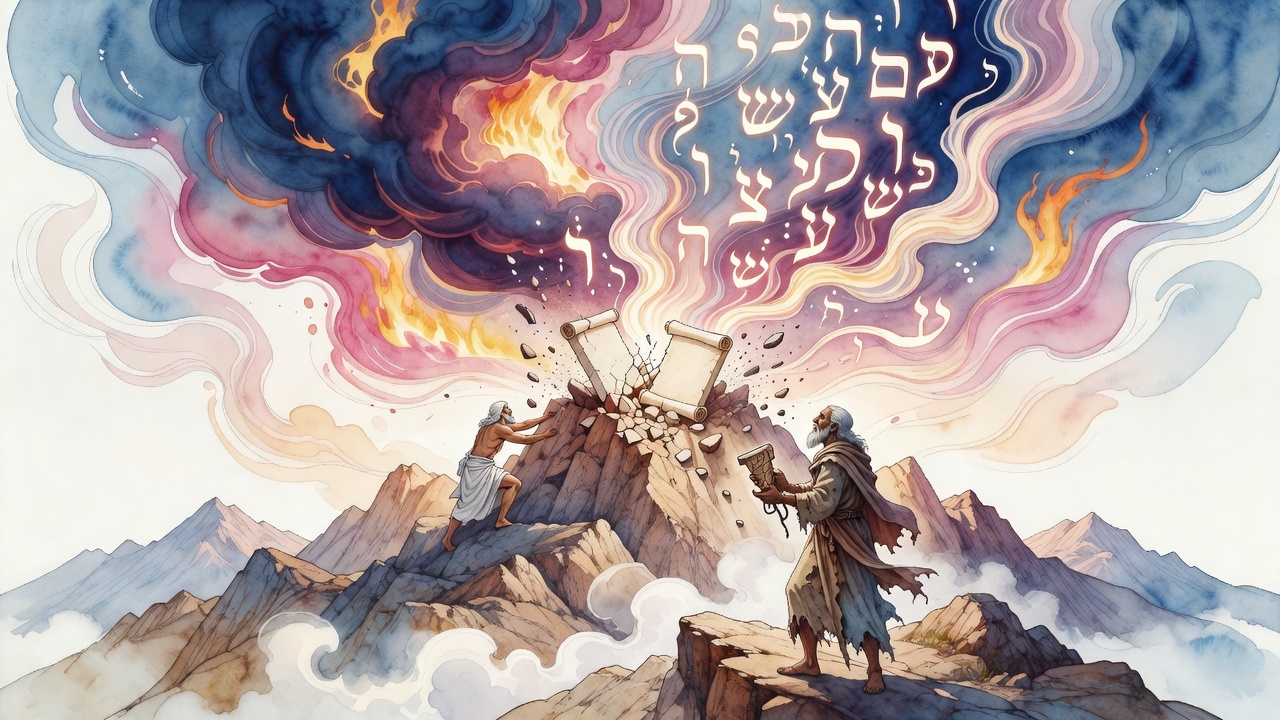
Moses asked how a defiled priest gets clean and heard nothing. Years later God handed him ashes and called it a statute.
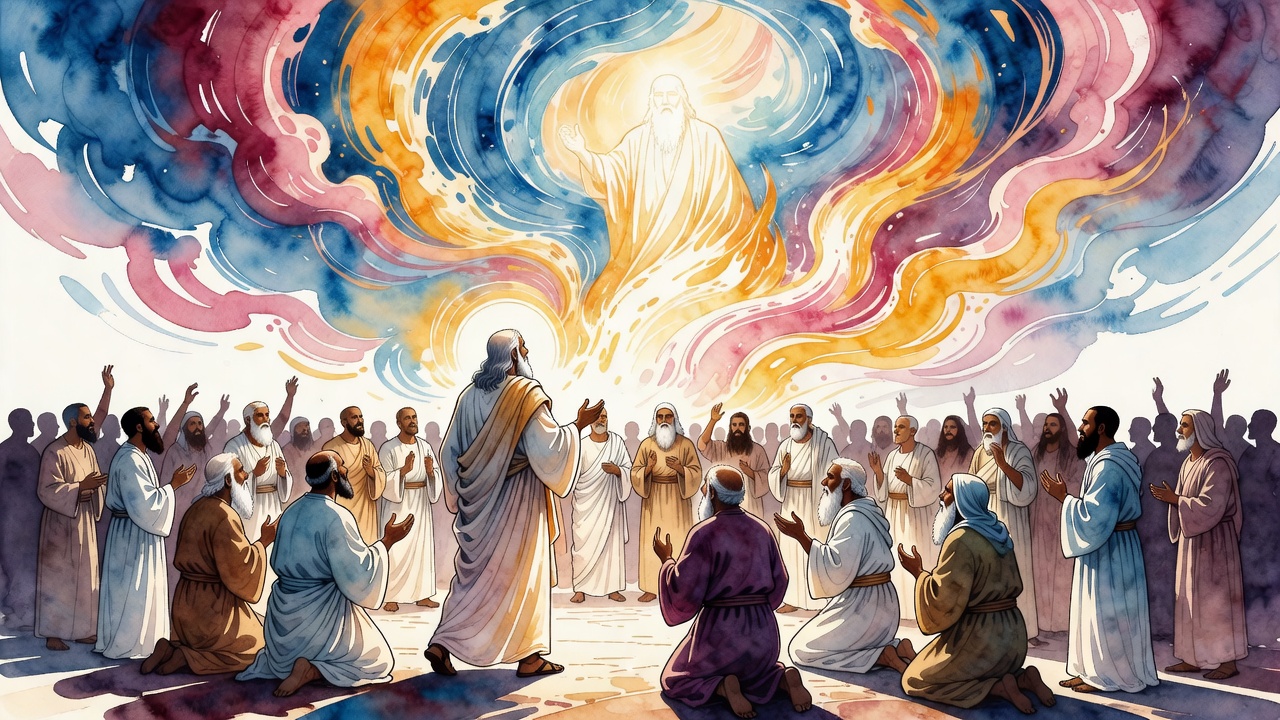
He could have climbed a rock and shouted the terms to the whole camp. The old men heard them first, and he stayed until they understood every word.
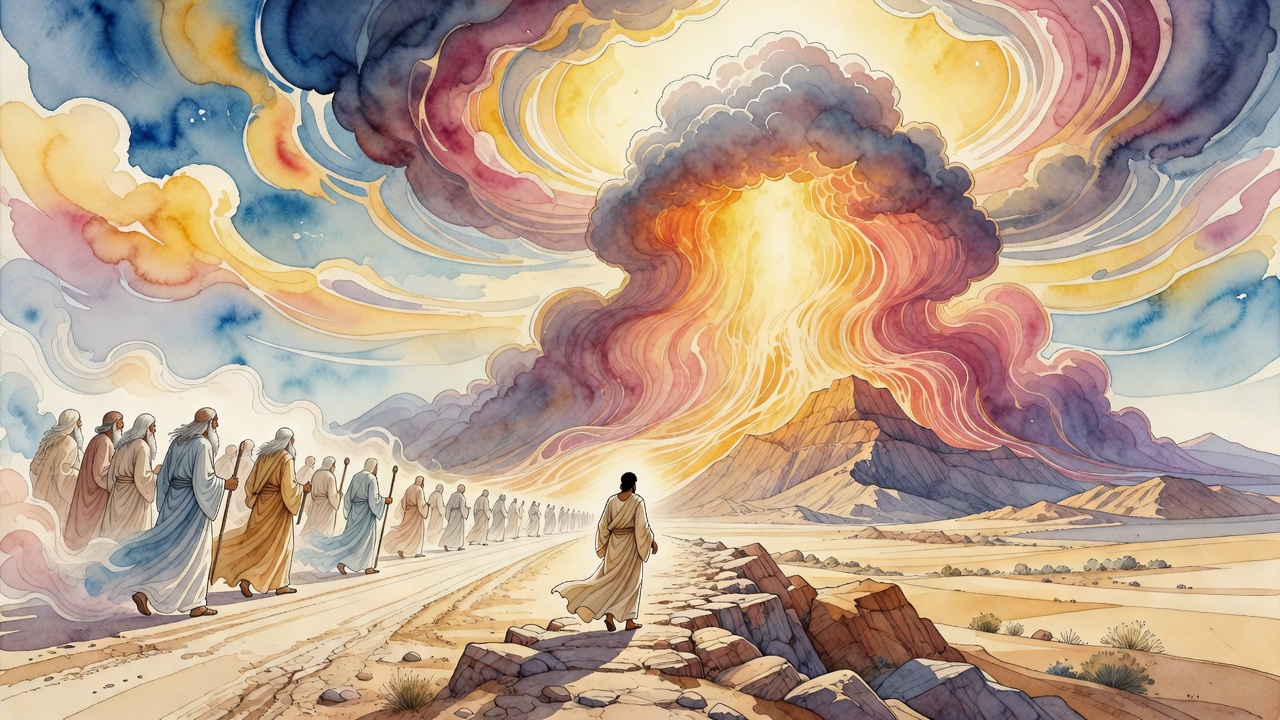
They had agreed to walk with Moses. At Pharaoh's wall the line behind him went quiet, and the two brothers entered alone.
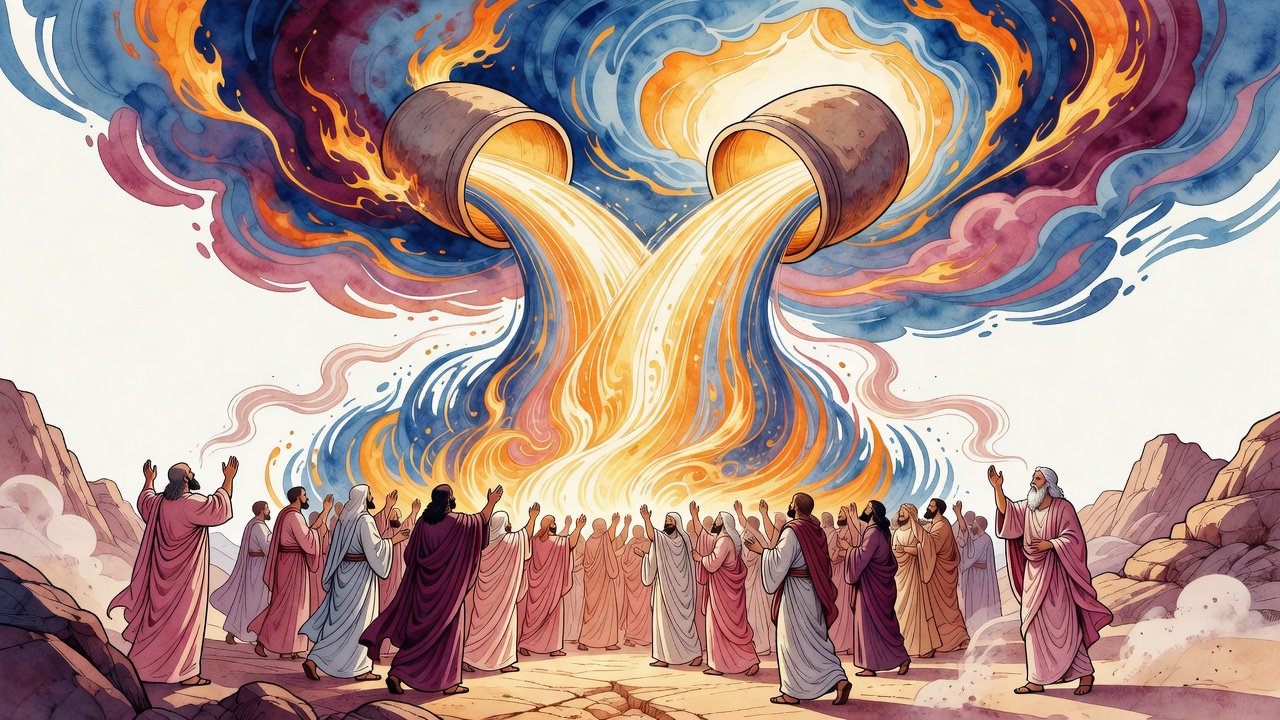
Adam and Noah received only a fragrance of law. At Sinai God tipped the jar and poured every commandment onto Israel.
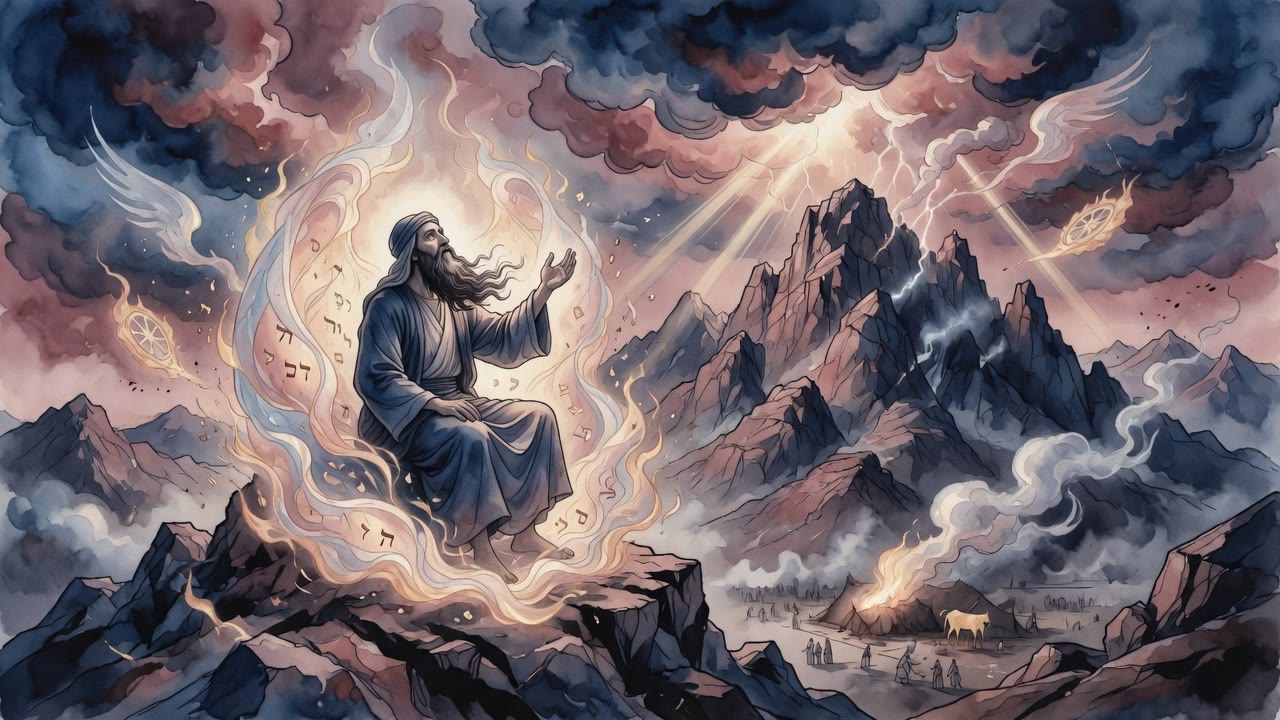
On Sinai Moses ate no bread. The Shekhinah, the Divine Presence, fed him while letters fled the first tablets and he carved the second set.
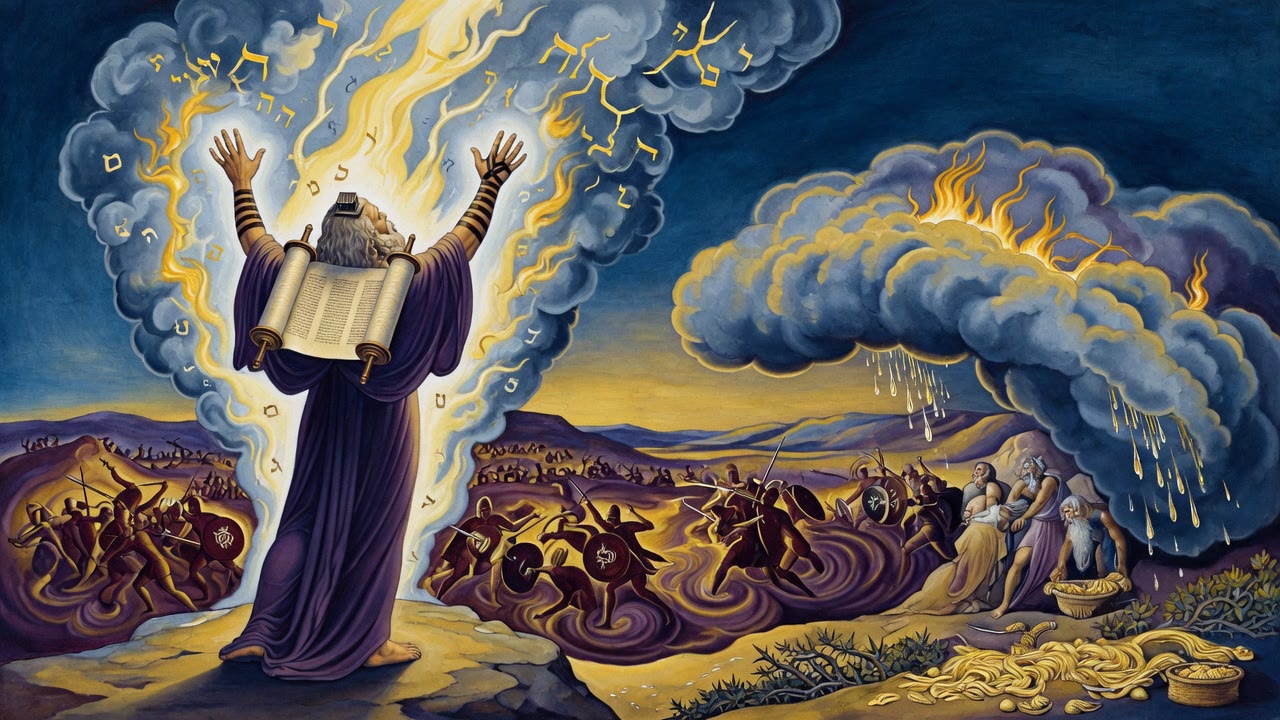
Moses comes down blazing and does not know it. Glory clings from the cave, from the gap between hands on the tablets, and from leftover ink on the pen.
