Jeremiah Held Up Aaron's Jar of Manna in the Streets of Jerusalem
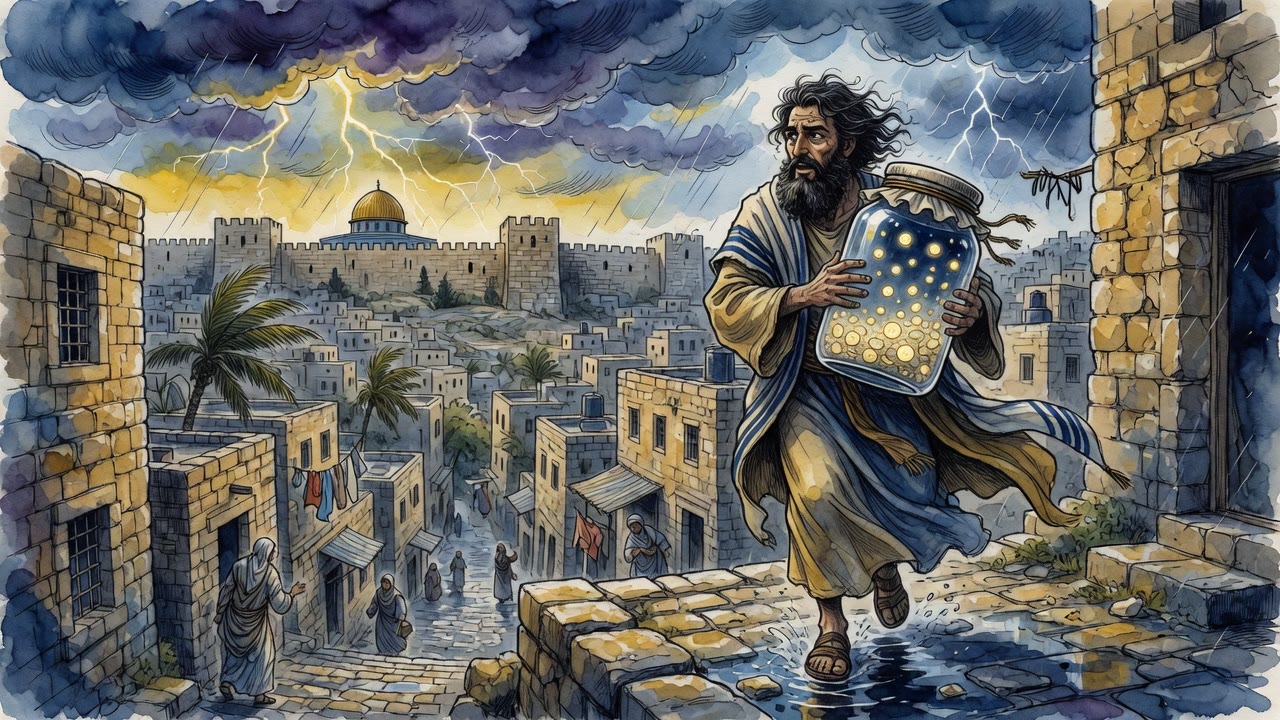
The crowd told Jeremiah they had fields to plow and hungry children, so Torah would have to wait. He came back holding a jar of old manna.
Table of Contents
 Click for full size
The Excuse That Sounded Reasonable
Jeremiah had been calling out in the streets of Jerusalem for days. "Study Torah," he told them. "Turn back to the word of the Lord." The crowd that gathered around him did not mock him and did not throw stones. They answered him with something far harder to fight, an excuse that made perfect sense.
"How will we feed ourselves?" The question came from every direction. "We have fields waiting for the plow and debts coming due at the gate. We have children who wake up hungry. Torah is a luxury for men whose bread is already baked. We are not those men."
Jeremiah listened, and he did not argue. There was no argument made of words that could beat an empty stomach. So he turned, pushed through the crowd, and went to get something instead.
An Omer Sealed by Aaron's Hands
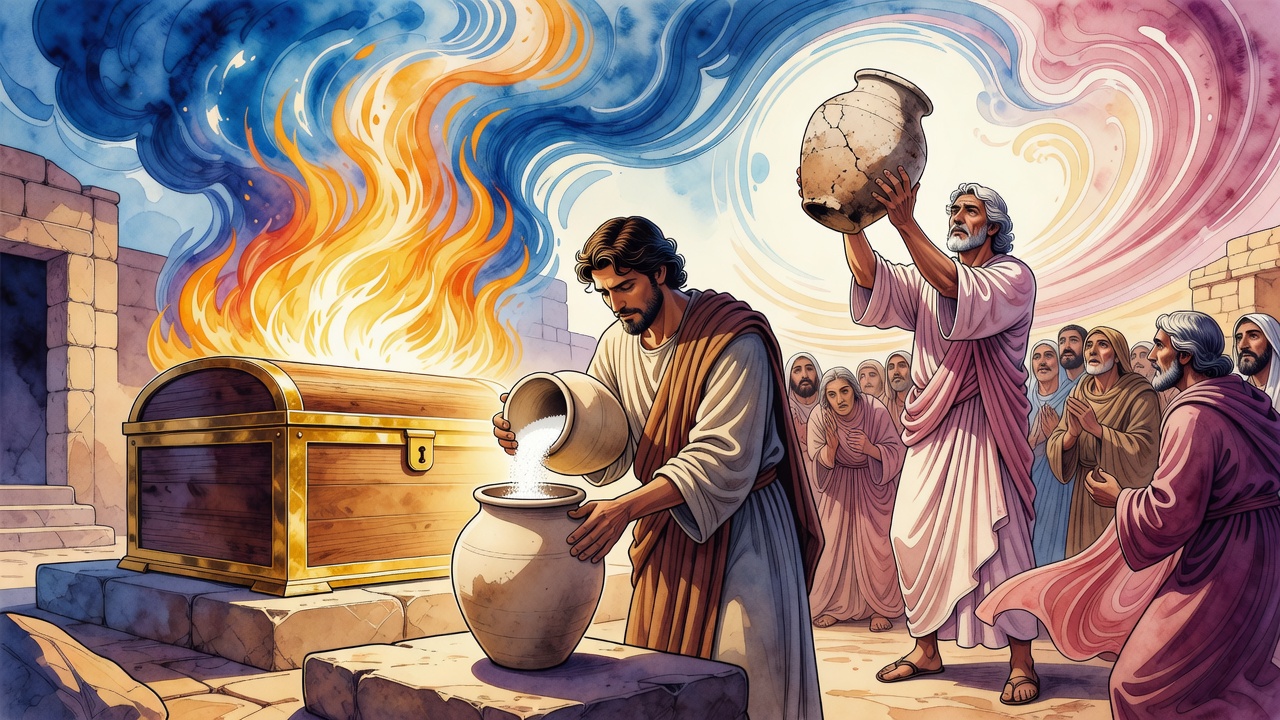
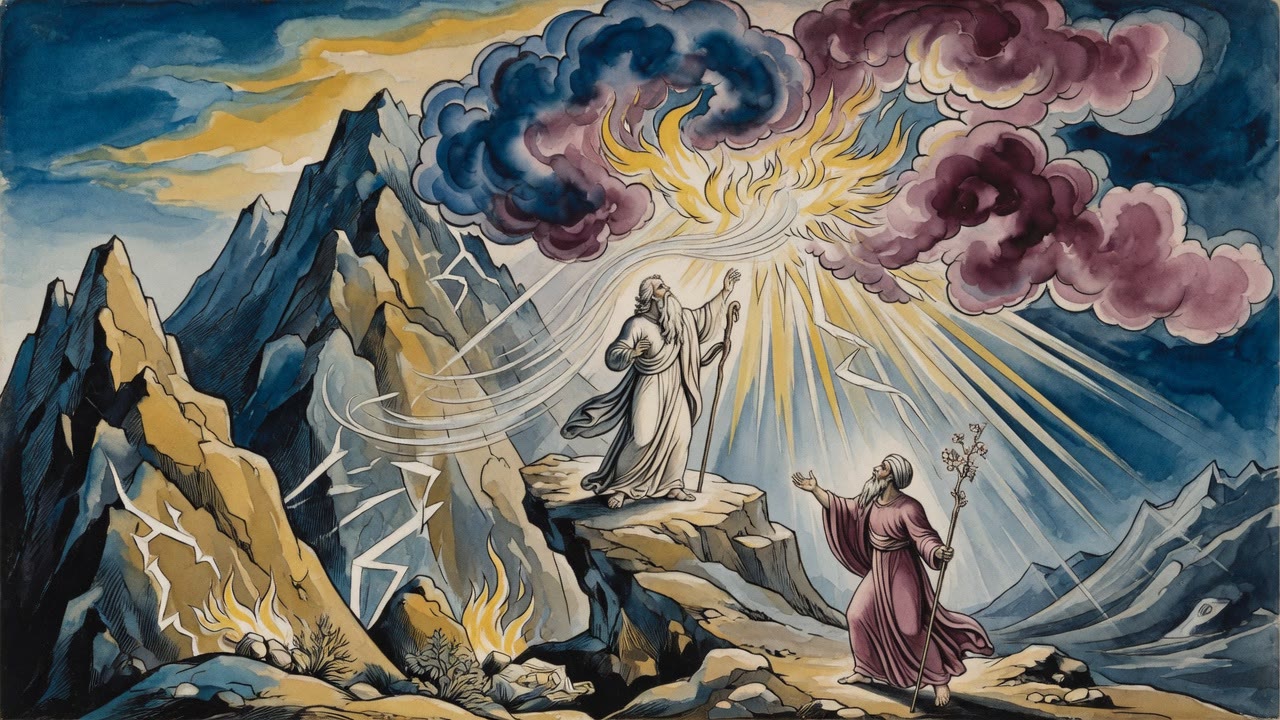
Centuries earlier, in a wilderness of sand and stone, Moses had given his brother a strange command. "Take a jar," he said, "and put an omer of manna in it, a single day's portion, and lay it up before the Lord, to be kept throughout your generations" (Exodus 16:33).
Aaron did it. He gathered the white bread that had fallen from the sky that morning, the food that melted when the sun grew hot and bred worms if a man hoarded it overnight, and he sealed it in a jar where it would not melt and would not rot. It was set aside as a witness, a piece of the miracle preserved for a generation that had not yet been born and would never believe the stories.
The jar waited. Kingdoms rose around it. And Jeremiah knew where it was.
Bread That Vanished Into the Body
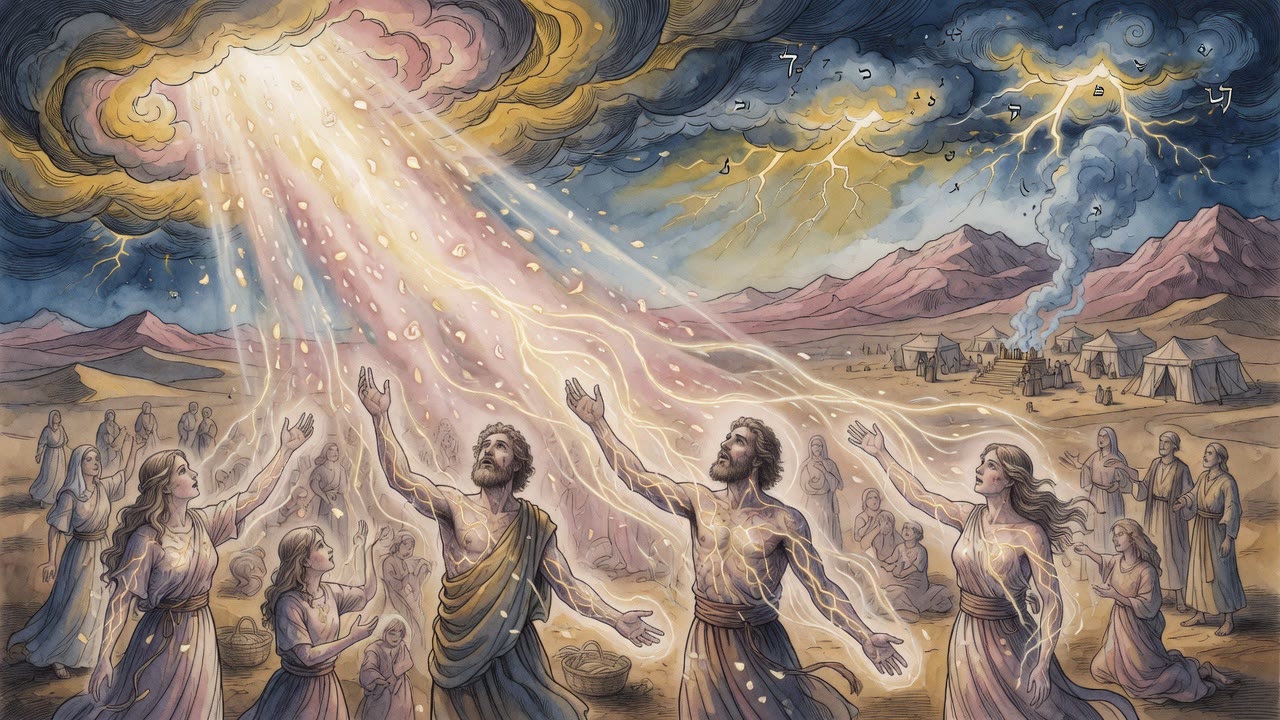
The miracle the jar remembered had begun with hunger, the same hunger now standing in the streets of Jerusalem. The people in the wilderness had cried out that they were starving, and God answered Moses with a single charged word. Hineni, here I am, behold I shall rain down bread for you from the heavens (Exodus 16:4). Not after a season. Not after a test of patience. The nation was starving, and the answer came at once.
The next dawn the ground was covered with it. In those first days the people fell on it and stuffed themselves like horses after the deprivation of the march, gorging without restraint, because none of them yet trusted that it would come again tomorrow.
It came again tomorrow. It came every tomorrow for forty years. And it was no ordinary bread. Each man ate the bread of the mighty ones (Psalms 78:25), food so pure it was absorbed straight into the limbs of the body and left nothing behind, bread fitted to human flesh the way no bread baked in an oven had ever been. All those years, while the food fell free from the sky, the people sat and learned the Torah of the God who fed them.
See the Word of the Lord
Now Jeremiah came back through the crowd in Jerusalem carrying the jar Aaron had sealed.
He held it up over his head where every eye in the street could find it, the flask of manna, intact after all the generations, and he gave them the verse that fit it. O generation, see the word of the Lord (Jeremiah 2:31).
See it. Not hear it. Every prophet asked the people to listen. Jeremiah was holding something they could look at, sunlight on a sealed jar, the morning bread of their ancestors still inside it.
The Argument No One Could Answer
"Look at this," he told them. "Your fathers stood in a desert where nothing grew from the ground. They had no fields waiting for the plow. They had no markets, no trade, no economy of any kind, nothing but sand to the horizon. And they gave themselves to Torah anyway, and the Holy One fed them every single morning with bread from the sky while they learned."
The force of it was in its simplicity. If God could sustain an entire nation on miraculous food in a wasteland, while they studied, because they studied, then He could certainly provide for people living in a settled land, people with terraced hillsides and vineyards and rain in its season. The excuse in the street had been that food must come first and Torah after, when there was time, if there was ever time. The jar said the order ran the other way. The bread had never been a reward handed out after the learning was done. The bread came down so that the learning could happen at all.
No one in the crowd had an answer for a jar.
The Man Who Hid Holy Things
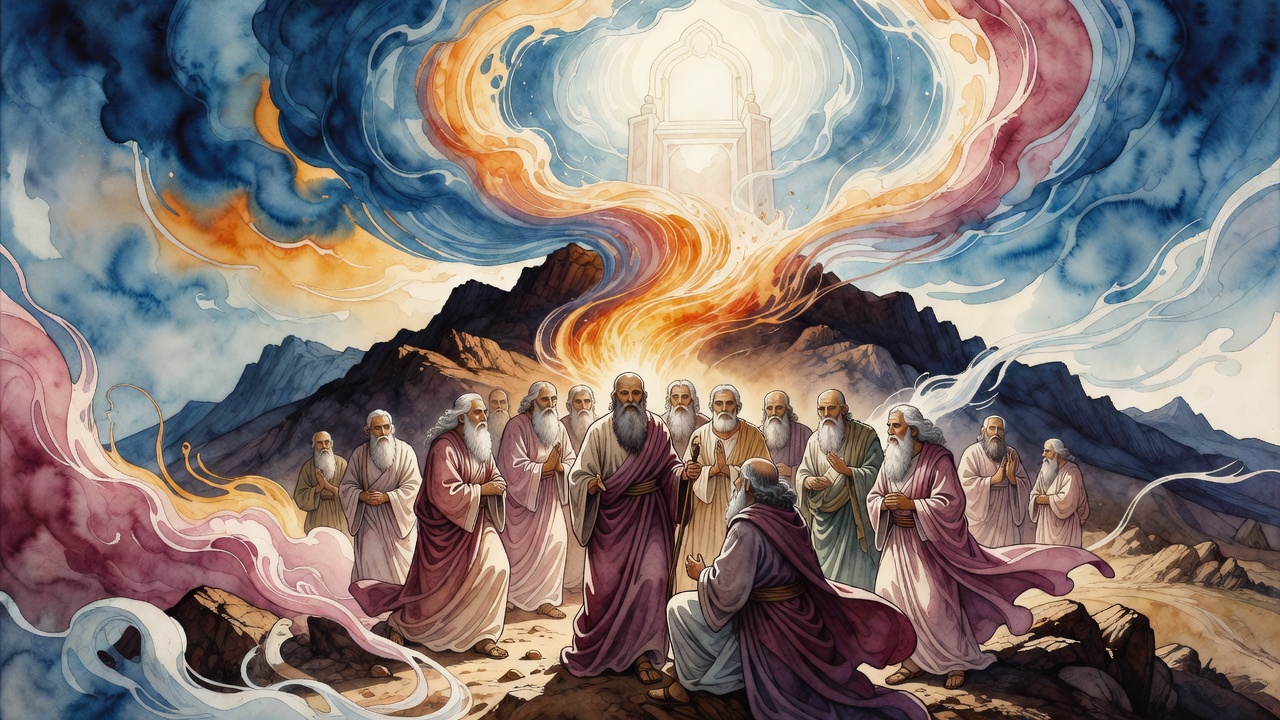
It fit the man. Jeremiah spent his life as a keeper of things other men forgot. He warned the people against the graven images of gold and silver that glittered at them from every nation around, and charged them never to let the Torah depart from their hearts. And when the catastrophe he had prophesied finally came, he was the one entrusted with the holiest objects Israel owned. He took the Tent of Meeting and the Ark of the Covenant and carried them away to the mountain to be hidden, sealed up against a better day.
A man like that understood exactly what a sealed jar was for. Aaron had put the manna away in the wilderness against the morning when somebody's grandchildren would say the miracle was impossible and the learning was unaffordable. The jar had waited centuries in the dark for one hour in the streets of Jerusalem, and when its hour came, Jeremiah held it up and let it speak.
← All myths