Solomon Tried Everything and Isaiah Finished the Sentence
Solomon chased every pleasure under the sun and called it vanity. Kohelet Rabbah says he was waiting for Isaiah to finish the sentence he could not.
Table of Contents
 Click for full size
The king who tested both sides
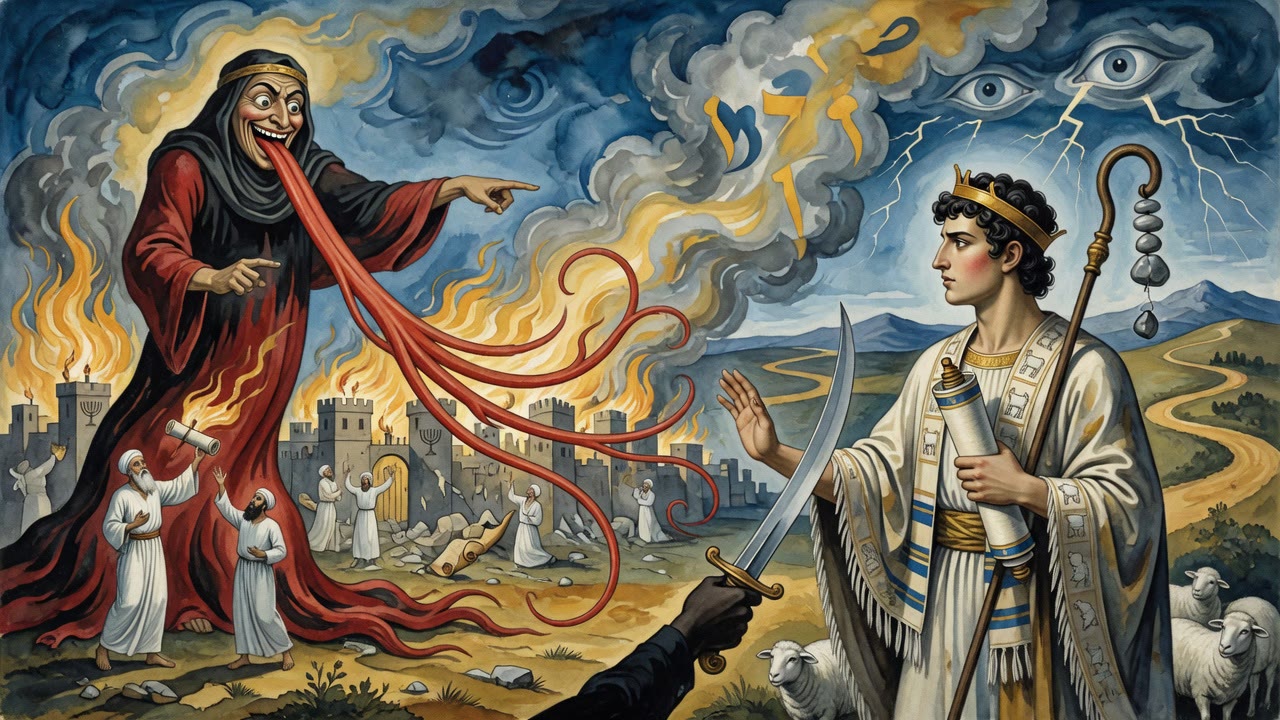
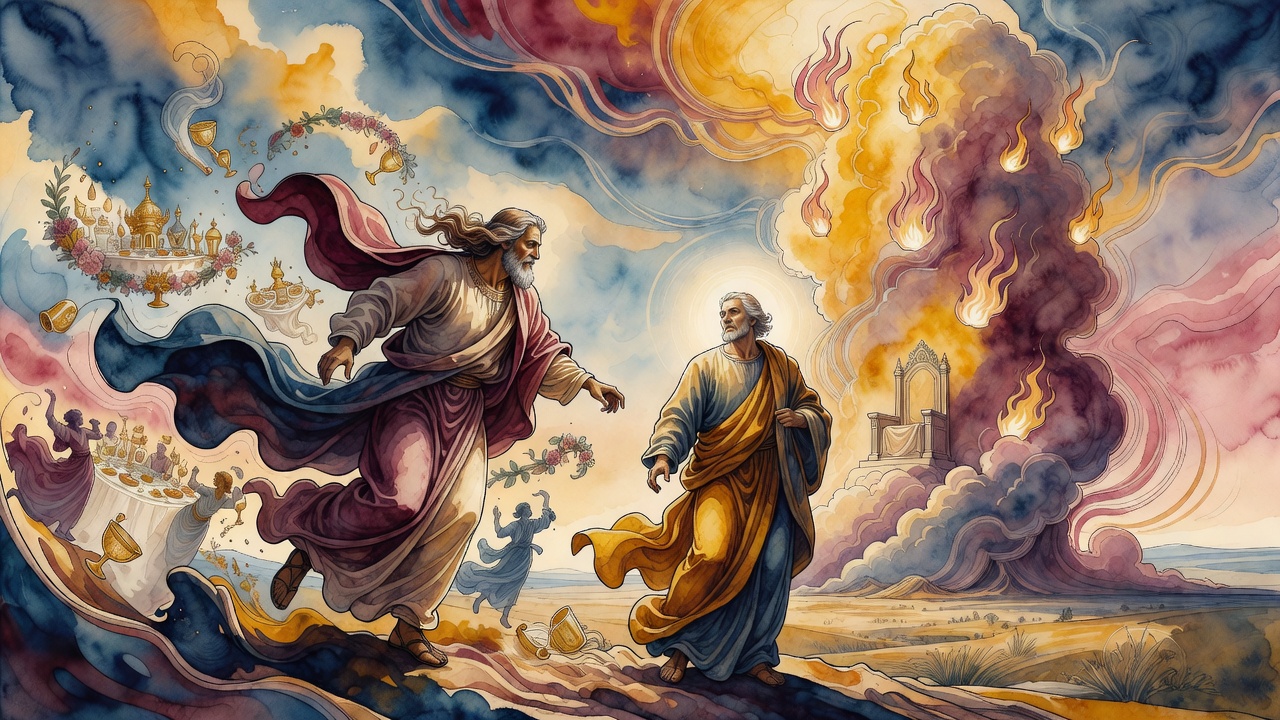
He did not fall into excess the way ordinary kings fall, by accident and appetite. Solomon went into it deliberately. When he writes "I will experiment in joy" in the second chapter of Ecclesiastes, the Hebrew verb he uses is anasekha, and the rabbis who built Kohelet Rabbah in Palestine around the eighth century heard a double dare in it.
Rabbi Pinhas, citing Rabbi Simon bar Zavdi, said Solomon tried Torah first. He lived inside its boundaries and tested what that felt like. Then he stepped outside. He tried heresy, examined it from the inside, measured its satisfactions, and came back running. Then, in a move that must have confused everyone watching, he looked at the goodness he had just returned to and called even that vanity.
Not a dismissal. A comparison. The Torah that human beings study and forget and relearn every week is genuinely good. But it is not the same Torah as the one God promises in Jeremiah 31, where the law will be written inside the heart itself. No memorization. No forgetting. No Tuesday slippage. A Torah that is not learned but simply known, the way the blood knows where to go.
Solomon called present Torah vanity the way a traveler, returned from a long journey, calls a comfortable inn "not home." Accurate. Not insulting. Specific.
The queen who came to test a different kind of wisdom
The Queen of Sheba enters Kohelet Rabbah not as a political visit but as an intellectual one. She had heard something about Solomon. She came to find out if what she heard was true.
The version in Kohelet Rabbah preserves a riddle game between them, and the riddles are not ornamental. They are tests of the same faculty Solomon had been pushing to its limits all his life: the ability to see beneath the surface of a thing to its actual nature. She put images before him and asked him to find what was alive and what was dead, what was real and what was imitation. He answered correctly each time.
What she concluded from this was not that Solomon was clever. She concluded that he was the real thing. The wisdom she had been told about was not reputation. It was actually present in the man. She said so, directly, and went home.
The midrash preserves this scene inside a commentary on the verse about the light of wisdom being sweeter than the sun, because the Queen of Sheba's journey is the working demonstration. She traveled farther than the sun's reach to test something she had only heard about, and what she found was worth the trip.
The light that was sweeter than the sun
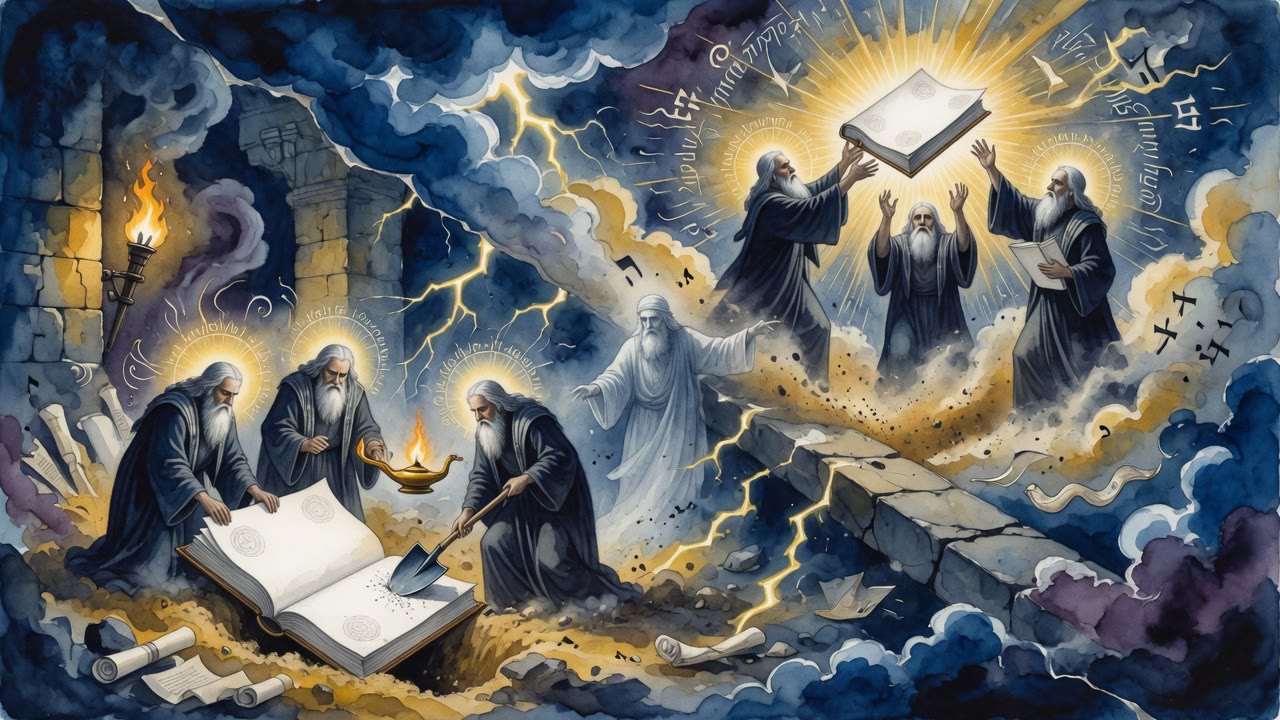
Kohelet Rabbah stops at Ecclesiastes 11:7, "sweet is the light, and it is good for the eyes to see the sun," and reads it as a statement about Torah. The light that is sweet is not the physical light. It is the light of learning.
The rabbis gave this an image. A man walking in the dark keeps stumbling over stones, over holes, over the edges of things he cannot see. Give him a lamp and he stops stumbling. The lamp does not change the road. The road has the same stones in the same places. The lamp changes what he knows about them in time to act differently.
Solomon had the lamp his whole life. The problem Solomon describes in Ecclesiastes is not that he could not see. It is that he could see everything, including the gap between the light he had and the light that would eventually be available. He could see, by the lamp of Torah, that there was a brighter light coming. He just could not carry it yet.
Isaiah comes in and finishes it
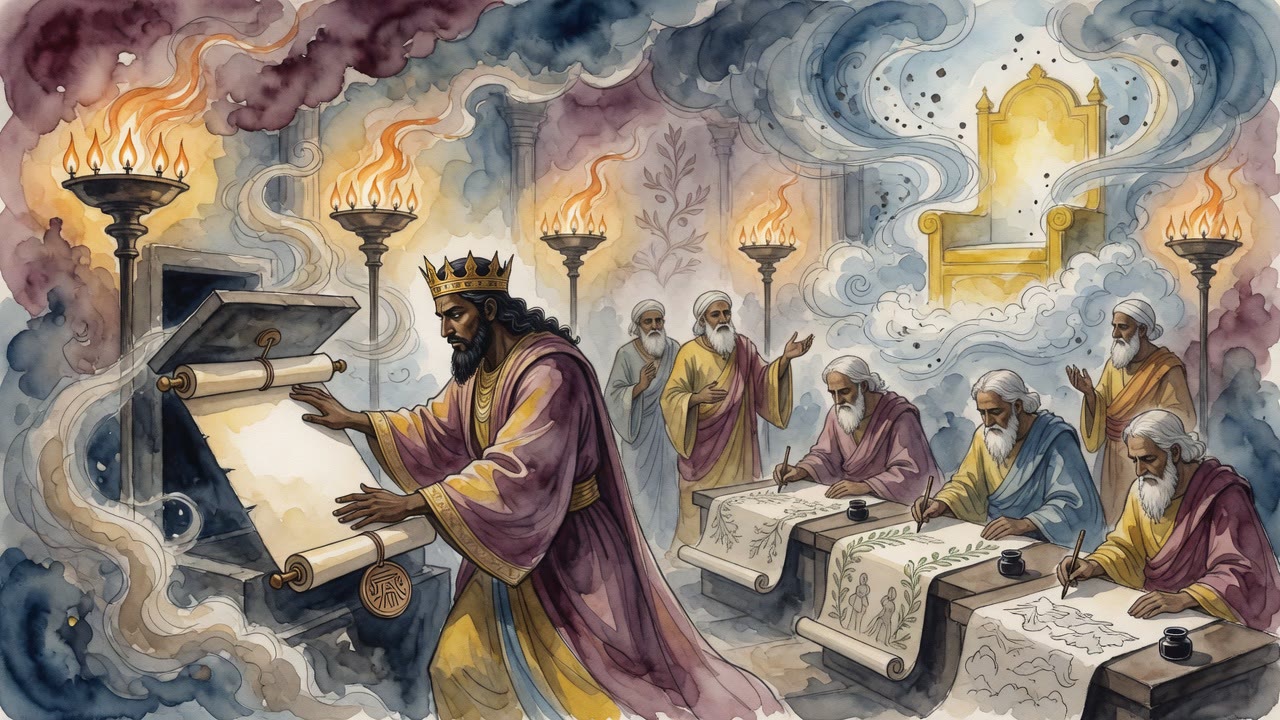
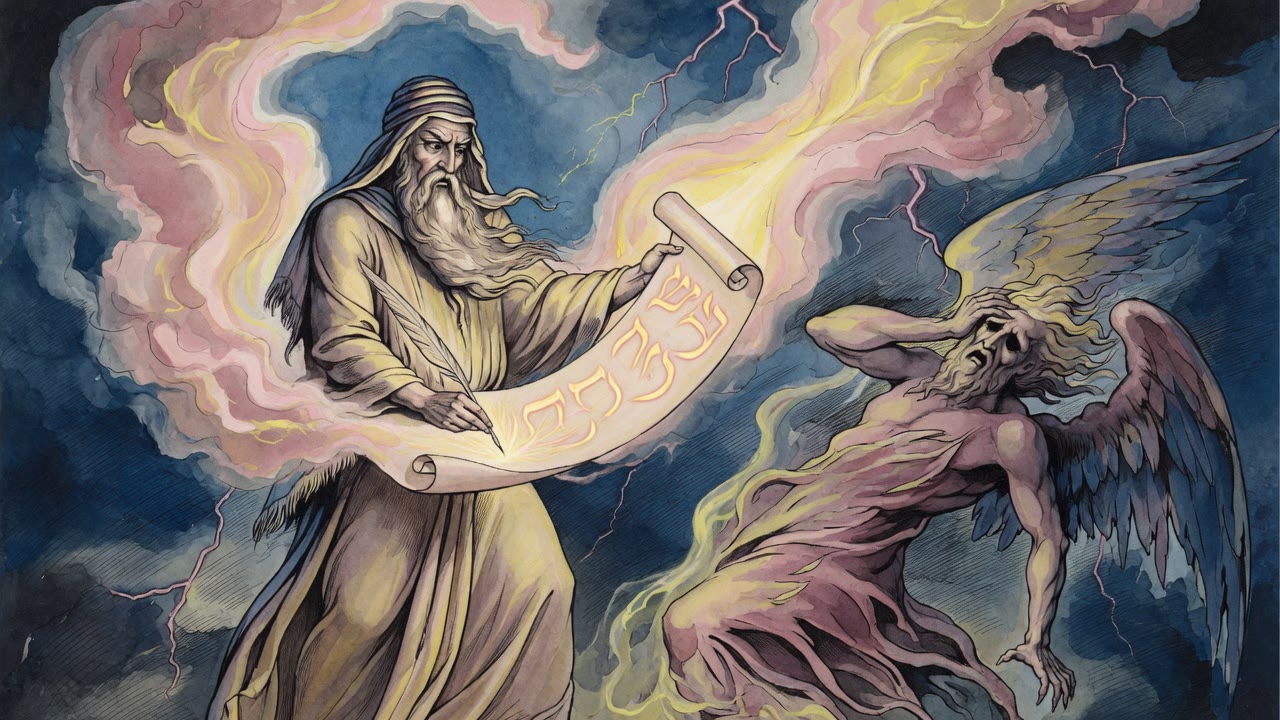
The midrash puts Isaiah before Solomon in a vision, and the scene it imagines is brief. Solomon has been trying for years to articulate what he is reaching toward. Vapor of vapors, he keeps saying. Nothing under the sun satisfies, he keeps writing. He is circling something he cannot name.
Isaiah names it.
The verse from Isaiah that the midrash brings is chapter 60:19: "The sun shall no more be your light by day, nor for brightness shall the moon give you light; but the Lord will be your everlasting light, and your God will be your glory." Sun replaced. Moon replaced. The source of light stops being external and becomes the One who is the source of everything.
Solomon had been writing around that verse his whole life. He had been saying "not the sun, not the moon, not the wine, not the women, not the wisdom" and he could not get to the positive statement. Isaiah gave him the positive statement. Hevel havalim, vapor of vapors, is finally legible once you know what it is that is not vapor. Solomon called everything vanity as a way of pointing to the one thing that was not. He just needed a prophet who had seen it directly to finish the sentence.
← All myths