Sixty Guards Stood Around Solomon's Bed After He Sinned
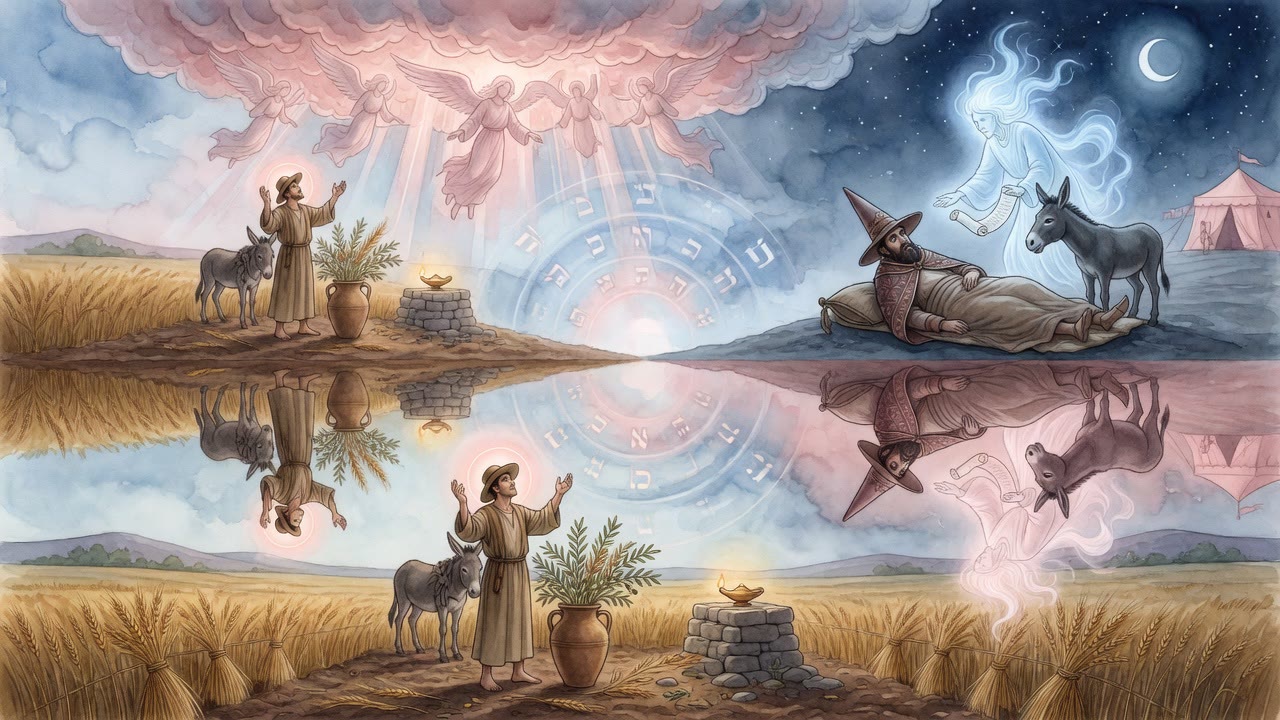
Ashmedai had worked under Solomon's orders while the Temple went up. Then the king sinned, and the demon put him off his own throne.
Table of Contents
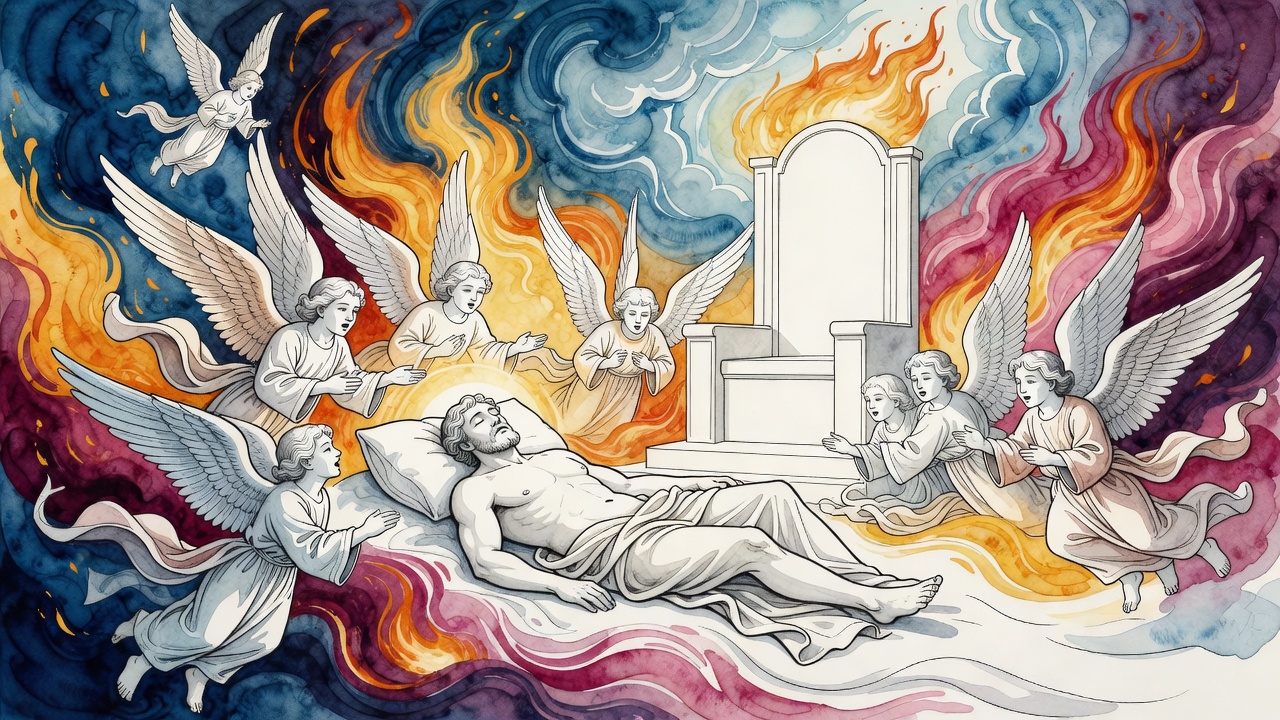
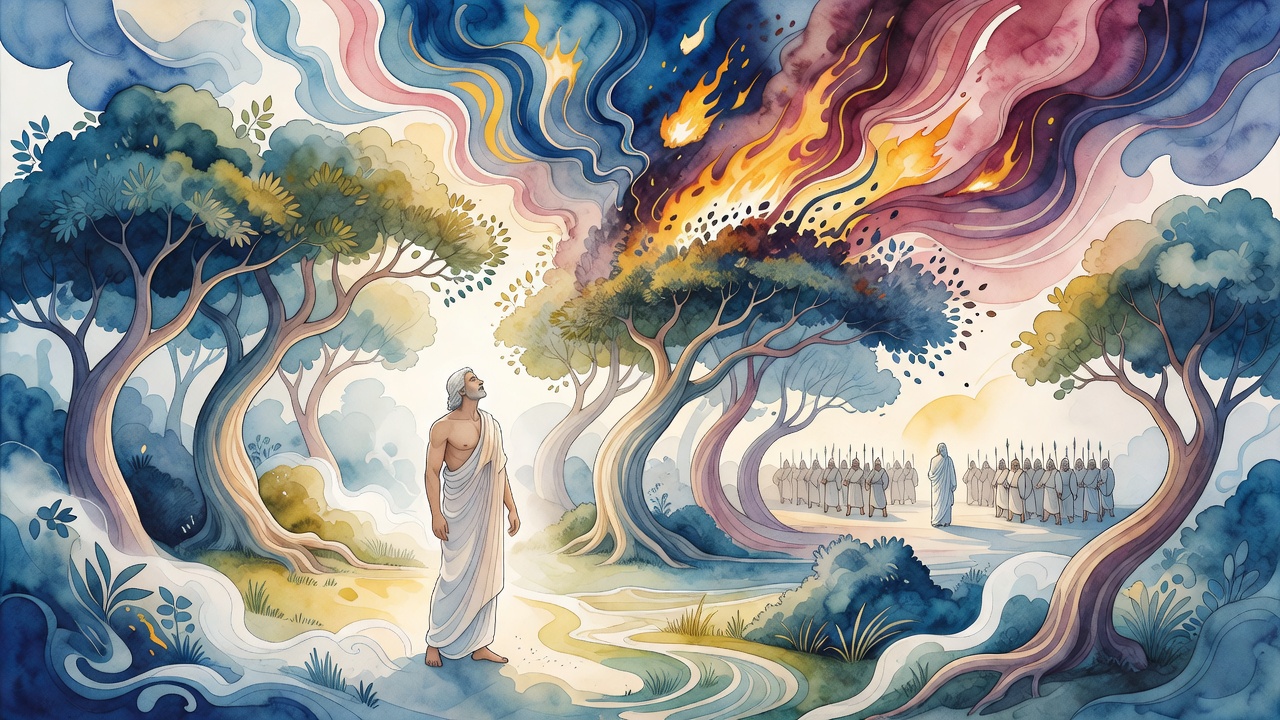
Sixty men came into the bedroom before the king lay down. They took positions around the bed, one every few feet, facing outward, and each of them drew his sword and laid it across his thigh. They were picked men, all of them veterans, the best fighters in Israel. Then Solomon got into the bed and they stood there while he tried to sleep.
 Click for full size
No assassin was coming. What he was afraid of did not use doors.
The King Who Gave Orders to Demons
There had been a time when this was the wrong way around. He had ruled with songs. He had singers, men and women, and he had shedim and shedot, male demons and female, and they stoked the fires under his bathhouses because he told them to. He knew the words that bound them and the words that let them go.
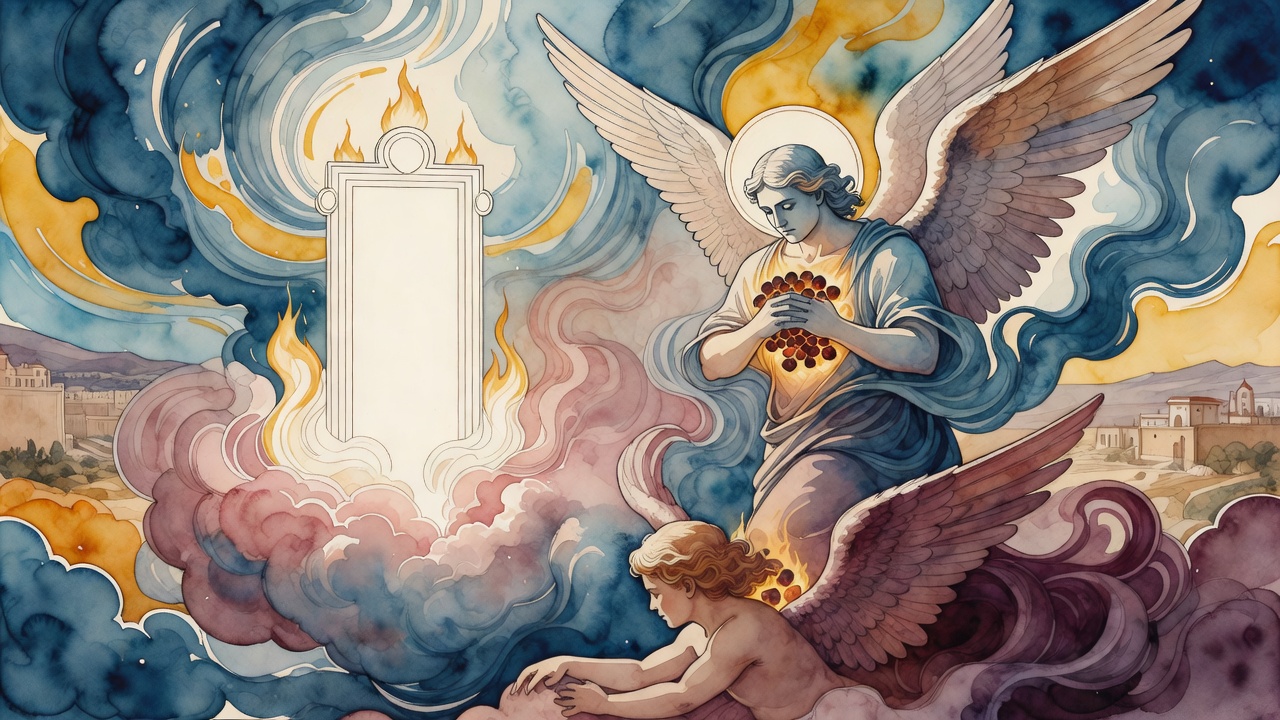
When the House went up in Jerusalem, the king of the demons himself was on the work. Ashmedai did what Solomon said. The wisest man alive gave instructions and the thing that terrifies everyone else carried stone.
Adam Heard the Same Voice Twice
The pattern was old by then. Adam used to hear the voice of God in the garden and stand up straight and take it. Nothing in him buckled. It was a quiet voice and he could bear the weight of it standing on his own two feet.
Then he ate, and he heard the voice again, and he went into the trees. Same garden, same hour, same voice. It came through the branches like thunder now and he crouched in the leaves with his wife and waited for it to pass over them.
Seven Walls of Fire on the Mountain
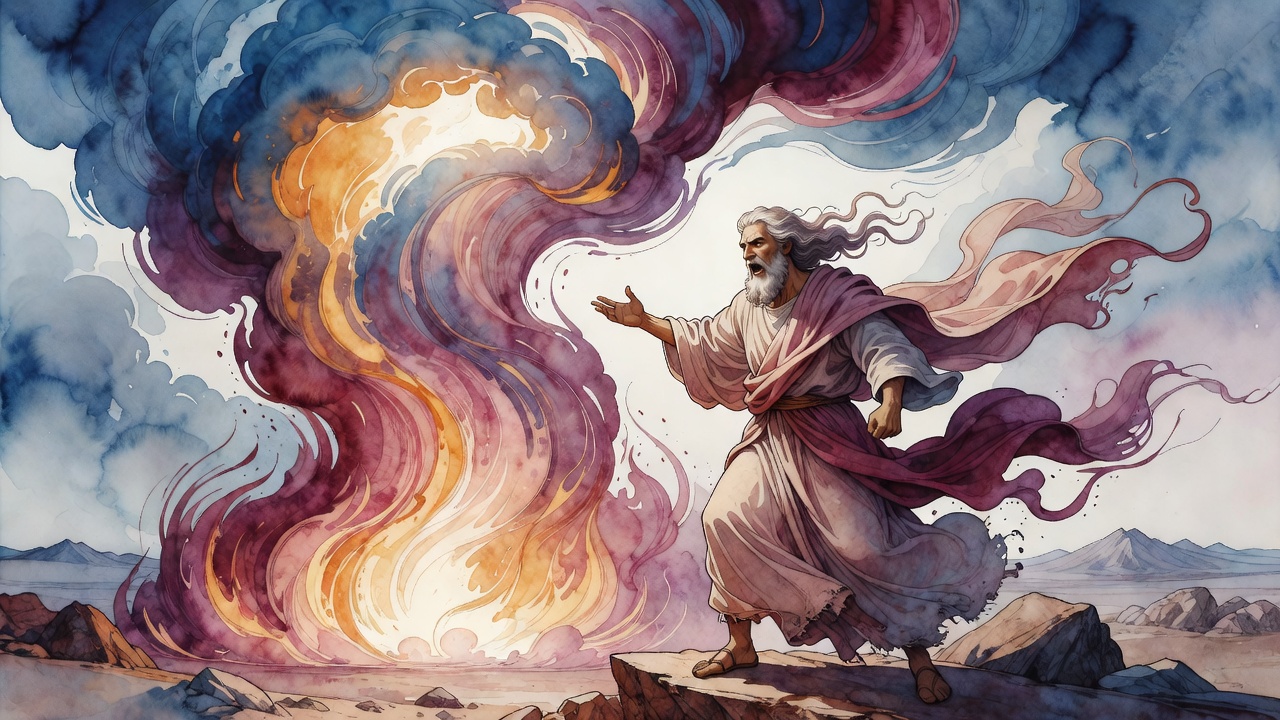
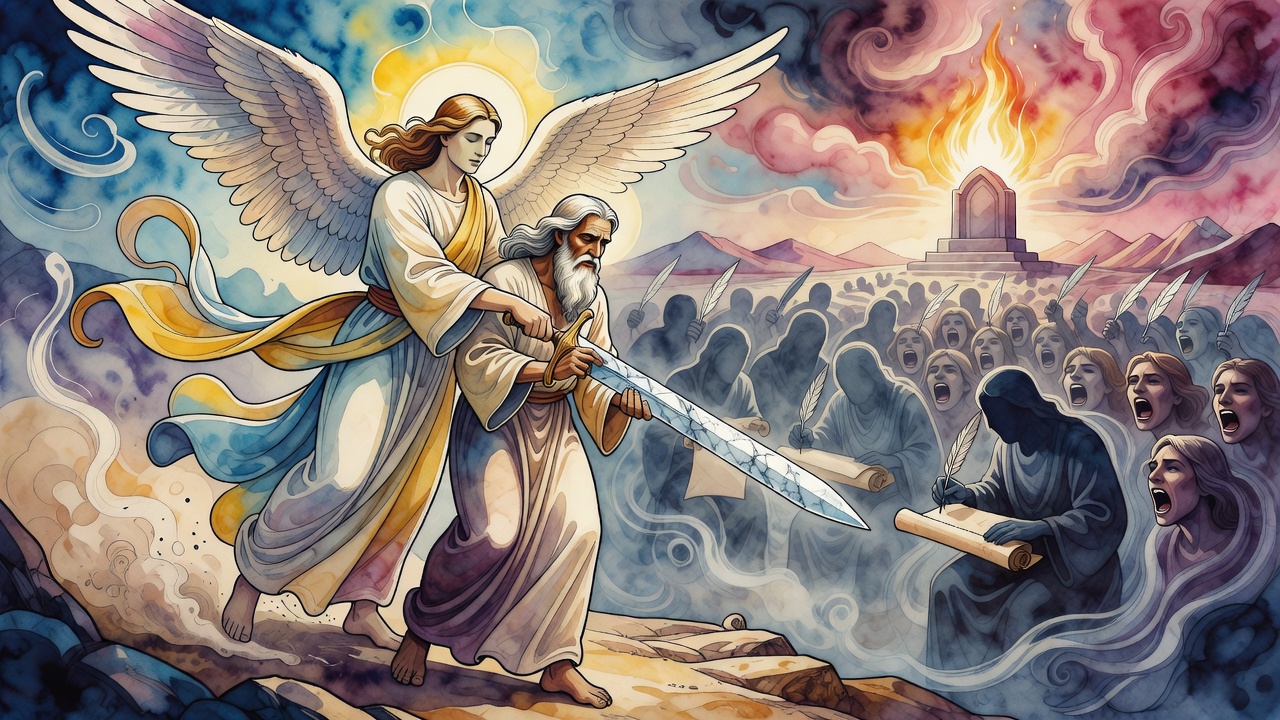
Israel had stood at the bottom of Sinai and watched the glory of God sit on the summit looking like fire eating itself. Seven partitions of flame, one consuming the next, stacked up the mountain. The whole nation looked straight at it and nobody flinched and nobody covered his eyes.
Then the calf came out of the fire and the tablets went into the ground in pieces. When Moses came down the second time with light coming off his skin, Aaron and every one of them backed away from him and would not come near, and Moses had to put a veil over his own face to hold a conversation. The fire on the mountain had not gotten hotter. They had gotten thinner.
Michael and Gabriel Used to Be Afraid of Moses
Before the calf, the kings of the armies of heaven ran from him. Michael ran. Gabriel ran. A man walked up through the ranks of the angels and the ranks moved aside.
Afterward he could not raise his eyes to the lowest-ranking soldier in those ranks. He said so himself, plainly, when he came back down and had to explain what standing in front of God had been like the second time: I was terrified of the anger and the fury.
Saul Turned and Won, and Then Saw the Camp
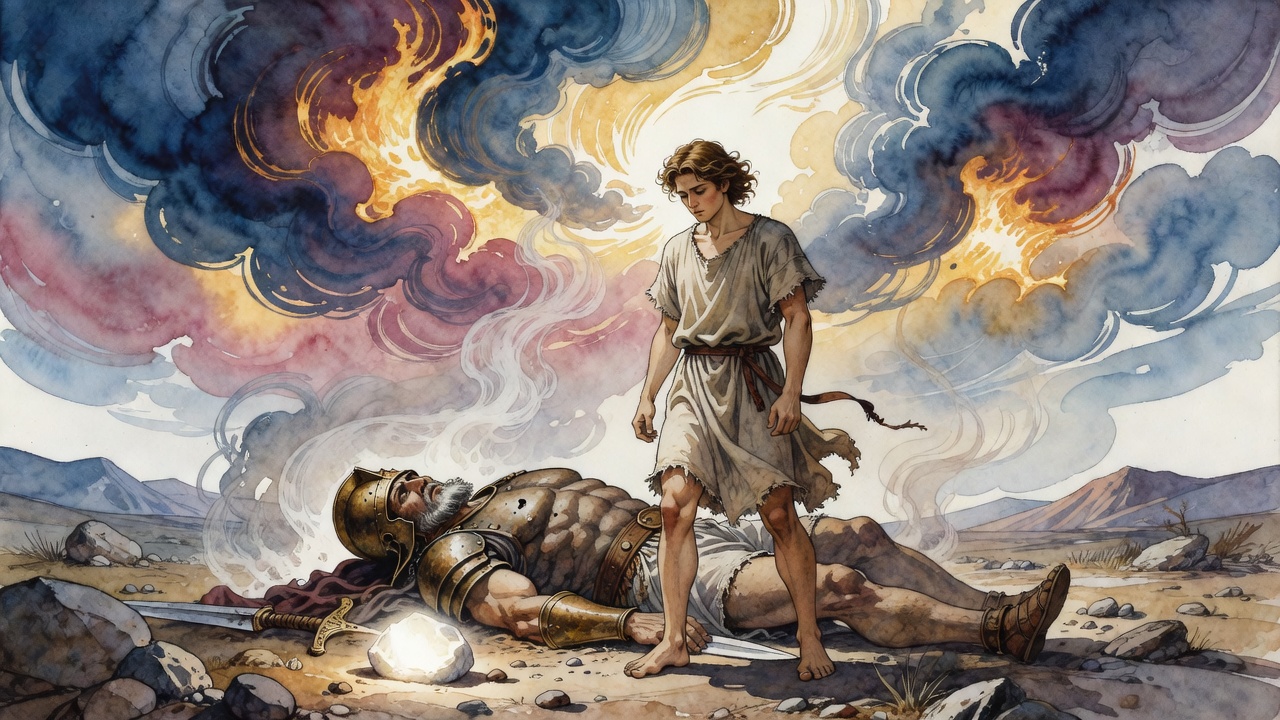
Saul had it too, for a while. Wherever he turned he came away the winner, and it was not luck. He was a poor man who ate ordinary bread in ritual purity. He spent his own money on the kingdom and was careful with Israel's. He held his servant's dignity to be worth exactly as much as his own, and he was learned, and the wars went his way.
Then came the sin, and then came the night he stood on a ridge and looked down at the Philistine camp, and the man whose approach used to empty a battlefield stood there with his heart going to water.
David sang, once, that the Lord was his light and his salvation and there was nobody left for him to be afraid of. After Bathsheba, his enemies sat in council and described him as a man who was weary and weak in the hands, and worth attacking now.
Ashmedai Threw Solomon Out of His Own Kingdom
So when Solomon sinned, Ashmedai did not wait for orders. He took the throne and put the king off it, out of the palace, out of the country, out of the arrangement entirely, and the demon that had hauled stone for the Temple sat where the wisest man in the world used to sit.
Solomon got the kingdom back. That part is short in the telling because it was the smaller half of what happened to him. What he could not get back was the earlier condition, the one where he opened his mouth and things with wings and fire in them did as they were told. He came home a man who knew exactly what was in the dark, and what it was capable of, and that it had already beaten him once.
So he called up sixty of the best fighters in Israel and posted them around his bed. Swords out, on the thigh, all night, every night, for the fear in the nights.
← All myths