The Day David Nearly Abandoned God in the Desert
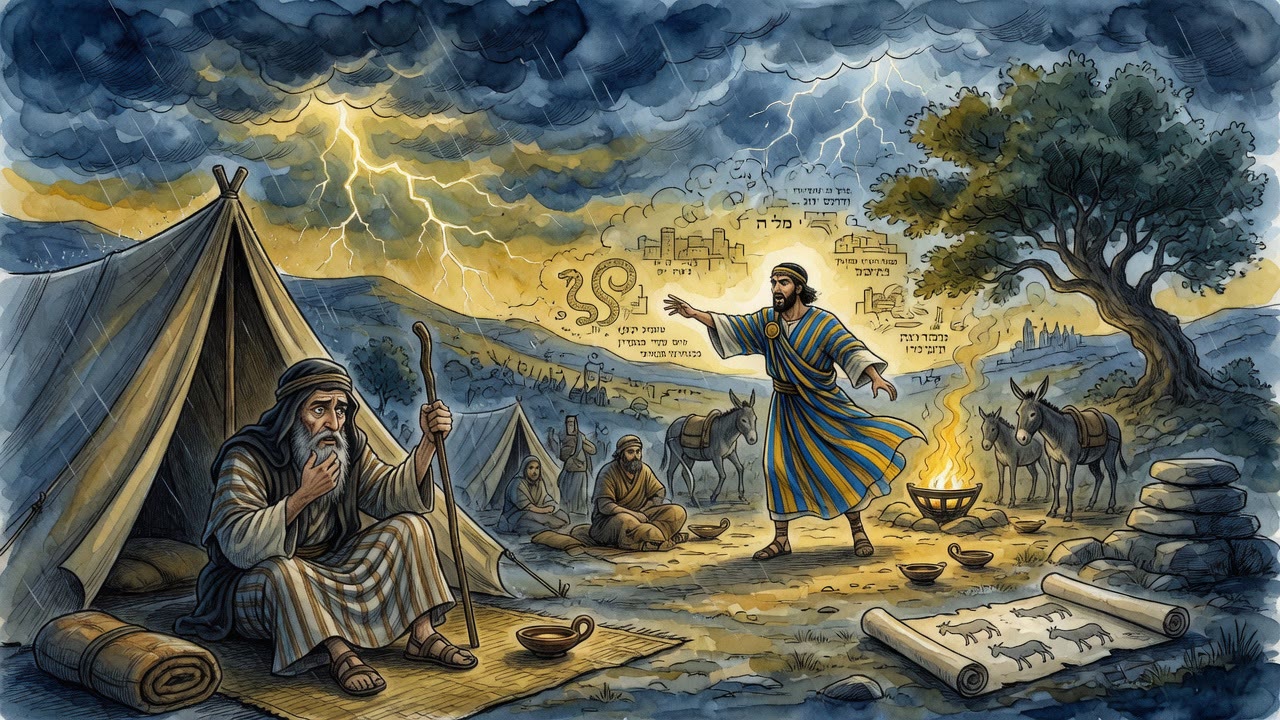
Absalom took the city and David went up the hill barefoot. Near the top he stopped walking, and the friend who caught him there offered him no comfort.
Table of Contents
 Click for full size
Out of His Own City, Barefoot
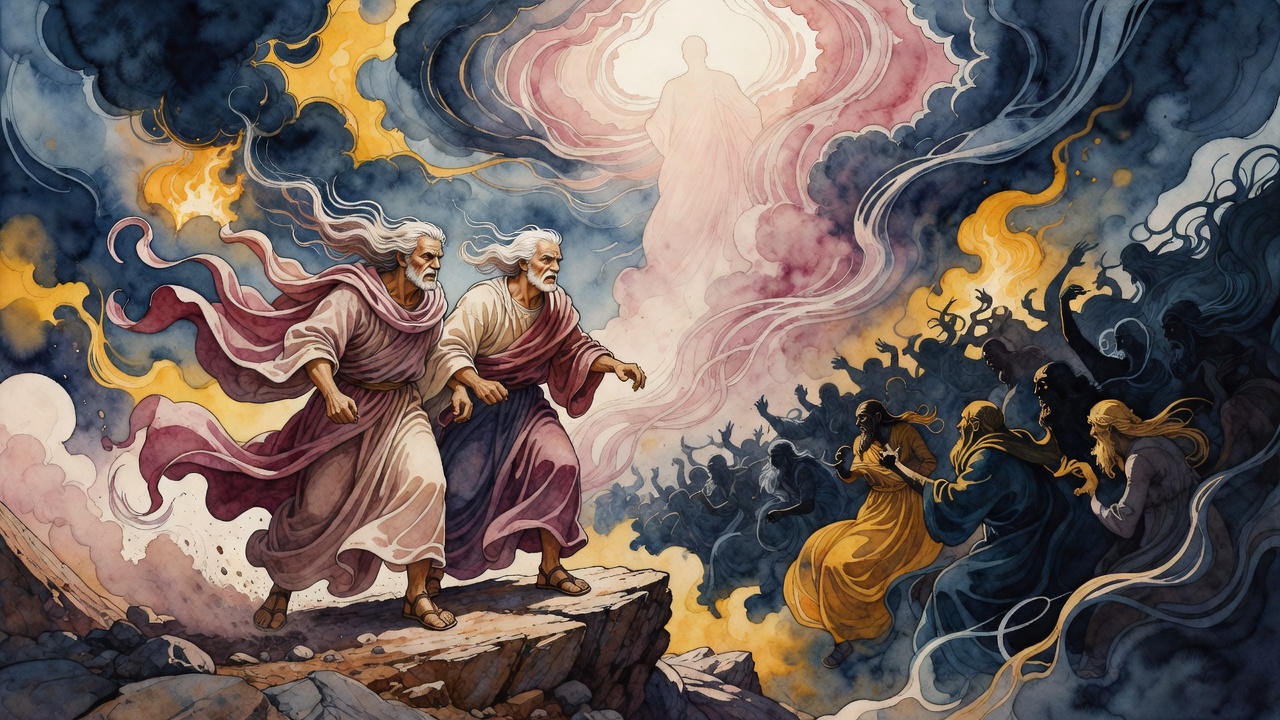
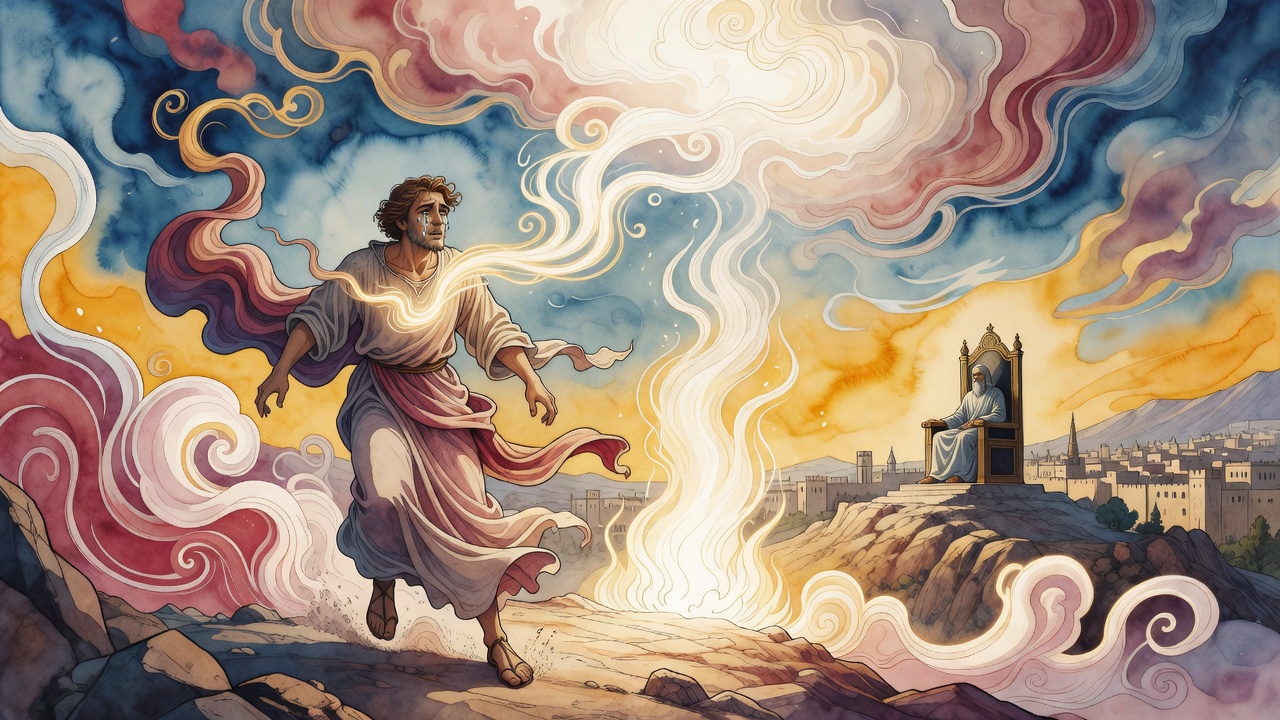
David left Jerusalem on foot on the day his son took it from him. He went up the slope of the olive trees with his head covered and no sandals, crying as he climbed, and the people who had walked out with him covered their heads and cried too.
Absalom was behind him with an army. Ahithophel, the best mind in the kingdom, whose advice men treated like an answer straight from God, had gone over to Absalom at the start of it. The rest of the country was standing still, waiting to see which way this ended before committing to either man.
David had survived a giant, a king who threw spears at him, forty years of Philistines, and a plague that took seventy thousand people because he had insisted on counting his own nation. He was an old man walking out of his own capital in his bare feet because of a boy he had raised.
Better an Idolater Than an Argument Against God
Near the top of the hill he stopped walking.
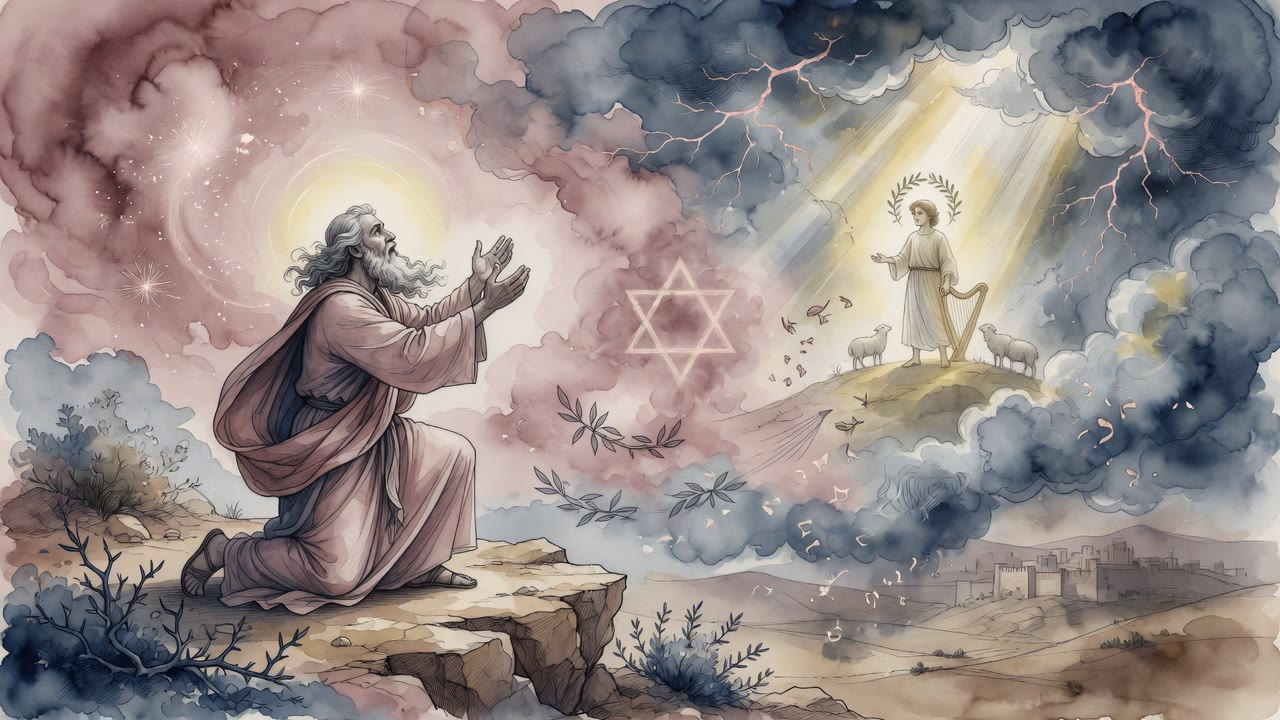
What was in him was not doubt. It was closer to accounting. If the king of Israel, the man who had brought the Ark up into the city dancing in front of it, was hunted down and killed in a ditch by his own child, then every nation with a border touching his would draw the same conclusion about whose God had failed. Better, he reasoned, that they say David went after idols and got what idolaters get. Let the shame land on him. Let the Name stay clean.
He had nearly done it. He was that close to abandoning the God he had danced in front of when the Ark came up into Jerusalem, when Hushai the Archite came up the hill behind him.
Hushai Says the Wrong Thing First
Hushai had torn his coat and put earth on his head. He was the one man who had come out looking for David rather than waiting to be found by Absalom, and the first sentence out of his mouth was not comfort.
"The people will wonder," he said, "that a king like you should serve idols."
David answered him the way a man answers who has already worked it out. "Should a king like me be killed by his own son? Better that I serve idols than that God be held responsible for what happens to me, and His Name be dragged through it."
Hushai did not argue with the reasoning. He changed the subject, which turned out to be the same subject.
The Captive Woman on the Next Page
"Why did you marry a captive?"
David had an answer ready for that too. He always did. "There is nothing wrong in it. The law permits it."
"You read the law permitting it," Hushai said, "and you stopped reading. Look at what comes next on the page."
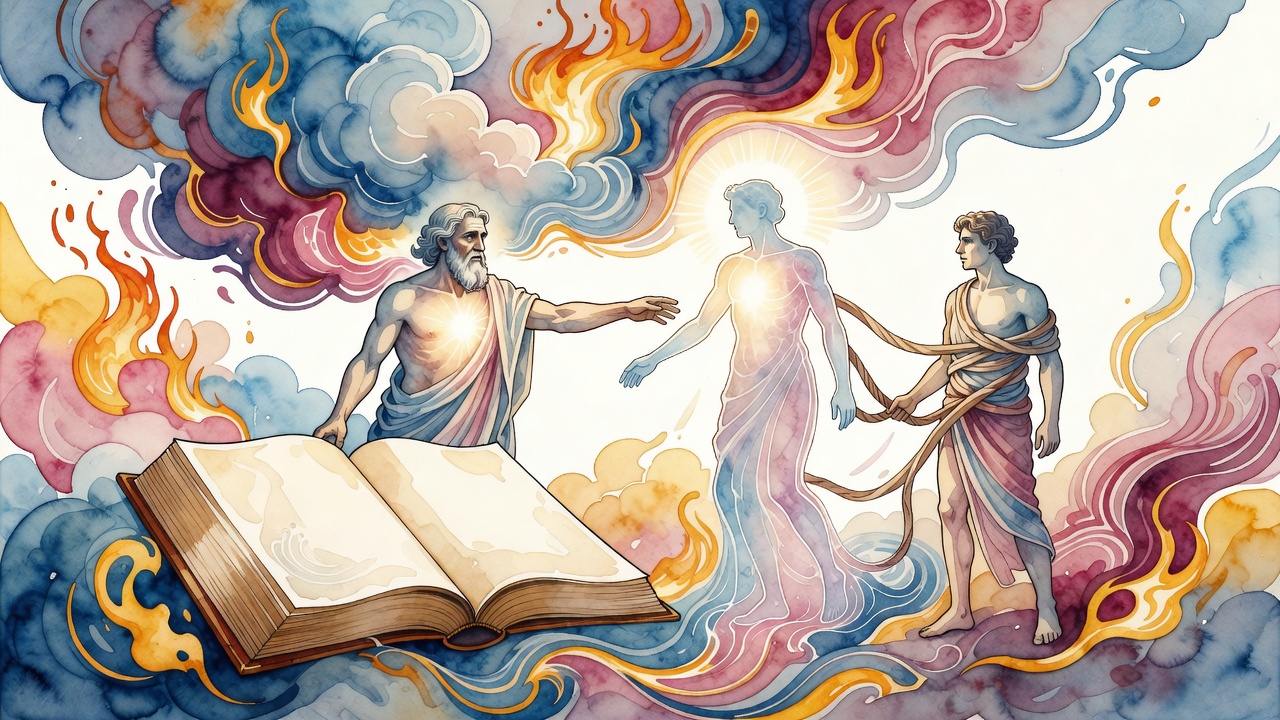
The Torah gives a soldier the captive woman he wants, in a passage most men remember. Almost immediately after it, it gives the case of the son who will not obey his father, the boy his parents finally drag out to the elders because there is nothing left to do with him. The two laws sit side by side on purpose. One is the permission. The other is the bill.
David stood on that hill with his own reasoning taken out of his hands. Nobody had told him God was innocent. He had been told the disaster behind him had his own name on it, put there years earlier by a decision he had checked against the statute and never checked against anything else.
He turned around and went down the far side of the hill. Hushai he sent back into Jerusalem, into Absalom's court, to sit at the boy's council table and wreck Ahithophel's advice from the inside.
A Stranger in the Land He Was Born In
Word reached him on the road that some of the men marching under Absalom's banner were his in secret, that they had joined the rebellion to survive it and would not raise a hand against him. It steadied him a little. He let himself believe that even Absalom, at the last moment, with his father in front of him, might not be able to do it.
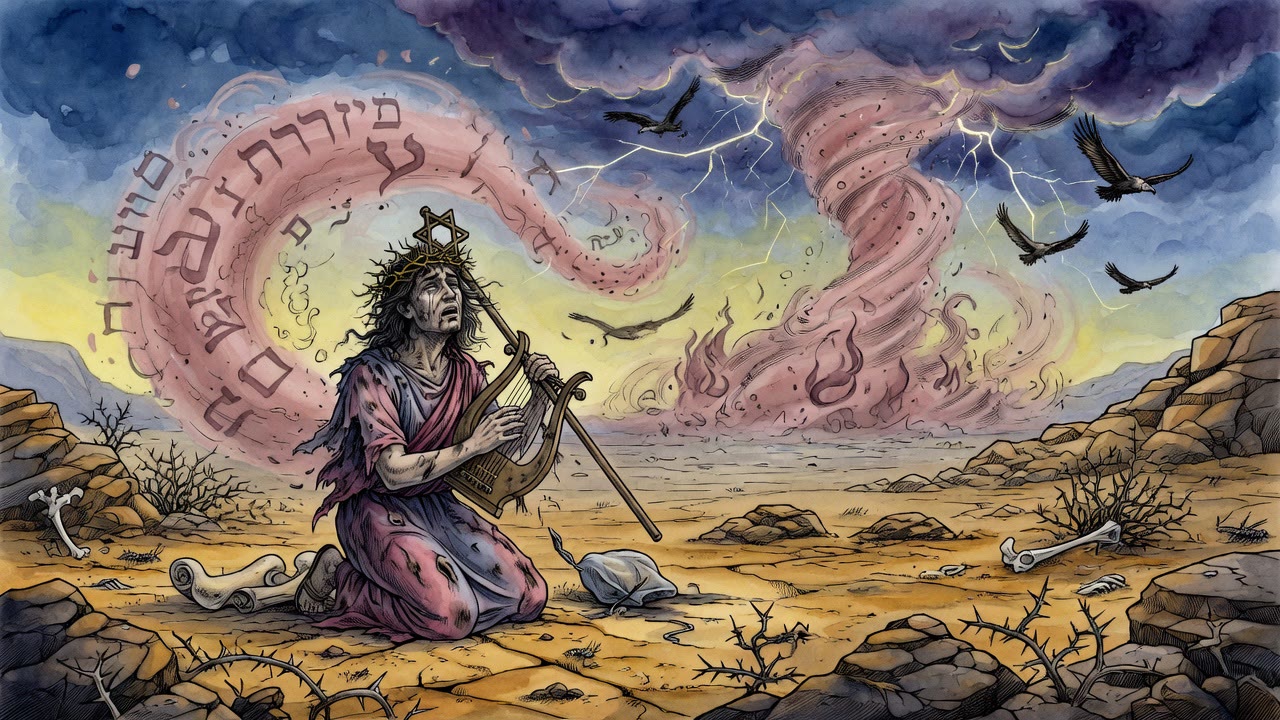
Then he went down into the desert of Judah, and there he made a psalm, the way he had made one in the cave when Saul was hunting him and another when the men of Ziph sold his hiding place. He had a habit. He called out when he was in trouble. He was in trouble most of his life.
The line he wrote in that desert was not about Absalom, or Ahithophel, or the throne. He wrote that he was a stranger in the land, and asked that the commandments not be hidden from him. He had been born in that country. He had ruled it for a generation and put its songs in its mouth. He had just quoted its law out loud to a friend on a hillside and been shown he did not know what the next verse said, and he went down into the sand asking to be taught it like a man who had arrived yesterday.
← All myths