The Day That Refused to End While Moses Still Breathed
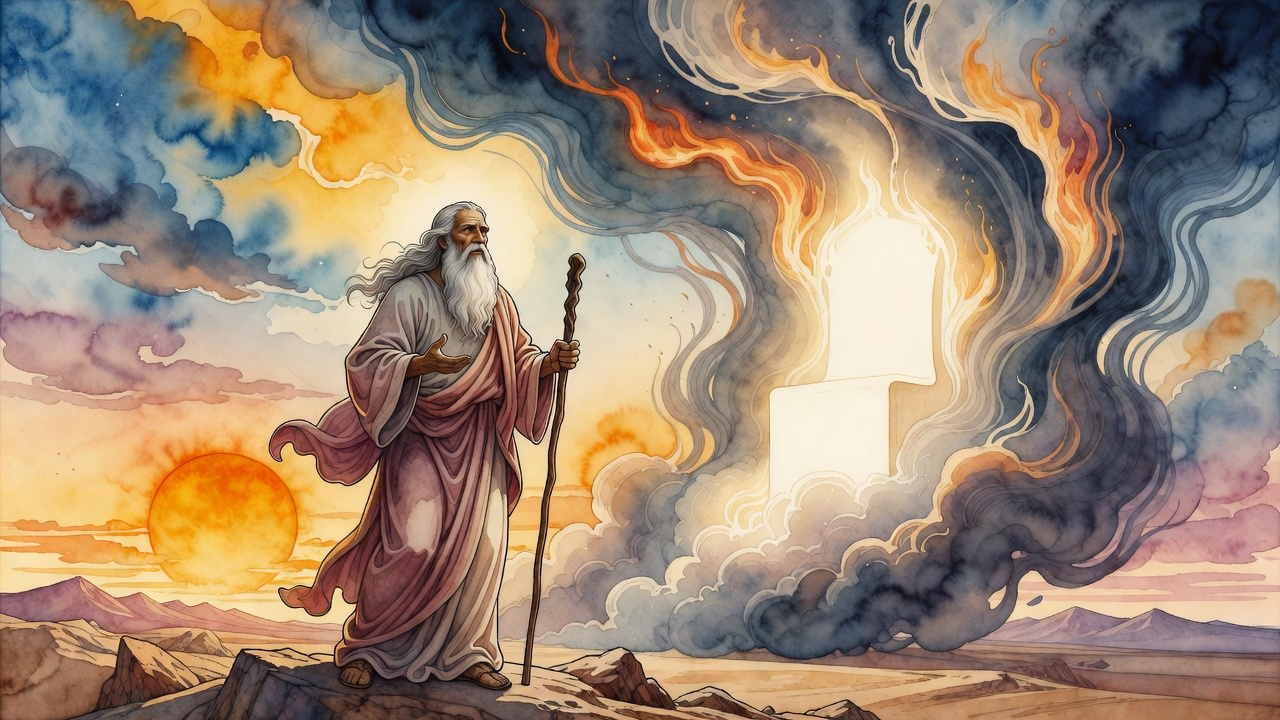
When Moses's final day arrived, Devarim Rabbah says the sun refused to set and the day itself filed a complaint before God about being forced to end.
Table of Contents
 Click for full size
The Stones That Could Be Thrown Away
A time to cast stones and a time to gather stones. Ecclesiastes said it in the abstract. Devarim Rabbah makes it concrete and raw.
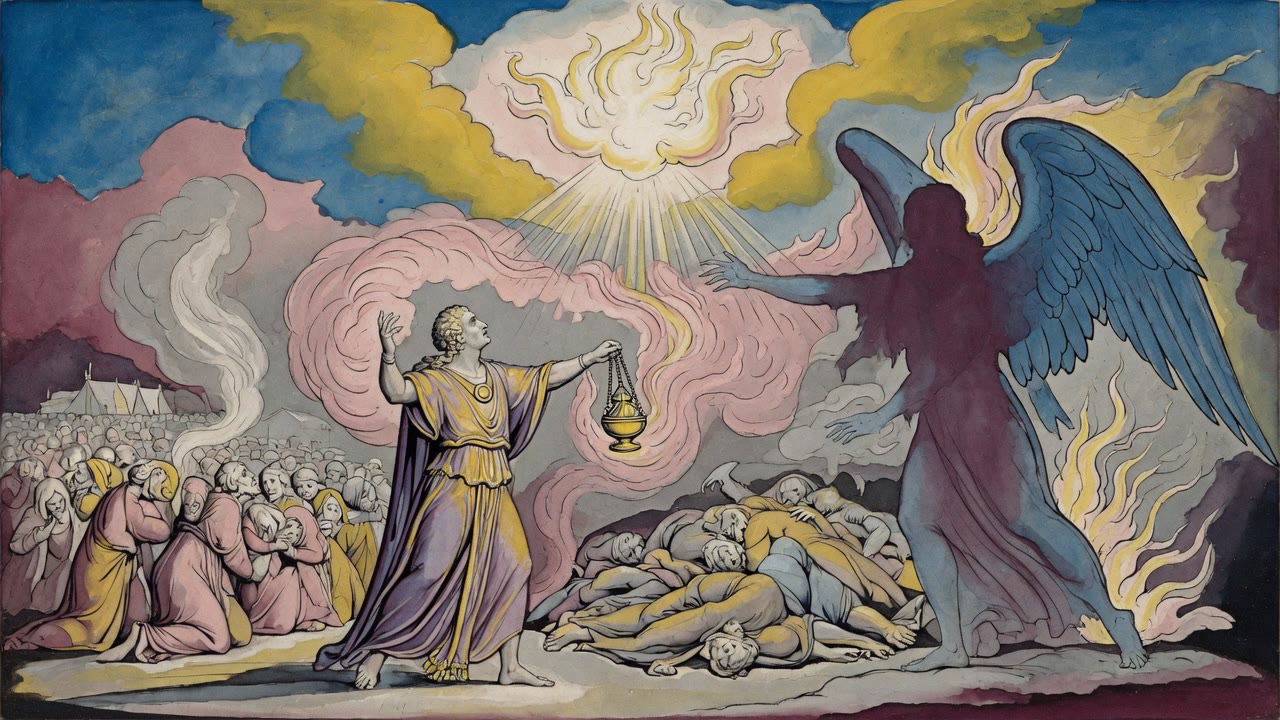
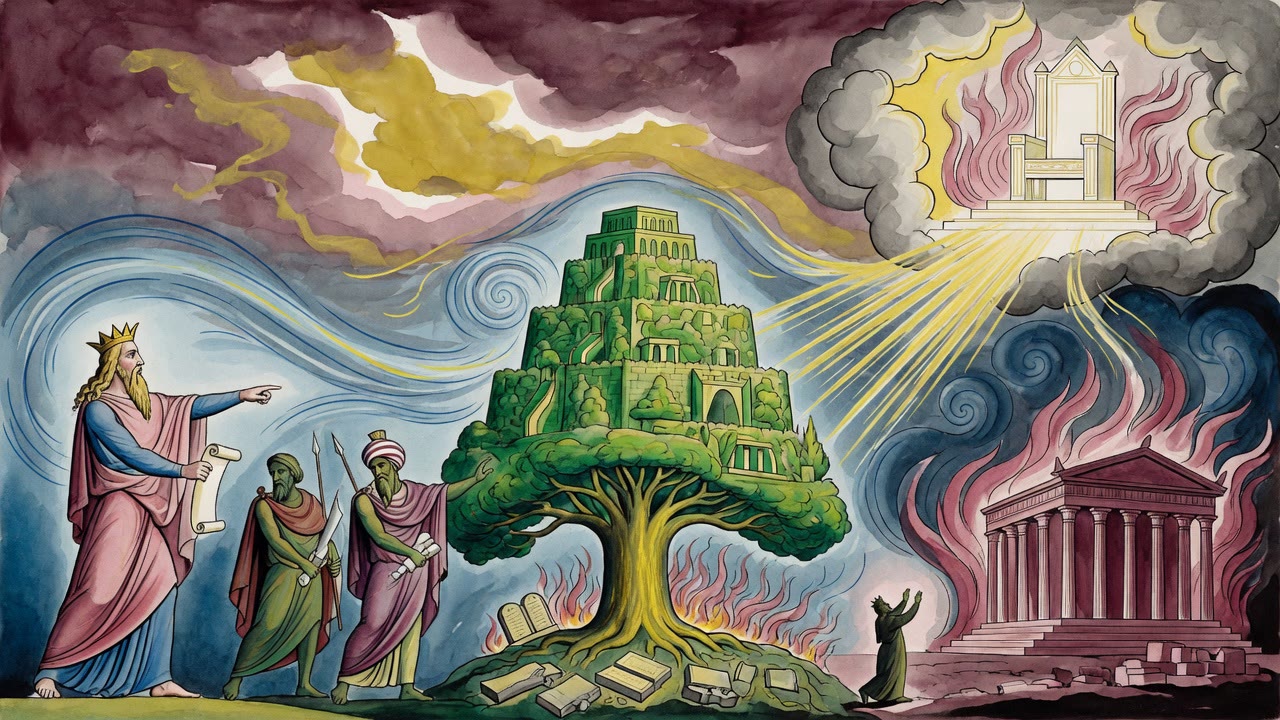
A time to cast stones: this is Hadrian, the second-century CE Roman emperor who destroyed the Temple after the Bar Kokhba revolt and left Jerusalem a desolate city renamed Aelia Capitolina. The stones of the Temple scattered through rubble and ash. The gathering was still ahead, still unfinished, still in the realm of the promised future that Israel would have to hold without being able to see.
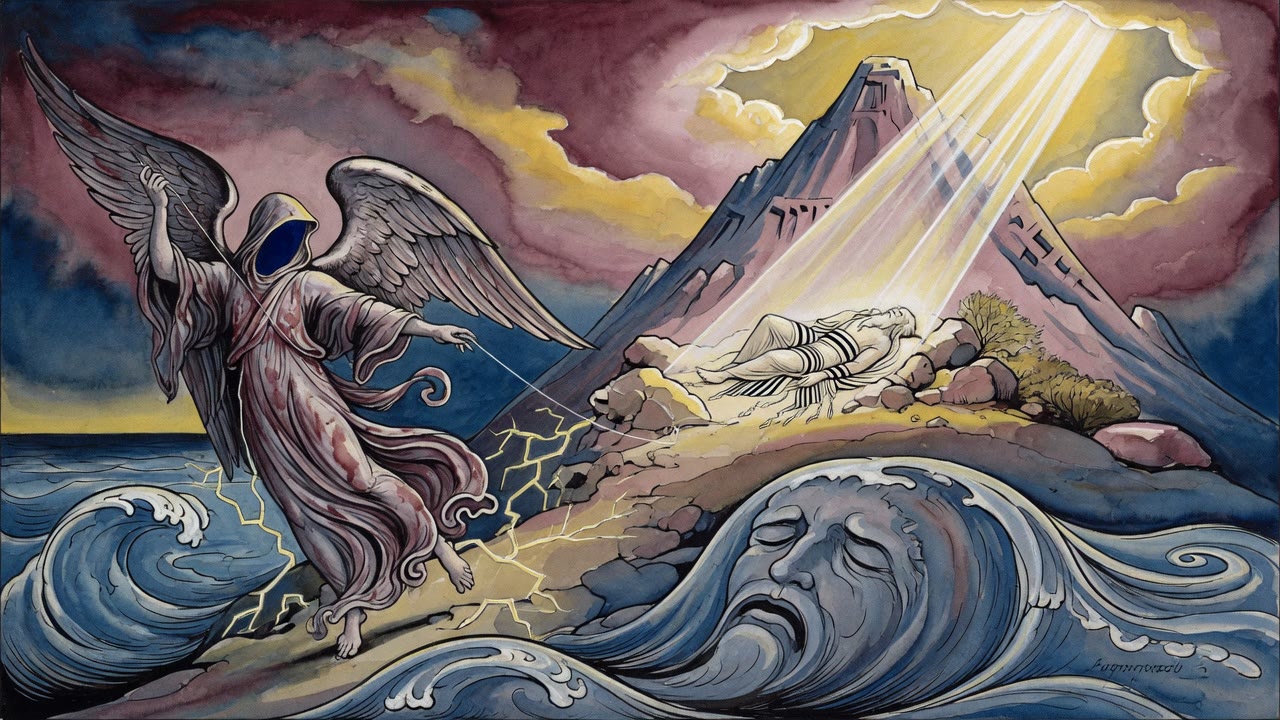
But the verse also belongs to Moses. When he came down from Sinai and saw the Golden Calf and the dancing, he threw the Tablets at the foot of the mountain and broke them. A time to cast stones. Then came the long return, the second climb, the second set of tablets, the slow gathering of the shards of a relationship that had nearly shattered completely.
Devarim Rabbah moves between Hadrian's destruction and Moses's breaking without treating them as separate tragedies. Both involve stones that should have held and did not. Both are followed by a gathering that the community must wait for across generations.
The Word Used Twice
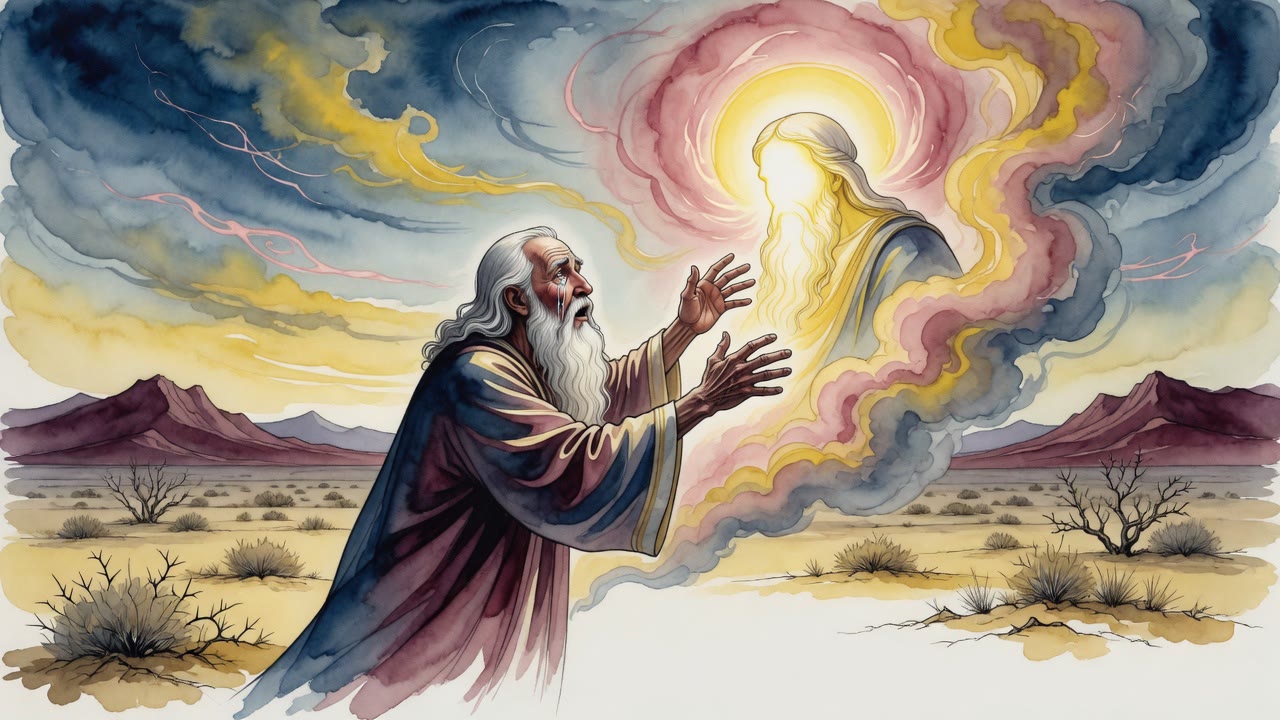
God tells Moses in Deuteronomy that the time to die is approaching. The word used is hen, behold. Rabbi Sima notes that Moses had used the same word hen in his greatest act of praise before Israel, that time when he stood before six hundred thousand people and declared hen, "behold, the heavens and the heavens of heavens belong to the Lord your God."
The echo is exact and it is cruel. The word Moses used when he was pointing upward toward the vastness of divine ownership returns as the word of the decree that will end his life. The gesture that encompassed all of heaven is now applied to the small, specific, personal fact of Moses's approaching death. The word is the same. The emotional content has inverted entirely.
The Day Filed a Complaint
The day Moses was supposed to die did not want to cooperate.
According to Devarim Rabbah, the day itself lodged a protest before God. "Master of the universe," it said, "I will not move. I will not set, as long as Moses is alive." The day had belonged to Moses in a way that days belong to the great. His final speeches were still in it. His last blessing was still unfinished. His feet had not yet stopped. And the sun and the hours that constituted the day refused to roll forward while he was still breathing, as though completing that day without Moses in it was more than a day could bear to do.
Solomon's verse applies here too, at least according to Devarim Rabbah's logic. The sun rises and the sun sets. There is nothing new under the sun. Everything that ends is replaced by something that continues. Moses was replaced by Joshua. The day that refused to set eventually set. The sun that stopped for a reluctant day rose again the next morning over a land that Joshua now led.
Solomon Named the Cruelty
The book of Ecclesiastes, traditionally linked to Solomon's old age and disillusionment, adds the final layer. A time to kill and a time to heal. A time to break down and a time to build up. Solomon had watched successor succeed predecessor. He knew what it cost the one being succeeded. The wind circles back to its place. Generations come and go. The river runs into the sea and the sea is never full.
Moses, the man who had bent the laws of nature in God's service, could not bend the law of succession. The day protested. The sun delayed. But evening came for him as for everyone, and Joshua stood at the Jordan and waited for the order to cross. The time for Moses to cast stones, to throw the tablets, to break what needed breaking, was over. The time to gather was beginning, and it would require a different man.
← All myths