Eighty Women Hanged in One Day at Ashkelon
Ordinary courts could not try that many capital cases at once. The sages called Shimon ben Shetach's day an emergency, and the bodies came down before dark.
Table of Contents
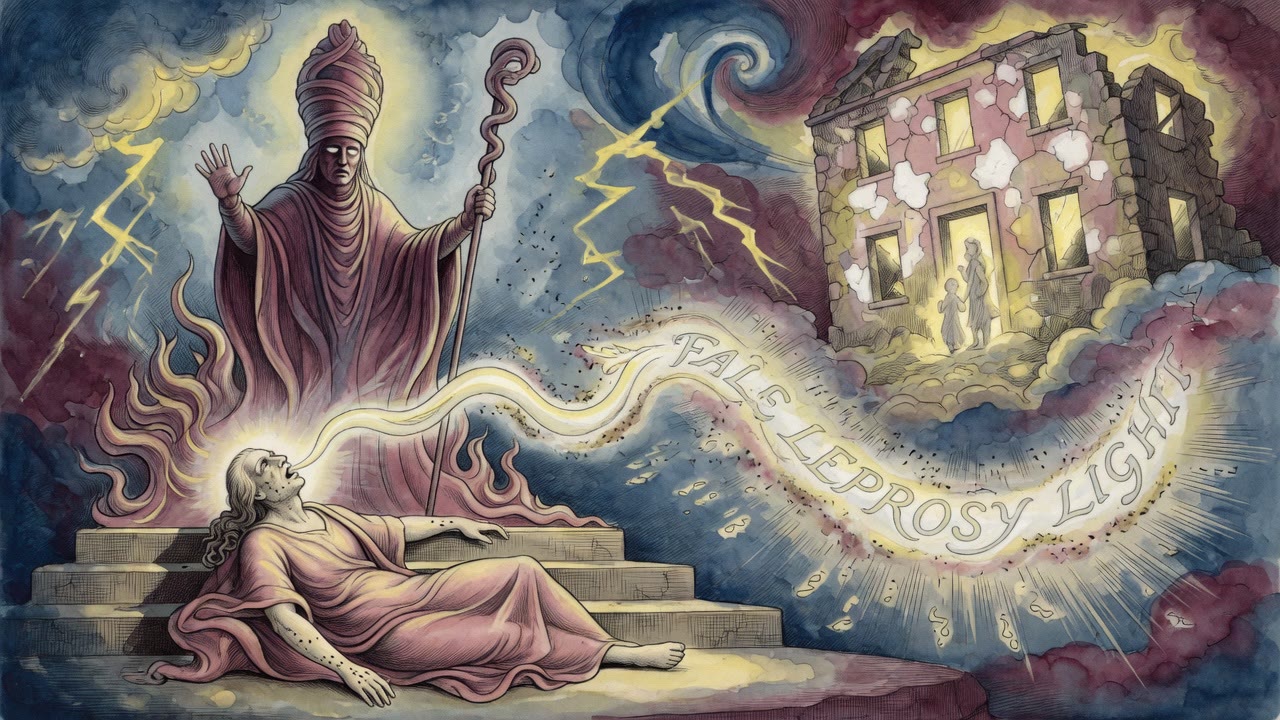
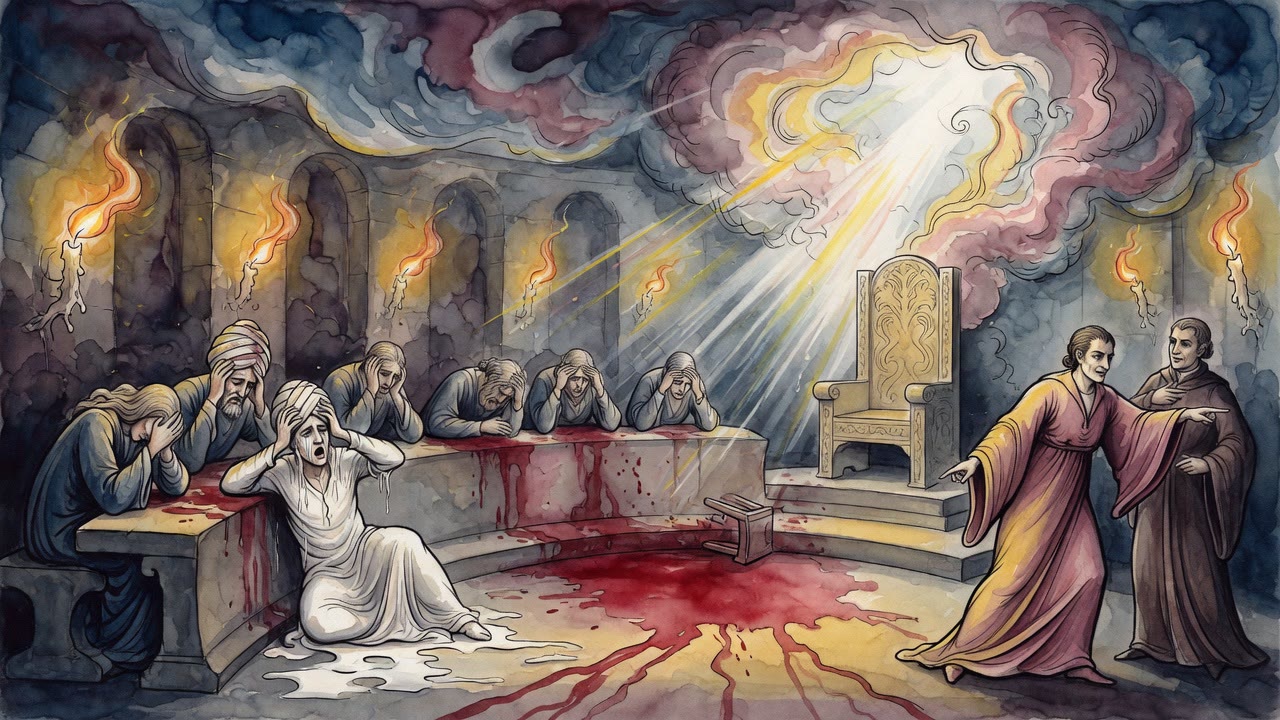
Ashkelon smelled of salt and rope by afternoon. Eighty bodies hung against the light, and the city noise dropped as if someone had thrown a heavy cloth over the market and told every throat to learn quiet.
 Click for full size
A Day the Procedure Could Not Hold
Shimon ben Shetach had done what ordinary capital procedure refused. Cases were not meant to be stacked into a single red day. Hanging was not the quiet everyday penalty of the debate hall where sages tested pronouns. Rabbi Eliezer later asked the question the court could not ignore: did he not hang women in Ashkelon? The answer, kept in the midrash, was yes. Eighty in one day.
The sages answered with a verse from Psalms: it was a time to act for God, because Torah was being violated (Psalms 119:126). The hour was called broken. The ruling was emergency, hora'at sha'ah, not a new hobby for judges who love exceptions the way other men love wine.
The discomfort stayed in the memory on purpose. Jewish law fears human power enough to slow it with procedure, and still remembers rare days when delay itself looked like betrayal of the living community. Ashkelon is that memory with a shoreline and a count too large for ease.
A boy selling fish that afternoon counted ropes instead of scales and forgot his prices. His father slapped the back of his head gently and still did not look up at the beams.
Wood That Is Not a Living Tree
The Torah said, "you shall hang him on a tree" (Deuteronomy 21:22). The midrash stripped the romance from the word eitz. Not a living tree with roots drinking the ground and birds returning at evening. Wood that was not rooted, a gallows built for judgment, not a field tree forced into the court's work.
"Him" also carried hard limits in ordinary reading. The condemned hung without garments, bare of costume, so the act struck the crime rather than inventing new theater of humiliation for the crowd's appetite. The word did not stretch to hang the scheming witnesses in the same breath as the convict they had tried to create. Two people were not judged for the same capital matter on the same ordinary day. Ashkelon's mass of eighty sat outside that ordinary day like a scar that refused to fade into precedent.
Women, in the base reading of one line, were not the ones hanged; Rabbi Eliezer argued they could be. The argument itself shows how tightly the sages pulled on every pronoun when death was near and language could open or close a grave.
"You shall remove the evil from your midst" did not stay abstract in the midrash. It meant removing doers of evil from Israel's midst, a communal purge with human faces and public consequence, not a sermon about moods.
Night Must Empty the Wood
After death, the body still had law on it. "You shall not leave his body overnight on the wood" (Deuteronomy 21:23). Leaving a corpse on the gallows into the dark was a negative commandment, a degradation of the dead and a stain on the land given as inheritance. If burial waited for honor, for shrouds, for a proper carrying that dignified rather than displayed, the delay was not the same sin. The wood is what demeans. Respect can take time. Exposure for contempt cannot.
Burial was also a positive command: bury, you shall bury. The court was not free to love the spectacle of hanging more than the dignity of the dead. The land had to stay clean of a justice that forgot it was still dealing with a human form after the breath left.
In Ashkelon the emergency had filled the day with death. The night still had to empty the wood. Men climbed with knives and careful feet. Knots gave way. Bodies that had been warnings became the dead again, heavy and specific, needing ground more than they needed to teach a lesson to passersby.
Shimon ben Shetach's name stuck to the day because the act was severe, public, and impossible to file under routine. The law that justified the hour also forbade turning the hour into a permanent style of rule, a template any angry court could copy without a broken world behind it.
After the Ropes Hung Empty
When the last body left the beam, the sea wind moved through empty rope and made a soft sound almost like speech. The city exhaled without joy. Markets would open again. Children would forget the count before the sages did.
The sages did not forget. They kept Ashkelon beside the ordinary fences of hanging and burial, so later judges would feel both pressures at once: the terror of a day when Torah seemed to require speed, and the command to get the dead off the wood before night turned justice into desecration.
A woman who had watched from a doorway went home and washed her hands though no blood had touched them. Water is what people reach for when memory will not rinse itself.
← All myths