Gaboha ben Pesisa Read One Verse and the Nations Fled the Court
Three delegations reached Alexander in one week. They quoted Israel's book against Israel. A man the elders barely counted asked to speak first.
Table of Contents
 Click for full size
The Least Man in the Room Asked to Speak
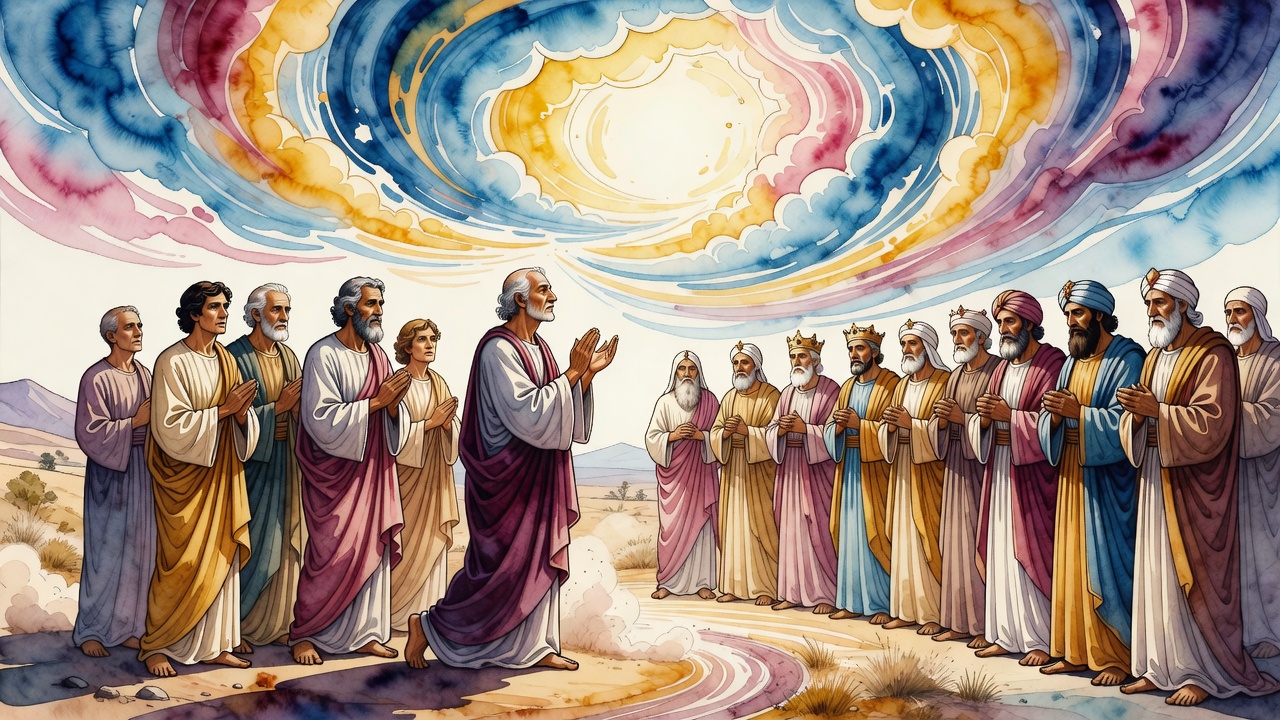
The dust of Alexander's army still hung over Asia when three delegations reached his camp in one week. The Ishmaelites came first. Then the people of Afriki, children of Canaan who had fled west across the sea. Last came the men of Egypt with their account books. They did not want gold. They wanted a verdict that would pry the land of Israel out of Israel's hands.
The elders of Israel heard the docket and went pale. A war they understood. A lawsuit in a Greek court, argued from verses the plaintiffs had learned to quote, was a thing they had no answer for. They sat in the study house and said nothing useful to one another.
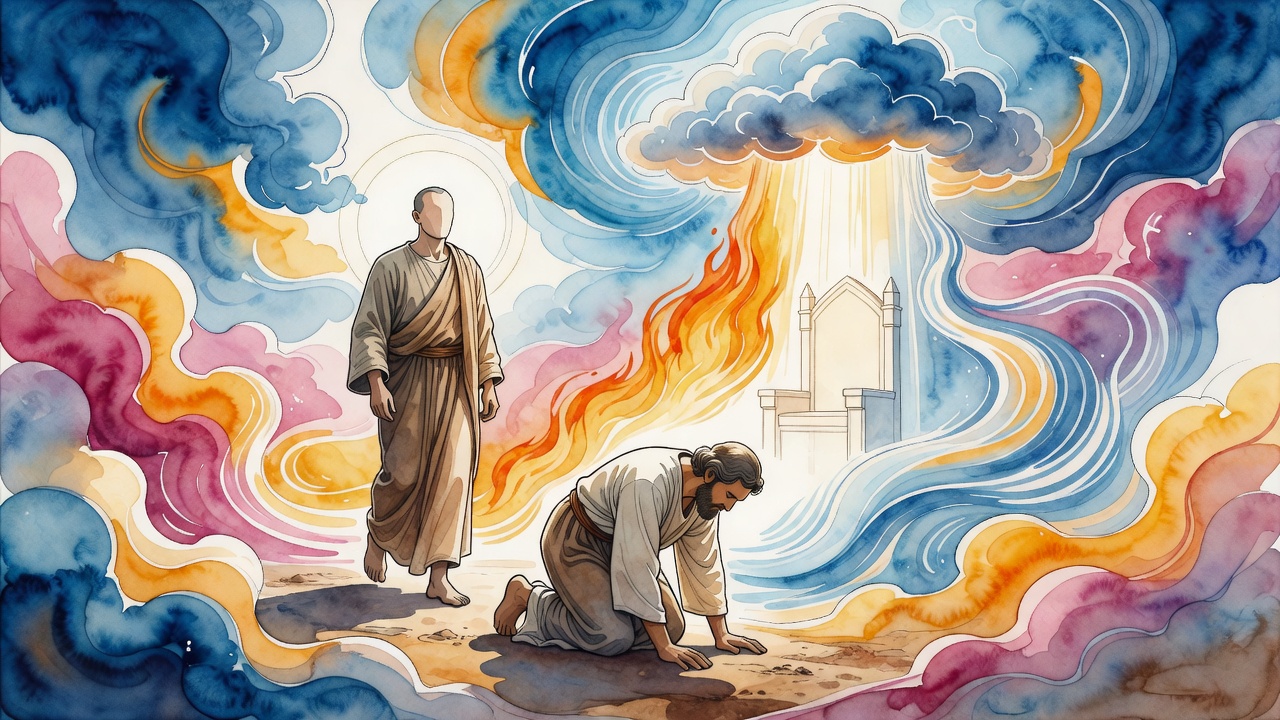
A man rose whom the elders barely counted. Gaboha son of Pesisa was no famous head of an academy. He asked for the right to plead.
"If I lose," he said, "you can tell the world that only the least among you was beaten, and the Torah itself still stands. If I win, you will say it was our Torah that won, and not a man at all." He warned himself in their hearing. He would not cede a single furrow. They gave him the case.
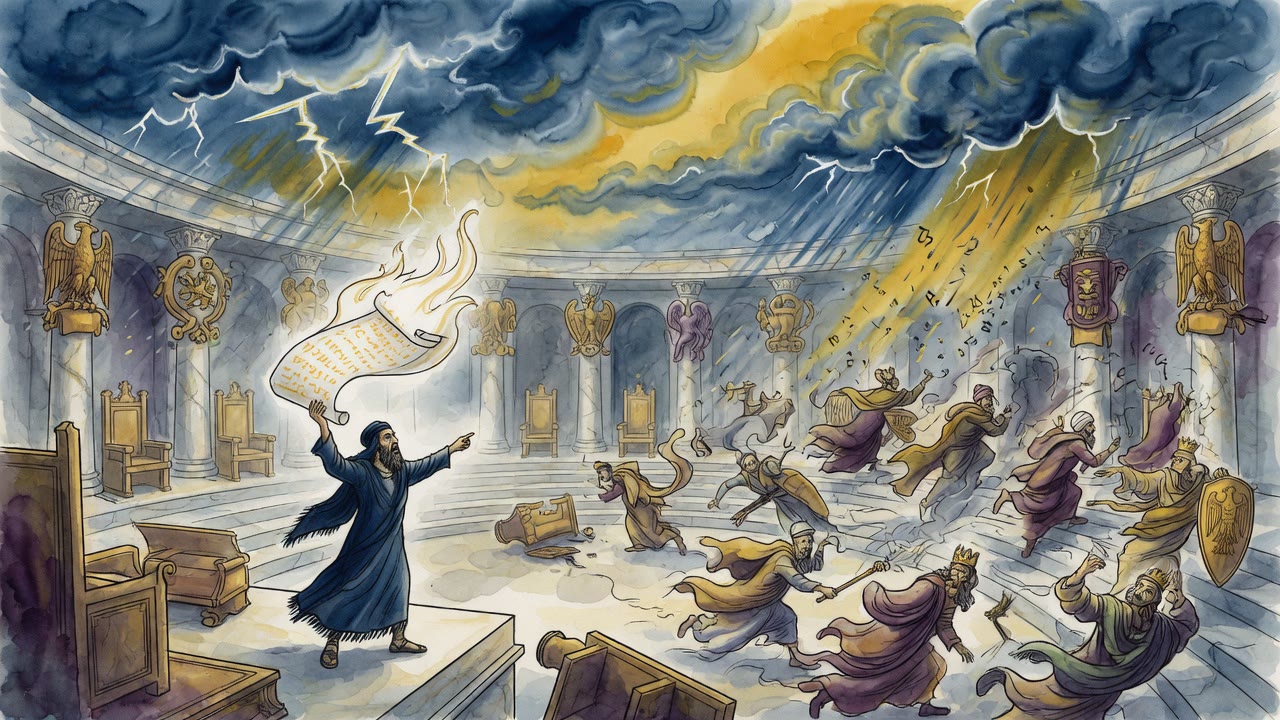
Gaboha walked into Alexander's court alone and unrolled a Torah scroll before the throne.
Ishmael Claimed the Double Portion
Alexander looked down and asked the only question a judge needs. "Who brings a claim against whom?"
The Ishmaelites spoke first, and they were clever. They did not beg. They quoted. By the Torah of these very Jews, they said, the firstborn takes a double portion of his father's house (Deuteronomy 21:17). Ishmael was the firstborn of Abraham. Let the king read their own law and rule by it. The land included.
Gaboha bent over the open scroll. "May a man not do as he wishes with what is his own?"
Alexander said yes.
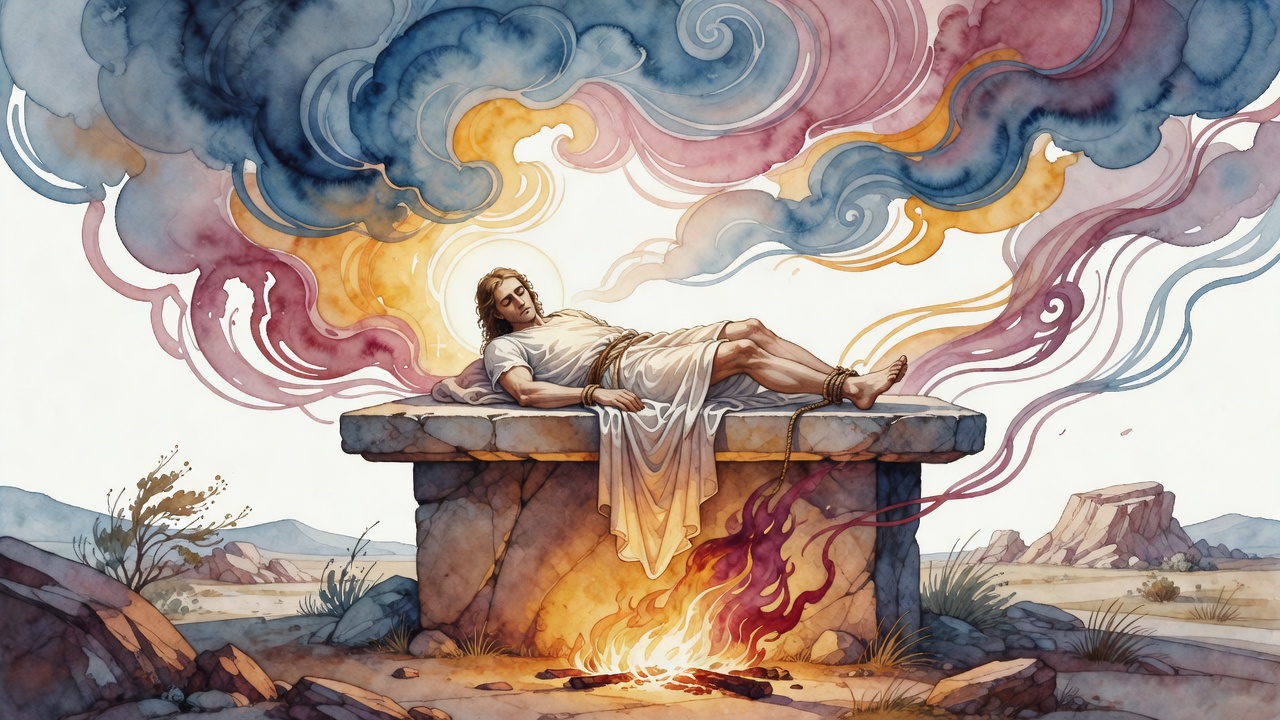
Gaboha read the line no later son could overturn. "Abraham gave all that he had unto Isaac" (Genesis 25:5). All that he had. The whole estate, sealed by the father's own hand to one son.
The Ishmaelites pressed back. And the gifts, they said. What of the gifts Abraham gave the other sons? Gaboha put a finger on the next verse. "But unto the sons of the concubines that Abraham had, Abraham gave gifts, and sent them away from Isaac his son, eastward, unto the east country" (Genesis 25:6). Gifts, and a road out of the country, paid in the patriarch's lifetime. The claim before Alexander was a second helping at a table already cleared. The Ishmaelites had no verse left. They stepped back.
A Slave Has No Land to Sue For
The men of Afriki came forward in their place. The land is named for their father in the Jews' own books, they said. Again and again the scrolls call it the land of Canaan. A thing is named for the man who owns it. Give us back what bears our name.
Gaboha went back past Abraham, to the morning after the flood, to the vineyard and the curse old Noah spoke when he woke. "Cursed be Canaan. A slave of slaves shall he be unto his brethren" (Genesis 9:25). A slave owns nothing. Whatever a slave holds, his master holds. Canaan was cursed into bondage under the sons of Japheth, and the king on this throne traced his own line up through Japheth.
"The land is ours," Gaboha said, "and these men are slaves of my lord the king."
He was not finished. As Canaan's children, he told them, they owed the long arrears of their bondage. Pay the wages of every year your fathers failed to serve, before Israel ever set foot in the land, and only after that account is settled will we trouble the king about real estate. Alexander gave the men of Afriki three days to prepare a reply.
At the end of three days they were gone. They did not return to argue. They did not even return to gather their things. They abandoned their fields and their vineyards and fled the country whole, rather than open a ledger that would never close.
Egypt Counted the Silver and Lost the Wages
Egypt remained. Their claim wore a long memory. When the Israelites went out from among us, they said, they carried off our silver and our gold. The scroll says they stripped Egypt (Exodus 12:36). Order them to give back what they took.
Gaboha turned the demand around. Six hundred thousand men, he said, broke their bodies in Egyptian service for two hundred and ten years. Among them silversmiths, among them goldsmiths, each owed a dinar a day. Reckon that wage against a wagonload of borrowed vessels. The philosophers sat and calculated. They did not reach a hundred years of that labor before Egypt would be bankrupt paying it.
The men of Egypt heard the arithmetic and had nothing to add. One after another the nations had brought Israel's own book to court as a sword. One after another the unknown man had turned the blade in their hands. Three suits answered. The land left where Abraham's hand had sealed it. Gaboha rolled the scroll closed on the floor of a Greek court and walked back to the elders who had nearly been too proud to send him.
← All myths