God Kept Israel Close for One Extra Holy Day
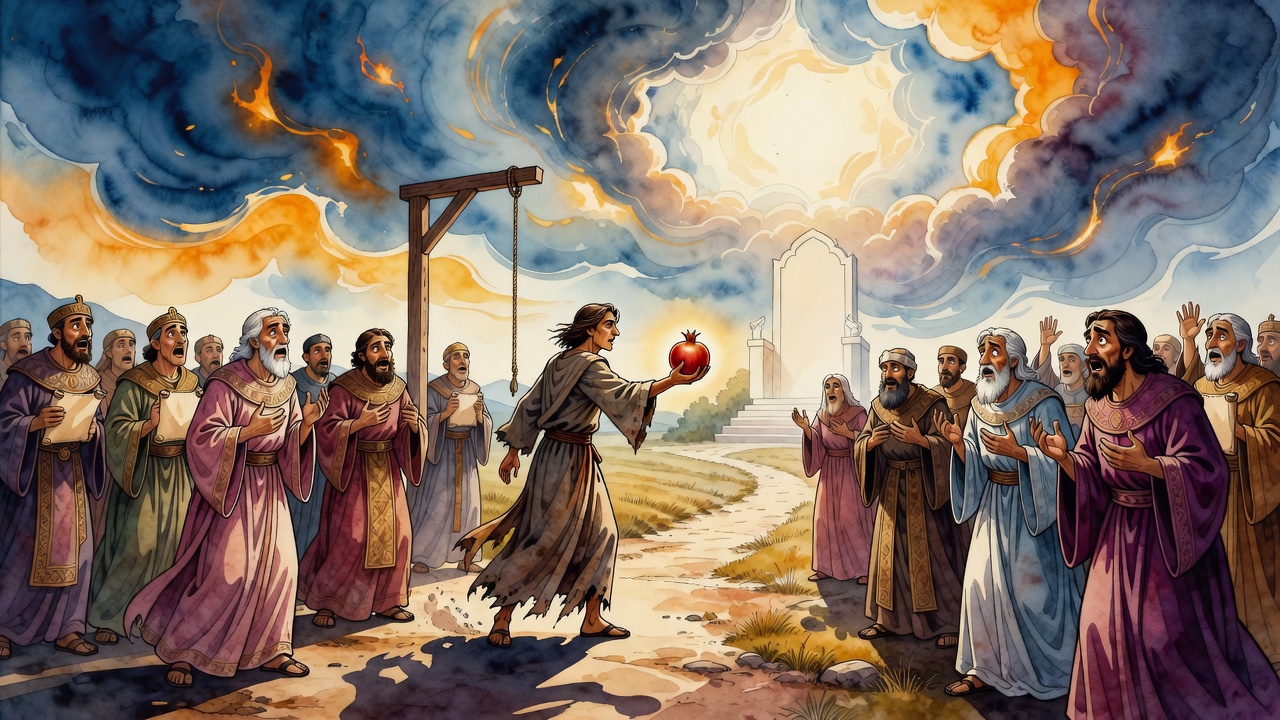
Seventy bulls had gone up for the nations. On the eighth morning one bull stood on the altar, and God said the guests were gone.
Table of Contents
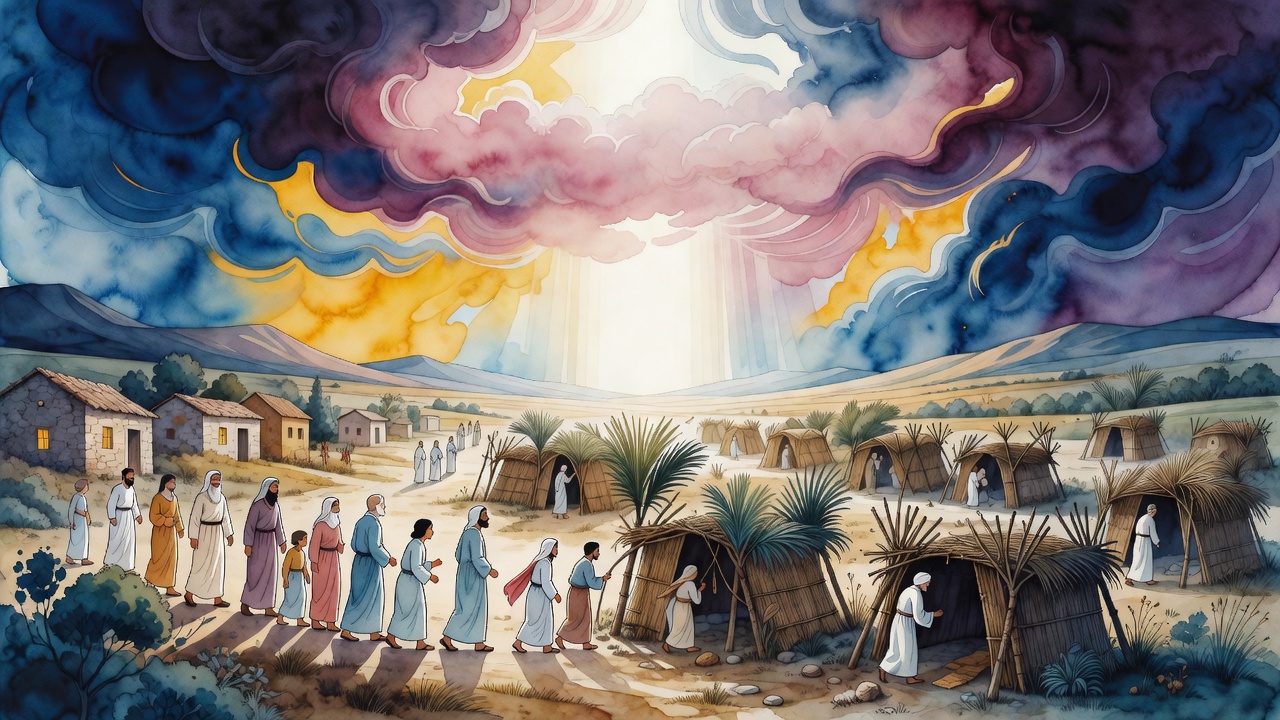
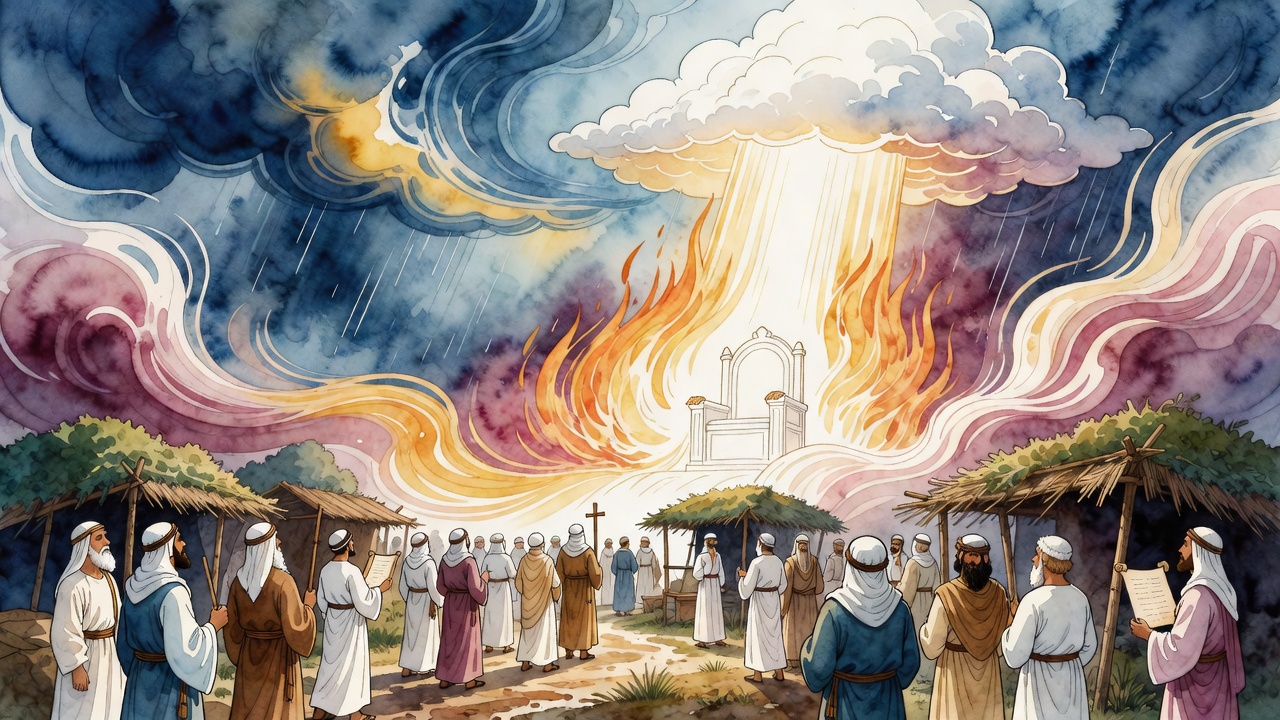
On the eighth morning someone lifted a dish from the booth and asked the practical question. May we still eat here? Palm shadow. Fruit hanging. Stars through a roof that had never pretended to be stone. Seven days the booth had held them. Now the branches were dry enough to pack.
 Click for full size
The sages ruled the dwelling ends with the seventh. Rabbi Joshua ben Levi said a person must separate from the booth. The Torah commanded seven days, not eight (Leviticus 23:42). The number was a fence, not a mood. If the booth was still sweet, he said, go inside the house, make the blessing there, and only then sit under the old leaves if the heart still tugs. Some even pulled a single reed from the roof the day before, so the booth would be unfit and the leaving would be honest.
A Day That Is Not Leftover
The eighth is not leftover Sukkot. It is its own festival, with its own offering and its own blessing, its own lottery in the old Temple order. All the other days of the feast are written "and on the day." This one is written "on the day," as if it had walked in without a chain (Numbers 29:35).
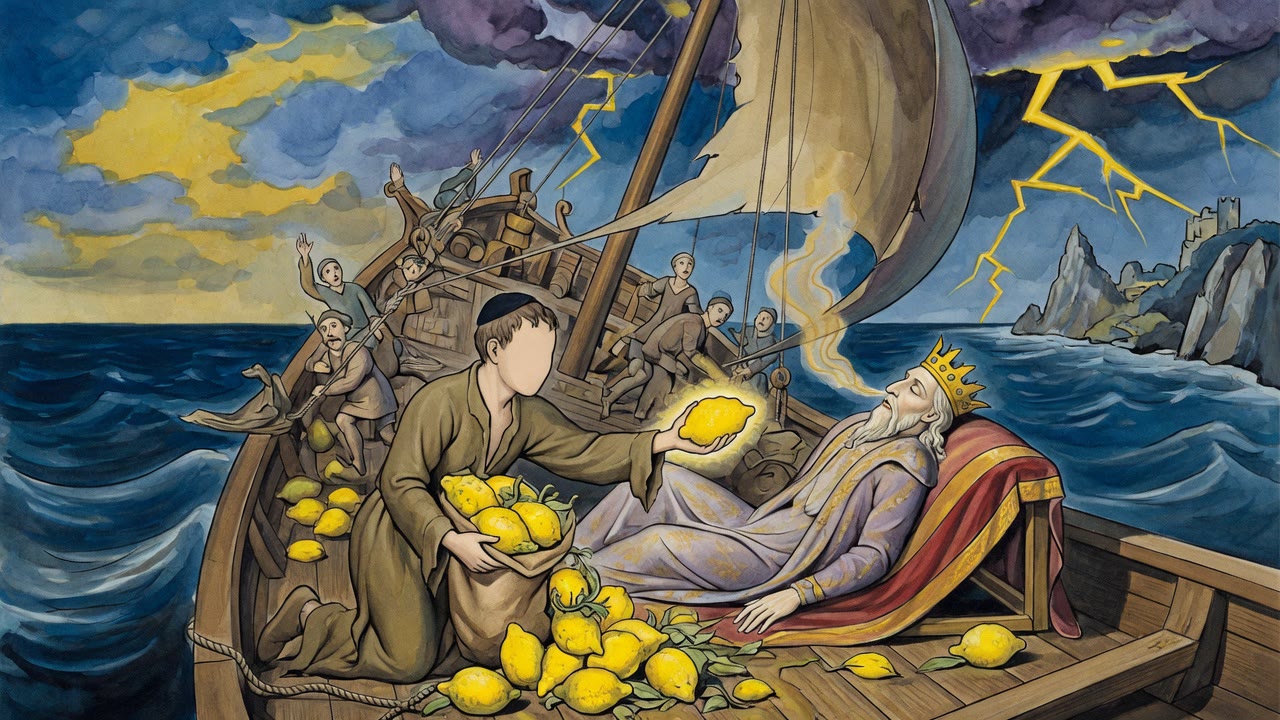
Someone packing citrons did not want a new name for a leftover morning. He wanted to know whether the roof still counted. It did not. Something else was happening. Not more dwelling in leaves. A different kind of staying that does not need a roof of fronds to be real.
The Months the Calf Ate
Rabbi Levi told the warm-season story behind the extra day. God meant a festival for every summer month. Passover in Nisan. The Second Passover in Iyar. Shavuot in Sivan. A great festival was planned for Tammuz, but the Golden Calf canceled Tammuz, Av, and Elul in a single fracture of trust. Tishrei arrived and repaid all three at once with Rosh Hashanah, Yom Kippur, and Sukkot, a crowded month of repair after a summer of loss.
Then God said, "I repay others their due. Shall I not claim a day of My own?" So He kept Israel one more day, just for closeness, not for another harvest duty, not for another historical reenactment. The missed months were not erased. They were gathered and answered. After the answer came a private claim. Stay.
The King and the Rainy Roads
A king detains the children who married far away and came home for the feast. The near ones can come and go. The far ones, once they leave through the rainy roads, cannot easily return, and a palace can grow quiet in the wrong way. While they are still here, let them stay one more day.
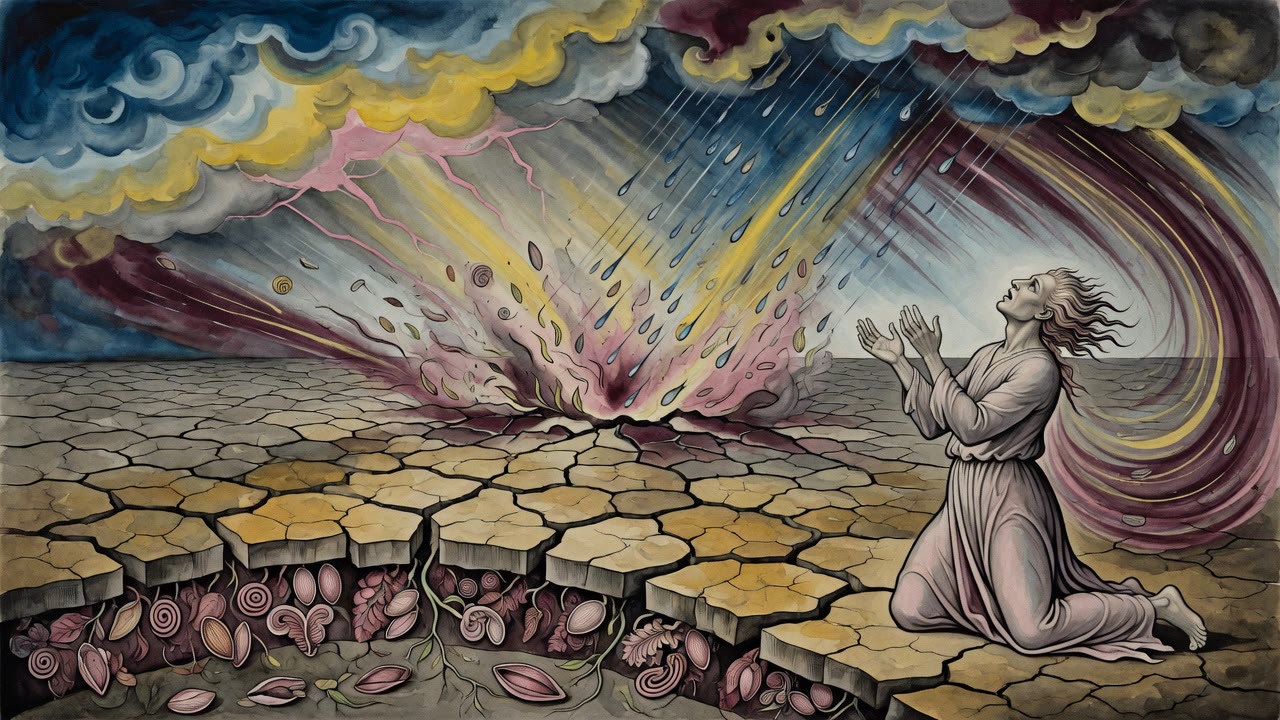
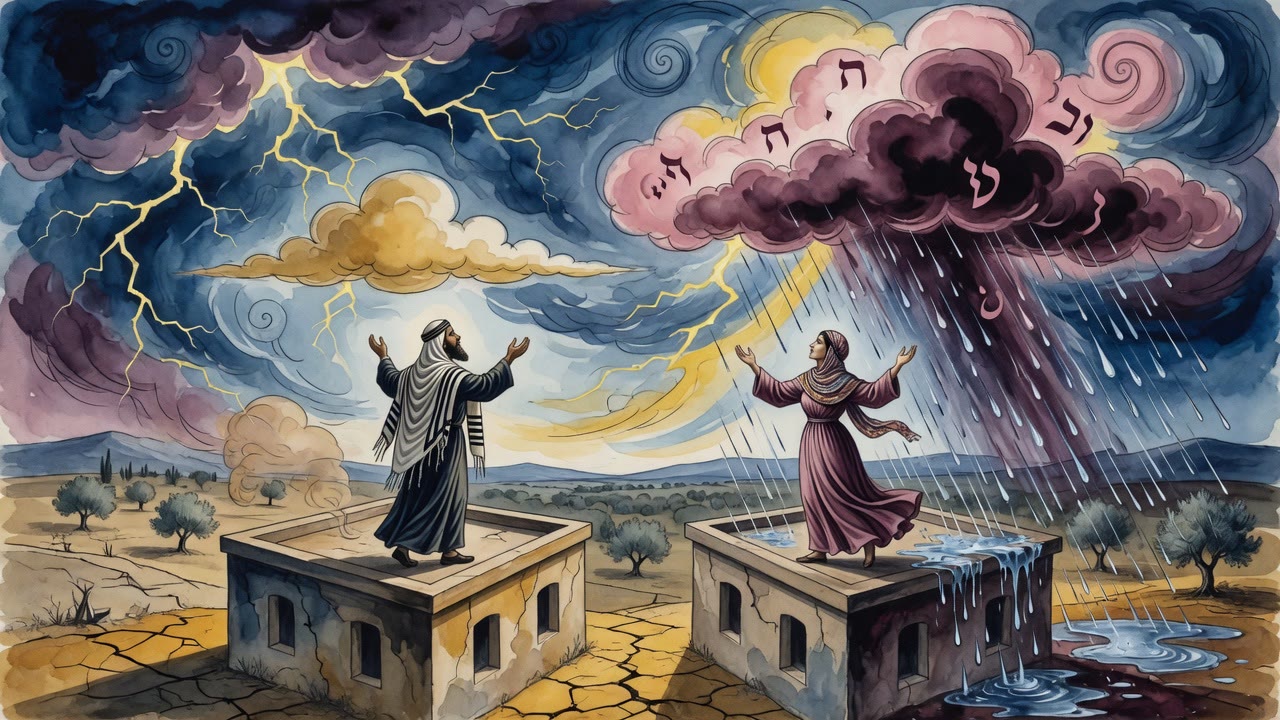
Shemini Atzeret is that detention spoken without shame. Atzeret (עצרת) means a locking. At Passover, God locks away wind and rain so Israel can work the fields without the sky fighting the harvest. At this festival, Israel locks itself in before God, and He opens the storehouses of rain and dew for the season that needs water more than booths. The locking goes both ways. People held close. Skies opened for the months ahead.
Everything has its hour. An hour for Adam to enter the Garden, and an hour for him to be sent out. An hour for Noah to step into the ark, and an hour to step back onto dry ground. An hour for Abraham's covenant. The third month, when Torah came down from above the heavens into a camp that had already learned manna and complaint. This eighth day is a door that almost was not. The calf stole summer. Tishrei repaid it in a rush. God still asked for one more day that belonged to no stolen month.
One Bull After Seventy
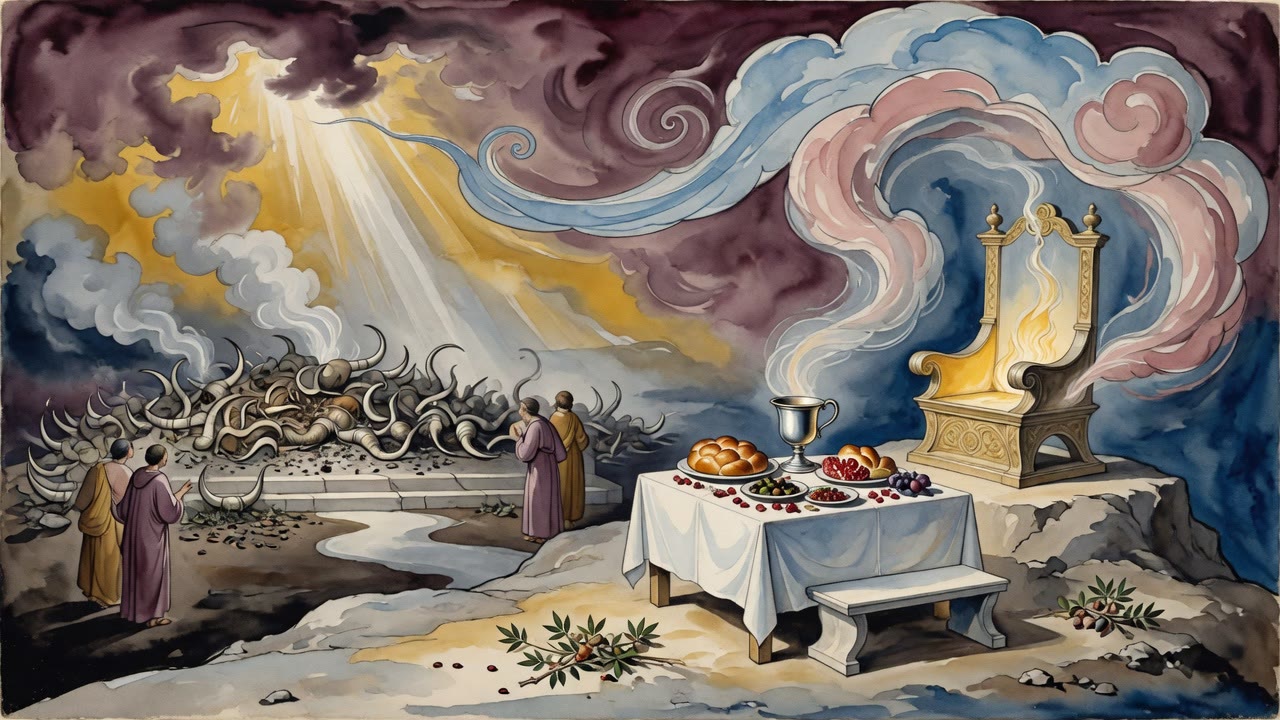
All week the altar had been crowded with guests. Seventy bulls for seventy nations, counted across the seven days until the arithmetic closed. On the eighth morning one bull stood there, and one ram. God said, "All the days of the feast we have been busy with the guests. Today we and you will eat."
When the people finally folded the booths and walked home with citron on their hands, they walked having been asked to stay. Rain would come. Roads would muddy. Distance would resume. The eighth day remained as a memory of being wanted without a further demand beyond presence.
The Host was not eager to watch them disappear down rainy roads. One extra day held what seven days of booths had not quite said aloud. God had already said it. "While you are here, remain."
← All myths