The Poor Brother Sailed With Etrogim and Saved a King
After Sukkot he filled a sack with discarded etrogim, booked a ship, and held the fruit under a dying king's nose until breath returned.
Table of Contents
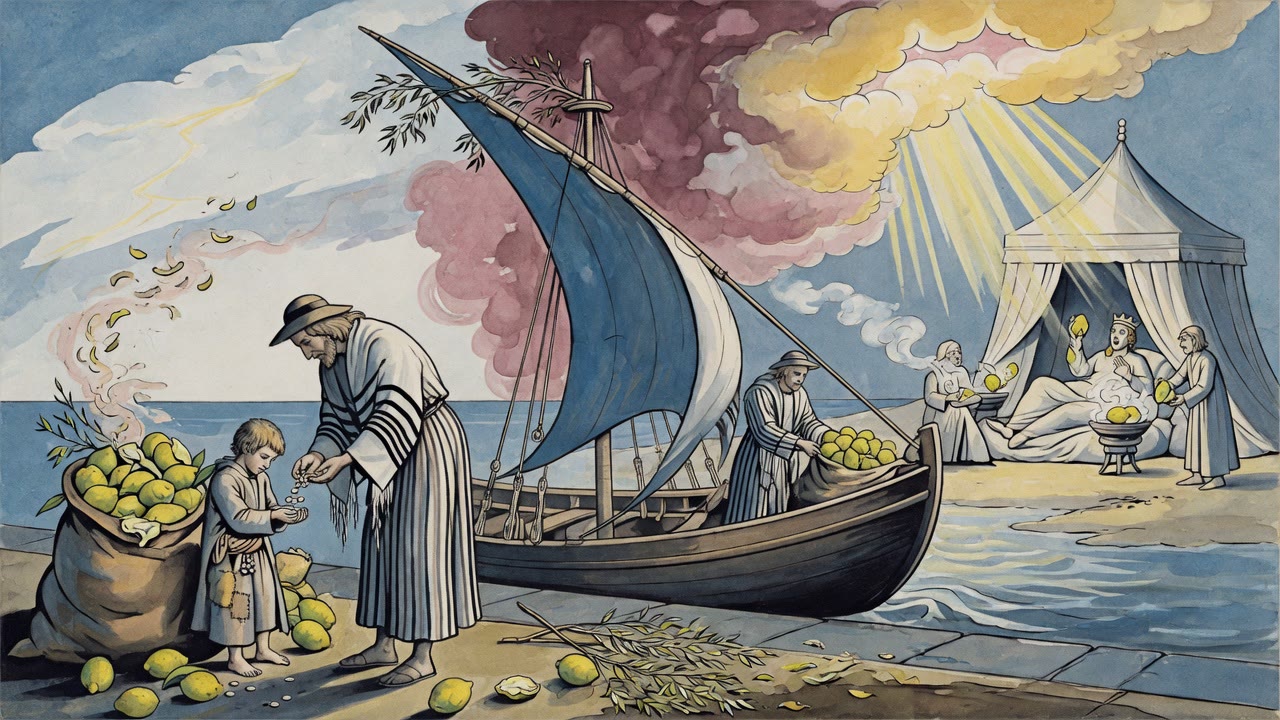
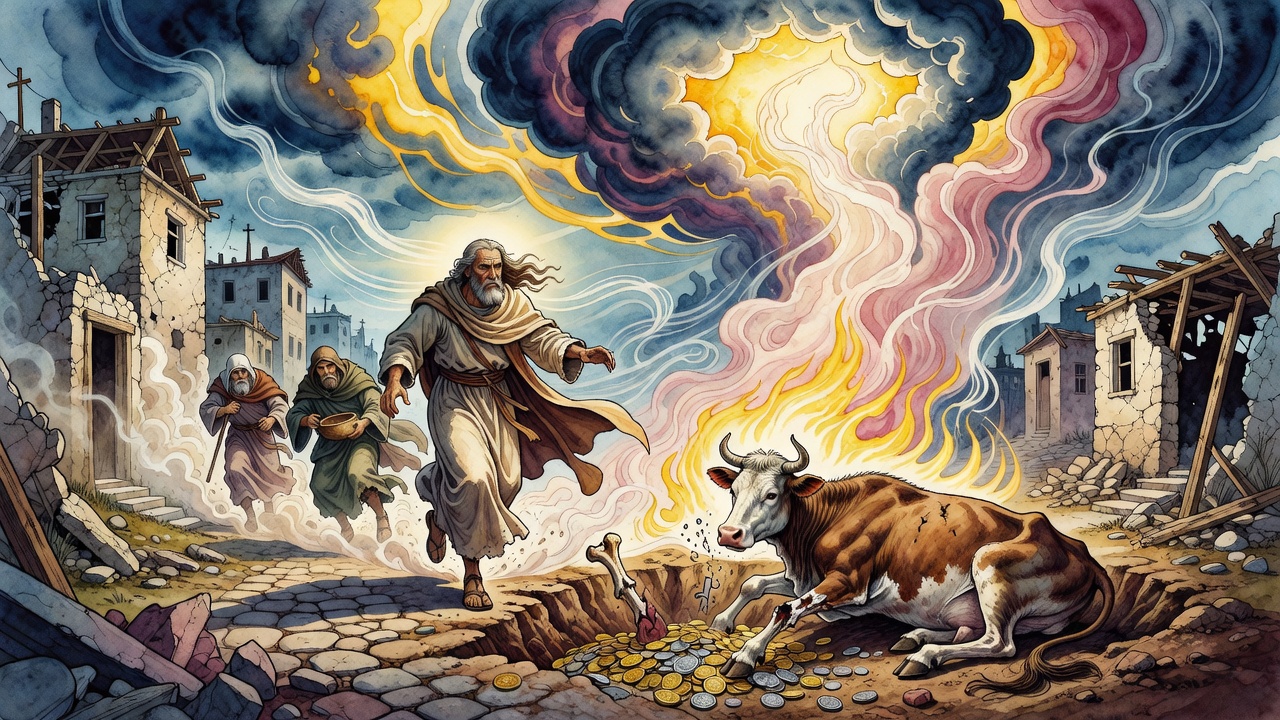
The poor brother walked the alleys after Sukkot (the autumn festival of booths) with an empty sack and a patient hunger. Families had finished waving the etrog. The citrons still smelled of the booth and the blessing, but no one needed them for the feast anymore. He gathered what others set down and tied the sack closed as if it held coin.
 Click for full size
His rich brother watched from a doorway and laughed under his breath. Who sells last week's fruit across a sea?
A Sack of Finished Blessings
The poor man bought passage anyway. On the deck the other travelers pointed at the sack and asked what cargo a fool carries when gold is scarce. He answered that God still sits in scent and shape, even after the festival ends. They laughed harder. The ship cut water. The sack rolled with the waves and filled the hold with a clean bitterness that made sailors sneeze and then grow quiet.
He did not count the days as profit. He counted them as work. Ben Sira's counsel to love a wise servant as yourself sits behind such men: the one who serves without a title still carries the house. This brother had no house to manage. He had only a craft of picking up what others dropped and trusting it still held use.
At night he slept with one hand on the sack, not from greed, but from fear that someone would dump the fruit overboard as a joke. The sea has no patience for cargo it does not understand. He whispered the festival blessings again, without a booth, without a crowd, only the creak of timber and the salt on his lips.
The Palace That Needed a Smell
The ship landed in a city whose king lay dying. Royal physicians had tried oils, songs, and bitter roots. Nothing moved the breath that rattled in the royal chest. The last remedy named in the court was the scent of an etrog, fruit almost unknown in that land, never stocked in any market stall.
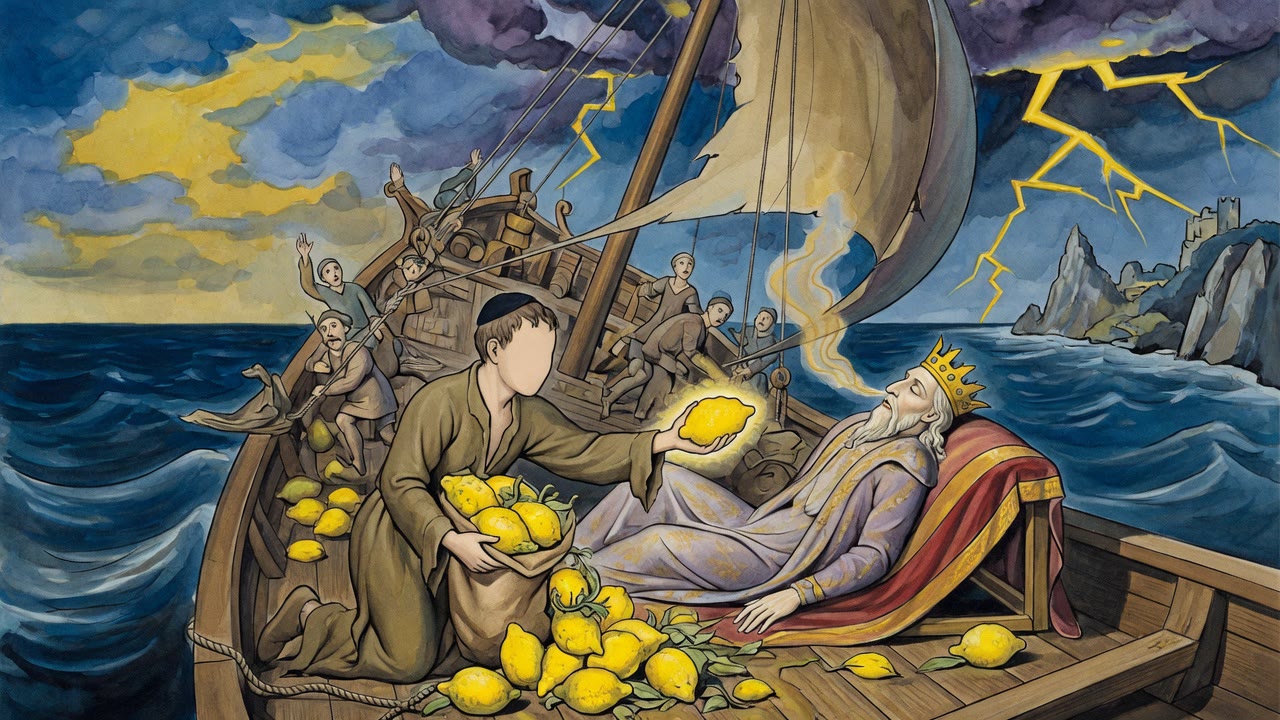
A sailor remembered the laughing passenger. Guards brought the poor brother and his sack into a chamber heavy with smoke and fear. He opened the cloth. He held the citrons under the king's nose, one after another, until the green-gold oil rose and the nostrils flared. Color returned. Eyes opened. The king sat up as if pulled by a string from above.
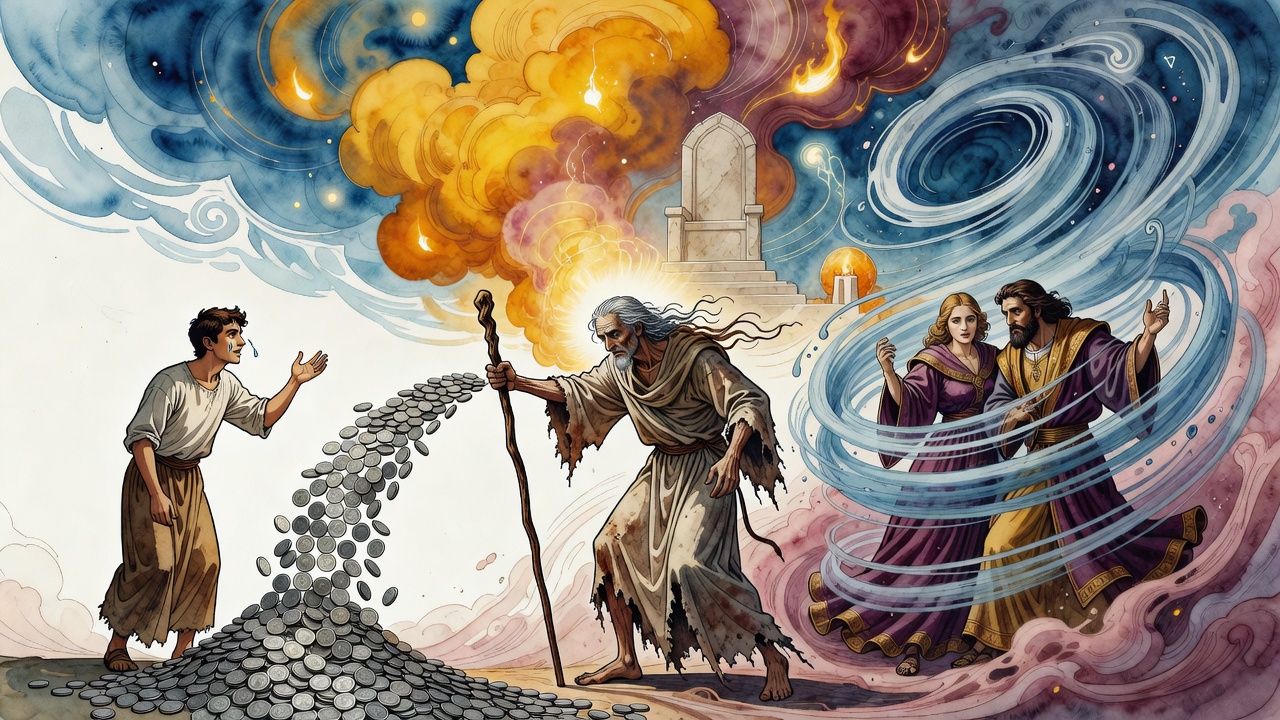
The court rebuilt the brother's ship as a floating treasury. He sailed home with wood that gleamed and chests that made the dock workers stop mid-step. He did not speak much about miracles. He spoke about a fruit that still remembered the blessing after the calendar had moved on.
The Rich Brother Tries the Same Map
He told his brother what had happened. Envy does not need a full night to ripen. The rich brother filled a larger sack with etrogim and booked the same route, sure that imitation is inheritance. He trusted the success of a story, not the God who sits inside chance and scent.
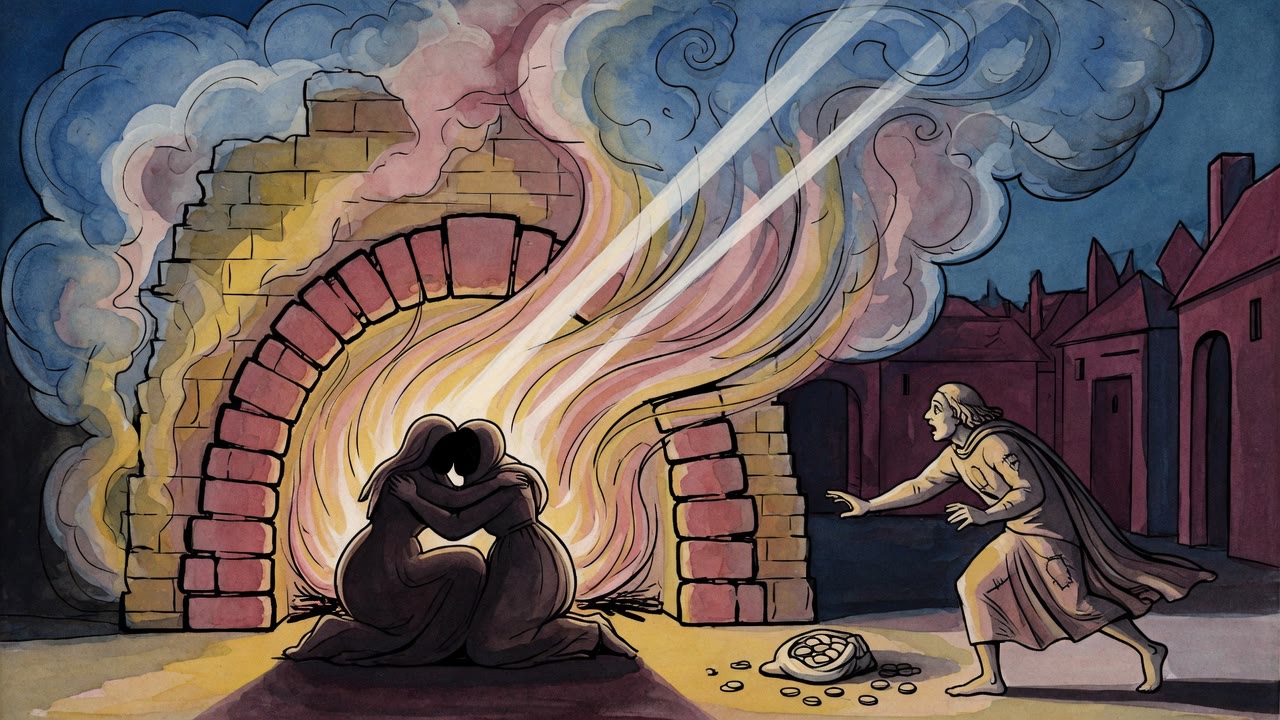
His ship foundered. He drowned. The property that had made him laugh from doorways passed by inheritance to the brother who had once walked with an empty sack. The midrash does not gloat. It simply sets two ships on the same water and lets the sea decide which cargo was prayer and which was greed wearing prayer's clothes.
Neighbors who had mocked the first voyage now counted the poor brother's warehouses and called him lucky. He knew better. Luck does not smell like citron oil in a sickroom. Luck does not choose which brother laughs and which brother gathers.
Gray Hair on the Path He Chose
Midrash Mishlei reads gray hair as a crown found on the path of righteousness. Abraham grew old because he honored guests. Joseph grew old because he fed a family that had sold him. David grew old because he judged with justice. The poor brother did not wait for a crown of years. He practiced the same path in smaller tools: gathering what could still heal, sailing without certainty, standing in a sickroom without asking first for price.
The rich brother had years of ease and no path under them. When he finally walked a road, he walked it as a copy of another man's faith, and the sea closed over the copy. Long life, the sages say, is not luck and not bloodline alone. It is found where a person spends himself for strangers and for God.
What the Festival Left Behind
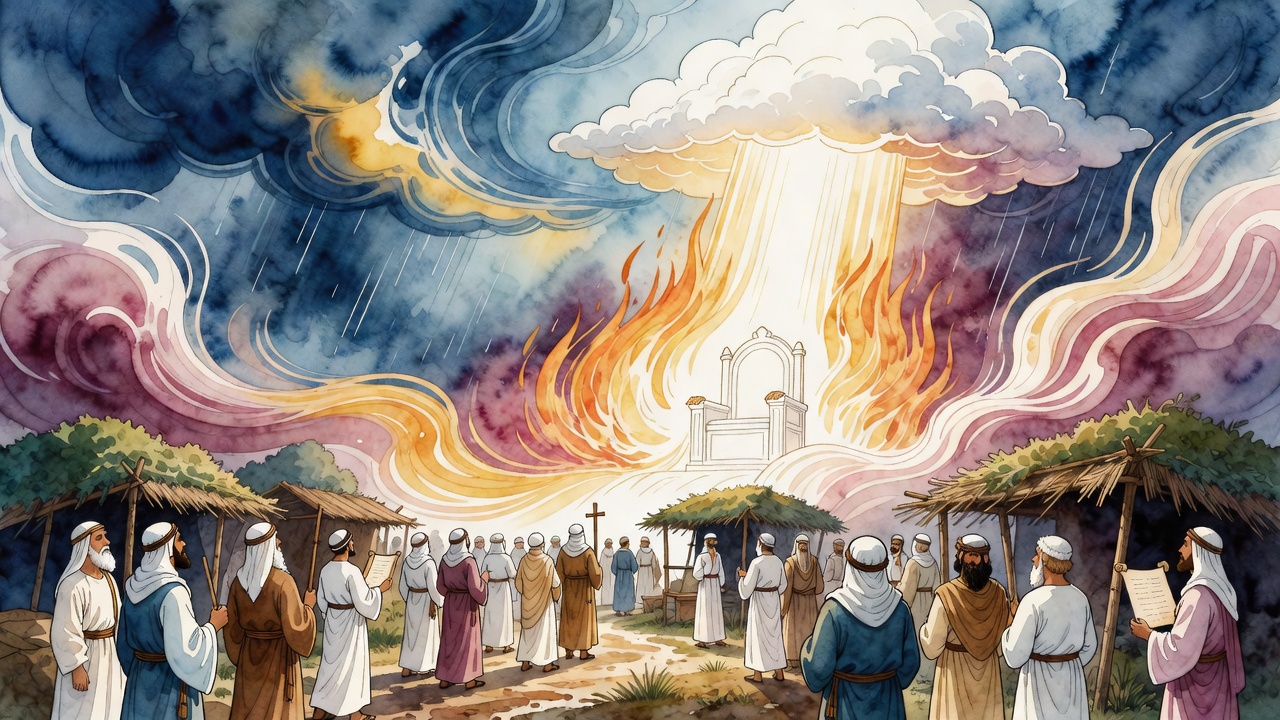
Sukkot ends. The booth comes down. The etrog (the citron) loses its job in the rite and keeps its oil. The story insists that commandment does not evaporate when the calendar turns. What was holy in the hand can still be holy in the hold, if the holder still believes the world is unfinished and mercy needs carriers.
Two brothers lived in one town. One treated discarded fruit as trash. One treated it as a mission. Only one of them came home with a ship that glittered. The glitter is the least of it. The king lived. The poor man lived long enough to be called wise by neighbors who had once mocked him. The rich man's name sank with the timber.
← All myths