Israel Left Warm Houses for Autumn Booths
The wilderness booths rose in spring, yet the command waits for cold wind and early rain. Only then can no neighbor call the sukkah a summer comfort.
Table of Contents
 Click for full size
Booths in the Wrong Season
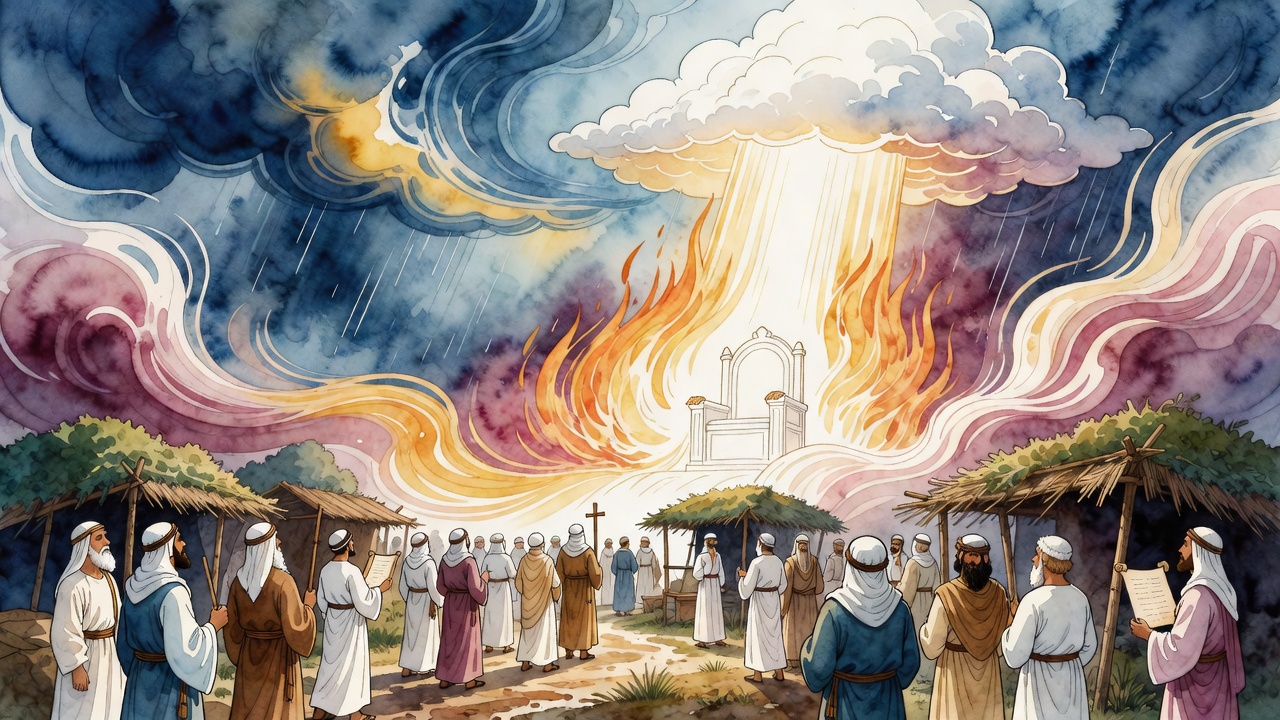
Israel left Egypt in Nisan, when the land softens and the air forgives. The wilderness booths rose then, thin walls against a sky that still remembered bricks. For forty years those roofs of branch and cloth followed the camp through heat and cold alike. If memory alone wrote the calendar, the feast of booths could have fallen in spring without shame.
God set it in Tishrei. Autumn. Leaves loosening. Wind with an edge. Rain testing the neck.
Why the Cold Is Part of the Command
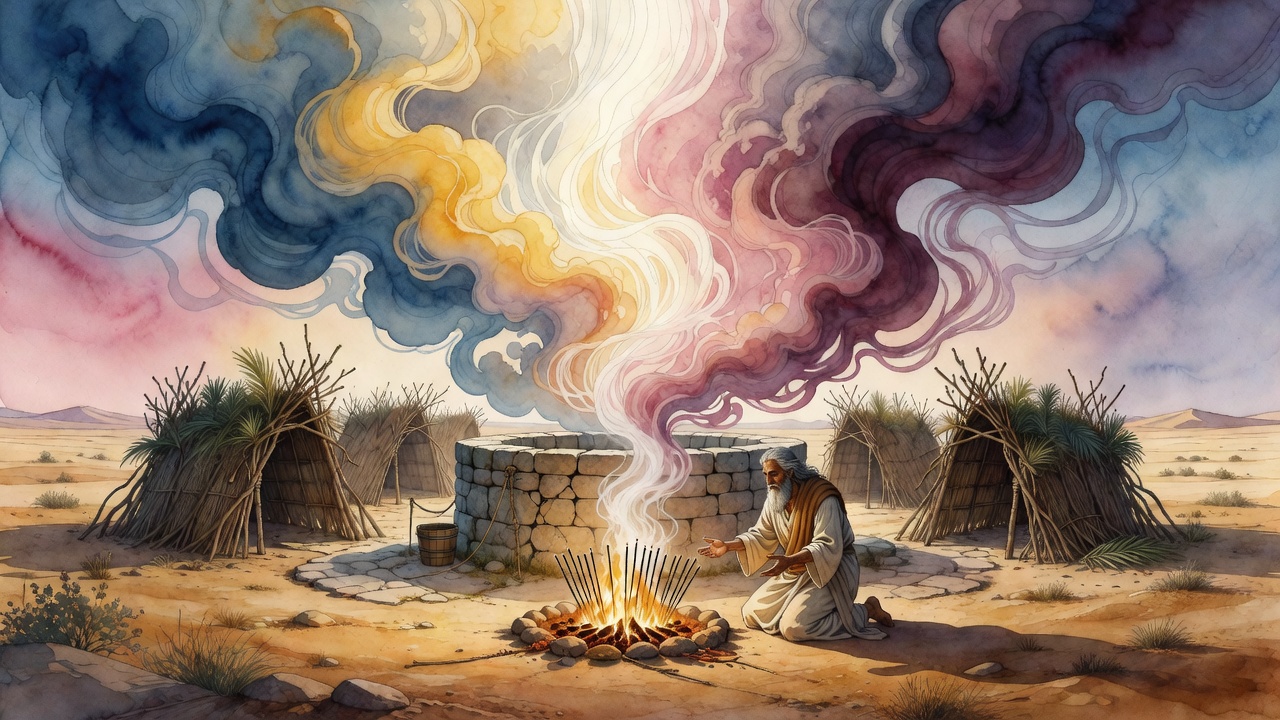
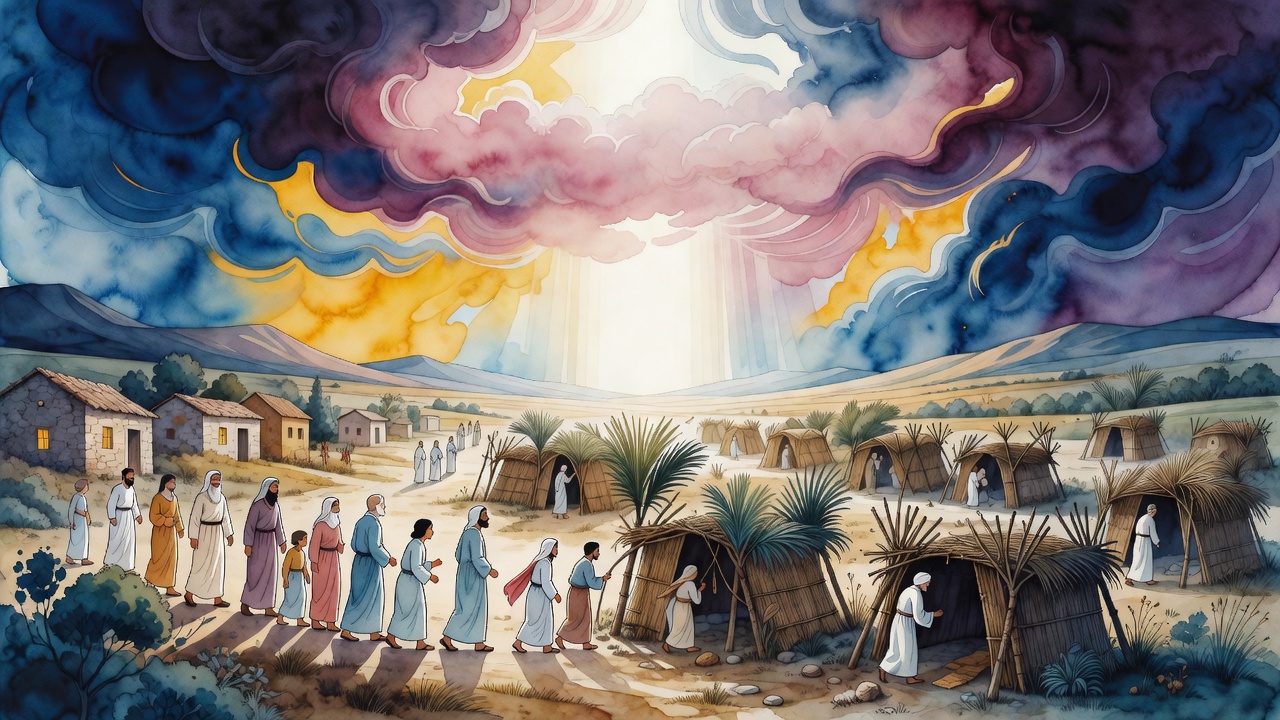
If Israel sat in sukkot (booths) in high summer, neighbors would shrug. Anyone with sense seeks shade when the sun is a hammer. The mitzvah (a commandment) would vanish inside comfort. In the fall, when every practical instinct says seal the windows and trust the solid house, the people step out under loose branches and let the night air write its name on their skin.
No one can call that a vacation. The inconvenience is the proof. We are here because we were told to be here. The early rain is not an accident on the festival. It is a witness.
The Eighth Day Asks for Water
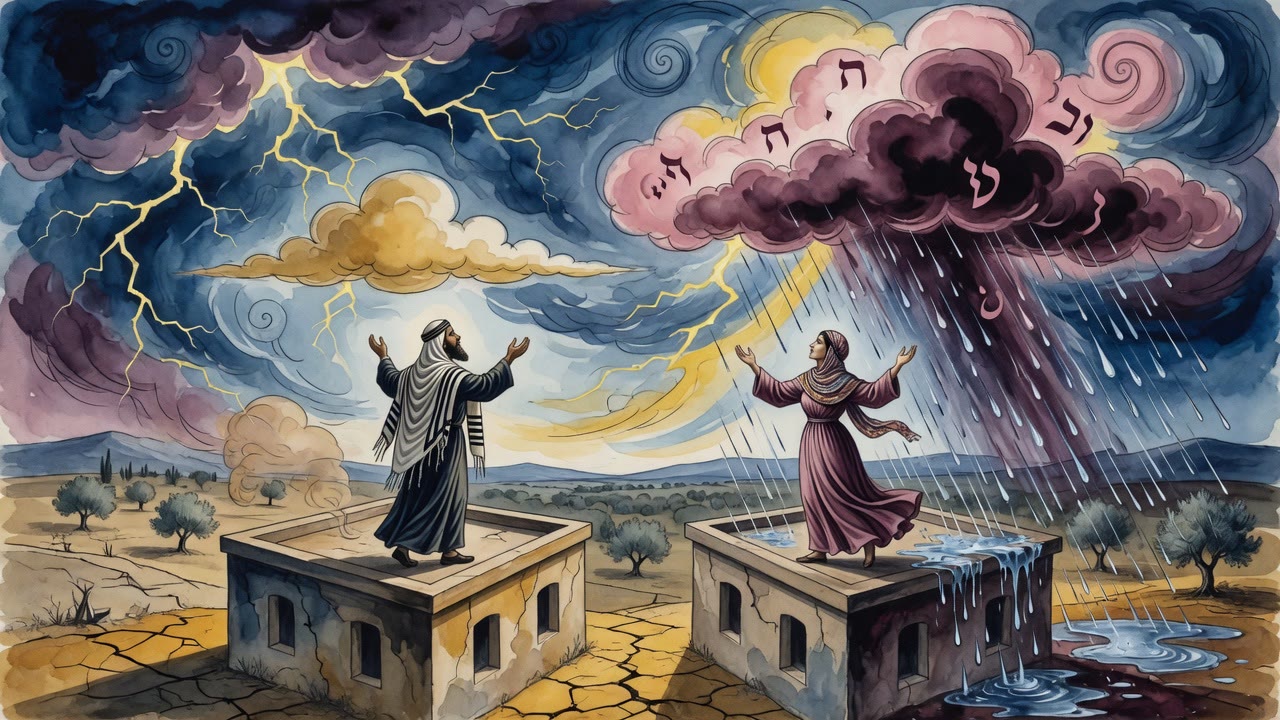
When the seven days thin toward their end, Shemini Atzeret holds the camp one day more. Rabbi Levi hears the Holy One say He created no better advocate for rain than that eighth assembly. Numbers names it a day set aside for Israel. The plea rises after the joy of the booth, after the eye has learned both abundance and thin years.
If the vineyard has been heavy, go out and look. If the olives failed, still stand where joy is commanded and let the mouth ask for water without pretending the year was easy. Rabbi Aha reads days of joy and days of misfortune as a pair. Better to be among those who watch and learn than among those whose end becomes a spectacle others must see.
When Blessing Thinned
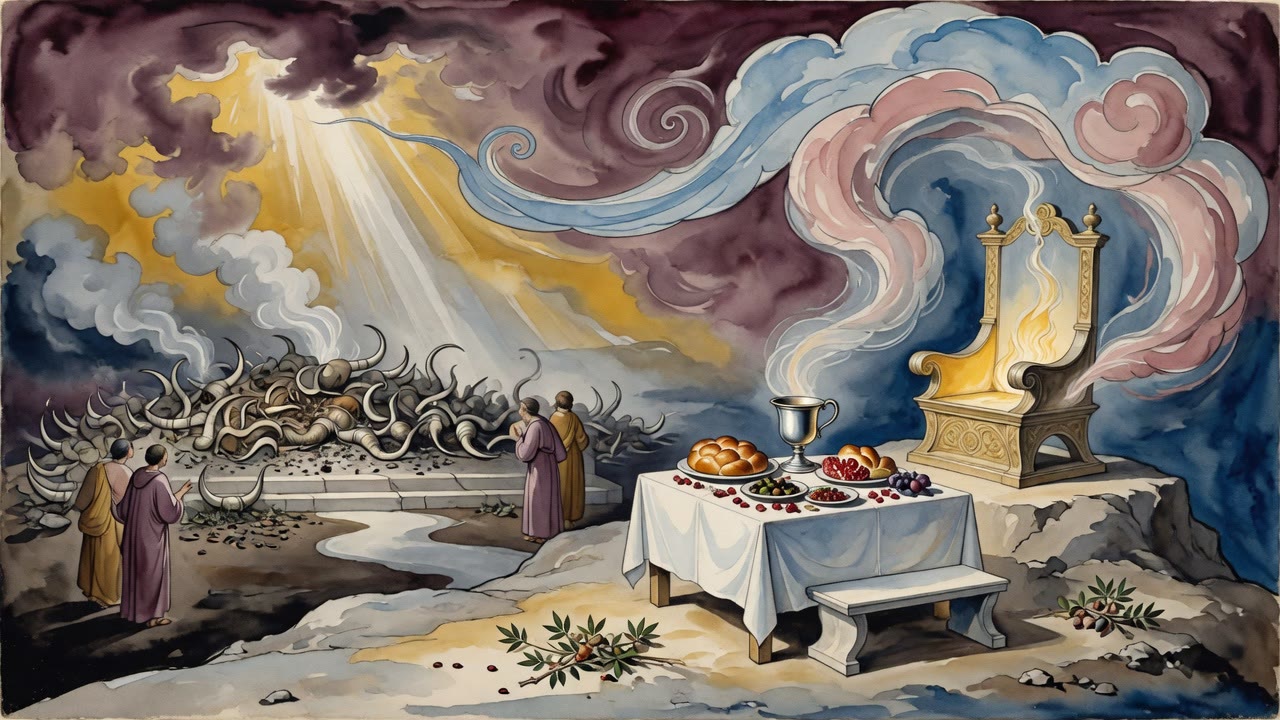
After the Temple fell in 70 CE, Rabbi Shimon ben Gamliel said there is no day without a sign of curse. Dew weakened. Fruit lost taste. Oil thinned. Purity and tithes and the old fragrance of a world ordered around the altar all felt farther away. Rabbi Zeira answered that every generation carries its own hardness. Rabbi Acha asked by what merit the people still stand and pointed to the Priestly Blessing, words that outlived the stones.
A sukkah in autumn is a small answer to a large thinning. It does not rebuild the Temple. It practices exposure on purpose while the world offers a dozen reasons to stay indoors and call caution wisdom.
Branches Against the Instinct to Seal
Children feel the cold first and ask why the family left a dry room. The answer is older than their coats. Israel's ancestors lived under temporary roofs because permanent ones were not yet theirs. Later generations return under temporary roofs so the body will not forget that safety was a gift, not a birthright of stone.
When rain taps the schach, the festival is working. When a neighbor glances over the fence and cannot invent a comfort-story for what he sees, the festival is working. When the eighth day rises and the mouth asks for rain as an advocate, not as a complaint, the year turns its face toward water again.
A man who repaired his real roof all summer now watches rain find the weak seam in the schach and laughs without humor. The laugh is part of the rite. If the booth never failed a little, it would be furniture. Furniture does not teach exile. A draft does.
Mothers wrap children and still bring them under the branches. The cold on small hands is not cruelty. It is curriculum. Memory that never inconveniences the body becomes a tale told only with the mouth, and mouths forget faster than skin.
After the Temple, when taste thinned and dew lost force, the autumn booth became even stranger and more necessary. A people that had lost the altar still knew how to leave a solid house on purpose. The Priestly Blessing could still be spoken under leaves. Joy could still be commanded on a day of thin fruit. The calendar refused to move Sukkot into easy weather just because the world had grown harder. Hard weather was always the point.
On the eighth day the booths come down and the plea for rain rises. Rabbi Levi's advocate stands in the empty space where the temporary roof was. The year turns its face toward water. Those who watched the grapes in a good year and those who counted losses in a thin year share one assembly and one request.
The citron is packed carefully when the week ends. Leaves are swept. Feet step back into walls that hold heat. The memory of choosing the cold remains because a command asked for an honest body, not a clever excuse that would have made the mitzvah invisible in summer shade.
← All myths