5 min read

Adam Stood Trial and Was Acquitted on New Year

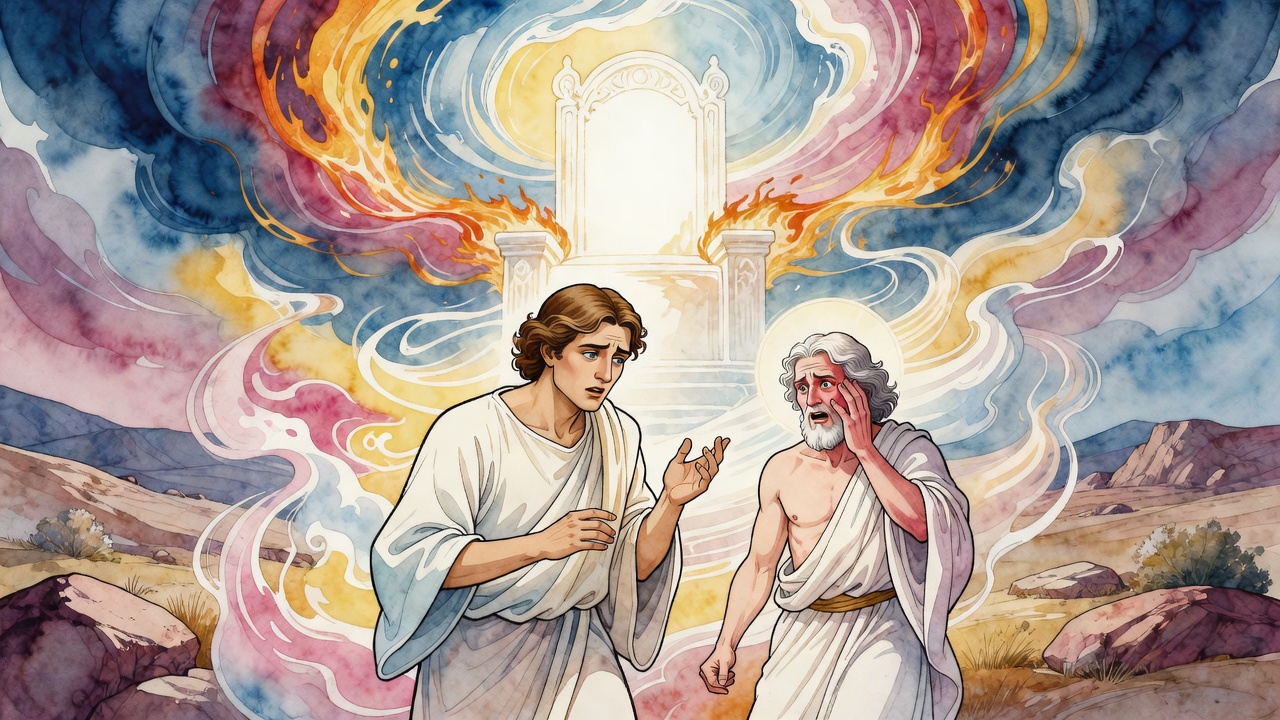
Adam stood in the garden with juice still on his fingers and heard the Voice call his name. That same morning he had been a handful of dust.

Curated by Arthur · Told by Maggid ·
Table of Contents
  1. Hours Like a Clock
  2. Scales in the Seventh Month
  3. A Broken Heart on the Altar
  4. Acquittal That Still Walks East of Eden
  5. Every Later Twelfth Hour
Adam Stood Trial and Was Acquitted on New Year Click for full size

Hours Like a Clock

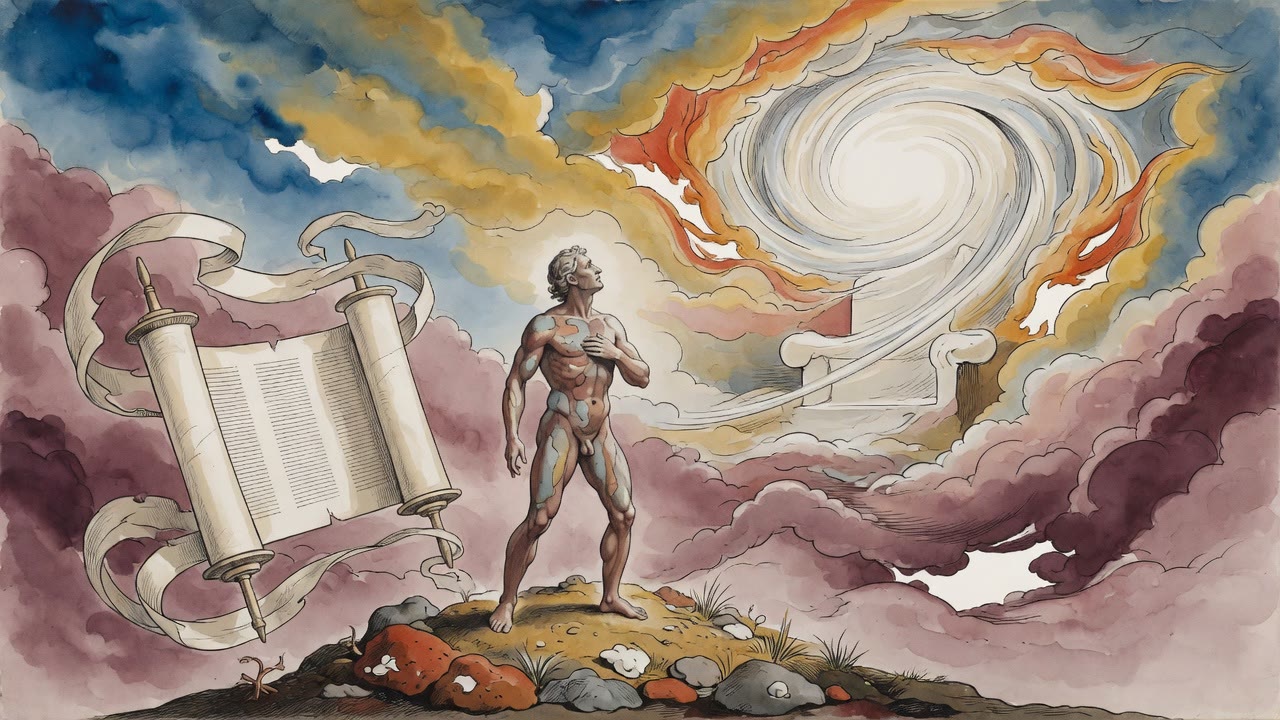
Adam stood in the garden with juice still on his fingers and heard the Voice that had formed him call his name. Dust that had been gathered in the first hour of the day was now a man on trial by the eleventh. Rabbi Eliezer taught that the world itself was created at the close of Elul, so this New Year is the day humanity was formed. The hours of that first day still tick inside every later Tishrei.

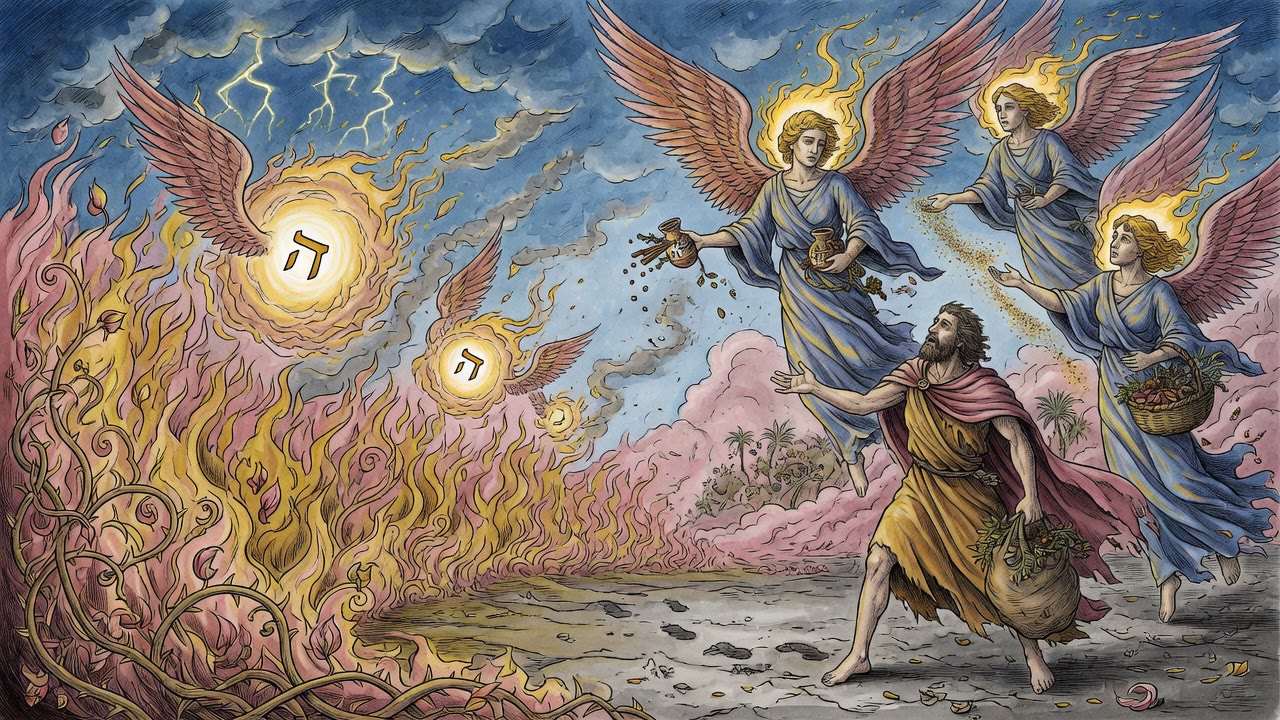
First hour: dust gathered. Later hours: body shaped, soul blown in, Adam on his feet, animals named, warning given about the tree. Tenth hour: he sinned. Eleventh: he stood in judgment. Twelfth: he was acquitted with mercy and driven out, still alive, still addressed by God.

The first New Year was not a holiday with honey. It was a trial that ended in a verdict mixed with exile.

Scales in the Seventh Month

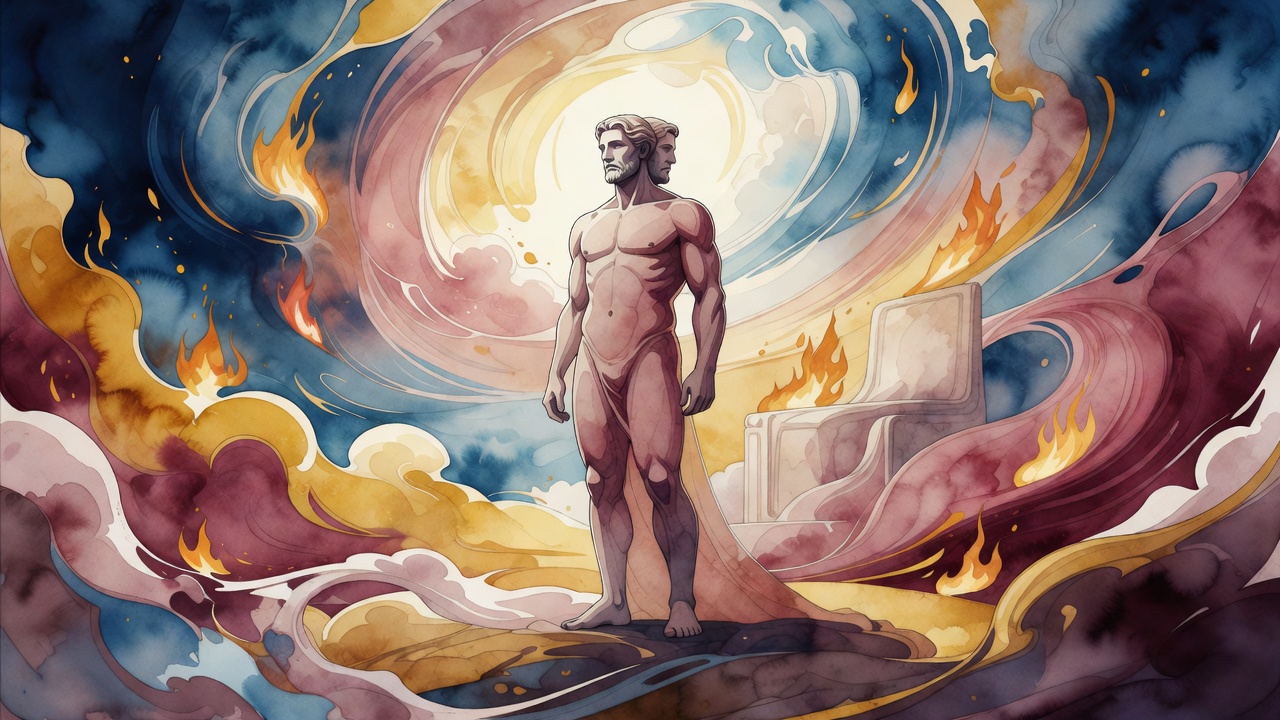
Which month holds those scales? Tishrei, whose sign is the balance, the month of weighing. People gossip about who will marry whom, who will rise and who will fall, and most of it comes to nothing. We are light as breath, vain even in the womb. On any honest scale we weigh almost nothing.

Rabbi Nahman would not leave Israel hanging there. All the empty words and broken promises a person racks up in a lifetime, our father Abraham is great enough to atone for them all. In the balance you are weighed, and in the balance you are forgiven. Blow the shofar (the ram's horn) in the month, renew your deeds, make them beautiful. God promises that if you polish your conduct, He will become for you like the shofar (a ram's horn) itself: breath in at the narrow end, mercy out the wide. He rises from the throne of strict judgment and moves to the throne of mercy. When? In the seventh month.

A Broken Heart on the Altar

David, having sinned and longing to be received back, sang the line that became every penitent's spine. The true sacrifice God wants is a broken spirit. A broken and crushed heart He will not despise. The sages turned the verse over and found a reversal that still startles. The Torah forbids a blind, broken, or maimed animal on the altar. In a human being, the broken heart is exactly the offering desired.

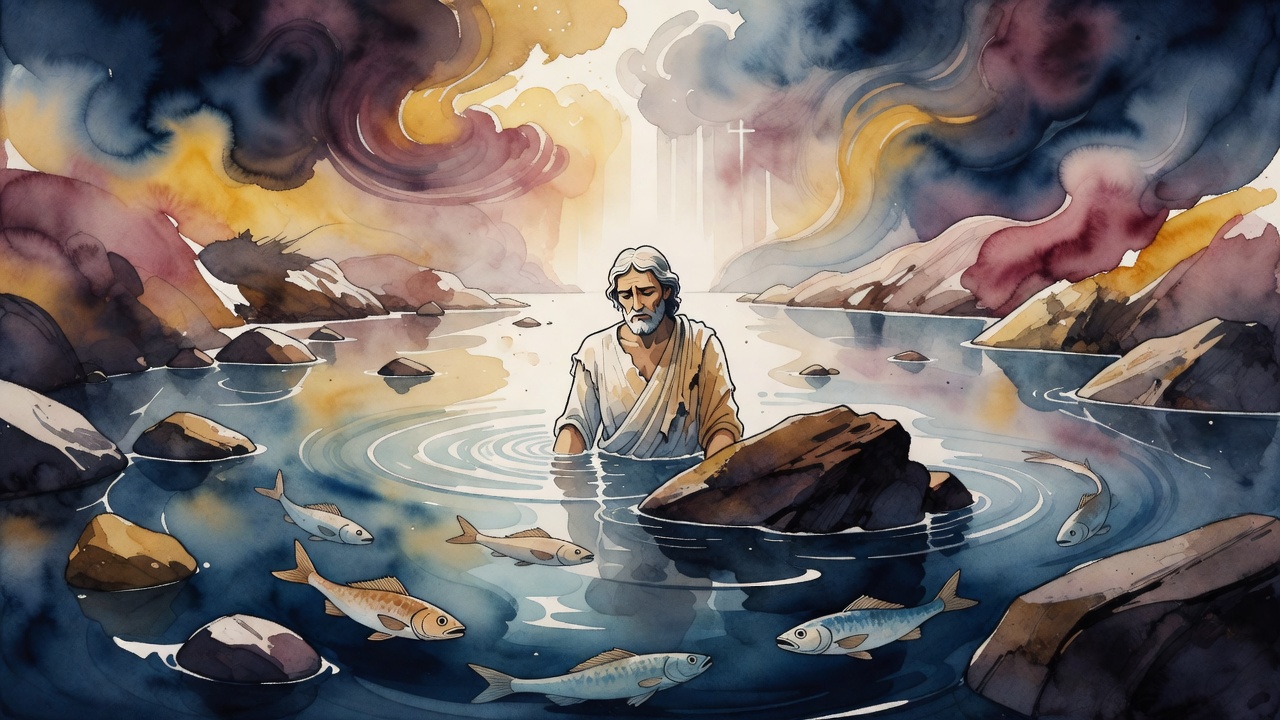
An ordinary person is ashamed to use a cracked vessel. The Holy One does all His work with broken vessels. He is near to the brokenhearted. He heals the shattered. The thing you are most ashamed of is the thing through which He chooses to reach you. Adam's first day already knew that shape: failure, judgment, and a mercy that did not pretend the failure never happened.

Acquittal That Still Walks East of Eden

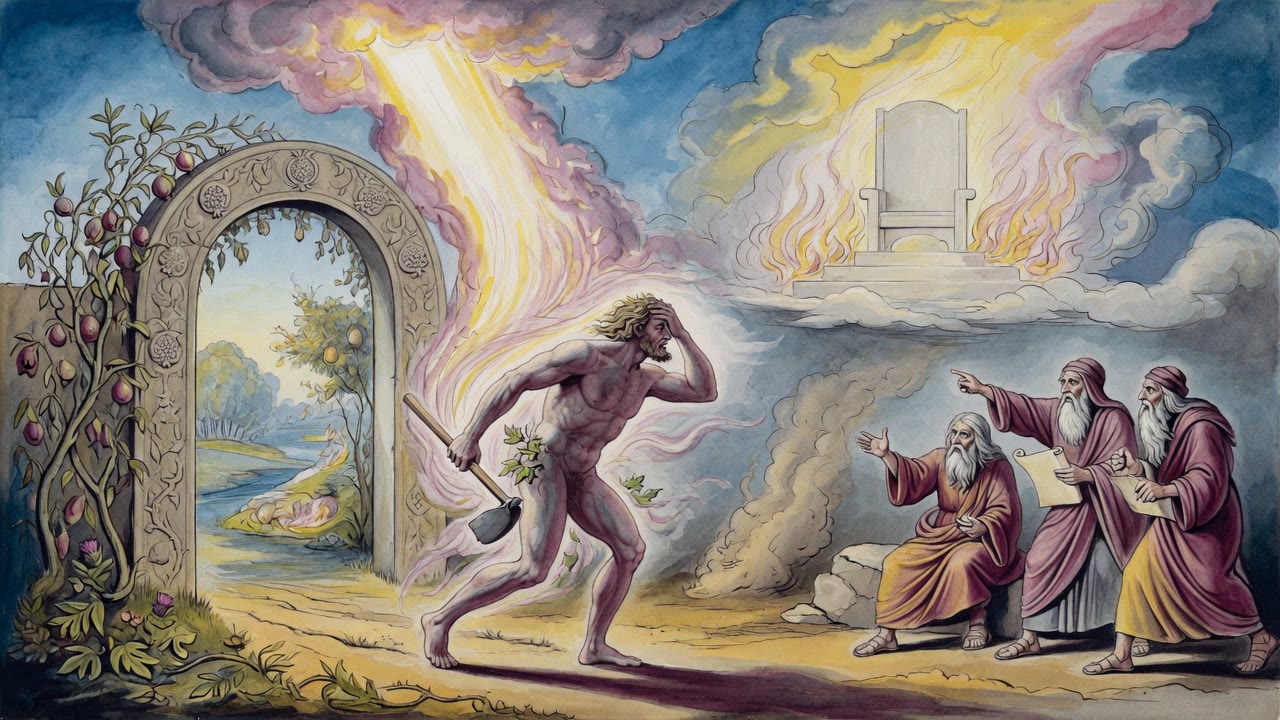
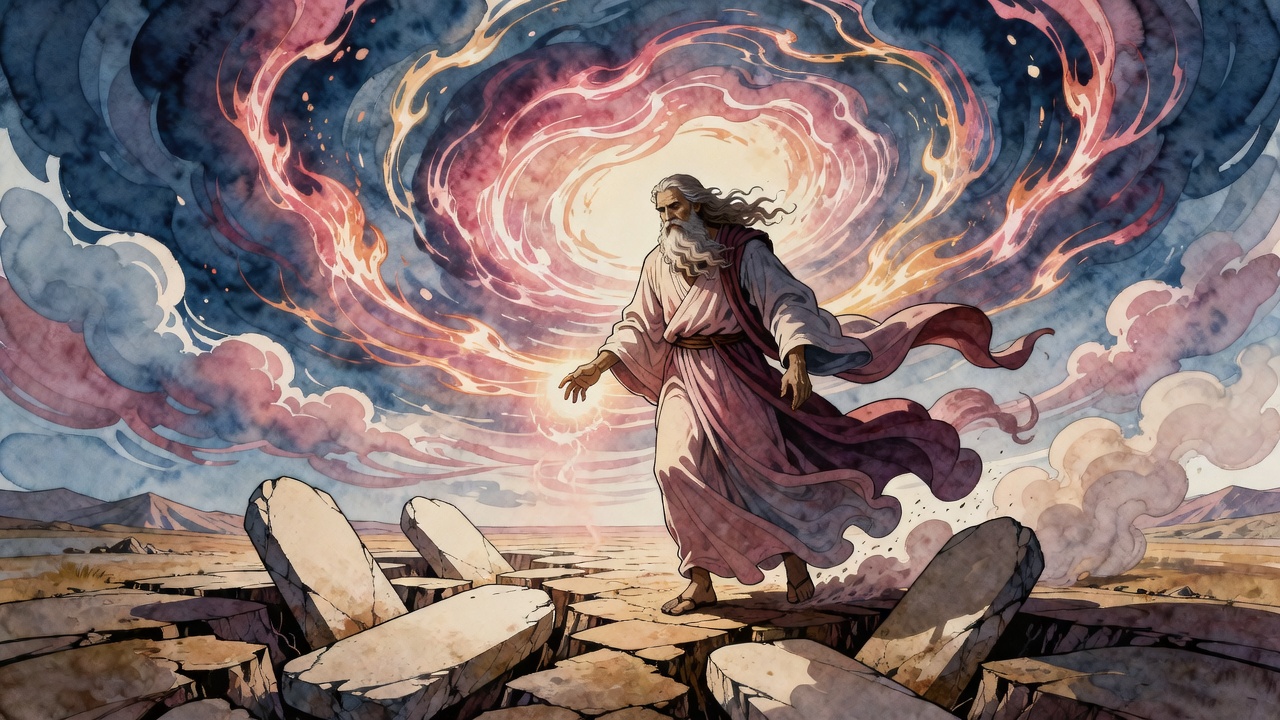
Acquittal did not mean Adam stayed in the garden. It meant he was not erased. The first human left with a future and a sentence braided together. Every later Rosh Hashanah borrows that braid. We stand in hours that remember his hours. We blow a horn that moves God from judgment to mercy. We bring cracked hearts because whole animals were never the point of the human altar.

The midrash does not offer the first day as nostalgia. It offers it as procedure. Formed. Warned. Failed. Judged. Pardoned. Sent. If that sequence can hold the first man, it can hold the shopkeeper, the scholar, the mother who cannot stop replaying her year. The scales of Tishrei are not a metaphor borrowed from the sky. They are the furniture of a courtroom that opened on hour eleven of the first human day and has not closed since.

Every Later Twelfth Hour

When the shofar sounds in a later Tishrei, the sound is not only calendar music. It is the wide end of the horn through which mercy is supposed to exit after judgment has entered the narrow end. Adam's twelfth hour still sits inside that sound. Acquitted and exiled, alive and sentenced, he walks east of Eden as the pattern for every year that refuses to pretend humans do not fail.

Abraham's merit on the scales does not erase the need for a broken heart. It answers the fear that we weigh nothing. David's cracked vessel does not erase the need for deeds made beautiful. It answers the fear that only the polished are welcome. The first day holds all three: clock of hours, balance of Tishrei, altar of the crushed spirit.

A person who enters synagogue on Rosh Hashanah without that drama will hear only melodies. A person who enters with Adam's sequence in mind will hear a trial that once already ended in a mercy hard enough to include exile. That is not despair. It is permission to tell the truth about the year and still hope the verdict can be mixed with life.


← All myths

From the tradition

Sources

3 sources

The texts behind this telling. Some cards carry a translation of the source; others are our own retelling of it, and each card says which. Every card links out to the original.

Pesikta DeRav Kahana 23:1Pesikta de-Rav Kahana

Translation of the source text.Pesikta de Rav Kahana according to an Oxford manuscript, Dov Mandelbaum ed., N.Y. 1987 · CC-BY

"Rosh Hashanah." "Forever, O LORD, Your word stands firm in the heavens" (Psalms 119:89). Rabbi Eliezer taught: on the twenty-fifth of Elul the world was created. And the teaching of Rav accords with this teaching of Rabbi Eliezer, for it was taught in the shofar-service of Rav: "This day is the beginning of Your works, a remembrance of the first day," and so forth. "For it is a statute for Israel, an ordinance" (Psalms 81:5). Concerning the provinces, on it, the New Year, it is said which is destined for the sword and which for peace, which for famine and which for plenty, which for death and which for life. And creatures are remembered on it, to call them to mind for life and death. You therefore find that on Rosh Hashanah the first man was created.

In the first hour the thought of him arose; in the second, He took counsel with the ministering angels; in the third, He gathered his dust; in the fourth, He kneaded it; in the fifth, He formed it; in the sixth, He set him up as a lifeless mass upon his feet; in the seventh, He cast a soul into him; in the eighth, He brought him into the Garden of Eden; in the ninth, He commanded him; in the tenth, he transgressed His command; in the eleventh, he was judged; in the twelfth, he went out acquitted from before the Holy One, blessed be He.

The Holy One, blessed be He, said to him: Adam, this is a sign for your children. Just as you entered before Me in judgment on this day and went out acquitted, so your children are destined to enter before Me in judgment on this day and to go out acquitted. When? "In the seventh month, on the first of the month" (Leviticus 23:24).

Full source
Pesikta DeRav Kahana 23:8Pesikta de-Rav Kahana

Translation of the source text.Pesikta de Rav Kahana according to an Oxford manuscript, Dov Mandelbaum ed., N.Y. 1987 · CC-BY

Rabbi Hiyya son of Rabbi Mareyah in the name of Rabbi Levi opened: "Surely men of low degree are vanity, and men of high degree are a lie" (Psalms 62:10). It is the way of the world that people say, "So-and-so will marry so-and-so", "surely men of low degree are vanity." "This woman will marry that man", "men of high degree are a lie." "In the balance they go up" (ibid.), Rabbi Hiyya bar Mareyah said: while they are still being formed they are mere vanity in their mothers' wombs, "they are together lighter than vanity" (ibid.).

Rabbi Nahman said: all the vanities and lies that Israel commit in this world, our father Abraham is worthy to atone for them all. And what is the proof text? "The greatest man among the giants" (Joshua 14:15). "In the balance they go up", in the balance you are atoned for, in the month whose sign is the Scales [Libra]; and which is that? This is Tishrei. "In the month" (Psalms 81:4), renew your deeds. "Shofar" (ibid.), make your deeds beautiful [shapperu]. The Holy One, blessed be He, said: if you have made your deeds beautiful before Me, behold, I become for you like this shofar: just as the shofar takes in at one end and brings out at the other, so I rise from the throne of judgment and sit on the throne of mercy, and I am filled with compassion for you and have mercy on you and turn the attribute of judgment into the attribute of mercy for them. When? "In the seventh month" (Leviticus 23:24).

Full source
Pesikta DeRav Kahana 24:5Pesikta de-Rav Kahana

Translation of the source text.Pesikta de Rav Kahana according to an Oxford manuscript, Dov Mandelbaum ed., N.Y. 1987 · CC-BY

"The sacrifices of God are a broken spirit; a broken and crushed heart, O God, You will not despise" (Psalms 51:19). Zavdi bar Levi and Rabbi Yose bar Petros and the Rabbis. One said: David said before the Holy One, blessed be He: Master of the worlds, if You receive me in repentance, I know that my son Solomon will arise and build the Temple and build the altar and offer upon it all the offerings -- this follows from the verse "a broken and crushed heart" (Psalms 51:19), and I know that "You will do good in Your favor to Zion" (see Psalms 51:20), "then You will delight in sacrifices of righteousness" (Psalms 51:21). And the other said: from where do we learn that one who repents, the Holy One accounts it to him as if he had gone up to Jerusalem and built the Temple and built the altar and offered upon it all the offerings? From this verse, "a broken and crushed heart," and what is written after it? "Do good in Your favor to Zion; then You will delight in sacrifices of righteousness." And the Rabbis said: from where do we learn that one who passes before the ark must make mention of the building of the Temple and the offerings and bow down? From this blessing: "Be favorable, O LORD our God, and dwell in Zion Your city, and may Your children serve You in Jerusalem." Rabbi Abba bar Yudan said: what He disqualified in an animal, He declared fit in a human being. In an animal He disqualified "blind, or broken, or maimed, or with a wart" (Leviticus 22:22); in a human being He declared fit "a broken and crushed heart" (Psalms 51:19). Rabbi Alexandri said: if an ordinary person uses a broken vessel, it is a disgrace to him; but the Holy One is not so -- all His use is of broken vessels. "The LORD is near to the broken-hearted" (Psalms 34:19); "who heals the broken-hearted" (Psalms 147:3); "a broken and crushed heart, O God, You will not despise" (Psalms 51:19). Therefore Hosea warns Israel and says to them, "Return, O Israel" (Hosea 14:2).

Full source