He Raises a Blade Over His Plague-Spot and Stops
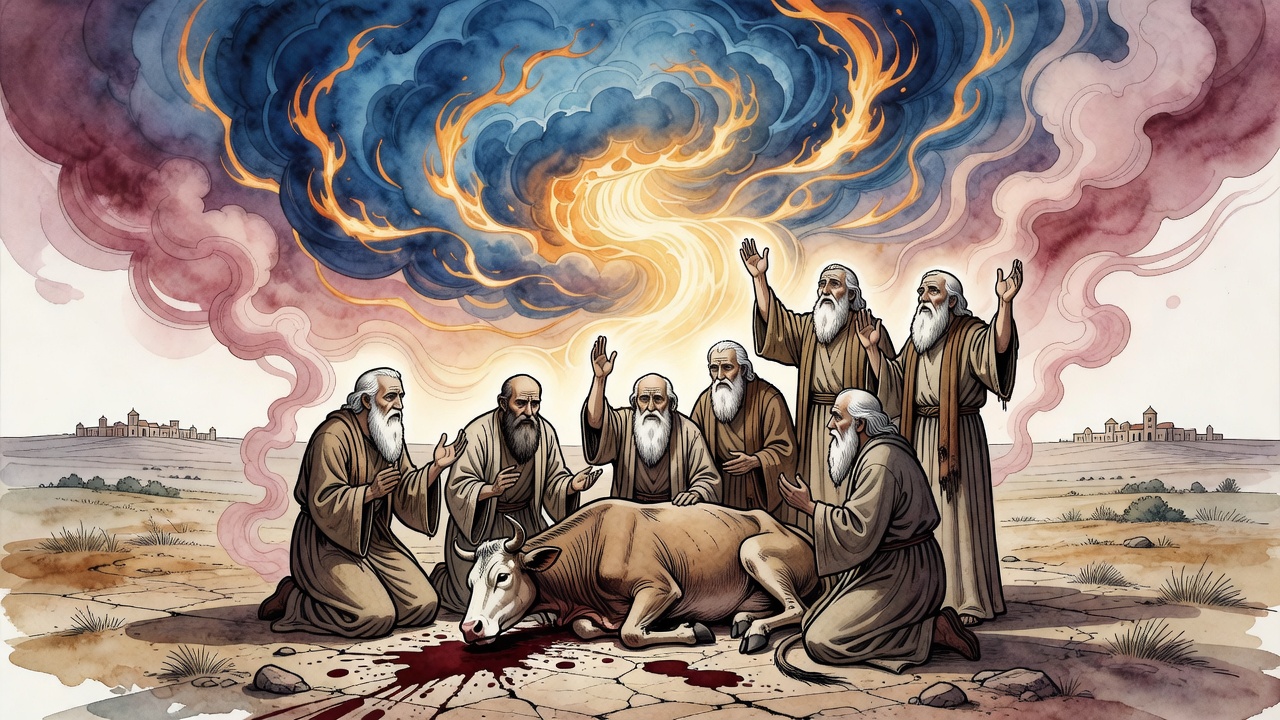
A white mark blooms on a man's skin after gossip. He raises a blade over the plague-spot, then remembers Miriam and walks to the priest instead.
Table of Contents
 Click for full size
The Mark Appears After the Story
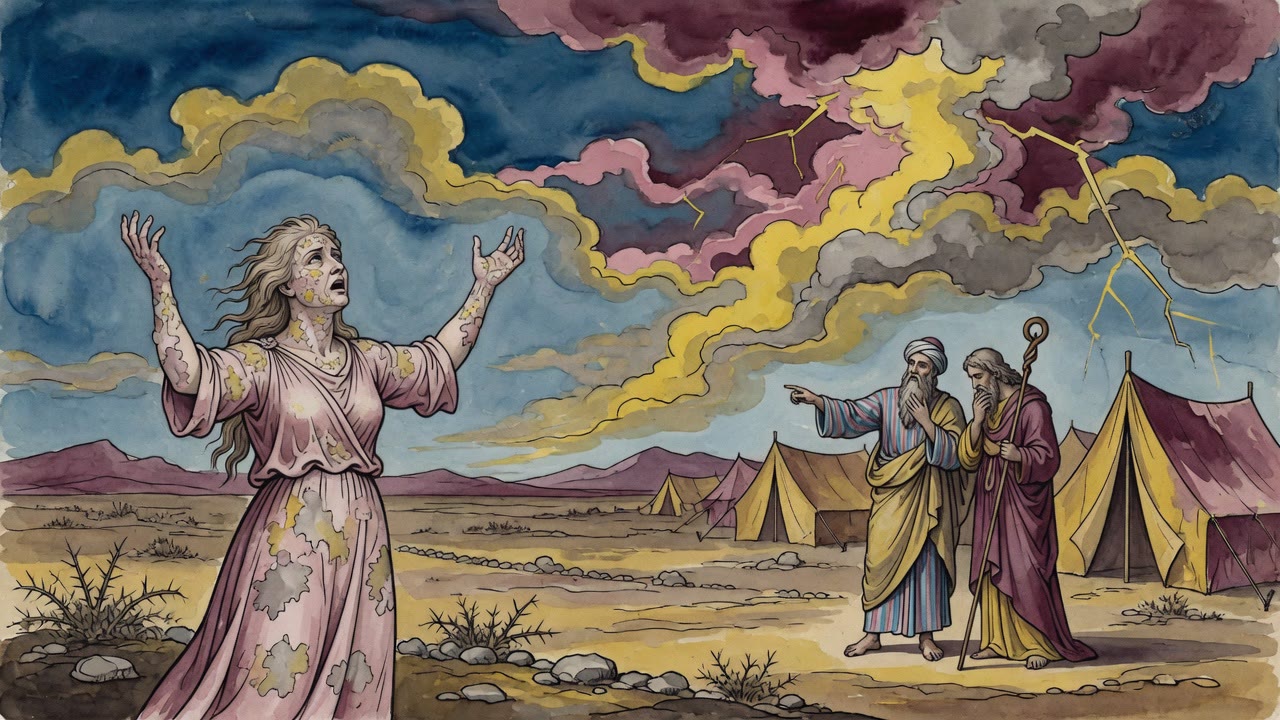
He told the story in the market because it made three men laugh. He did not shout it from a roof. He only leaned close and named a neighbor's fault with a smile that pretended to be kindness. That night a white mark bloomed on his forearm like a coin pressed too long into skin.
In the morning he bolted the door. He found a small blade. If he could shave the spot away, no priest would ever see him. No isolation. No shame. His hand steadied. He raised the steel. The law was already standing in the room without a body: you may not remove a plague-spot deliberately.
Thong and Pole, Not a Knife
He may tie a shoe thong around his foot. He may set a carrying pole on his back. If the mark is scraped away by ordinary life, it is removed and he bears no liability for that accident. What he may not do is aim a blade at the evidence. The difference is intent. Accident is weather. Surgery on the sign is flight from judgment.
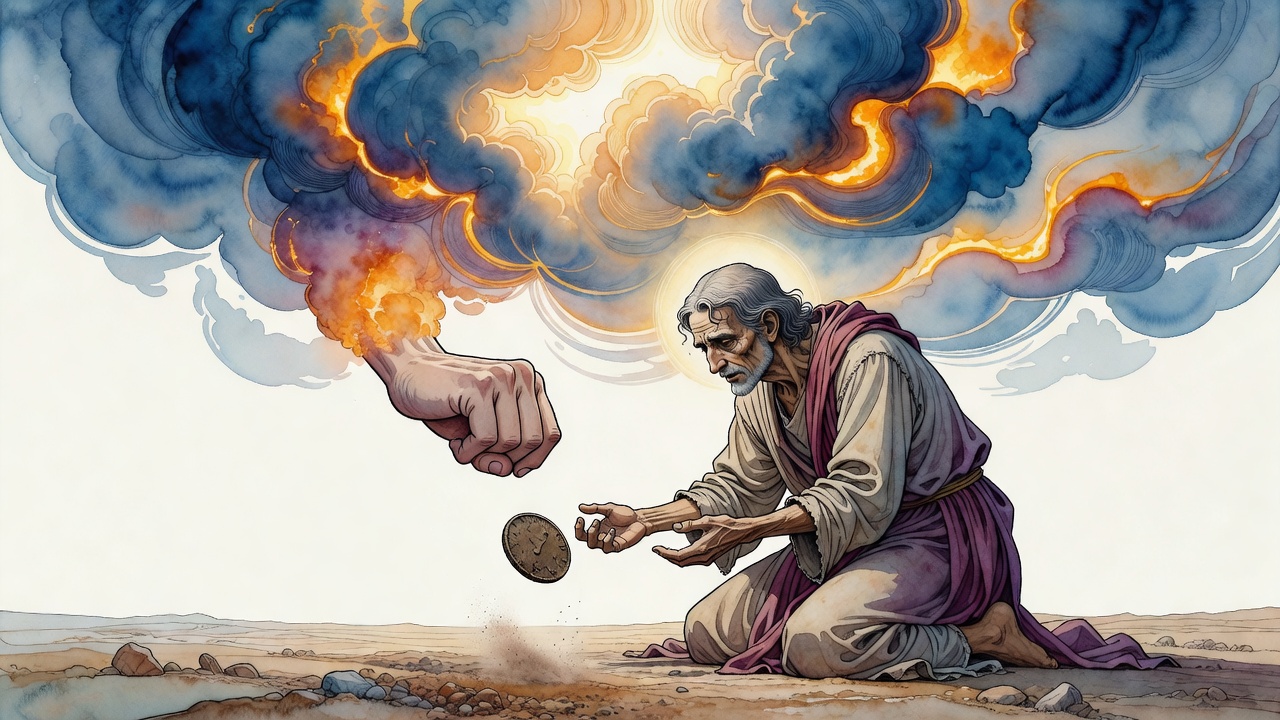
His fingers opened. The blade fell to the mat. He sat on the floor and breathed until the urge to hide passed. He wrapped his arm, left the house, and walked toward the priest with the walk of a man who has already lost an argument with himself.
Miriam in the Memory
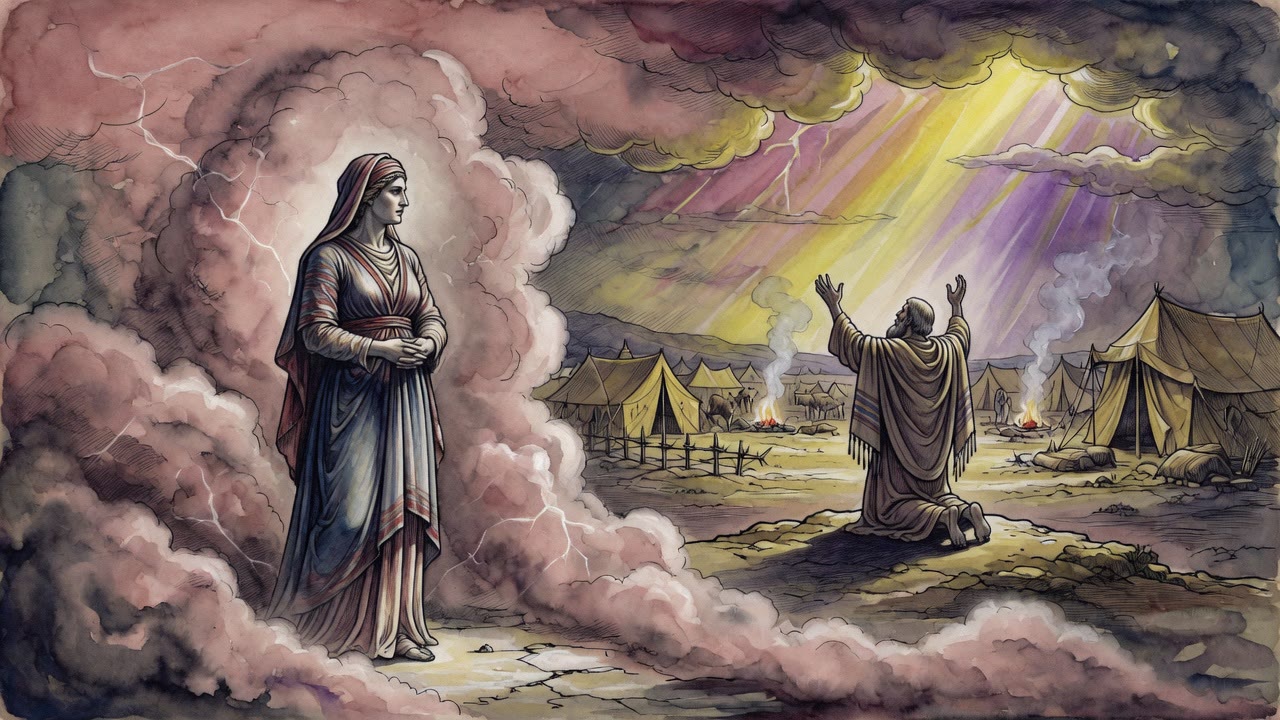
On the road he remembered Miriam. She spoke of Moses regarding the Kushite woman he had taken. She did not speak in public denigration for sport. She spoke for what she thought was benefit, for praise of the Lord, for the propagation of the world. Still she was struck white. If she was punished, how much more the man who opens a neighbor's name in the market for a laugh.
He stopped at a well and poured water over his wrists without touching the mark. The teaching tied plague-spots to slander the way a rope ties a boat to a stake. He felt the rope. His mouth, which ran so easily yesterday, was dry now. He turned back to the path and kept walking.
Names That Stick Like Sores
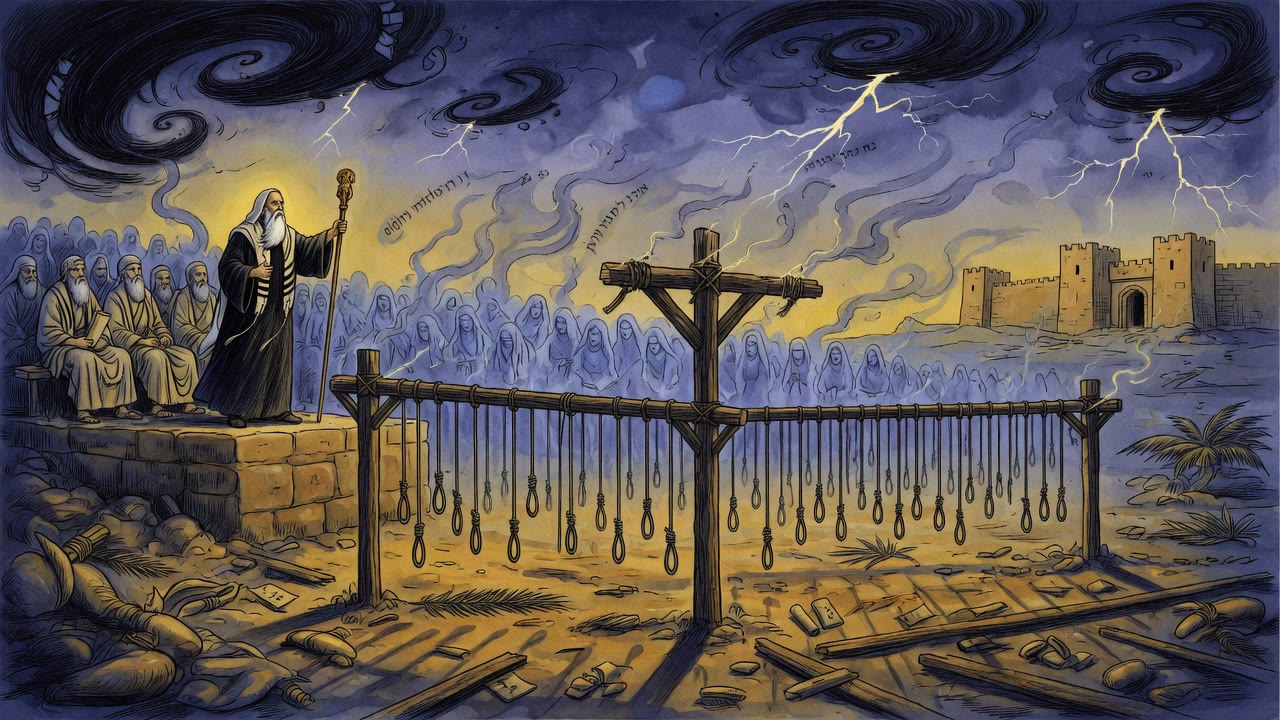
Another teaching rose uninvited: the one who serves what is not God is called banned, abominated, hated, abhorred, perverse. Heaven answers with its own five names: evil, breaker of the covenant, blasphemer, angerer, rebel. Such a path leads to the defiling of the Temple, the desecration of the Name, the departure of the Shechinah (the Divine Presence), the sword, and exile.
He was not an idolater with a bowing neck. He was a man who made a small god of his own tongue. The names still brushed him. Speech can defile a camp as surely as a foreign altar. He entered the priest's courtyard and showed the mark. The priest looked long, asked, and answered with days outside the camp. For the first time the man did not try to bargain the sentence down with clever hands.
Outside the Camp, the Mouth Learns Quiet
Days passed in the place where the unclean wait. He sat on a stone and watched travelers avoid his side of the path. He practiced silence the way a soldier practices a grip. When birds cried overhead he flinched as if they were market men asking for another story. When he was finally called clean, he walked back through the stalls with his sleeve down and his tongue heavier than before.
The blade stayed at home. The thong and the pole did their ordinary work. He bought bread without adding a word about anyone's wife or debt. He had learned the difference between living and erasing the sign that living sometimes writes on the skin. At night he dreamed of Miriam white as snow and woke grateful that his own mark had been allowed to teach him before exile taught the whole camp.
← All myths