Elders Break a Calf for Blood Without a Name
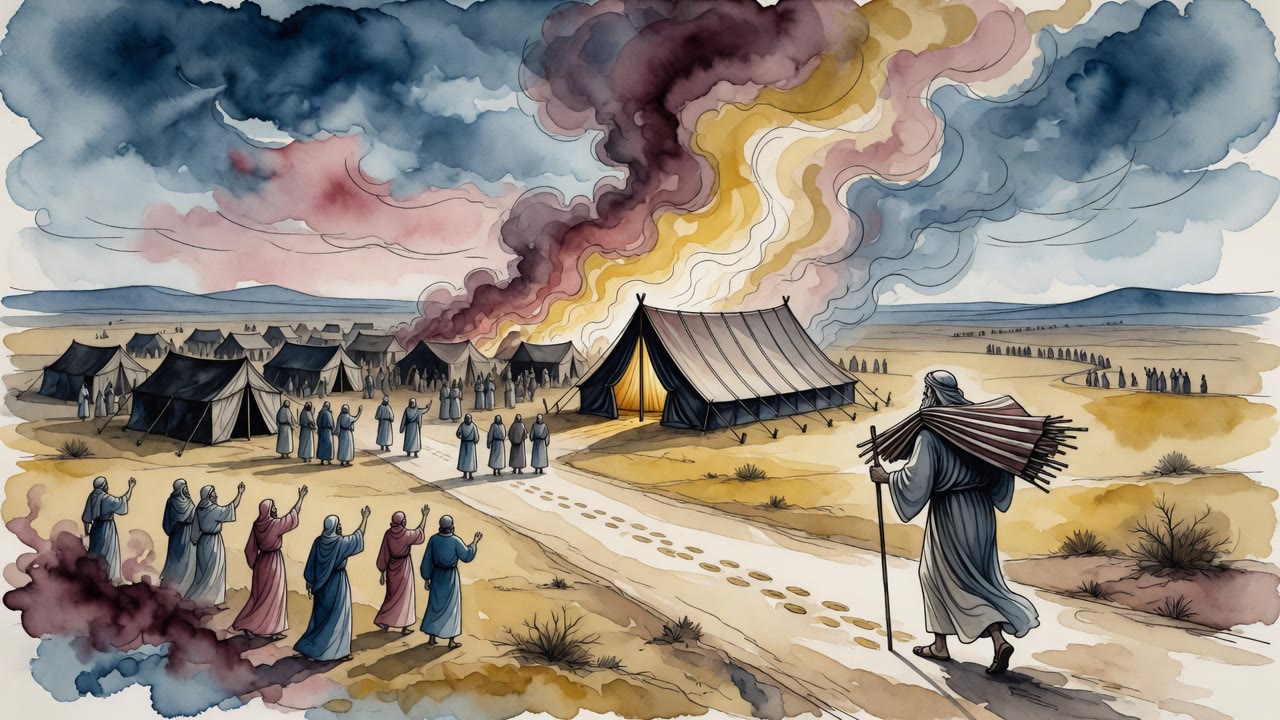
The corpse lay where one town's path forgot the next. No killer stepped forward. The nearest city still had to wash their hands over a valley.
Table of Contents
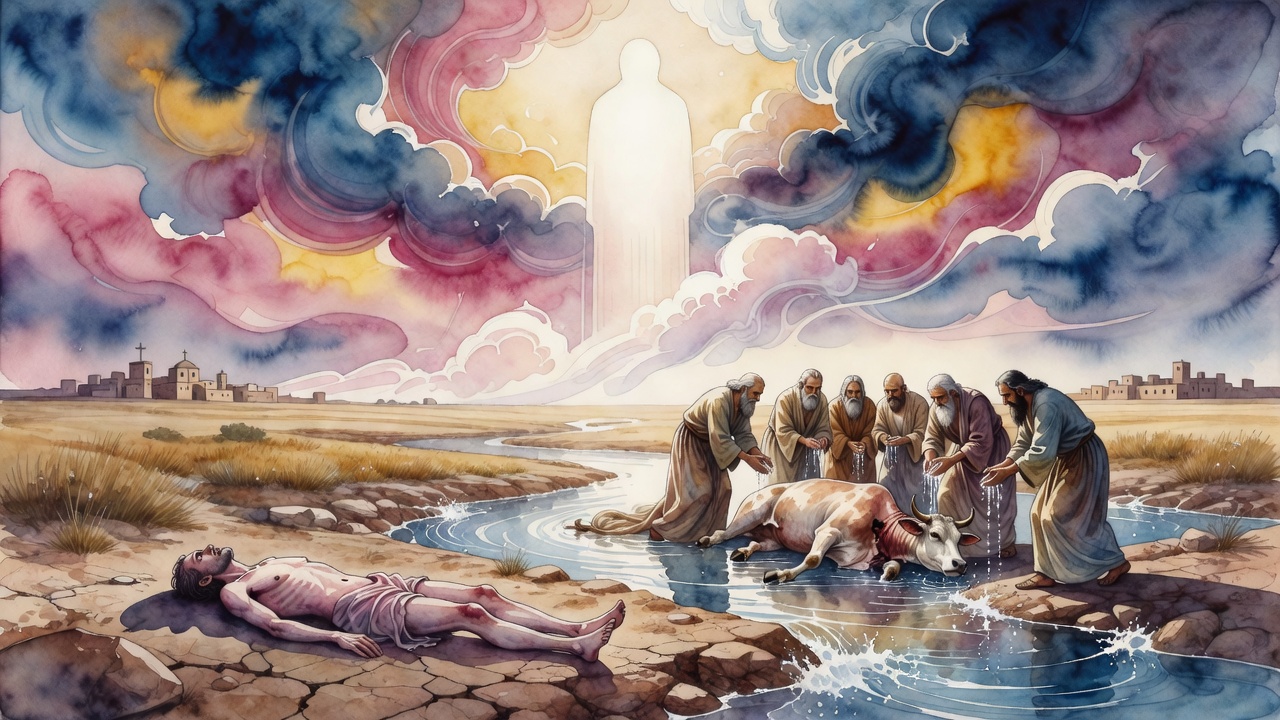
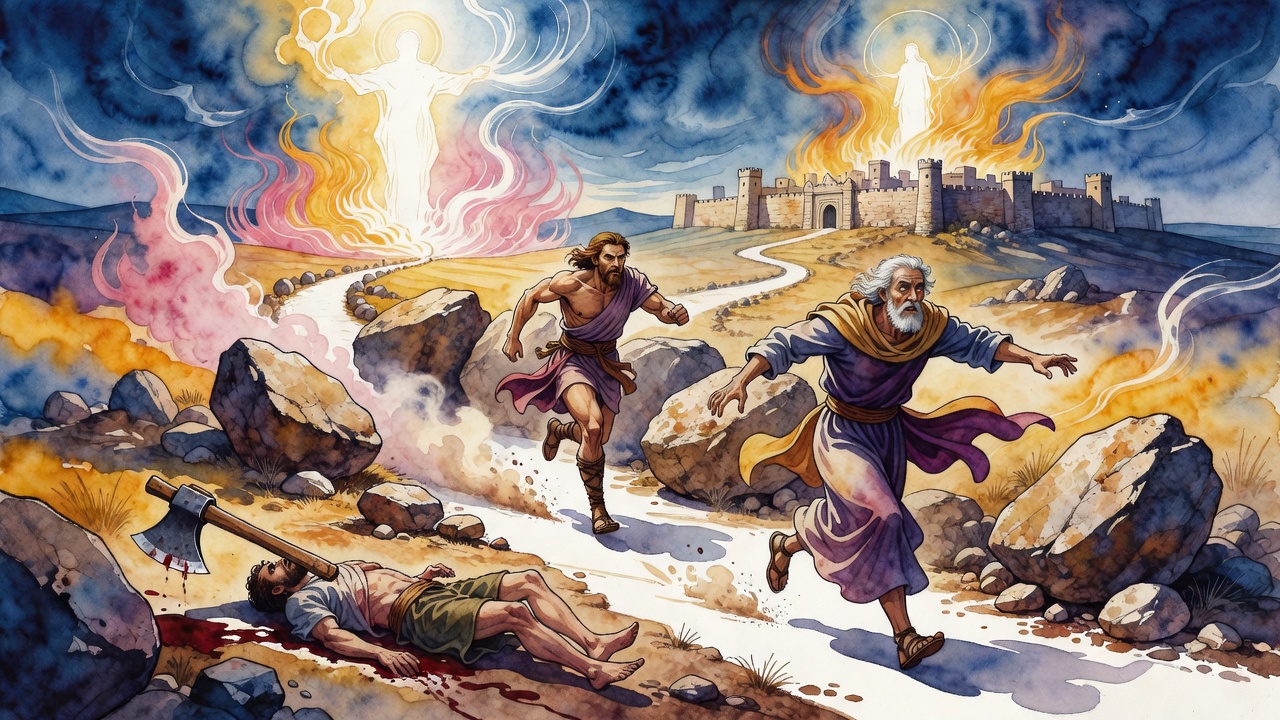
The corpse lay in the grass where one town's path forgot the next town's name. Flies worked the mouth. A sandal still hung on one foot. No knife owner stepped forward. No feud claimed the blood.
 Click for full size
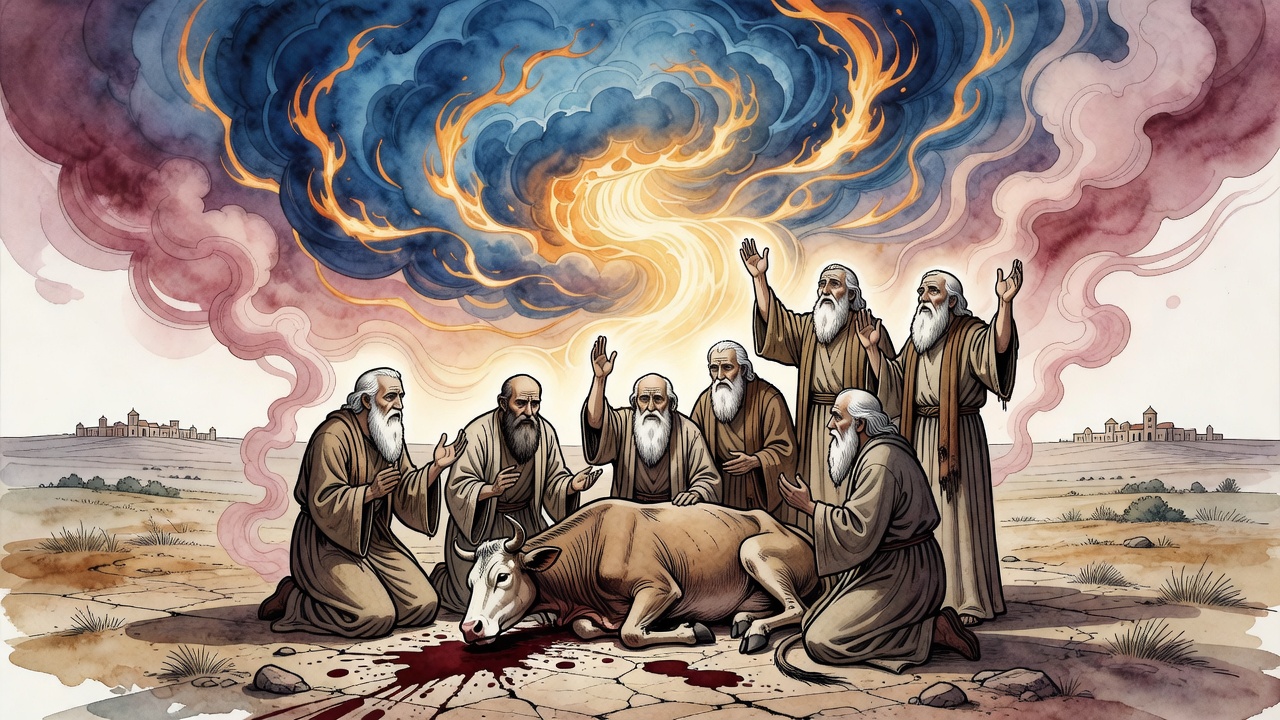
Elders came out with measuring cords. They walked from the body to one gate, then to the other. The nearest city would own the rite. Farmers stood back. Children were pulled indoors. The valley held still as if the dead man could still hear.
They did not bring a calf to punish an animal. They brought it because innocent blood with no known hand still demanded a public act. The neck would break. The words would have to be true.
Our Eyes Have Not Seen
The elders washed and spoke. "Our hands did not shed this blood. Our eyes did not see."
Rabbi Akiva stopped them on the formula. If the court had witnessed the killing and only failed to name the killer, they could not perform the rite. The verse needs a genuine not-seeing. Theater of innocence when eyes did see would be a second lie laid on a first death.
One elder's mouth went dry. He had walked that road at dusk the day before. He had seen nothing. That nothing had to stay nothing in his speech. Communal responsibility began with the honest limit of knowledge, not with a show that cleared a guilty calendar.
Three or Five Walk Out
"Then your elders shall go out," the Torah said (Deuteronomy 21:2). Rabbi Yehudah heard two elders and two judges, then added one to avoid a tie: five. Rabbi Shimon heard the paired phrase as two, then added one: three. A court that can deadlock cannot answer blood. Odd numbers were a mercy to the dead and to the living who needed a finished act.
They walked out. They chose the heifer, the eglah arufah (עגלה ערופה), the calf whose neck would break. Dust rose. Someone wept without knowing whether the dead man had been kind.
The neck snapped in a valley that never asked for this mathematics. Procedure became the only dignity left when the murderer's name stayed missing. Birds lifted from a tree and resettled.
One Mouth Cannot Kill
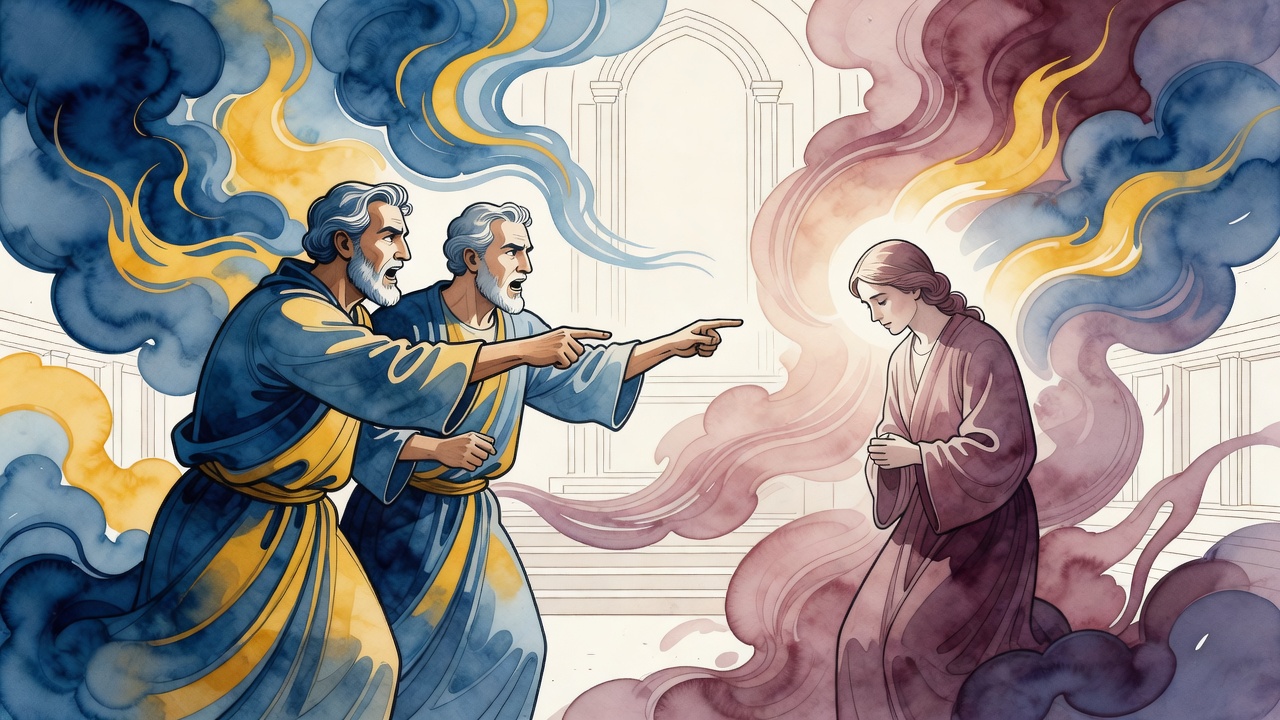
A man at the gate pointed at a stranger on the road. "Hang him," he said. "I saw him yesterday."
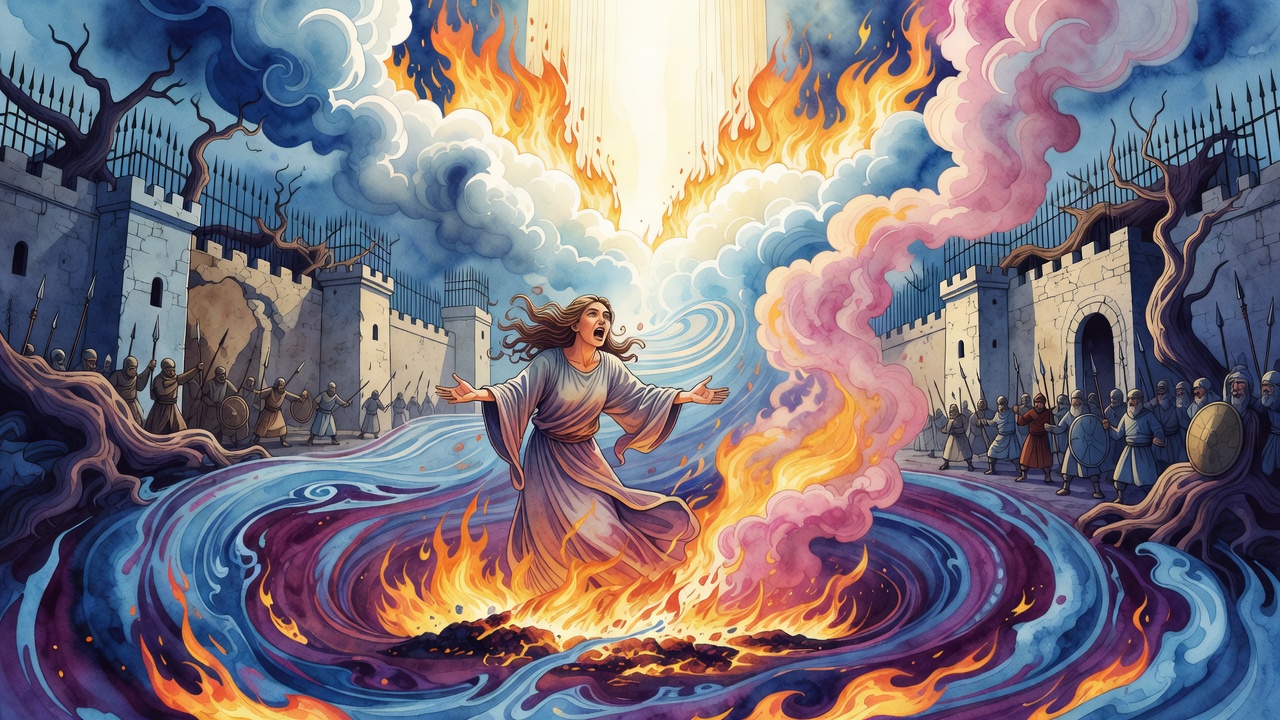
The same law shut that gate. He shall not be put to death by word of one witness. Not a disciple against a teacher. Not a lone voice for guilt. When a life is on the line, the standard climbs. Words can kill as surely as knives if courts are lazy.
The unsolved corpse and the two-witness rule were cousins. One rite answered a death with no accused. The other blocked a death with only one accuser. Both refused cheap blood. A man who wanted a rival dead by rumor found the gate shut. A town that wanted a corpse forgotten found the calf waiting.
After the Neck Breaks
The elders returned uphill. They buried the body. They had spoken over the land. No one pretended the murderer was found. They pretended only that Israel would not shrug. The valley kept a scar of ritual where a name should have been.
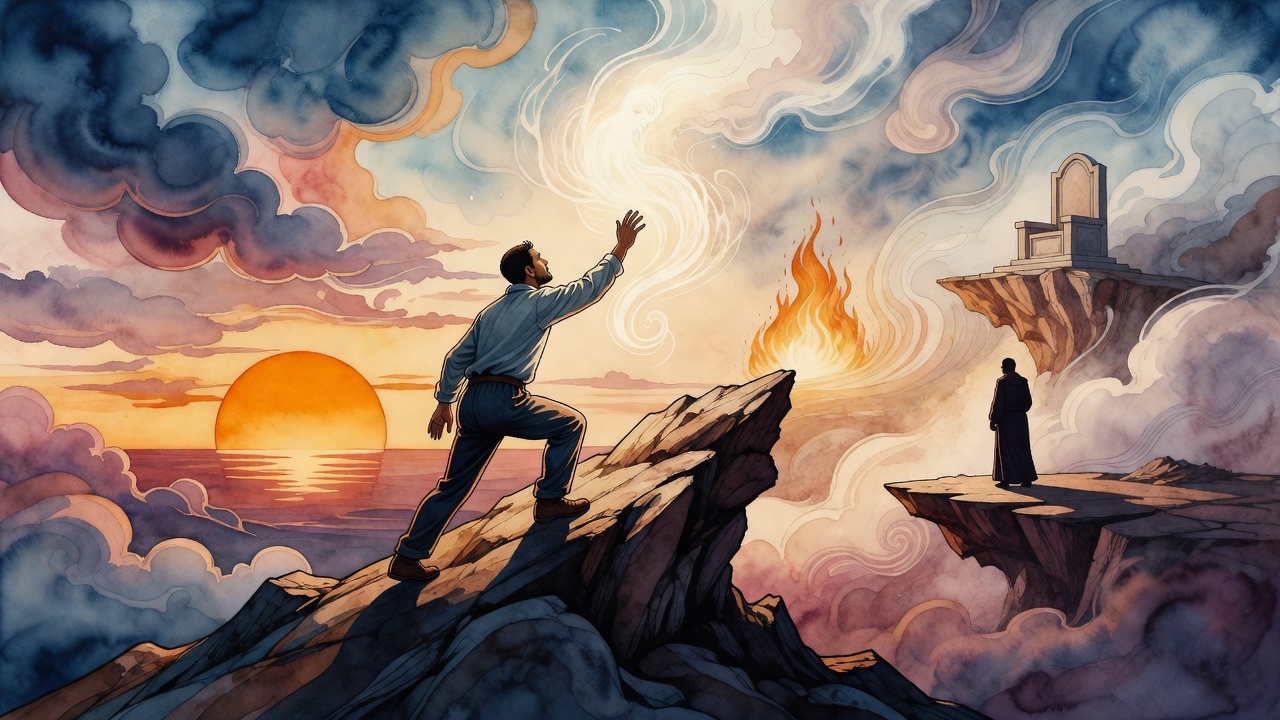
Years later a child asked why a calf died for a man no one convicted. An elder answered without raising his voice. Blood cries, and a people under Torah answers even when the court cannot point a finger. One witness will not hang a soul. Zero witnesses will not erase a corpse. Between those poles the elders walked with wet hands and careful mouths.
Someone in the crowd had wanted a scapegoat, any stranger on the road, to make the fear stop. The one-witness rule and the heifer rite both blocked that hunger. Easy blood is still blood guilt. A people that kills on rumor or clears itself with false ceremony has only moved the stain, not lifted it.
Walking home, an elder passed the place where the body had lain and whispered a name no one knew. The ritual does not supply names. It supplies a public admission that Israel is not finished with the dead merely because the living are ignorant.
At the next market a trader repeated the story wrong and said the calf had paid for the murder. An elder corrected him. The calf answered the land's claim when human courts could not answer with a name. Payment language must stay precise or the rite becomes superstition. Precision is also why one witness cannot kill. Loose speech is a second kind of unsolved violence. The dead man without a name forced that art into the open for one afternoon, and then the road filled again with ordinary dust.
← All myths