Herod Strangled His Sons in the City Where He Wed Their Mother
Herod's sons came home from Rome beloved, and that adoration became their death warrant on the ground where he once married their mother.
Table of Contents
Alexander and Aristobulus stepped off the ship from Italy with the walk of men raised inside an empire. Rome had polished them. They spoke well, dressed like princes, and carried themselves as though the throne of Judea were already waiting warm for them. The crowds in Jerusalem loved them at first sight. They were the sons of Mariamne, the Hasmonean queen whose blood ran back to the old priest-kings, and every man in the street remembered her.
 Click for full size
That was the problem. Everyone remembered her, because Herod had killed her.
The two young men grieved their mother out loud. They wore her old robes through the palace and let the whole court watch them do it. They said, within earshot of men who reported every syllable, that when the kingdom passed to them they would remember exactly who had helped bury her, and they would set those men to labor in the fields where common people belonged.
The Aunt Who Had Buried Their Mother
Salome, Herod's sister, had helped engineer Mariamne's death. She heard her own funeral in every word the princes spoke. So she began to talk. She told her brother that his sons were counting the days, that they said their mother had been murdered, that grief in them was only a mask for a coming revenge.
Herod tried to hold the house together. He summoned Archelaus, king of Cappadocia and father-in-law to Alexander, and for a while the old king patched the quarrel shut. Then Pheroras, Herod's brother, went to Alexander with a lie built to burn slow. He whispered that Herod lusted after Glaphyra, Alexander's own wife. A son who believed that could never sit easy at his father's table again.
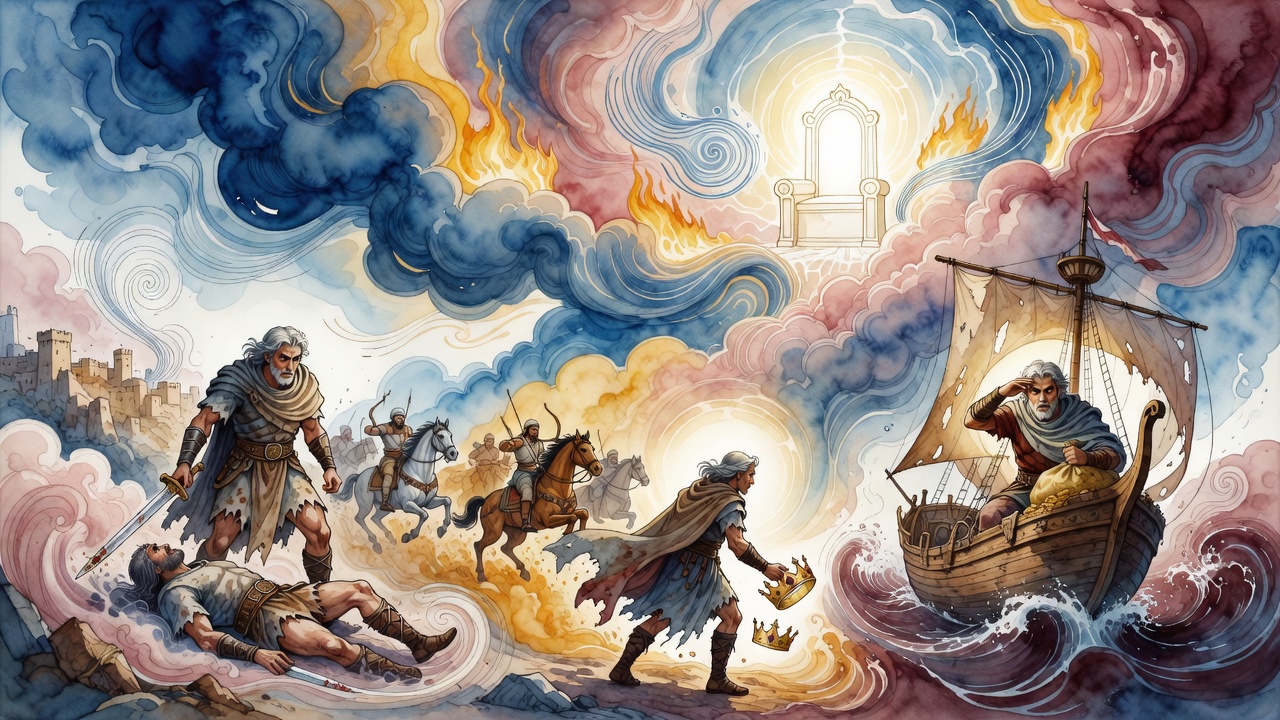
At last Herod dragged his sons across the sea and laid the whole feud at the feet of Augustus Caesar. The emperor brokered a fragile peace, told the young men to obey their father, and sent the family home. Herod stood before the nation and named his heirs in order. Antipater first, then Alexander, then Aristobulus. The crowd cheered. The men who wanted the princes dead only smiled and waited.
The Brother Who Never Struck a Blow
Antipater was Herod's eldest, the son of his first wife Doris, and by birth order the throne was already his. He wanted it with a hunger that would not let him rest while two beloved half-brothers still breathed. So he built a machine out of other people's mouths.
He never accused Alexander or Aristobulus to their father's face. He fed the poison to Salome and Pheroras and let them carry it to Herod as though they had uncovered it themselves. One brother was plotting a coup. The other was telling the streets that Herod had no right to the crown. The charges came from so many directions at once that the king could not trace them back to a single hand.
All the while Antipater played the devoted son. He wept in public over threats to his father's life. He packed the court with men who owed him their places. He sent silver to Rome and bought the loyalty of Caesar's freedmen, so that if the day ever turned bloody he would have friends in the capital. Herod began treating him as a second king. And the people of Judea, who still remembered Mariamne, watched him climb and hated every step.
The Letter Torn Out of a Slave
The trap sprang shut on a charge that Alexander meant to kill his father during a hunt. A servant named Diophantus was taken and racked until he produced a letter, supposedly in Alexander's hand, laying out the whole conspiracy. Alexander said he had never written it. By then no one at court was listening to what Alexander said.
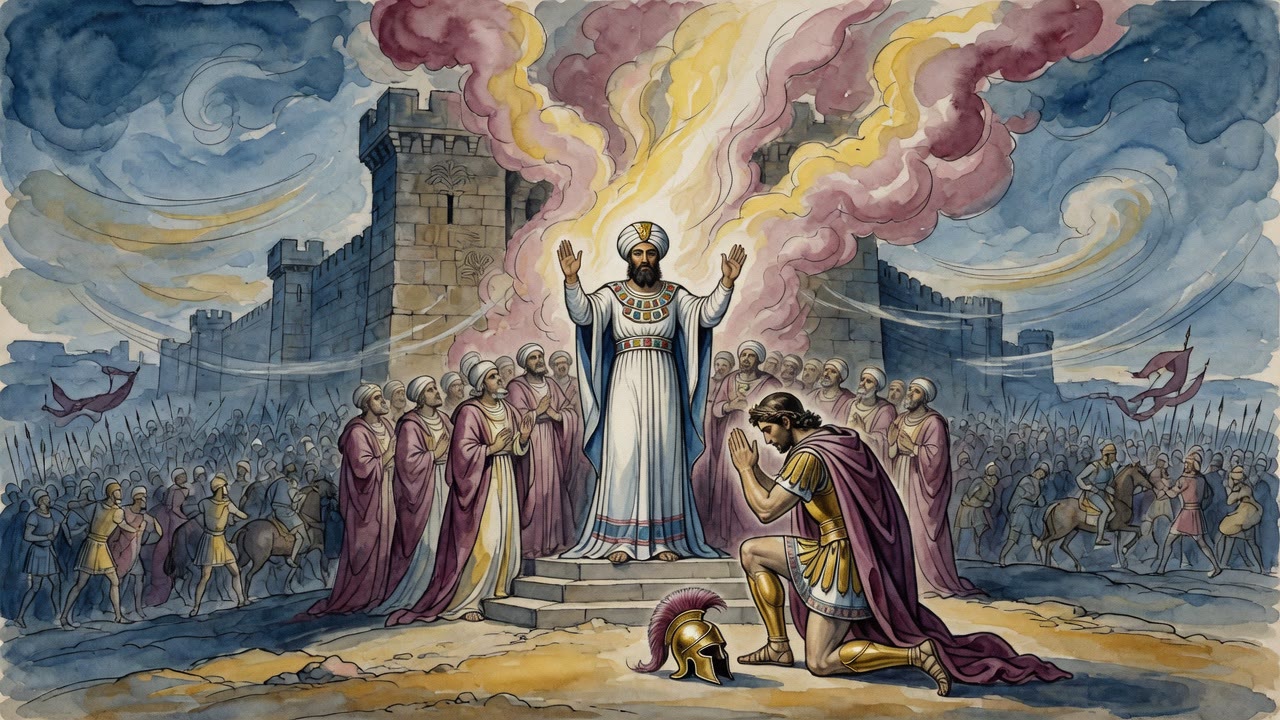
Herod wrote to Augustus for permission to punish his sons. The emperor answered with caution and set the case at Berytus, the Roman colony on the coast, before a panel of governors. The trial went forward without the accused ever entering the room. Saturninus, governor of Syria, rose and voted for mercy, and his sons voted with him. The majority voted for death. Herod had the paper he had wanted all along.
Strangled on the Wedding Ground
One old soldier tried to stop it. Tero stood up and said plainly that the army loved the young princes and would not stomach their deaths. Herod had Tero seized, and three hundred men suspected of sharing his sympathy, and killed every one of them. Then he gave the final order.
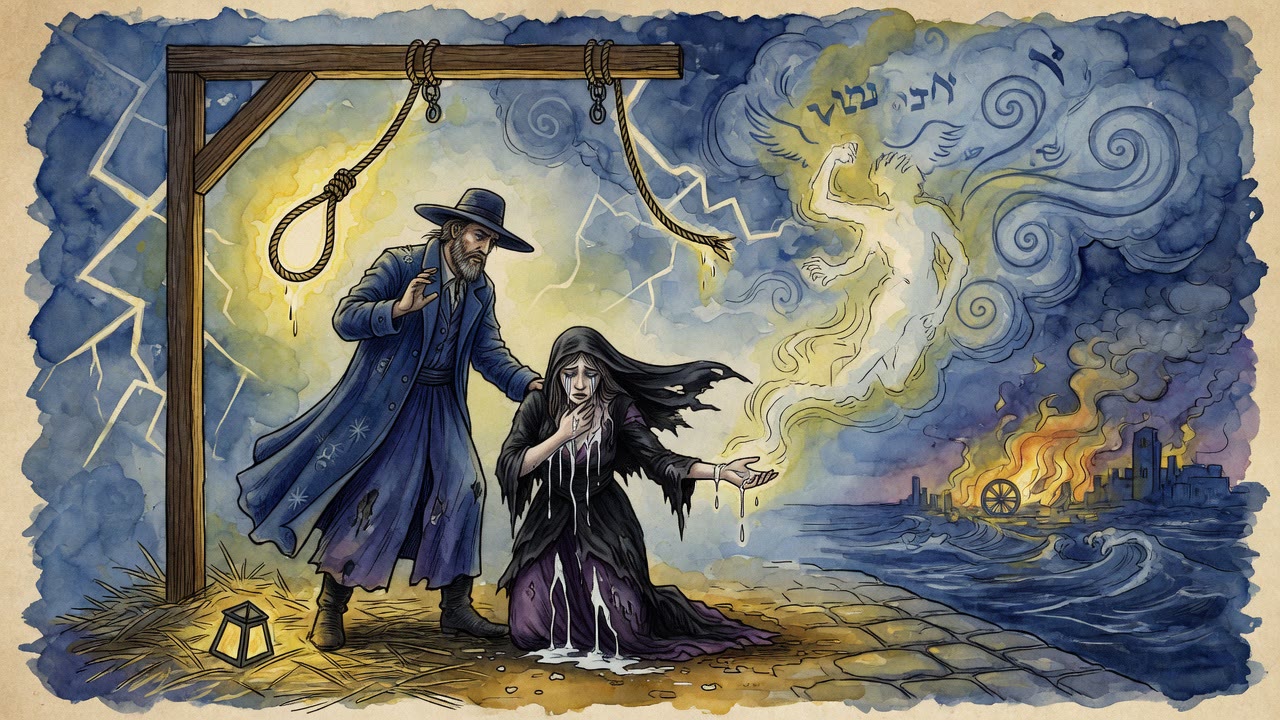
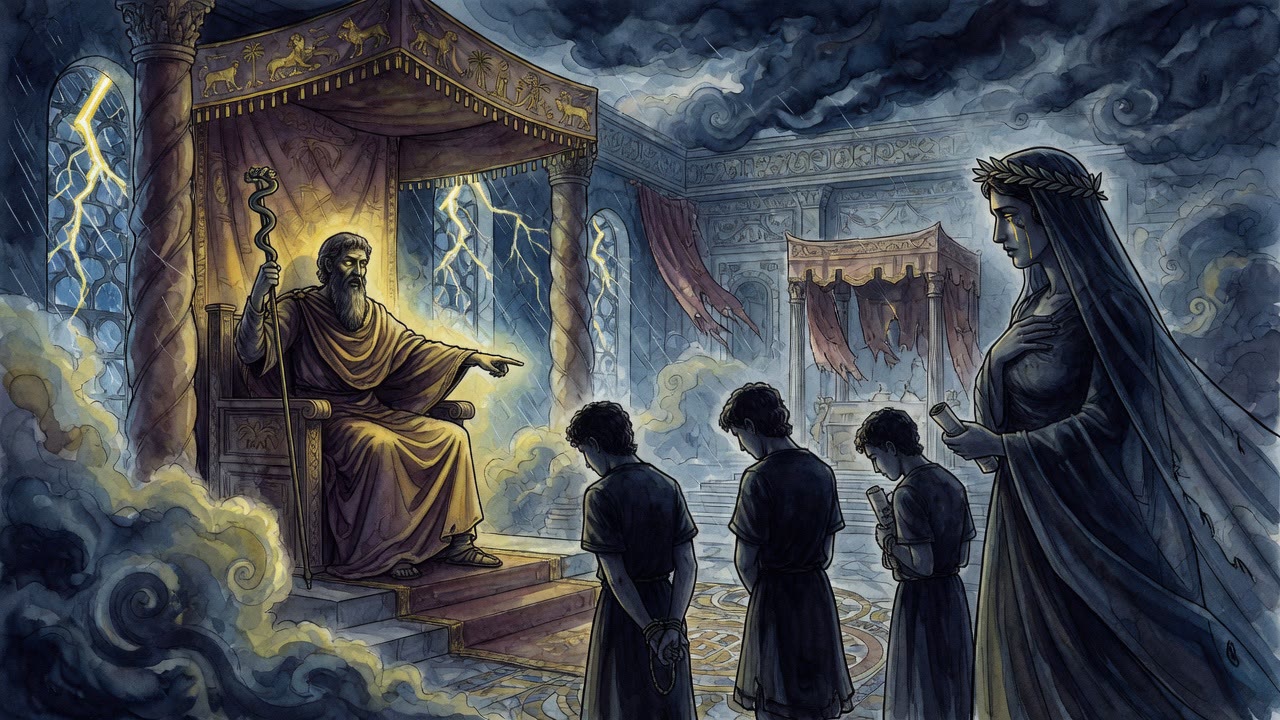
They took Alexander and Aristobulus to Sebaste. It was the city Herod had raised and named in the emperor's honor, and it was the same ground where he had married their mother Mariamne twenty years before. On that spot, both sons were strangled on a single day. The man had every softer choice within reach. He could have jailed them. He could have exiled them past the edge of his kingdom. He sat ringed by Roman legions that made any danger from two young men a joke. Months of delay had already proven the killing was no fit of rage. It was slow, deliberate, and cold.
Antipater watched his rivals die and thought the road was finally clear. He had spent years teaching his father that a son could be a knife. His father had learned it well. The favor that had lifted him above his brothers was the most unstable currency in all of Judea, and the same machine that strangled Alexander and Aristobulus was still running, still hungry, and now it had only one prince left to feed on.
← All myths