Ahithophel, the Counselor Whose Word Was Like an Oracle
David handed out ninety thousand appointments in a single day and passed over the sharpest mind in Israel. Ahithophel kept that private until Absalom rebelled.
Table of Contents
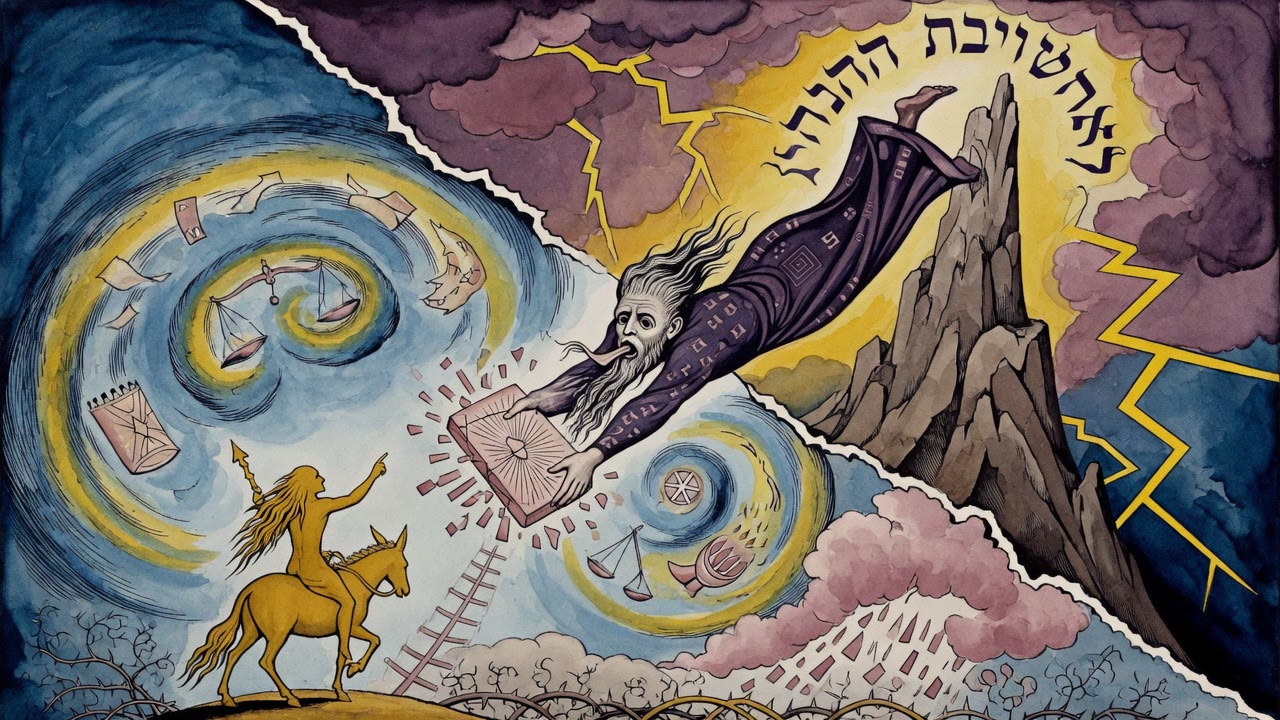
The priests carrying the Ark of the Covenant rose off the ground. Their feet left the stones of the road from Geba, and then the whole company was flung down, scattered like grain off a winnowing fork. David, new to his crown, stood over the wreckage and did not know what he had done wrong. He turned to the one man in the kingdom whose word men trusted the way they trusted an answer from God.
 Click for full size
That man was Ahithophel, and his face was cold.
"Ask thy wise men," he said, "whom thou hast but now installed in office."
The Grudge Behind the Smile
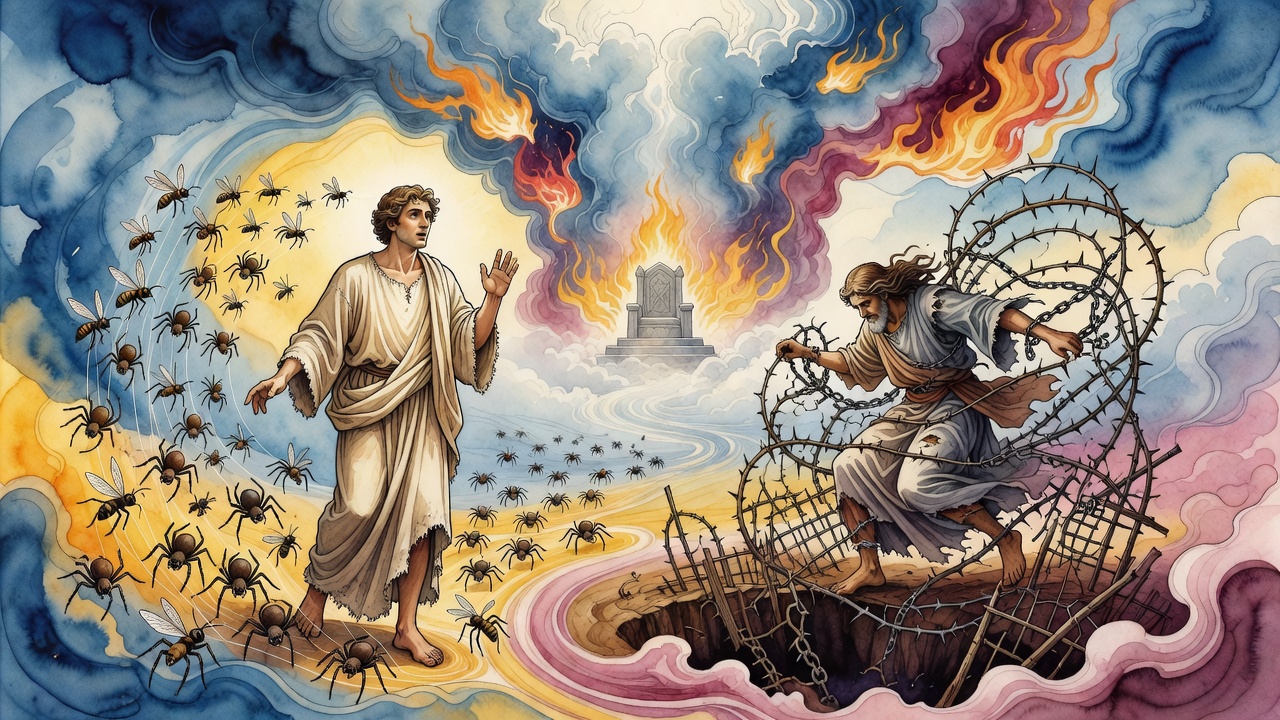
Ahithophel had a wound he kept private. In a single day, early in his reign, David had handed out ninety thousand appointments, filling the kingdom with officers and stewards and judges. Somewhere in that flood of favor, Ahithophel had felt himself looked past. He was the sharpest mind in Israel, and the king had spread honor across ninety thousand lesser men while leaving him to stand in the crowd. So when the Ark broke its bearers and David came begging, the answer that came out of Ahithophel was a blade wrapped in advice. Go ask your new officials.
David refused to be turned away. He pronounced a curse on any man who knew a remedy for suffering and held it back. Only then did Ahithophel speak plainly. Halt the procession, he said, and offer a sacrifice at every step the bearers take. They did it, and the Ark went up to Jerusalem in peace.
What Ahithophel did not say was the deeper reason for the disaster. David had set the Ark on a wagon when the law commanded it be carried on the shoulders of the Levites. The counselor knew the true fault and let the king walk on without it. He fixed the symptom and kept the diagnosis to himself. A small withholding. The first.
The Voice Men Trusted Like Heaven
Years passed and the grudge did not. By then Ahithophel's reputation had grown into something close to holy. When he gave counsel, men received it as though it had come up from the holy of holies, as though they had inquired of God and God had answered. Kings did not weigh his words against other words. They simply obeyed.
So when David's son Absalom raised a rebellion and stole the hearts of Israel, the one ally who could turn the whole war was Ahithophel. And Ahithophel came. The old wound finally had its army.
His first counsel to the young rebel was brutal and exact. Take your father's concubines, he told Absalom, and go in to them on the roof in the sight of all Israel, so that every man in the camp would know the breach between father and son could never be sewn shut again. Bind the rebels to you by making peace impossible. Absalom did it. The kingdom saw it. There was no road back now.
The Curse David Sent Up the Mountain
David fled the city barefoot, his head covered, weeping as he climbed the Mount of Olives. He had armies behind him and a son hunting him, but the name that froze his blood was not Absalom's. It was Ahithophel's. He had loved this man like a teacher. He had called him his master, the one who trained him, the companion with whom he had walked into the house of God. To be hunted by a stranger was war. To be hunted by Ahithophel was something that cracked the heart.
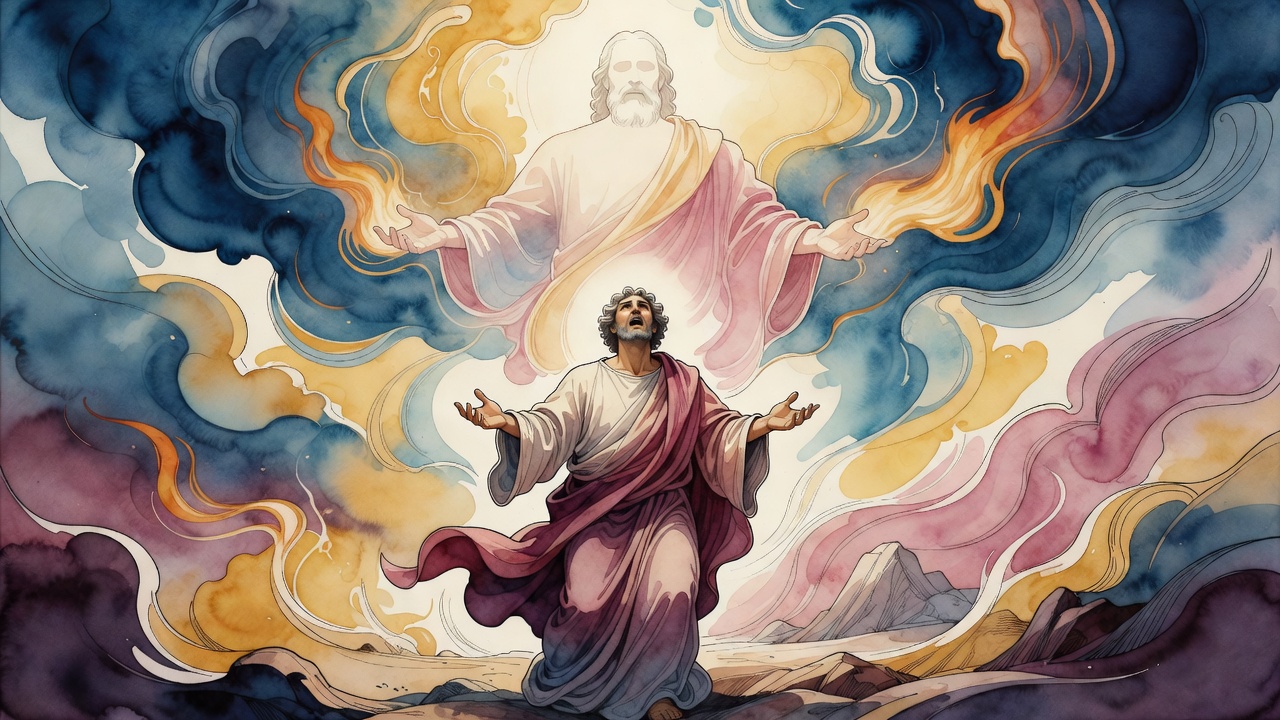
So David prayed a strange and terrible prayer. He did not ask God to strike the counselor dead. He asked God to turn the wisdom of Ahithophel into foolishness, to make the sharpest mind in the world give one ruinous piece of advice at the hour it mattered most.
Then he sent his friend Hushai the Archite back down the mountain, into Absalom's court, to sit beside Ahithophel and wait.
Two Counsels in Absalom's Hall
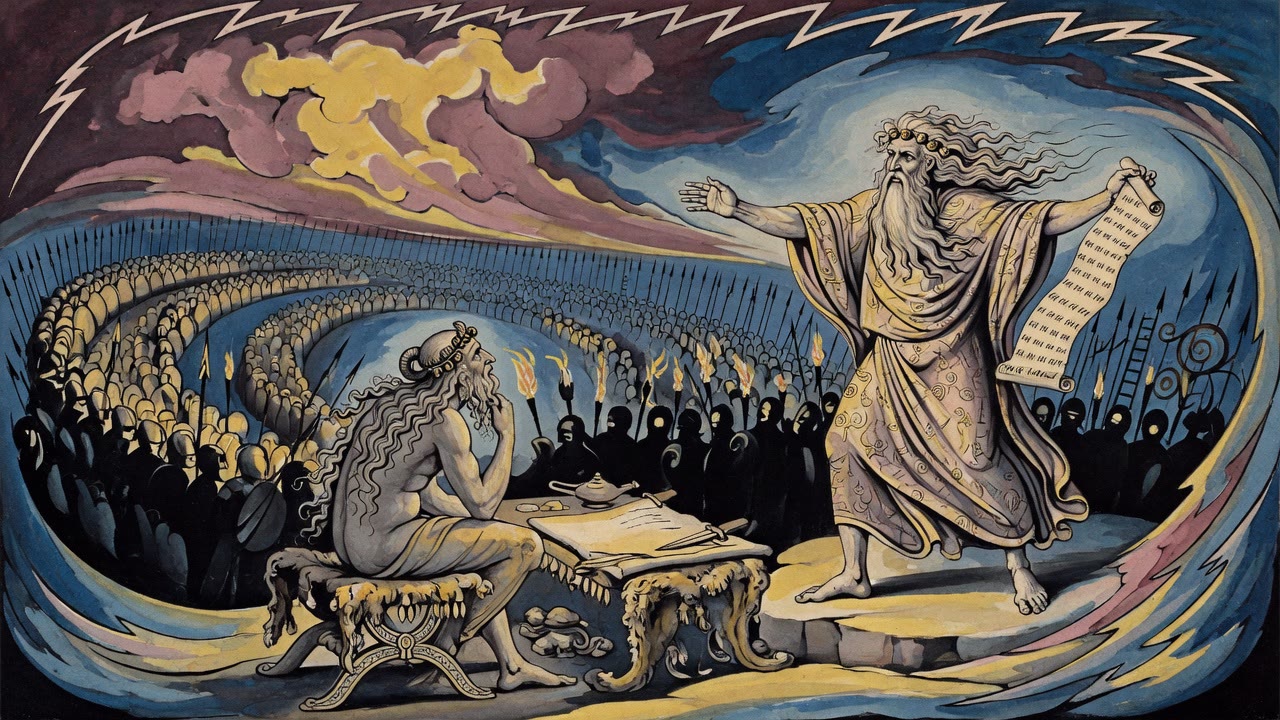
Ahithophel's plan was swift and certain. Give me twelve thousand men, he told Absalom, and I will fall upon David tonight while he is weary and weak-handed. I will strike the king alone and bring all the people back to you. One blow, one death, and the war is over before morning. It was, every man in the room knew, exactly right.
Then Hushai stood up and spoke against it. He praised David's cunning, his men of valor, his habit of hiding like a bear robbed of her cubs. Do not strike tonight, he urged. Gather all Israel first, from Dan to Beersheba, and go down in overwhelming numbers so the king cannot slip away. It was slower. It was weaker. It gave David the one thing he needed, which was time.
Absalom turned the two counsels over, and chose Hushai.
The prayer on the mountain had landed. The voice men had trusted like an oracle was set aside for the voice of a flatterer, and Ahithophel watched it happen and understood at once what it meant. His word had failed. It would never again be received as the word of God. The thing that made him himself was finished.
A House Set in Order
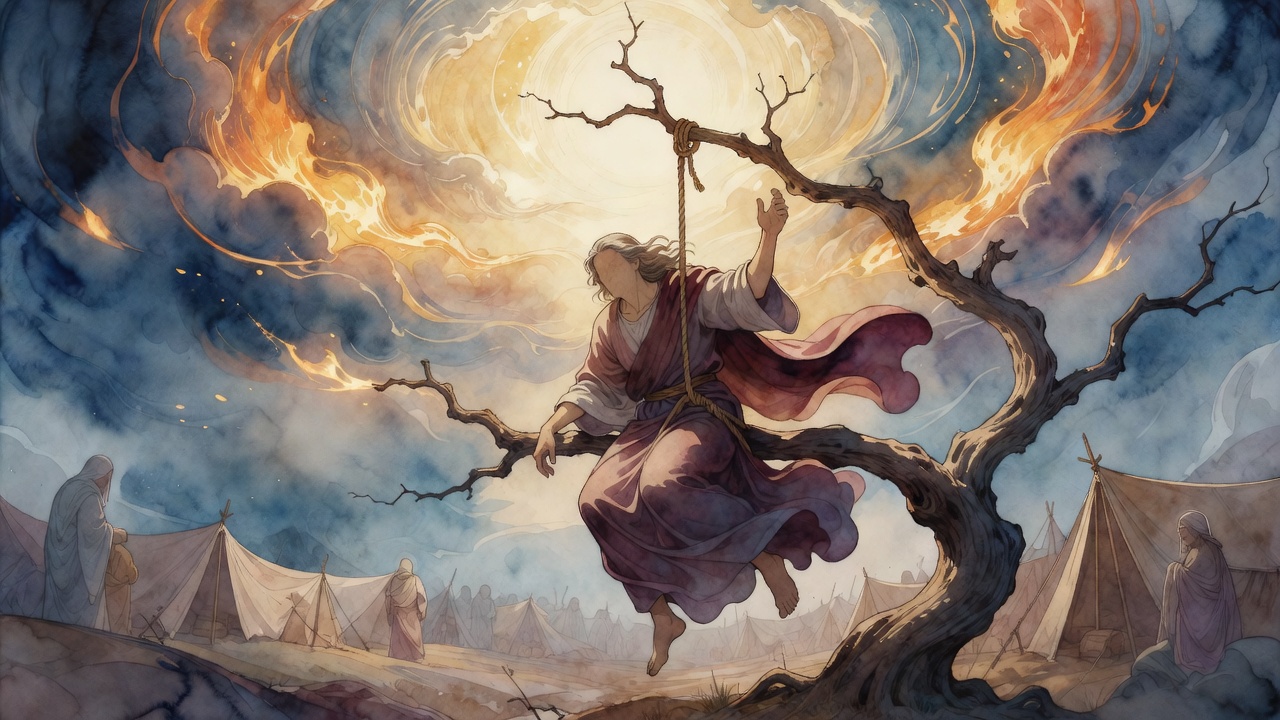
He did not rage. He did not plead his case again before Absalom. He saddled his donkey, rode home to his own city, and walked into his own house.
There he put his affairs in order, every account settled, every instruction given, the calm and exact work of a man who has decided. He left behind three rules of conduct for whoever came after. Never strike at a man whom fortune favors. Never rise up against the royal house of David. And one homely scrap from the world he was leaving: if the Feast of Shavuot (the early-summer wheat harvest festival) falls on a clear day, sow wheat. The wisest man in Israel, in his last hour, thought about the harvest.
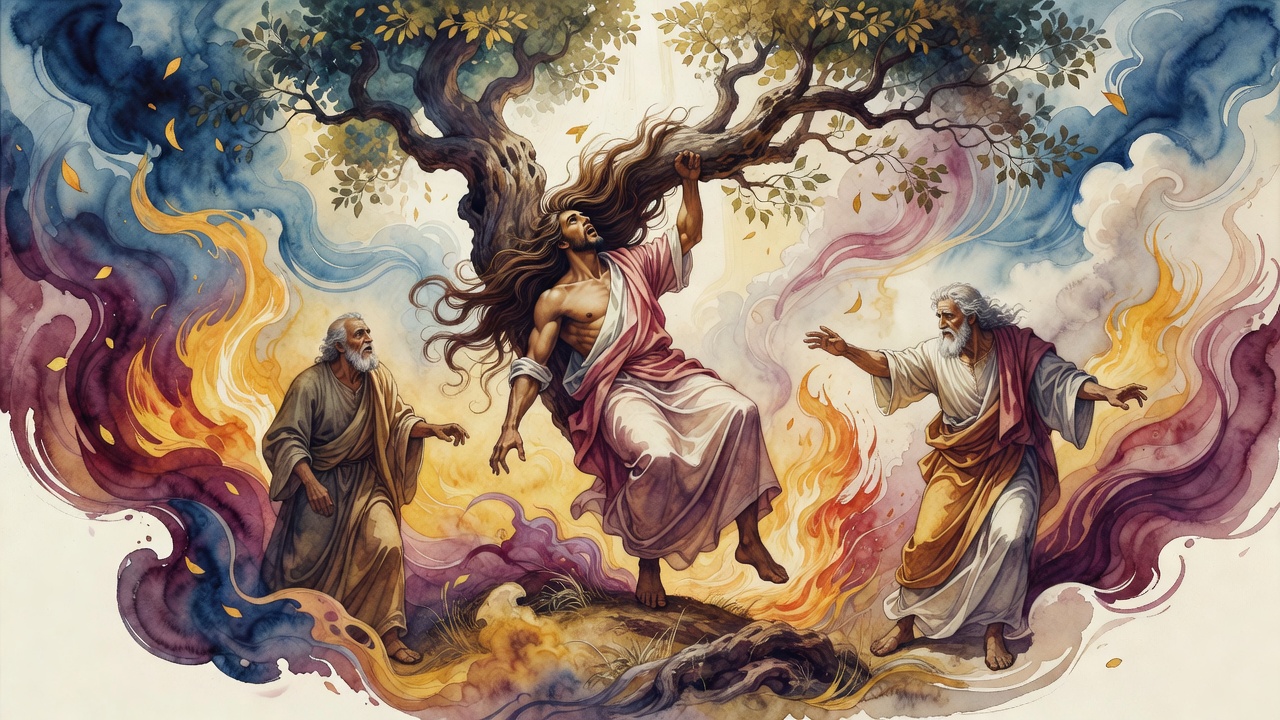
Then he hanged himself, and died, and was buried in the grave of his fathers.
His counsel had been preferred over David's by men who could not tell the difference between a gift used for itself and a gift received from Heaven. Ahithophel had wisdom, might in argument, and standing above all others, and he turned every bit of it against the favorite of fortune. The favorite went down the mountain and came back a king. The counselor went home and shut the door.
← All myths