Chileab the Prince Who Crossed the Firmament Alive
David's overlooked son was born under a cloud of scandal, yet his face silenced the gossips and his piety carried him past death itself.
Table of Contents
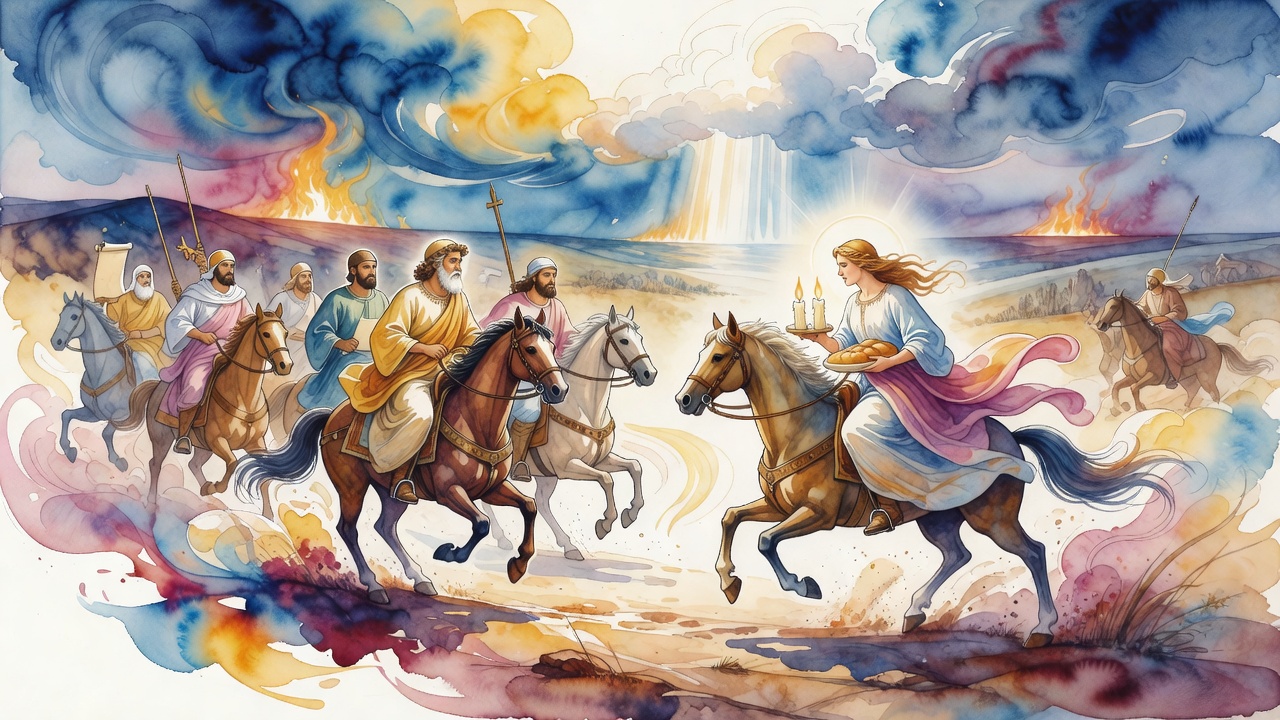
The midwives in David's house counted the months and did the arithmetic, and the arithmetic was ugly. Abigail had buried her first husband, the rich fool Nabal, and married the king while the grief was still fresh and the wedding still warm. Now a son lay in her arms, and the whole court was whispering the same sum behind their hands. Whose child was this? Nabal's, conceived before the man went cold? Or David's, sired in unseemly haste? A king could lose a throne over a question like that.
 Click for full size
Then they uncovered the infant's face, and the whispering stopped.
The Face That Ended the Whispering
The child was David in miniature. Not similar. Identical. The same brow, the same set of the mouth, the same ruddy coloring that had startled the prophet Samuel years before in a Bethlehem field. There was no room left for doubt and no need for a denial. The boy's own skin acquitted his mother. They named him Chileab, which the wise heard as ki-le-av, "like the father," and the name itself became the verdict. Heaven, the sages said, had reached down and stamped the king's likeness onto the infant so plainly that no slanderer could open his mouth.
Other boys grew up in that palace. Amnon, who would force his sister and die for it. Absalom, beautiful and treacherous, who would steal his father's kingdom and hang by his own hair from an oak. Adonijah, who would grasp at the crown and lose his neck. The sons of David were a gallery of appetite and ruin. And in their midst grew the quiet one with his father's face, and almost no one noticed him at all.
The Student Who Outran His Teachers
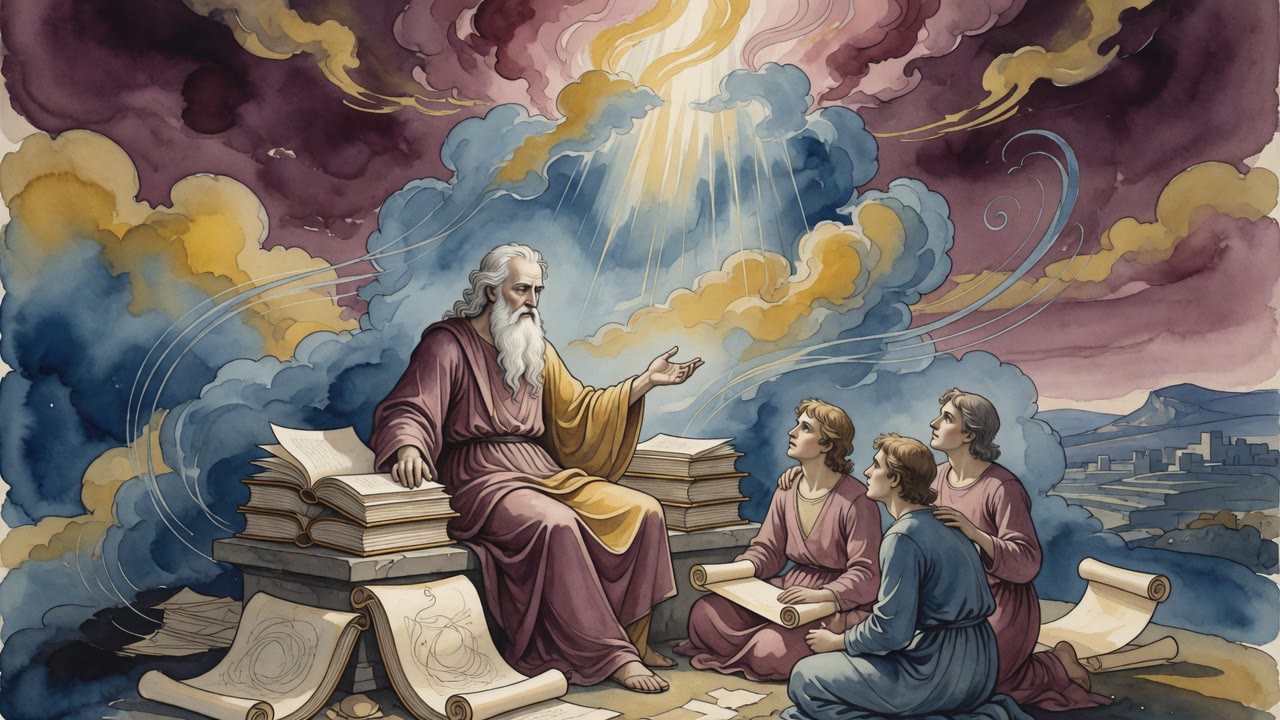
Chileab did not reach for the throne. He reached for the books. While his brothers measured their reflections and counted their followers, he sat in the house of study and learned. He learned fast. He learned so fast that the report came back astonishing the sages who repeated it: the boy had surpassed his own father in the depth of his learning, and David was no small scholar.
There was another teacher in those days, Mephibosheth, the crippled son of Jonathan, a man so steeped in Torah that even the king sat at his feet and called him master. Whatever ruling David proposed, Mephibosheth would test it, sharpen it, sometimes overturn it, and David received the correction like a student grateful to be wrong. Chileab learned under that same fierce mind. And the boy outgrew the master. The lame scholar who could humble a king found that the king's overlooked son had climbed past him too.
So the prince born under a cloud of scandal became the most learned man in his father's house. The court that had nearly disowned him now had no category for him. He wanted nothing they could give. He took no faction, plotted no coup, courted no crowd. He simply grew righteous in a household where righteousness was the rarest thing of all.
The Door That Opens for the Pure
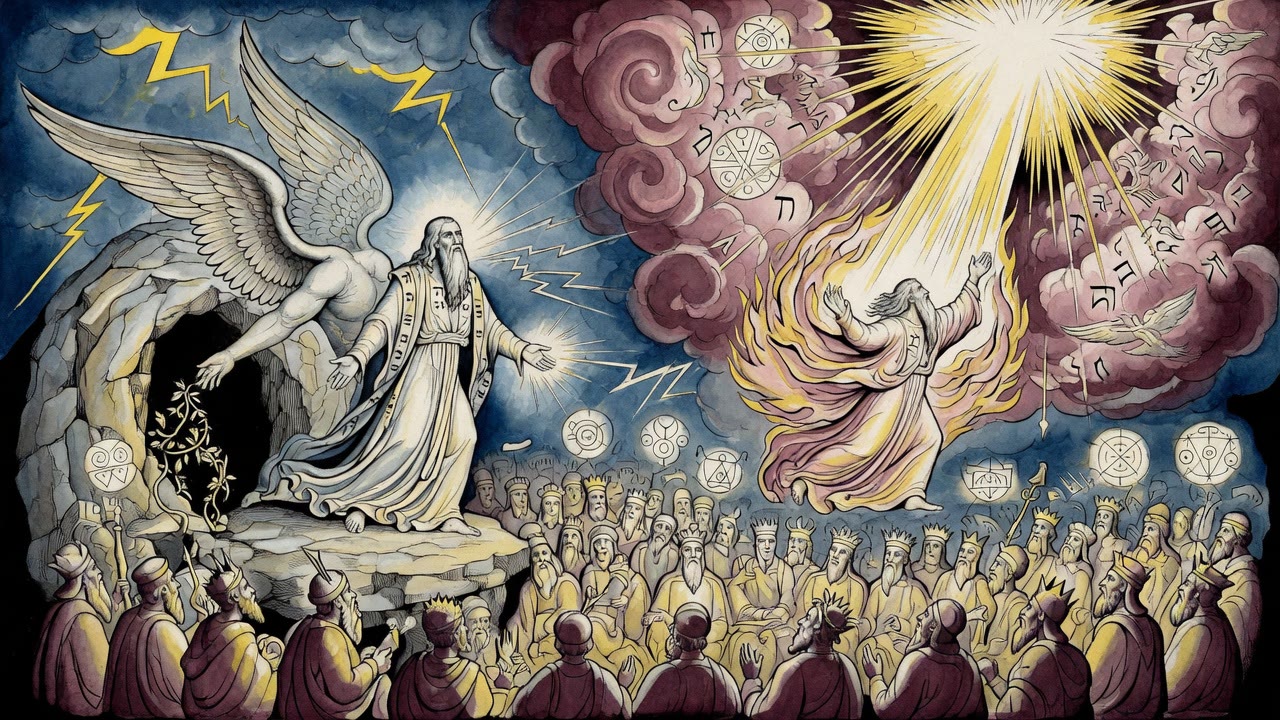
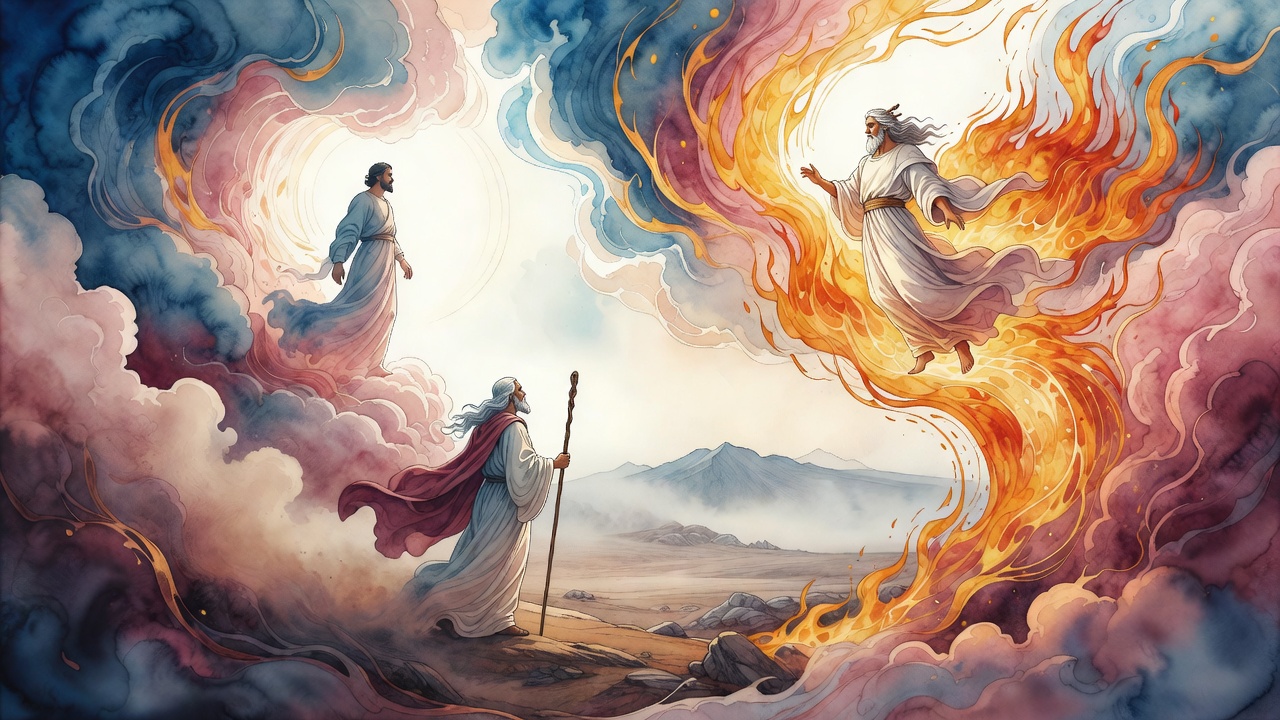
For most of the living, the Garden is a memory and a promise, sealed behind a turning sword of flame since the morning Adam was driven out. The gate does not open for the merely good. It opens, the old tellers insisted, for a handful in all of history, a list a person could count on two hands. There was Enoch, who walked with God for three hundred years and then was not, because God took him. The man had filled his days writing down the order of the stars and the cycles of the jubilees, and heaven decided such a scribe was too useful to surrender to the grave. There was Elijah, swept up in a chariot of fire while his student watched the sky and screamed. A scattering of others. And the keepers of that list said one more name belonged on it, a name almost no one would have guessed.
Chileab.
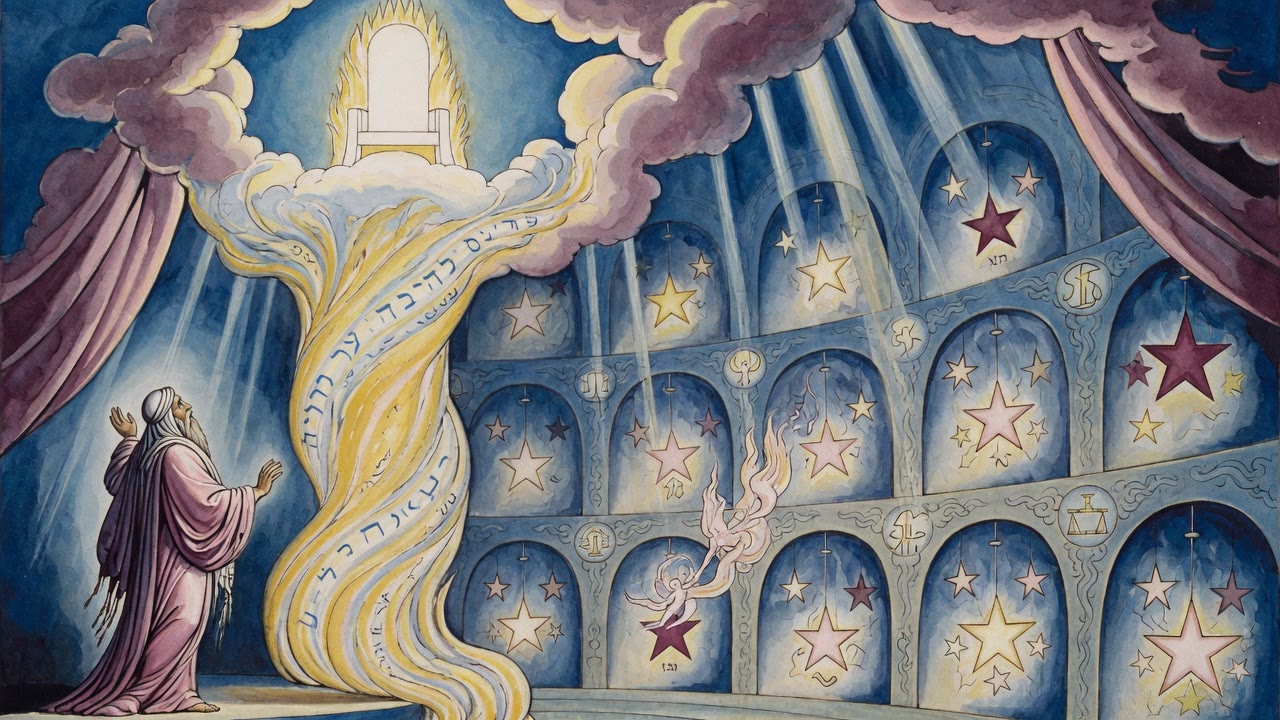
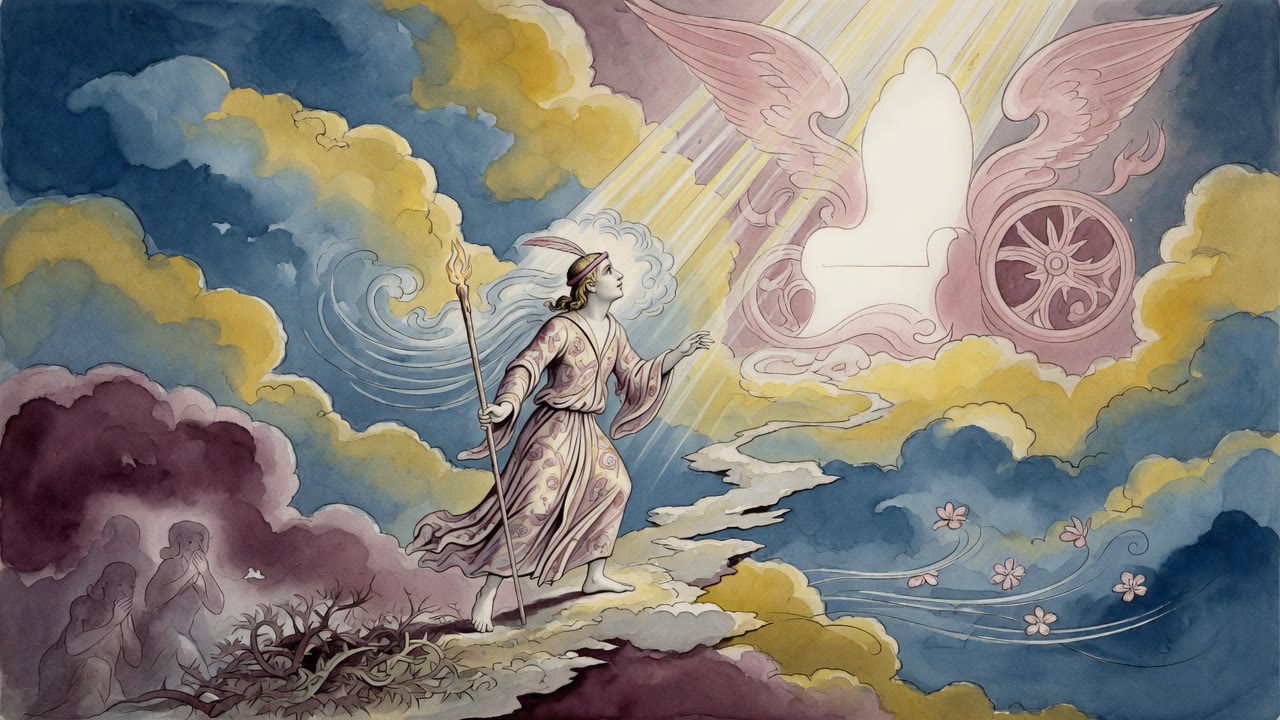
The prince so righteous, they said, that the angel of death could find no grip on him. There was no sin to seize, no debt to call in, no foothold for the destroyer. So when his time came, he did not die. The flaming sword stood aside. The gate that had been shut against humanity since Eden opened for a son of David, and he walked through it on living feet, his father's face still on him, into the cool of the Garden where the first man had once strolled with God in the breeze of the day.
The Name That History Almost Lost
The Scripture gives him a single line. A name in a list of David's sons, born in Hebron, second after Amnon, and then silence. Open the book of Samuel and he is gone before he arrives. No throne, no rebellion, no scandal large enough to earn a chapter. By the measure the court used while he lived, the measure of crowns and armies and beautiful hair, he was nothing, and the verse seems to agree.
But the angel of death keeps a different ledger than Scripture does. On his page the rebels and the beauties are all entered in the same column, paid out in dust, Amnon and Absalom and Adonijah alike. And against one name from that house the column stands empty. The prince no chronicler bothered to follow walked out past the firmament while his loud brothers stayed in their graves, and the man whose birth the whole palace had doubted ended his story in the one place none of them would ever reach alive.
← All myths