The Crown Rome Gave Herod Before He Had a Kingdom
Antigonus bit the ears off his own uncle so the old priest could never serve again. Herod's brother broke his skull in a cell rather than be a hostage.
Table of Contents
 Click for full size
The Governor Who Killed Without a Court
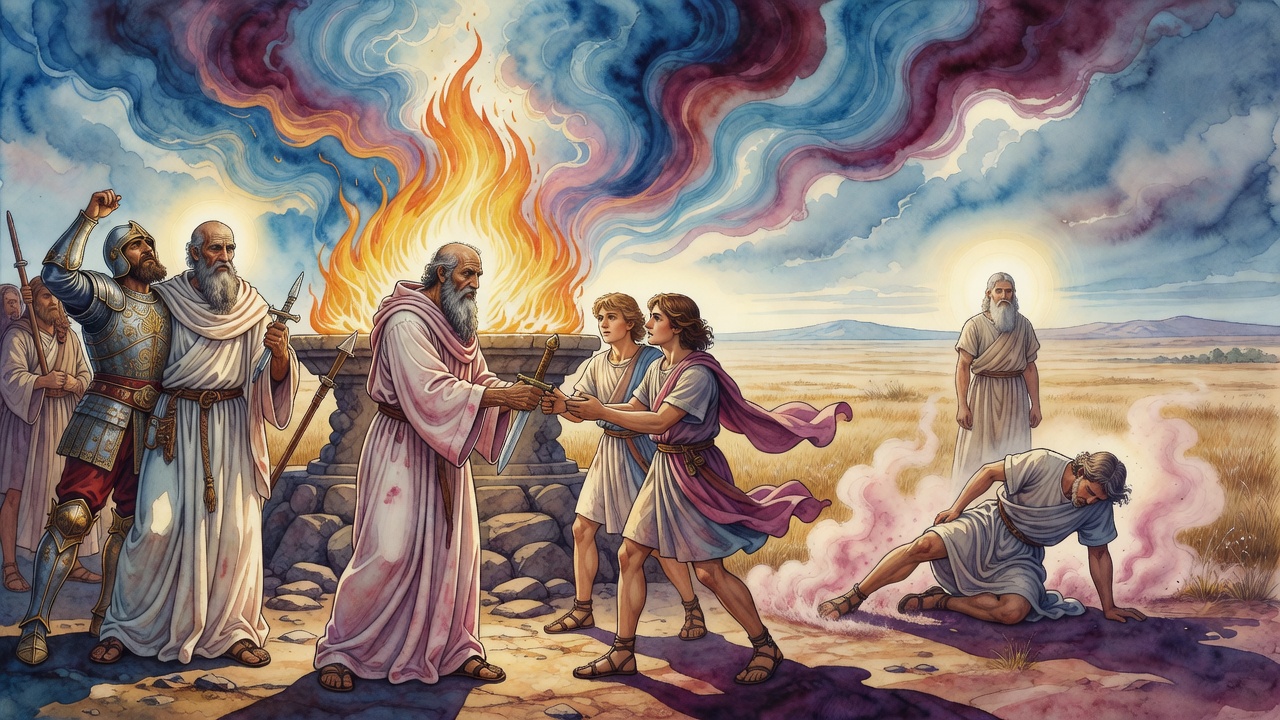
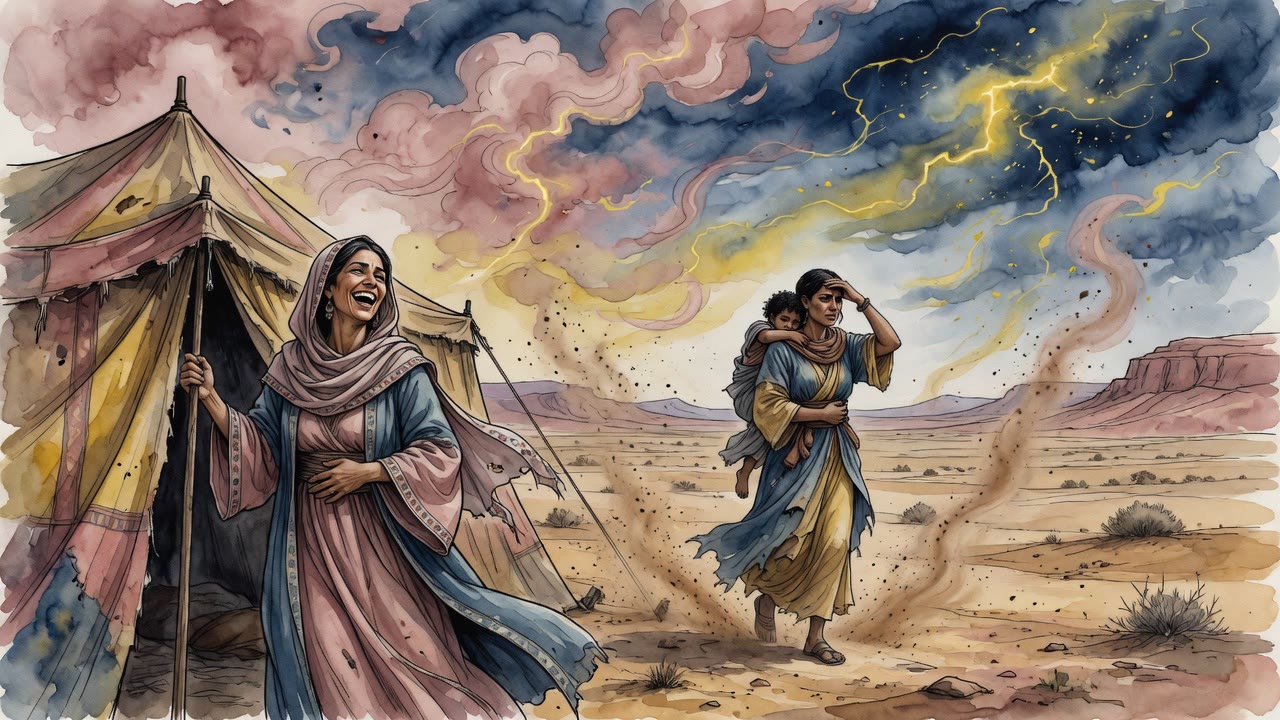
Herod was twenty-five when his father Antipater set him over Galilee, and the first thing he did with the power was hunt a man. A raider named Hezekiah had been burning the Syrian border villages for years. Herod ran him down, took him, and put him and a crowd of his followers to death without asking anyone. The Syrians sang his name in the border towns. In Jerusalem, the mothers of the dead men walked to the Temple every morning and wept until the priests could not ignore them.
The killing was lawful for Rome and a scandal for the Jews. Only the Sanhedrin, the high court of seventy, could put a man to death, and Herod had skipped the court as if it were furniture. So the court summoned him.
The Sanhedrin Trembles Before a Man in Purple
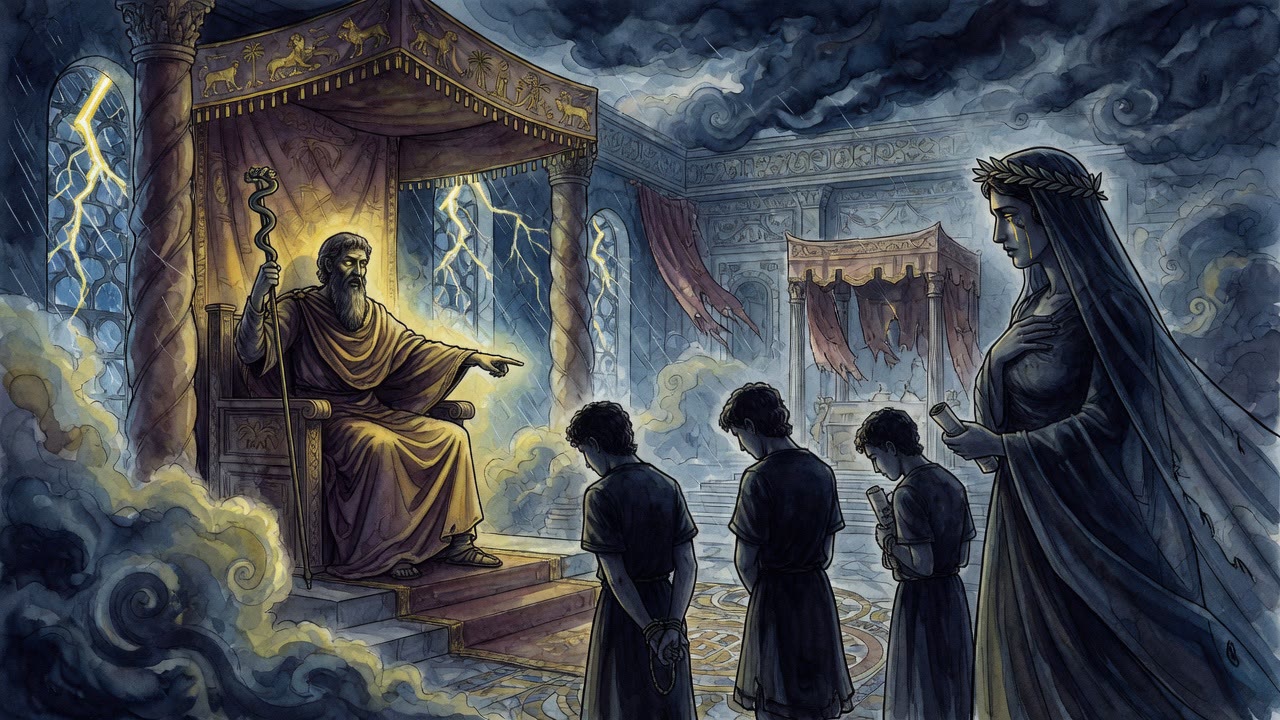
He came to answer for the executions dressed in purple, with armed men at his back. The judges looked at the soldiers and looked at the floor. One old Pharisee, Sameas, stood up. "You have let a man come before you who should stand here in mourning," he told them, "and one day he will kill every one of you." They heard him and did nothing. Word arrived from Sextus Caesar, the Roman governor of Syria, that Herod was to walk free, and the court that could sentence a Jew to death could not find its voice against a favorite of Rome.
Herod had learned the only truth that mattered in his century. Power in Judea no longer rose from the Temple or the court. It came down from Rome, and Rome loved a useful man. When the Roman world tore itself apart after Caesar's murder, he paid Cassius the tribute Cassius demanded, then turned to Mark Antony the moment Antony held the east. Jewish envoys came to Antony to call Herod a tyrant. Antony made him a tetrarch instead and sent them home.
The Parthians Crown a Rival
In the year the Parthians poured across the Roman east, all of it nearly came apart in a night. Antigonus, the last living son of the old Hasmonean line, opened his arms to Rome's great eastern enemy and offered them Judea in exchange for his family's throne. A true Jewish heir with a foreign army behind him marched into Jerusalem.
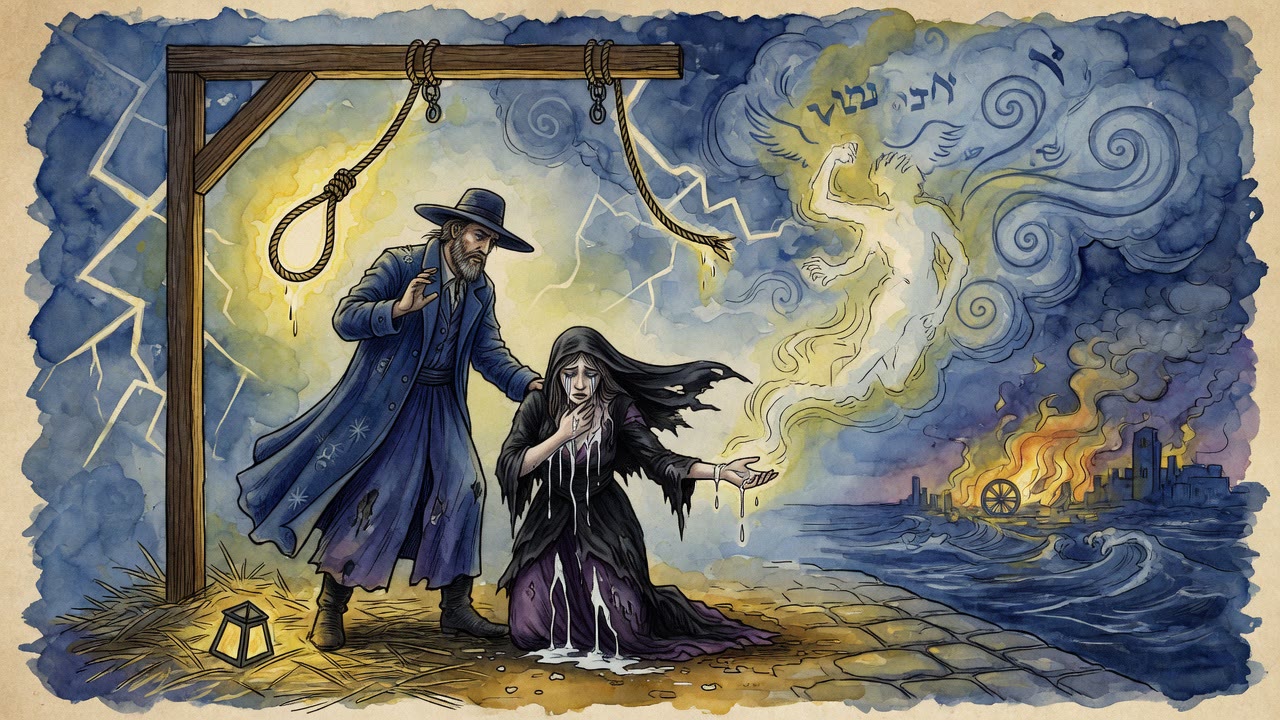
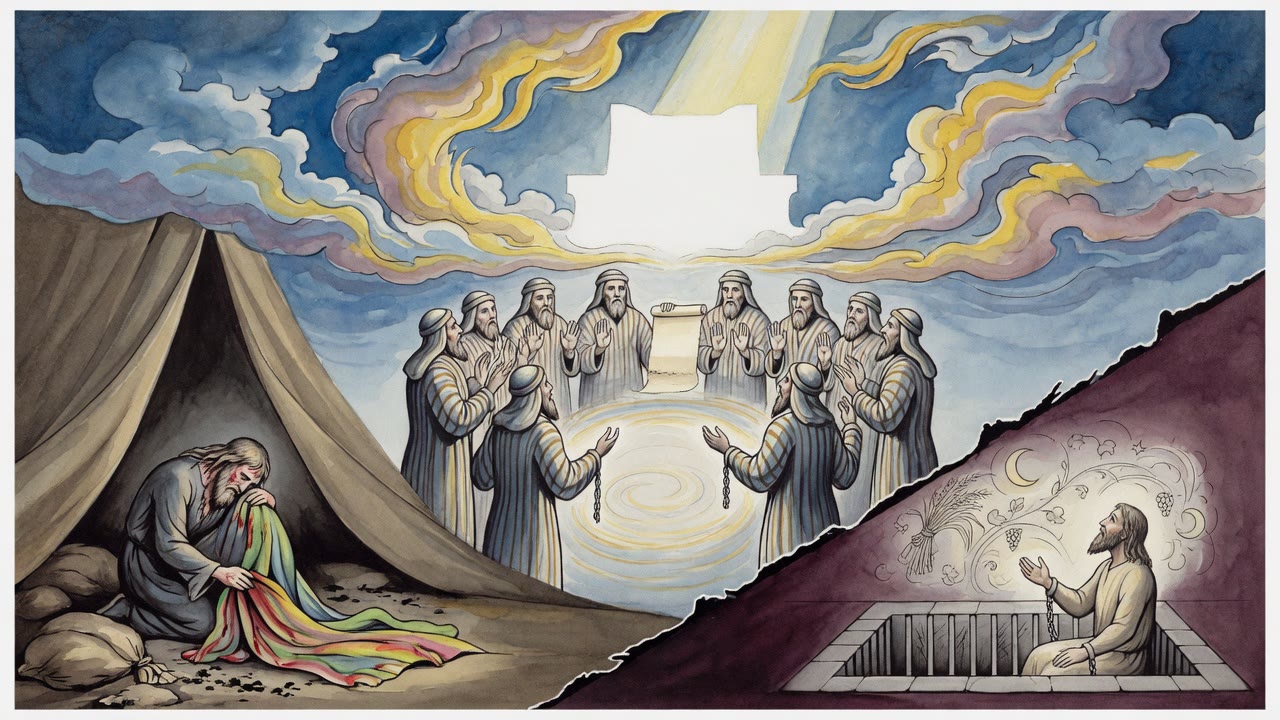
The Parthians spoke sweetly of negotiation and seized the men who trusted them. They took Phasael, Herod's brother, and the aged high priest Hyrcanus. Phasael understood the trap and would not be a hostage against his own blood, so he broke his skull against the stone of his cell. Antigonus went to his uncle Hyrcanus and bit the ears from his head with his own teeth, because a high priest had to be a man without blemish, and a man without ears could never serve again.
Flight Through the Judean Dark
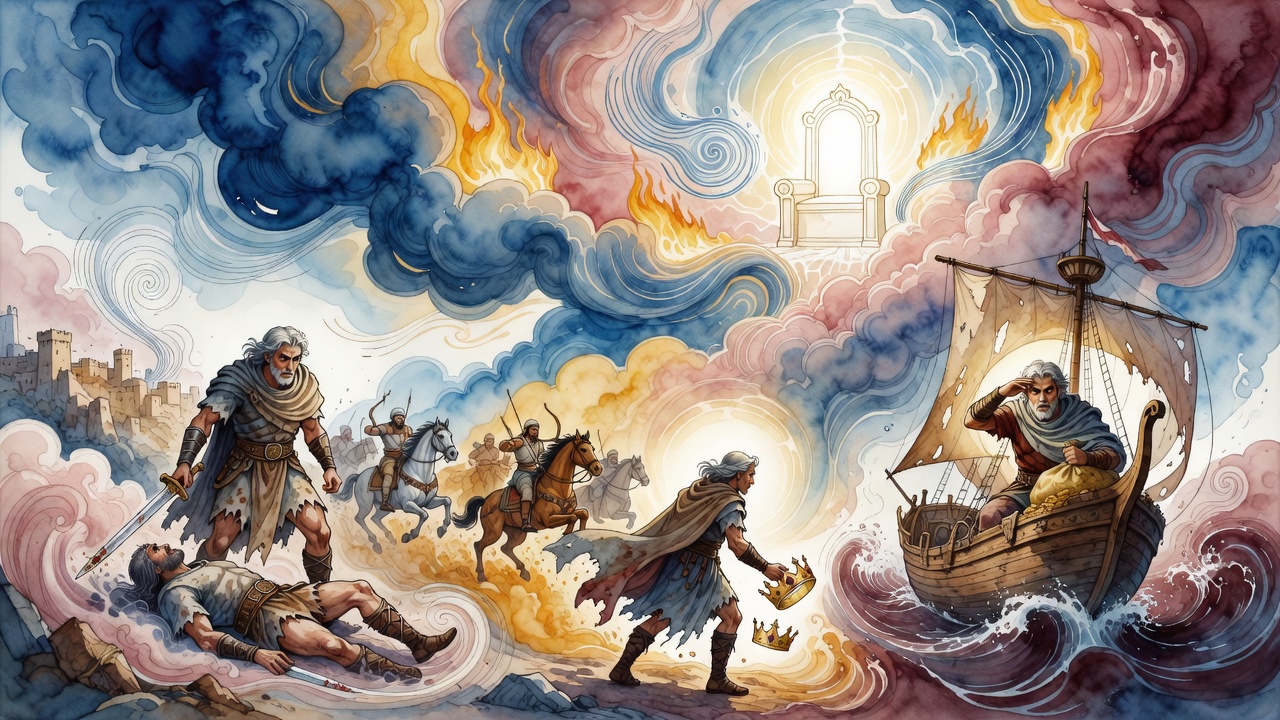
They meant to take Herod the same way, with a Parthian servant sent to coax him past the walls. His betrothed, a Hasmonean princess, told him not to go. He listened, and that night he ran. He led his household, his soldiers, and what treasure he could lift south into the desert, fighting Antigonus's men in the dark as he went. On the road his mother's wagon turned over and he thought her dead, and he set the point of his own sword to his body before he saw her stir. He walled his family up in the cliff fortress of Masada with too little water and rode on to the Nabateans to beg for help. Their king shut the door in his face. So Herod did the one thing no fugitive from Judea had done. He sailed for Rome.
A King Made in Rome
He stood in front of the Roman Senate, a man with no royal blood, grandson of Idumean converts, and asked them for a nation. Antony spoke for him. Octavian, who would one day be Augustus, spoke for him. The Senate rose and named him King of the Jews, and he walked out of the Senate house between the two most powerful men alive, the consuls trailing behind to offer sacrifice on the Capitol. The Jews had a king now that not one Jew had chosen. He held the crown. He did not hold a single acre of the kingdom it belonged to.
Three Years to the Walls of Jerusalem
Antigonus and his Parthians still held Jerusalem, and it cost Herod three years of war to take what Rome had signed over in an afternoon. He landed at Ptolemais and Galilee came to him as he marched, but the Roman general Silo, quietly paid by Antigonus, invented reason after reason to stall. Herod's family was still dying of thirst on Masada until a sudden rain filled their cisterns and saved them. He hunted rebels who hid in caves in the sheer rock by lowering soldiers down the cliff faces in baskets to burn them out. His brother Joseph threw away his life in a rash fight near Jericho, and Antigonus had the head struck from the body. The Galileans rose. Herod turned back and broke them.
The last siege came with the Roman general Sosius and eleven legions at his side. Jerusalem held for five months. When the outer wall fell the killing moved street by street and then into the courts of the Temple itself, and the legionaries began to butcher everyone they found. Herod ran among them begging them to stop. "Would you leave me king of a desert," he said, and paid to hold his own soldiers and the Romans back from the survivors' throats. Antigonus gave himself up and was sent to Antony, who had him beheaded at Herod's urging, the first time Rome ever put a captured king to death that way. The Hasmonean house that had ruled the Jews for a hundred and twenty-six years ended under the axe. The kingdom was Herod's, won by no birthright, only by nerve and the favor of Rome.
← All myths