The Census Table That Set Judea Burning for Sixty Years
A man from Gamala looked at a Roman tax clerk's tablet, called it slavery, and lit a fuse that burned sixty years until the Temple fell.
Table of Contents
 Click for full size
The Man Who Called the Census Slavery
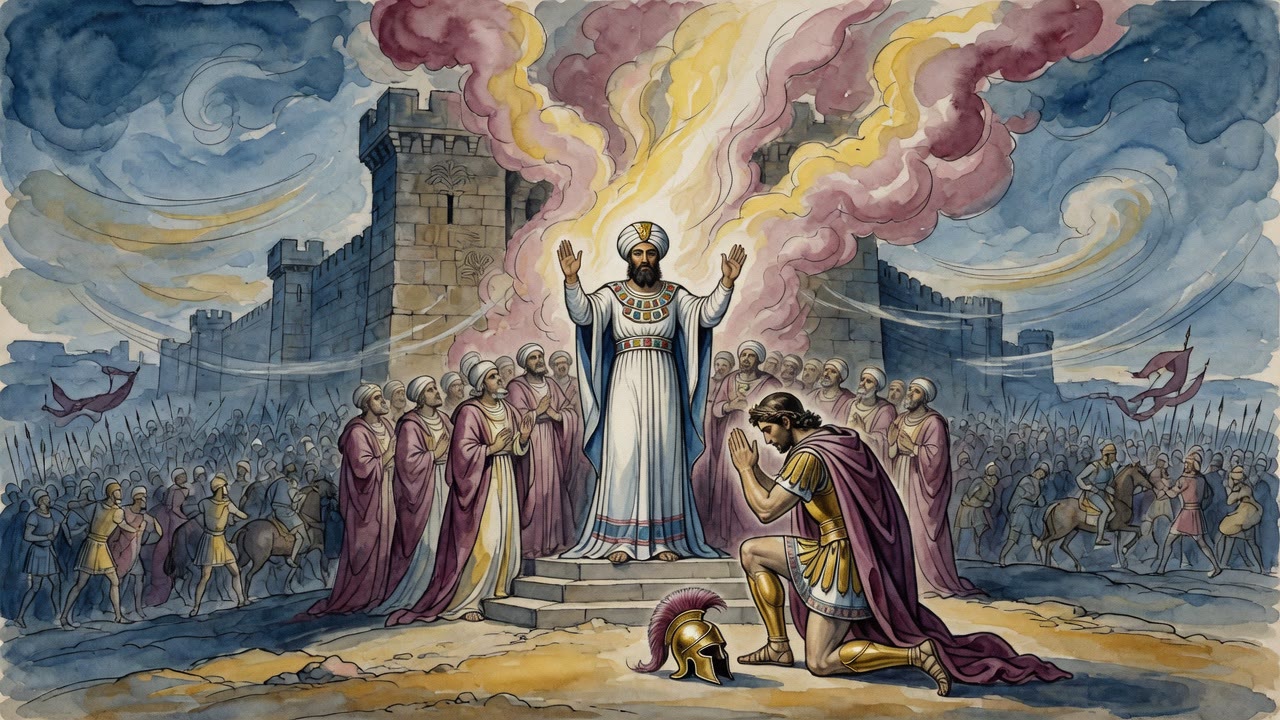
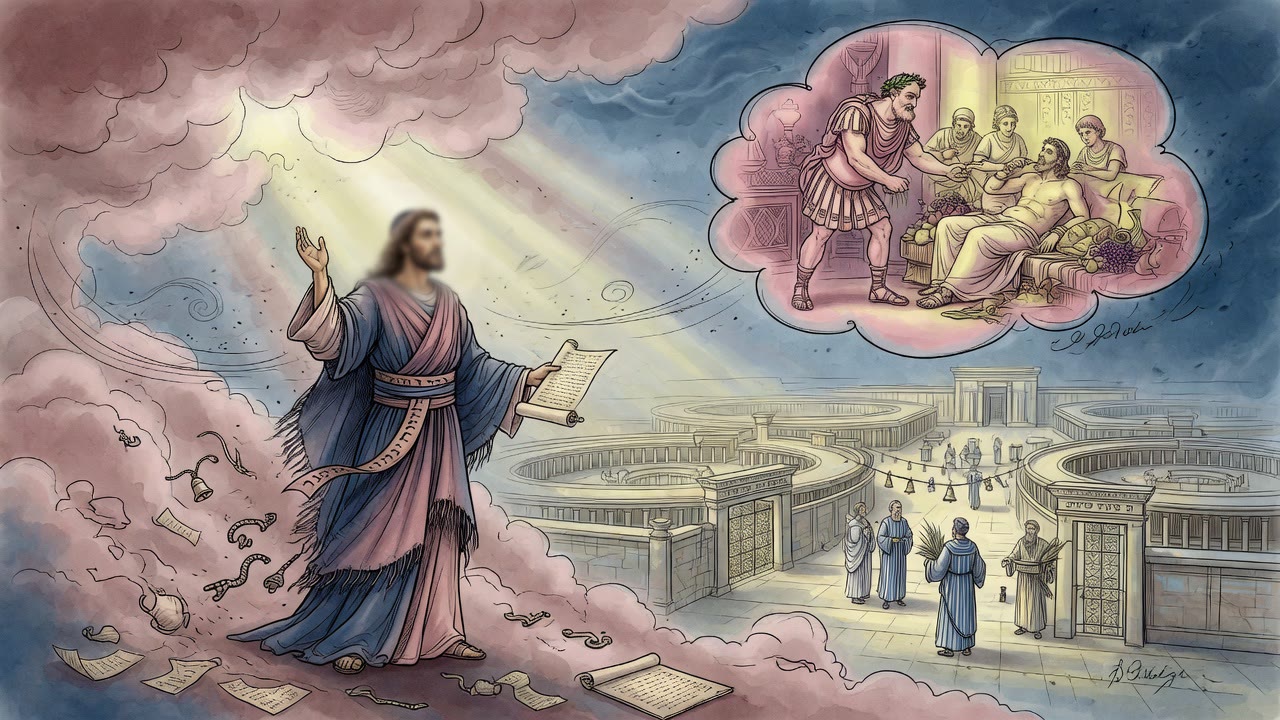
The clerks came with wax tablets and priced the world. Sheep, olive presses, the souls under each roof, a man's field measured down to the last handbreadth. It was the year Rome swallowed Judea whole, deposed Archelaus, and sent Quirinius, the governor of Syria, to put a number on the land. Most Jews grumbled and lined up. The high priest Joazar ben Boethus stood in the Temple and told them the tax was only a tax, that submission cost them nothing but silver.
One man from the town of Gamala said it was slavery.
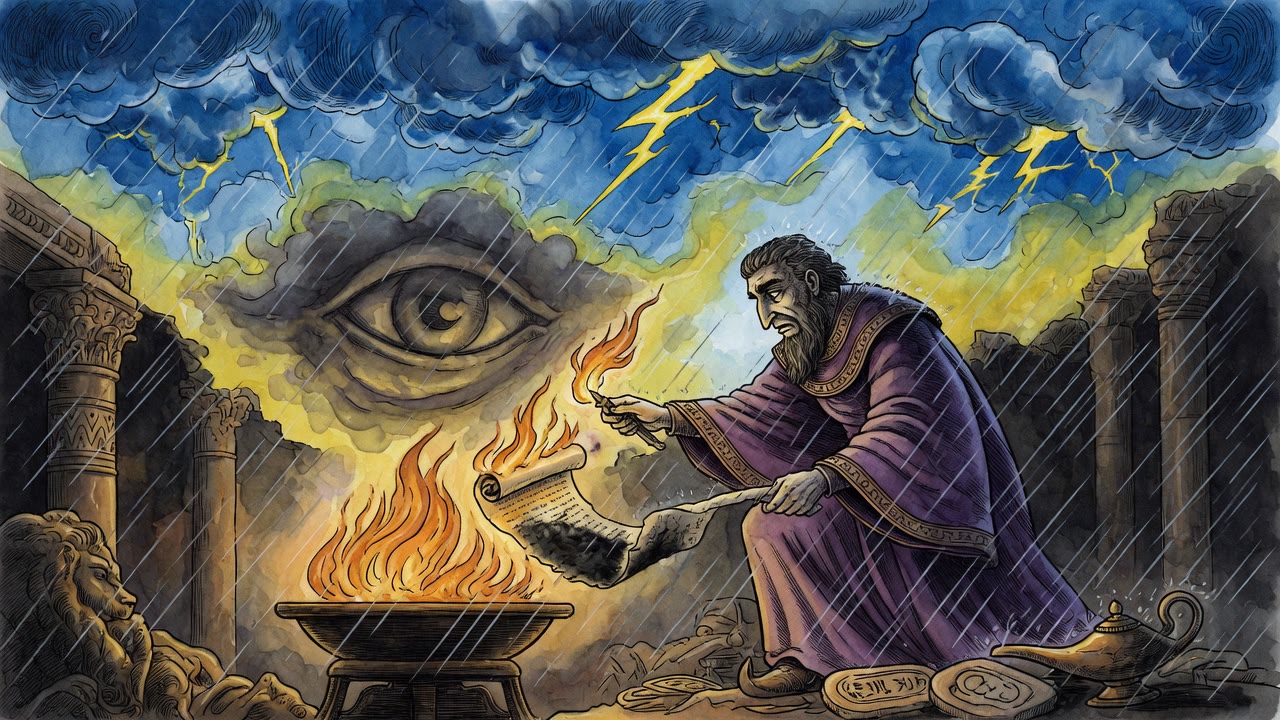
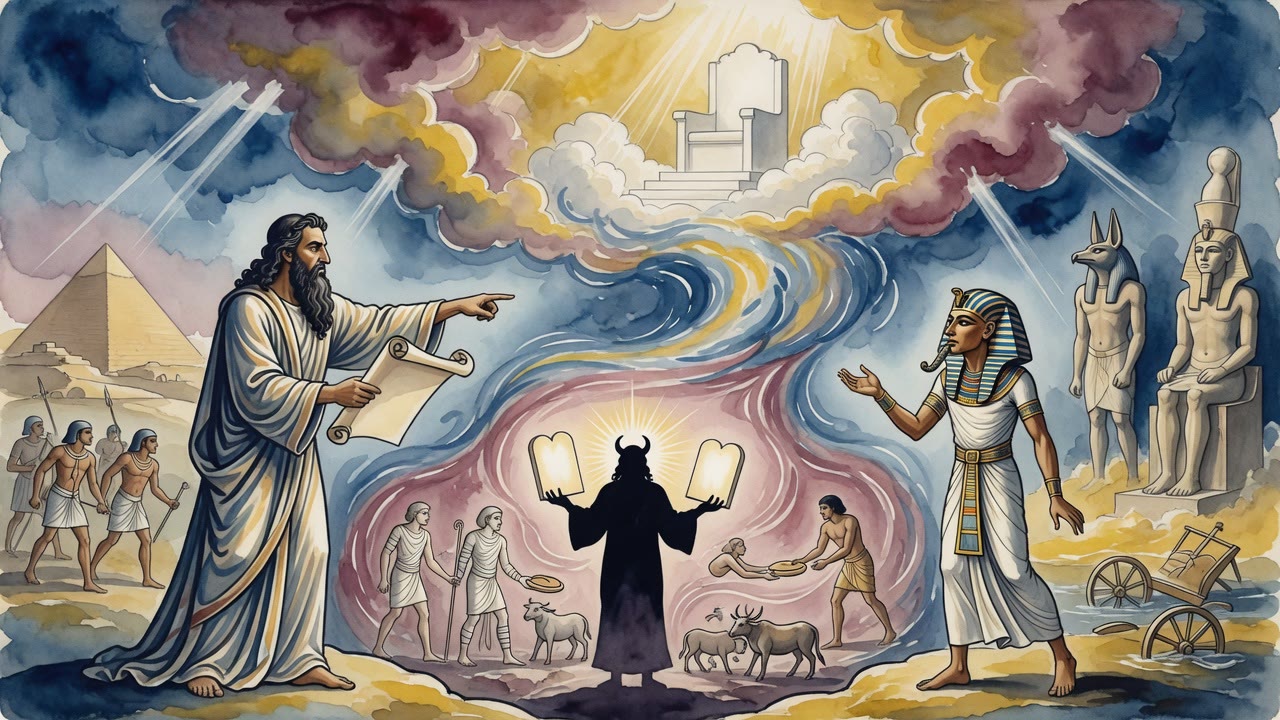
Judas of Galilee looked at the tablets and saw a confession written in ink. To let Rome count your property was to grant that Rome owned it, and to grant that was to kneel before a master who was not God. He found a Pharisee named Zadok, and the two walked the villages preaching that a census was apostasy dressed as arithmetic. "We have no lord but heaven," they told the farmers, "and a man who pays for the right to be owned has sold the one thing the Torah forbids him to sell."
One Master and No Other
What Judas and Zadok built, the historians would later count as a fourth philosophy, standing beside the Pharisees, the Sadducees, and the Essenes. Its whole creed fit in a breath. God alone rules. No emperor earns the name of lord. Tribute to Rome is not a fee but a betrayal, and freedom is worth any death.
They were not alone in their hunger to die well. The land was thick with men who had already decided the grave held nothing to fear. The Essenes smiled under torture, certain their souls outlived their bodies. The Pharisees taught that the righteous would rise again. Into a country that had made its peace with death, Judas dropped a single idea, that to be counted by Rome was to be damned. The idea did not die when he did. It smoldered for sixty years.
The Summer Herod Died
The land had shown its temper a decade before Quirinius ever arrived. The moment Herod stopped breathing, the country tore apart in his sons' hands before they could even divide the inheritance.
It began at Passover. Crowds packed Jerusalem demanding that Archelaus execute the men who had ordered the teachers burned alive for hacking down the golden eagle above the Temple gate. Archelaus sent soldiers to quiet the mourners. The mourners threw stones. So he sent the whole army, and three thousand pilgrims died on the festival stones, and the survivors ran for the hills.
While Archelaus sailed to Rome to beg for his crown, his regent Sabinus broke into the Temple treasury and carried off four hundred talents of gold. The city rose against him. Fire climbed the Temple porticoes, and Roman soldiers waded into the burning colonnades to loot what the flames had not taken.
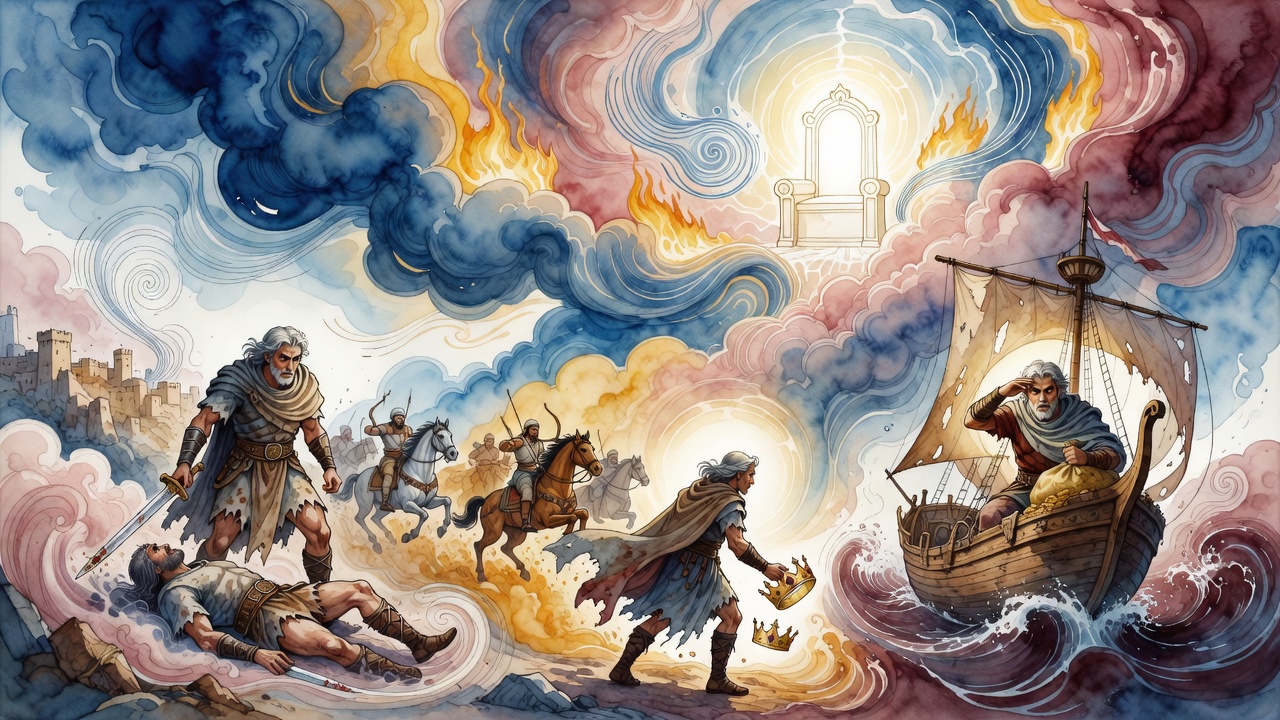
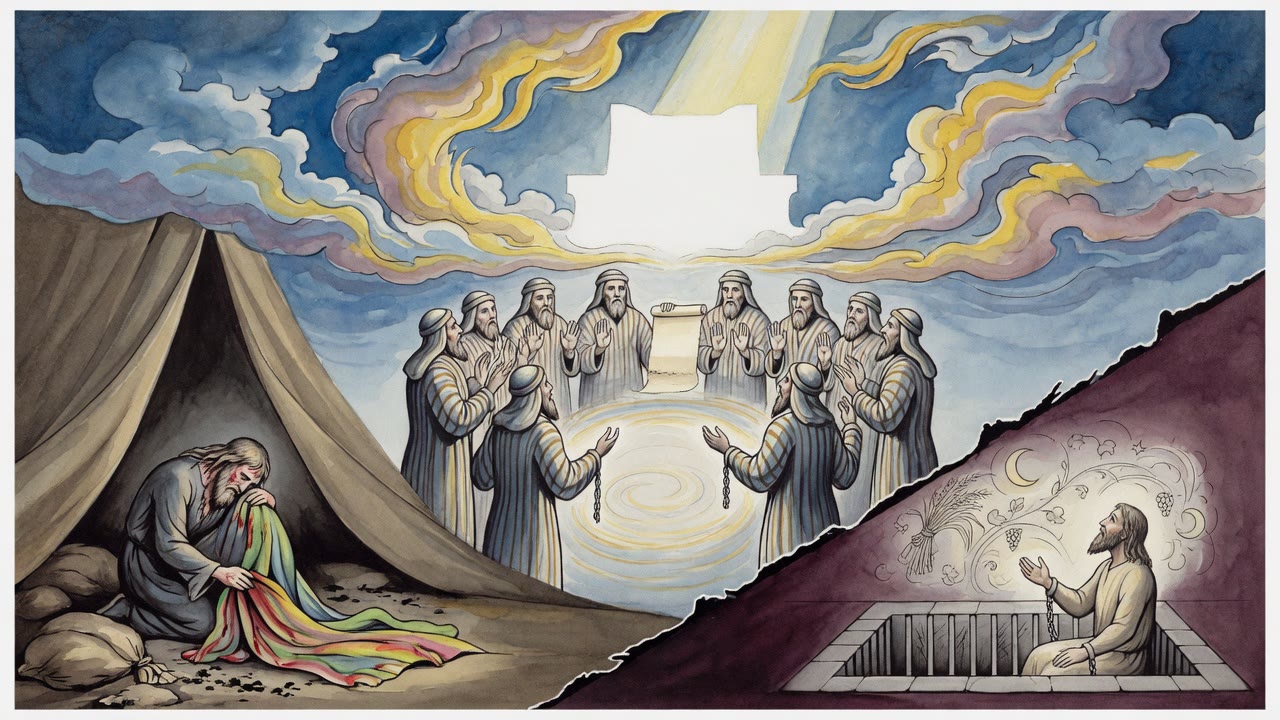
Then the whole country ignited at once. In Galilee, Judas ben Hezekiah emptied the royal armory at Sepphoris and armed a rebel band. In Perea, a former palace slave named Simon set a crown on his own head, burned the palace at Jericho, and ruled the Jordan valley until a Roman blade took off his head. In Judea a shepherd, Athronges, a giant of a man with no drop of noble blood, crowned himself king and sent his four brothers to cut down Roman supply columns. Varus, the governor of Syria, came south with two legions, burned Sepphoris to ash, sold its people into slavery, and hung two thousand captured rebels on execution stakes along every road out of the city.
Daggers Under the Cloaks
The fire never fully went out. It went underground and changed its shape.
Old bandits like Eleazar ben Dinai, who had hidden in the mountains for twenty years, came down when Samaritans butchered a company of Galilean pilgrims and the procurator Cumanus, paid to look away, did nothing. Only after the emperor Claudius heard the case himself and banished Cumanus did the raids slow.
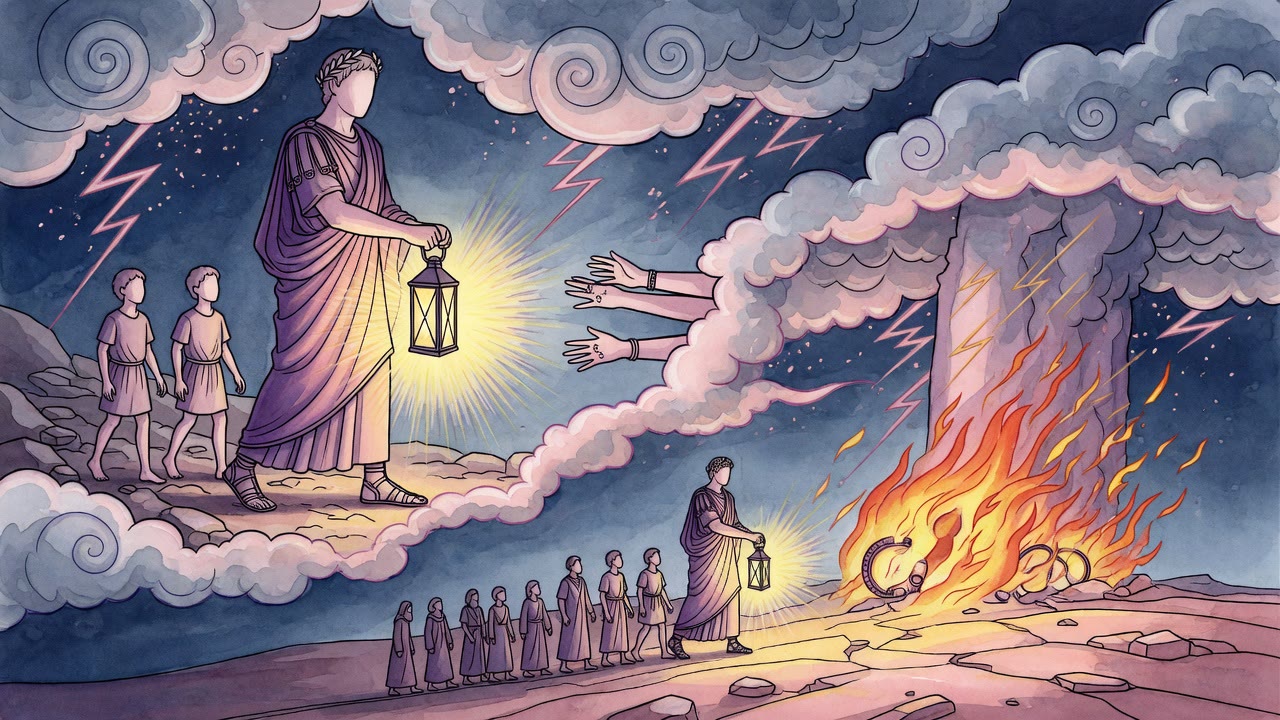
Then came a quieter terror. The Sicarii, the dagger-men, hid short blades under their cloaks and killed in daylight, in the thick of festival crowds, then let the crowd swallow them. Their first kill was the high priest Jonathan ben Ananus. After him the murders came daily, and no man in Jerusalem trusted the man at his shoulder.
The prophets came with the assassins. An Egyptian led thirty thousand followers to the Mount of Olives and swore the walls of Jerusalem would fall flat at his word. The procurator Felix sent cavalry and left four hundred dead on the slope. Others walked crowds into the wilderness promising signs, and Felix hunted them across the sand.
The Governor Who Wanted a War
By the end the Jews were praying for the return of bad men. They remembered Albinus, a thief who at least stole in the dark, with something close to affection, because Florus, the last procurator, stole in broad sun. He plundered whole cities. He flogged the innocent. And he wanted the province to rebel, because a war would bury the record of everything he had stolen.
He got his war. Sixty years after a man from Gamala looked at a tax clerk's tablet and called it slavery, the fuse he lit reached the powder. This time when the Temple porticoes caught, the fire did not stop at the colonnades. It took everything, and left only the stones.
← All myths