Every City Surrendered to Holofernes Until Judith Tricked the General
She came through the gate in the dark with a food bag. At first light the town's men stood on the slope above the camp and did not go down.
Table of Contents
 Click for full size
The Same Words at Every Gate
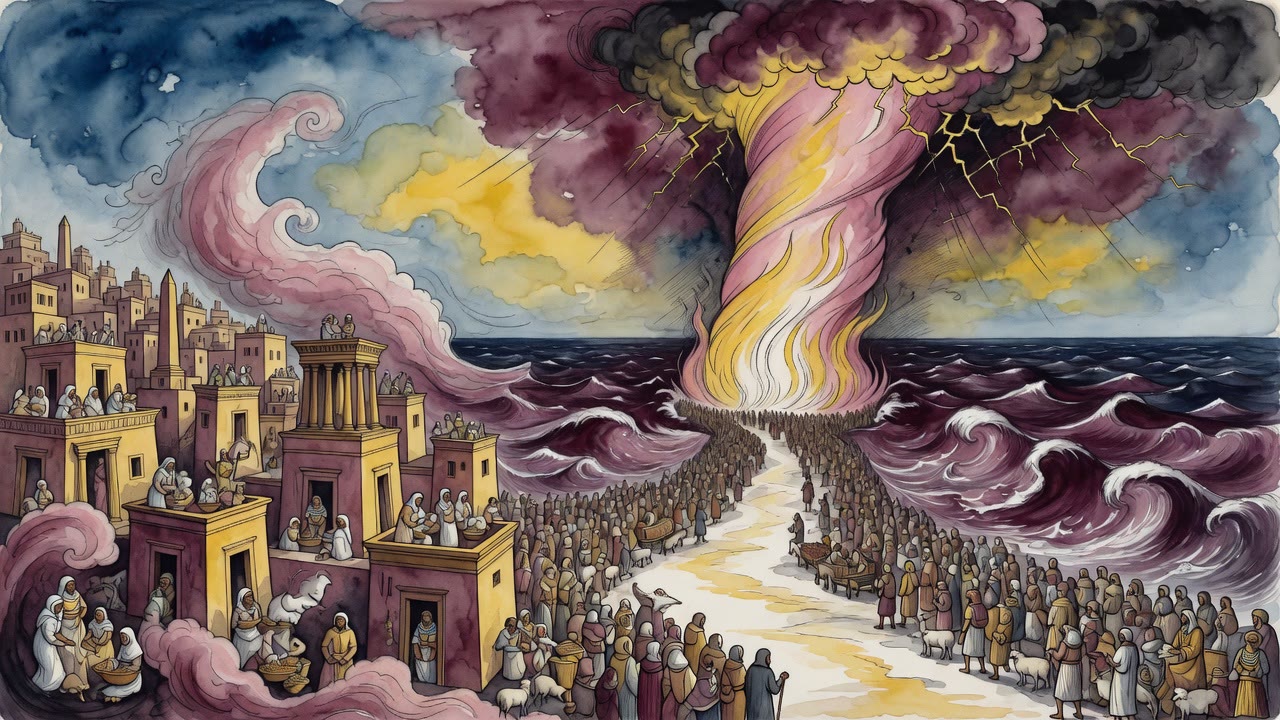
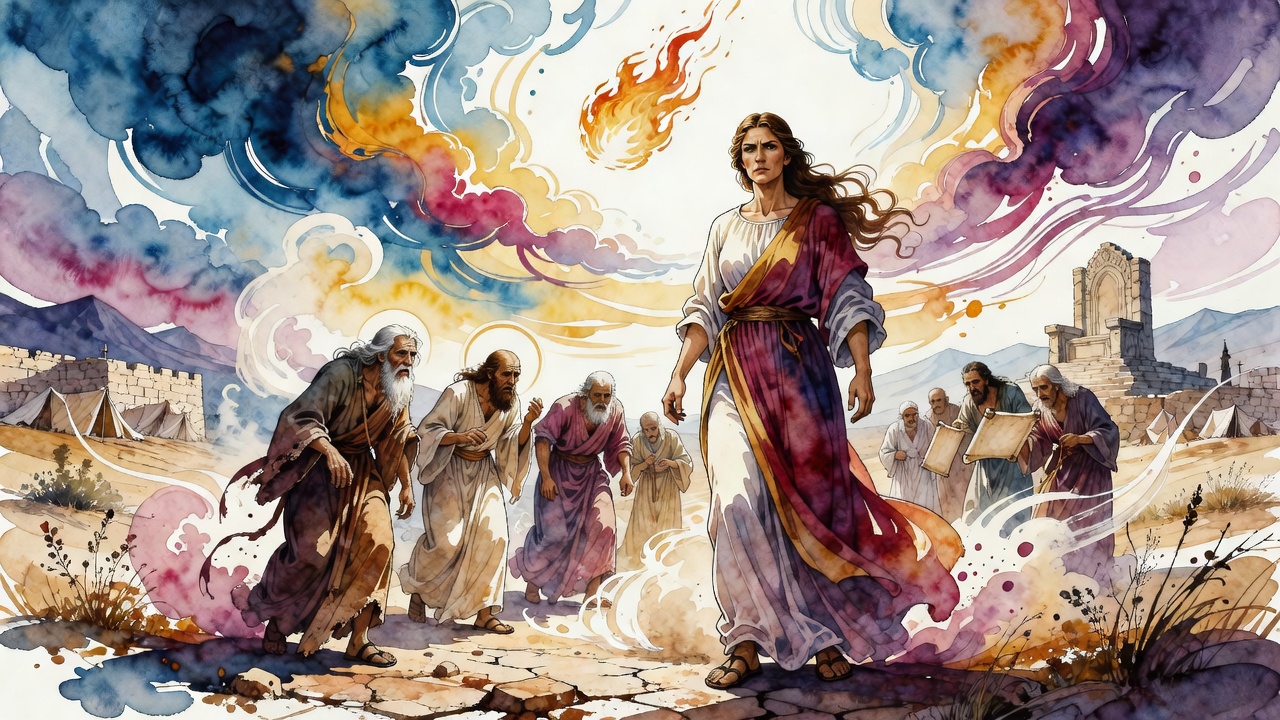
The messengers came out before the walls were even in sight. Town after town along the coast they said the same thing, in the same order, the way men recite something they have practiced on the road.
"We have fallen before you to the ground. Do with us as you see fit. All that is ours is yours. Our farms and our cities, our cattle and our sheepfolds and our tents are in front of you. Come to us and go down with us as you please."
Holofernes sat his horse and listened. No elder asked which shrine would be left standing. No one named a price for the young men. The gates stood open before the column reached them. The herds were already driven out onto the road as a gift.
He had not drawn a sword yet. He did not need to.
He Took the Coast Without Breaking a Wall
He came down out of the highlands with the army of Nebuchadnezzar behind him and went along the sea. In every fortified city that had opened itself he put a garrison. Then he walked the surrendered streets and took the best of their young men and put them in his own ranks, so that each city he swallowed made the column longer.
The farms fed his horses. The sheepfolds fed his cooks. The tents of other people's fathers became the tents of his officers. A man who has never been refused starts to think the world is built that way.
By the time he pitched camp in the valley under Bethulia, nothing between the Euphrates and the sea had told him no. The mountain town above him still had its gates shut. It was dying of thirst. He could wait. He had waited out cities richer than this one, and they had come down the hill with the same speech in their mouths.
The Order She Gave for Dawn
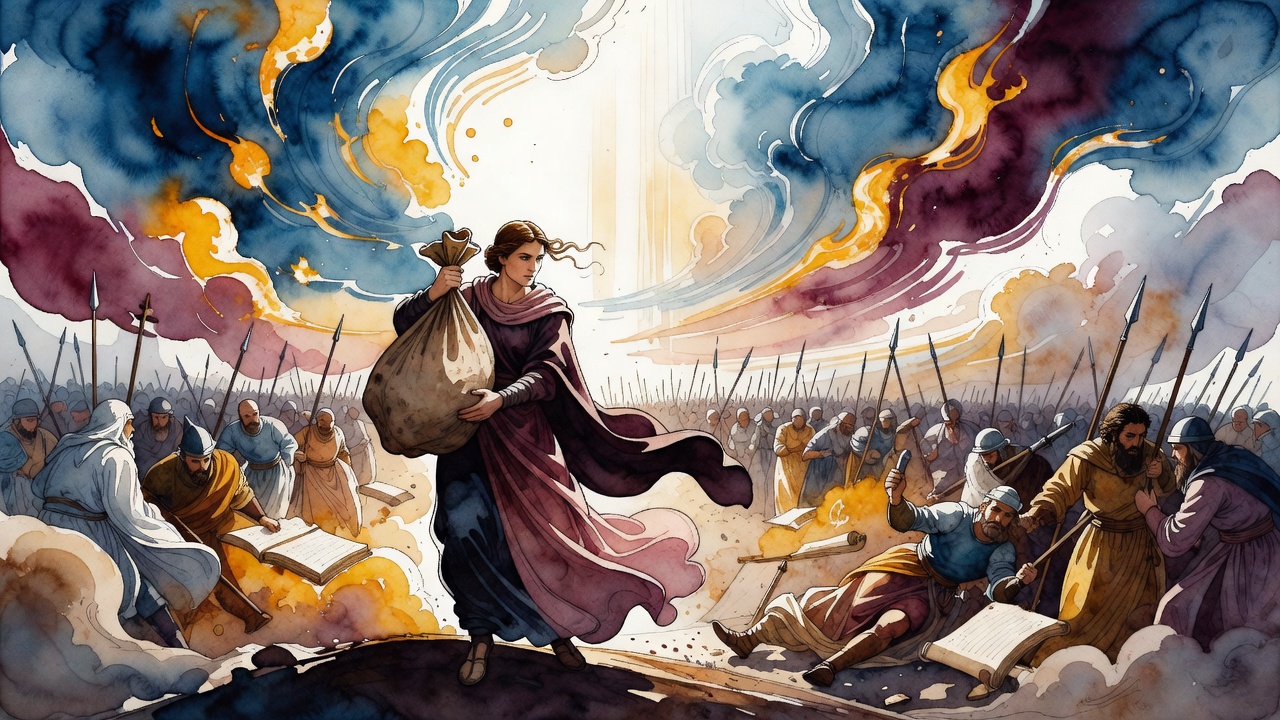
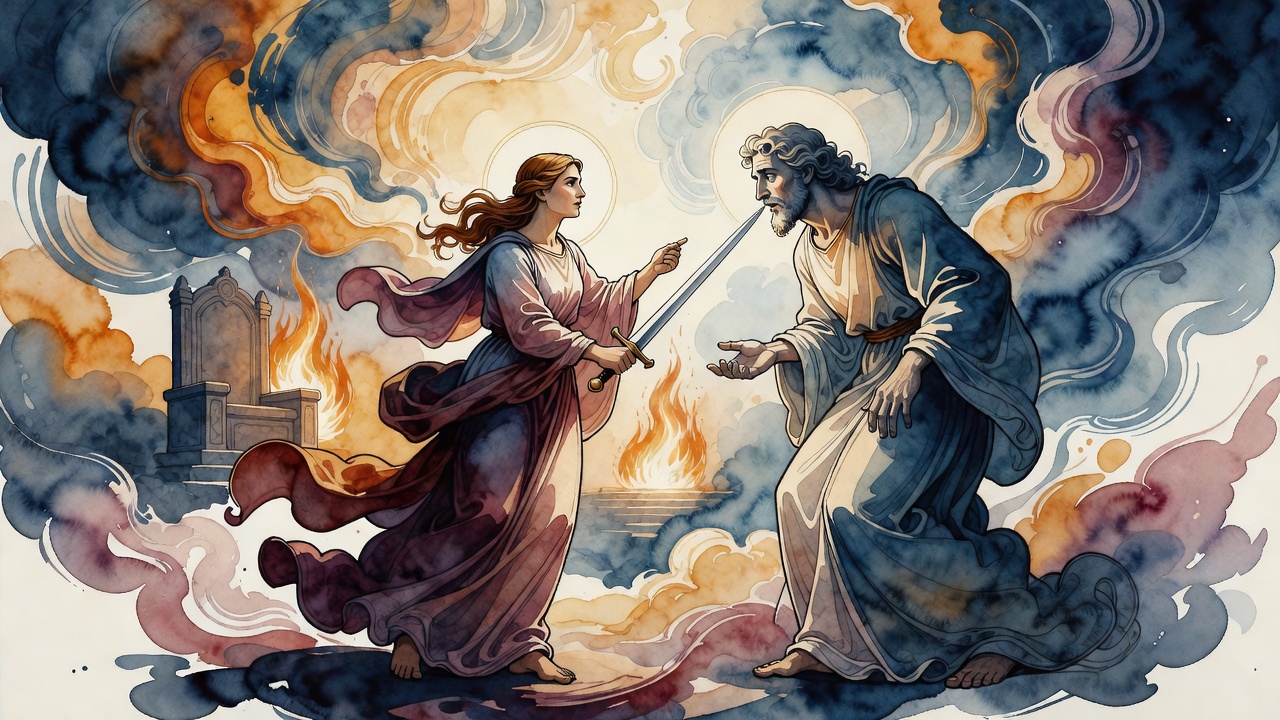
Judith came back through the gate of Bethulia in the dark. What she carried in the food bag was the head of the man in the valley. She had been in his tent. She had eaten none of his food. She had taken wine to his mouth and a sword to his neck, and she had walked the whole way home with the weight of him swinging against her hip.
The town began to shout. She cut the shouting off with an order, and the order was strange enough that the elders made her say it twice.
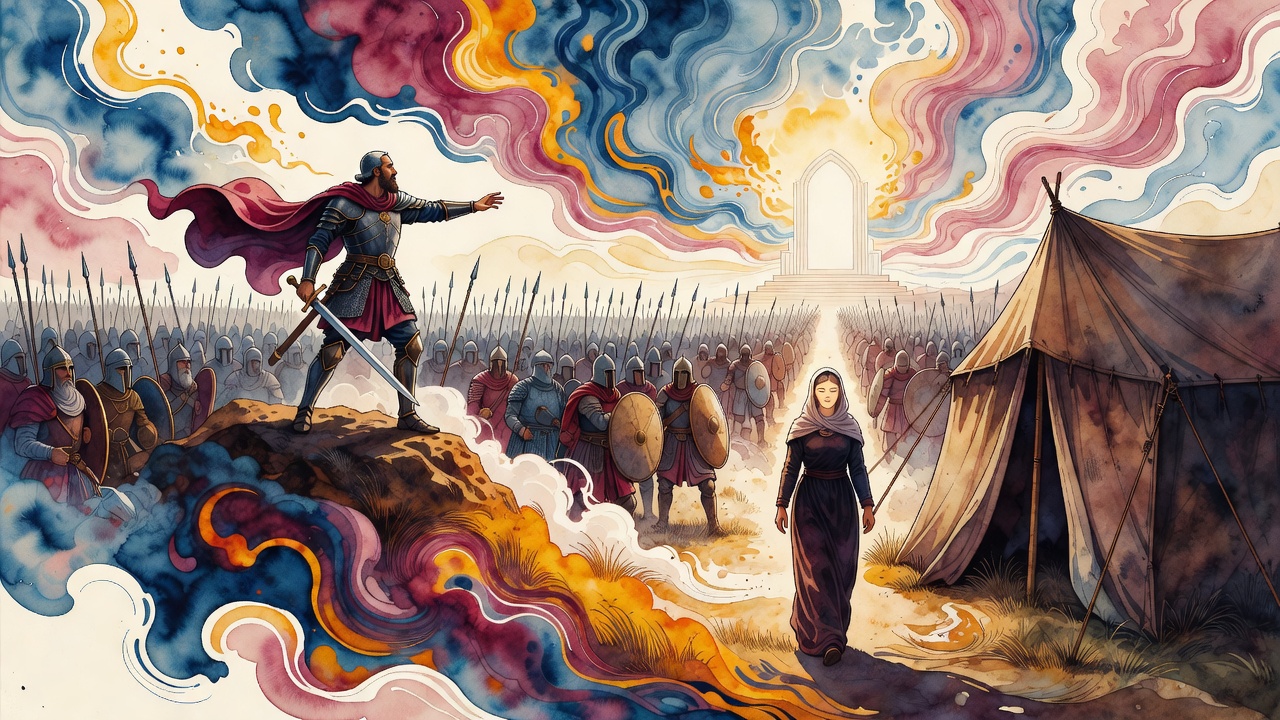
"When the sun comes up, every fighting man takes his weapons and goes out of the city with a captain over him, as though you were going down into the valley against the Assyrian watch." She stopped there. "Do not go down."
They went out at first light. They stood on the slope above the camp with their spears up, in plain sight, close enough to be counted from below. Then they did nothing at all. The sun climbed. The spears stayed up. No one took a step toward the tents.
The Captains Ran to a Tent
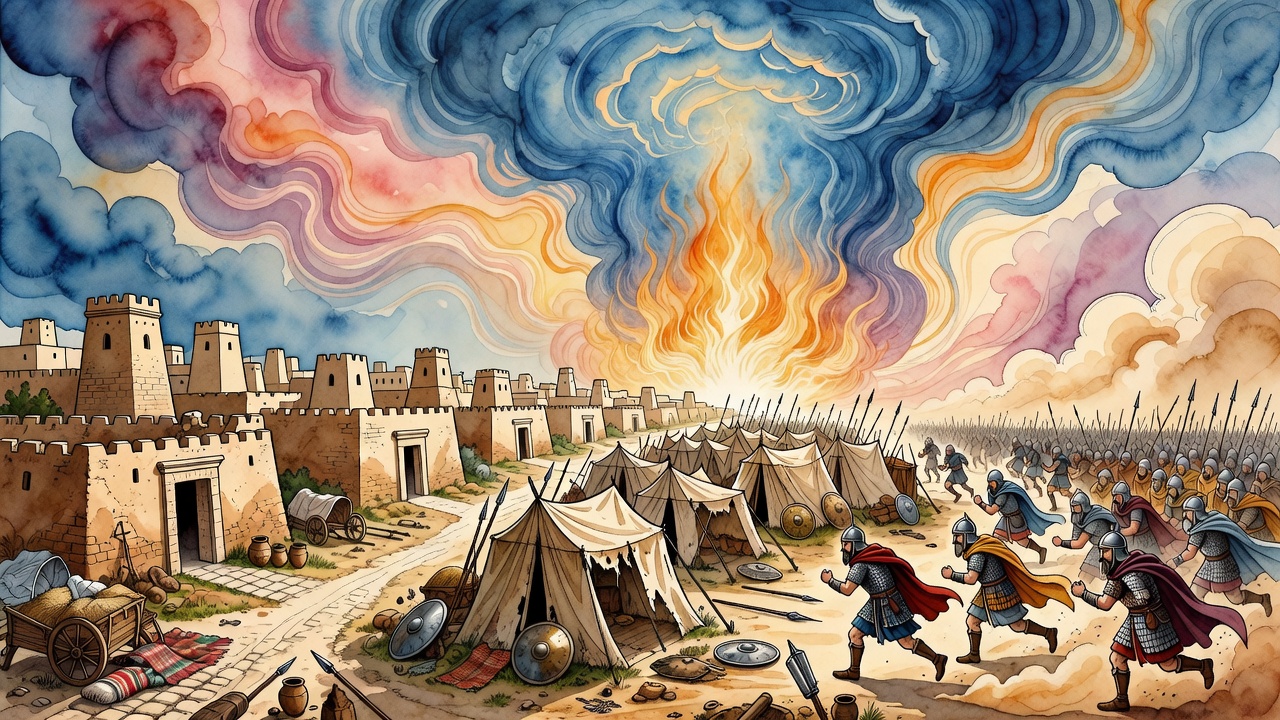
The watch below saw armed men coming out of a town that had been dying of thirst. The alarm went through the lines. Men pulled on their armor. Officers ran for the center of the camp to get the order that would tell them where to stand.
The order had to come from one tent.
They pushed in and found no one to give it. A body on the bed. No head on it. The bedclothes still held the shape of a man who had been drinking. The wine cup was where he had set it down. His sword was not in its place.
What they found went out through the camp faster than any command. The officers came out of the tent and ran, and they ran first, in front of everyone, which is the one thing an army cannot survive watching. Rank broke behind them. A man who has watched his captains flee does not wait for a horn.
The Hills Emptied Behind Them
The camp that had absorbed every army on the coast came apart in the time it took a rumor to cross it. Nobody blew a horn. Nobody formed a line. Men who had marched in step from the Euphrates threw down what they were carrying and went east and north across open country toward Damascus.
Then the men of Bethulia came down the slope they had been standing on. The men of every village in those hills came out behind them. The pursuit went on past the border of the country the army had thought it already owned. Herds left on the road as gifts were taken back. Young men pressed into foreign ranks ran the other way now, if they still could.
Every city on that coast had sent messengers out with an offer of everything they had. The town that sent out one widow with a bag of her own food kept its walls.
← All myths