Jonathan Rode Through the Ambush at Azotus
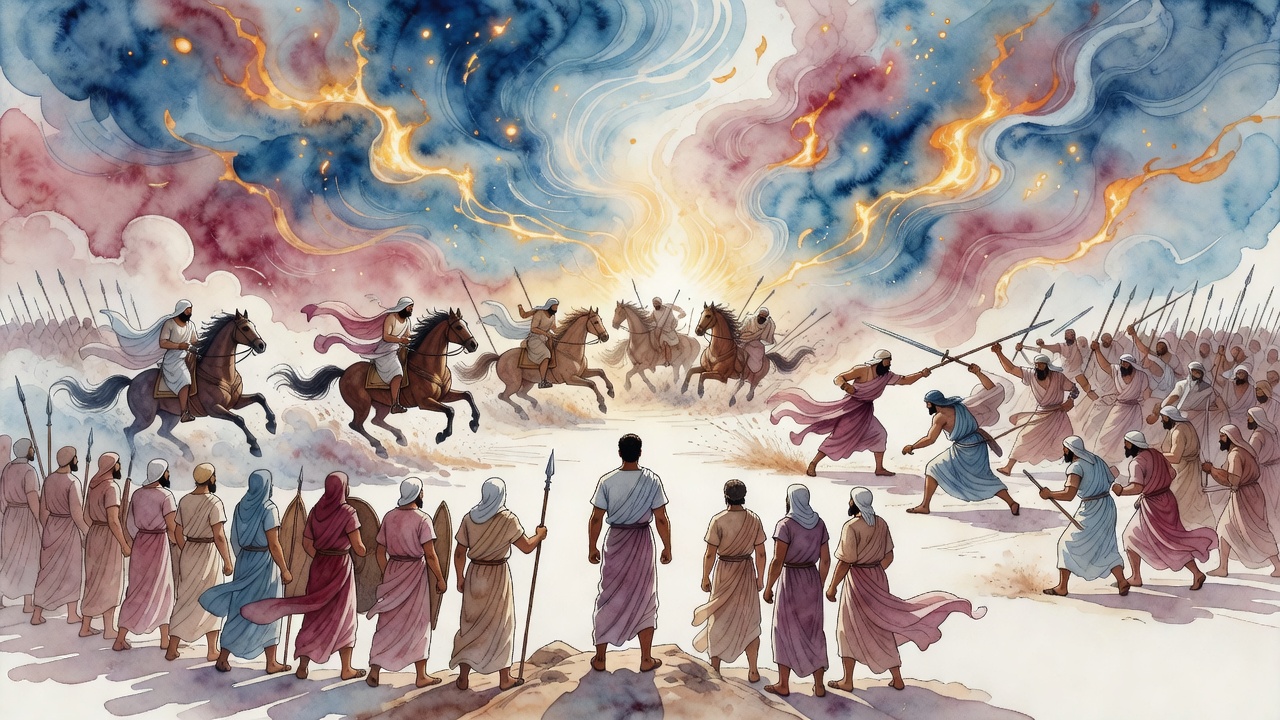
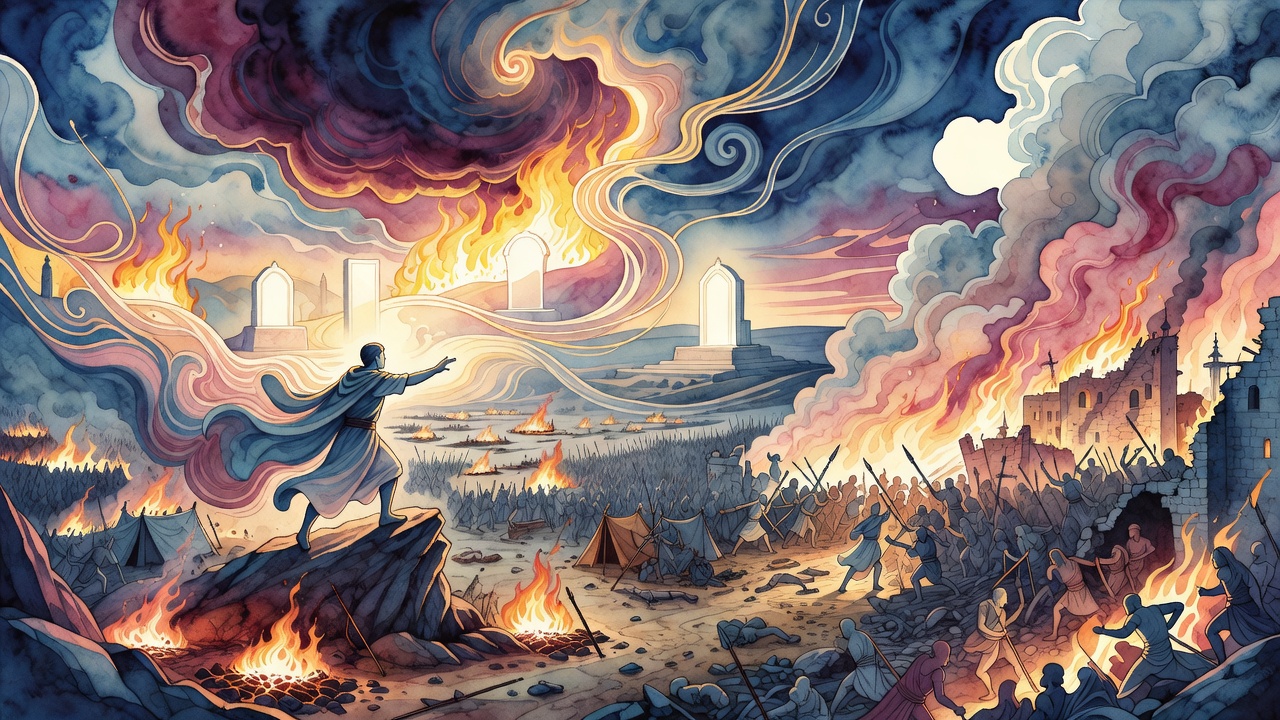
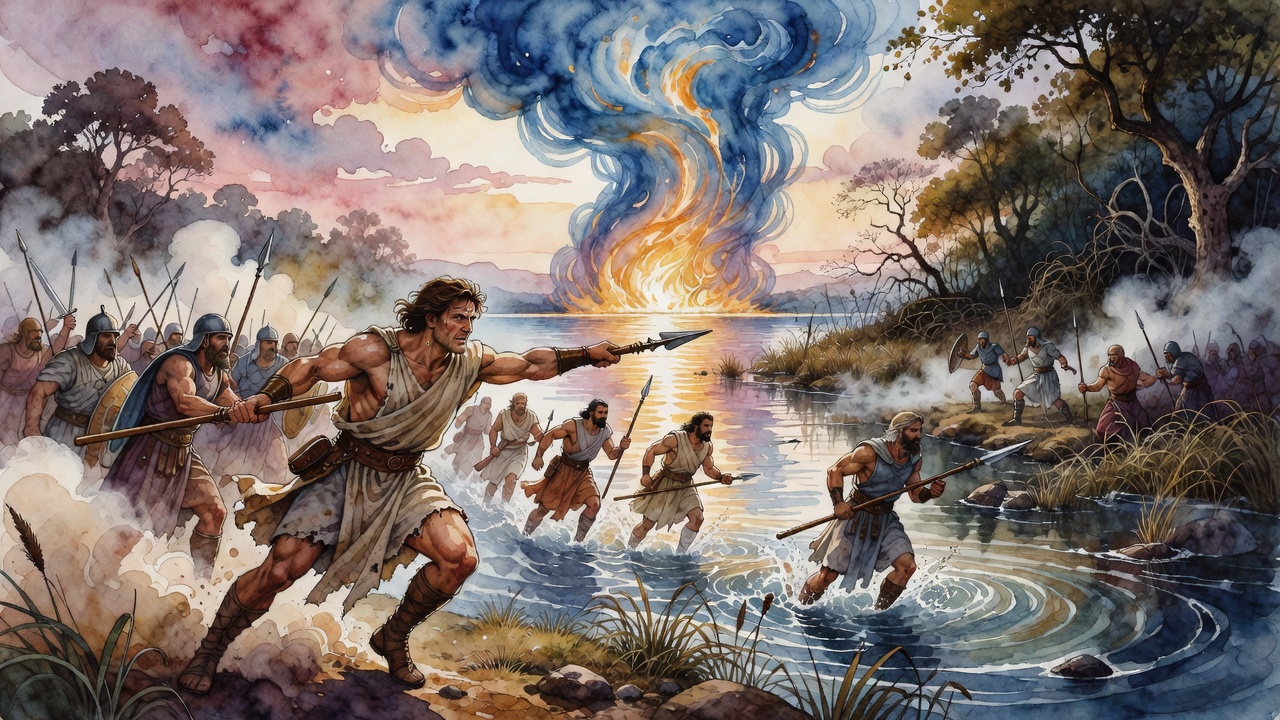
Apollonius hid a thousand horsemen behind the Judean line at Azotus. Darts fell from morning until evening, and the circle did not break.
Table of Contents
 Click for full size
The Plain That Loved Horsemen
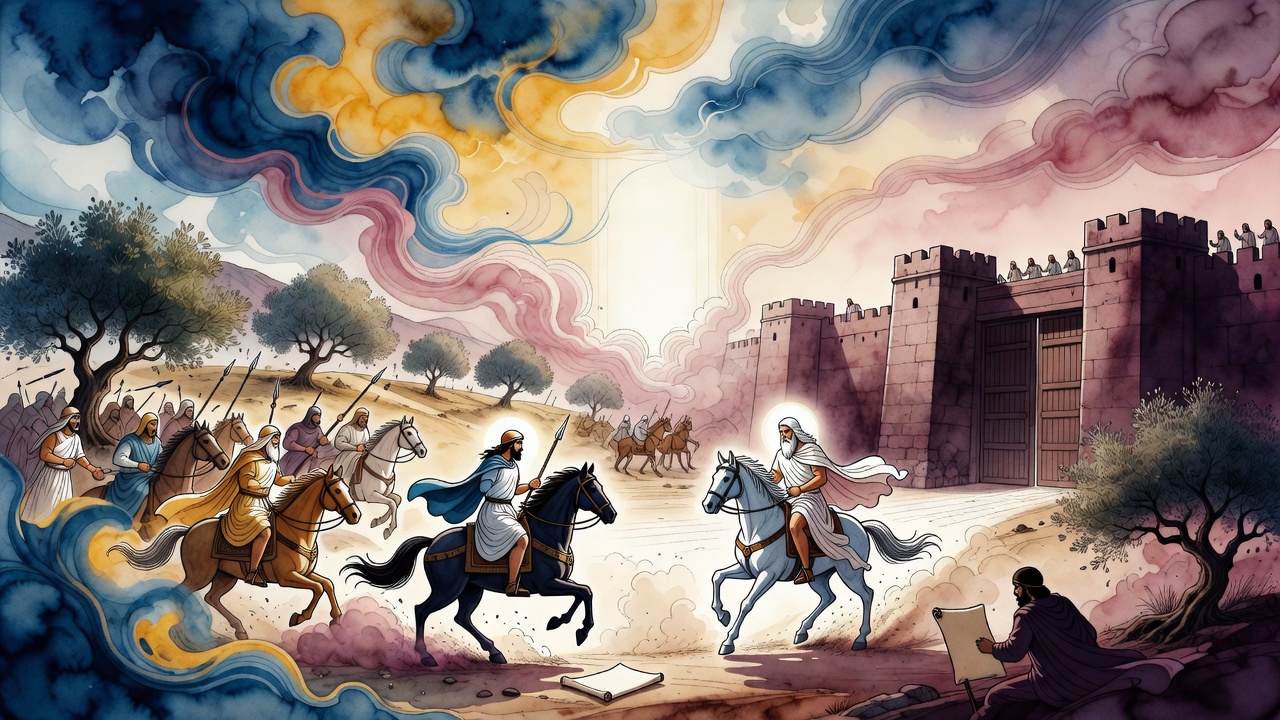
Apollonius heard that Jonathan was growing strong and answered the way empires answer. He took three thousand horsemen and a great host of footmen and went toward Azotus as if he were only traveling. The plain was the bait. Cavalry loves open ground. Jonathan did not pretend he was safe. He followed to Azotus and met the armies where the land could not hide either side.
Dust rose in two columns that refused to become one. Syrian armor caught the sun. Judean shields took the glare and threw it back. The first clash sounded like a door slammed on a house that still had people inside.
The Thousand Horsemen Behind Him
Apollonius had left a thousand horsemen in ambush. Jonathan knew it the moment the circle closed. They had compassed in his host and cast darts at the people from morning till evening. Not a single volley. A day of iron weather. Men learned the sound of an arrow long before they learned its name.
The ambush was a calculation that the smaller force would break when struck from front and rear. Jonathan held the field anyway. Wounded men counted hours by the shadow of their own spears. Water skins emptied. Commands shortened to single words. The hidden horsemen kept loosing darts as if the sky itself had taken a side. Jonathan rode through the ring the way a man moves through smoke, eyes narrow, jaw set, refusing the panic Apollonius had wrapped for him.
By evening the darts had not rewritten the outcome. The plain that was meant to favor Syrian horses became the place where Jonathan's name thickened. He was still on his feet when the last shaft fell.
Silver Before Two Kings
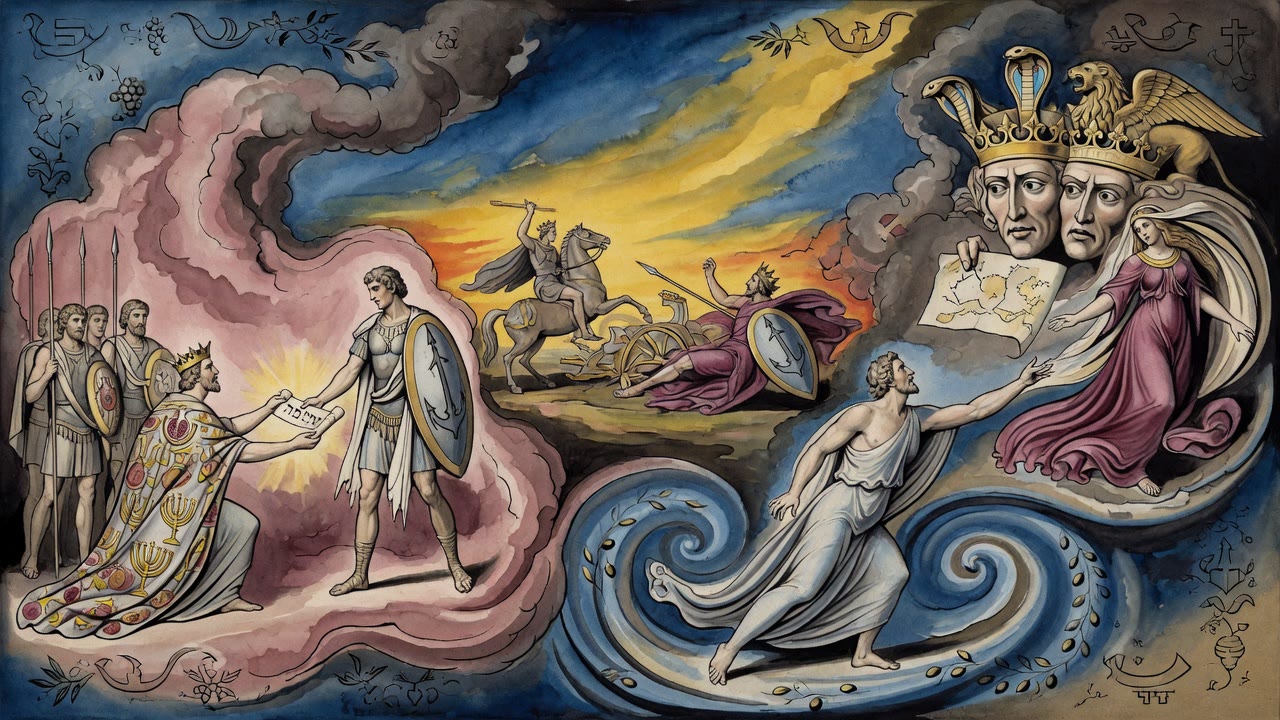
Power in those years did not live only in battles. King Alexander wrote to Jonathan to meet him at Ptolemais, where a marriage would weld Alexander to the house of Ptolemy. Cleopatra, Ptolemy's daughter, crossed from Egypt in the hundred and sixty-second year of the Seleucid count. The wedding ran with the glory kings prefer, music and gold and public kindness.
Jonathan came honorably, carrying silver and gold and many presents for both kings and their friends. He found favor in their sight. Favor is not friendship. Favor is a temporary roof. Alexander needed Judea quiet. Jonathan needed room to breathe between larger teeth. The gifts were speech without a speech.
Courtiers watched the Jewish captain the way traders watch weather. A man who survives a day of darts might also survive a season of treaties. Jonathan bowed where bows were currency and stood tall where height was a warning. The feast lights glittered on the same hands that had held a sword at Azotus.
Gaza Shut Him Out
Later Jonathan set Simon as captain from the Ladder of Tyre to the borders of Egypt, a spine of coast and road. Jonathan himself passed through the cities beyond the water, and forces of Syria gathered to help him. Ascalon met him honorably. Gaza shut him out.
He laid siege, burned the suburbs with fire, and spoiled them. Supplication came after smoke. Peace followed, but peace had a price. Jonathan took the sons of their chief men for hostages and sent them to Jerusalem, then passed through the country toward Damascus. A closed gate costs more than an open one. The children of Gaza's leaders walked the road to the capital as living seals on a treaty no one wanted to write twice.
Simon held the ladder of coast. Jonathan held the lesson of fire. Together they drew a border with ash and hostages while larger kings rearranged daughters like game pieces. The Maccabean line after Judah did not inherit calm. It inherited the work of staying alive while maps redrew themselves every season.
Night After the Darts
Apollonius had trusted horsemen. Gaza had trusted walls. Alexander had trusted a wedding. Jonathan treated each as weather. He rode into the plain knowing the ambush waited. He entered the kings' city knowing gifts were armor. He burned suburbs knowing hostages would finish the sentence.
From morning till evening the darts fell at Azotus. The day ended with Jonathan still standing inside the circle that was meant to erase him. Night after Azotus, men cleaned blood from spear sockets with rags that would never come clean. Jonathan slept in short stretches and woke counting who still answered their names. The ambush had taught the army that open ground is a kind of lie. The wedding at Ptolemais would teach them that gold is another. Between those lessons the captain kept walking, because a people without a walker becomes a list of graves.
← All myths