Maimonides Walked Out of the Lime-Kiln and Became the Lion of Cairo
A trap meant to burn Maimonides alive closes on his accuser, he turns into a lion to break cruel decrees, and Ibn Ezra comes hunting his equal.
Table of Contents
Cruel decrees came down on the Jews like a slow weight, and into that weight walked a physician who set up his table in the royal city's market square and offered to treat the patients every other doctor had given up for dead. His name was Maimonides. When the king himself fell ill and rose again healed, the physician climbed in a single season from stranger to favorite. That nearness was a wound to the Vice-Regent, who had stood beside the king for years, and his jealousy hardened into a plan.
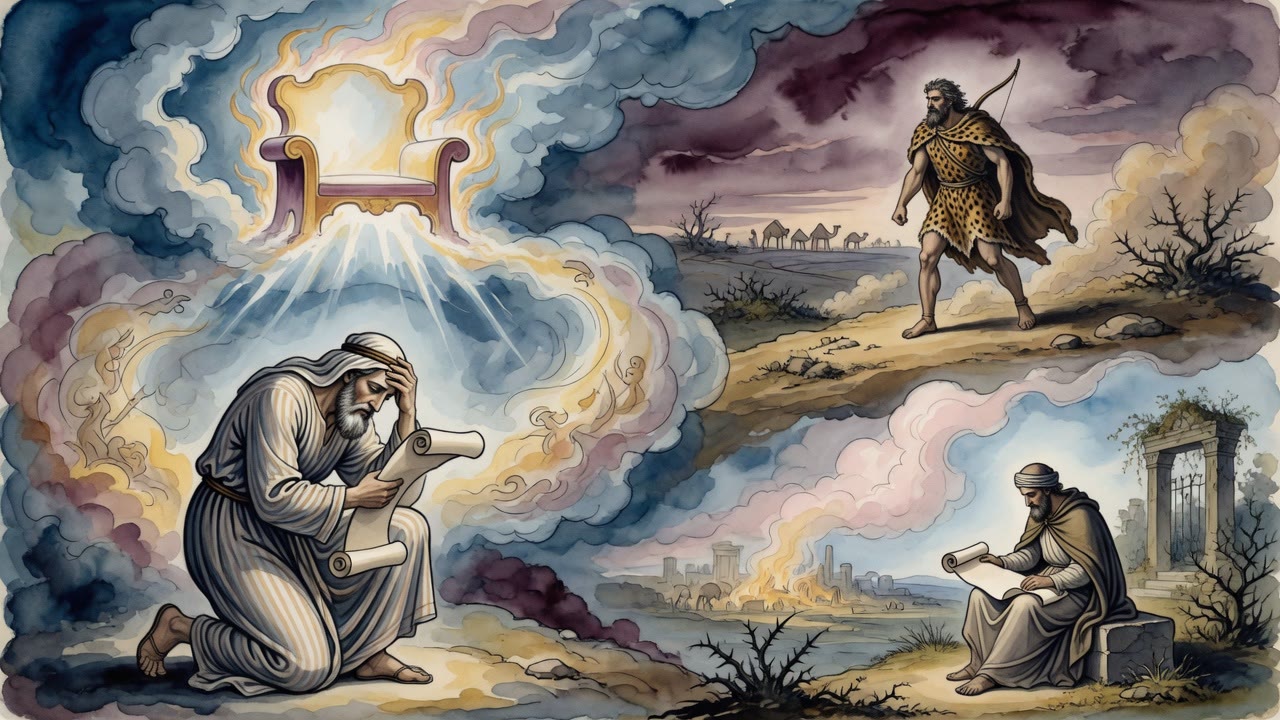 Click for full size
The Warrant He Carried Was His Own Death
He pressed the king until the king bent, but only partway. The king had sworn never to lift a hand against Maimonides, so the killing had to be done at a slant. The royal lime-kiln roared at the edge of the city, its mouth white with heat, and its attendant received one instruction: kill and burn the first man who arrives today bearing a message from the palace. Then the king would send Maimonides out on some small errand, and the kiln would do the rest.
Maimonides left the palace with the order folded in his fingers, not knowing he carried his own warrant. On the road he passed a synagogue at the hour for the afternoon prayer and stepped inside. A poor family was there, holding the brit milah of their newborn son, and they would not let the great physician go. He stayed for the cutting and the small trembling joy of it.
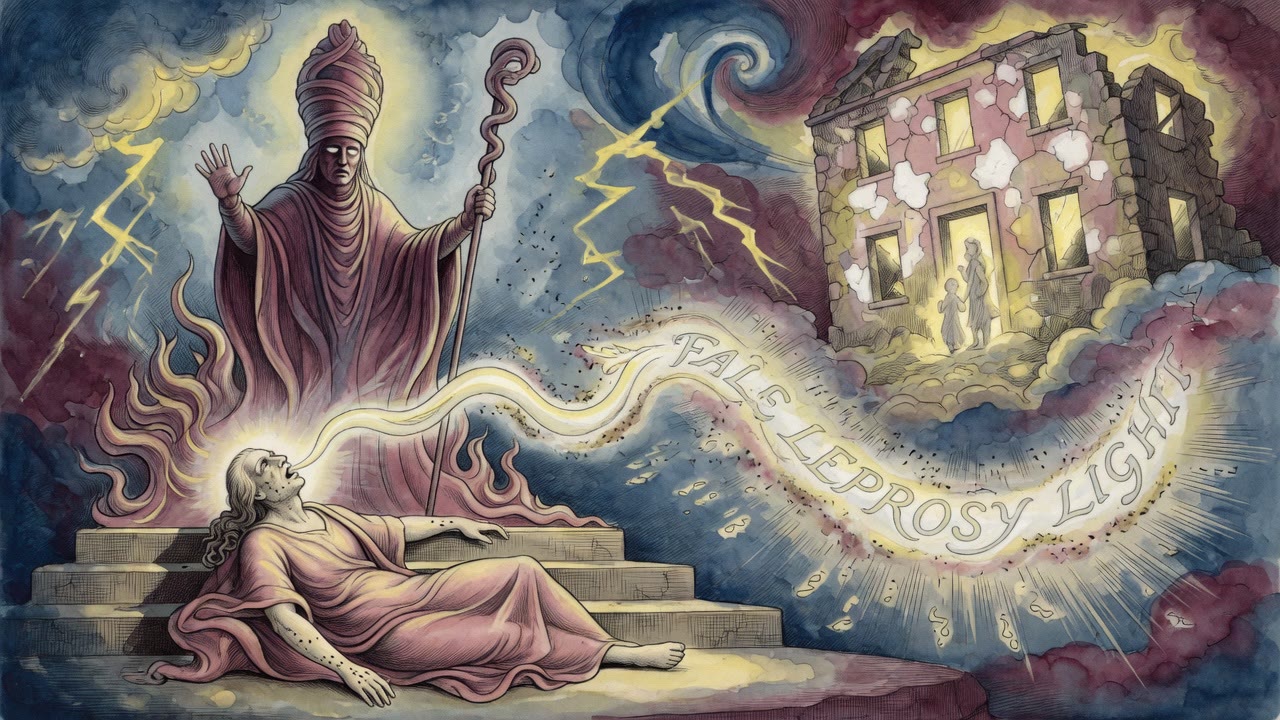
Out at the kiln the Vice-Regent could not bear to wait and rode to confirm his trap, a message from the palace in his hand. The attendant looked at the messenger, looked at his instructions, and obeyed them to the letter. When Maimonides finally arrived, the ashes were still warm. The king heard how the snare had folded shut on the man who set it, and he said aloud, "The God of Israel is mighty."
The Ruling That Set the City on Fire
The next decrees were built not to kill the Jews but to shame them. If a gentile so much as brushed against a Jew, the gentile's garment was to be burned, the Jew was to pay for it, and the gentile had to bathe seven times to wash off the touch. If a gentile beat a Jew, the Jew owed him payment for the trouble of the beating.
A case came before Maimonides, who sat now as judge as well as counselor. A Jew had been beaten, and the court ordered him to pay the man who had struck him. Maimonides paid it from his own purse, twenty gold pieces for the burned clothes, seven more for the cold winter bath. Then he answered the cruelty with a performance of his own.
He arranged for two Jews to fall into a loud quarrel at the city gates and bring it to him for judgment where the gentile crowd could hear. A mouse, they said, had fallen into one man's cask of oil, and a gentile had touched the other's cask of wine. What was the law? Maimonides answered in a voice that carried across the square. The oil the mouse had spoiled could still be burned in lamps or boiled into soap, for a mouse does not defile past saving. But the wine a gentile had touched was ruined beyond recovery and had to be poured into the gutter.
The gentiles in the crowd heard what the ruling said about them, that a single touch of theirs was worse than a drowned mouse, and they came apart with rage. The king ordered the physician dragged to the city square and burned.
The Name on His Lips Made Him a Lion
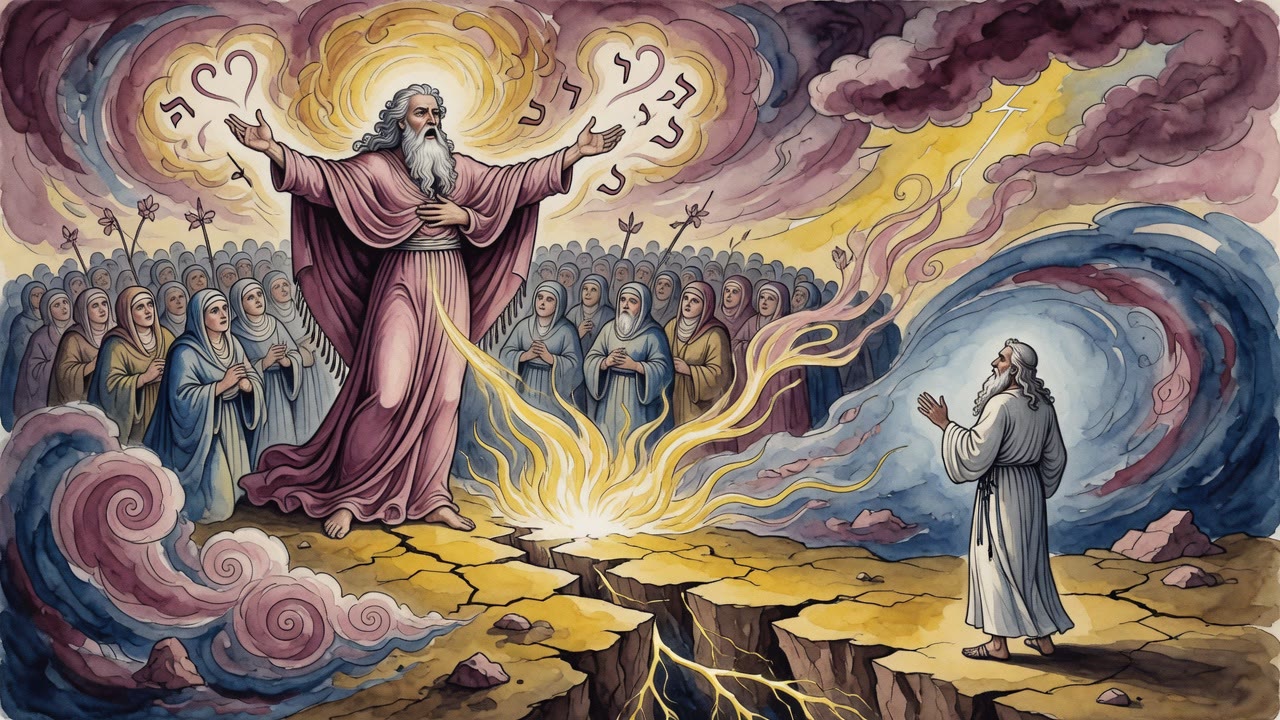
The guards came for him. Maimonides spoke the Shem HaMeforash, the Ineffable Name, and his shape tore open. Where the man had stood there was now a lion, vast and terrible, and it went through the soldiers massed against him until seventy thousand lay dead in the square. Only the king he spared, because the king had thrown himself down and begged. From the dust the king swore to undo every shaming decree, and he kept the oath, and the Jews of the city breathed again.
The Scholar Who Came Looking for His Equal
Word of such a man traveled, and it reached Rabbi Avraham ibn Ezra, who had begun to wonder whether anyone in the world stood at his own height. He was told there was one, named Maimonides, and set out at once to find him.
He came first to the physician's garden, ate a few cucumbers off the vine, and left a knife behind among the leaves. At the door the servants said the master could not be disturbed, for he was mixing a medicine for the king. "I see him in the house," Ibn Ezra said, "mixing a recipe for the king," for walls were nothing to his sight. Maimonides answered back through the door. "Tell the guest I know he ate my cucumbers and left his knife in the garden, but I still cannot see him now."
The Three Pearls Sold to the King
When Ibn Ezra returned, Maimonides welcomed him in, and the visitor came with a scheme already shaped. Tell the king, he asked, that I am your brother. Maimonides agreed. Before the throne the king asked his trade, and Ibn Ezra said, "I trade in pearls."
At that moment a poor Jew shuffled in with three pearls to sell, and Ibn Ezra threw out his arm and cried that the pearls were his and the poor man a thief. The Jew swore he was no thief. The king set a test. "Whoever can describe the qualities of these pearls is their rightful owner." The poor man could say nothing. Ibn Ezra named them. The white pearl, ground to powder and swallowed, would make an old man young. The red one, shown to a rebellious city, would force it to its knees. The green one would lay bare hidden treasure. Each was tested, and each claim came true.
Then Ibn Ezra bowed and confessed. The pearls were never his. They belonged to the poor Jew. He had raised the false alarm only to make the king want them badly enough to pay a high price. The king paid, the poor man walked home wealthy, and Maimonides had stood by in silence and let it run to its end. Charity had come into the palace wearing the costume of a thief.
← All myths