17 myths
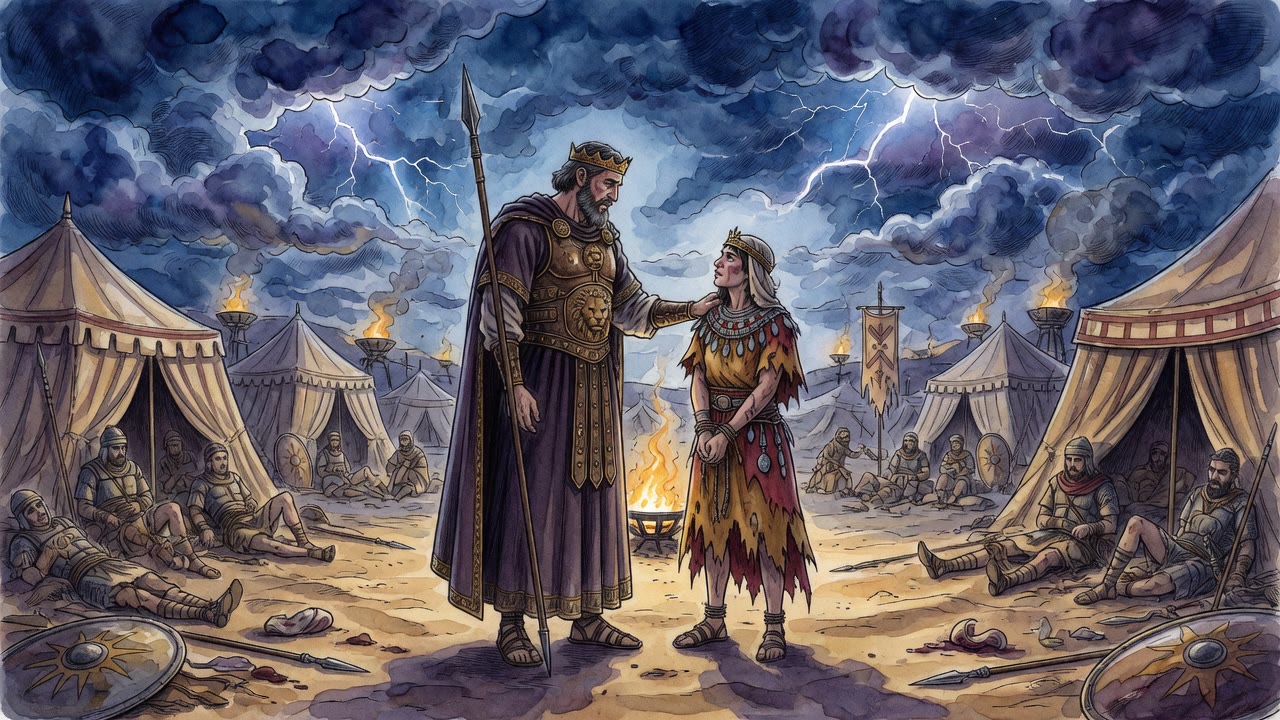
Agag sat bound through the dark while fat sheep bleated in the pens. Samuel came at morning. The line that should have ended did not.
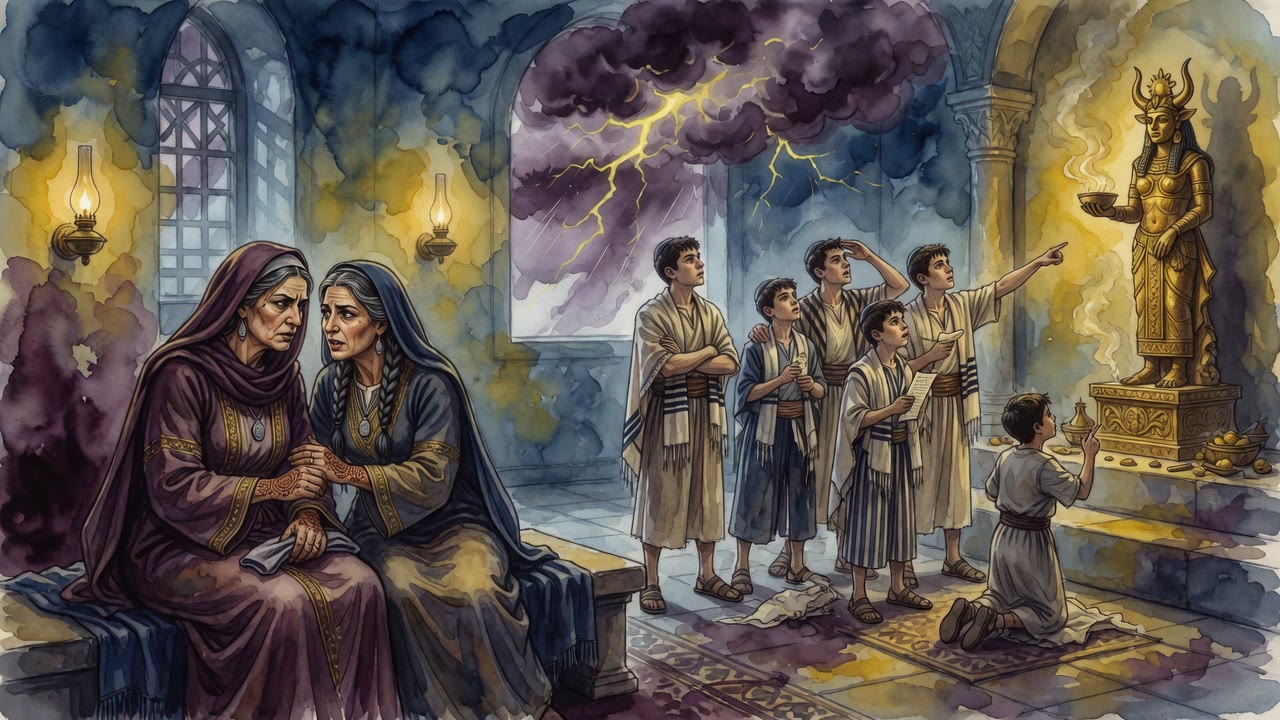
A tyrant killed seven sons one by one for refusing an idol. Their mother answered Abraham with seven altars before heaven replied.
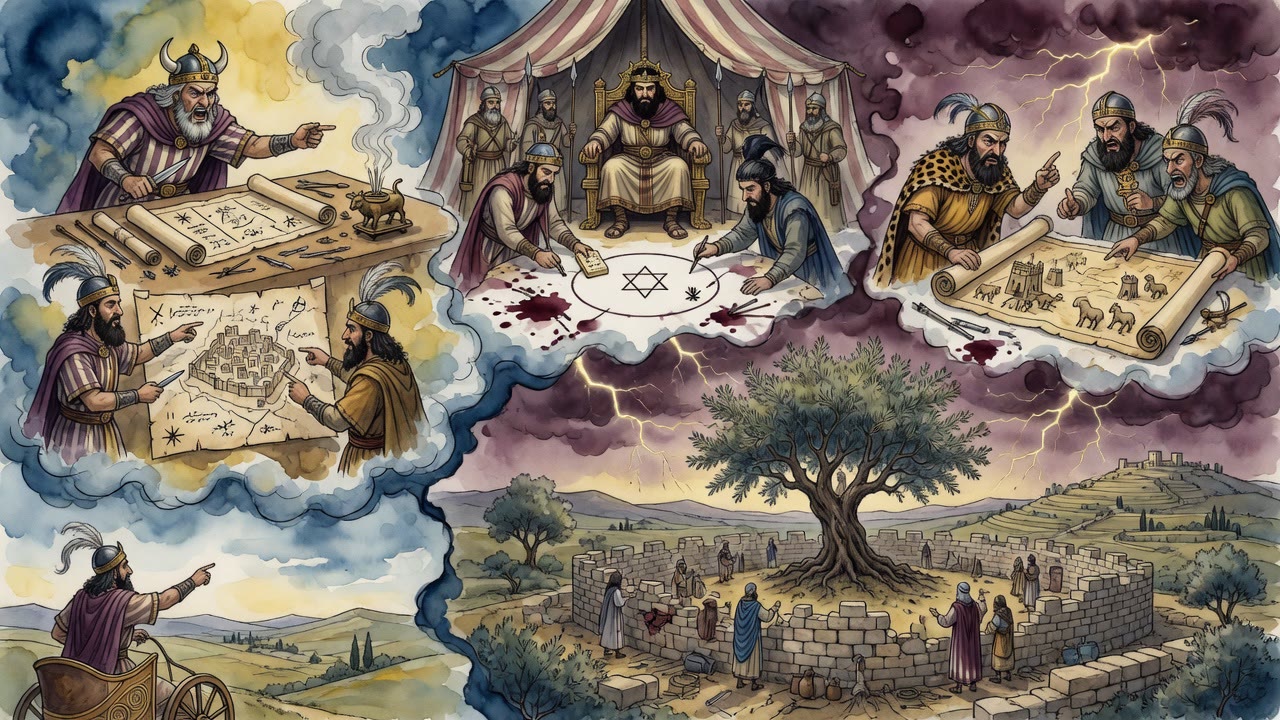
Esau, Pharaoh, and Haman each studied the failure before him and designed a sharper plan. Esther Rabbah lets every scheme collapse.
A rabbi enters a Roman prison to test a captive child with a verse, and what the boy answers changes the course of a life.
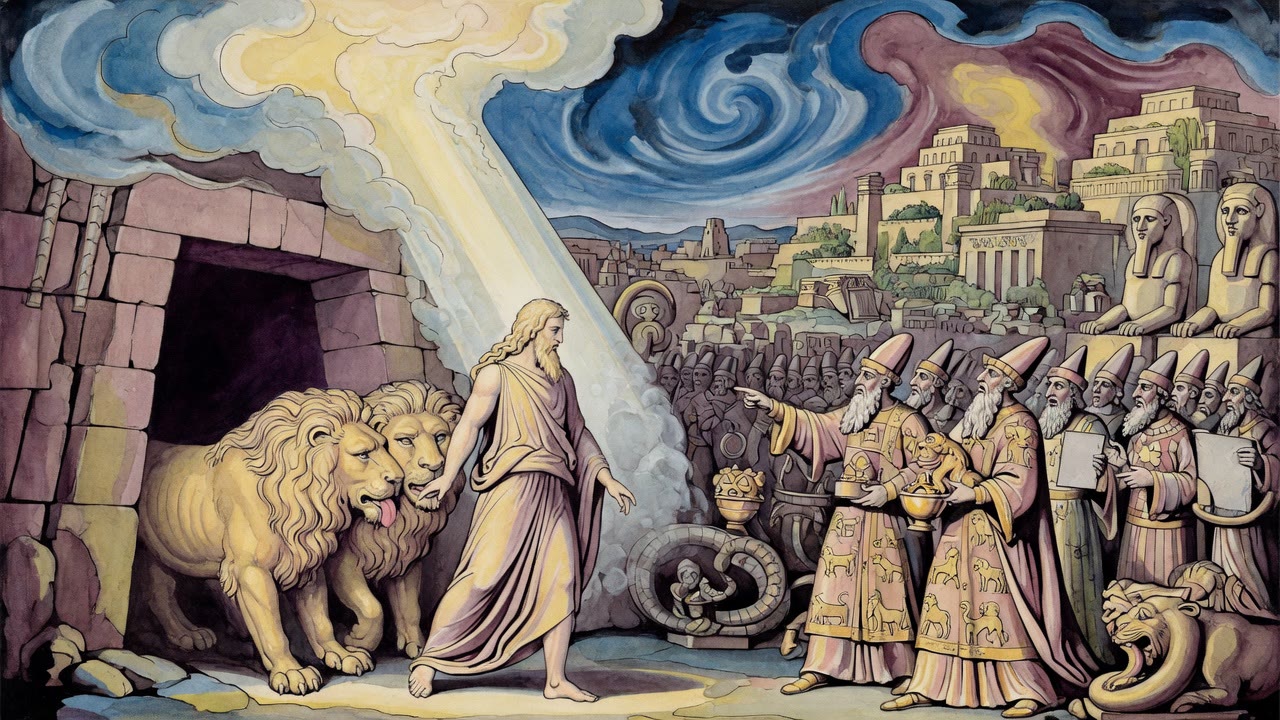
The lions licked Daniel's hands like dogs. Outside the pit, priests and princes still wanted a charge that would stick.
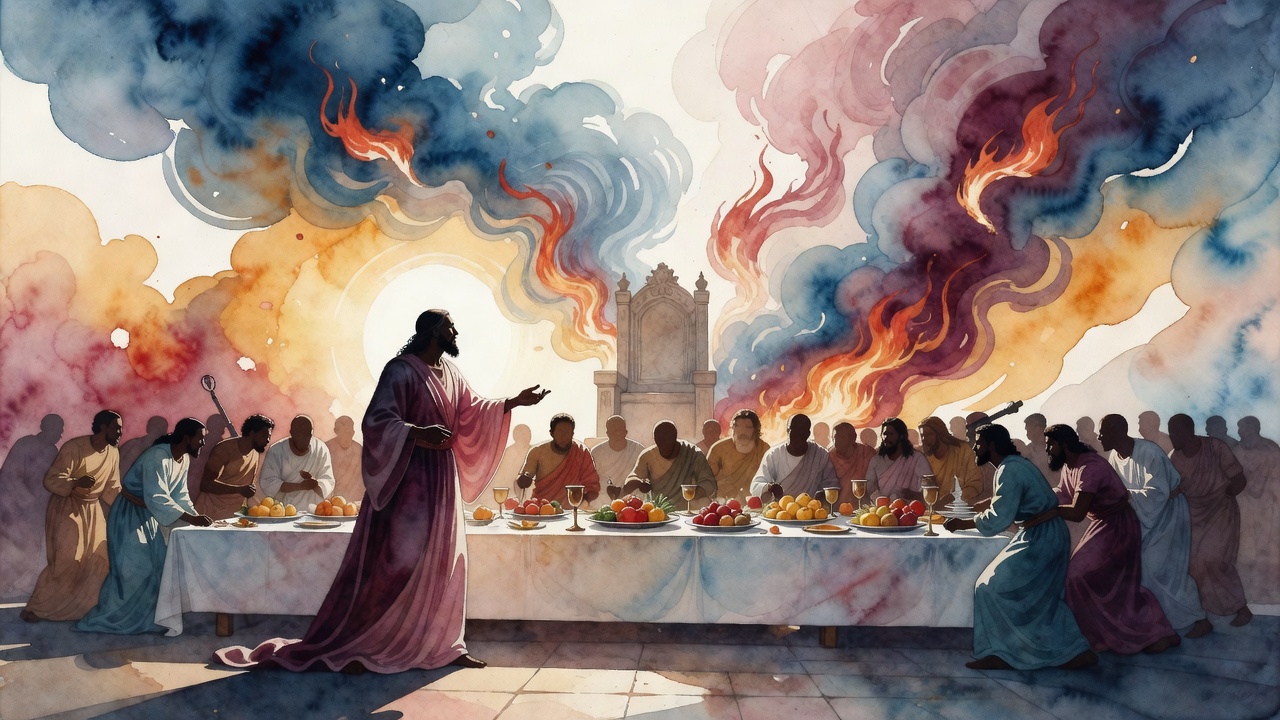
Haman used a royal banquet as a snare, hoping Israel's appetite would make God angry enough to leave the people exposed before the king.
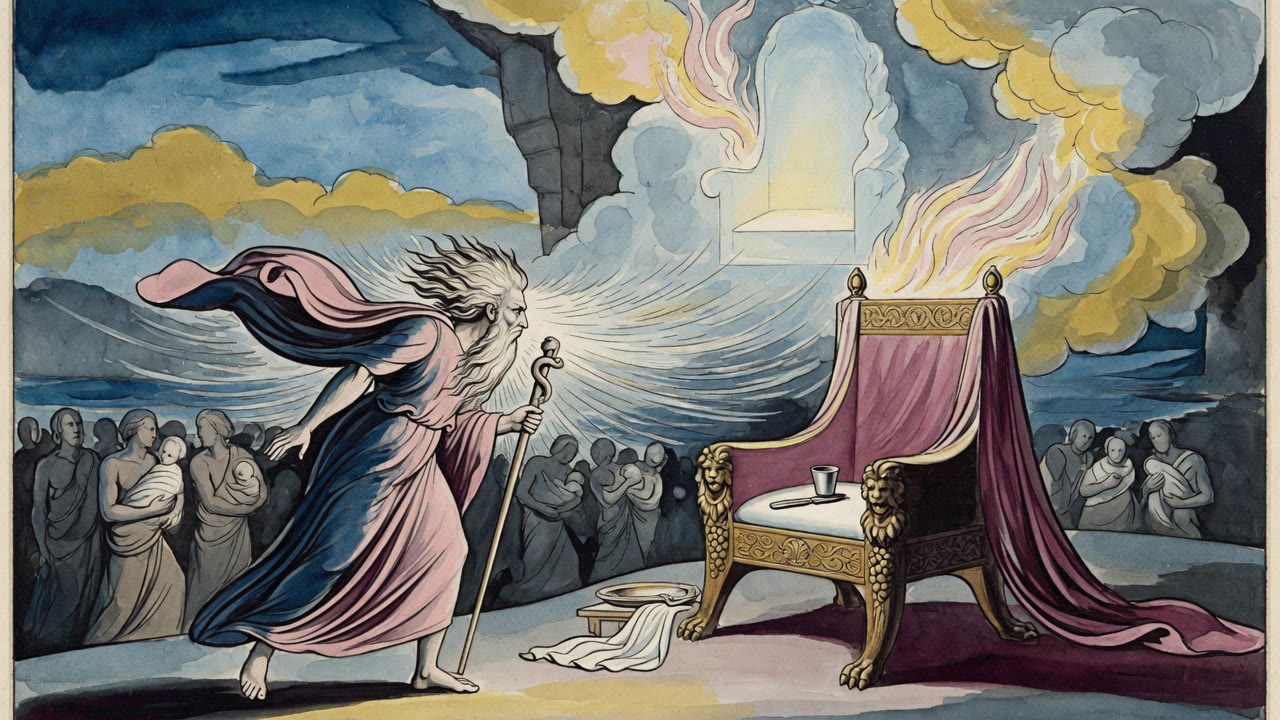
Jezebel's threat drove Elijah into the wilderness, where an angel fed him and God answered his zeal by sending him back.
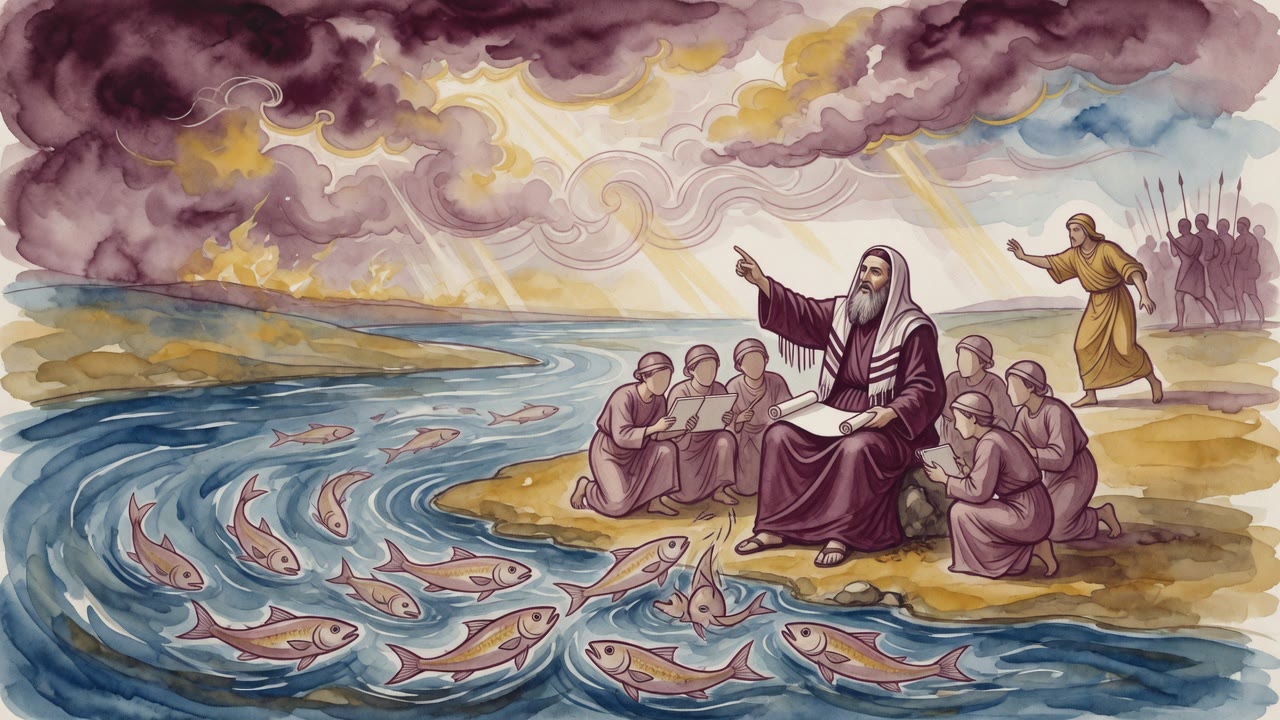
Pappos found him teaching in the street after the ban. The fox's offer sounded kind. The fish knew dry land was a faster death.
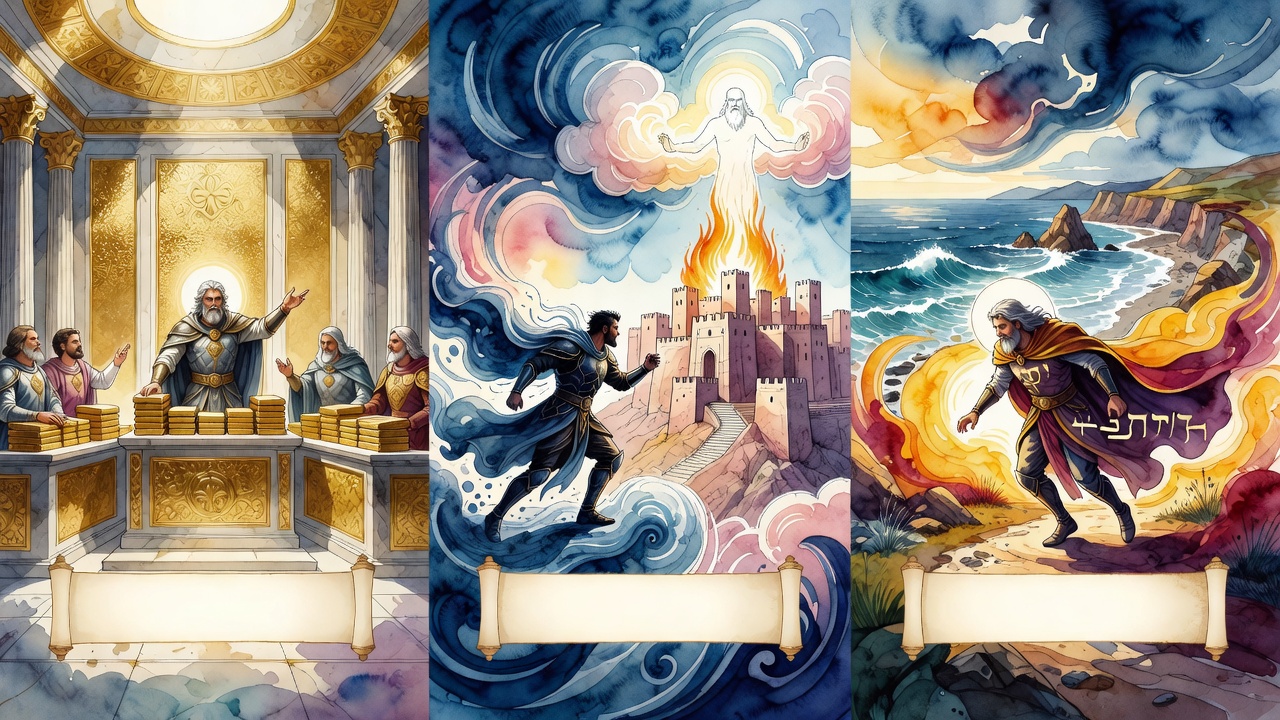
He let the silence stretch before he spoke. Gold at every collar. A people in Jerusalem who would not sacrifice to his gods.
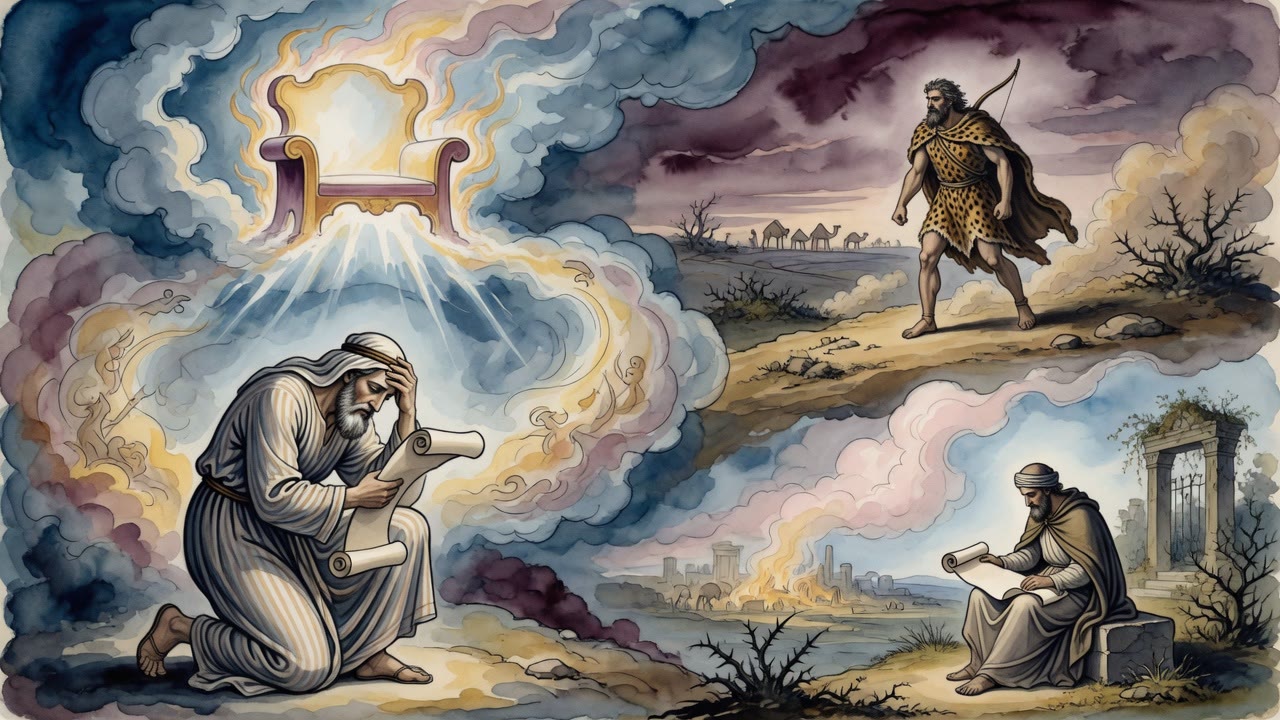
A trap meant to burn Maimonides alive closes on his accuser, he turns into a lion to break cruel decrees, and Ibn Ezra comes hunting his equal.
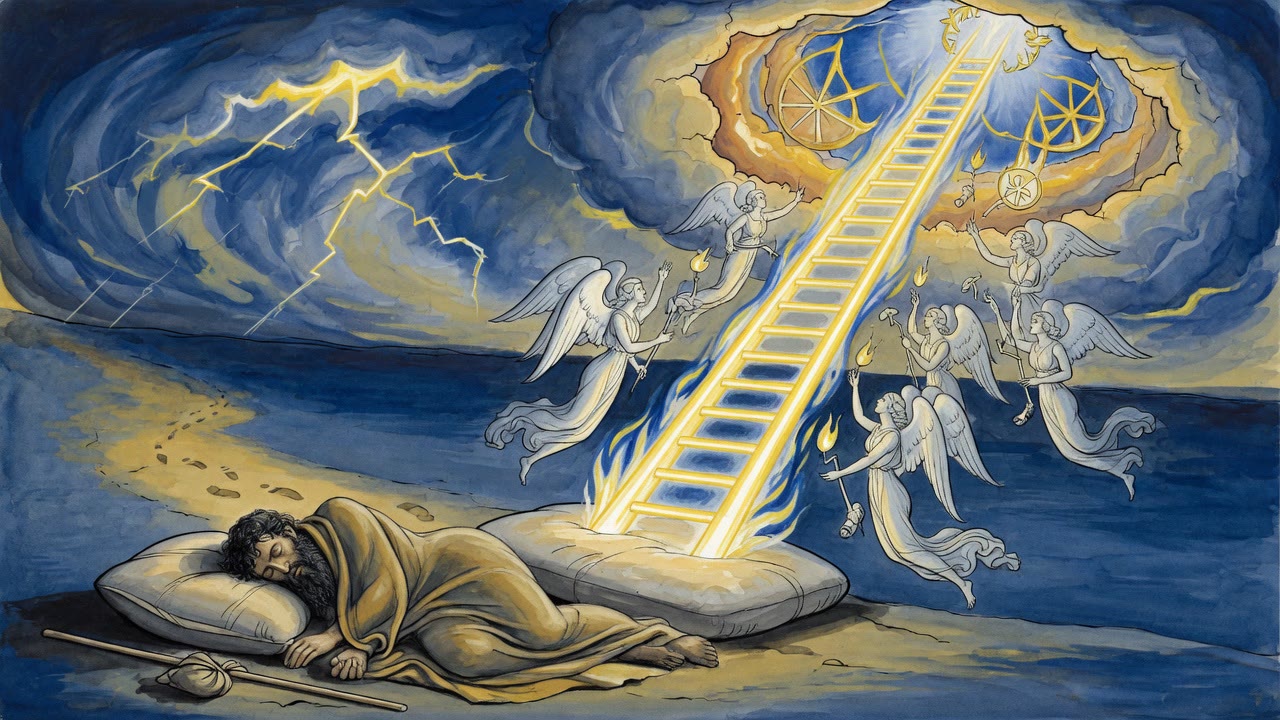
Because I circumcised my son, the first one said. The next was going to the fire for reading Torah aloud. A third had eaten matzah.
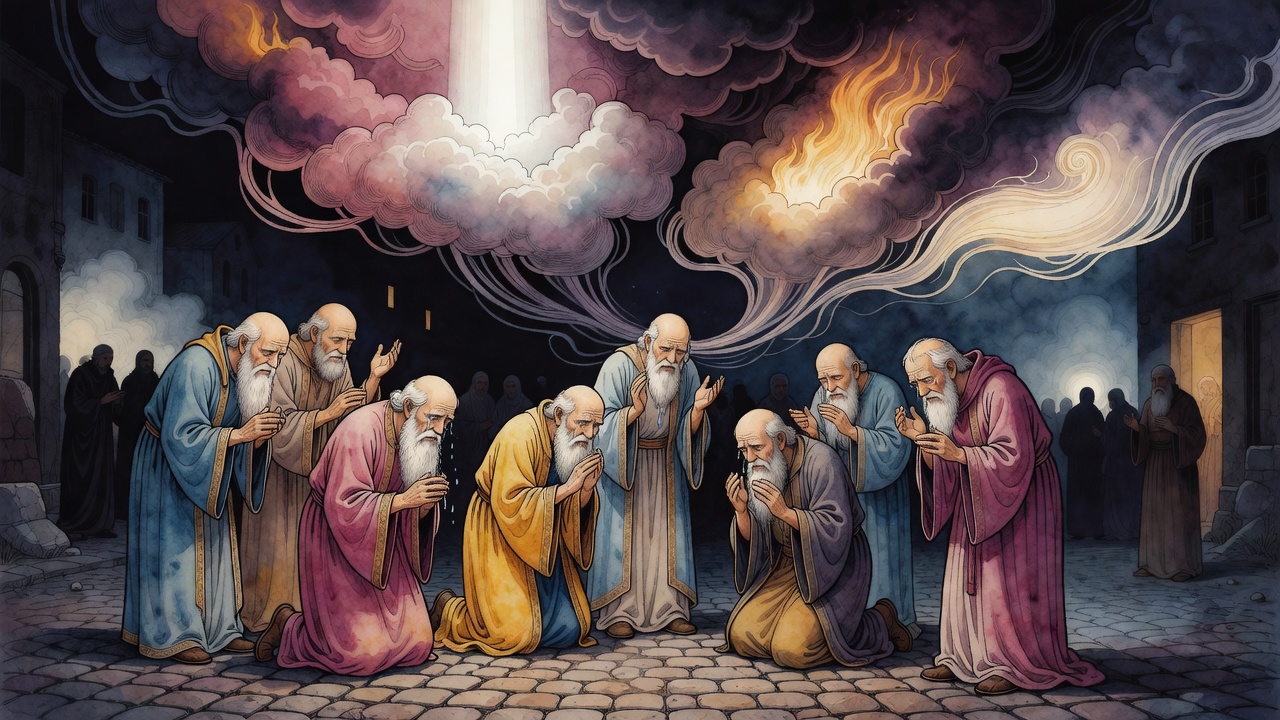
The king had banned Torah, circumcision, and Sabbath. Judah ben Shamua asked a matron who hosted the city's great men. Cry at night, she said.
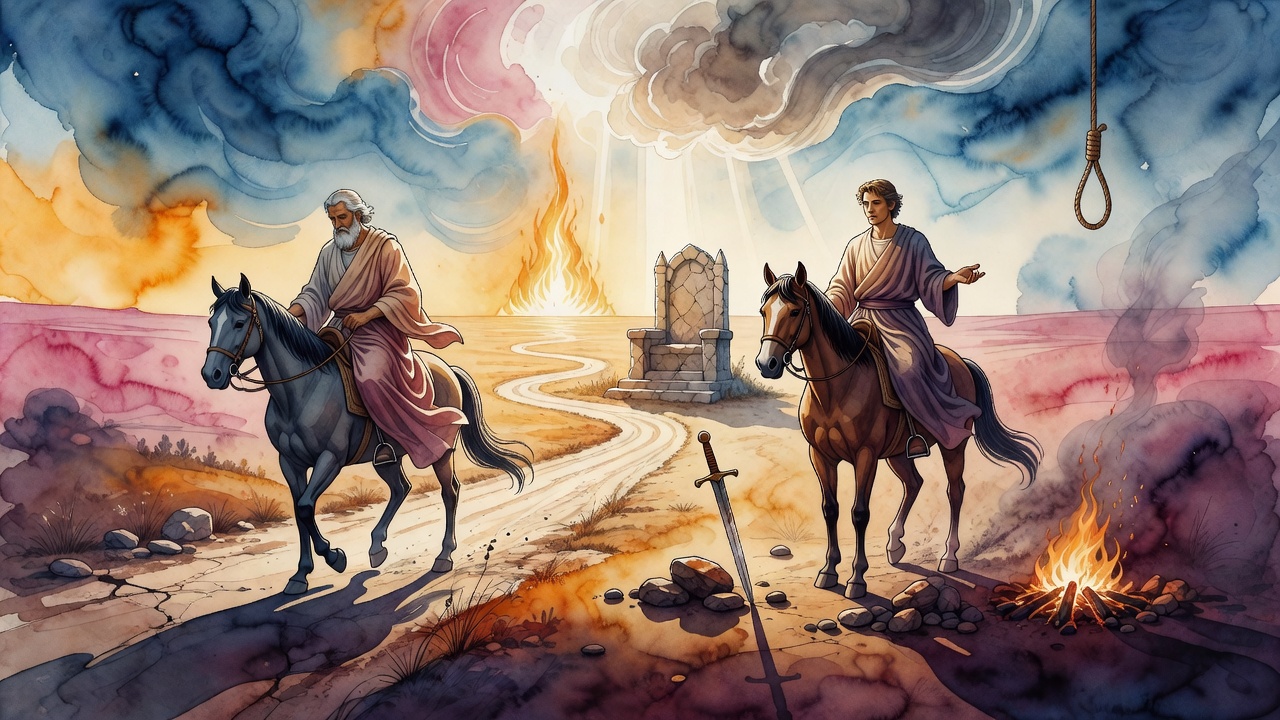
A nephew rides to mock his uncle on the road to execution, hears two calm sentences, and steps down into four deaths of atonement.
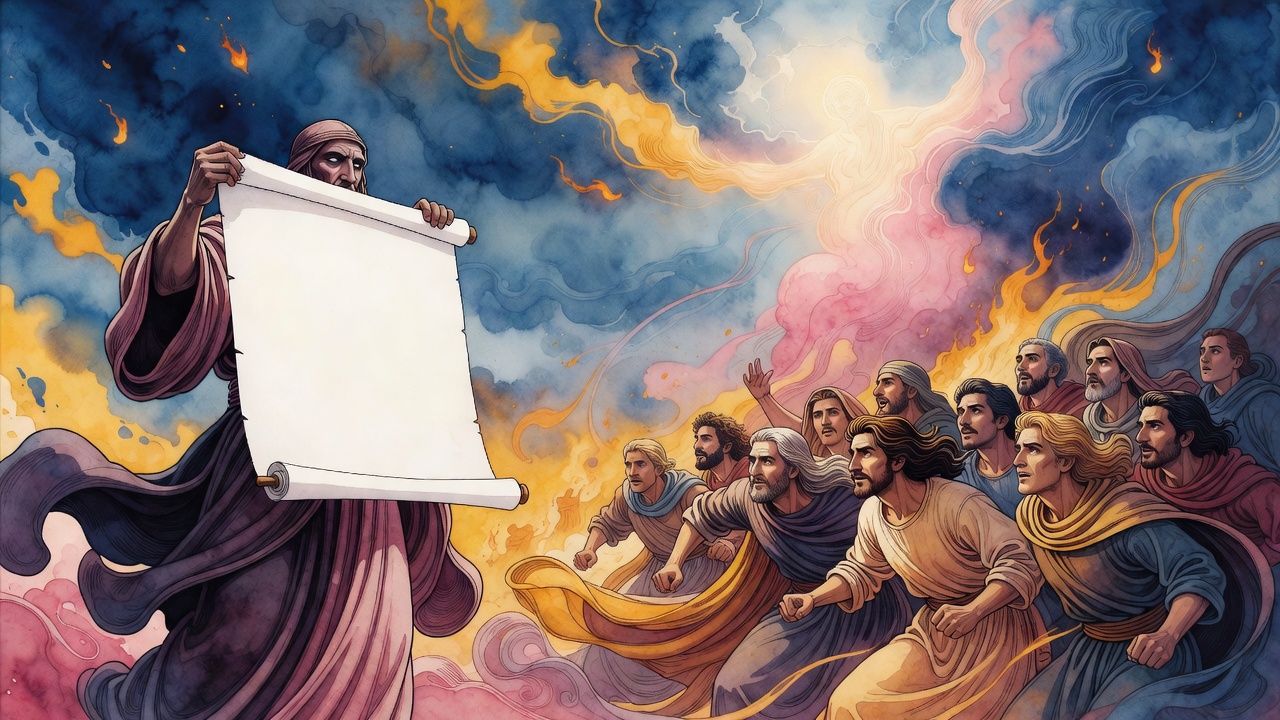
Clerks nailed copies to every wall. Be ready, the edict said. In the markets no one knew if the day was for killing or for dying.
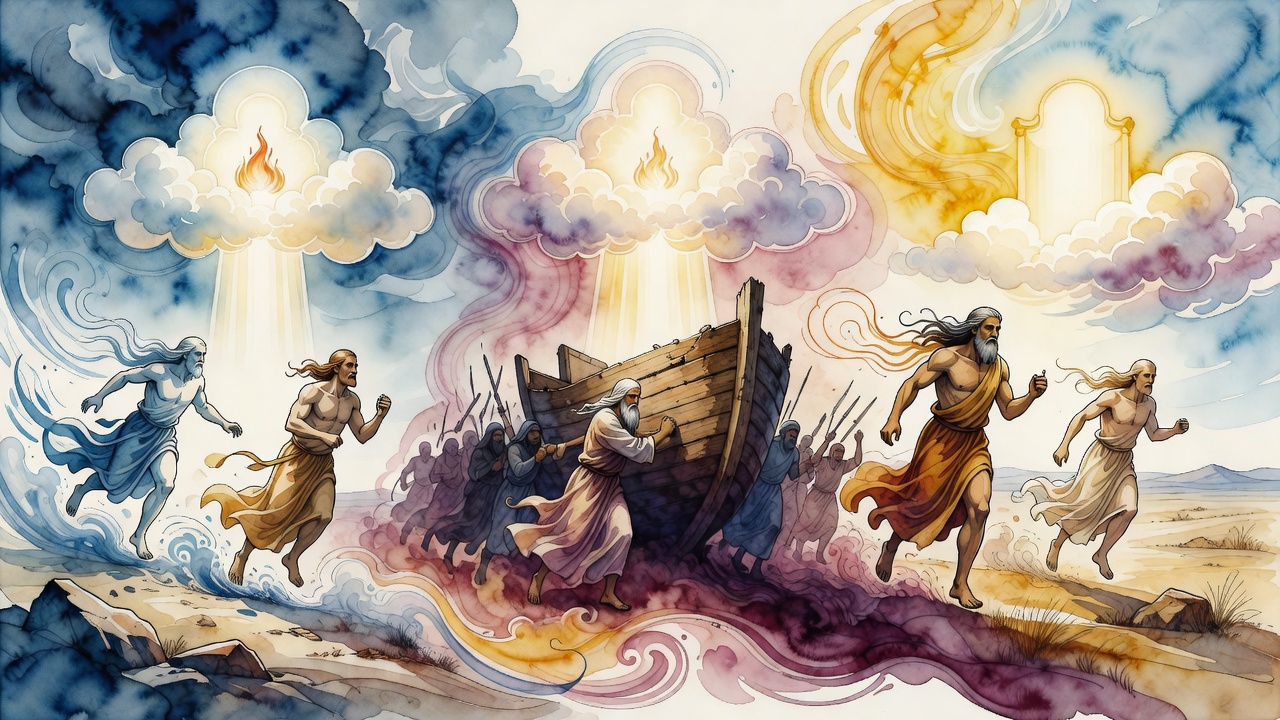
Cain hunts Abel, a generation hunts Noah, Nimrod hunts Abraham. In each chase God turns toward the one being driven, never toward the driver.
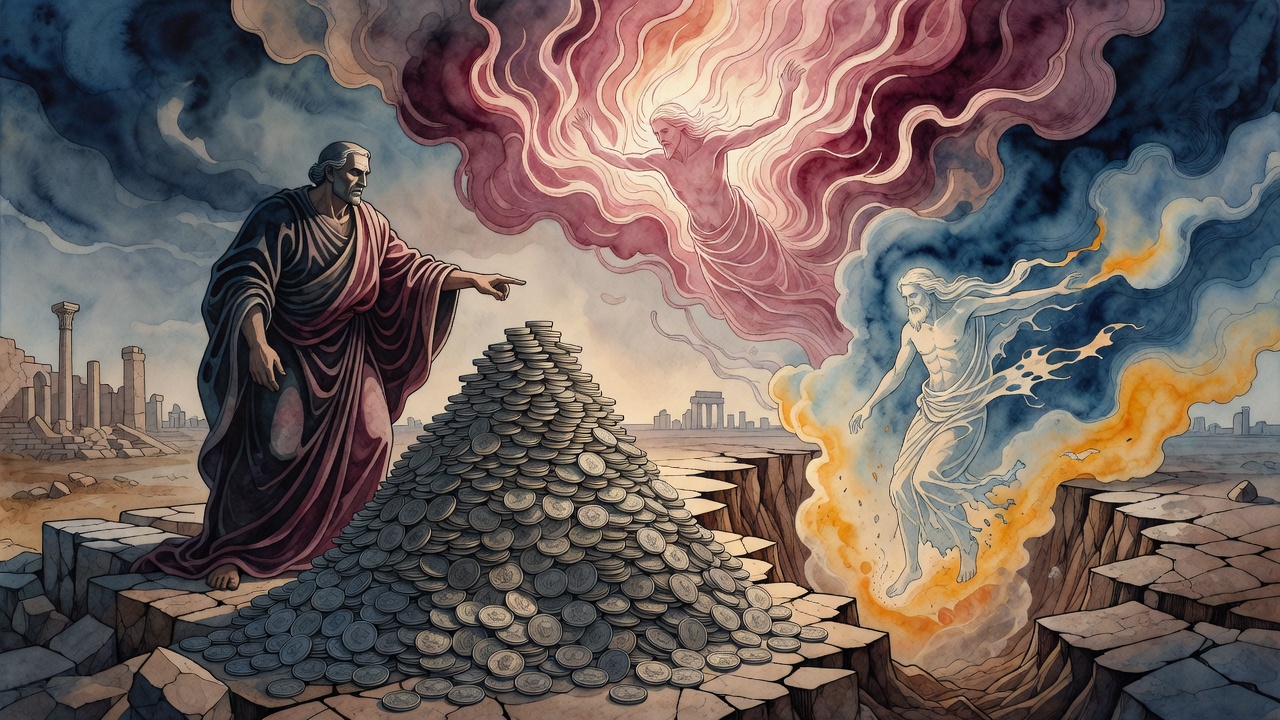
The beadle woke with Abraham still speaking. At the court gate the coins were waiting, every one dated to the year meant to kill them.
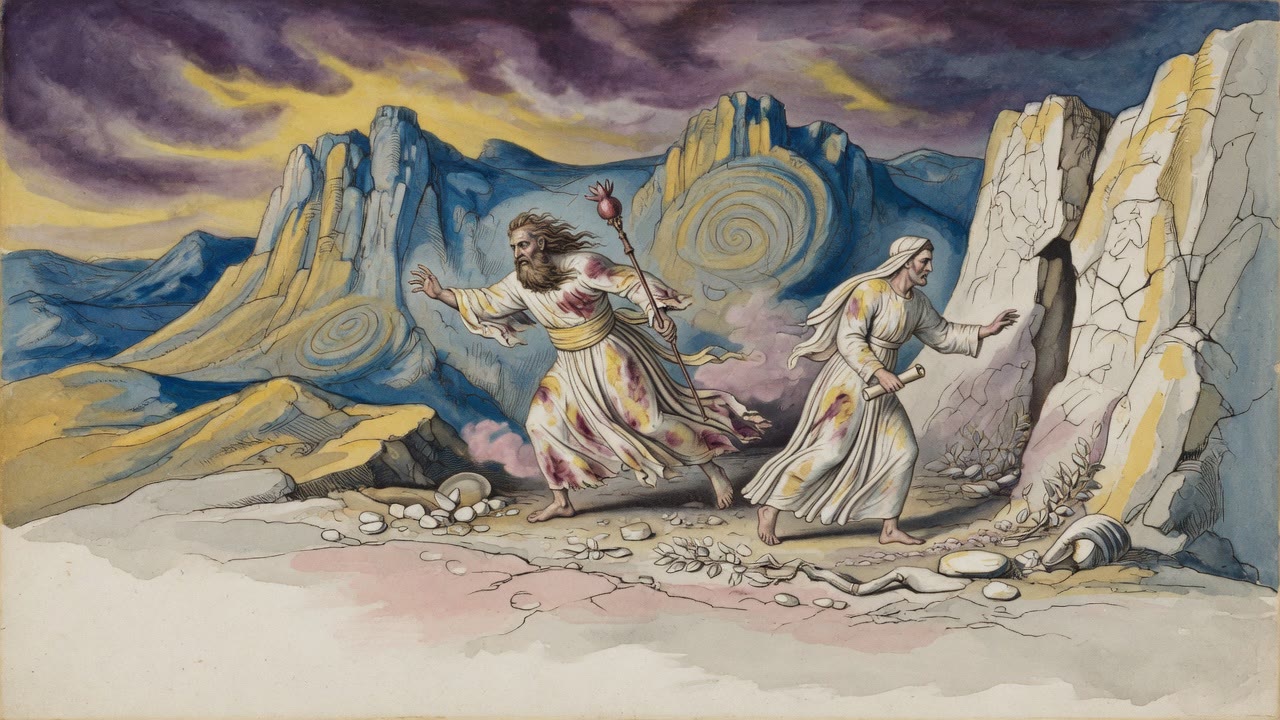
Driven into exile by the Dead Sea, the Teacher of Righteousness held the key to Habakkuk. The high priest rode out on the fast day to break him.
