5 min read

Nehunya's Daughter Rose From the Cistern Alive

Nehunya dug public cisterns for travelers, his daughter fell into a pit, and Rabbi Hanina said peace until a ram and an old man brought her up.

Curated by Arthur · Told by Maggid ·
Table of Contents
  1. The Man Who Dug for Strangers
  2. Peace, Peace, and a Ram
  3. What a Finder Owes a Scroll
  4. Public Water, Private Child

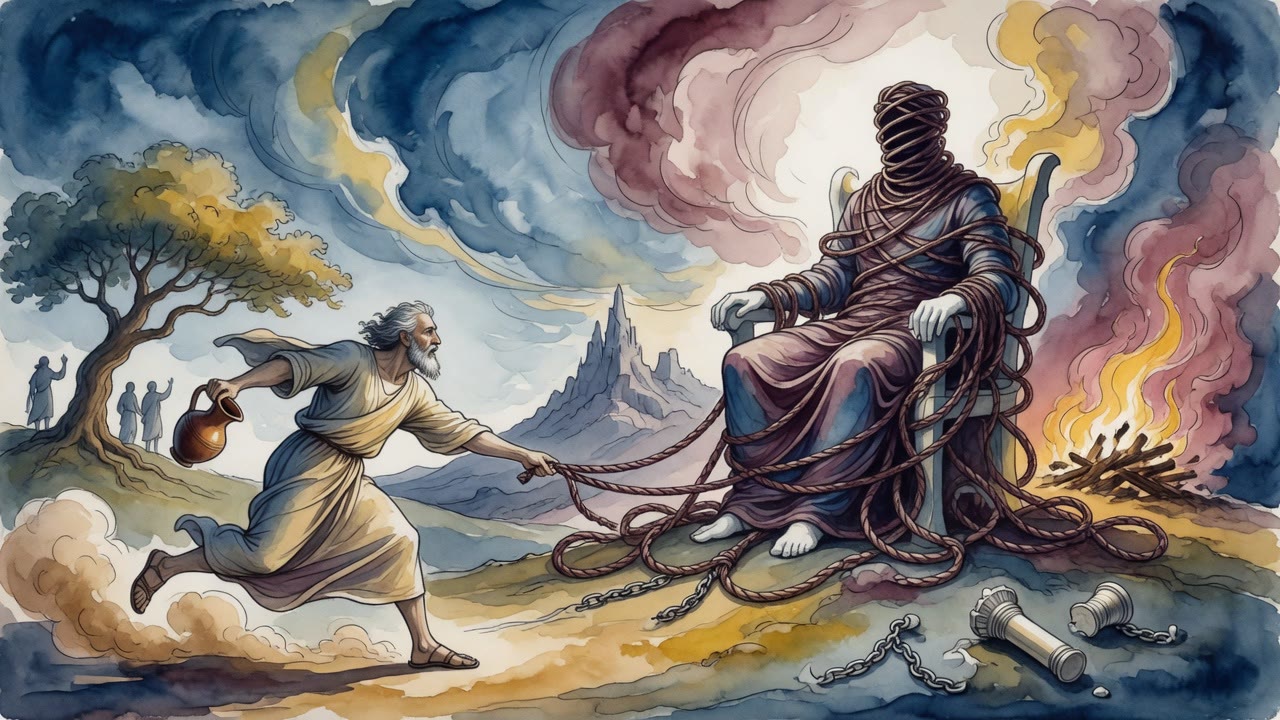
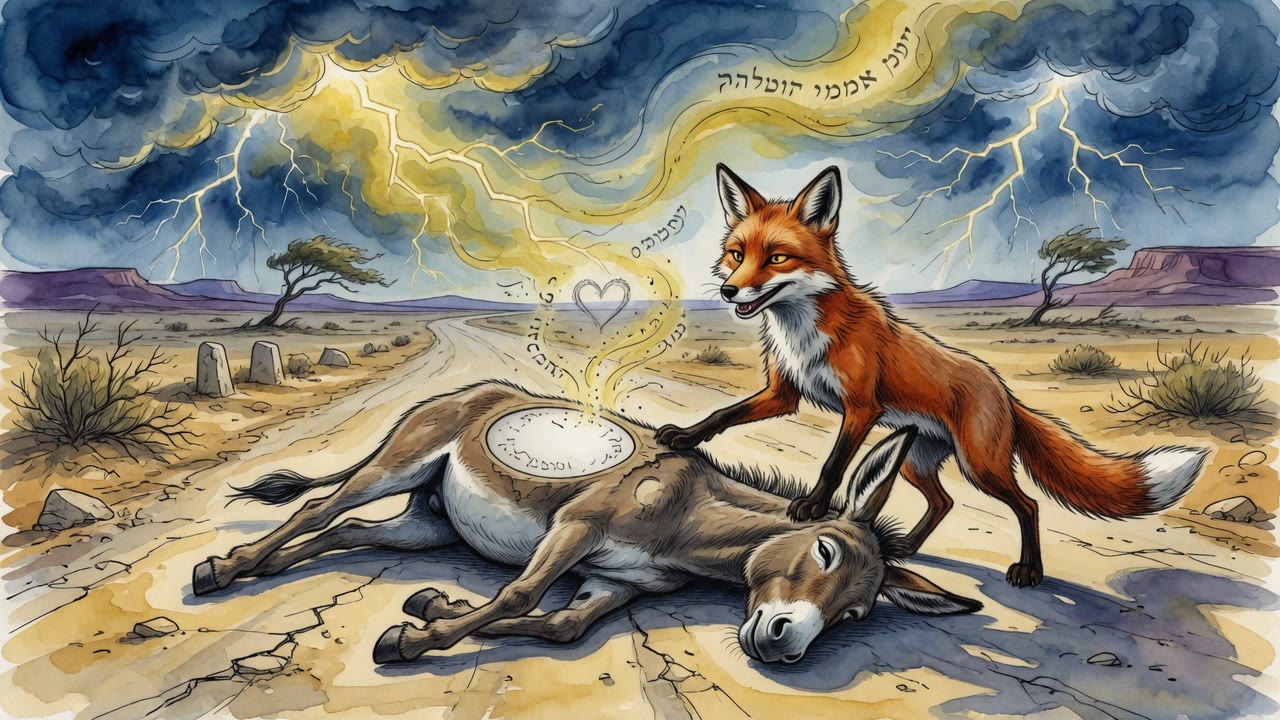
The girl fell with a sound that swallowed itself. Stone, then water, then the thin cry of someone who knows the sky has become a small circle far above. Messengers ran for Rabbi Hanina ben Dosa. Hour by hour he answered only, "Peace, peace," until the third hour, when he said, "She has come up."
Nehunya's Daughter Rose From the Cistern Alive Click for full size

The Man Who Dug for Strangers

Her father was Nehunya, digger of cisterns. He cut water into dry ground so travelers and pilgrims would not faint on the road. Rabbi Ishmael and Rabbi Akiva argued the fine points of pits and liability, where private ground ends and public danger begins. One clear line shone through the debate: dig, open, and hand the cistern to the public for everyone's use, and you are free of the blame that clings to a private trap. Hazard given in good faith to the community is no longer a private sin. That was Nehunya's craft for a lifetime.

Then his own daughter fell into a great pit. The tool of his righteousness became the mouth that almost ate his child. Fear has a way of turning a mitzvah (a commandment) into a question mark. Neighbors who had drunk from his water now whispered whether the digger had dug one well too many.

Peace, Peace, and a Ram

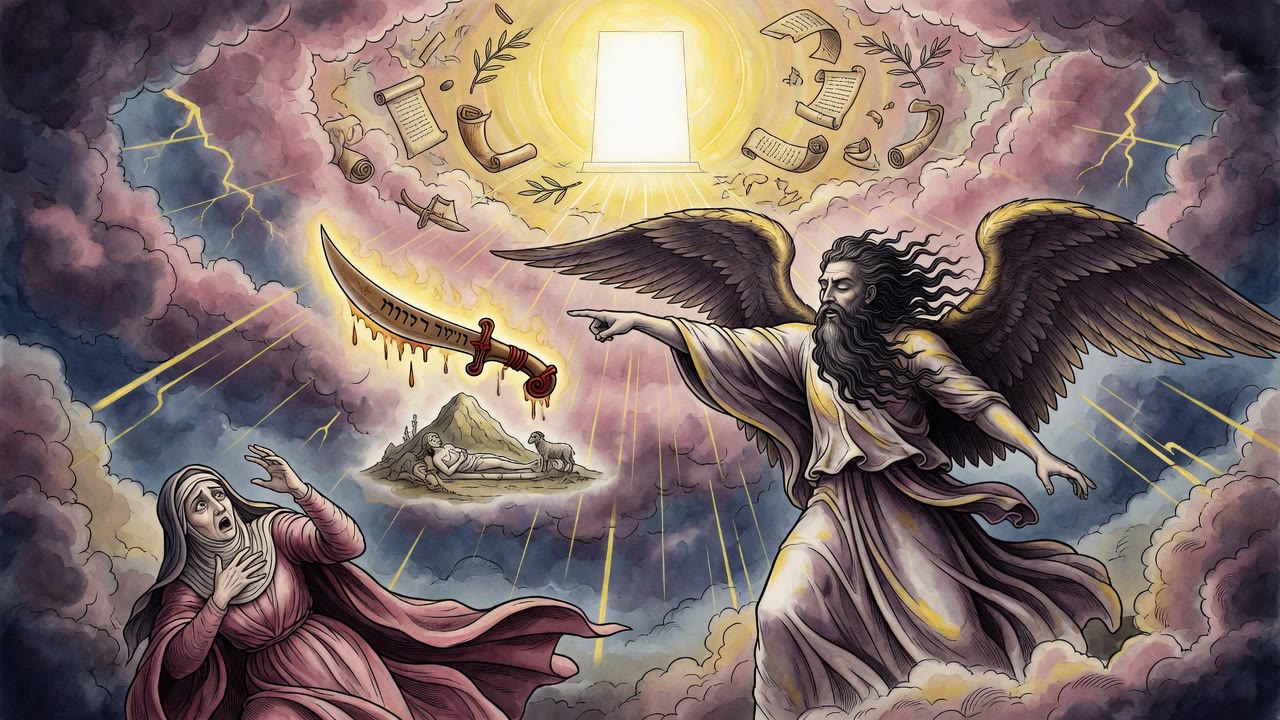
When she rose, she told of a ram that met her and an old man who led it. Was Hanina a prophet? "No prophet am I," he said. "But I reasoned that the very thing in which that righteous man toiled could not become the ruin of his children." Merit is not a charm worn on a string. It is a pattern heaven refuses to reverse without cause. The hands that opened water for strangers had a claim when water closed over his daughter.

The sages pair this mercy with a warning. A man who clears stones from his field onto the public road mocks the neighbor who objects. Later he sells the field, walks that road as a stranger, and stumbles on his own discarded stones. What you push onto others tends to find its way back under your feet. Nehunya pushed water toward the public and found rescue returning. The mocker pushed harm outward and found it waiting in his path like a signature he had forgotten he signed.

What a Finder Owes a Scroll

Another kind of public trust appears when a person finds what is not his. In Bava Metzia the rabbis map the duties of a finder with almost parental care. Discover a lost scroll in the road, and you may unroll it and read it only once every thirty days, enough to keep the parchment from stiffening into death. You may not teach from it, because teaching turns custody into ownership. You may not sit and read it with a partner, because two readers wear the letters faster than one. If you cannot read at all, you must still unroll it on schedule so the scroll stays alive while its true owner is sought.

A garment must be shaken and aired every thirty days so moths find no foothold, but never worn for display. Silver and copper vessels need occasional use so they do not tarnish, but not as ornaments for the house. Gold and glass: touch nothing. They do not need use to survive, and the risk of damage is too great. The finder is a custodian. Care is not the same as possession, and possession disguised as care is a quiet theft.

The scroll in your hands is not your Torah to teach. The cistern in the road is not your name to carve. Both are held in trust for people who have not yet arrived.

Public Water, Private Child

Nehunya's cisterns and the finder's scroll belong to one ethic. What serves the many must be guarded without being claimed. The digger does not put his title on every cup drawn from his well. The finder does not put his name on the scroll's colophon. Both men stand between ruin and the common good, and both discover that heaven watches the line between service and theft with a sharper eye than any market inspector.

When the girl climbed out, the pit was still a pit. The law of liability had not changed. What had changed was the story the community would tell about a father who spent his strength on strangers and received his daughter back on the strength of that same work. Public good is not a tax paid to an abstract city. It is a claim entered in a ledger that can open a grave of stone and water.

Carry a lost garment home and air it as if its owner were watching. Dig a well as if your child might one day fall into someone else's unfinished hole. The midrash answers both scenes with the same demand: handle what is not privately yours as if the next footstep on the road were holy.


← All myths

From the tradition

Sources

2 sources

The texts behind this telling. Some cards carry a translation of the source; others are our own retelling of it, and each card says which. Every card links out to the original.

Yalkut Shimoni on Torah 341:17Yalkut Shimoni on Torah

Translation of the source text.Torat Emet (Yalkut Shimoni) · CC-BY-NC

Our Rabbis taught: one who digs a pit in a private domain and opens it onto the public domain is liable; this is the pit spoken of in the Torah, the words of Rabbi Ishmael. Rabbi Akiva says: one who renounced ownership of his ground but did not renounce ownership of his pit - this is the pit spoken of in the Torah. Rabbah said: regarding a pit in the public domain, all agree he is liable, as it is written "if a man opens" and "if a man digs": if he is liable for opening, all the more so for digging - rather, liability comes to him through the act of opening and through the act of digging. They differ only about a pit in his own domain. Rabbi Akiva holds he is liable even for a pit in his own domain, as it is written "the owner of the pit shall make restitution" - the Merciful One speaks of a pit that has an owner. And Rabbi Ishmael holds "the owner of the pit shall make restitution" means the owner of the hazard, of whom the Merciful One spoke. Then what is "this is the pit spoken of in the Torah" that Rabbi Akiva said? This is the pit with which Scripture began the discussion of payment. And Rav Joseph said: regarding a pit in a private domain, all agree he is liable; what is the reason? "The owner of the pit" said the Merciful One, one who has an owner. They differ only about a pit in the public domain.

Our Rabbis taught: if he dug and opened and handed it over to the public, he is exempt. Such was the practice of Nehunya the digger of cisterns. And when the matter came before the Sages, they said: this man has fulfilled this law as well.

Our Rabbis taught: it happened that the daughter of Nehunya the digger of cisterns fell into a great pit. They came and informed Rabbi Hanina ben Dosa. In the first hour he said to them: "Peace." In the second he said to them: "Peace." In the third he said to them: "She has come up." He said to her: "My daughter, who brought you up?" She said to him: "A ram chanced to meet me, and an old man was leading it." They said to him: "Are you a prophet?" He said to them: "I am no prophet, nor the son of a prophet, but I said: shall the very thing in which that righteous man toiled bring a stumbling block to his offspring?" Rabbi Zeira said: even so, his son died of thirst, as it is said: "and around Him it storms mightily" (Psalms 50:3) - this teaches that the Holy One, blessed be He, is exacting with those around Him even to a hair's breadth.

Our Rabbis taught: a person should not clear stones from his own ground into the public domain. It happened that a certain man was clearing stones from his ground into the public domain. A certain pious man found him and said to him: "Empty one, why do you clear stones from a domain that is not yours into a domain that is yours?" He mocked him. In time that man had need and sold his field, and he was walking through that same public domain and stumbled over those very stones. He said: "Well did that pious man say to me, why do you clear stones from a domain that is not yours into a domain that is yours."

Our Rabbis taught: if one digs a pit nine handbreadths deep and another comes and completes it to ten, the last is liable. Rabbi says: the last is liable for death, and both are liable for injury. What is the Rabbis' reason? It is written "if he opens" and "if he digs": if he is liable for opening, all the more so for digging - rather, this comes to include a digger after a digger, who removed the first one's act. And Rabbi says to you: those verses are each needed as we said. Then what is the Rabbis' reason? Scripture said "if a man digs a pit" - one and not two. And Rabbi holds that verse is needed for "if a man digs a pit" - and not an ox that digs a pit. And the Rabbis hold "a man, a pit" is written twice. And Rabbi holds that since it wrote the one it wrote the other. And as for the Rabbis, from where do they know to hold the latter liable; perhaps it holds the first liable? It cannot enter your mind, for Scripture said "and the dead beast shall be his" - the Merciful One spoke of the one who caused the death. And this "and the dead beast shall be his" is needed for Rava's teaching, for Rava said: a disqualified consecrated ox that fell into a pit, he is exempt, as it is said "and the dead beast shall be his," one whose dead beast is his own, excluding this one whose dead beast is not his own. They said: do you not learn this on your own, since we are dealing with one who caused the death?

Full source
Talmud, Bava Metzia 29bHebraic Literature (1901)

Retold in our words. Read the original at the link below.Project Gutenberg eBook #14368, Hebraic Literature · PD-US-pre-1929

The Rabbis of Bava Metzia 29b worked out what a person owes to what he finds.

If you discover a lost scroll in the road, you have duties of preservation, not enjoyment. You may unroll it and read it. But only once every thirty days, enough to keep the parchment from stiffening into itself. You may not teach from it, because teaching draws the finder into proprietary use. You may not sit and read it in company, because two readers wear it faster than one. And if you cannot read at all, you must still unroll it periodically, so the scroll stays alive in your hands while its true owner is sought.

A garment is the same. Shake it out and spread it in the air every thirty days, so that moths find no foothold and the weave does not fuse. But do not wear it for display. The duty is to the cloth, not to your appearance.

Silver and copper vessels should be used occasionally, these metals tarnish when left idle. But not as ornaments for the house.

As for gold and glass: touch nothing. These do not need use to survive, and the risk of damage is too great. Leave them sealed until the rightful owner comes.

The finder is a custodian. The sages drew a careful line between care and ownership.

Full source