Abraham Ran for Strangers and the King Stayed Bound Among Israel
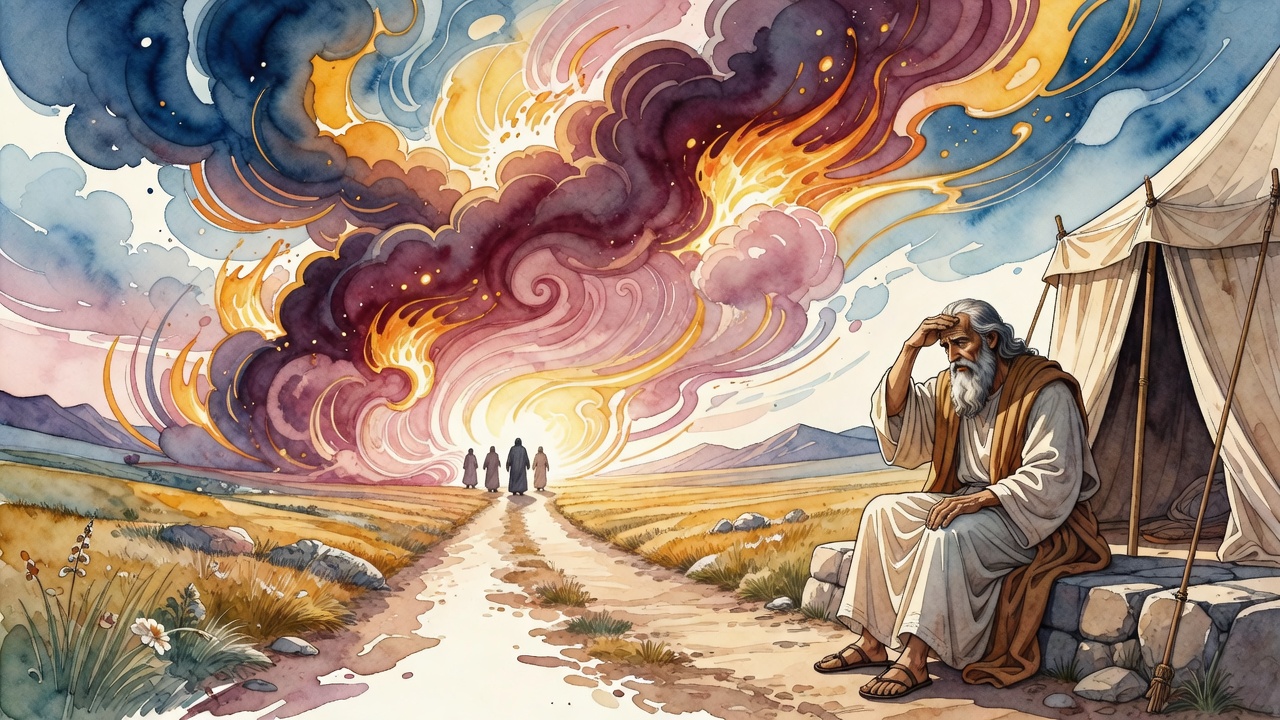
Heat sat on the tent. Abraham's cut was still new. He ran for water anyway, and the King chose to stay among his children.
Table of Contents
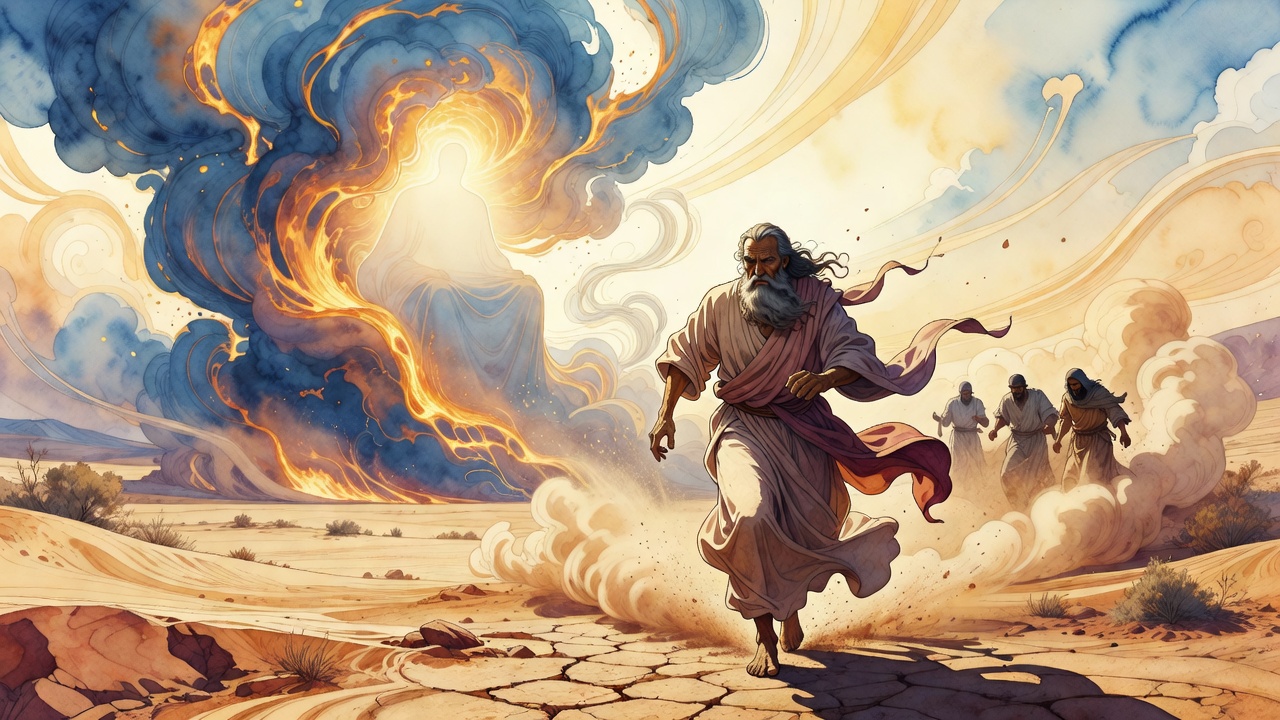
Three men stood in the heat of the day, and Abraham did not walk. He ran.
 Click for full size
The cut of the covenant was still new in his flesh. The sun sat on the tent like a weight. He went into the tent anyway, calling for water, for bread, for a calf from the herd (Genesis 18:6-7). Sarah moved. A servant moved. The old man who had every right to sit became a blur of welcome, and the strangers found shade before they found his name.
The King Bound in the Troughs
Long after that noon, a strange line hung in a love song. "A king is bound in the troughs." Bound? The Holy One said, as it were, I am bound among you. Held. Unwilling to leave.
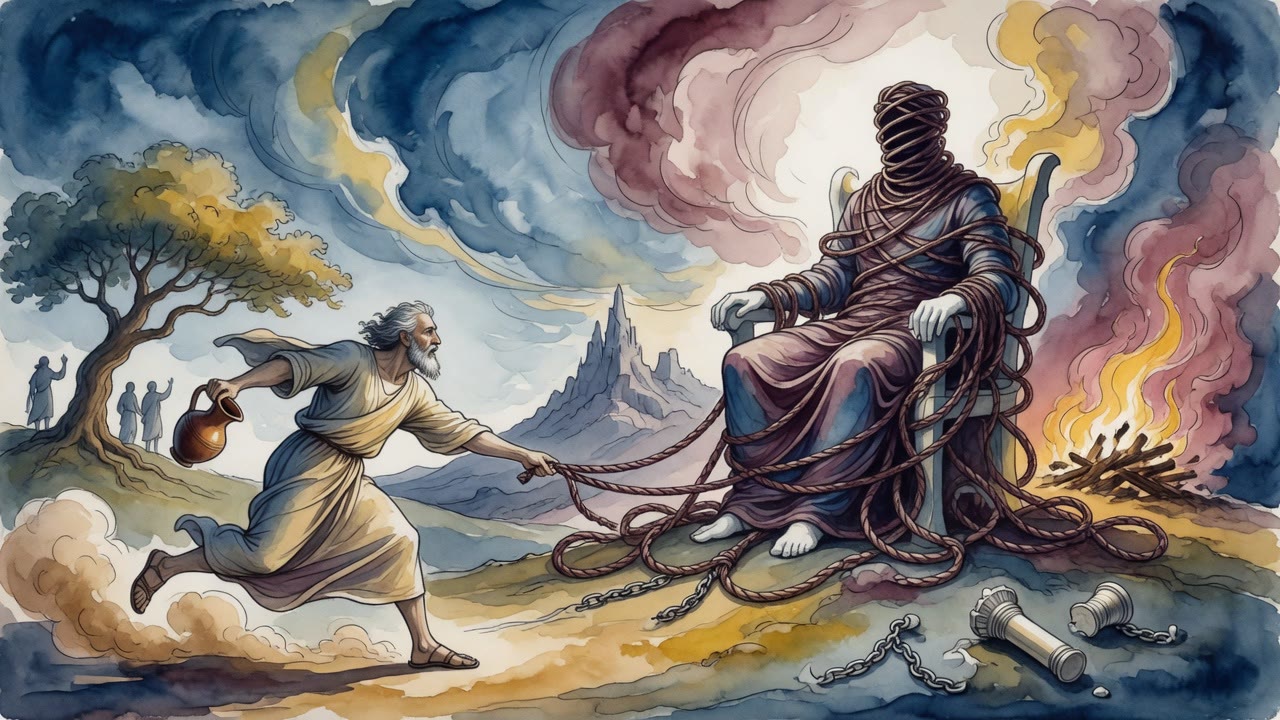
Bound by what? By the running. The Hebrew for troughs, rehatim (רהטים), breathes with racing feet. Rabbi Levi tied a second cord to Jacob, who set rods in the watering troughs under the open sky (Genesis 30:38). White peeled sticks in moving water. Flocks drinking. Two patriarchs. Two scenes of water and motion. The King stays among the lowly because someone once ran toward strangers instead of guarding his tent like a fortress.
The same teaching lifts the poor of Israel into royal comparison. The Holy One declares that the humble ones among the people are as precious as Daniel, whom kings robed in purple. The bond is not bought with empire. It is bought with haste to serve.
A Debt of Bran and Barley
Against that weight the prophets set the lightness of idolatry. Israel walked after vanity and became vain (Jeremiah 2:5).
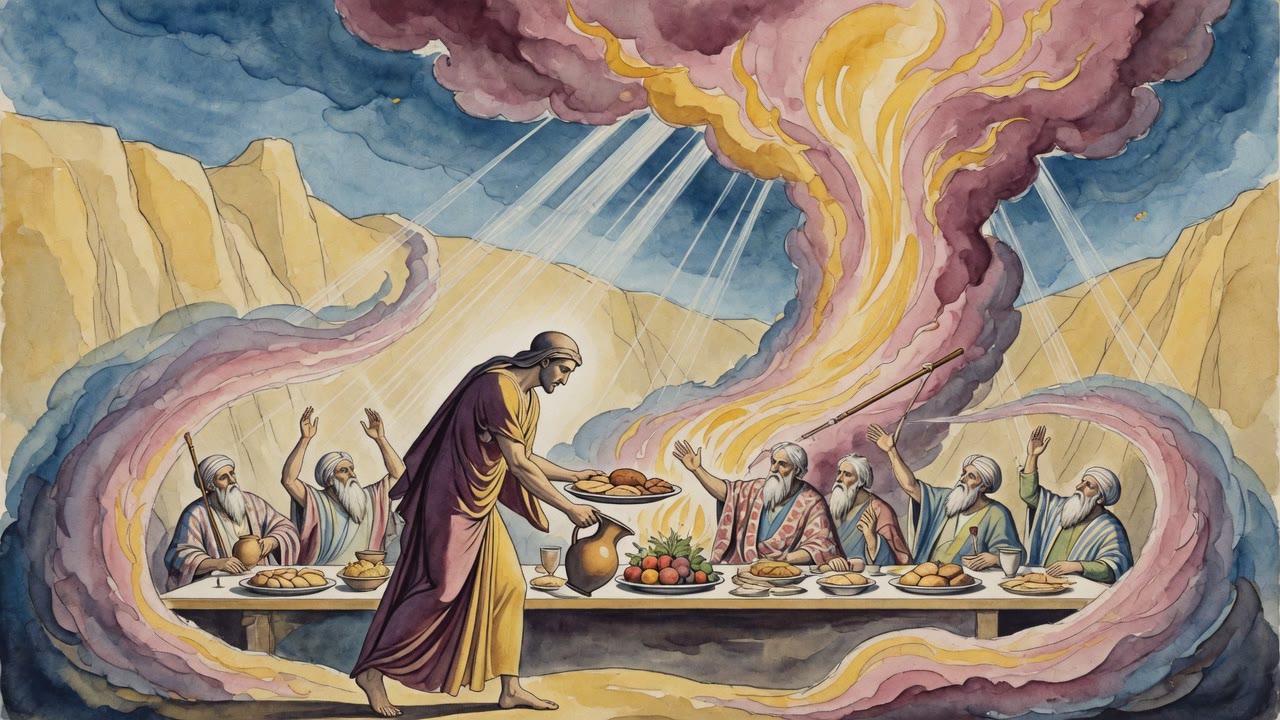
Rabbi Yitzhak told of a goldsmith's son who received a promissory note and went white. He pictured a crushing debt of a hundred gold pieces, two hundred. His hands shook on the paper. The creditor laughed him calm. "Do not be afraid. The whole claim is a measure of bran and barley. Whatever that costs is the entire sum."
So God spoke about the foreign worship Israel chased. It seemed heavy. It was chaff. "Not like these is the portion of Jacob, for He is the One who formed all things" (Jeremiah 10:16). Idols weigh nothing. The inheritance weighs everything.
They Chose the King at the Mountain
A king entered a province with generals, rulers, and governors. Some of the residents picked a general for protection. Some picked a ruler. Some picked a governor. One clever person said, "I am choosing only the king. All of them can be replaced. The king cannot."
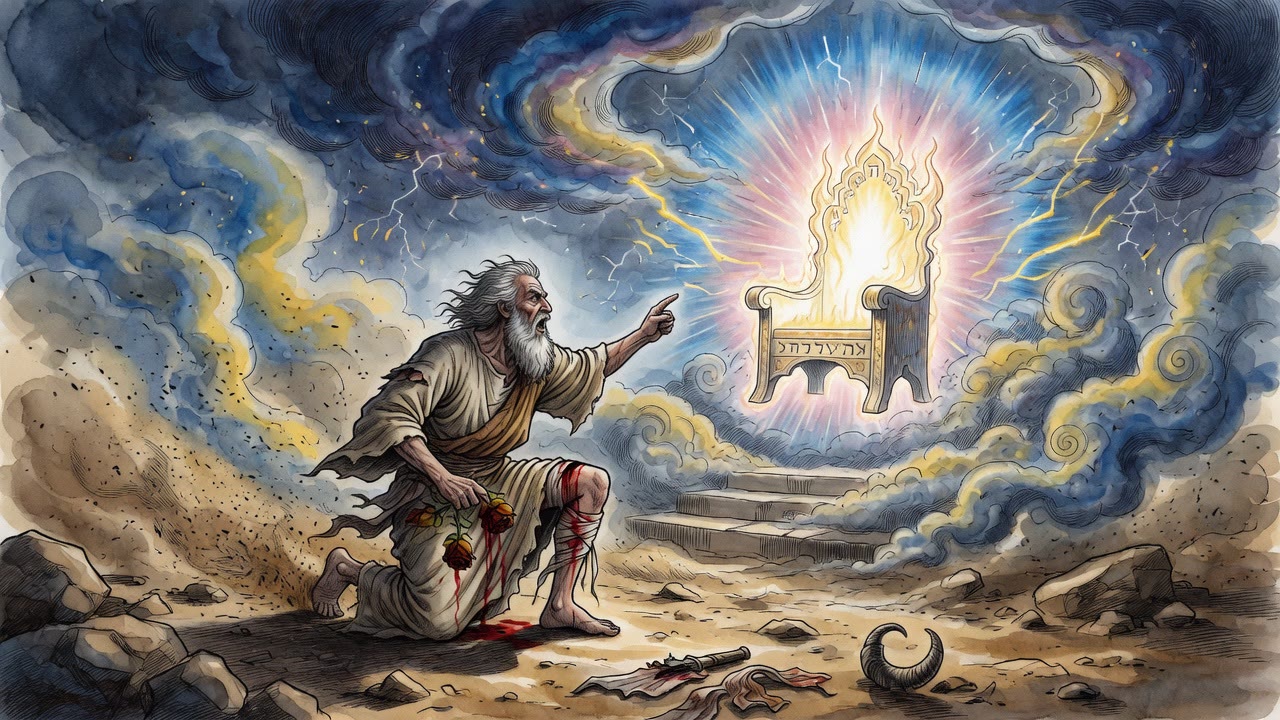
When the Holy One descended to Sinai, companies of angels came down with Him. Michael and his camp. Gabriel and his camp. Some of the nations selected Michael. Some selected Gabriel. Israel said, "The Lord is my portion" (Lamentations 3:24). "Hear, Israel, the Lord is our God, the Lord is one" (Deuteronomy 6:4).
Blessing does not rise from carved wood. It rises from the Source who spoke the world into bread and rain. When Israel courts statues, they are not trading one solid patron for another. They are leaving a living King already bound among them by ancestral running, in order to bow to emptiness that cannot run toward a tent.
The Sound of Those Feet
Running is undignified. That is part of its power. A patriarch who still had status chose the speed of a servant. Heaven never forgot the sound.
Later generations panic over the debt of foreign worship, and Rabbi Yitzhak's creditor still smiles. Bran and barley. The real account was fastened when an old man ran for water in the heat and made the Shechinah (שכינה), God's dwelling presence, a permanent guest-claim on his children's camp.
Heat pressed the tent. Pain from the recent cut still lived in Abraham's body. None of that became an excuse. Guests appeared. Feet moved. "A king is bound in the troughs" sounds like captivity until the affection inside it is heard. Bound the way a remembered kindness becomes architecture. Jacob's rods in the rehatim add a second memory of water-work. Patriarchs who handle troughs and strangers leave Heaven with fewer exit routes.
Idols wait to be dusted. They cannot run toward a household in the heat. The living King is bound among Israel because someone once treated hospitality as an emergency, and the dust of those feet is still the chain.
← All myths