Noah Found Mercy After Cain Faced the Door
Sin crouches at Cain's door before the flood begins. Noah's name promises comfort. God waits 120 years. Then the ark rises on mercy and descends into sacrifice.
Table of Contents
 Click for full size
Cain Was Warned Before the Field
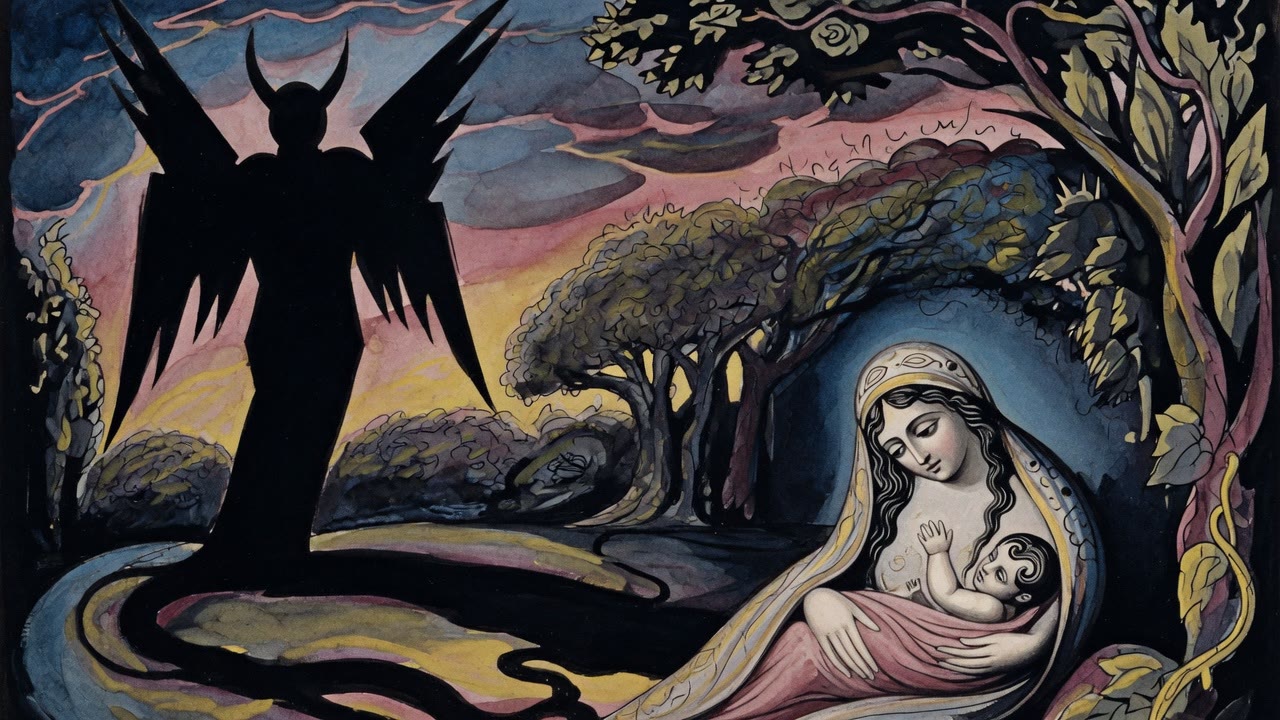
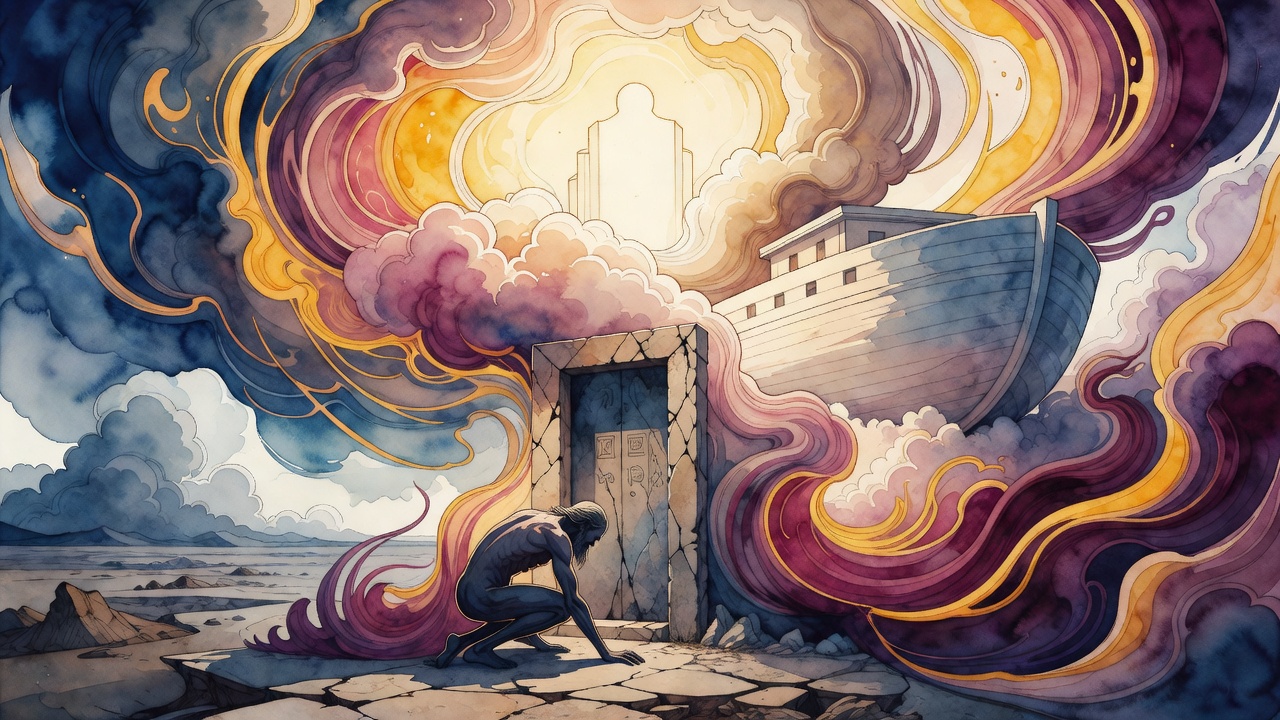
God looked at Cain's face and saw the anger burning there. Not after the murder. Before. While Abel was still alive, while the offering had just been rejected, while Cain's hands were still empty. God asked: why are you angry? Why has your face fallen? If you do well, you will be lifted. If you do not do well, sin crouches at the entrance.
The image Bereshit Rabbah returns to is that door. Sin is not an invader. It is a presence already at the threshold, familiar, watching the body's heat and waiting for the moment of decision. Cain does not need to go looking for it. It has found him first. And then the terrible word: you can rule over it. He is not a victim. He has been told the door is there, and he has been told he has the power to hold it.
He does not hold it. The first murder happens in a field, and the midrash does not rush past it. It slows down the moment before the blood falls because that moment is the whole story. Everything in moral history begins at a door before it begins in a field.
Noah's Name Was Already Comfort
Lamech named his son and said: this one will comfort us from our labor and from the toil of our hands. The name Noah contains the word for rest, for settling, for breath released. The world had been laboring since Adam was expelled from the garden. The ground was cursed. Work produced resistance. Into that exhaustion Lamech said: this child will give us something we have not had.
Bereshit Rabbah hears the name as prophetic, though not in the way Lamech imagined. Noah does not remove the labor of the curse. He does something different: he teaches sacrifice. After the flood he builds an altar and God smells the sweet savor and something like relief enters the divine response. The labor is not removed, but it is given a frame. There is now a way to stand before God with an offering, to mark the end of catastrophe with an act of return.
God Gave a Hundred and Twenty Years
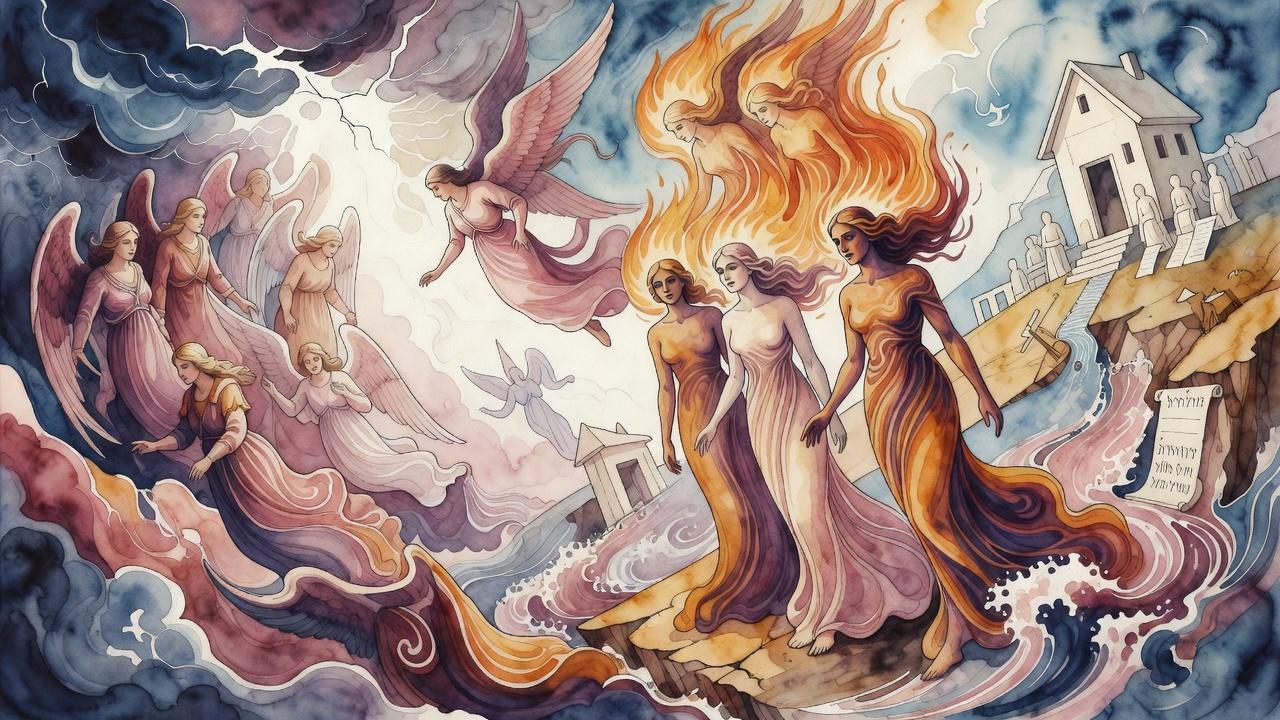
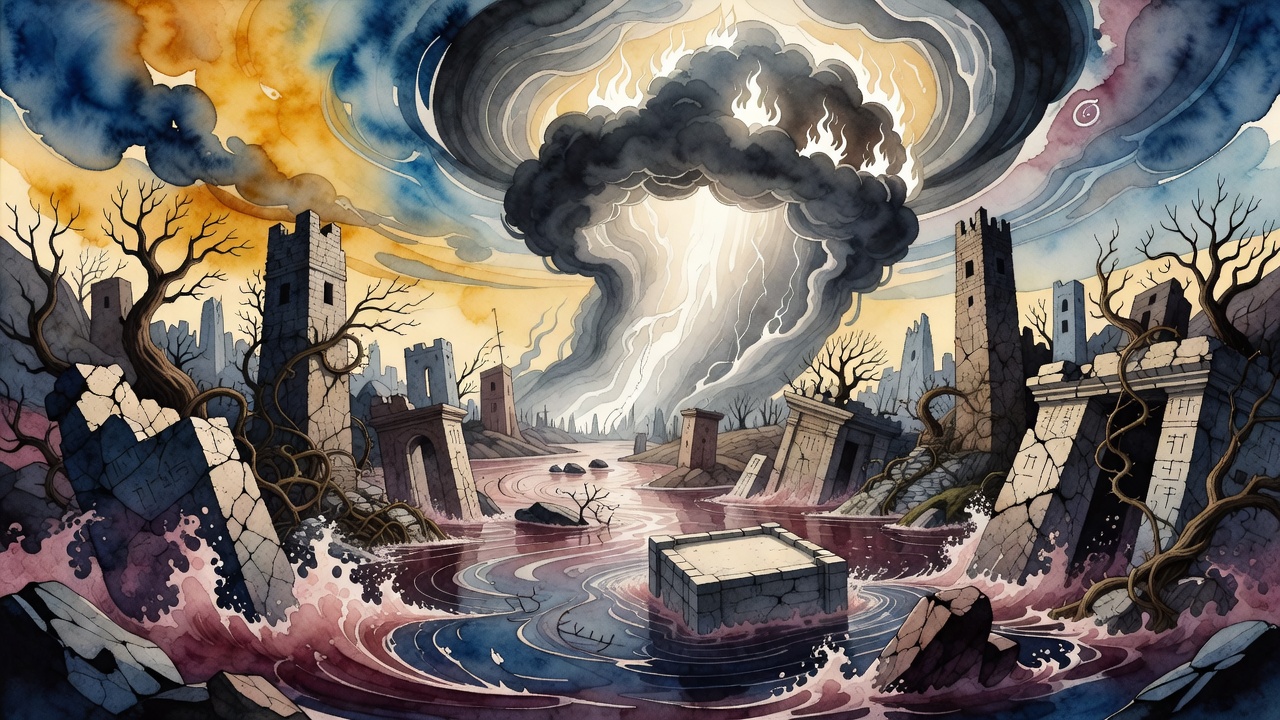
Before the flood came, God waited. One hundred and twenty years of warning. Noah built the ark slowly, and the slow building was not construction delay. It was mercy on display. Every plank driven into place was another day the generation had to look at what was being built and ask themselves what it meant.
They did not ask. They watched Noah work and continued their own violence and corruption that had filled the earth. God had decided on the flood but had not sent it. The decision and the execution were separated by a century of warning. That separation was not weakness. It was the patience of a Creator who would rather be refused than be unable to say He gave them time.
Mercy Followed the Animals Onto the Ark
The ark held more than a family. It held every creature that moved on the earth. Bereshit Rabbah reads this as evidence of a care that extends beyond the righteous man and his household. God's mercy is not human-shaped. It reaches to creatures with no covenant, no law, no ability to repent or pray. They are saved because they are alive, because creation itself is worth preserving, because God made them and does not abandon what He made without extraordinary cause.
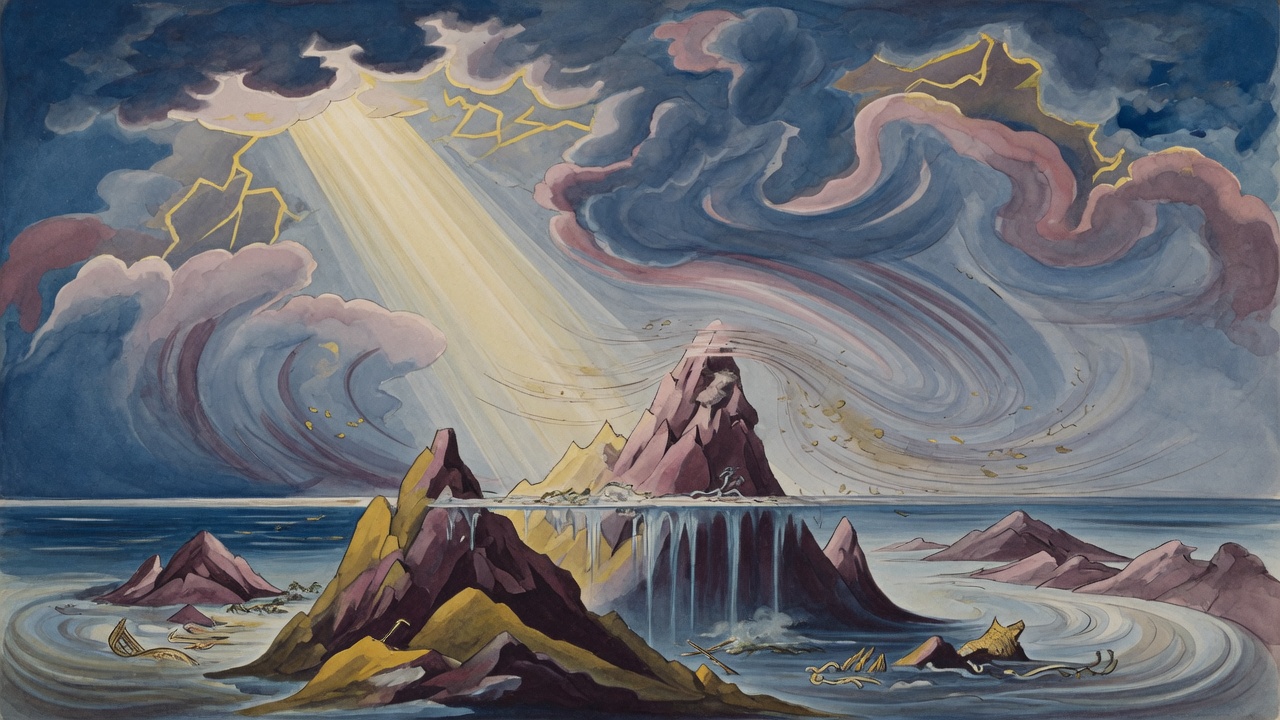
When the waters receded and Noah opened the ark, every creature that emerged was a statement: the world is worth keeping.
The Sacrifice Was Prepared Before It Was Needed
Noah took from every clean animal and every clean bird and offered burnt offerings on the altar. Why had God told him to take seven pairs of clean animals rather than just one pair? Bereshit Rabbah says the extra pairs were for sacrifice. Noah knew before he boarded that he would need animals to offer when he disembarked. God prepared the surplus before the need arrived.
That is the divine calculus the midrash tracks through Noah's story: provision before necessity, patience before punishment, comfort built into the very name of the one who would survive.
The Binding Came After the Name Was Already Known
Much later, when Abraham was on the mountain with Isaac, God revealed Himself gradually, not as a stranger but as the God who had been walking with this family since Ur. Bereshit Rabbah reads the Akeidah through the Noah lens: God provides the sacrifice before it is needed. The ram was already behind the thicket while Abraham was still raising the knife.
Laban's kingdom rises and falls as another reminder. The world's empires build themselves on what they can accumulate. Laban counted his flocks and changed his arrangements when the counting went against him. Jacob, who had nothing but the promise and the stone pillow at Beth-el, ended up with more than Laban could hold. The one who carries what cannot be counted is richer than the one who counts what he has.
← All myths