5 min read

Rabbi Ishmael Asked for Songs to See the Throne

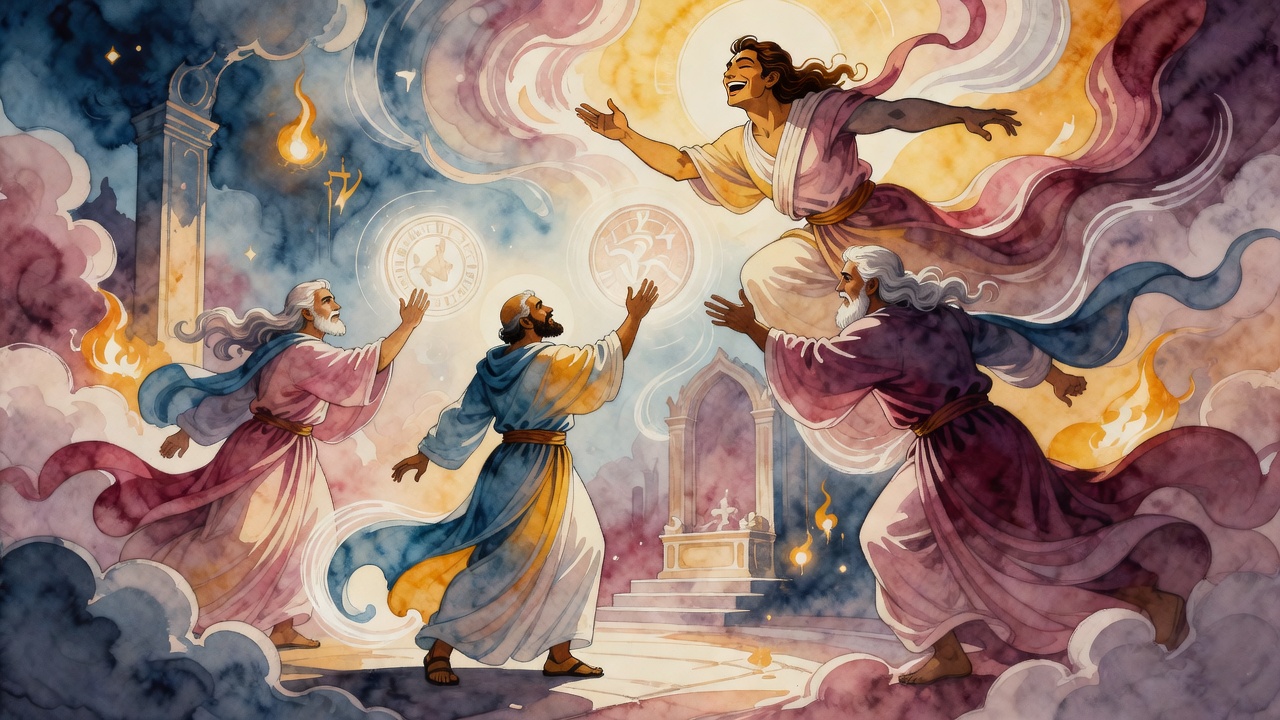
Before the chariot, Ishmael sought the hymns that open palaces, cascading praise to Totrosi'ai until secrets bowed.

Curated by Arthur · Told by Maggid ·
Table of Contents
  1. What Songs Open the Gate
  2. A Ladder of Praise
  3. Blessed Be the Lord of Hidden Things
  4. Heights That Demand Peace Both Ways
  5. When the Choir Outruns Fear
Rabbi Ishmael Asked for Songs to See the Throne Click for full size

What Songs Open the Gate

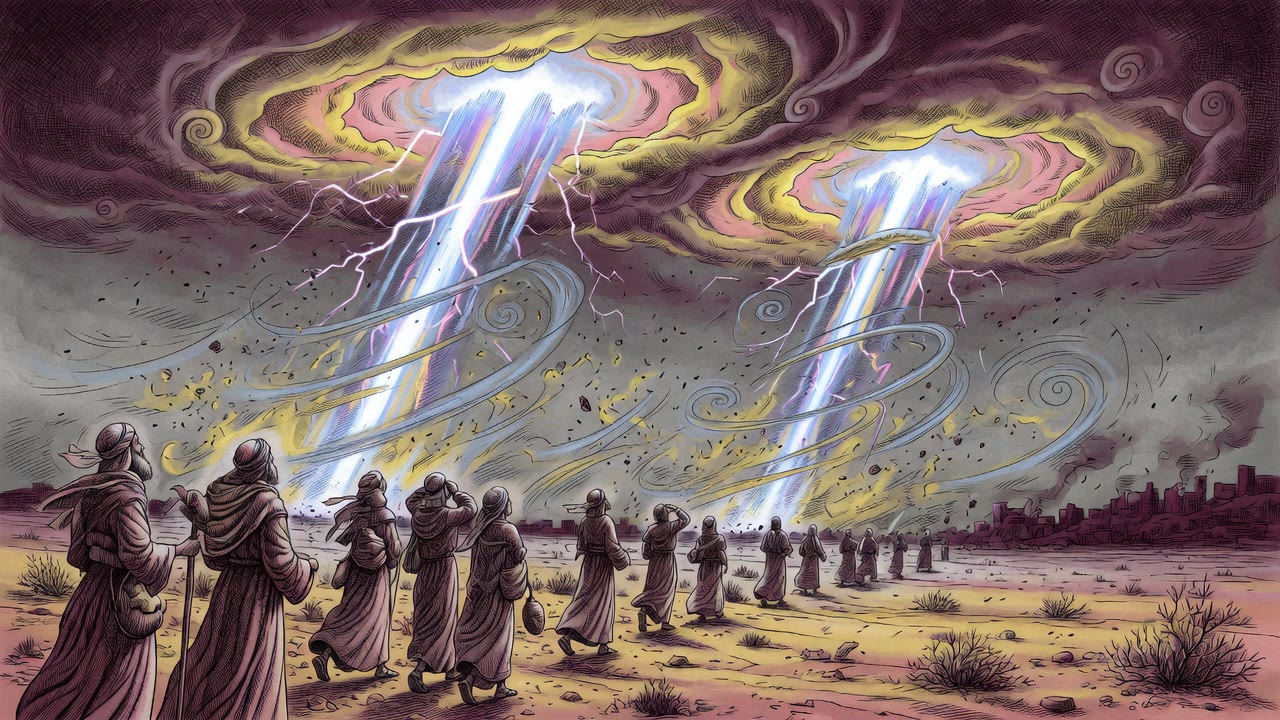
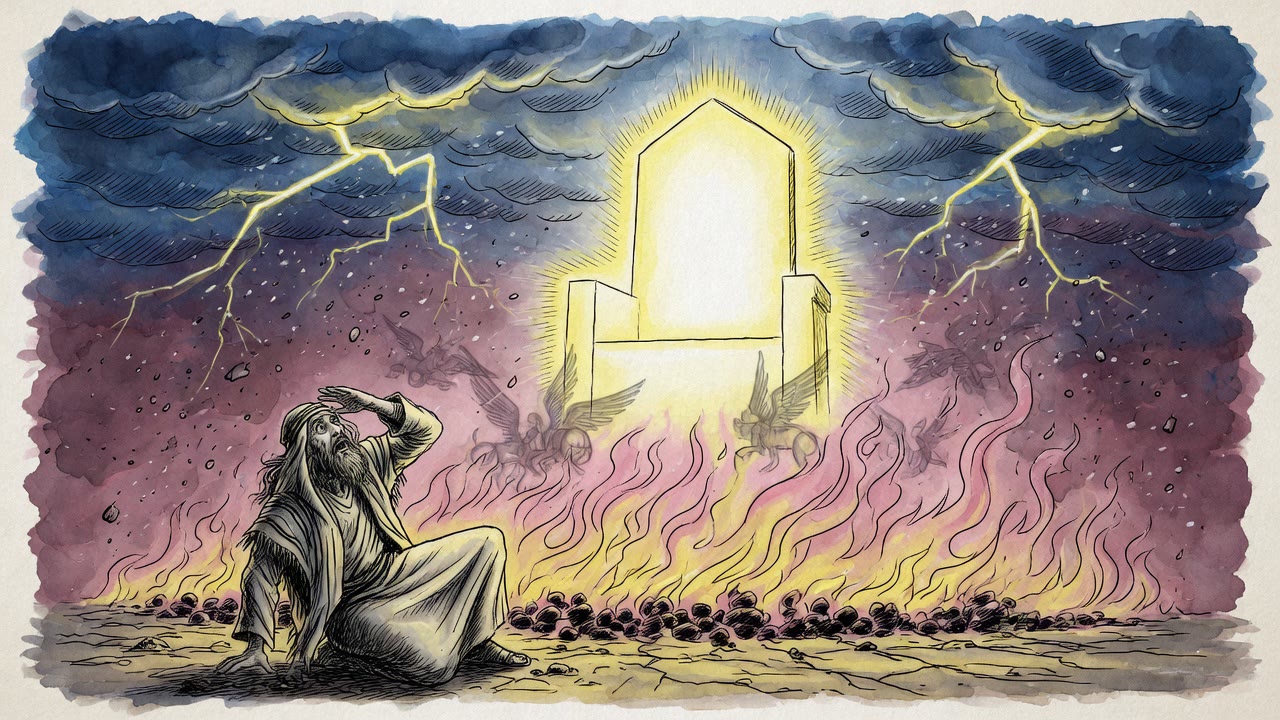
Rabbi Ishmael did not ask for a map first. He asked for songs. What does the one who would behold the Merkavah (God's fiery chariot-throne) recite, so he may descend in peace and ascend in peace? The chariot of Ezekiel is not a tourist road. Gatekeepers wait. Power burns. A wrong step unravels the climber.

Songs are keys, armor, and timing. The desire to see must bow to the craft of returning whole. Ishmael stood among sages who knew that heaven's corridors punish curiosity without liturgy.

He wanted the words that let a man look at fire and still come home able to teach children in the morning. Vision without return is only another kind of exile.

A Ladder of Praise

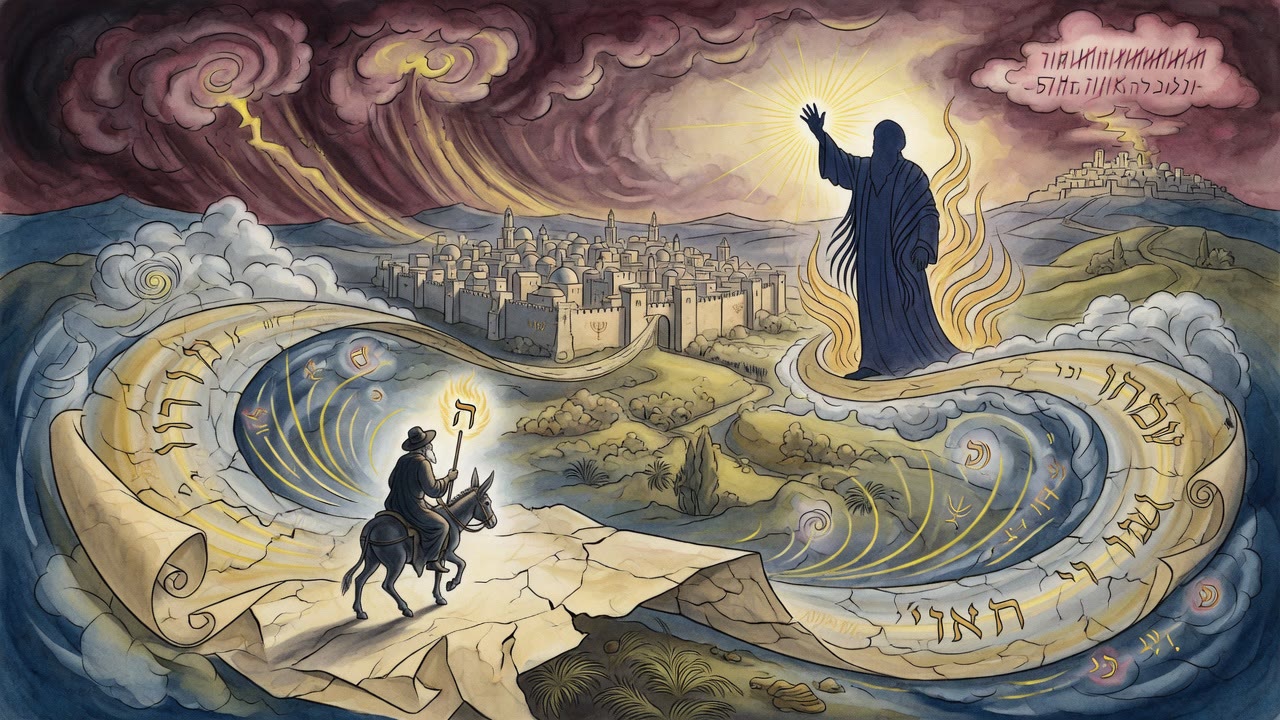
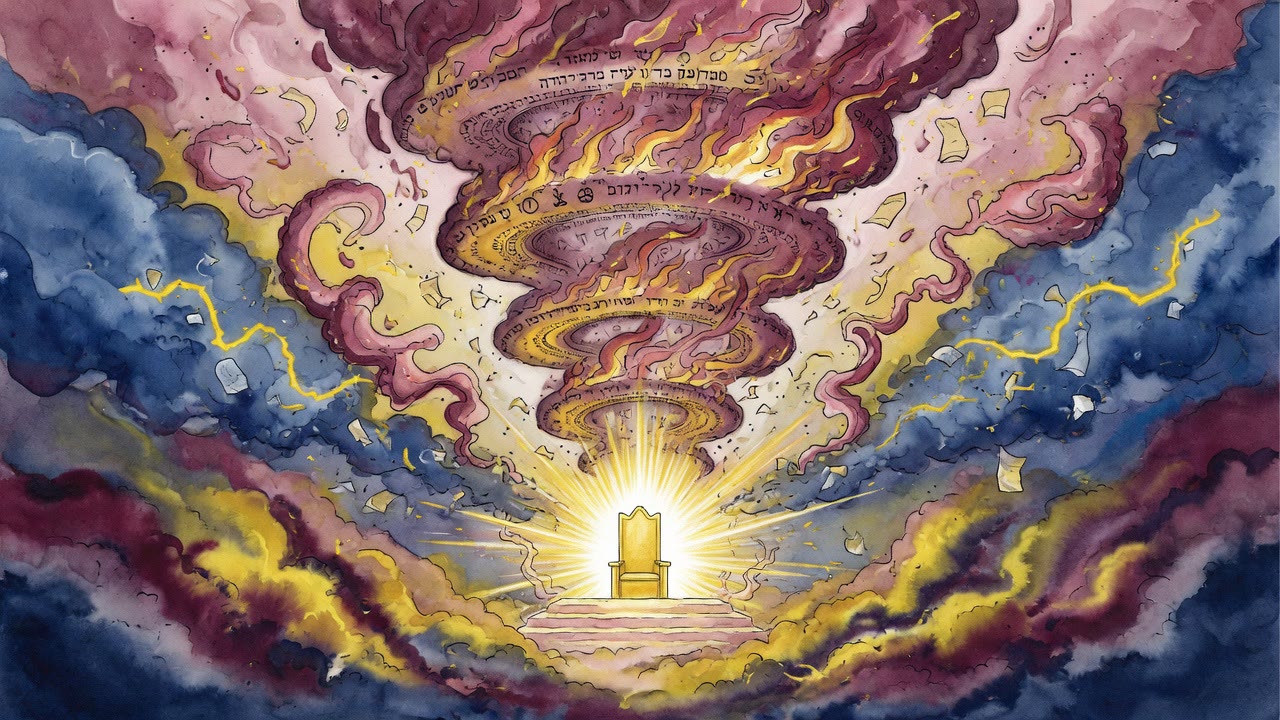
In the palaces the voice rises like water over steps. Reign forever, King merciful and gracious, pardoner and forgiver. Majesty in every song, splendor in every chant. Be high above the palaces of loftiness, lifted above adornments of splendor, exalted above all doings. Each phrase climbs the last.

The name Totrosi'ai sounds in the cascade. Who is like You, Totrosi'ai, Lord God of Israel, who does mightily? Servants weave songs and diadems. All things are Your kingdom, and You shall be called One, world without end.

Angels who keep doors listen for the right cadence the way guards listen for a password at midnight. Mercy leads the hymn on purpose. A mouth that begins with force arrives already accused.

Blessed Be the Lord of Hidden Things

The hymn closes: Blessed be You, O Lord, King of all secrets and Lord of all hidden things. Ascent is not possession. The climber praises what cannot be emptied into speech.

The right song does not conquer the throne. It aligns the singer with mercy before the fire. Hidden things remain hidden, and still the voice is welcome if it knows how to bow.

Some seekers wanted catalogues of rooms. The hymn gives a stance instead: praise that climbs, then kneels.

Heights That Demand Peace Both Ways

To ascend without a path of descent is to court ruin. The tradition of the palaces insists on both directions. Angels and thresholds test the traveler. The Merkavah (the divine chariot) becomes a corridor walked with passwords of praise.

Ishmael stands at the foot of that corridor as a teacher of caution. Wonder without discipline is a wager against one's own mind. The songs are the discipline made audible.

A man who rises drunk on light and falls mad into the marketplace has not succeeded. Peace on the way down is the proof.

When the Choir Outruns Fear

Picture the reciter's throat raw with names, the air thick with other voices. Mercy first, then height, then the strange name, then the confession of secrecy. The order matters.

The songs remain. What must a human mouth learn before it may look at wheels of fire and still come home able to teach?

Somewhere a student copies the hymn with a shaking hand. Somewhere a gatekeeper waits for the first correct syllable. The throne does not grow smaller. The mouth grows steadier if it learns the cascade in the right order.

He rehearsed under a low roof while students watched his mouth shape names they were not ready to carry. One boy covered his ears. Another leaned forward until his lamp nearly tipped. Ishmael stopped mid-line and made them breathe. "If the breath breaks, the gate will not open," he said.

In the night he dreamed of palaces stacked like bright cities, each door a mouth. He woke tasting metal and mercy at once. The cascading hymn returned to his tongue without effort, as if the words had chosen him. He wrote them again by morning light so the descent would be as clear as the climb.

When the hour came for a true attempt, he washed and began with pardon before height. The first phrase was almost a whisper. The last blessing of hidden things left his lips like a seal pressed into wax. Whether the throne filled his eyes that day or only prepared them, he came back able to teach.

When the hour came for a true attempt, he washed and began with pardon before height. The first phrase was almost a whisper. The last blessing of hidden things left his lips like a seal pressed into wax. Whether the throne filled his eyes that day or only prepared them, he came back able to teach.


← All myths
From the tradition

Sources

3 sources

The texts behind this telling. Some cards carry a translation of the source; others are our own retelling of it, and each card says which. Every card links out to the original.

Heikhalot Rabbati 1:1Heikhalot Rabbati

Retold in our words. Read the original at the link below.Sefaria-hosted English translation · CC-BY

Said Rabbi Ishmael: What are those songs which he recites who would behold the vision of the Merkavah, who would descend in peace and would ascend in peace?

Heikhalot Rabbati opens with Ishmael's question on the songs of safe descent and ascent. The songs themselves are not listed in this line.

Full source
Heikhalot Rabbati 25:4Heikhalot Rabbati

Retold in our words. Read the original at the link below.Sefaria-hosted English translation · CC-BY

You've brushed up against the world of the Heikhalot (the heavenly palaces) literature, the mystical ascent to God's throne room. And within that, we find passages like this one from Heikhalot Rabbati, a grand hymn of praise.

It's about how we say it. This section, Heikhalot Rabbati 25, isn’t a simple declaration. It’s an explosion of adoration, a cascading waterfall of praise meant to elevate us closer to the Divine Presence. "Reign forever, King merciful and gracious, Pardoner and forgiver." It starts with the basics – God's compassion, His willingness to forgive. But then it takes off. It's like each phrase is trying to outdo the last in its expression of awe. "Let Thy majesty be declared in every song, Thy splendor in every chant." Can you hear the music building?

The passage stacks images of elevation: "Be high above the palaces of loftiness, be lifted up above the adornments of splendor, be exalted above all Thy doings.." It's a ladder of praise, each rung taking us higher into the realms of the sacred.

Then comes the name: Totrosi’ai.

Who is Totrosi’ai? It’s one of the more mysterious names of God that we encounter in the Heikhalot texts. It’s a name vibrating with hidden meaning, a key (perhaps) to unlocking deeper understanding. The text repeats it, grounding the soaring praise in this specific, powerful designation. "Who is like unto Thee, Totrosi’ai Lord God of Israel, who doest mightily?"

It’s a rhetorical question, of course. There is no one like Him.

The passage continues, promising songs and diadems woven by God's servants, a new song declaring Him "The King forever and ever." It's a vision of constant, unending devotion, a cosmic choir singing His praises. "All things are Thy kingdom, and over all things is Thy kingdom, and Thou shalt be called One, world without end, Totrosi’ai, Lord God of Israel." It emphasizes the unity of God, the idea that everything is ultimately connected to and emanating from Him.

Finally, it closes with a simple, powerful blessing: "Blessed be Thou O Lord, King of all secrets and Lord of all hidden things." It’s a recognition that ultimately, God is beyond our full comprehension. We can offer our praise, our adoration, our attempts to grasp His greatness, but He will always remain, in some sense, a mystery. And maybe that's the point.

What does this passage leave us with? Perhaps it's the idea that praising God isn't just about rote repetition. It’s about striving for the most profound, the most beautiful, the most heartfelt expression we can muster. It's about using every tool we have – song, chant, poetry, prayer – to reach for something beyond ourselves. And maybe, in that reaching, we find a glimpse of the Divine.

Full source
Heikhalot Rabbati 3:4Heikhalot Rabbati

Retold in our words. Read the original at the link below.Sefaria-hosted English translation · CC-BY

Heikhalot (the heavenly palaces) Rabbati, a text from the Heikhalot literature – these are mystical Jewish texts describing ascents to the divine realm – gives us a glimpse. It paints a picture, not of a static universe, but of one in constant, miraculous motion. A universe sustained by something beyond our everyday understanding.

The passage begins with a powerful invocation. "King of miracles, King of powers, King of wonders, King transcendent." It's a litany, a recognition of the sheer, overwhelming force that governs existence. This King’s throne isn't just sitting pretty; it "doth fly and standeth still." What does that even mean?

Motion and stillness intertwined. The throne, a symbol of divine authority, is perpetually in motion, yet somehow also fixed. The text emphasizes the sheer timescale involved: "Years very many, generations without end have passed." And yet, the throne "hath Thy throne not rested its foot upon the firm ground of the seventh heaven, But as a bird doth fly it fly and standeth still."

That. The throne, in constant flight, never quite landing. Always sustained by something else.

And what is that "something else?" Here's where it gets even more interesting. The text introduces us to the "loftiest of the lofty," angels adorned with diadems. These aren't your fluffy, winged cherubs. These are powerful beings, "chief hypostases" – fundamental entities – created by God. They "stand harnessed beneath the throne of glory," perpetually upholding it with "strength, might and power."

They, too, are caught in this cosmic dance. Like the throne itself, they "have not rested their feet upon the firm ground of the seventh heaven, But as a bird do they fly yet stand still."

So, what's the takeaway? This passage from Heikhalot Rabbati isn't just describing a cool scene in some celestial throne room. It's hinting at a deeper truth about the nature of reality. It suggests that everything – even the most seemingly stable aspects of existence – is in a state of constant flux, sustained by forces beyond our comprehension.

They are part of a larger system, perpetually engaged in the work of upholding creation.: what are the things that you rely on? What unseen forces, what dedicated individuals, are keeping your world from collapsing? Maybe it's the people who grow your food, or the engineers who maintain the power grid, or even the artists who inspire you.

Heikhalot Rabbati invites us to consider the intricate web of interdependence that sustains us all, and to appreciate the tireless efforts of those who, like the angels beneath the throne, are constantly working to keep everything in balance. Perhaps the real miracle isn't just the throne that flies and stands still, but the fact that it hasn't fallen yet.

Full source