Rabbi Zeira Would Not Rise for the Bought Scholar
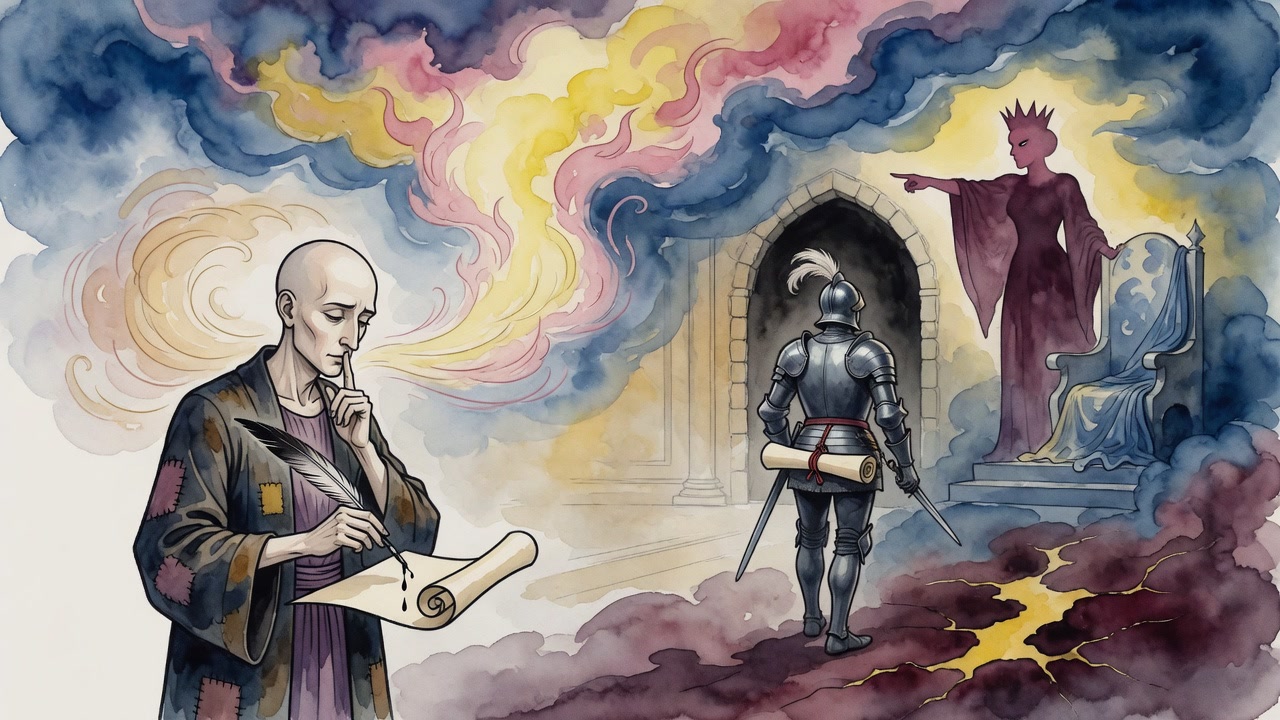
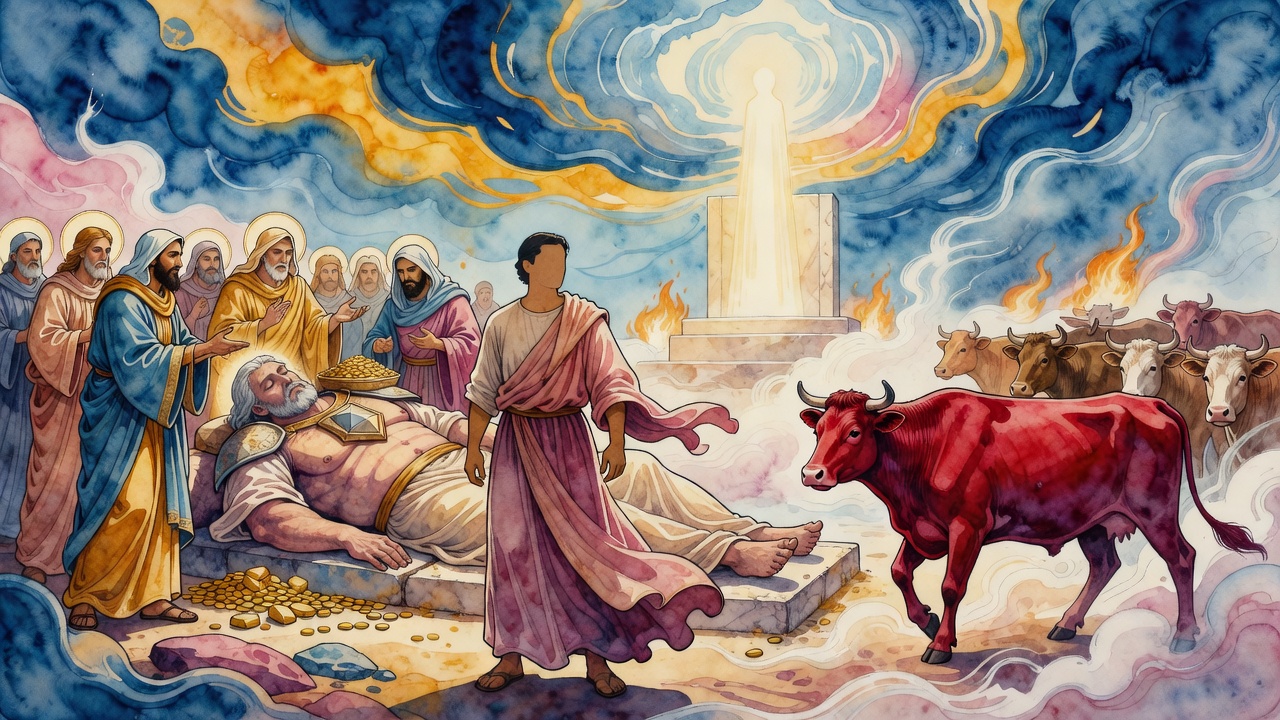
In Tiberias a seat bought with silver approaches the academy. Rabbi Zeira keeps his seat, and Yaakov of Kfar Nevoria calls the man dead wood.
Table of Contents
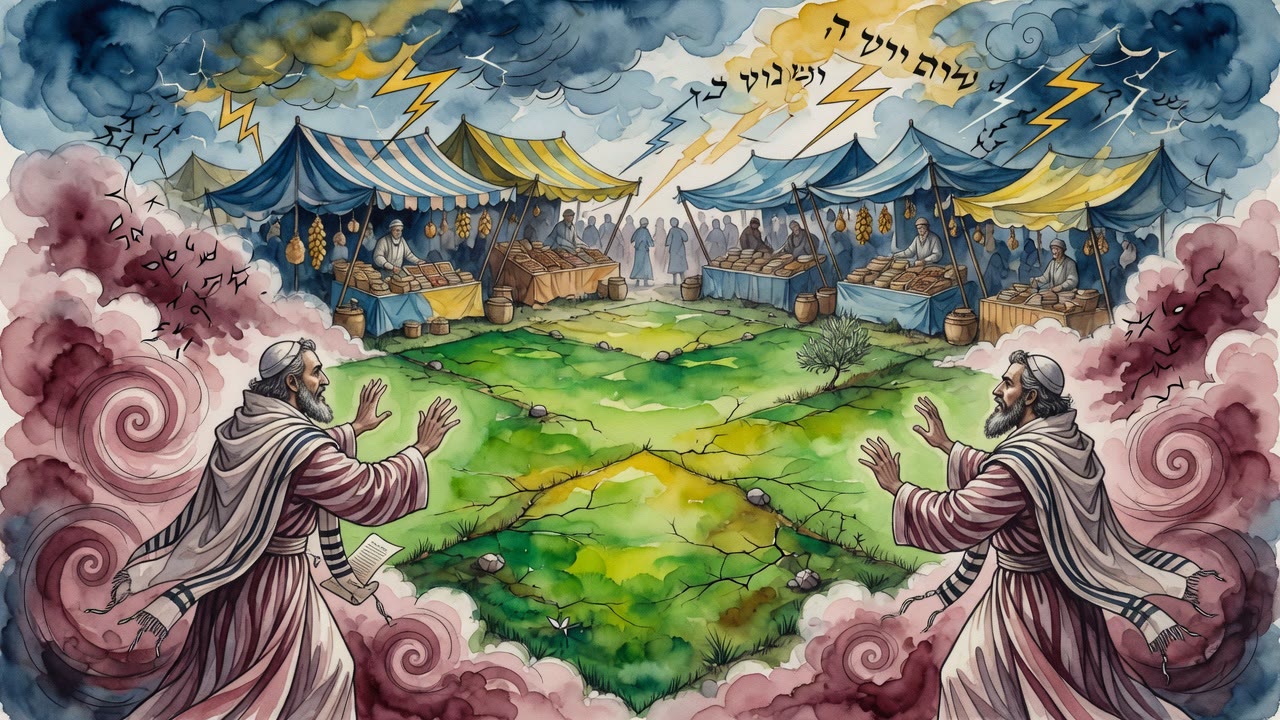
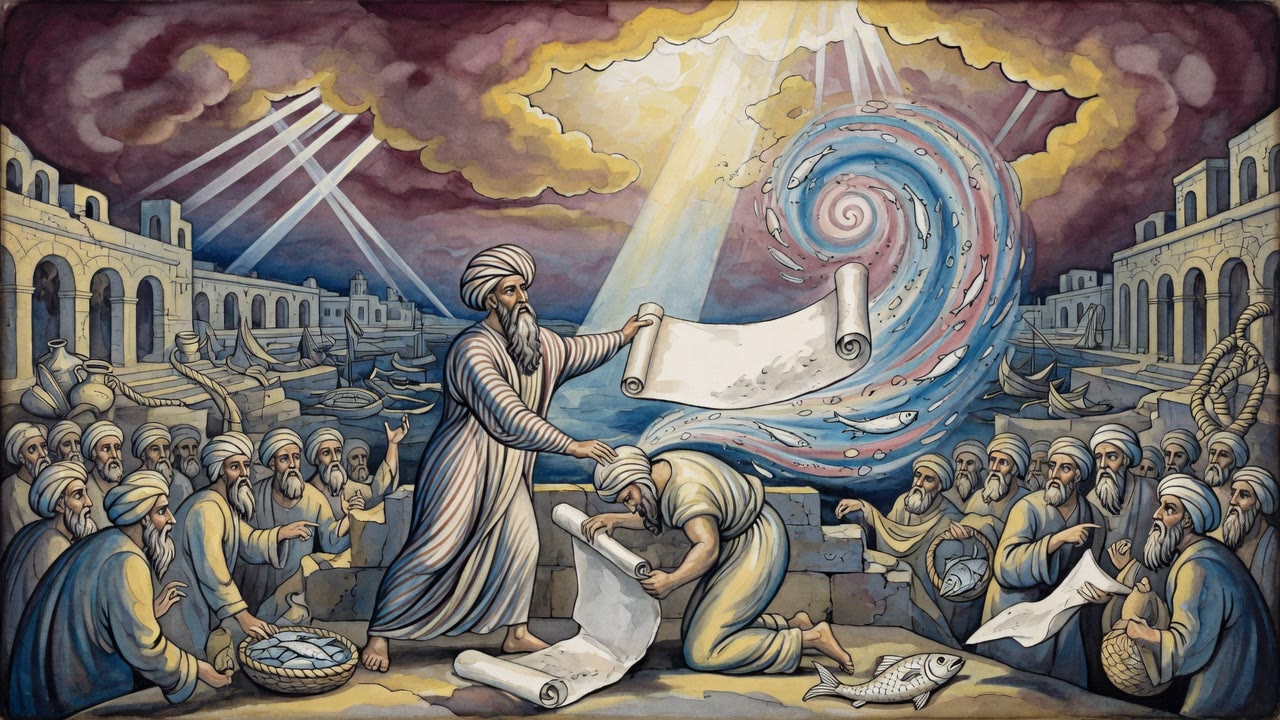
In the academy of Tiberias the air changed when the man entered. Everyone knew how he had bought the title. Silver had opened a door that study had never opened for him. The tallit sat on his shoulders the way a saddlecloth sits on a donkey, cloth without the animal's long work underneath, fringe moving as if it believed in the body it covered.
 Click for full size
Rabbi Zeira was deep in a passage with a colleague when the bought elder approached, expecting the usual rise of bodies. The colleague whispered without lifting his eyes, "Let us bury our faces in the Torah so we need not stand." It was a soft plan, almost pious on its surface. Rabbi Zeira would not hide. "I, openly," he said, loud enough for the room to hear, "will not rise before him."
Chairs stayed down. The silence after that sentence was thicker than the silence of study.
The Tallit That Means Nothing
Rabbi Ami would not honor a scholar appointed for coin. Rabbi Yoshiya said the prayer-shawl on such a man is a beast's covering, useful for dust, useless for holiness. Rabbi Ashian ruled it plain for anyone who still pretended confusion: do not call him Rabbi, do not rise before him, let him be cast down to the ground in the only ranking that matters. The academy was not only a house of learning. It was a house that decided which bodies the next generation would stand for when the world offered cheaper models of authority.
A title without Torah is a costume. Costumes demand bows. The sages answered with the one insult purchased offices cannot easily survive: public refusal, clean and unsmiling. In cities where Rome sold favors and local patrons sold access, the study house had to keep one marketplace outside its door. Fail that, and every tallit becomes fabric with a price tag sewn into the hem.
Awake, O Wood
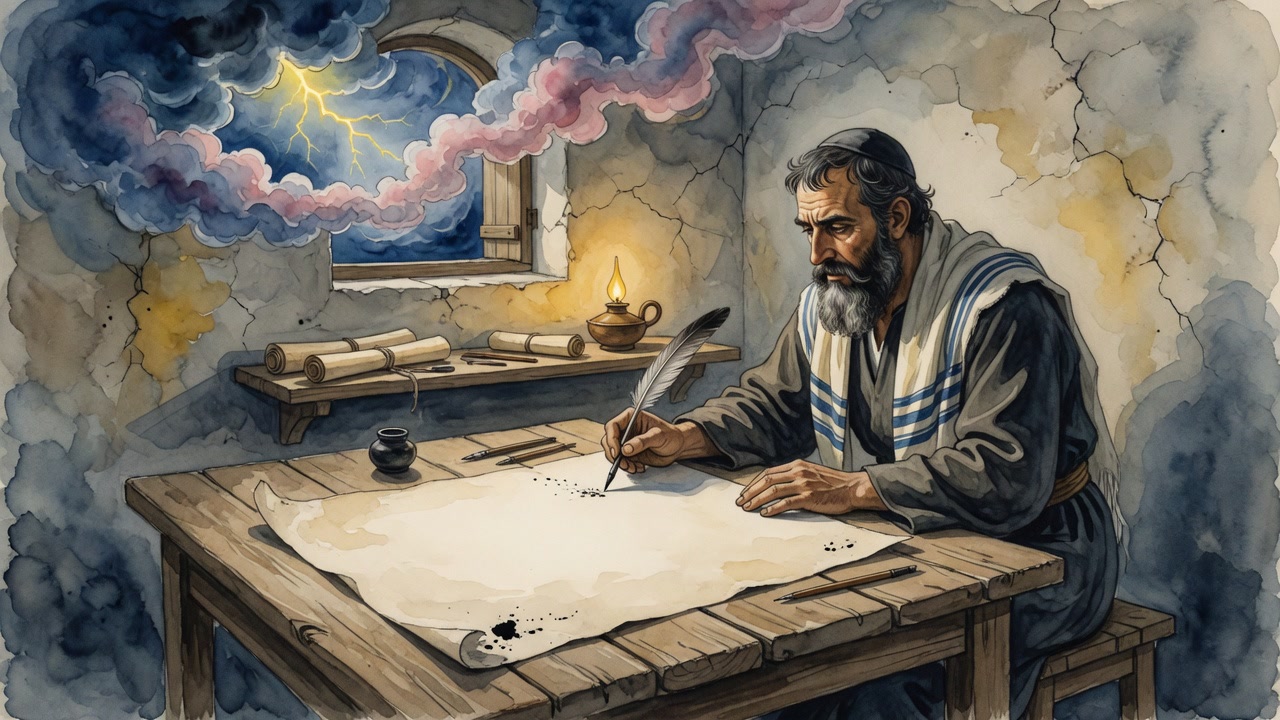
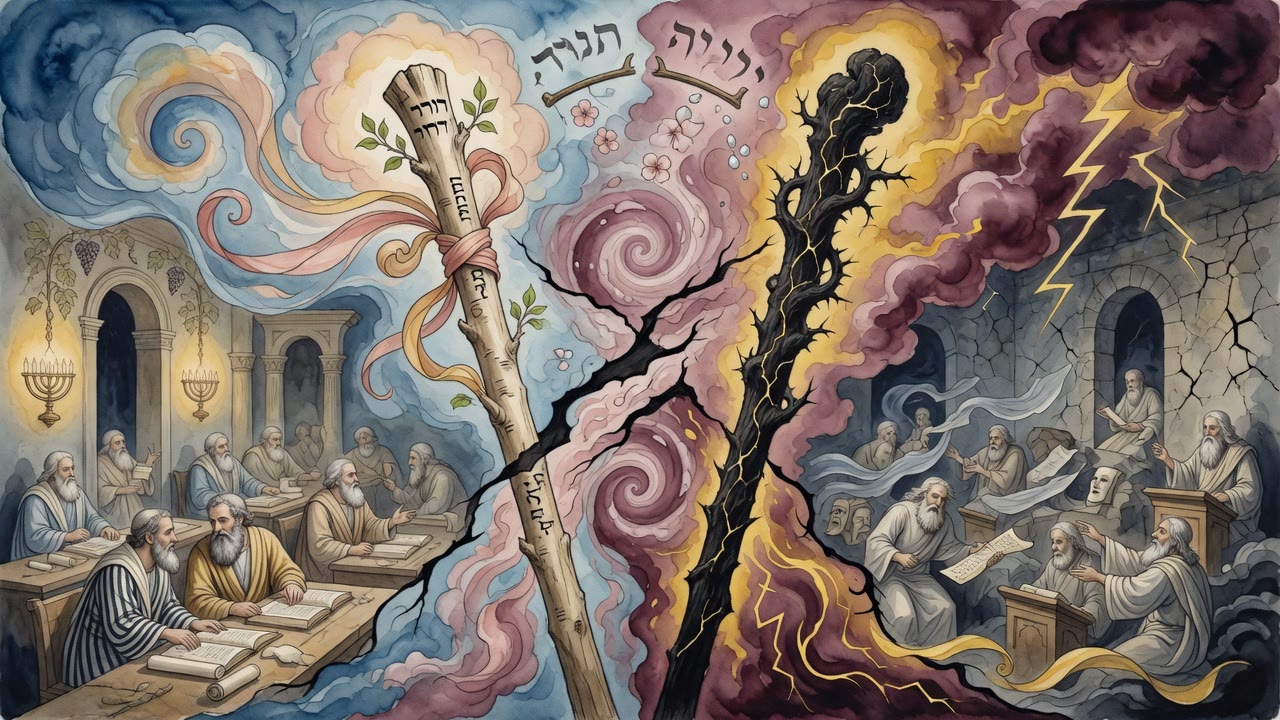
Yaakov of Kfar Nevoria turned a prophet's line into a blade and held it where the bought elder could see the edge. To the wood that is told "Awake," to the dumb stone bid to teach, so is the elder appointed for silver. Overlaid in gold and coin he stands in the doorway, yet there is no breath within him; he knows nothing that sweat and years put into a mind. Seek Torah instead from Rabbi Yitzchak son of Rabbi Elazar, a man whose name still meant something when spoken at dawn over a difficult page.
"The LORD is in His holy Temple; let all the earth be silent before Him." The verse closed the case harder than any insult. Silence before God is not silence before a purchased seat. One is awe. The other is surrender to coin. Students watching that morning learned a ranking no ledger could reverse. They would carry it into other towns, other courts, other moments when a tallit entered and expected a spine to bend.
Words That Burn Without Blood
Elsewhere Rabbi Elazar son of Rabbi Shimon reads the proverb of cruel speech with the same bluntness Tiberias needed for corrupt honor. The one who sits and deceives a friend with sharp words is like a madman loosing flaming arrows across a crowded yard. No blood shows on the floor. The wound still opens in the chest. Then comes the favorite escape of the archer who wants applause without blame. "I was only joking." Proverbs names the man who shoots and laughs it off as play, as if fire becomes safe when you smile at it.
A bought title is also a kind of arrow. It pretends to be honor while it empties the word Rabbi of weight for everyone who still earned it the long way. Gossip keeps quarrels alive the way wood keeps fire alive. Where there is no slander, strife falls silent. Where there is no silver buying seats, the academy can breathe without choking on pretenders. The quarrelsome soul carries coal to embers. The careful soul starves the blaze. Each day chooses a role. Tiberias, that morning, chose starvation of a false flame.
What Zeira Risked
Open refusal is not safe. The bought elder had patrons. Coin that buys a title can buy a complaint, a rumor, a letter to someone with soldiers. Rabbi Zeira chose the risk of standing still over the safety of a buried face. The colleague's plan was softer and dirtier. Pretend to study so hard you cannot see the man you despise, and keep your conscience untested. Zeira preferred clean contempt to polite theater. He would rather be counted an enemy of a fraud than a friend of a pretense.
The room that watched him also watched what did not happen. No one dragged the elder out. No one struck him. They simply did not rise. Sometimes the most violent act available to a scholar is a spine that refuses to perform for coin.
The Fire That Needs Fuel
Quarrels do not burn on their own. They need the whispered word, the carried tale, the jab dressed as a joke, the honor sold for metal. The sages who refused to rise starved one fire in public. They also lit another, quieter and longer lasting: a standard. Students learned which kinds of power deserve a full body standing and which deserve a turned shoulder and a page that stays open.
Years later no one remembered the bought elder's rulings, if he ever issued any that stuck. They remembered the moment a real scholar kept his seat while a tallit without Torah waited for a bow that never came. That memory is also a teaching, sharper than many lectures and harder to buy. Call wood awake if you wish. It will not answer. Call a man Rabbi when silver wrote the name, and the Temple's silence will answer for you.
← All myths