Zeira Bought the Field That Gidel Wanted, and Neither Man Farmed It
The price was fair and the deal closed before noon. By evening Zeira learned that Gidel had been quietly negotiating for the same parcel for days.
Table of Contents
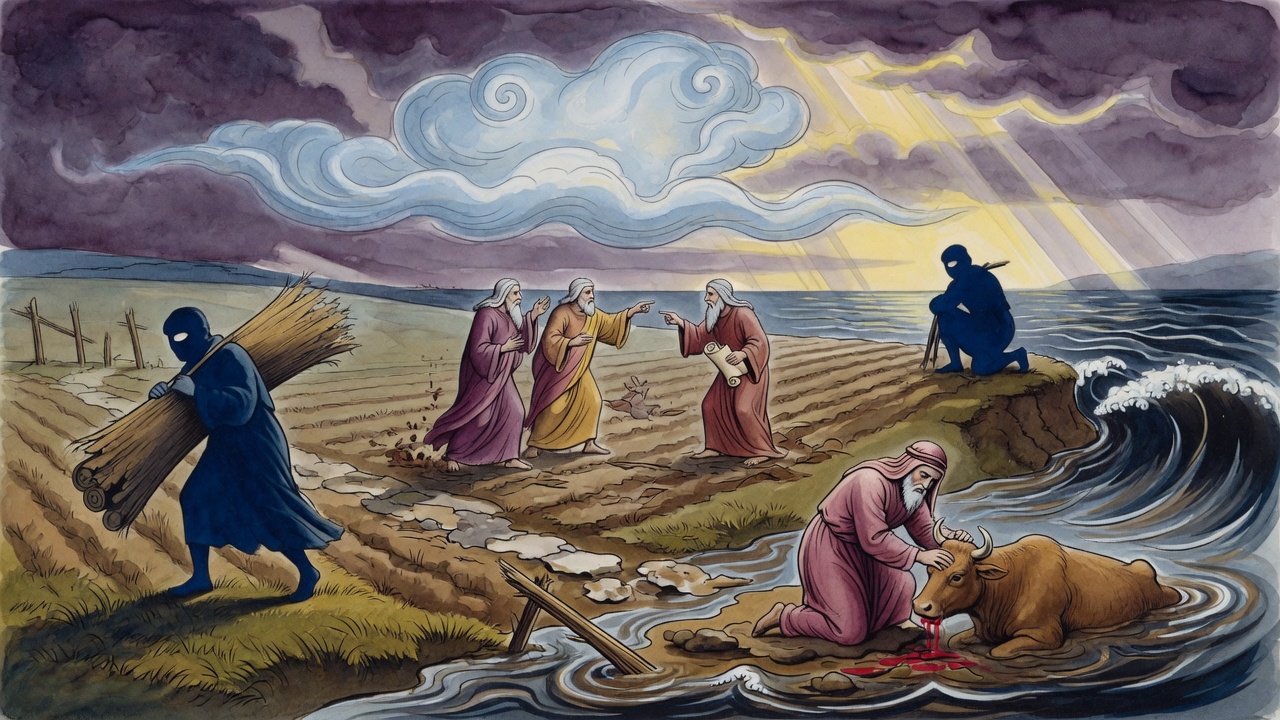
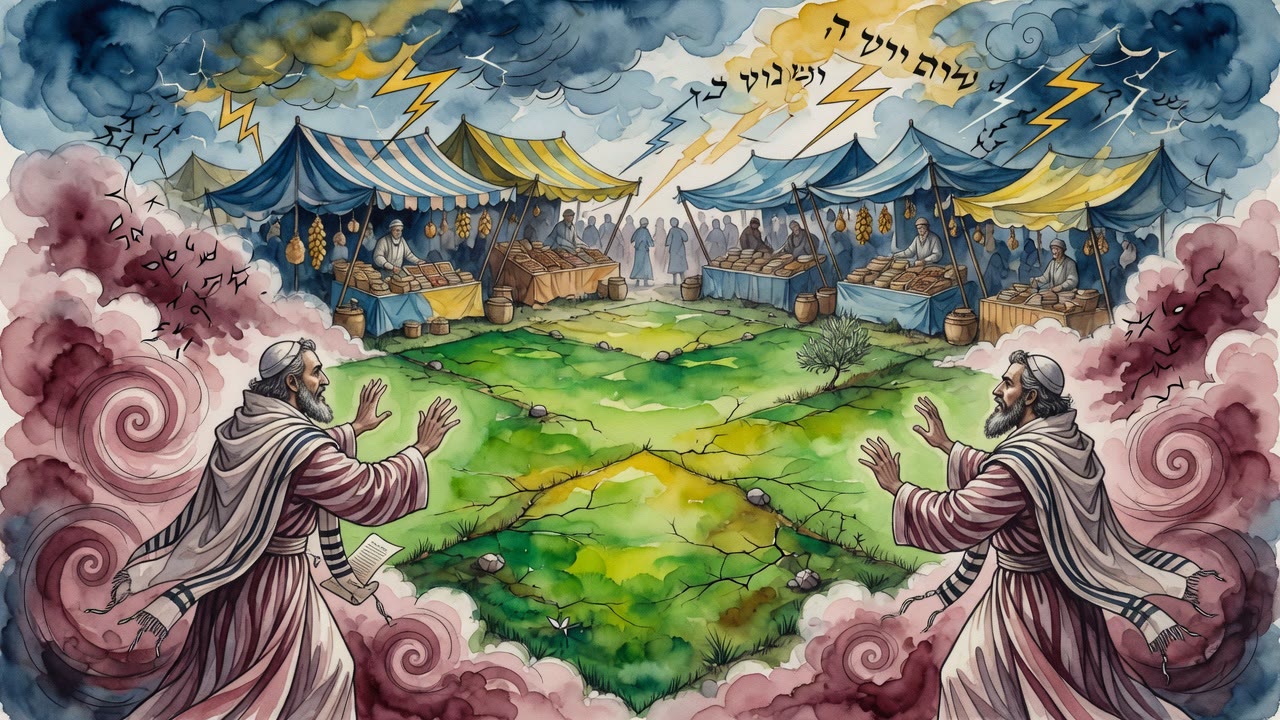
Rabbi Zeira closed the deal before noon. The price was fair. The marketplace noise still clung to his sleeves when he walked home satisfied, a man who had bought earth he could name as his own. By evening the news reached him that Rabbi Gidel had been negotiating for the same parcel in quiet visits for days. Zeira's purchase was legal. It was also, he realized with a cold twist in the chest, a theft of another sage's long-considered plan.
 Click for full size
He went to Gidel and offered the field as a gift. Gidel refused. To accept now would look like pressure, like a complaint that had forced a colleague's hand. Better empty-handed than grasping. So the field sat. Neither man would farm it. The townspeople named it Chakla d'Rabbanan, the Field of the Rabbis, and no one else dared plant there either. A piece of land so carefully declined by two righteous men became a proverb before it became a harvest.
Clean hands before any offering
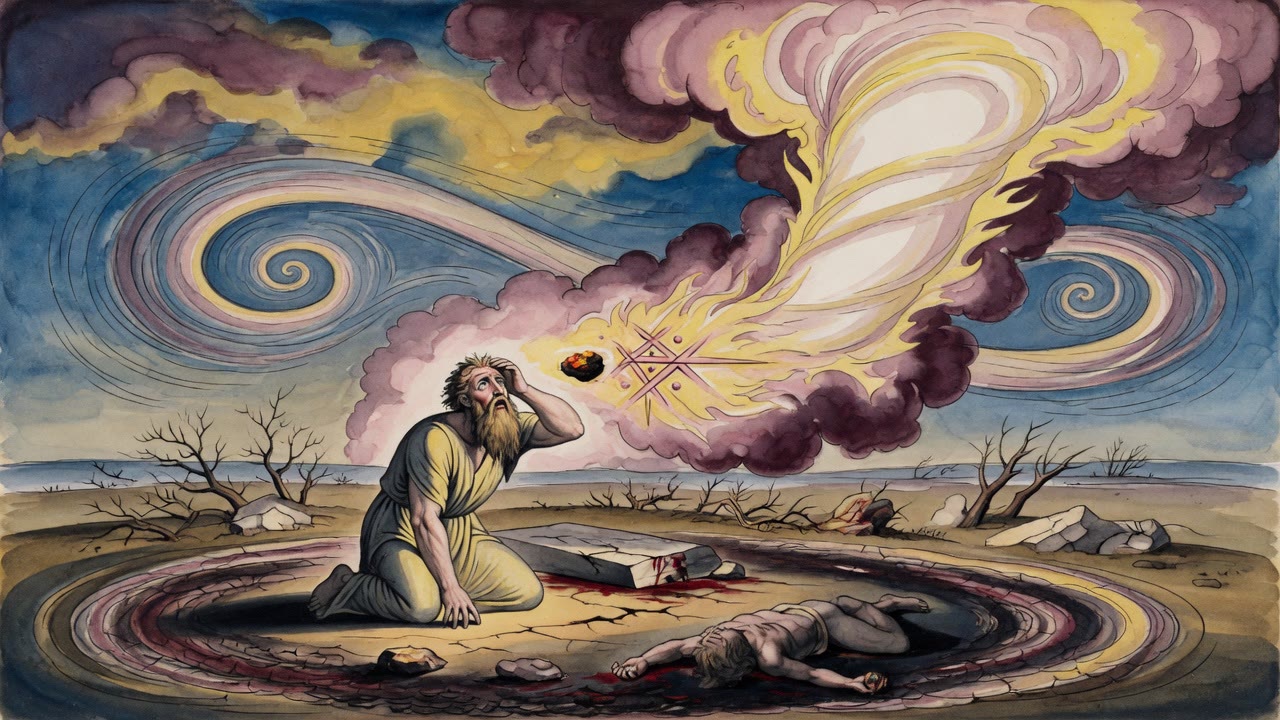
The order of verses in the Torah places the thief who must restore what he stole just before the teaching of the burnt offering. The sages of Yalkut Shimoni and related midrash refuse to treat that sequence as accident. If you want to bring a gift to the altar, first make sure you have robbed no one. The prophet speaks in God's own voice: I the LORD love justice; I hate robbery with a burnt offering. A gift built on another man's loss does not rise. David asked who may ascend the mountain of the LORD and answered: the one with clean hands and a pure heart.
Zeira's marketplace deal was not robbery under the statutes of sale. It was still a quiet taking of a neighbor's known intention. His remedy was not a sacrifice on an altar of stone. His remedy was to try to put the field back into Gidel's hands. When Gidel refused, both men chose the harder purity: neither would convert the awkwardness into profit. The field became an offering of emptiness, a space where ownership itself was refused so that no altar would ever be fed by that quiet wrong.
The farmer who will not move until Heaven answers
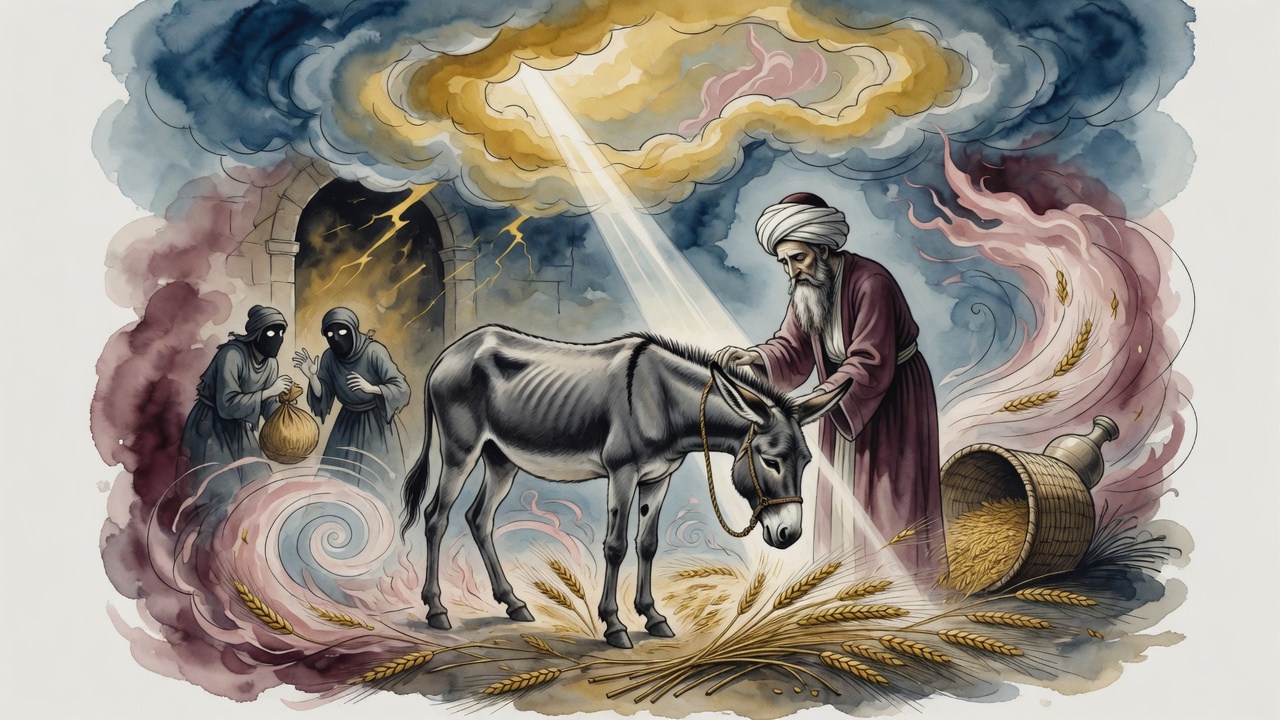
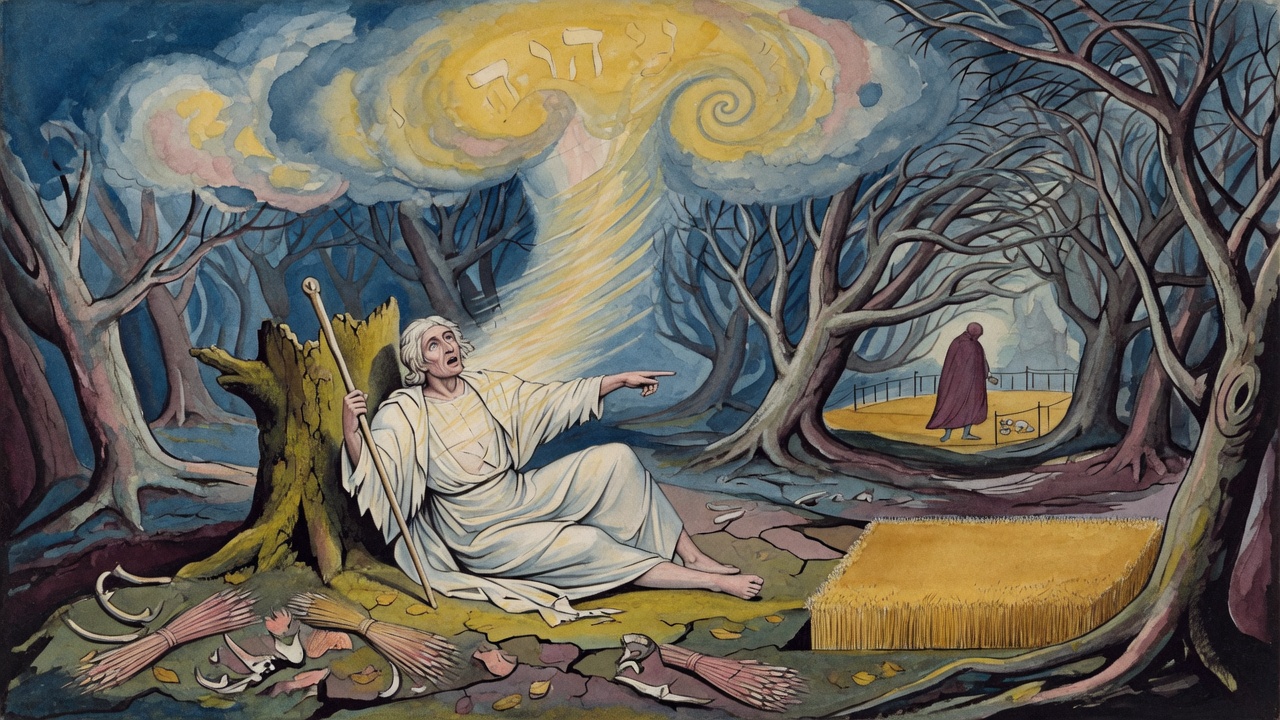
Another field scene stands beside this one in the homilies of Midrash Tanchuma. Rabbi Abbahu, in the name of Rabbi Jose bar Hanina, pictures a man who finds the first ripe grapes, the early fig, the first pomegranate. He sets them in a basket, plants himself in the middle of his field, and will not budge until Heaven attends to the blessing he asks for himself, for Israel, and for the Land. A mortal king is reached only with bribes and trembling. The Holy One is reached from the dirt under a farmer's own feet.
Resh Lakish adds the bat kol (a heavenly voice) that answers: may you do this again next year. The first fruits are not only produce. They are a claim staked in a place, a refusal to leave until the relationship between soil, people, and God is renewed. Zeira and Gidel, by leaving their parcel unclaimed, create a different kind of first fruits: a field that yields a story instead of grain, and a town that learns to walk past wealth without snatching it.
When legality is not enough
The town could have laughed and farmed the abandoned plot. They did not. The name Chakla d'Rabbanan worked like a fence. People understood that the ground had become a teaching more valuable than its yield. In a world where land is security, two sages chose reputation and fairness over closed deeds. The midrash does not say the field became holy ground by ritual. It became a mirror. Anyone who walked past it had to decide whether a fair price is the same as a clean purchase, and whether a neighbor's known hope counts as a claim even before a deed is signed.
Return what you stole before you bring your offering. Offer the first of your field before you claim the year's fullness. Between those two demands sits the Field of the Rabbis: neither stolen nor fully owned, held open as a warning that ownership without regard is a kind of theft, and regard without ownership can still feed a town with wisdom thicker than wheat.
Two refusals, one fence of honor
Zeira's refusal to keep what he had bought, and Gidel's refusal to take what might look seized, form a double gate. Each man blocks a different vice. One blocks the vice of winning by speed. One blocks the vice of winning by grievance. The field between them is empty of crops and full of law. Children in the town grow up pointing at it. Merchants grow careful. Sages grow slower to close a deal when a colleague's shadow is already on the soil.
The story ends without a sale. That is the point. Some plots in Jewish memory are not meant to be resolved by transfer. They are meant to stay named, so that every later purchase remembers the day two rabbis preferred an empty field to a stained one, and Heaven, if it looked down, saw clean hands even where no altar smoke rose.
← All myths