The Neighbor Who Moved the Boundary Stone at Night
Under a thin moon a man dragged his neighbors marker a few cubits west, thinking no one would call it theft until the Torah named it twice.
Table of Contents
 Click for full size
A Stone in the Dark
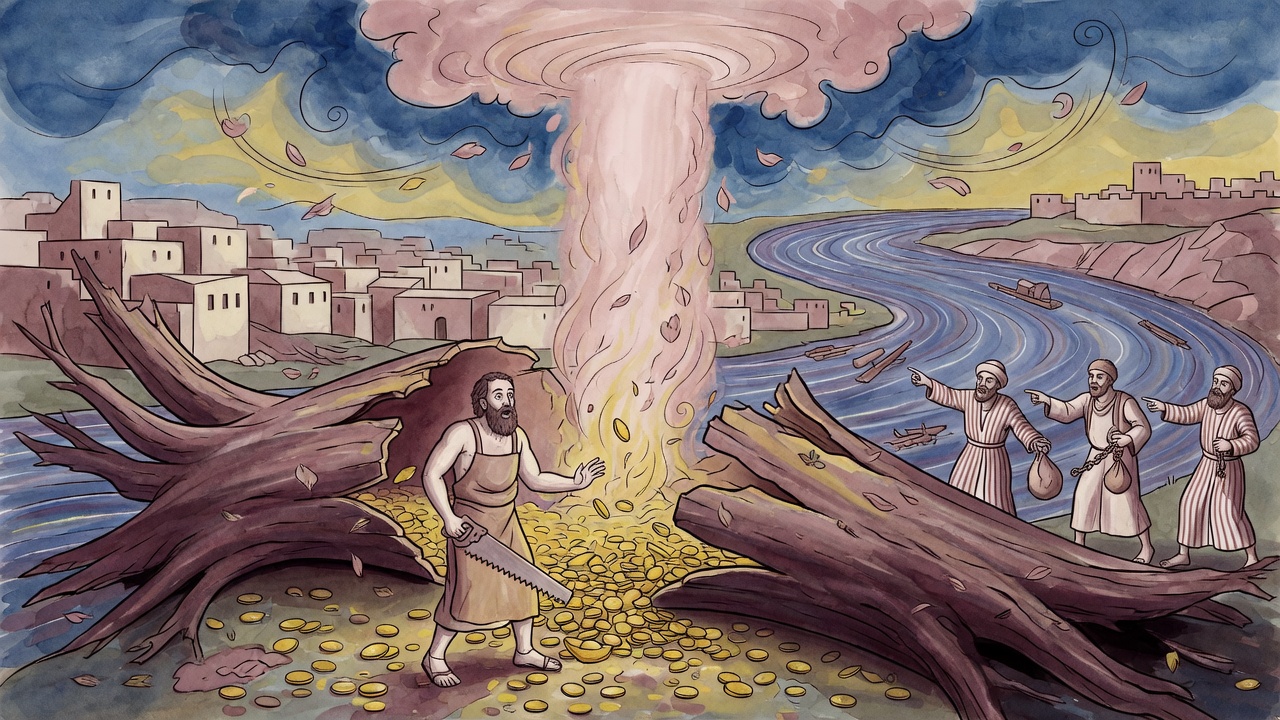
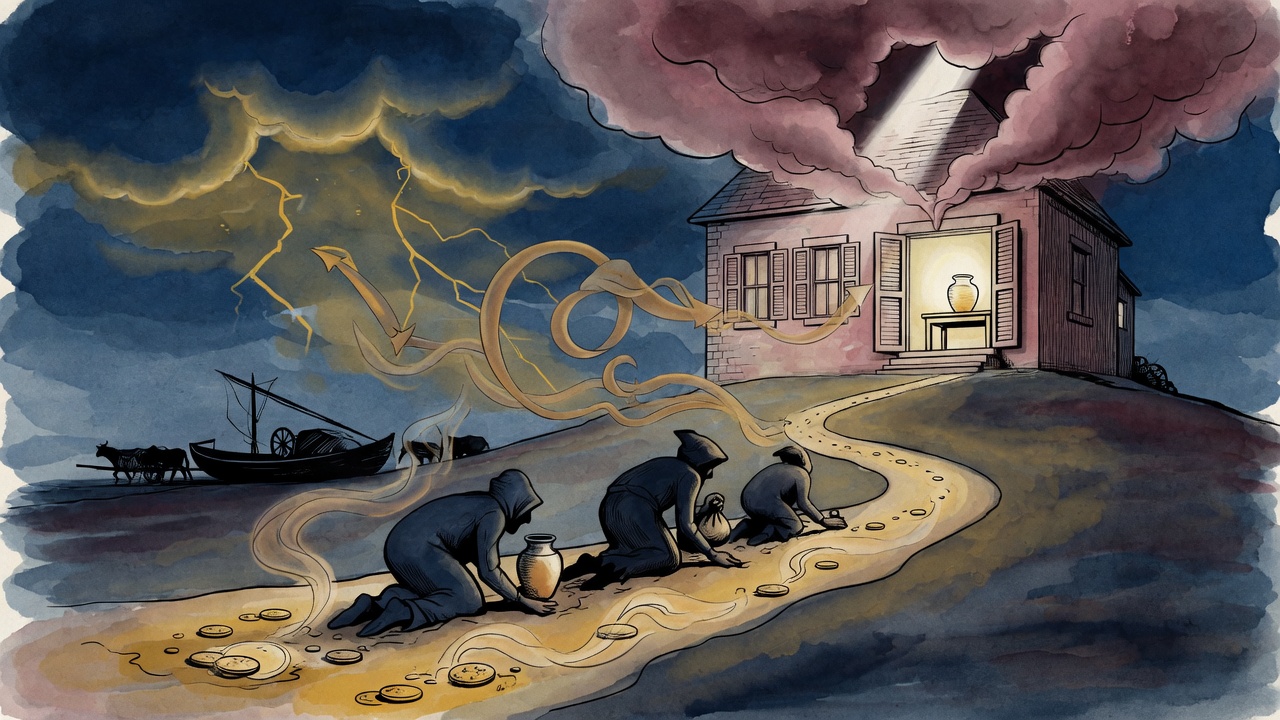
The man waited until the thin moon made every furrow look the same. He put his shoulder to the boundary stone and walked it a few cubits into his neighbor's field. Dust filled the old hole. New dirt packed the new one. By morning the line would look as if it had always stood there, and his barley would drink a strip of water that had never been his.
His wife slept. His children slept. Only the dogs of the next house lifted their heads and decided the sound was wind. He worked carefully, the way honest men work, which is how the worst thefts often look. When he finished, he brushed his prints from the dust as if erasing a signature.
He told himself it was not robbery. Robbery is a hand in a purse. This was only earth, only a rock, only a correction of what the land "really" meant. The night agreed by staying quiet.
Two Prohibitions in One Shove
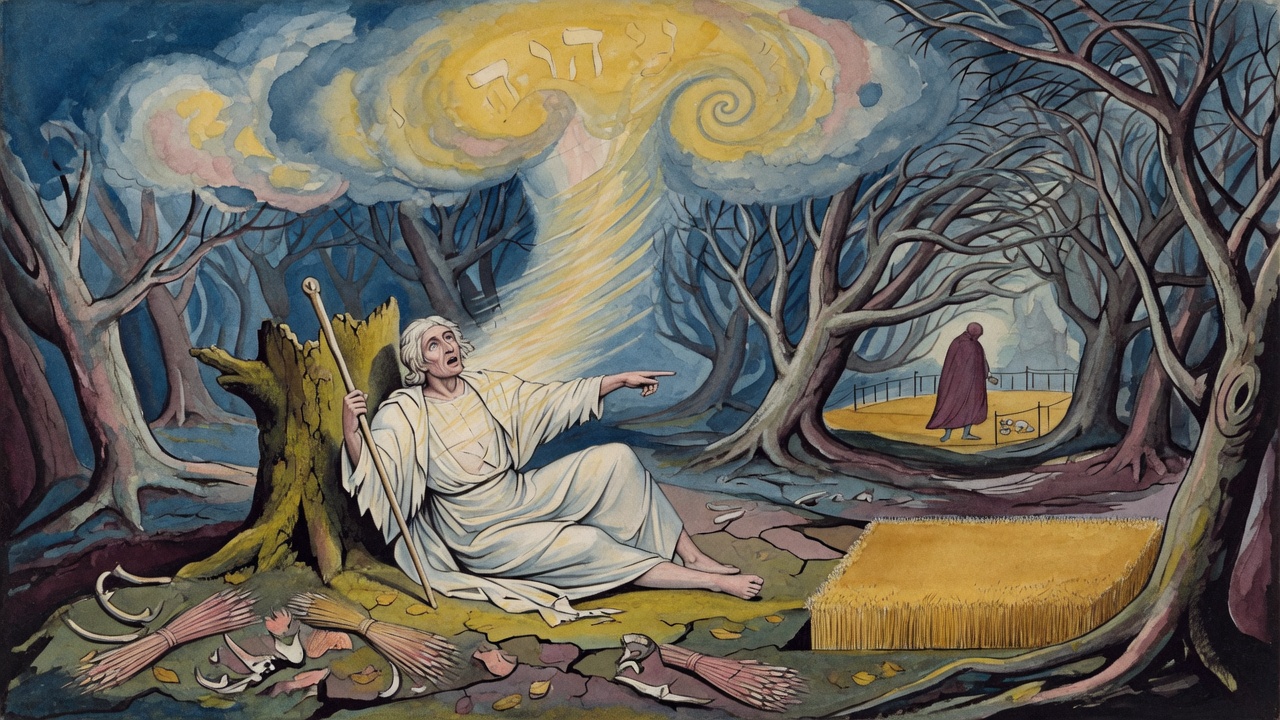
Deuteronomy does not let that quiet stand. "You shall not move back the boundary marker of your neighbor" (Deuteronomy 19:14) sits beside the older ban, "You shall not rob" (Leviticus 19:13). The Sifrei asks why both are needed. Moving a marker is already theft, and it is also its own named crime. The shove breaks two fences at once.
In the study house the question sounds abstract: why two negative commandments for one motion? In the field the answer is mud under the nails. Robbery names the taking. The boundary verse names the craft of making taking look like landscape. Craft needs its own ban.
The distinction matters because the act hides. A stolen cloak is missed by noon. A stolen cubit of soil can sleep for years under honest-looking grain. The Torah names the quiet crime so that clever hands cannot hide behind the loud one.
The Cloak in the Dust
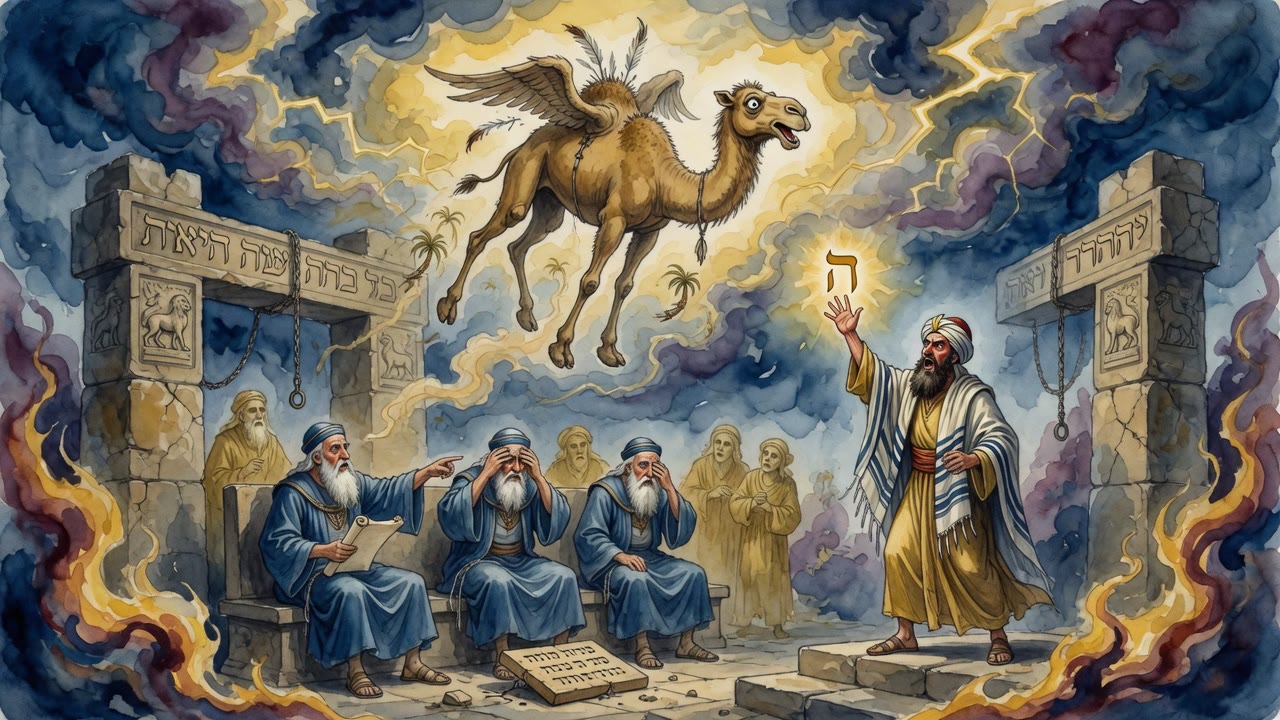
On another road a cloak lies in the dust, or a donkey wanders with a marked saddle. The garment becomes the model for every lost thing that can be described and missed. It has marks a true owner can name. It has someone who will come looking. Whatever has identifying marks and a claimant must be announced until it is restored.
The finder of a cloak can hold it to the light and see a tear, a dye, a family stitch. The owner can name those marks and reclaim the wool. A stolen cubit of soil has marks too: an old furrow, a remembered tree, a neighbor's memory of where his father prayed at the edge. The Torah trains eyes to read both kinds of evidence.
If the Torah had written only "garment," a finder might claim that only the body's own marks count. So it adds donkey, teaching that even the saddle's markings suffice. It adds ox, teaching that even a pattern in the shearing of a tail will do. Each word widens recovery. Fewer losses stay buried. Fewer finders hide behind doubt.
Justice Without a Tilt
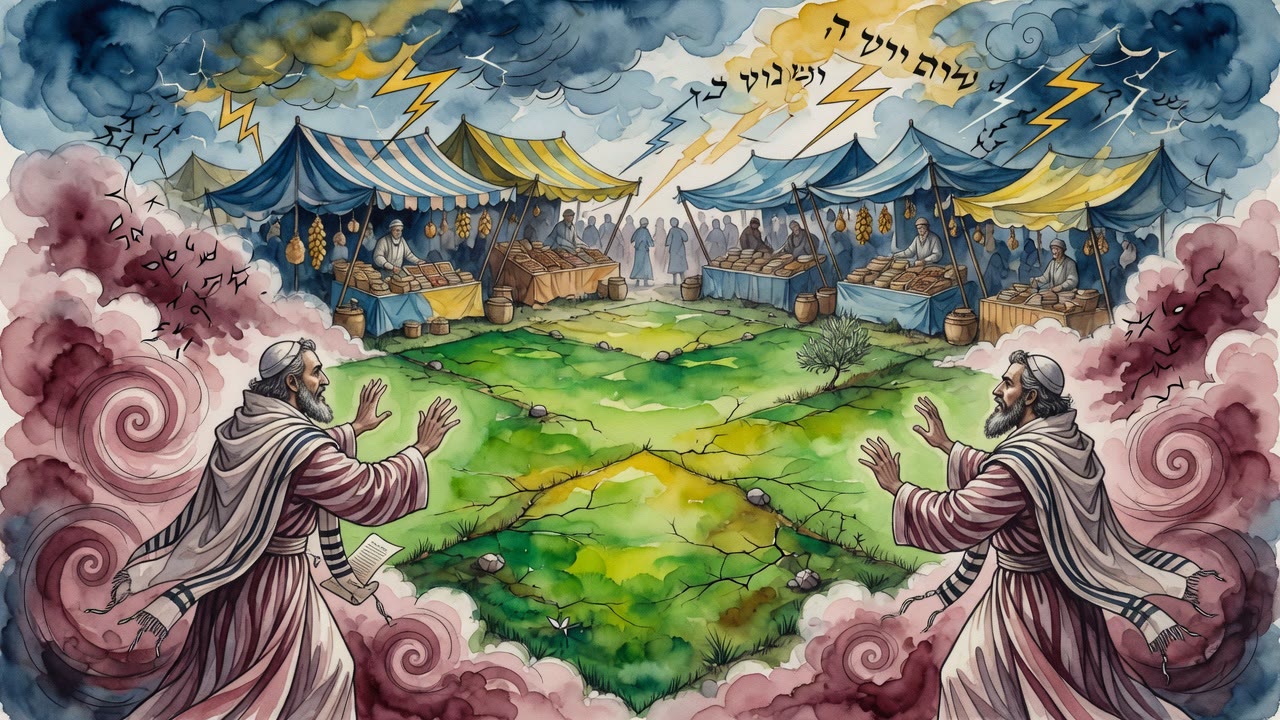
When the neighbor finally sees the stone in its false place and drags the mover to court, another temptation waits on the bench. Perhaps the thief is poor and the victim rich. Perhaps the heart wants to soften the penalty. The Mekhilta refuses that tilt. Honor the poor with your own purse. Never with another man's boundary.
If the thief later stands poor before the bench, pity will try to rewrite the night. The Mekhilta keeps the night intact. Restore the line first. Feed him afterward if you must, from a purse that is yours. The field is not a charity plate.
A judgment stolen for pity is still a judgment stolen. The man who moved the stone in the night does not become righteous because his cloak is thinner. The field must return to its line. Charity can follow afterward, through a different door.
Dawn on the Corrected Furrow
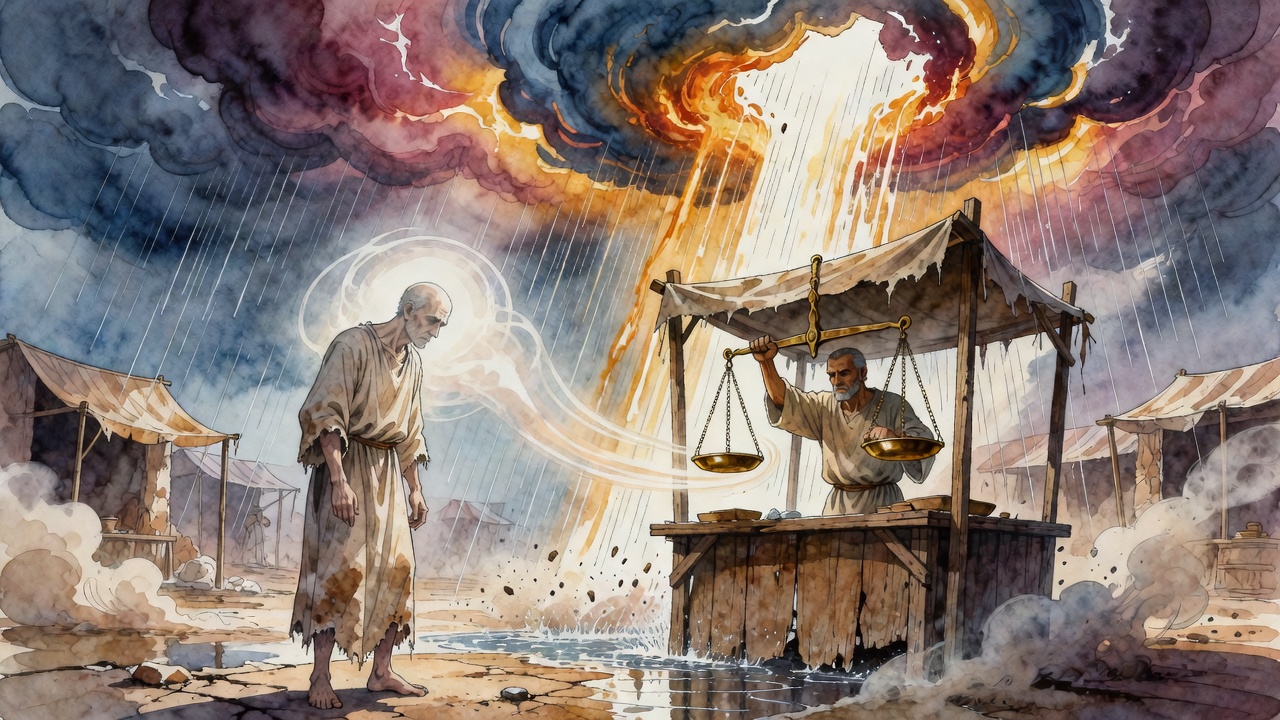
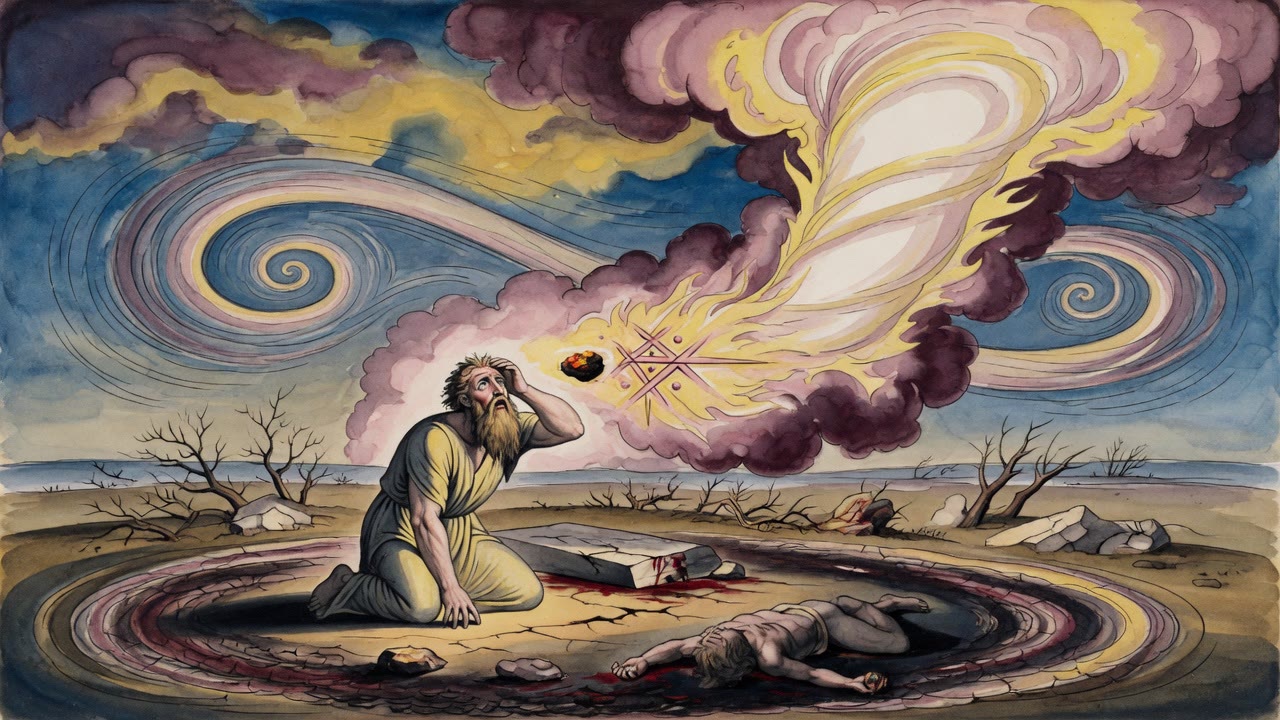
They put the stone back. The hole from the night showed as a scar for one season, then grass covered it. The man who had shoved it walked home lighter of land and heavier of name. Double sin does not mean double theater. It means the quiet theft was never quiet in Heaven's hearing.
Neighbors walked the edge at first light and argued about a tree that used to stand three paces inside the true line. Memory became a second surveyor. The stone's return did not restore trust in a day, but it restored water rights for the season, which is how land tells truth.
The cloak on the road, the donkey with its saddle, the stone at the edge of the field: each is a test of whether a hand will restore what it could have kept. The story ends with the line redrawn and the grain on the wrong side cut back. No feast. Only the right dirt under the right feet.
← All myths