The Friend Who Took a Share and Swore Silence
A cup changed hands on an empty street. Later the robbed man asked for an oath. The friend said he knew nothing, and a court let him walk.
Table of Contents
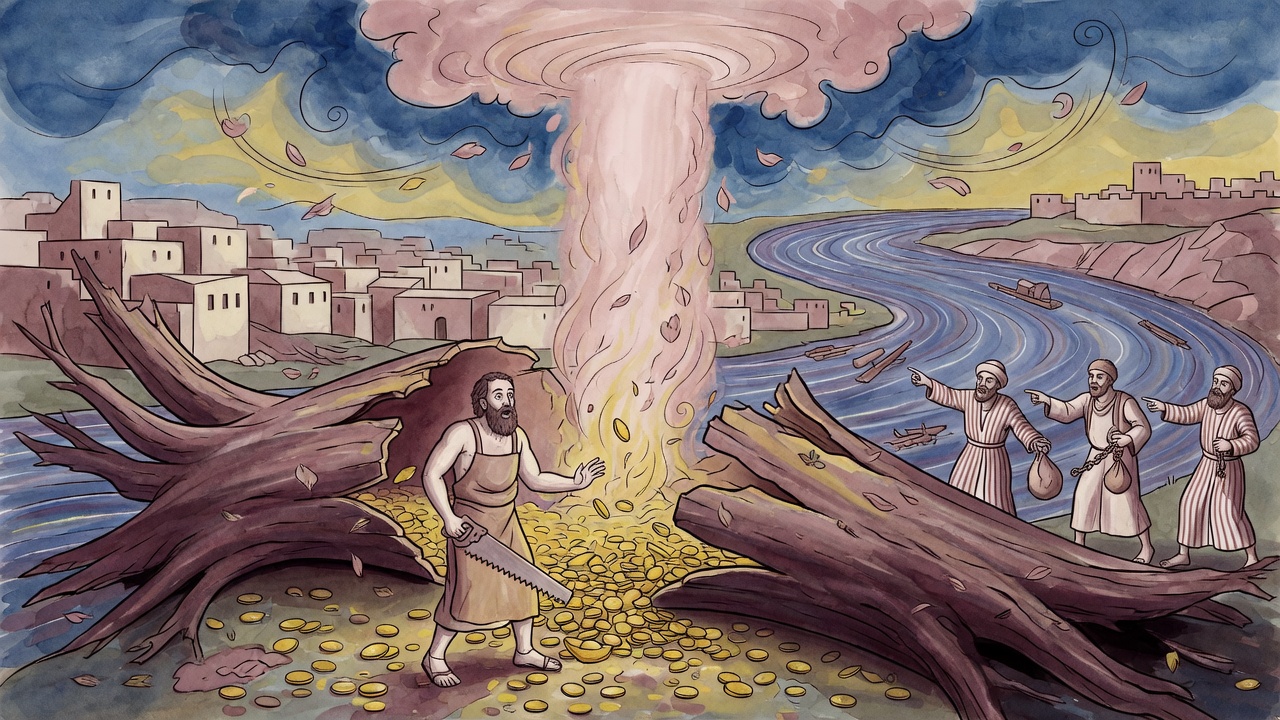
A man walked out of his neighbor's house bent under cloth and metal that did not belong to him. Dust rose from his sandals. The street was empty enough to feel safe and busy enough to feel watched.
 Click for full size
A friend met him at the turn. "Where are you going?"
The thief grinned the grin of a man who needs a partner more than he needs a witness. "Take your share and tell no one."
Take Your Share
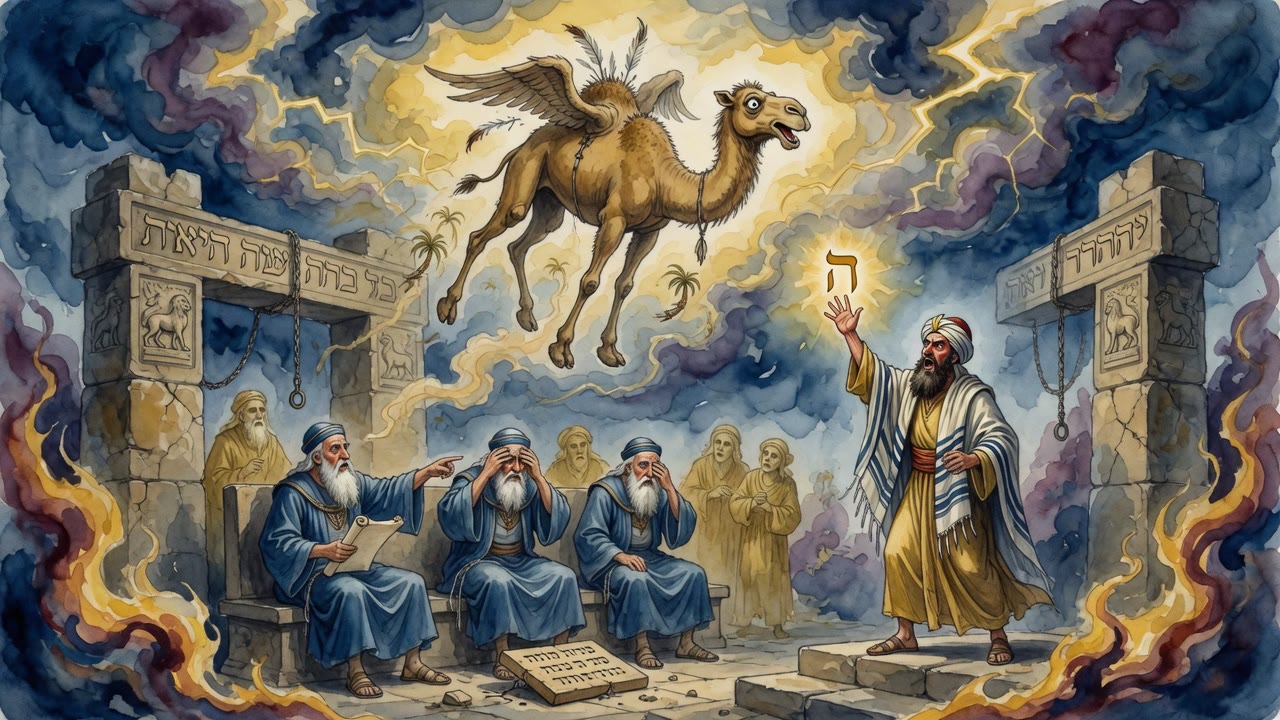
The friend looked at the bundle. He felt the weight of a cup, the edge of a tool, the soft bulk of a garment. He took his share. He took the silence with it. The two parts arrived in the same hand.
They parted like men who had only discussed weather. The friend hid the cup under a cloak and felt his pulse argue with his face. The pulse lost. The face stayed calm.
At home he set the cup on a shelf behind a jar. He washed his hands as if water could argue with metal. He ate bread. He told himself he had only carried a weight a short way. He had not broken a lock. He had not climbed a wall. He had only opened a hand when a friend asked him to open a hand.
Swear You Saw Nothing
Later the robbed man came to that same friend. His face was thin with the particular anger of a person who knows something left his house and cannot prove which door. "Swear to me that you did not see anyone leaving my house laden with my things."
The friend felt the share still hidden at home. He felt the cup's cool rim in memory. He opened his mouth.
"I swear I know nothing."
The oath landed cleanly in human ears. No witness stood ready to contradict him under the court's rules. The robbed man walked away poorer. The friend walked away lighter, for a moment, as if language could erase a bundle.
The words were easy. Living inside them would not be. He had divided with a thief, and then he had closed his mouth on an oath. The verse names that double move as a man who hates his own soul (Proverbs 29:24).
The Court That Let Him Walk
A human court examined what it could examine. Witnesses were questioned. Evidence was measured against the strict standards of Torah procedure. By those standards the defendant walked free. The judges followed the rules. The rules demanded release.
He heard the ruling and almost smiled. He did not smile long. A free man can still carry a court he cannot see.
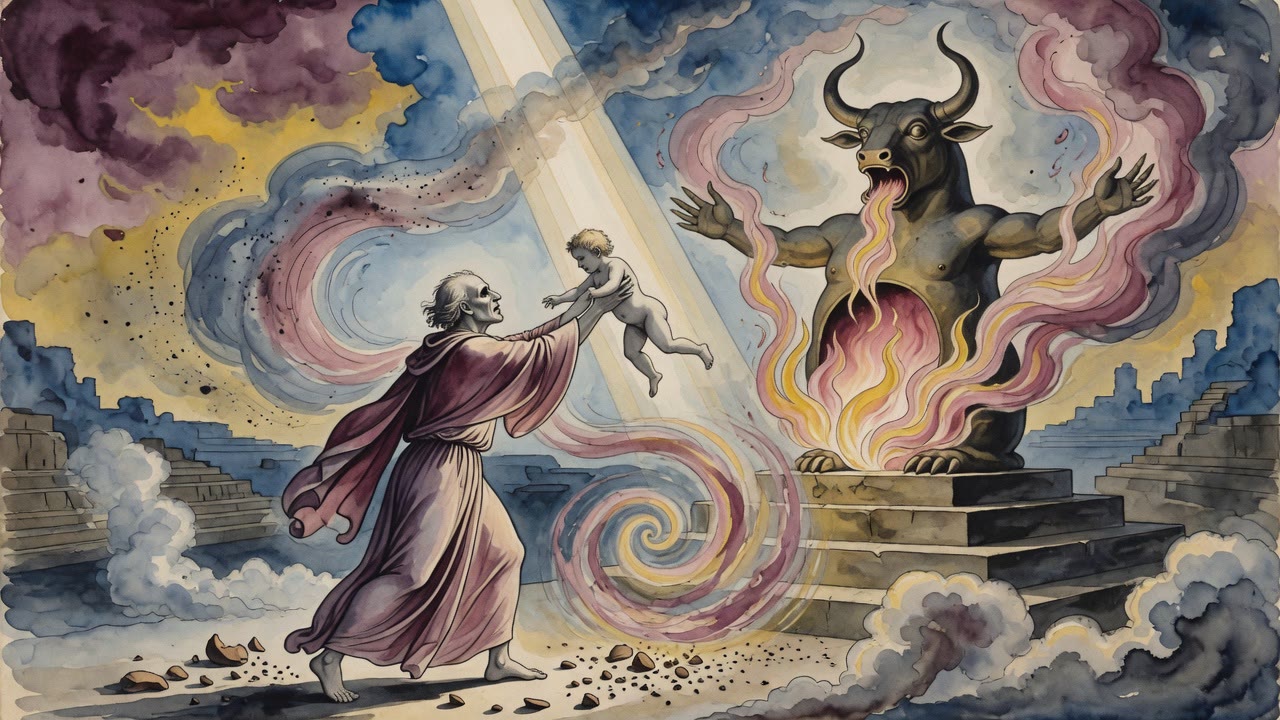
On the way out he passed a stall where a boy was being priced. Beyond ordinary theft stands the kidnapper, the one who steals a human being and sells him and pays with his own life. Human bodies are not inventory. The friend's crime was quieter. A cup. An oath. A soul turned against itself. The scaffold for the kidnapper stood at the far end of the same road, a warning that theft of persons is not the only way to sell a life cheap.
The Court That Would Not
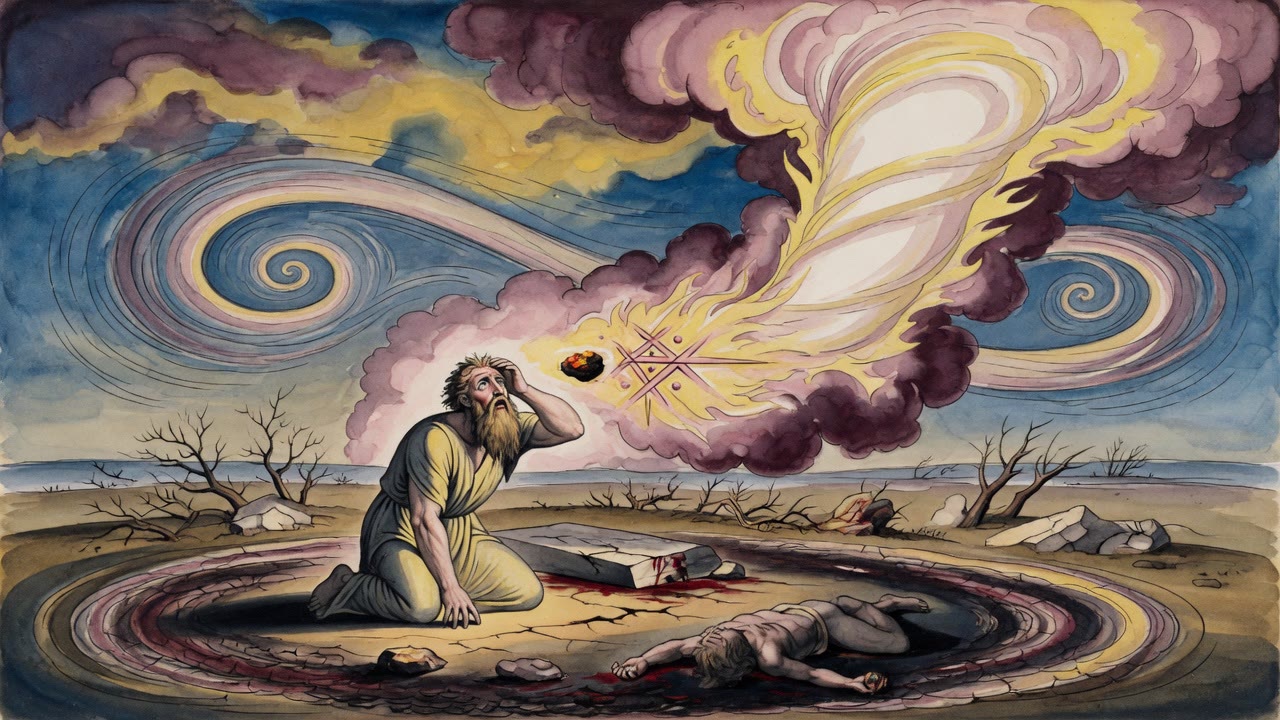
A verse answers the clean verdict. "For I will not vindicate the evildoer." At first it might seem that as he left the human court free, so he would leave God's court free. The verse teaches otherwise. Acquittal on earth does not bind the tribunal that already saw the cup change hands.
Rabbi Shimon ben Yochai had already walked the road in a parable so no one would mistake quiet partnership for innocence. Share plus silence is not a small sin. The kidnapper's life-price and the friend's false oath sit on one map so the mouth that will not open cannot call itself harmless.
The friend slept that night under a roof the court had given back to him. He woke with the oath still in his teeth. God's court does not wait for a second set of witnesses. It had been in the street when the bundle was offered. It had been in the room when the robbed man asked for a name and got a lie.
The Cup on the Shelf
At night he set the stolen cup on a shelf and told himself the court had spoken. The shelf did not answer. Somewhere a robbed man slept badly. Somewhere a ledger did not close when the courthouse door did. The cup caught a strip of moonlight and looked, for a moment, like a mouth about to speak.
He could have spoken the next morning. He could have carried the cup back and named the thief. He did not. The silence he had bought with a share had become the air in his house. He hated his own soul the way a man hates a door he himself barred from the inside.
The kidnapper pays with a life in the market. The friend pays with a life he still has to live. Both chose a price. Only one of them walked out of a human court with a clean record and a dirty shelf.
← All myths