16 myths
Each story names the sources it was written from.
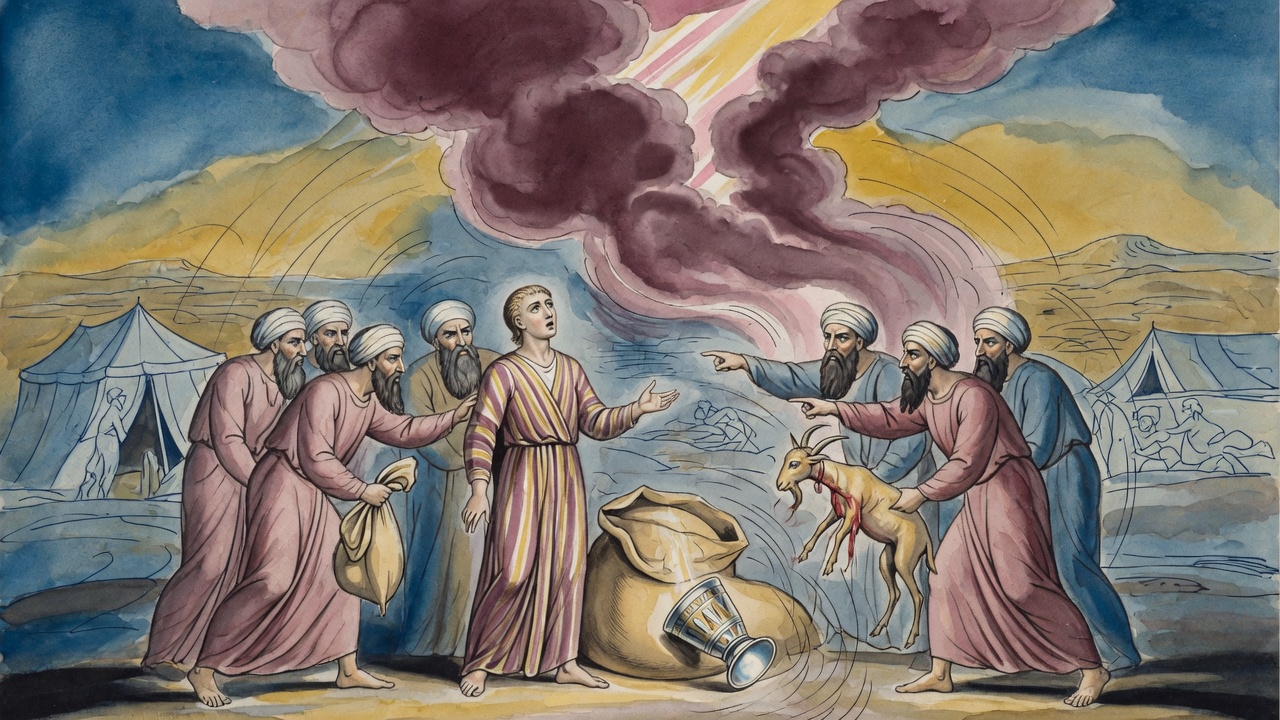
They called him thief, then they called his mother a thief. Benjamin asked about a kid of the goats and a coat soaked in blood.
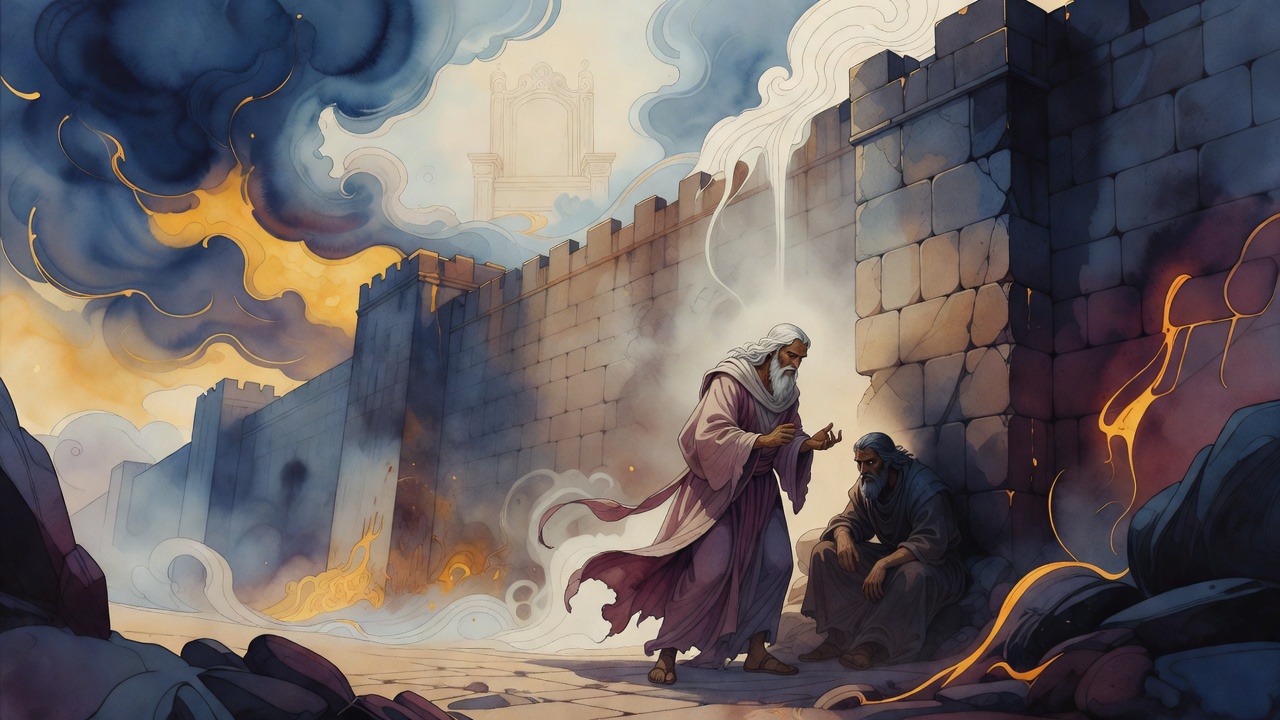
Two men were lurking near the palace walls. Solomon put on servant's clothes, introduced himself, said he had a key, and proposed a robbery.
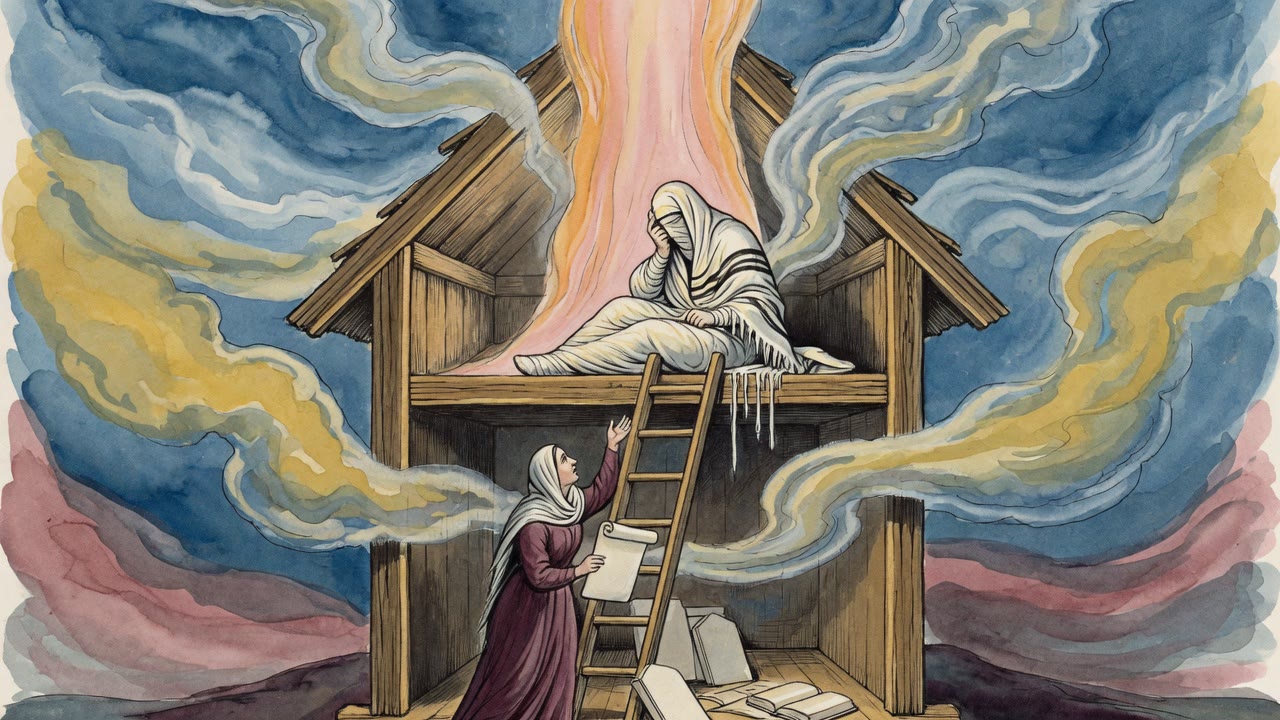
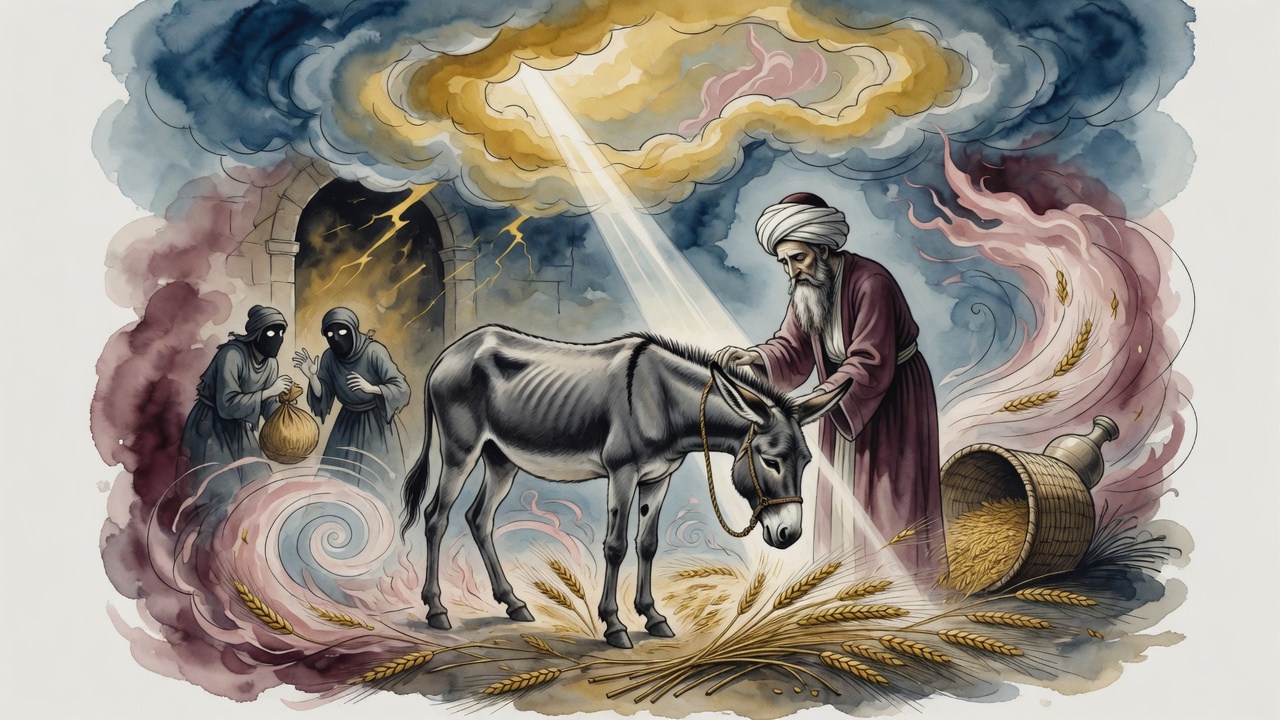
When thieves stole Rabbi Pinchas ben Yair's donkey, it refused to eat for three days rather than touch untithed grain.
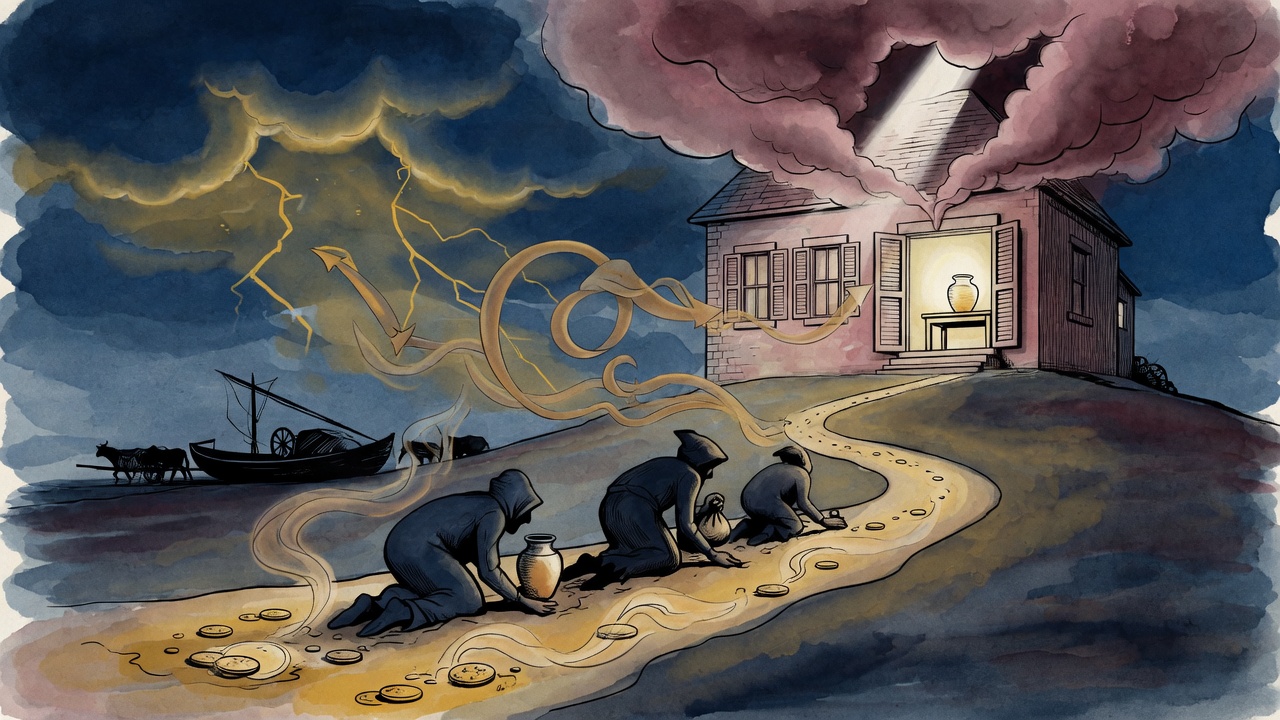
A stranger left a purse that smelled of oil. After dark the same men followed the scent back into the house that had held it.
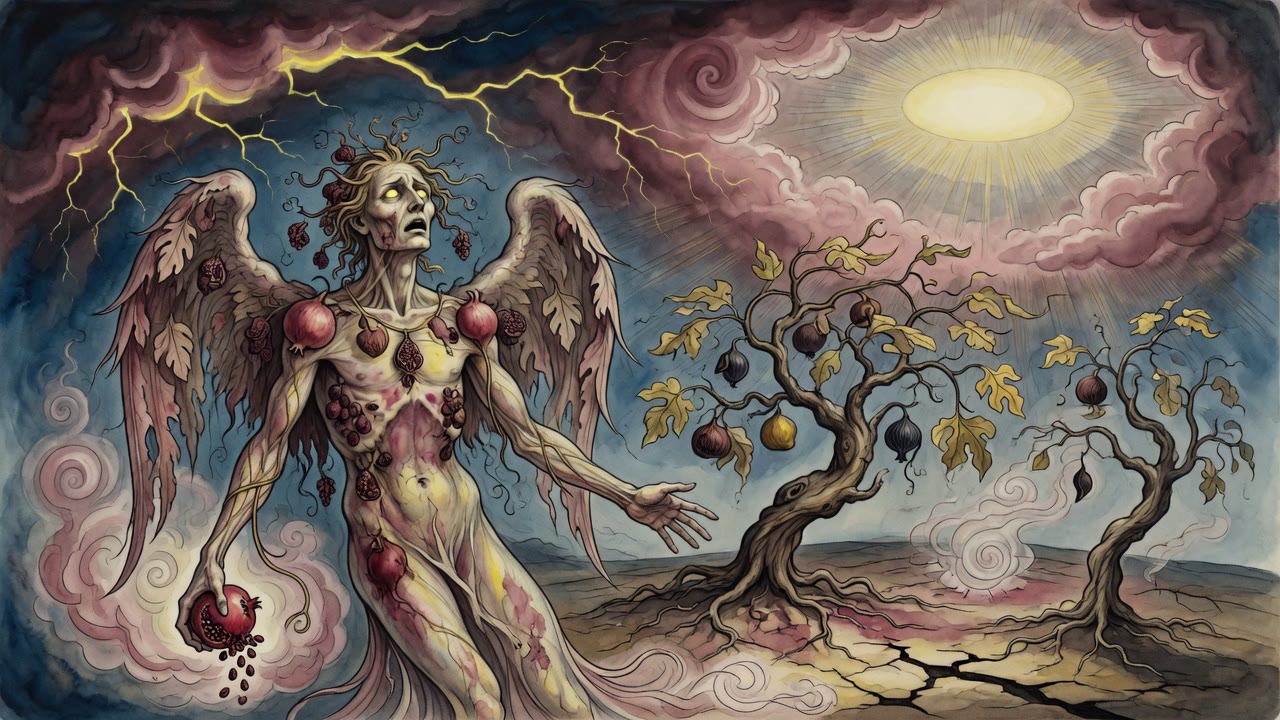
Juice ran down his wrist before a blessing left his mouth. Above the stall the appointed watcher went thin, waiting on a word that never came.
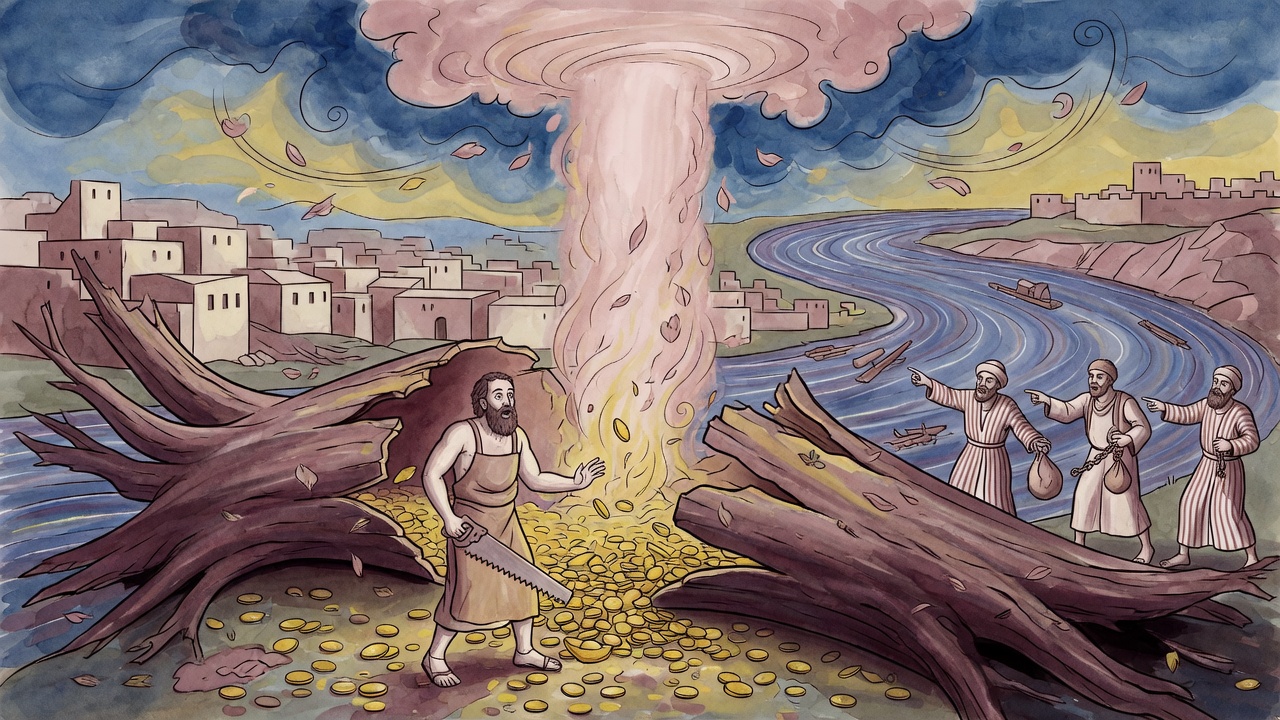
A neighbor stole the carpenter's purse and died on the road. Years later Abraham bought a beam. The saw found the sack inside the wood.
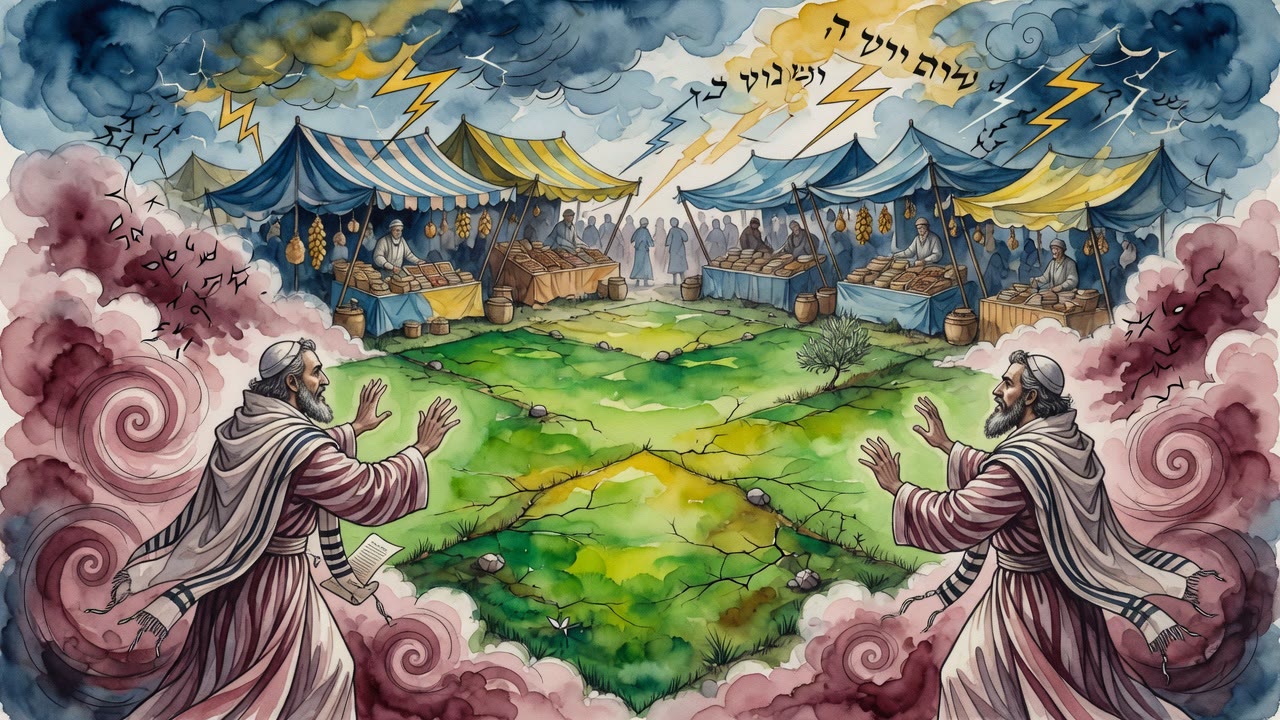
The price was fair and the deal closed before noon. By evening Zeira learned that Gidel had been quietly negotiating for the same parcel for days.
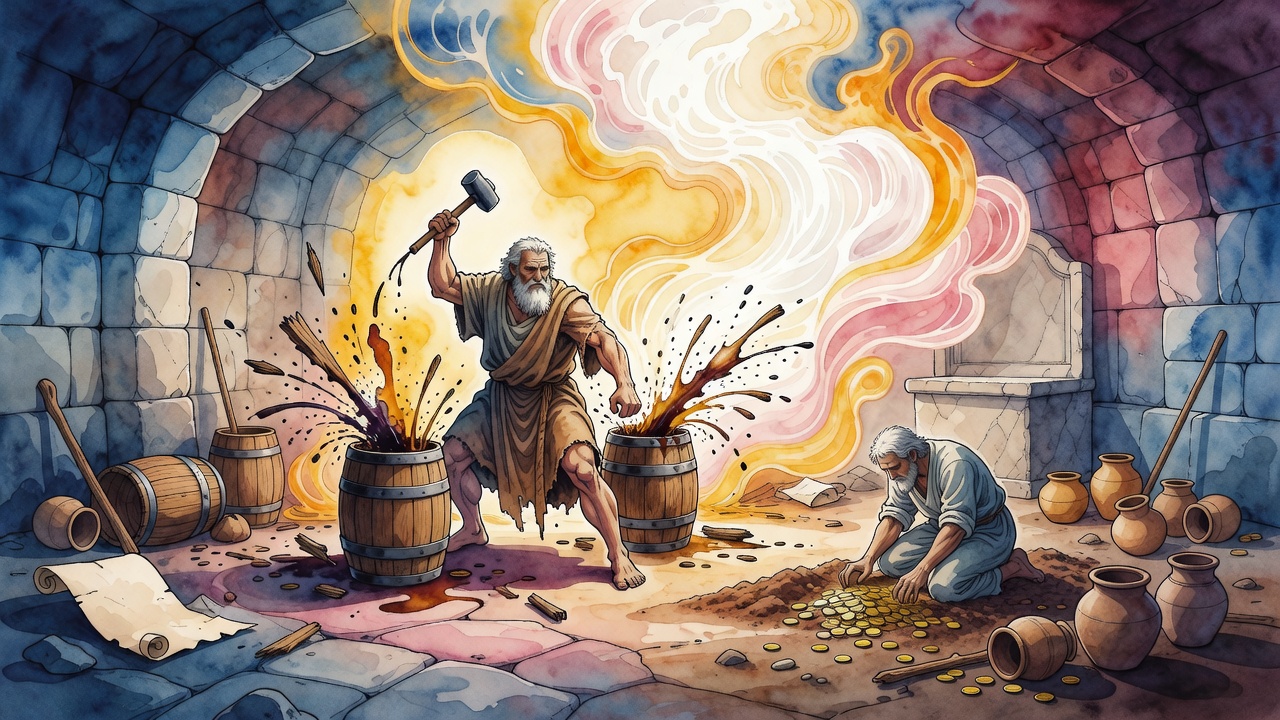
A harvest lord smashed his own casks rather than give the tithe, while another man buried gold in clay and returned to empty jars.
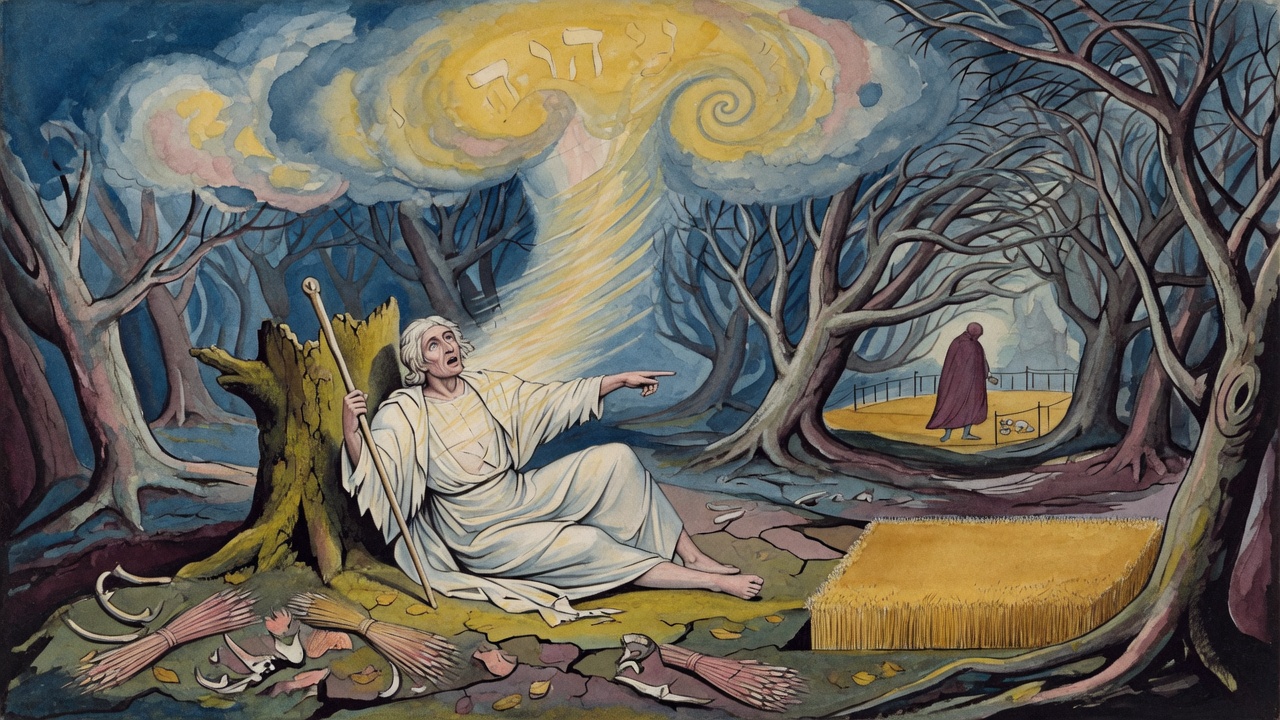
A traveler met a dead man in the woods who still could not rest because a stolen field sat in the wrong hands among the living.
The lid came off the royal dish. The thief looked down and saw the bird from the tree above the road. He could not stop laughing.
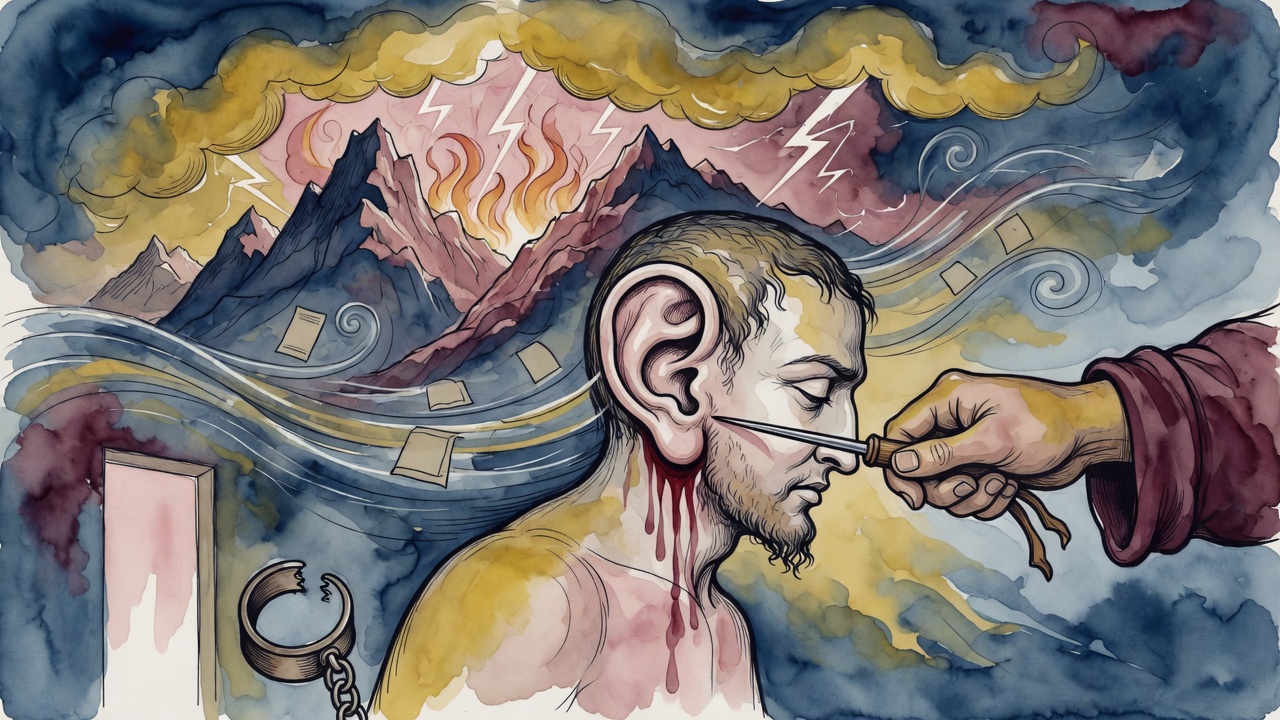
He could not pay the fee, so he hid behind a fence and listened. The sages called him a thief, then promised he would repay as a teacher.
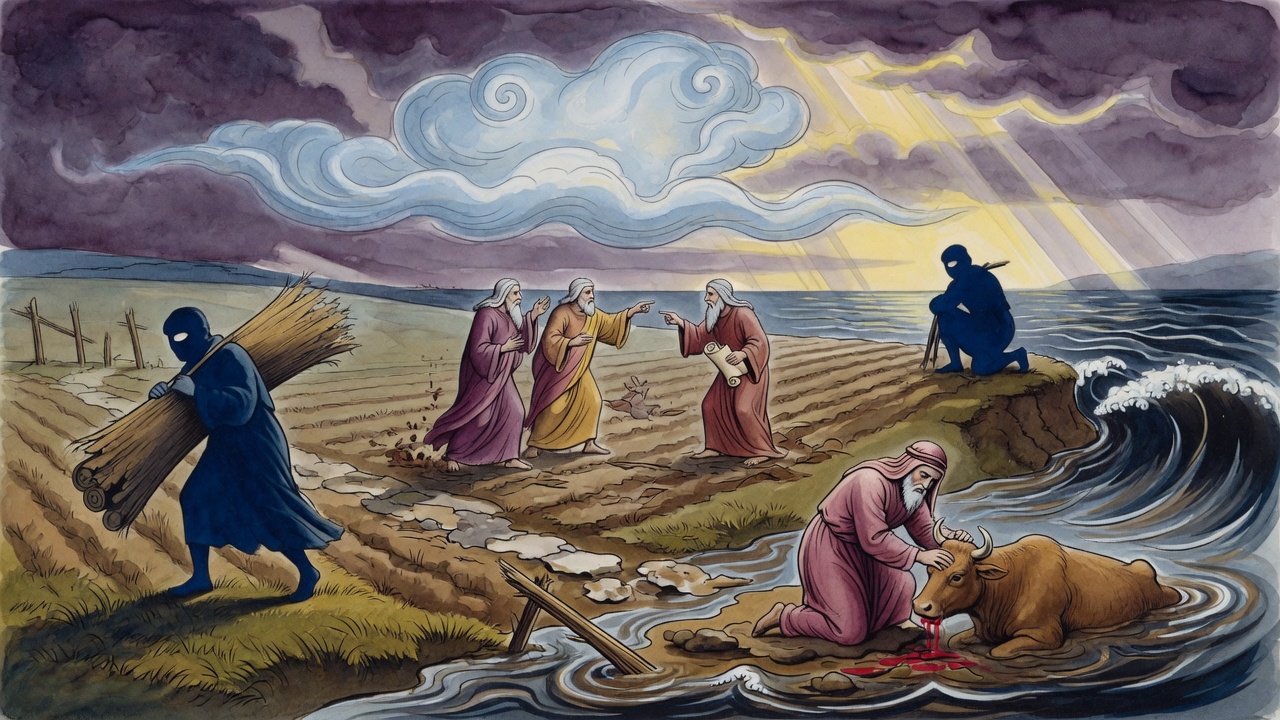
The owner would come at first light. The thief stood on the high bank rehearsing a speech about accidents, with mud where the barley had been.
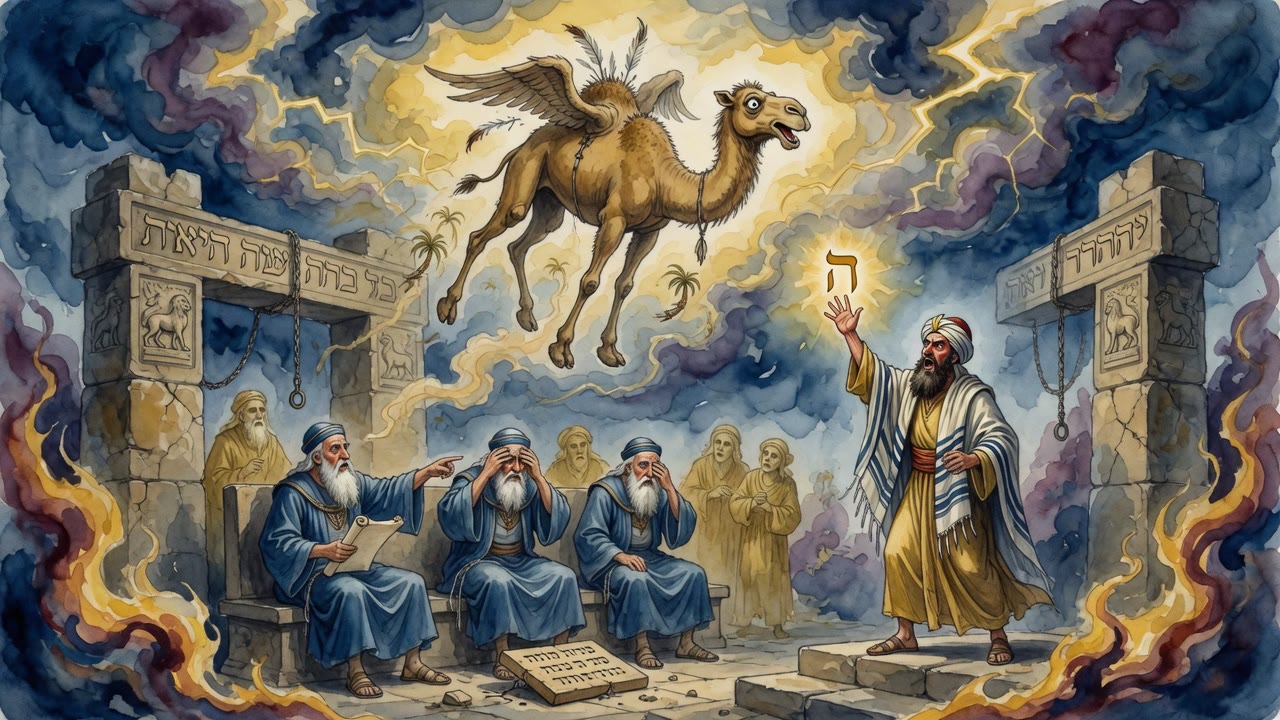
A cup changed hands on an empty street. Later the robbed man asked for an oath. The friend said he knew nothing, and a court let him walk.
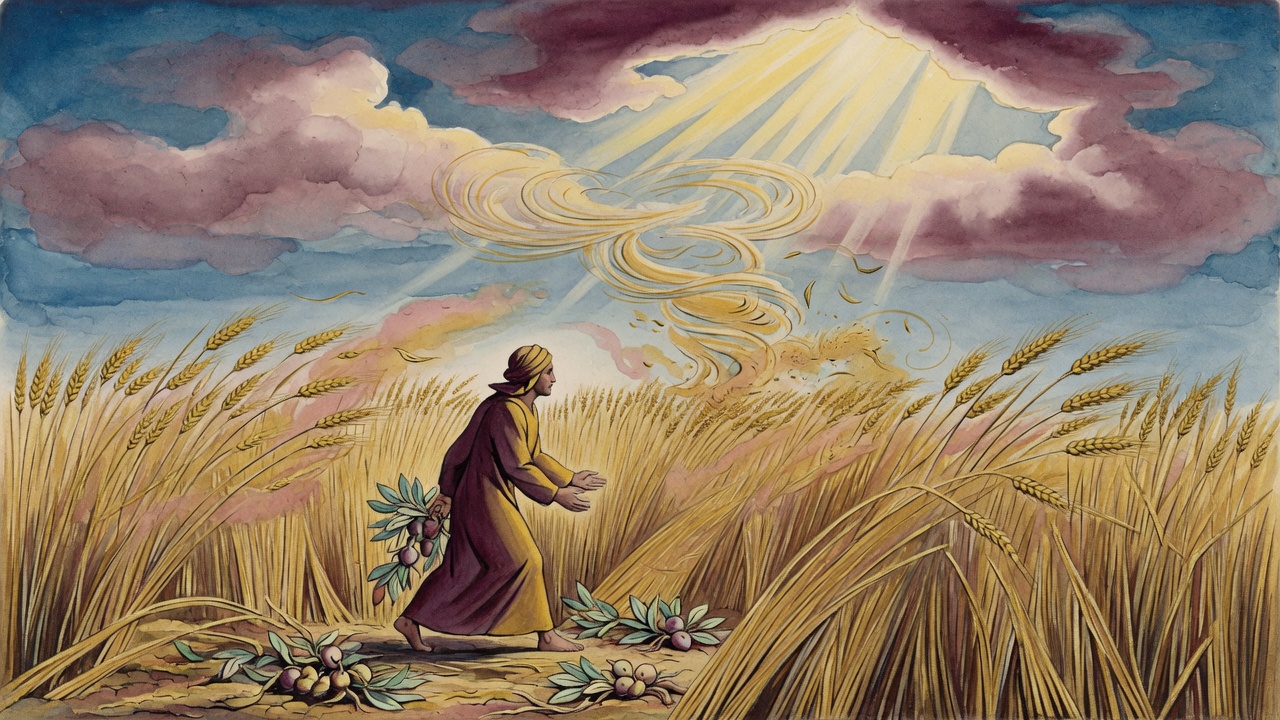
The owners were gone and the grain stood unwatched. Reuben was hungry enough to take a sheaf. He tied mandrakes to the donkey and left the gold standing.
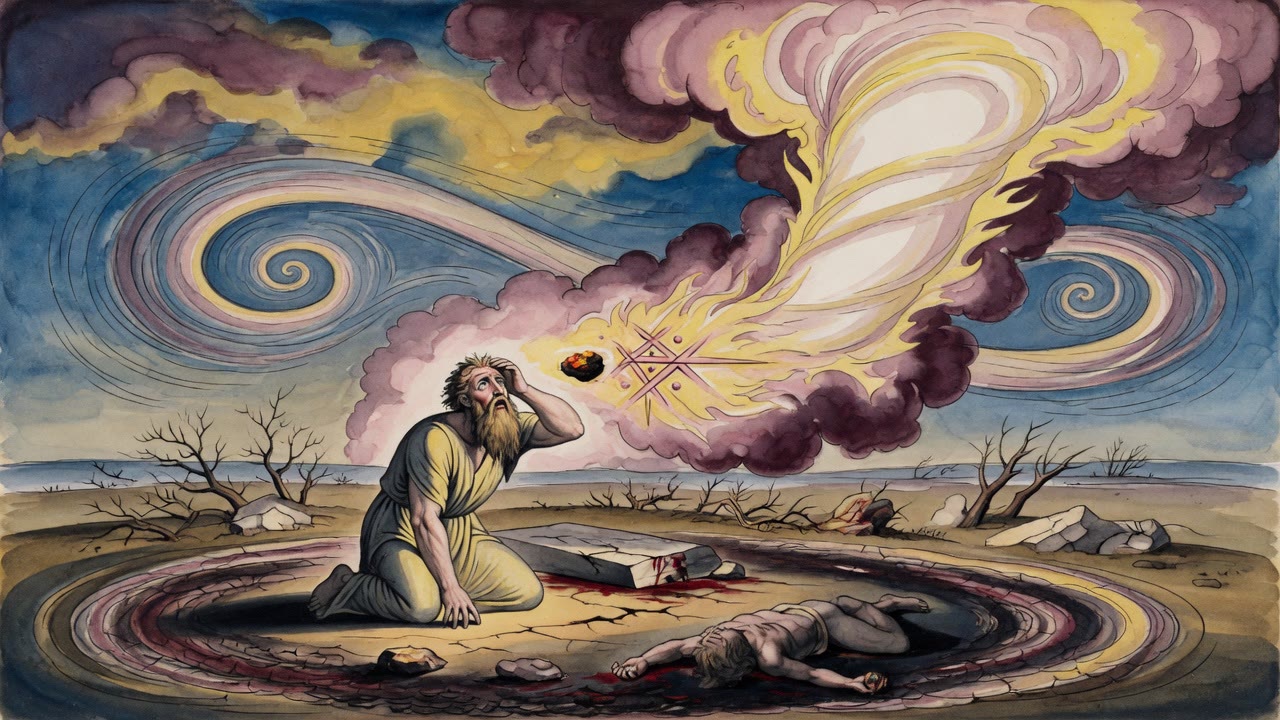
Under a thin moon a man dragged his neighbors marker a few cubits west, thinking no one would call it theft until the Torah named it twice.
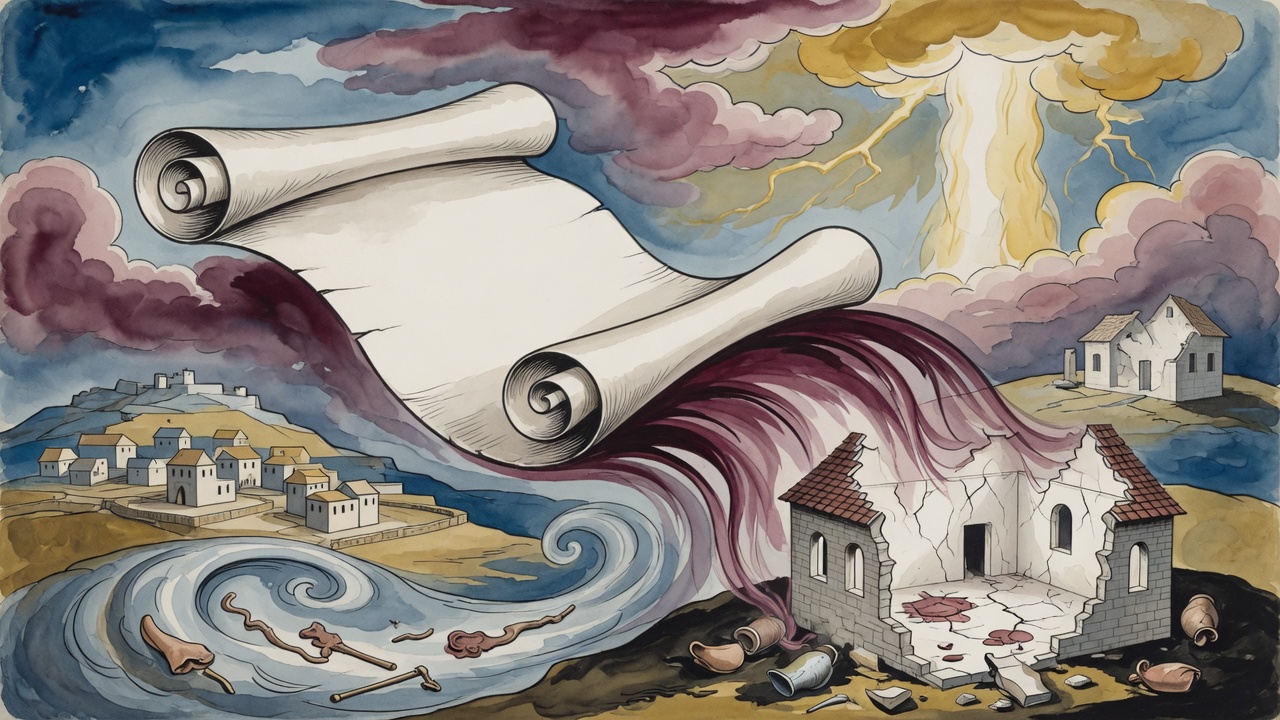
Zechariah saw a huge curse flying over the land, and the rabbis say a false oath can empty a house the way a jug once full of wine is left hollow and dry.
