Scented Coins Led Thieves Through the Dark
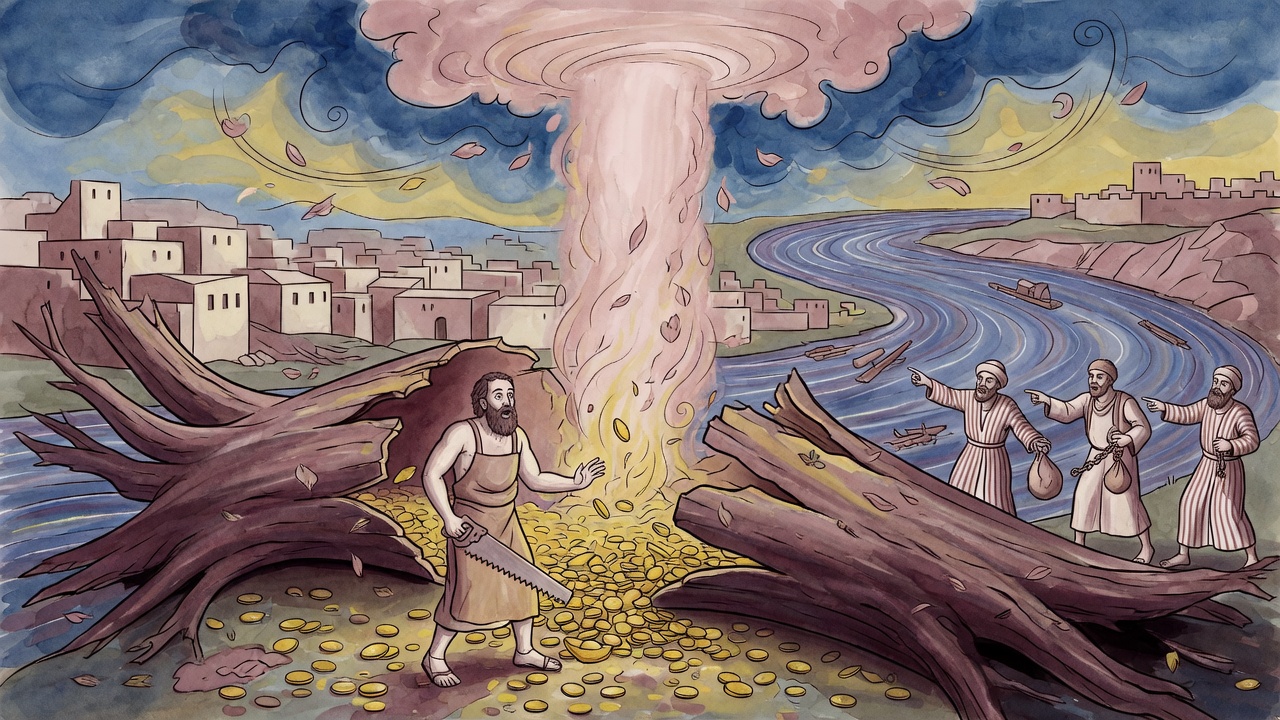
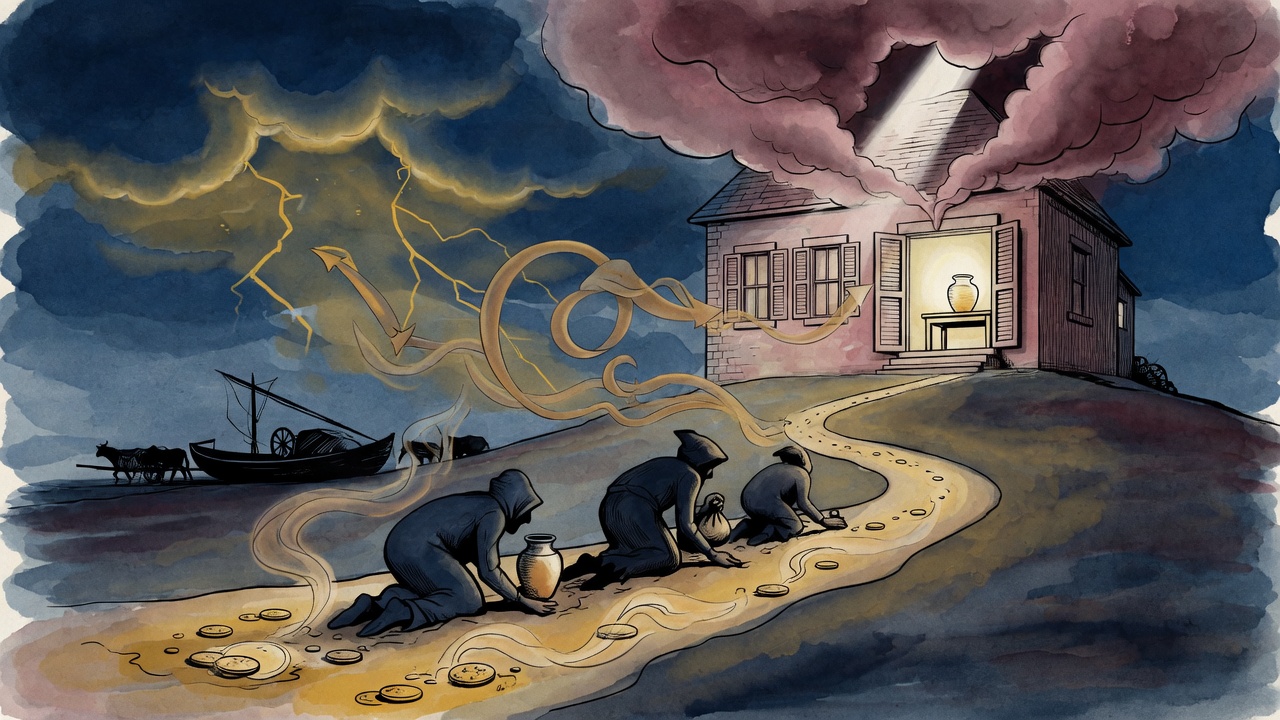
A stranger left a purse that smelled of oil. After dark the same men followed the scent back into the house that had held it.
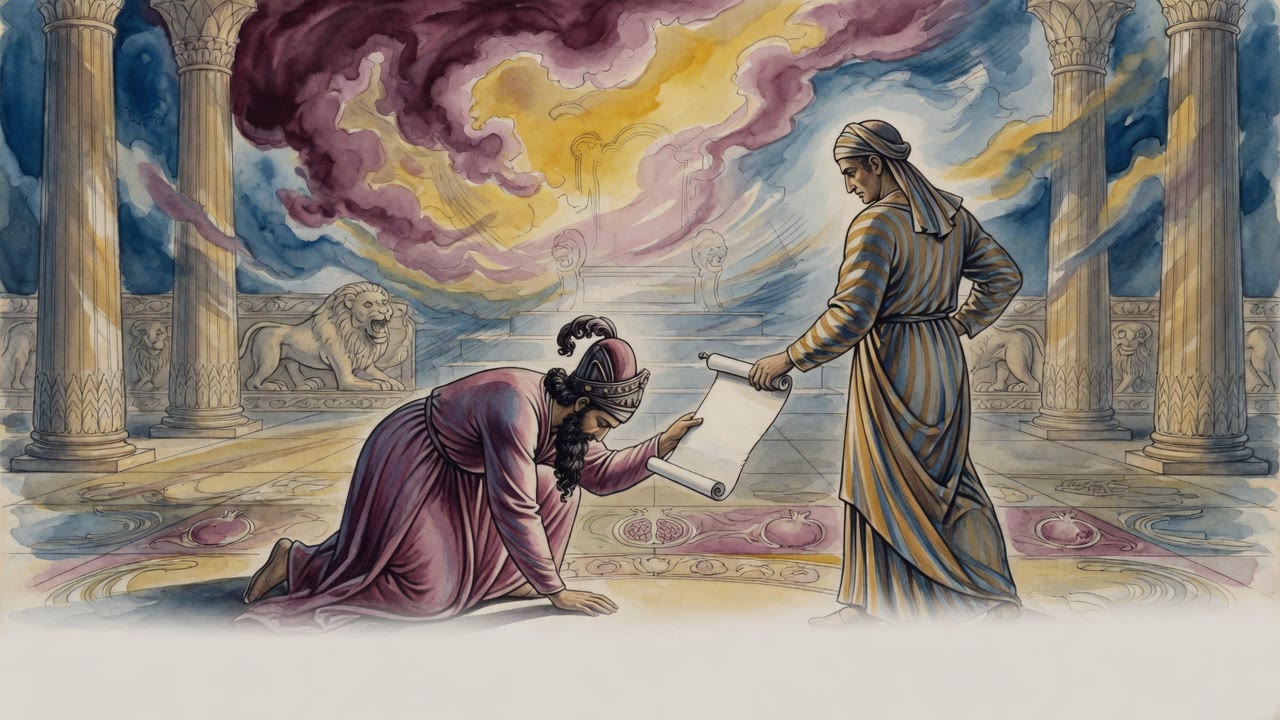
The householder took the purse because the request looked like trust. The stranger's hands were clean. His voice was polite. The oil on the coins was the real plan.
 Click for full size
A strong scent rode the metal into the home, into the chest, into the room where valuables slept. The householder set the purse with his own silver and went to bed a decent man.
Oil on the Coins
At night the same men returned without knocking as friends. Noses led where eyes could not. They followed the trail of their own deposit to the place that had done them a kindness, and they emptied it.
A woman woke to a cold floor and an open chest. The smell of the oil still hung in the wood. Hospitality had been a map drawn in scent.
They left the way they had come, by smell, through alleys the moon did not bother with. Behind them the house held a chest that no longer closed on anything worth closing. One of them paused in the street and breathed in, checking the trail was still his. The nose did its office. It did not care who had built it.
Two Days for One Ox
The same streets already ran on a crooked shepherding rule. A man with two oxen gave one day of service. A man with one ox gave two. Wealth bought rest. Poverty bought extra labor.
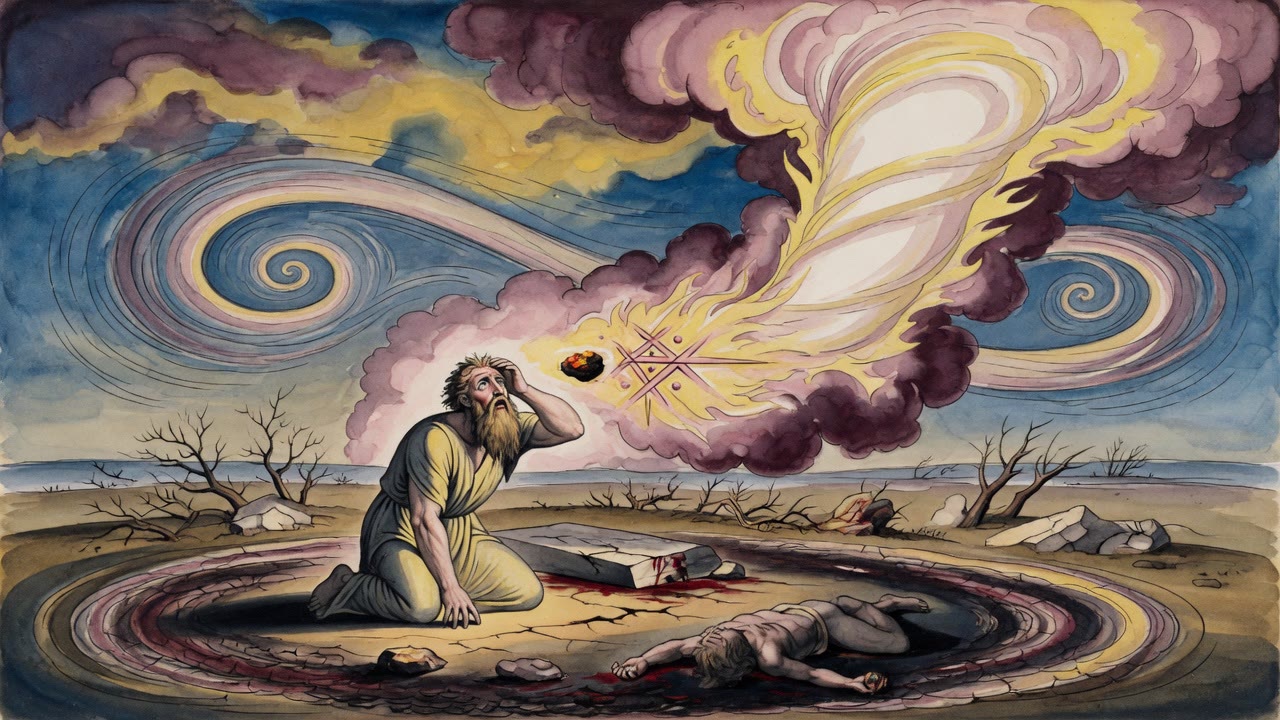
An orphan who lived under that math snapped. He slaughtered the cattle in his care. When hides were divided he demanded the parody reverse: two hides for the one-ox owner, one for the two-ox man. Bitter theater. The injustice had taught him inversion as the only language left.
At the river a traveller paid four zuz for the ferry. Wade the water to save money and the fine became eight. Poverty paid double for trying to be thrifty. The river itself had been hired as a tax collector.
In that climate the scented coins were not a freak. They were the clever end of a town that had already decided the weak exist to be harvested. Official injustice and private heists shared a workshop. One used a statute. One used oil. Both treated a neighbor as terrain.
The Nose God Made
The thief who led them walked with ears that heard, eyes that saw, a brain that sorted alleys, a nose that smelled oil, a throat that shaped a hush, hands that lifted another man's silver, lungs that breathed, feet that found the door. None of the organs traded office. Each kept its post for the crime.
From a foul-smelling drop in the womb he had been brought to the light. Sight had been given to those eyes. Motion had been given to those feet. Breath had been infused, and of a pure spirit lent. He used the loan to track a kindness back to its chest.
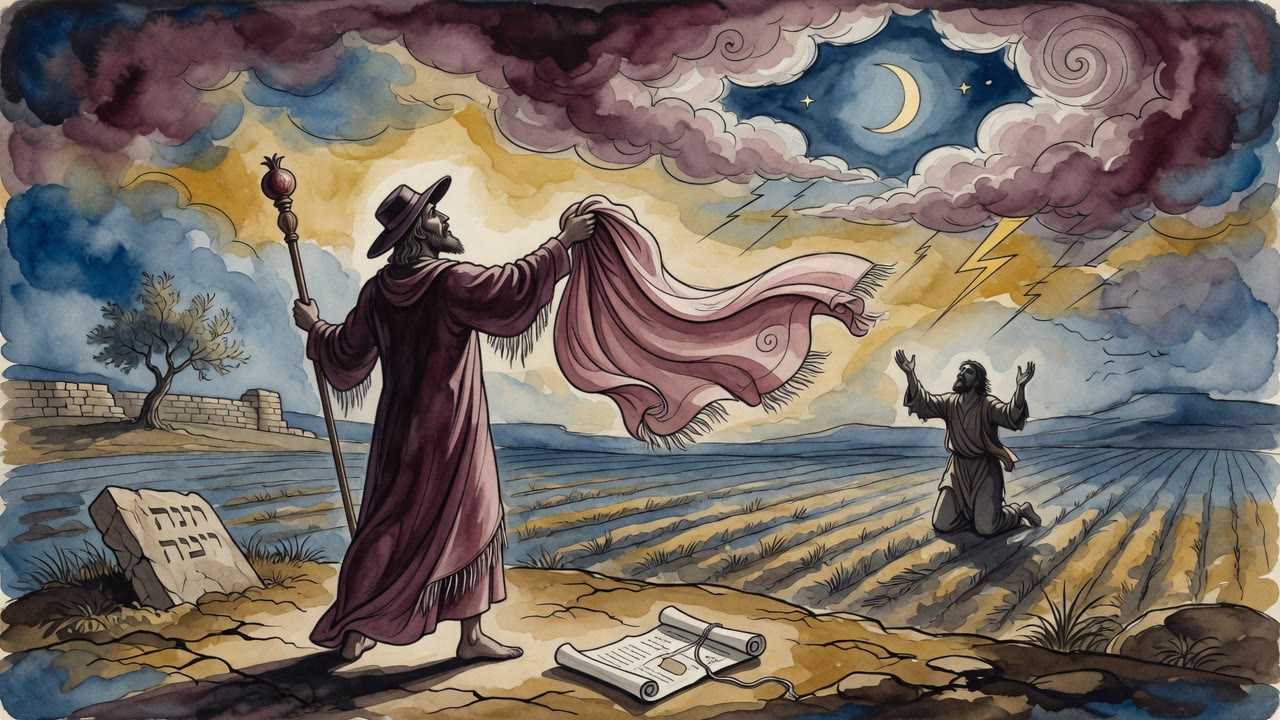
In the robbed house an elder stood over the open wood the next morning and spoke to the sons who still had breath. Take to heart who created you, he said. Happy the man who does not pollute the holy spirit of God within him by doing evil deeds. Return it as you received it.
The thieves were already gone. Their noses still worked. The warning sat in a room they had already emptied.
Dawn After the Oil Fades
Morning thinned the scent. Markets opened. Ferries loaded. Somewhere the orphan's story was still told as warning, not as model. Somewhere a man refused a deposit because he remembered the oil trick. Somewhere else a man took one because he refused to let thieves own the meaning of trust.
A judge who laughed at the double ferry fee was part of the night crew even if he never climbed a wall. Children raised under unfair ox-days learned either to break like the orphan or to become the next man with a scented purse.
The last of the oil smell left the wood. The chest still sat open. The elder's warning sat in the room with it, and the men with the trained noses were already choosing the next house.
← All myths