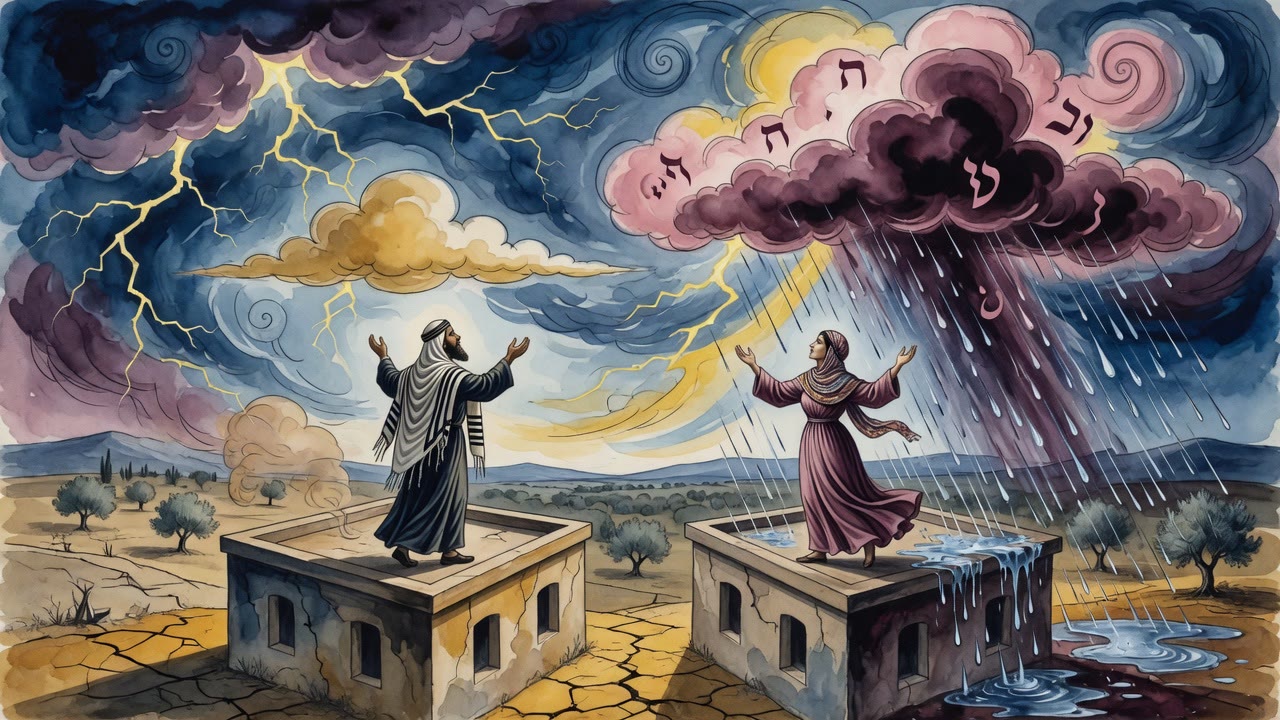
The Widow's Cry Climbs Straight to the Throne
A widow's prayer skips the usual gates of heaven. God hears her voice at once, and Ben Sira warns that wealth without character only deepens disgrace.
Table of Contents
 Click for full size
The Room with No Advocate
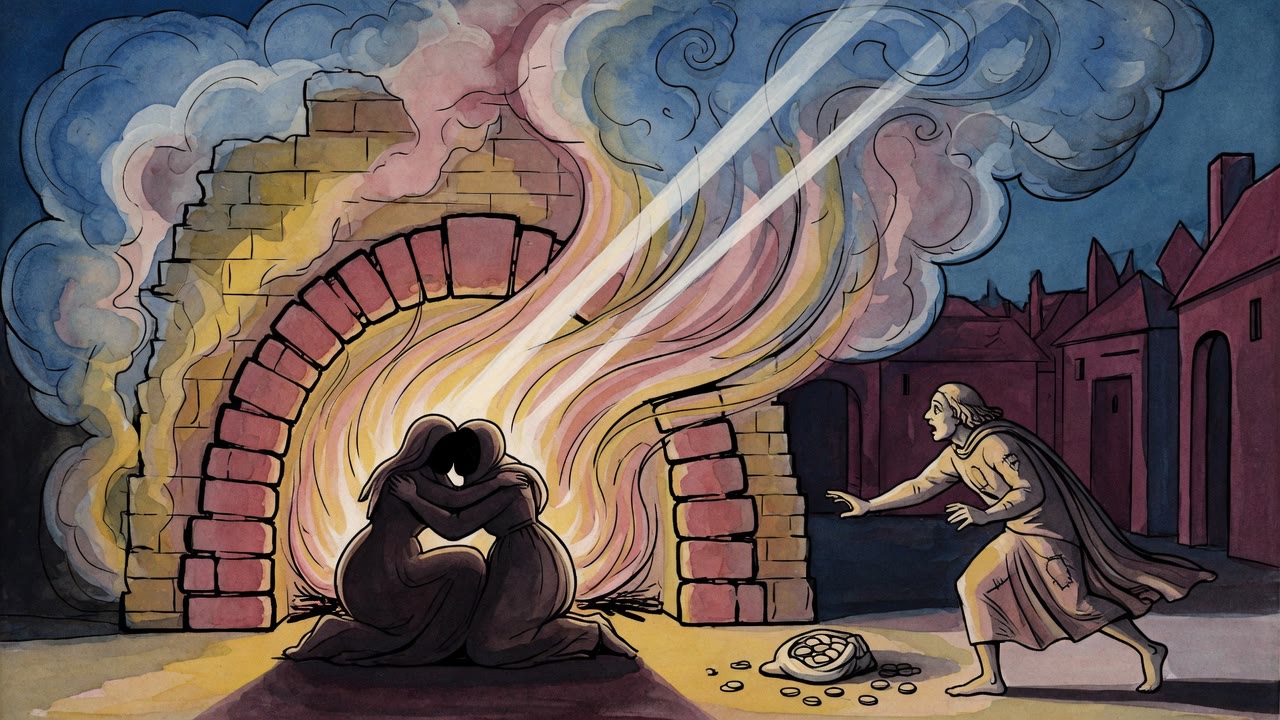
The widow sat on a low stool and folded the empty place at the table into the cloth. Her child watched without understanding the full shape of the loss. Outside, neighbors passed with full baskets. No one stopped. The Targum places God's own warning over that room: if you impoverish her, beware. If they rise and cry to Me in prayer, I will hear their voice and avenge them (Exodus 22:22).
Most prayers travel. They pass through ranks, intentions, the long accounting of a life. The cry of the widow and the orphan rises straight. No filter. The one who would have defended her is gone. The father who would have stood at the court gate is gone. When human advocacy ends, God takes the brief. Father of orphans and Judge of widows, says the Psalm (Psalms 68:6).
She did not compose poetry. She said the rent is due and the jar is light and the child coughs at night. Heaven, in this teaching, does not require elegance from the broken. It requires only that the cry be real.
The Plural That Indicts a Street
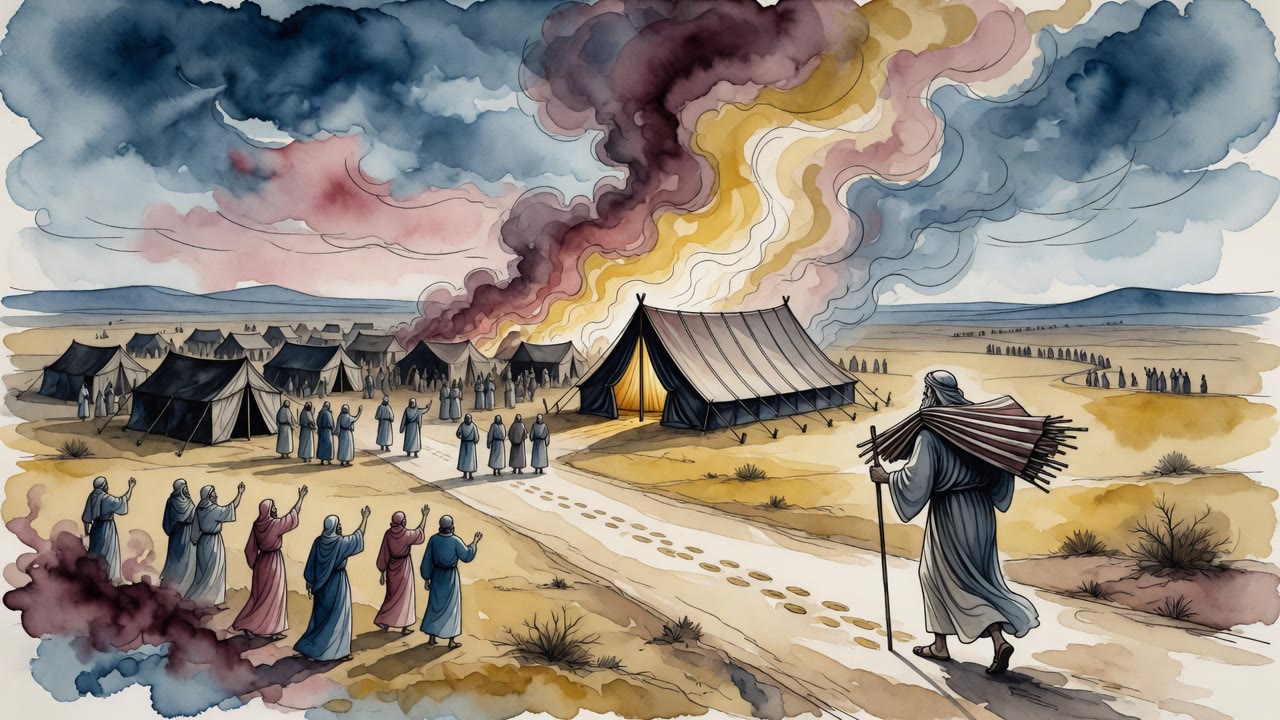
Notice the plural. If they rise up and cry against you. A single woman's tears can summon consequence not only on the man who cheated her lease, but on the community that watched and kept walking. Indifference is not neutral in the Torah's ledger. The street that heard the weeping and chose the market over the doorpost shares the charge.
The covenant's measure is not the height of its gates. It is whether anyone hears the woman and the child before heaven has to. A merchant who later found his accounts disordered wondered whether an ignored door had something to do with it. The Targum does not need his wonder. It already wrote the warning in God's voice.
Two neighbors finally brought bread. They came late. Late is better than never, yet the midrashic threat still hangs over every hour of delay. Repair can begin after failure. It cannot pretend the failure was small.
Wealth That Does Not Lift a Name
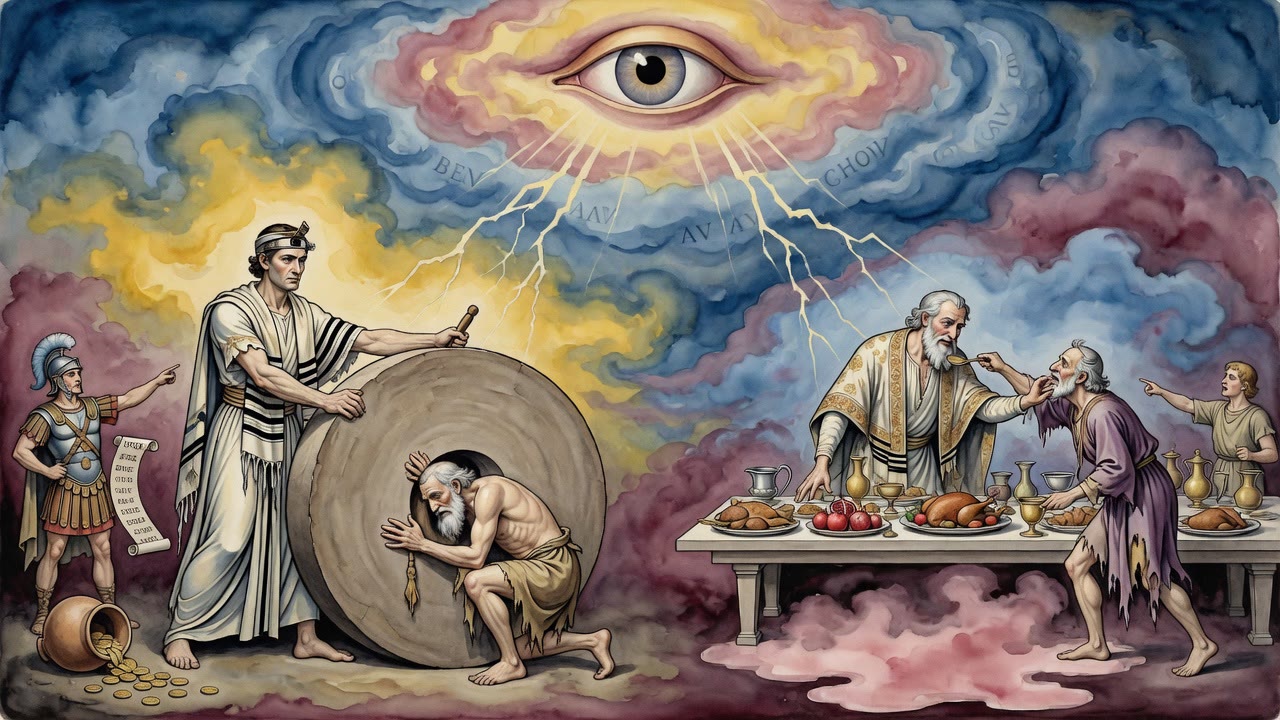
Ben Sira, writing in the second century BCE for a Jerusalem that knew both study and silver, draws a hard line through status. There is a poor person respected for intelligence, and there are people respected only for wealth. Does money make a man higher? Does poverty make him lower? The sage refuses the market's answer.
The one respected in poverty is further respected if wealth arrives, because character was already proven. The one held in disrepute while rich falls further when the coins leave. A poor person's wisdom raises his head. In another breath Ben Sira cuts the fantasy of sheer increase. Do not delight in multiplying children or goods if fear of the Lord is absent.
Better one who does acceptably than a thousand without reverence. Better a childless death than a crowd of wicked sons. A city is peopled by those who fear God and emptied by a family of transgressors. Quantity without awe is a beautiful barn with rot in the grain.
Two Economies in One City
The widow's cry and Ben Sira's ledger meet in the same marketplace. One economy counts coins and guests. The other counts whether a powerless voice reaches a human ear before it must reach the Throne. A rich man who builds a reputation on cruelty is already poor in the only ranking that outlasts inventory.
A poor woman whose prayer is clean carries a case heaven will not delay. None of this romanticizes hunger. The command is to refuse impoverishment, not to praise it. The threat of divine hearing is meant to change the neighbor's hand before the tears dry.
A city council can fund walls and still fail this test. The wall does not hear. The widow does. God does. Ben Sira's preference for one righteous life over a thousand empty ones is the same preference wearing wisdom clothes.
What the Child Learned Without Words
The child on the floor did not know the Targum. The child knew whether the door opened. If it opened, the week bent toward repair. If it stayed shut, a straight line of sound left the room and climbed where no doorman could stop it.
Ben Sira would have recognized the lesson without needing a throne room vision. Character shows first when there is nothing to gain. A city that fails that test will not be saved by the number of its storehouses.
Years later the child, grown, left an extra measure at someone else's door before being asked. That is how a warning becomes a people: not only by fear of vengeance, but by memory of a room that should never have been empty of neighbors. A scribe who paused over the plural "they" learned the same lesson with ink still wet on his fingers.
By the next market day the street had a new habit. Two loaves appeared at the side door before anyone had to ask. The widow did not thank the sky in public. She thanked the hands she could see, and then, alone, she spoke a shorter prayer than the one that had climbed without a filter. The Throne had heard the first cry. The neighborhood had finally answered the second.
← All myths