5 min read

The Widow Who Baked Gold Into Charity Bread

The man came back for his gold. It had left the house inside a loaf, handed to a beggar at the door. In some tellings her true oath killed her child.

Curated by Arthur · Told by Maggid ·
Table of Contents
  1. When the Depositor Came Back
  2. Care That Breaks Sleep
  3. What Is Most Bitter
  4. Measured Devotion

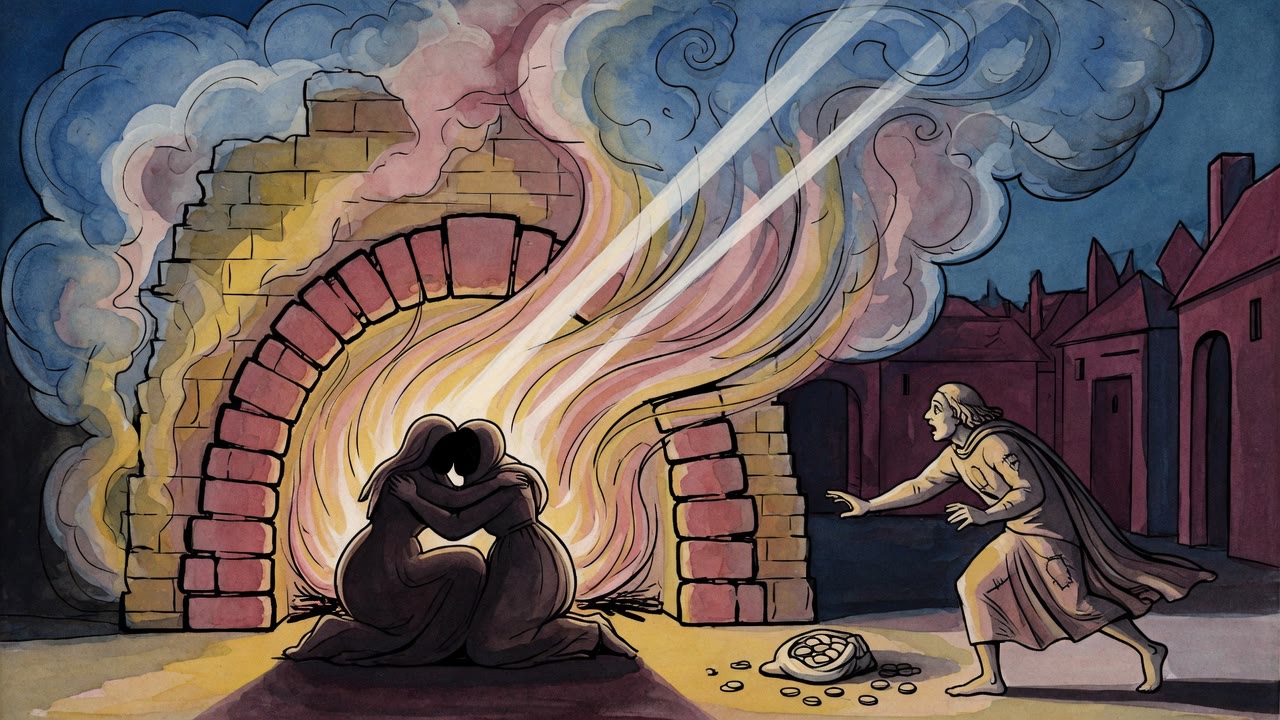
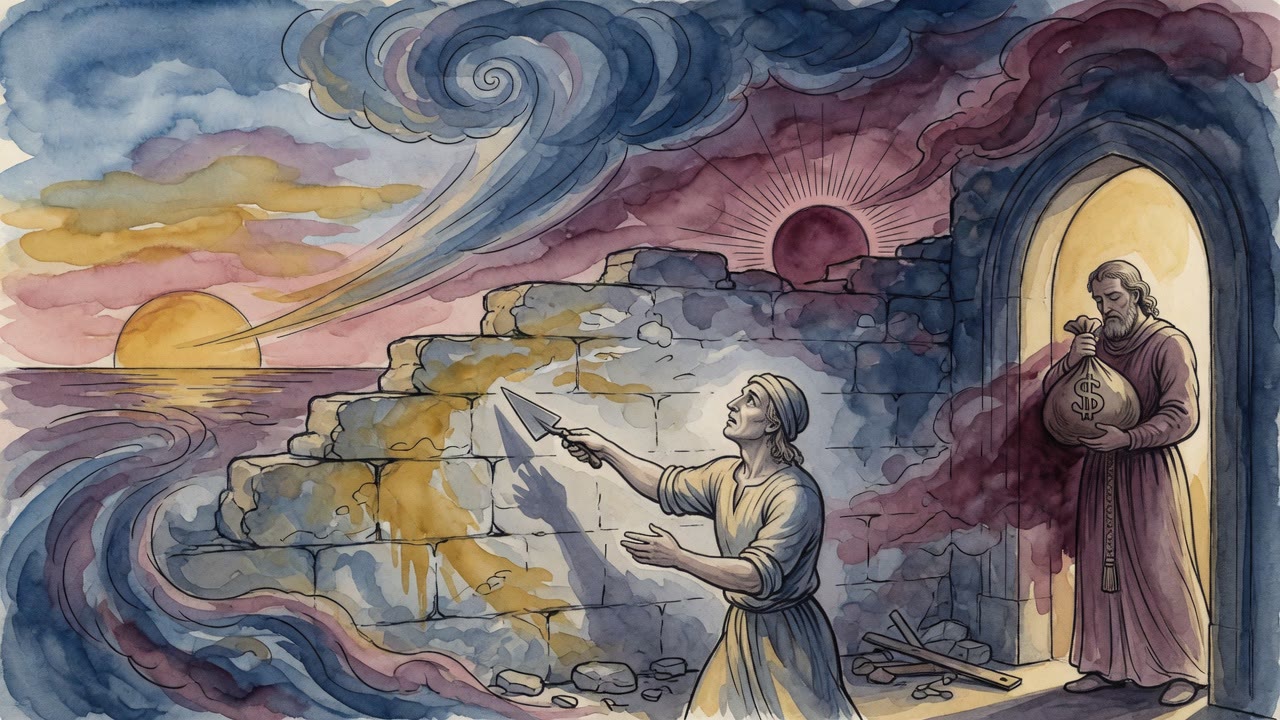
In a year when flour was counted by the handful, a man left a gold coin with a widow for safekeeping. She hid it inside a jar of meal, the safest place she knew. Then hunger walked through her door in the shape of a poor man, and her hand went to the jar without remembering the metal buried in the white.

The Widow Who Baked Gold Into Charity Bread Click for full size

She baked the flour into a loaf. She gave the loaf away as charity. The coin went out of her house inside bread meant for a stranger's mouth. No thief had come at night. Mercy had emptied the deposit.

When the Depositor Came Back

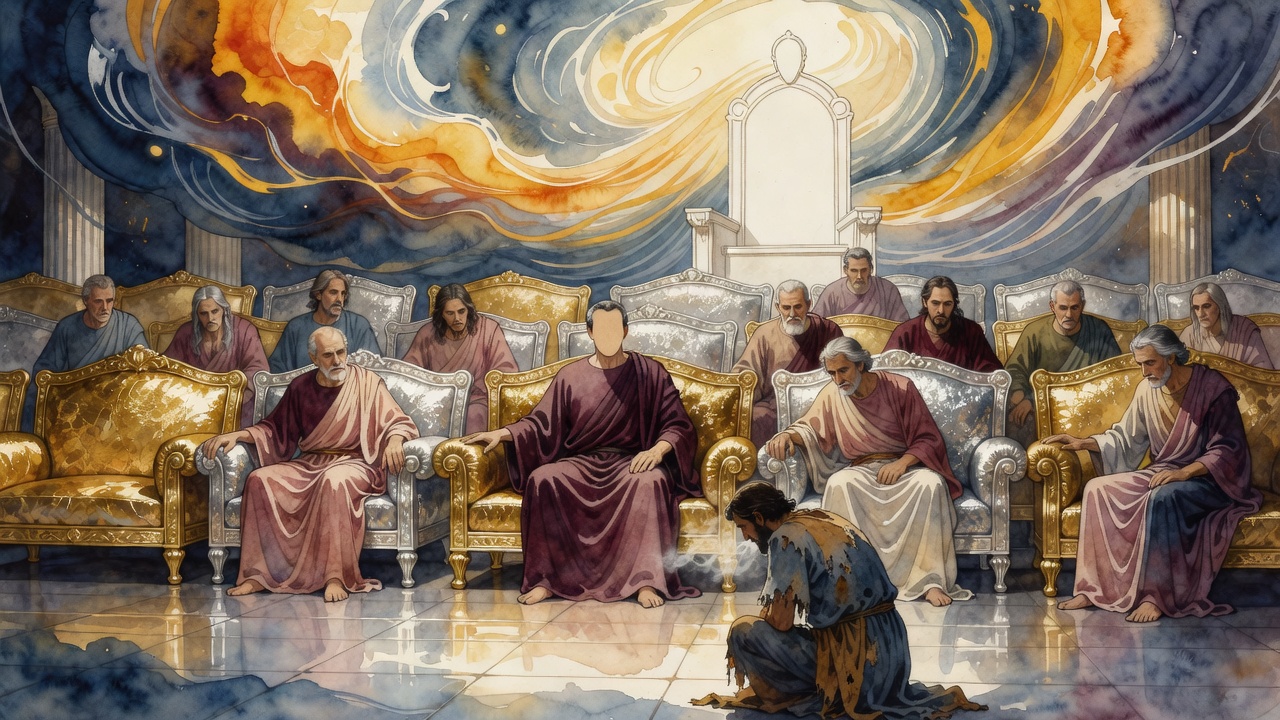
He returned and demanded his gold. She had nothing to hand him but the truth. The sages of tractate Gittin set the question that follows like a trap with no kind exit. May she swear that she no longer holds it? What becomes of an oath sworn in perfect honesty that still brings ruin?

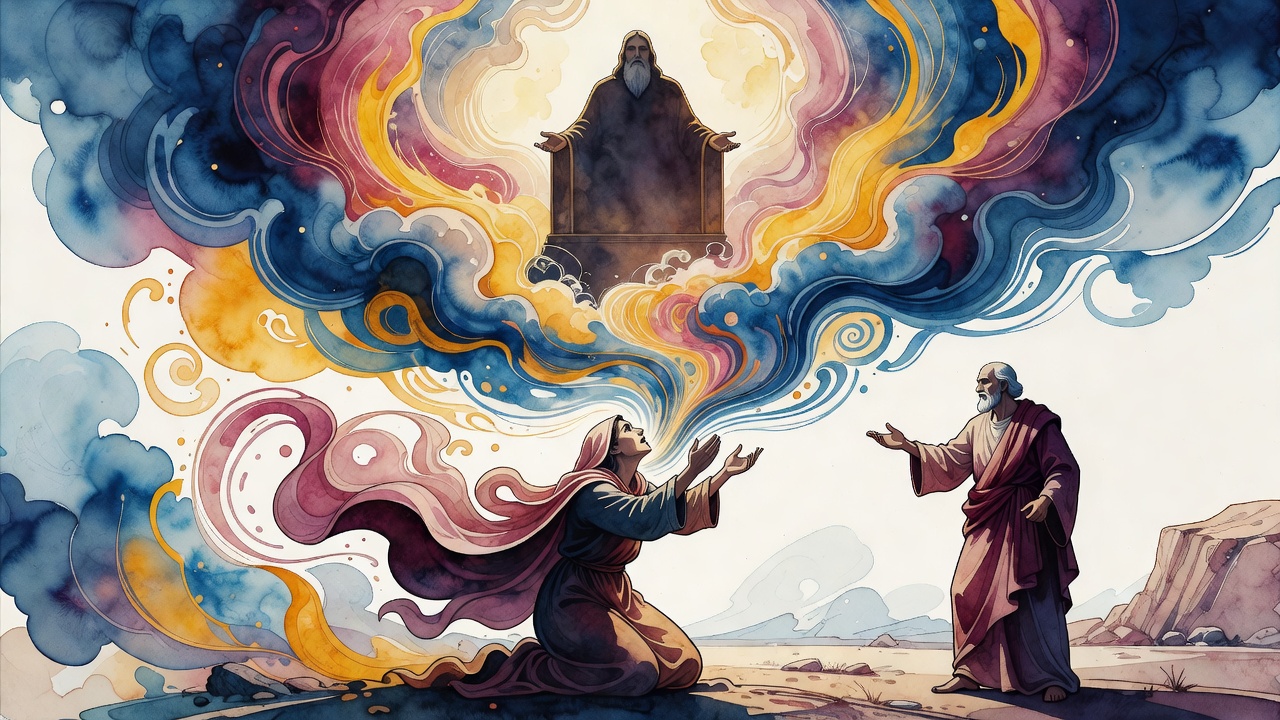
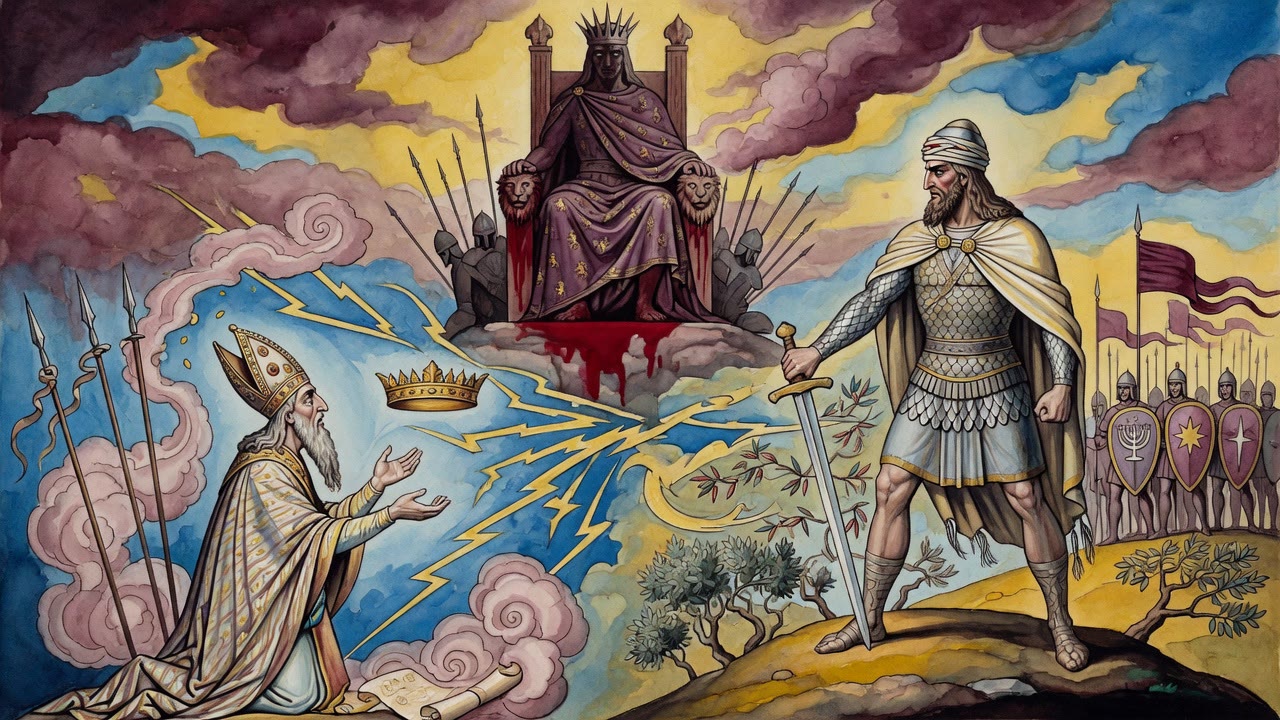
In some tellings her truthful swearing leads to the death of her own child. The rabbis do not use the tale to mock honesty. They use it to warn against vowing at all, even when the tongue is clean. They remember Jephthah, whose rash oath cost him his daughter (Judges 11:30-31). A true word, spoken under oath, can still open a door no one meant to open.

The widow's case becomes a teaching against being drawn into oaths even when blameless. Courtrooms love certainty. Heaven, in this reading, loves the life that refuses to stake a body on a formula. Better an unsettled ledger than a child paid as interest on a clean sentence.

Care That Breaks Sleep

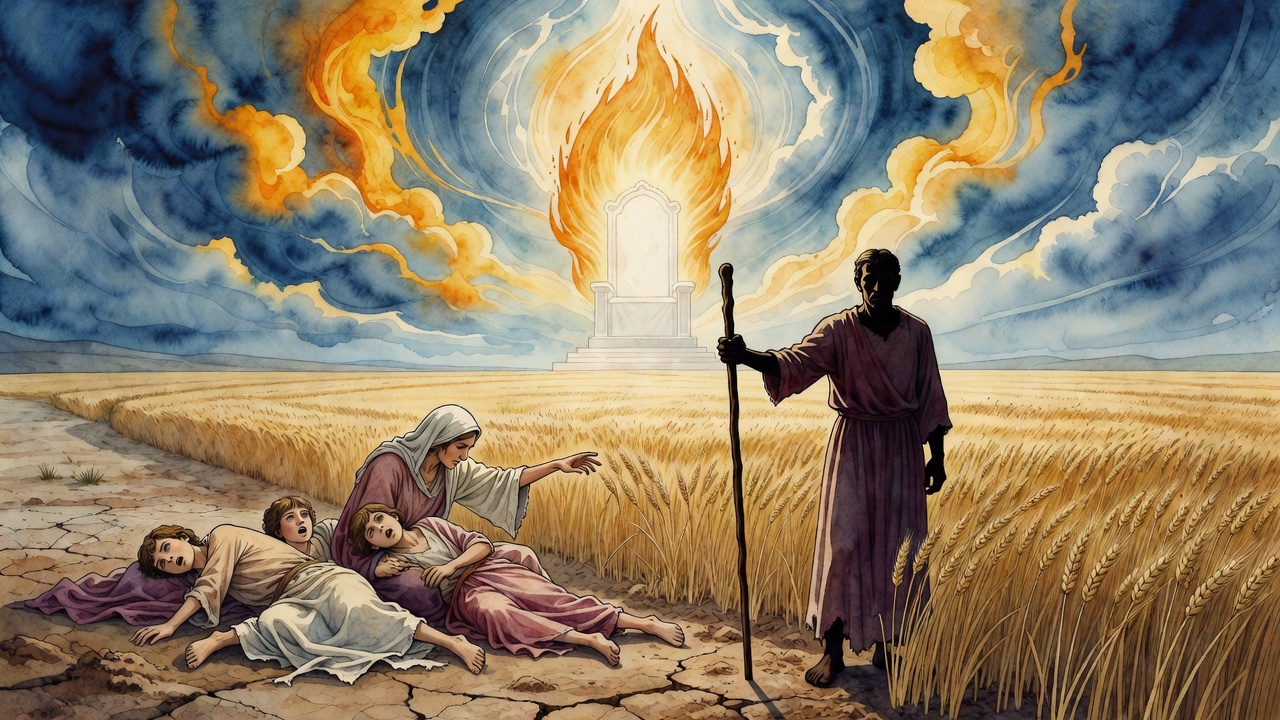
Ben Sira, writing more than two thousand years ago, knew the nights such houses keep. Care for sustenance breaketh off slumber, he said, and sore sickness does the same. The rich labor to gather wealth and rest only to take pleasure. The poor toil for the lack of a house, and if they rest they become needy again. He that pursueth after gold shall not be innocent.

The widow's jar sat at the crossroads of those lines. She held another's gold and her own hunger. Charity moved her hand. The market's fear of loss moved the depositor's mouth. Between them stood an oath ready to turn mercy into a snare. Ben Sira also names the friend who keeps a secret as beloved as one's soul, and the reproach that puts even a faithful friend to flight. Money and reputation share a bed. Both steal sleep.

He warns further that the labor of the poor is for lack of means, and if he rests it is to his lamentation. There is no neutral pause for a household living one jar from empty. That is why the loaf left so easily. That is why the gold mattered enough to demand a vow when it was gone.

What Is Most Bitter

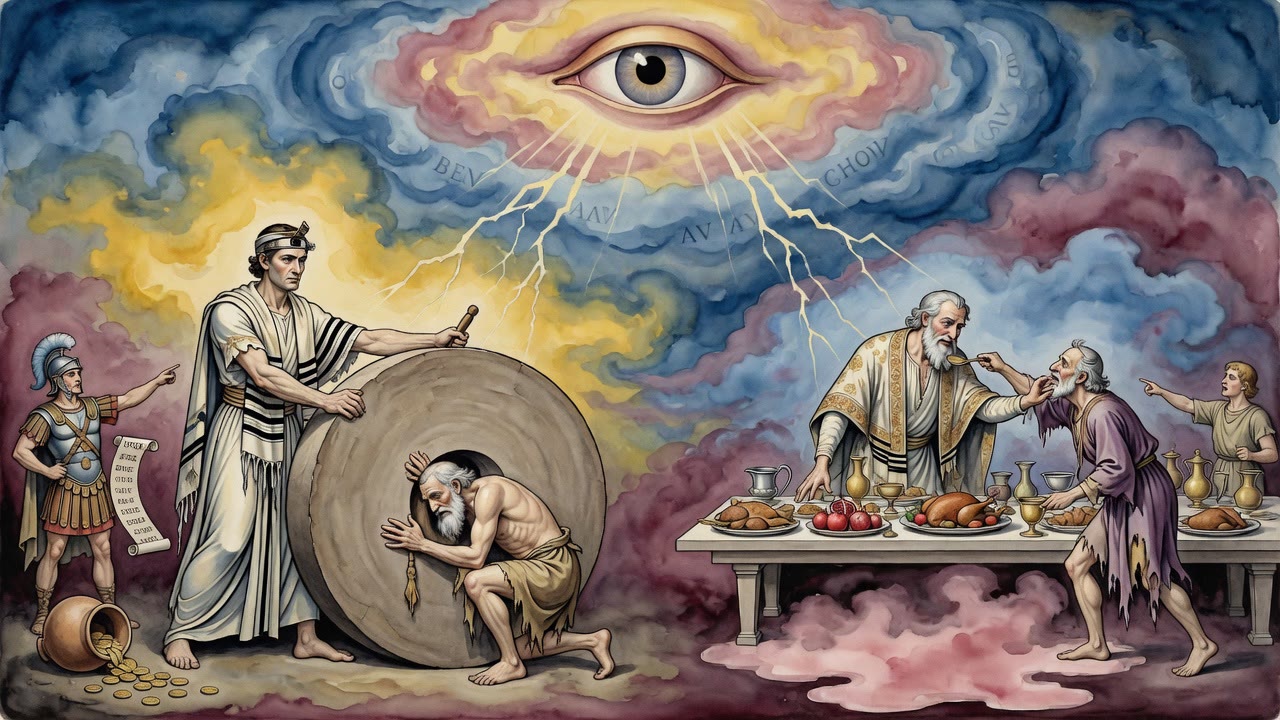
A king once asked a sage three questions meant to stump a clever man. What is strongest? What is fastest? What is most bitter? The sage did not answer with iron, horses, or gall. The strongest force is the evil inclination, which can overpower the mightiest warrior. The fastest is the human mind, which can travel from earth to heaven in an instant. The most bitter is poverty, which embitters every moment and steals the taste from every joy.

Poverty is what made the widow bake without checking the jar. Poverty is what made the gold matter enough to demand an oath. The sage's answer does not excuse the oath's danger. It names the pressure under which people make terrible clean choices. The king expected answers about weapons and animals. The sage answered about the soul and its struggles. Any person can identify the strongest metal. Only a sage can identify the strongest force in the human heart, and the bitterness that turns charity and justice into rivals.

Measured Devotion

Gaster pairs the widow with the motif of being overpious, a zeal so strict it injures the innocent. Scripture cautions against being righteous overmuch (Ecclesiastes 7:16). Mercy and good sense must guard a person from turning even a true word into a snare. The companion legend of the priest and the worm makes the same point. Zeal untempered by wisdom becomes cruelty dressed as care.

The loaf left her hands as charity. The oath that followed tried to clean the ledger and nearly emptied the house. Between giving bread and swearing gold, the tradition chooses the slower, quieter courage of not vowing when silence can still save a life. Measured devotion is not coldness. It is the refusal to let a formula kill what compassion meant to feed.

Keep the jar labeled. Keep the coin out of the flour when possible. When the coin is already gone into bread, still refuse the oath that would buy a clean name with a child's life. That is the hard mercy the sages keep retelling in a famine year.


← All myths

From the tradition

Sources

3 sources

The texts behind this telling. Some cards carry a translation of the source; others are our own retelling of it, and each card says which. Every card links out to the original.

Exempla of the Rabbis, No. 123Exempla of the Rabbis (Gaster, 1924)

Retold in our words. Read the original at the link below.The Exempla of the Rabbis, Moses Gaster (1924) · Public Domain

A man left a gold coin in the safekeeping of a widow during a year of famine, and she hid it inside a jar of flour. Without realizing the coin was there, she baked the flour into a loaf and gave it away to a poor man as charity. When the depositor returned and demanded his gold, the Talmud in tractate Gittin (Gittin 35a) records the painful question that follows: may she swear that she no longer holds it, and what becomes of an oath sworn in perfect honesty that still brings ruin?

The sages use the case to warn against vowing at all, even truthfully. They recall that Jephthah's rash oath cost him his daughter (Judges 11:30-31), and they teach that one who takes an oath, however innocent, exposes himself and others to harm. The widow's truthful swearing, in some tellings, leads to the death of her own child, so that the rabbis conclude a person should not be drawn into oaths even when blameless.

Gaster pairs this with the motif of being overpious, the danger of a piety so strict that it injures the innocent. The companion legend of the priest and the worm makes the same point: zeal untempered by wisdom becomes cruelty. Scripture cautions against being righteous overmuch (Ecclesiastes 7:16), and the storytellers read these tales as a plea for measured devotion, where mercy and good sense guard a person from turning even a true word into a snare.

Full source
Ben Sira 31:5Ben Sira

Retold in our words. Read the original at the link below.The Wisdom of Ben Sira, Cambridge University Press (1899) · CC-BY

The ancient wisdom of Ben Sira, a sage writing over two thousand years ago, knew all about it. He understood the anxieties and struggles we still face today. to one little slice of his wisdom, found in chapter 31 of his book, and see what he has to say about work, rest, and well, maybe a little bit about money too.

Ben Sira starts with a stark observation: "Care for sustenance breaketh off slumber; And sore sickness dissipateth slumber." How many nights have you tossed and turned, worried about making ends meet? About providing for your family? That’s the kind of "care for sustenance" he's talking about. And illness? Well, that steals our peace in a different, but equally disruptive, way.

Then he throws in something about friendship: "Reproach putteth to flight a faithful friend; But he that hideth a secret is beloved as one's soul." What does this have to do with work and rest? Maybe Ben Sira is reminding us that our relationships are also a kind of sustenance. They need care and attention. Trust, especially the ability to keep a secret, is crucial for maintaining those bonds.

Let's Ben Sira doesn't pull any punches. "The labour of the rich is to gather wealth; And if he rest, it is to take pleasure." Sounds pretty good. But is it really? Is the pursuit of endless wealth truly restful? Perhaps there's a hollowness in that kind of "rest," a constant striving for more that never truly satisfies.

Then he flips the coin: "The poor toileth for the lack of his house; And if he rest, he becometh needy." Ouch. That hits hard. The poor don’t have the luxury of resting without consequences. Their rest can quickly turn into lamentation, into distress. It's a brutal reality.

Ben Sira continues, "The labour of the poor is for the lack of his means; And if he rest, it is to his lamentation (or he is distressed)." It's a constant cycle, a hamster wheel of trying to survive. There's no real freedom, no chance to truly recharge.

Finally, a warning: "He that pursueth after gold shall not be innocent; And he that loveth hire shall err thereby." This isn't just about rich and poor. It's a universal caution. The relentless pursuit of wealth, the love of money above all else, corrupts. It leads us astray. It prevents us from living a truly meaningful, "innocent" life.

So, what's the takeaway from Ben Sira's ancient wisdom? Maybe it’s this: that true rest isn’t just about ceasing physical labor. It's about finding a balance. It's about cultivating meaningful relationships. And above all, it's about recognizing that the pursuit of wealth alone will never bring lasting peace. Maybe, just maybe, knowing that can help us sleep a little better at night.

Full source
Exempla of the Rabbis, No. 443Exempla of the Rabbis (Gaster, 1924)

Retold in our words. Read the original at the link below.The Exempla of the Rabbis, Moses Gaster (1924) · Public Domain

Three questions were posed to a sage. And his answers became legendary. The "Three Questions" format appears throughout medieval literature, but the Jewish versions are distinguished by the depth and unexpectedness of the answers.

The questions were typically posed by a king, an emperor, or a challenging philosopher, someone with power who expected to stump the sage. "What is the strongest thing in the world?" "What is the fastest?" "What is the most bitter?"

The sage's answers confounded expectations. The strongest thing is not iron or stone, it is the evil inclination, which can overpower the mightiest warrior. The fastest thing is not a horse or an arrow, it is the human mind, which can travel from earth to heaven in an instant. The most bitter thing is not poison or gall, it is poverty, which embitters every moment of life and steals the taste from every joy.

Other versions offered different questions and answers, but the pattern was always the same: the sage answered from the world of spirit while the questioner thought in terms of the physical world. The king expected answers about weapons and animals. The sage answered about the soul and its struggles.

The "Three Questions" tales taught that wisdom is not about knowing facts. It is about seeing the world from a perspective that transcends the obvious. Any person can identify the strongest metal. Only a sage can identify the strongest force in the human heart. The king who asked the questions learned more from the answers than he had expected. And that, the sages taught, is the mark of a truly good question.

Full source