Widow and Sons Die Waiting for Gleanings
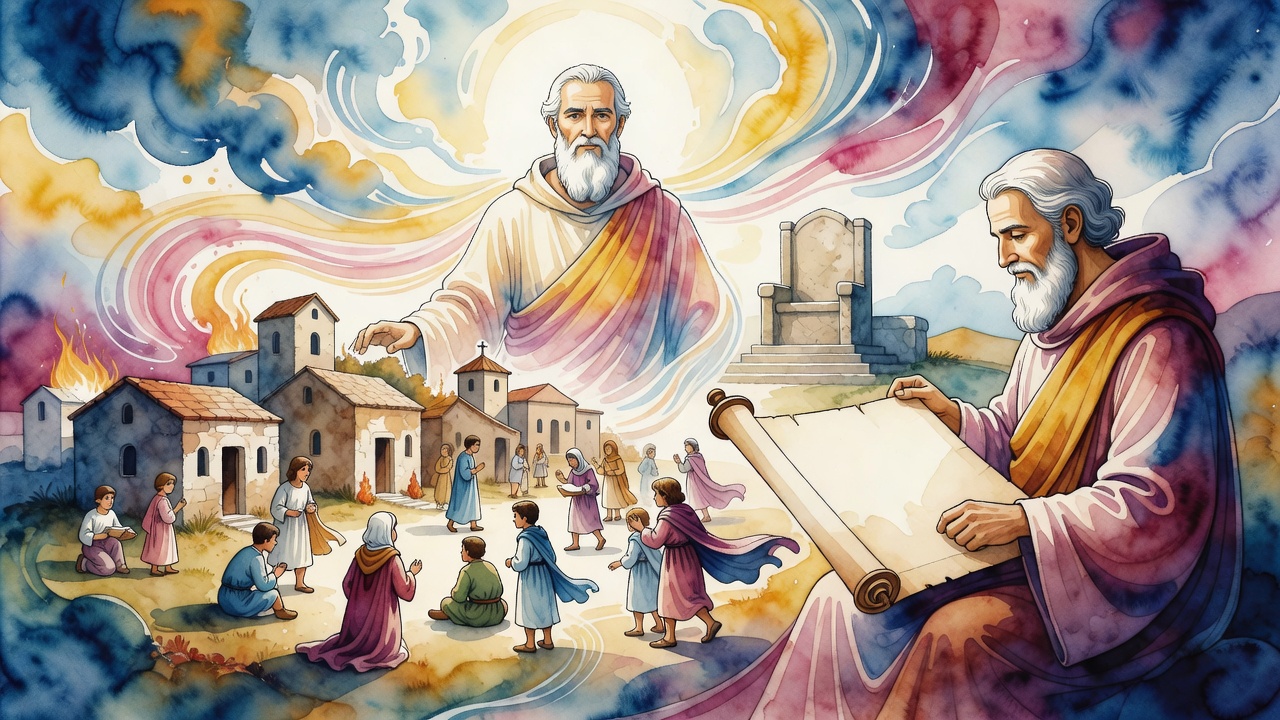
A landowner bars a widow's boys from the field, mother and sons die the same day, and heaven answers that the life taken will be exacted in full.
Table of Contents
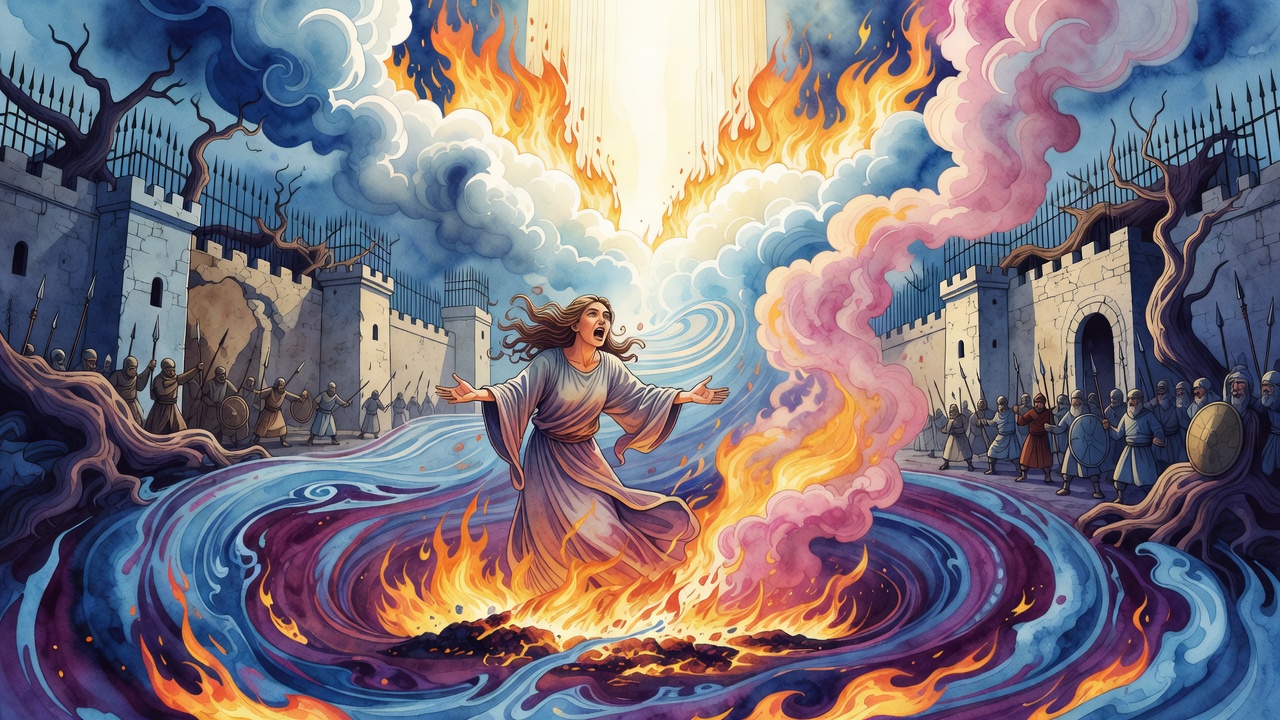
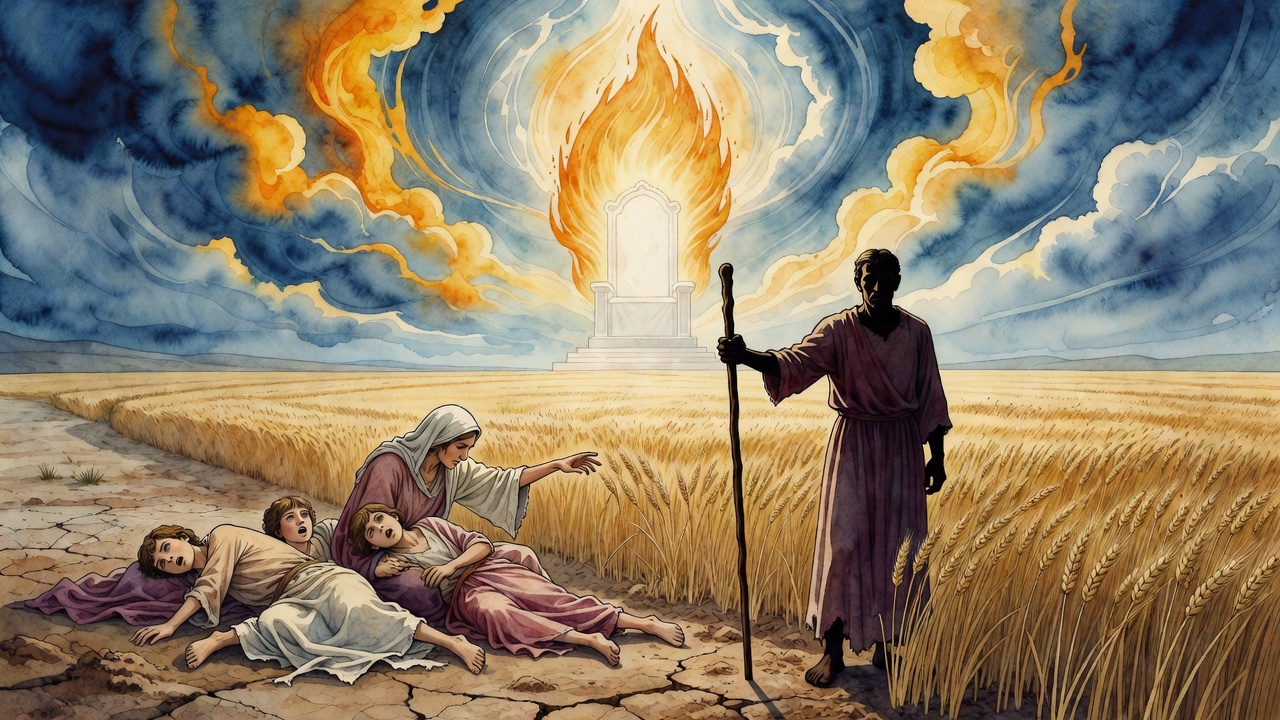
The widow watched the path from the field. Her two sons had gone to glean. Perhaps they would bring something home. The sons walked with the opposite hope: perhaps their mother had found something while they were gone. The landowner had already refused them the right to gather. They met again with empty hands. They put their heads between their mother's knees. All three died in one day.
 Click for full size
The Holy One said to the landowner, "You have taken their lives. As you live, I will exact your life from you." Scripture already warned: rob not the weak because he is weak, for the Lord will plead their cause and despoil of life those that despoil them.
No thunderclap is described. The teaching lets the silence after the three deaths do the work. The field that looked full was empty of law.
Seven Sins, Seven Answers
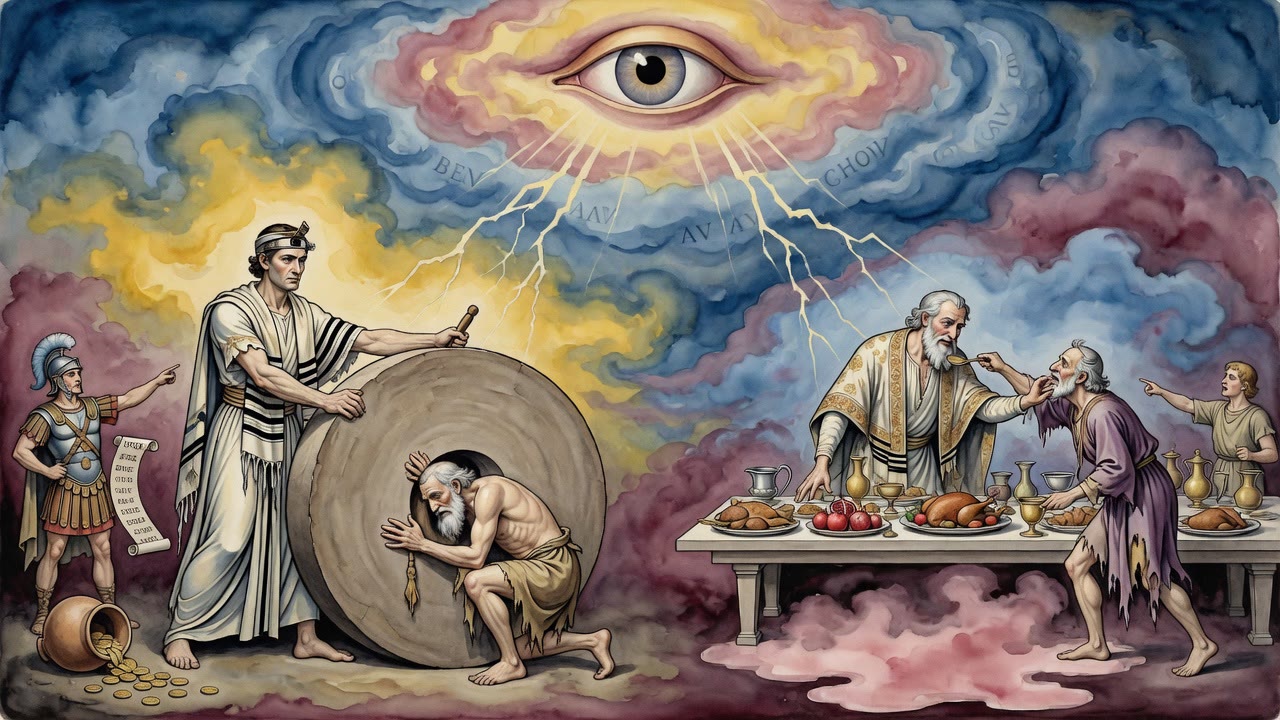
Avot DeRabbi Natan maps the weather of justice. Some give tithes and others do not: famine by drought, hunger beside plenty. Heave-offering withheld: famine through tumult. Dough-offering withheld: famine of extermination. All resolve not to tithe: heavens close, men toil without sufficiency. Pestilence comes for withholding gleanings, forgotten sheaves, field corners, and the poor-tithe. The widow's story is not a random tragedy. It is the face of that pestilence teaching.
The field that should have fed three became a mouth that swallowed them. Measure for measure is not abstract when a mother is waiting on a path. Rabbi Josiah adds that for the sin of the dough-offering no blessing enters the fruit, and men toil without sufficiency. For heave-offering and tithes withheld, the heavens close and the people fall into enemy hands. The widow is the local picture of a cosmic accounting.
Covetousness Scales Into Slavery
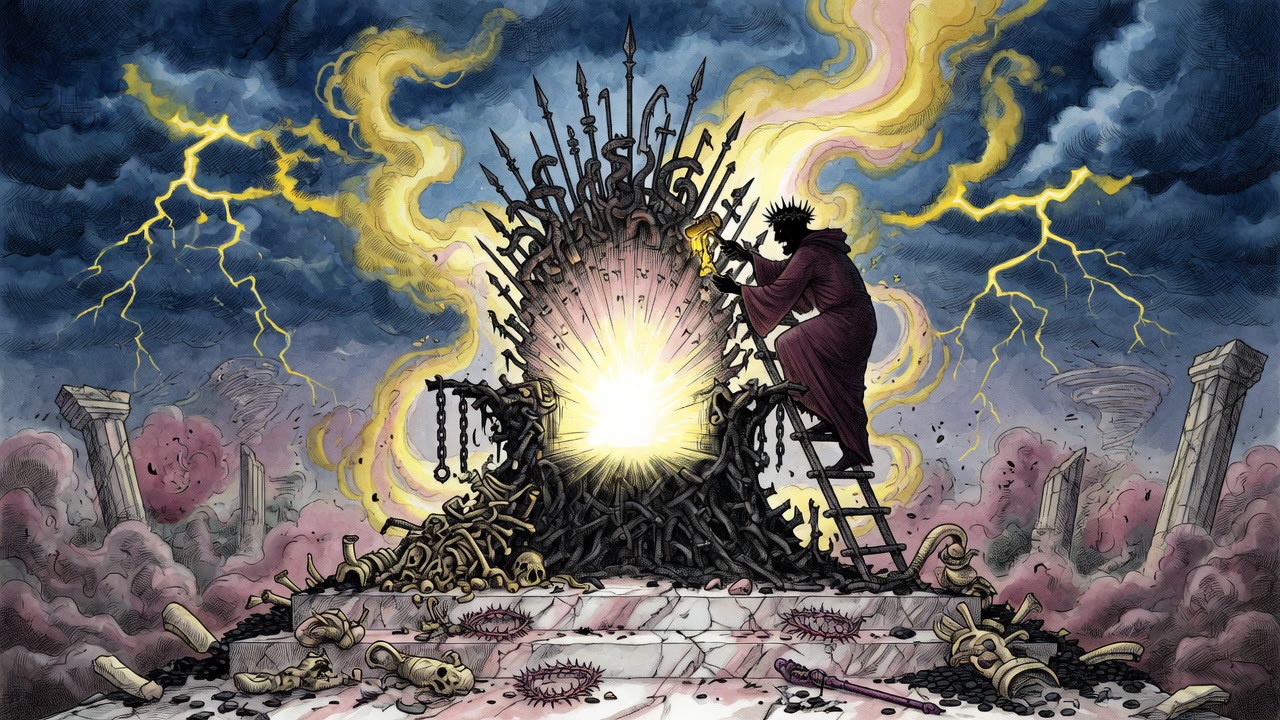
Targum Pseudo-Jonathan will not leave the tenth commandment mild. Through the guilt of covetousness the government breaks in upon possessions, the wealthy are made poor, and slavery comes upon the world. Private envy becomes public confiscation. Appetite scales up until free people sell what is left, including their own labor and their children's future.
The Decalogue began with a God who brought Israel out of the house of bondage. It ends with a warning: covet, and a free people will march themselves back into bondage. The landowner who could not bear to lose a few stalks of grain stands at the start of that chain. He wanted what the law had already assigned to the poor. His want killed a household.
First the eye wants the neighbor's yield. Then the hand bars the gleaner. Then the state learns the same habit on a larger scale. The Targum's chain reaction begins in a field like this one.
When the Powerful Only Need You
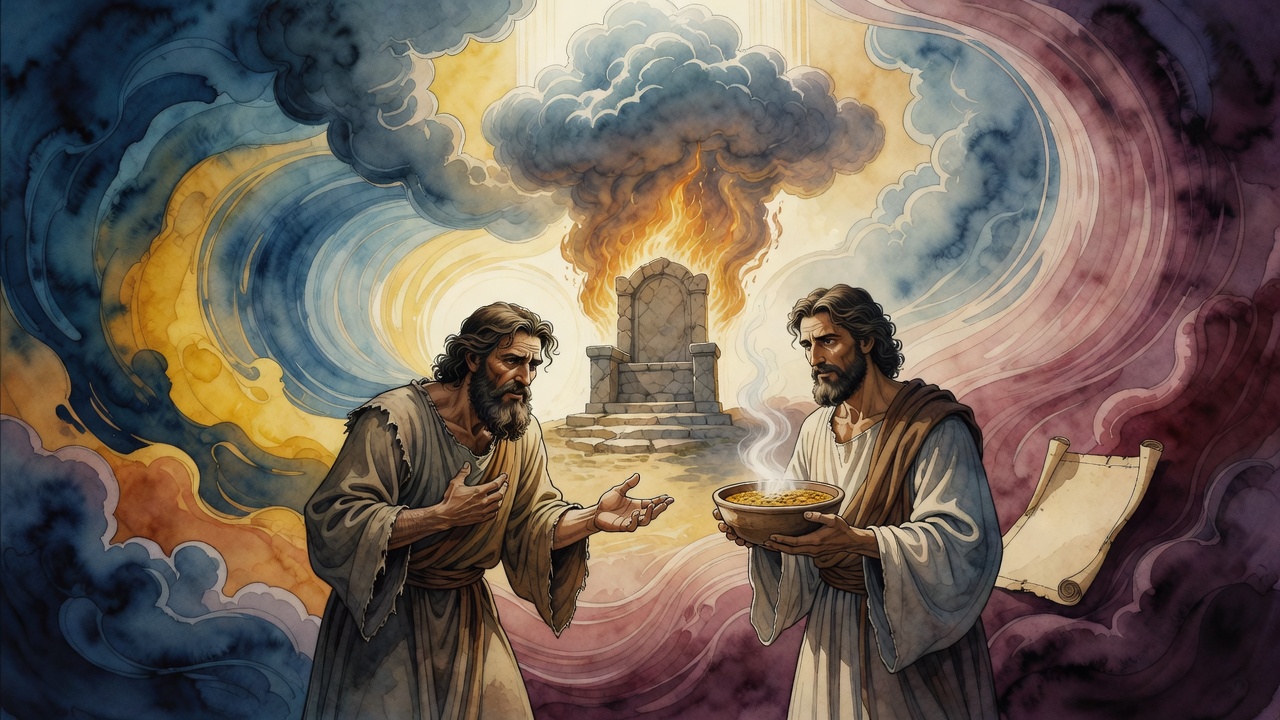
Ben Sira watched the same pattern in human faces. "If he has need of you," Ben Sira warns, "he will toy with you." He will smile and flatter while the useful one profits him. Then he will look, pass by, and wag his head. Do not be urgent overmuch, the sage continues. If a noble draws near, keep a little distance so he must approach. "Come not so near that you are shoved off. Stand not so far that you are forgotten."
The widow's sons had no room for that dance. They needed grain. The powerful man had no need of them, only of his full field. Ben Sira's wagging head and the midrash's three deaths are cousins. Use without loyalty ends in contempt or in corpses. The sage of Jerusalem and the storyteller of Avot DeRabbi Natan both refuse to romanticize the smile of the strong.
Two Sages Walk Toward the Sword
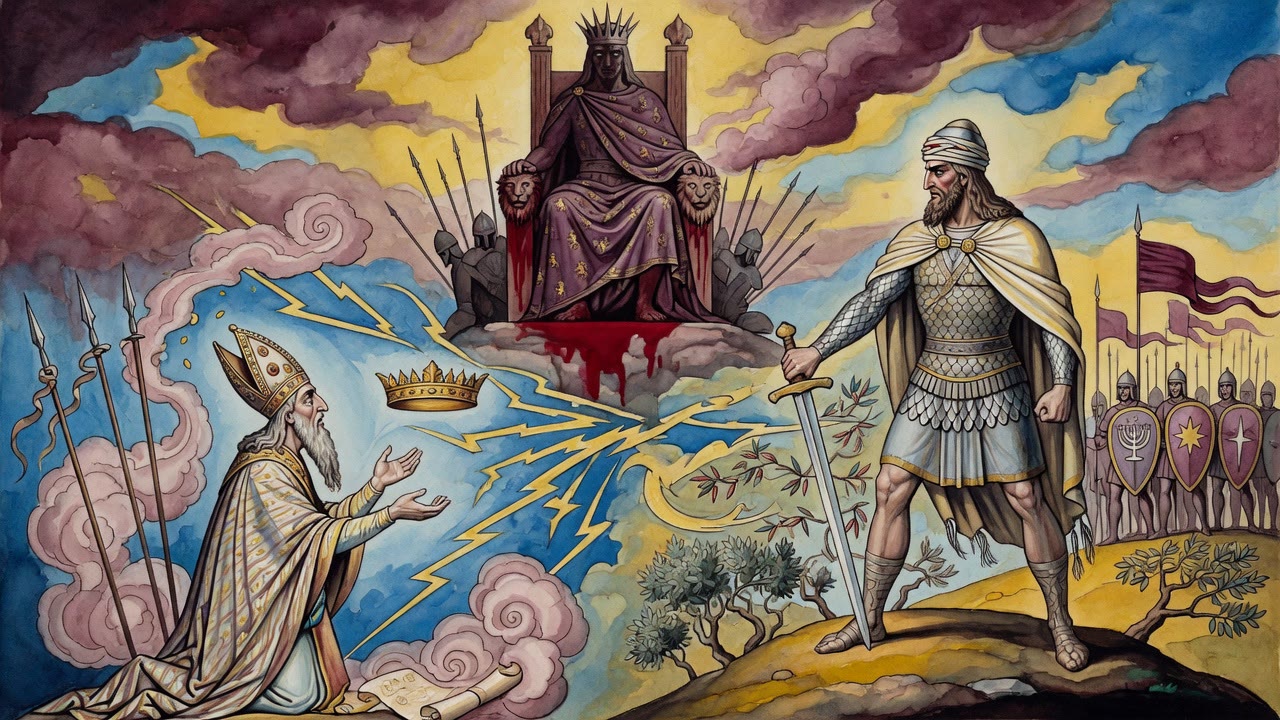
The same chapter remembers another cost of delayed justice. Rabban Shimon ben Gamliel and Rabbi Ishmael ben Elisha are led to execution. Shimon is shaken that their death looks like the death of Sabbath-desecrators and murderers. Ishmael asks whether a woman seeking a ruling on purity, or a poor person at the door, was ever kept waiting while the sage ate or slept. Shimon swears he set watchers to bring the poor in. Then Ishmael asks whether pride swelled when multitudes sat before him on the Temple mount. Shimon answers that a man must accept his fate. They draw lots so neither must watch the other die first. The sword takes Shimon. Ishmael cradles the head and weeps over the holy mouth filled with dust.
Justice delayed and charity refused both end under a blade, one public and Roman, one quiet in a field. The tradition refuses to separate them. The widow on the path and the sages on the road to death teach one fear: heaven keeps accounts when the weak are blocked from what the Torah already gave them.
Return to the path at dusk. No sons on the road. No grain in the house. The landowner's barns are still full. The midrash has already named what that fullness costs. Somewhere a sword is being sharpened for other righteous mouths. Somewhere Ben Sira still warns a student not to trust the flattering rich. The three deaths remain the sharpest image: heads on a mother's knees, and a field that would not share.
← All myths